Top 9 Castles around La Turbie
Best castles around La Turbie are found in a picturesque village perched above the Mediterranean, offering a glimpse into the region's rich past. The area features significant historical sites, including Roman monuments and medieval fortifications. These locations provide expansive views of the French Riviera and surrounding landscapes. La Turbie's strategic position has made it a historical crossroads for centuries.
Best castles around La Turbie
- The most popular castles is Fort du Mont Alban, a castle that is a military…
Last updated: July 3, 2026
Castle Hill
Highlight • Viewpoint
Translated by Google •
Tip by

Prince's Palace of Monaco
Highlight • Historical Site
Translated by Google •
Tip by

Sign up now to discover places like this
Get recommendations on the best single tracks, peaks, & plenty of other exciting outdoor places.
Sign up for free
Fort du Mont Alban
Highlight • Castle
Translated by Google •
Tip by
L'Oréillon
Highlight • Historical Site
Translated by Google •
Tip by

Castle ruins
Highlight • Castle
Translated by Google •
Tip by
Sign up for free to discover even more castles around La Turbie.
Sign up for free
Already have an account?
Start today with a free account
Your next adventure awaits.
Login or Signup
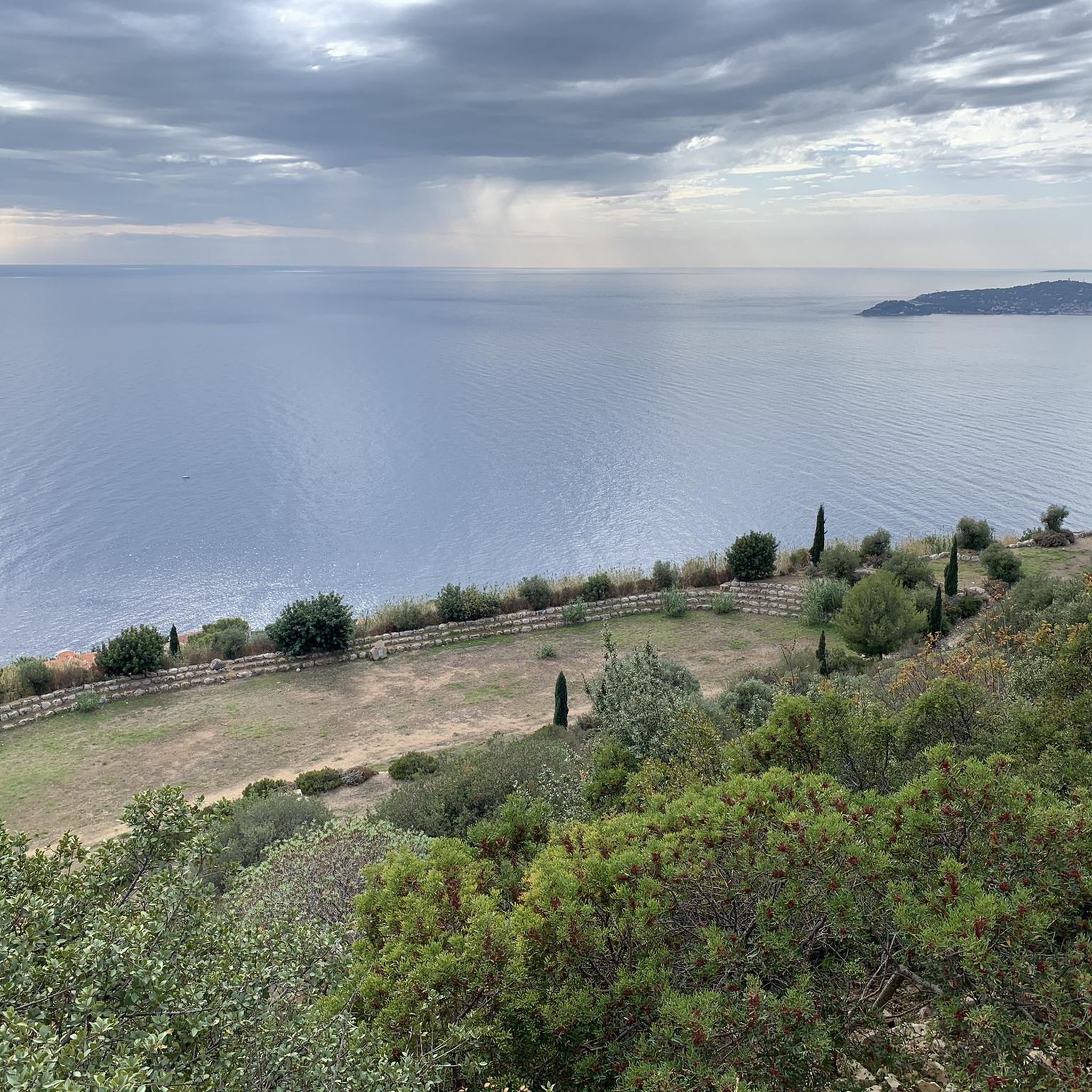
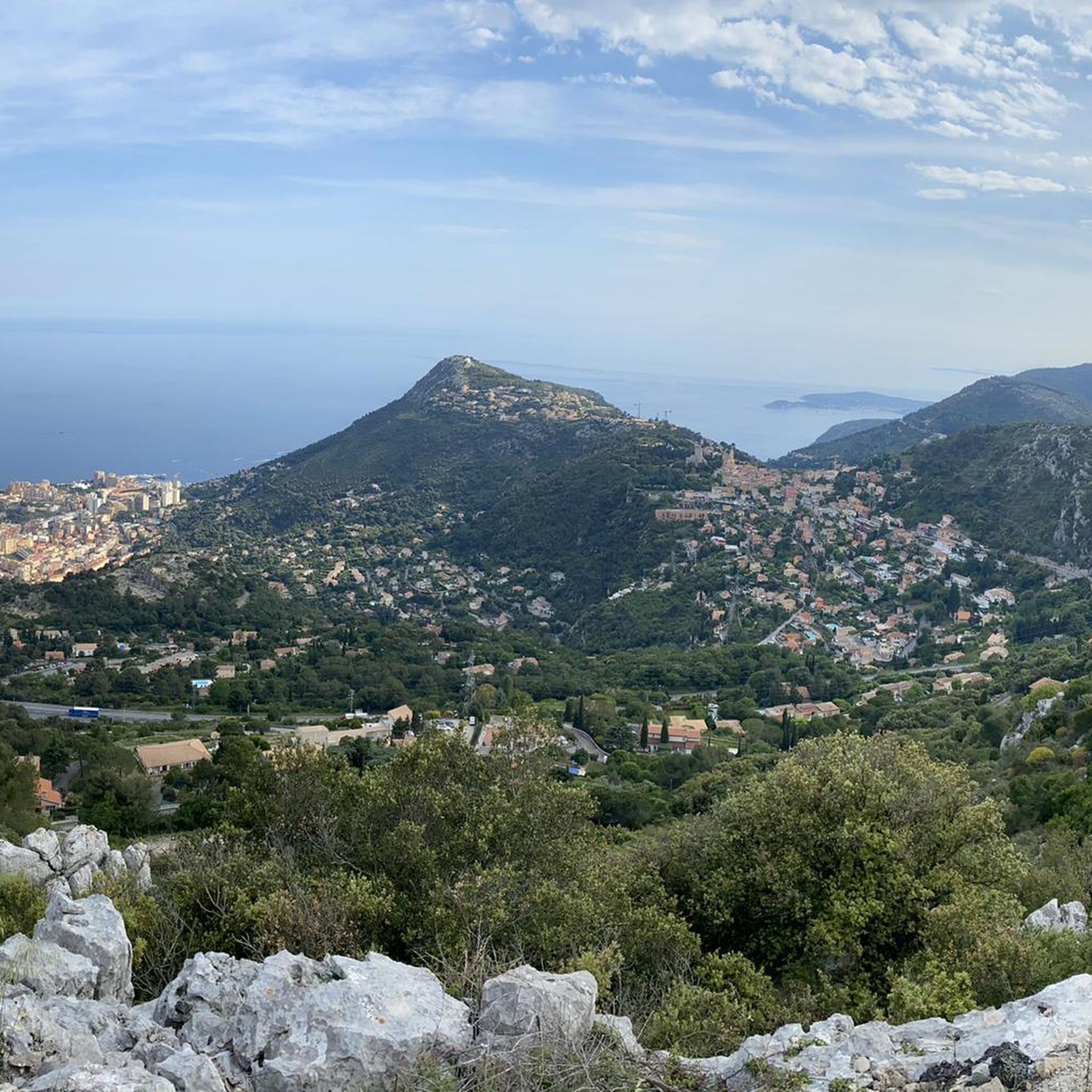
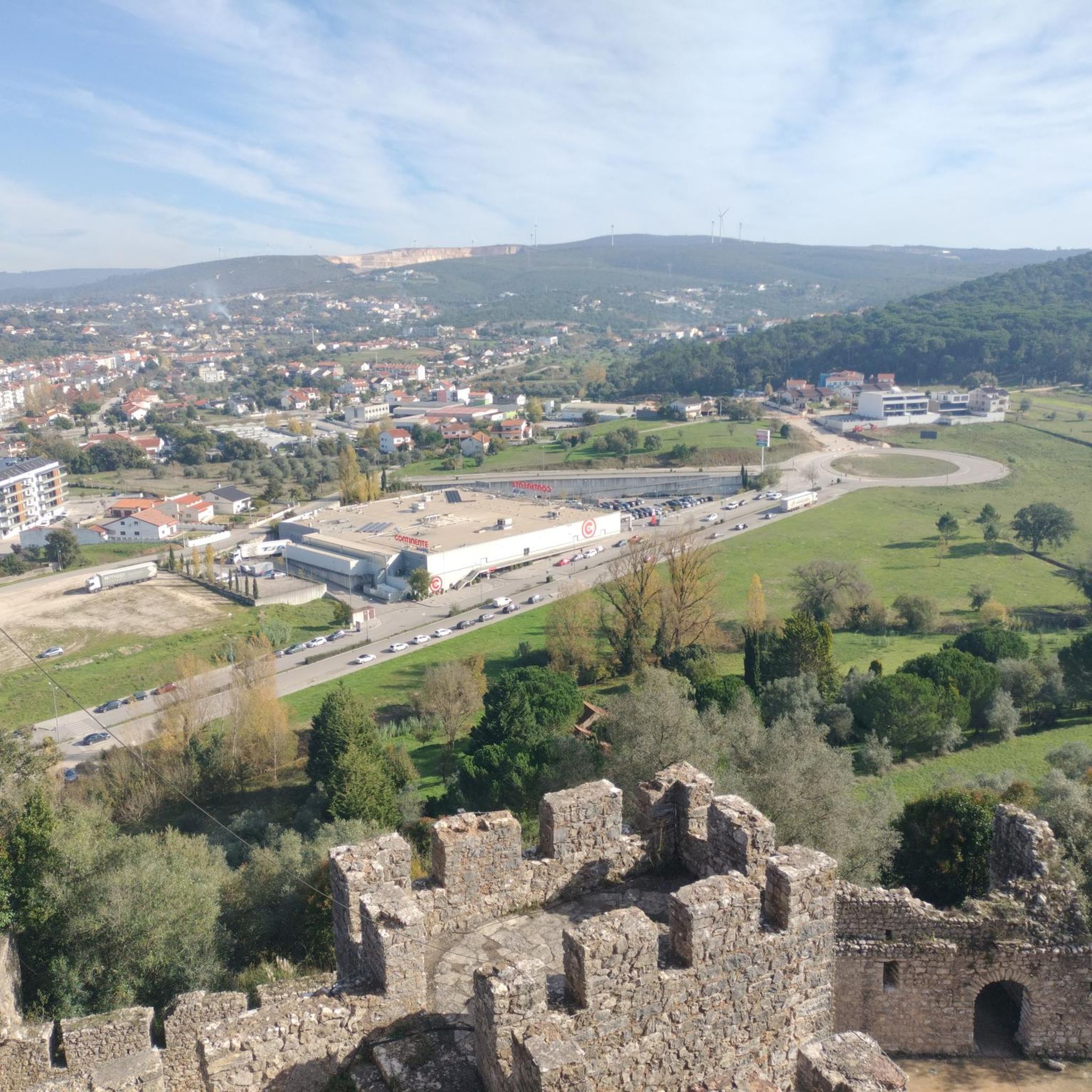
Other adventures around La Turbie

Tips from the Community

A staircase with a magnificent view leads out - alternatively, an elevator (usually with short waiting times)
0
0

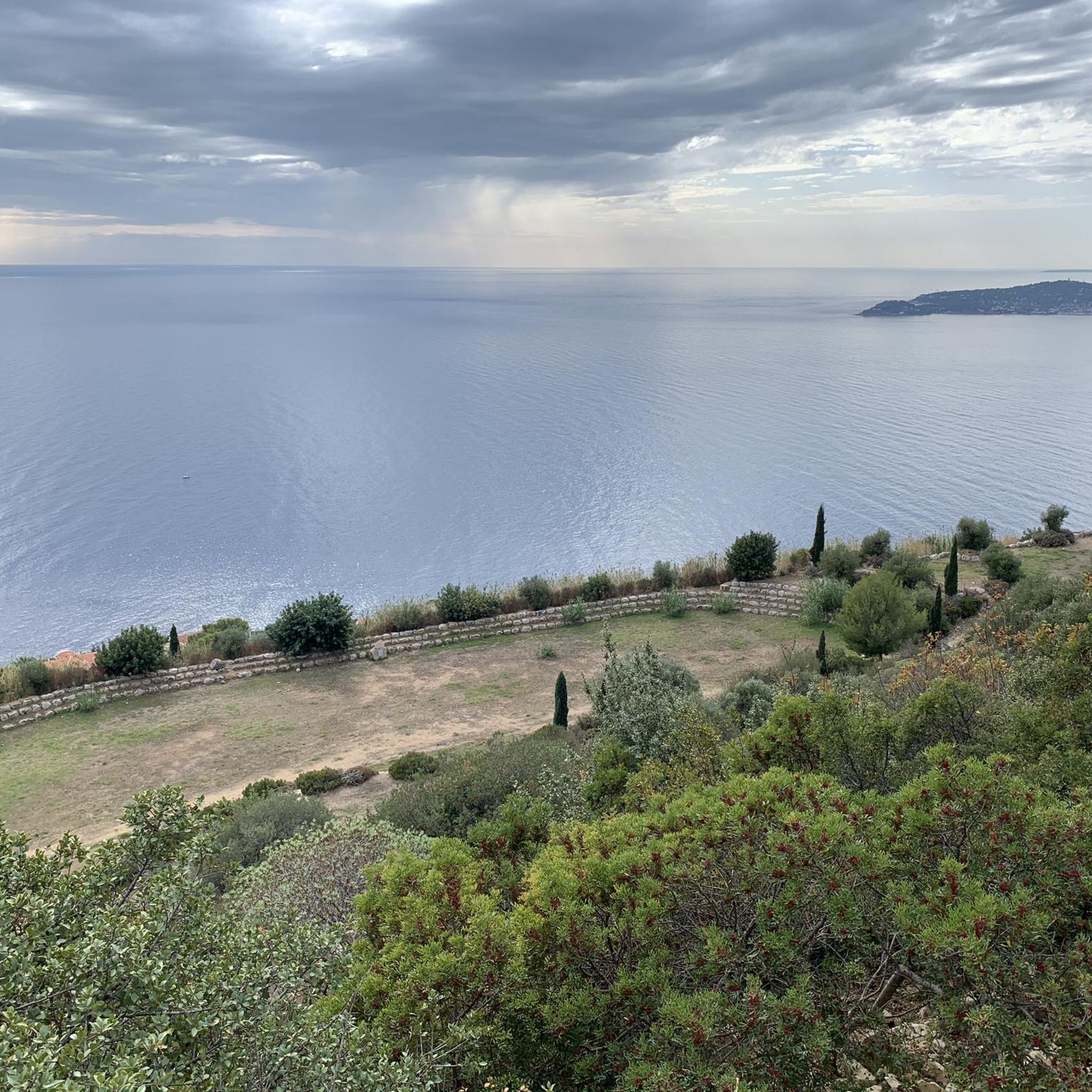
The castle ruins in Èze are one of the most important historical sites in the village and offer stunning views of the Mediterranean Sea. Here are some key points about these ruins: 1. **History**: The castle dates back to the 12th century and was originally built to protect the people of Èze. It served as a defensive point and was a strategic location because of its view of the sea and surrounding countryside. 2. **Demolition and Ruins**: The castle fell into disrepair after the 17th century and was eventually abandoned in the 18th century. What remains are the ruins which are now a major attraction for visitors. 3. **Panoramic Views**: One of the biggest draws of the castle ruins is the breathtaking views they offer. Visitors can enjoy panoramic views of the Mediterranean Sea, the coastline and the surrounding mountains. 4. **Gardens**: Surrounding the ruins are beautiful botanical gardens, the Jardin Exotique d'Èze, which contain various types of cacti and other plants. This makes it a beautiful place to explore and relax. 5. **Accessibility**: The castle ruins are open to the public, and visitors can explore the remains and learn more about the history of the castle and the village. 6. **Culture and Events**: The ruins are sometimes used for cultural events and are a popular spot for photographers and artists because of their picturesque setting. So, the castle ruins in Èze are not only an important historical monument, but also a beautiful viewpoint that adds to the charm of the village. They offer visitors the chance to explore the history of the region and enjoy the natural beauty of the surroundings.
3
0

L'Oréillon in Monaco is a historic building that was originally designed as a residential palace. It is known for its baroque architecture and elegant finishes. Here are some of the features and functions of L'Oréillon: 1. **Architectural style**: The building has a typical baroque style with an impressive facade, ornaments and symmetrical lines. The architecture reflects the artistic trends of the early 18th century. 2. **Historical function**: L'Oréillon served as a residence for aristocratic families and has served various functions over the years, including as a home for the princely family. 3. **Strategic location**: The building is located at a prominent point in Monaco, which contributed to the strategic and defensive capabilities of the city. 4. **Cultural value**: L'Oréillon is an important example of the architectural development in Monaco and contributes to the historical heritage of the principality. It reflects the wealth and power of the ruling class during that period. 5. **Accessibility**: Today, the building is a point of interest for visitors interested in Monaco's history and architecture. L'Oréillon is therefore not only an architectural masterpiece, but also an important part of Monaco's rich history and culture.
3
0

E n most beautiful races and trails at this location
0
0

The Prince's Palace has a long history. It has been enlarged and changed several times over the centuries. Its origins date back to 1215. Through several renovations in the 17th century, the former Genoese fortress was transformed into a magnificent residence typical of the “Grand Siècle”. Prince Honoré II endowed the palace with a rich art collection, which unfortunately disappeared during the French Revolution when the palace was looted and served as a hospital for the Italian troops. Today some magnificent parts of this palace can be visited, such as: The Palace Chapel of Saint-Jean-Baptiste, the Hercules Gallery, the Mirror Gallery, the Red Salon, the York Room, the Yellow Salon or the Louis XV Salon and the Throne room. There are also numerous frescoes, carpets and furniture to see. https://www.visitmonaco.com/de/platz/gehenswurdigkeiten-museen/22156/der-furstenpalast
6
0

Frequently Asked Questions
What historical sites, beyond traditional castles, can I explore in La Turbie?
In La Turbie, the most prominent historical site is the Trophy of Augustus, a monumental Roman structure that was later repurposed as a medieval fortress. The village of La Turbie itself is also a fortified medieval settlement with preserved ramparts, cobblestone streets, and ancient houses. Additionally, you can visit the Prince's Palace of Monaco, a historical residence that has been inhabited by the head of state of Monaco since the 13th century.
What kind of panoramic views can I expect from the historical sites around La Turbie?
Many sites offer breathtaking panoramic views. From the Trophy of Augustus, you can see from the Italian coast to the Esterel, including Cap Ferrat, Nice, Antibes, and even Corsica on clear days. Fort du Mont Alban provides beautiful views of Nice's old town, the sea, and Malariba. Castle Hill in Nice also offers expansive views of the city and its bay. The Medieval village of Èze, perched high above the Mediterranean, provides stunning vistas of the Côte d’Azur.
Are there family-friendly options among the historical sites near La Turbie?
Yes, several sites are suitable for families. Castle Hill in Nice is a popular park with green areas and waterfalls, where children can enjoy themselves. The Prince's Palace of Monaco is partially open to tourists, and the daily changing of the guard around 12 noon is a spectacle that often delights visitors of all ages.
What outdoor activities can I do near these historical sites?
The region around La Turbie is excellent for various outdoor activities. You can find numerous routes for cycling, gravel biking, and running. For instance, there are cycling routes like the "Menton – Prince's Palace of Monaco loop" and gravel biking routes such as the "Col de la Madone – Route de Sainte-Agnès loop." Running trails include the "La Turbie – Col d'Èze loop" and the "La Turbie – Trophy of Augustus loop." You can explore more options in the cycling, gravel biking, and running guides for La Turbie.
What is the best time of year to visit the historical sites around La Turbie?
The region generally enjoys a mild Mediterranean climate. Spring and autumn offer pleasant temperatures for exploring, avoiding the peak summer heat and crowds. Winter visits are also possible, as the weather remains relatively mild, though some attractions might have reduced hours. The panoramic views are stunning year-round, especially on clear days.
Are there any easy walks to historical sites from La Turbie?
Yes, the village of La Turbie itself is very walkable, allowing you to explore its medieval streets and the Trophy of Augustus on foot. For longer walks, there are running routes like the "Fort de la Revère – View of Monaco and Nice loop from La Turbie" which is a moderate 7.9 km, or the "La Turbie – Trophy of Augustus loop from Monaco" which is a moderate 9.1 km, offering accessible ways to experience the area's history and views.
What are the public transport options for reaching historical sites around La Turbie?
La Turbie is accessible by public transport, primarily buses, which connect the village to nearby cities like Nice and Monaco. From La Turbie, you can then explore the Trophy of Augustus and the fortified village on foot. For sites further afield, such as Castle Hill or the Prince's Palace of Monaco, local bus networks in Nice and Monaco provide convenient access.
Can I find cafes or restaurants near the historical sites in La Turbie?
Yes, the village of La Turbie has cafes and restaurants where you can enjoy local cuisine and refreshments. The Medieval village of Èze also features charming eateries, including the Michelin-starred restaurant at Château Eza. In Nice and Monaco, near Castle Hill and the Prince's Palace, you'll find a wide array of dining options.
What makes the Trophy of Augustus unique compared to other historical sites?
The Trophy of Augustus is a rare and exceptional example of a Roman triumphal monument, built in 6 BC to celebrate Emperor Augustus' victory over Alpine tribes. Its strategic location and original towering structure, approximately 49 meters high, showcased Roman power. Uniquely, it was later transformed into a medieval fortress, playing a crucial defensive role for centuries before being partially dismantled and then restored. An on-site museum explains its history and features a model of its original grandeur.
Are there any hidden gems or lesser-known historical sites in the La Turbie region?
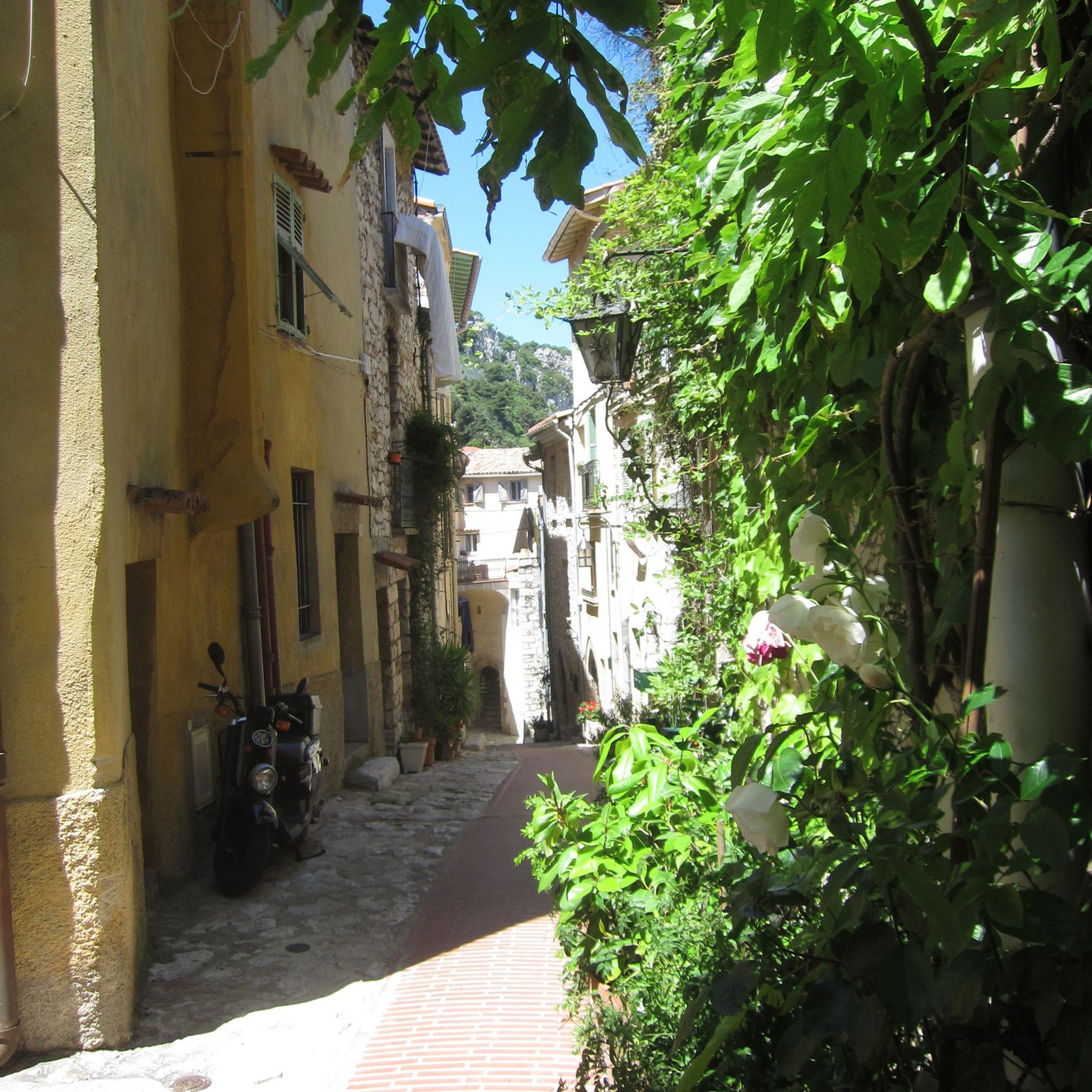
While the Trophy of Augustus and the fortified village of La Turbie are well-known, the village itself, with its medieval enclosure and gates, offers an immersive historic experience often overlooked in favor of the monument. Exploring its narrow, cobblestone streets and vaulted passageways reveals a charming blend of classical, medieval, and baroque architectural styles. Another interesting site is L'Oréillon in Monaco, a historic building known for its baroque architecture and strategic location.
What do visitors enjoy most about the historical sites around La Turbie?
Visitors frequently praise the breathtaking panoramic views from sites like the Trophy of Augustus, Fort du Mont Alban, and Castle Hill. The rich historical significance and the opportunity to step back in time, especially when exploring the medieval village of La Turbie or the Prince's Palace of Monaco, are also highly valued. The well-preserved architecture and picturesque charm of places like the Medieval village of Èze also receive strong appreciation.
Most popular routes around La Turbie
Most popular attractions around La Turbie

Get inspired with the komoot mobile app


Explore more
Looking for the best castles somewhere else? Discover other guides around La Turbie:
