Top 20 Natural Monuments in Lozère
Best natural monuments in Lozère showcase a region renowned for its untouched natural beauty and diverse landscapes. This area features deep canyons carved by rivers, high-altitude plateaus, and ancient megalithic sites. These locations highlight the raw splendor of the French countryside, offering varied natural attractions. Lozère's low population density ensures a sense of space and serenity for visitors.
Best natural monuments in Lozère
- The most popular natural monuments is Finiels Summit, a summit that is the highest point of…
Last updated: June 26, 2026
Finiels Summit
Highlight • Summit
Translated by Google •
Tip by

Vase de Sèvres and Vase de Chine
Highlight • Natural Monument
In addition to …
Translated by Google •
Tip by

Sign up now to discover places like this
Get recommendations on the best single tracks, peaks, & plenty of other exciting outdoor places.
Sign up for free
Capluc Rock
Highlight • Viewpoint
Its summit is accessible by ladders (no …
Translated by Google •
Tip by
The 4000 Steps
Highlight (Segment) • Summit
In …
Translated by Google •
Tip by

Notre-Dame de Cénaret Chapel
Highlight • Religious Site
Very beautiful buildings ranging from medieval times to the …
Translated by Google •
Tip by

Tarn Bridge
Highlight • Bridge
Translated by Google •
Tip by

Arcs de Saint-Pierre
Highlight • Natural Monument
Between …
Translated by Google •
Tip by
Vertigo Viewpoint
Highlight • Viewpoint
Translated by Google •
Tip by
Le Point Sublime
Highlight • Viewpoint
Translated by Google •
Tip by

Aven Armand
Highlight • Cave
Indeed, the Aven Armand is an underground spectacle! Cave among caves, it …
Translated by Google •
Tip by
Sign up for free to discover even more natural monuments in Lozère.
Sign up for free
Already have an account?
Start today with a free account
Your next adventure awaits.
Login or Signup
Popular around Lozère
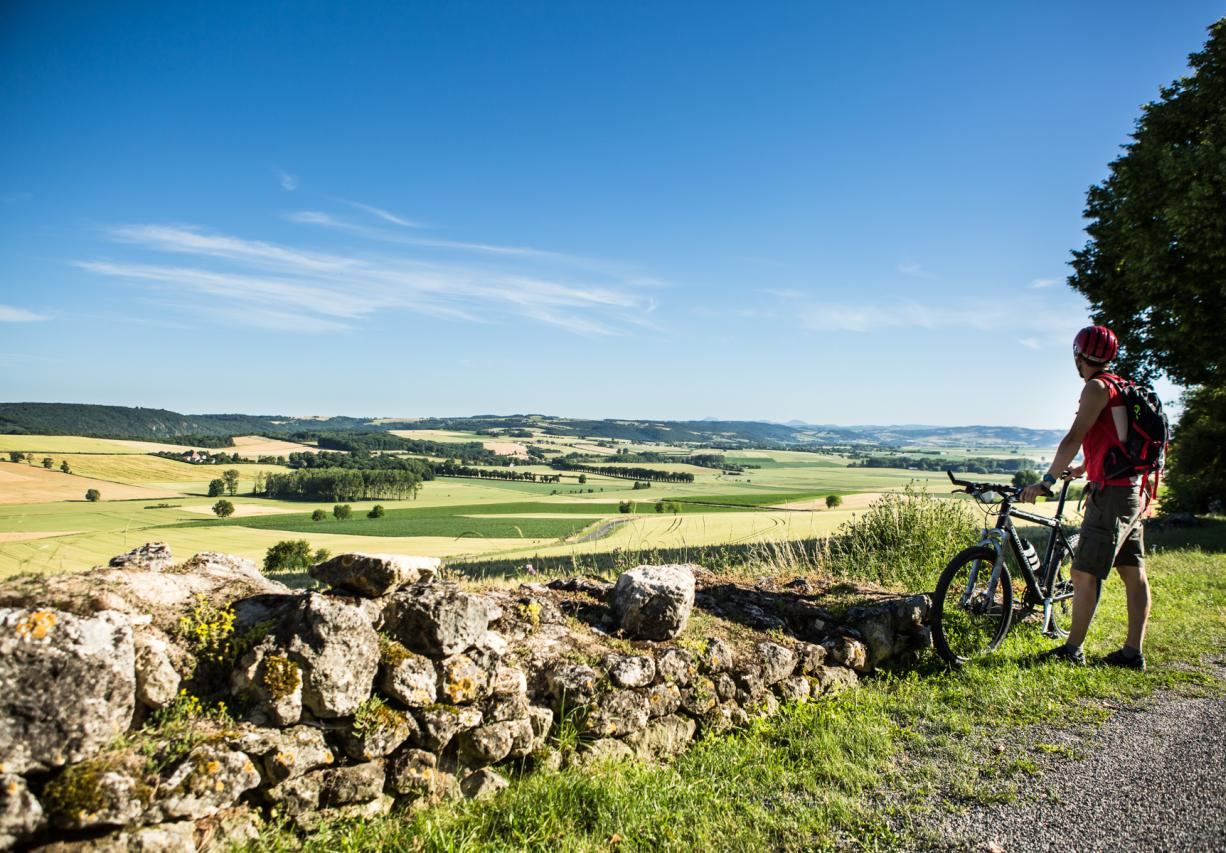
The Grande traversée du Massif Central by gravel bike
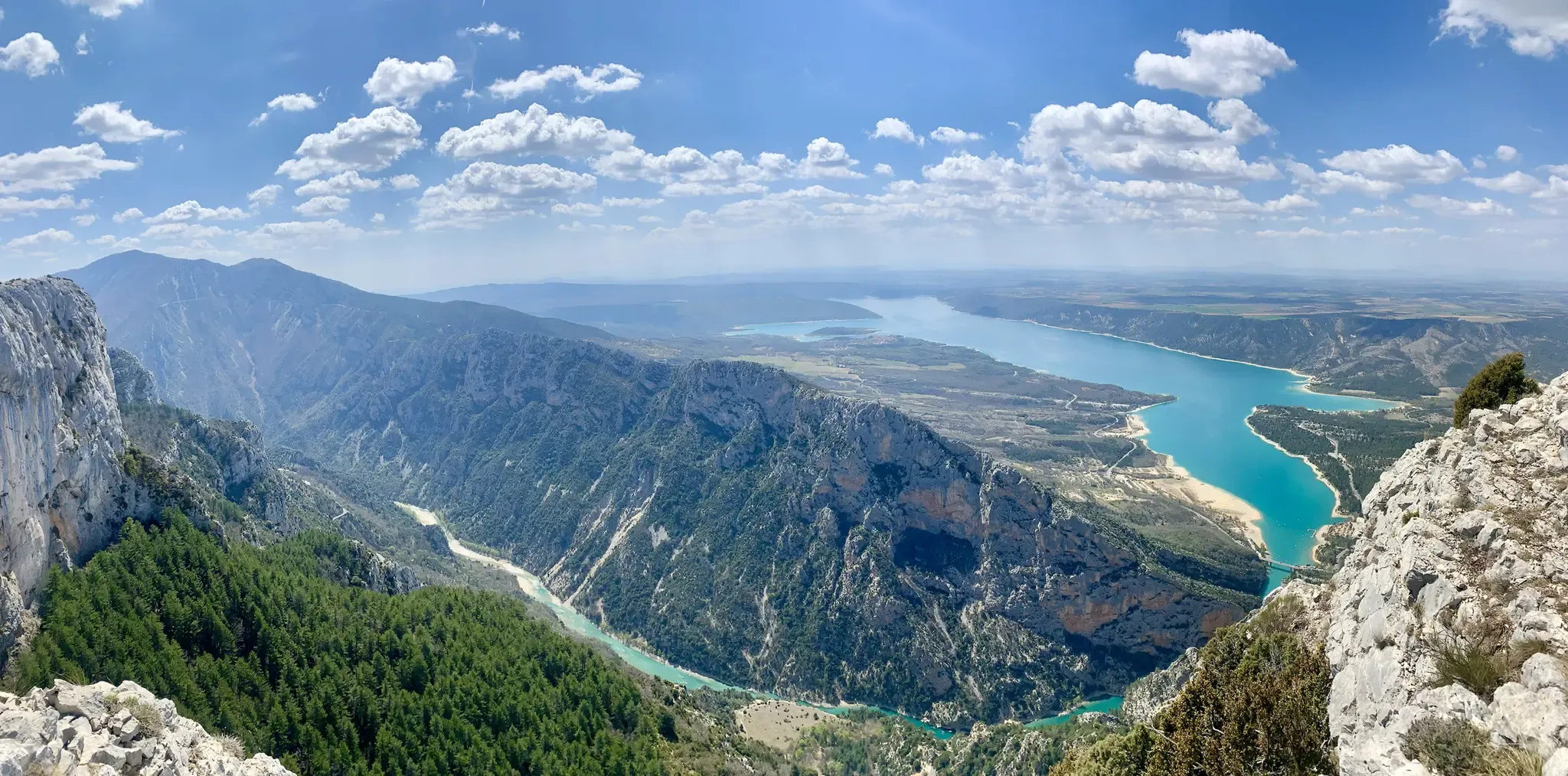
GR 4 – Crossing the south of France from Atlantic Coast to Provence
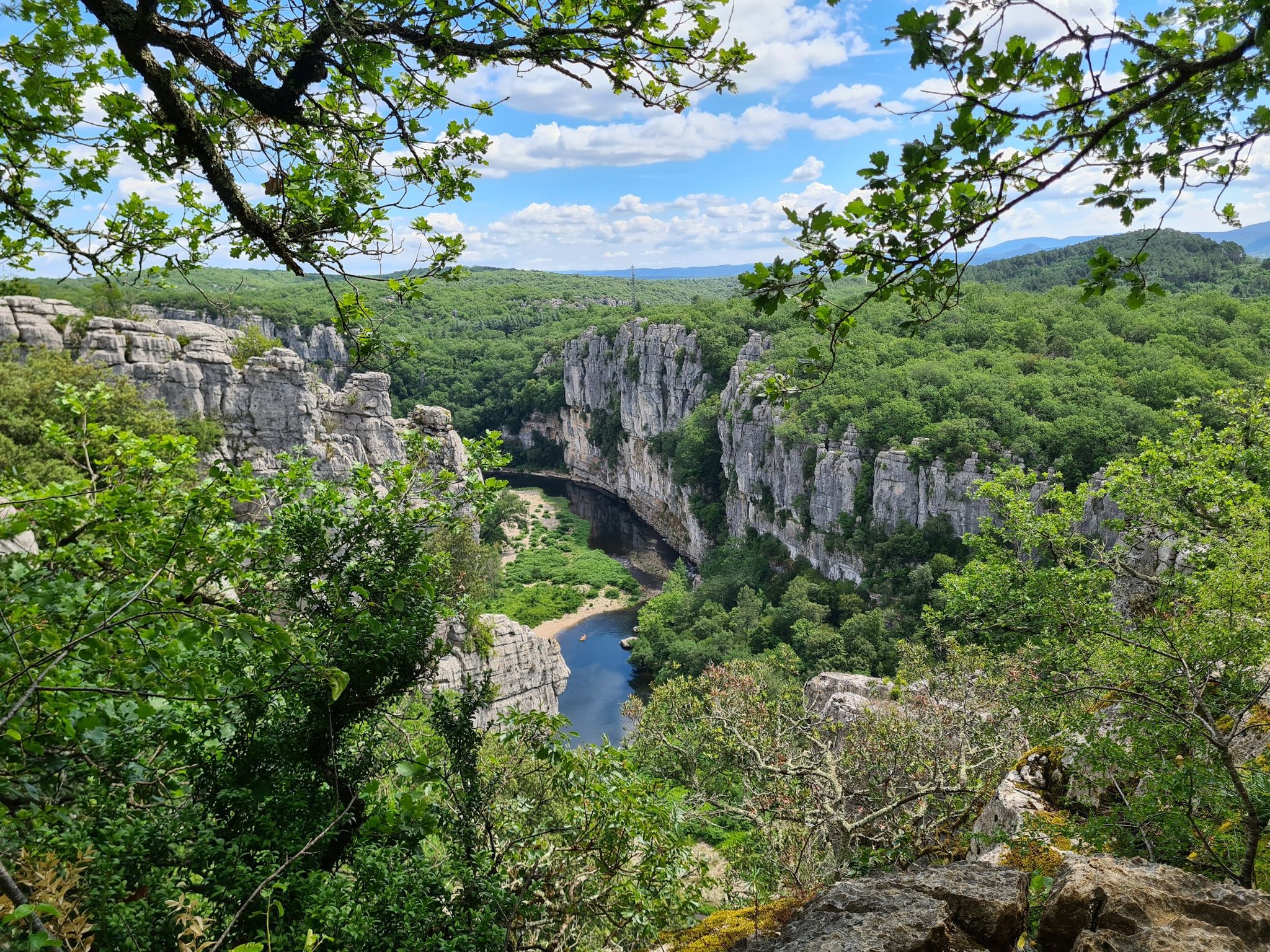
Hexatrek – The Cévennes to the Pyrenees between gorges and limestone plateau
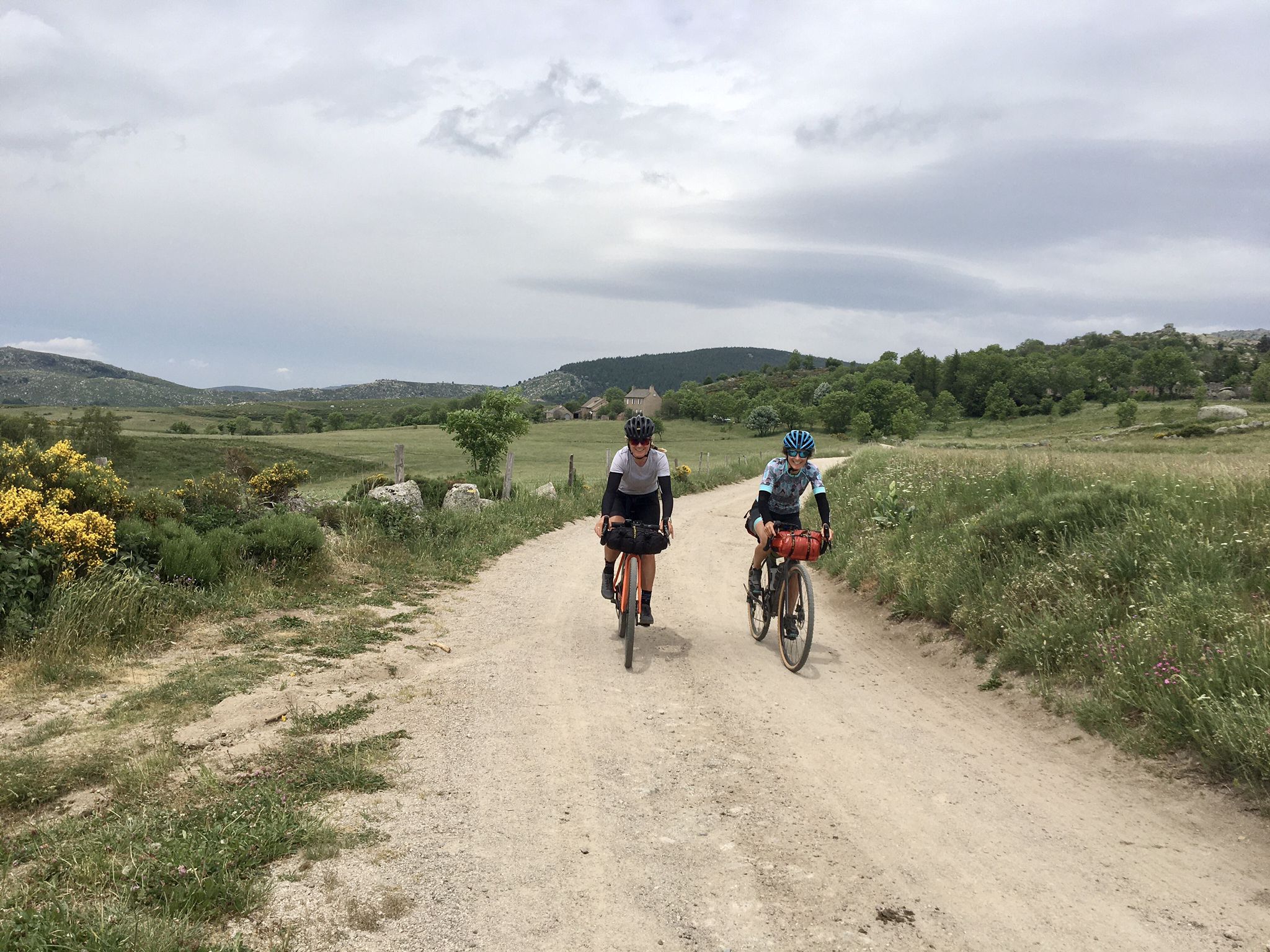
Ardèche Cévennes Divide – Bikepacking on a gravel bike
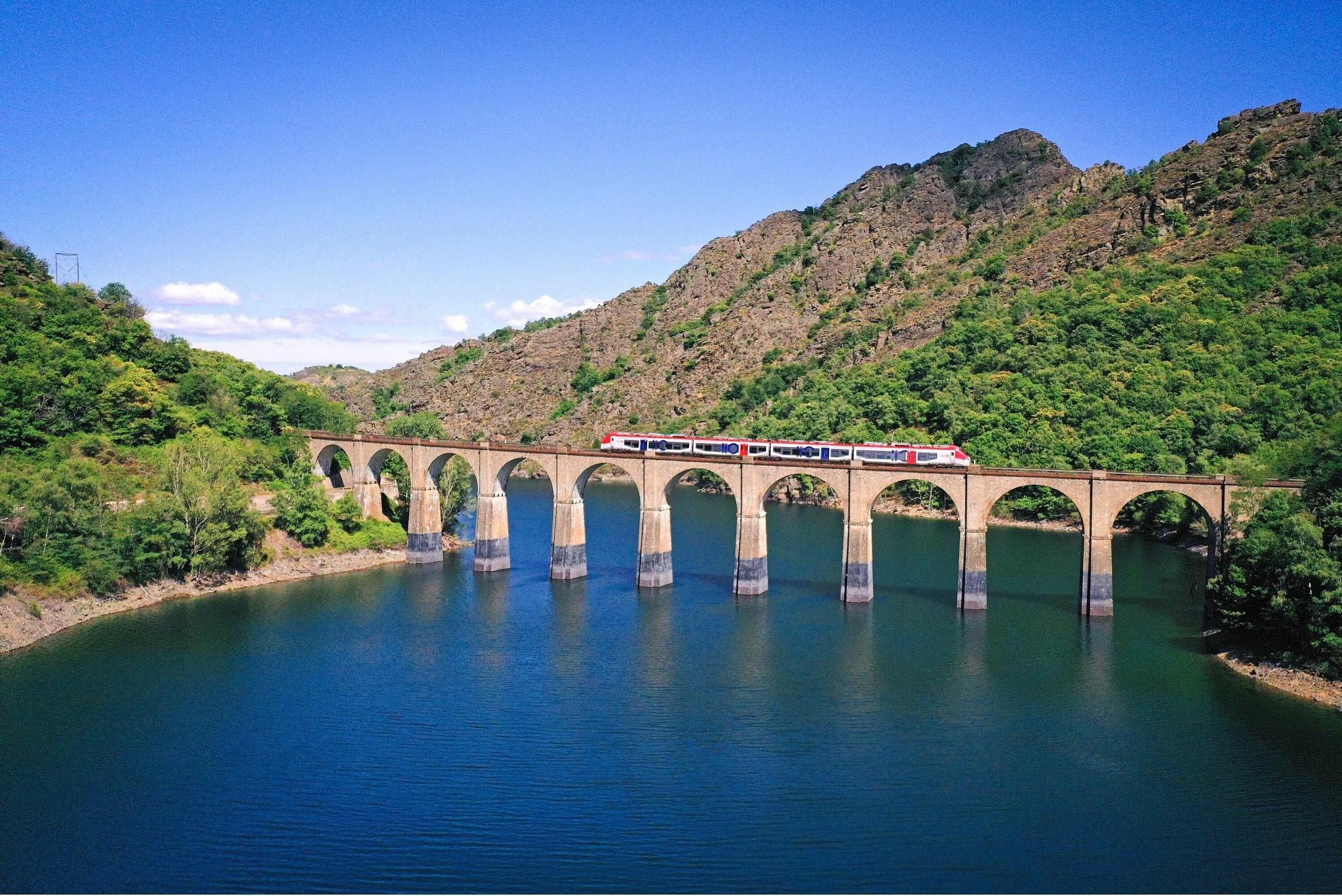
Routes between Nîmes and Mende – cycling by train with liO
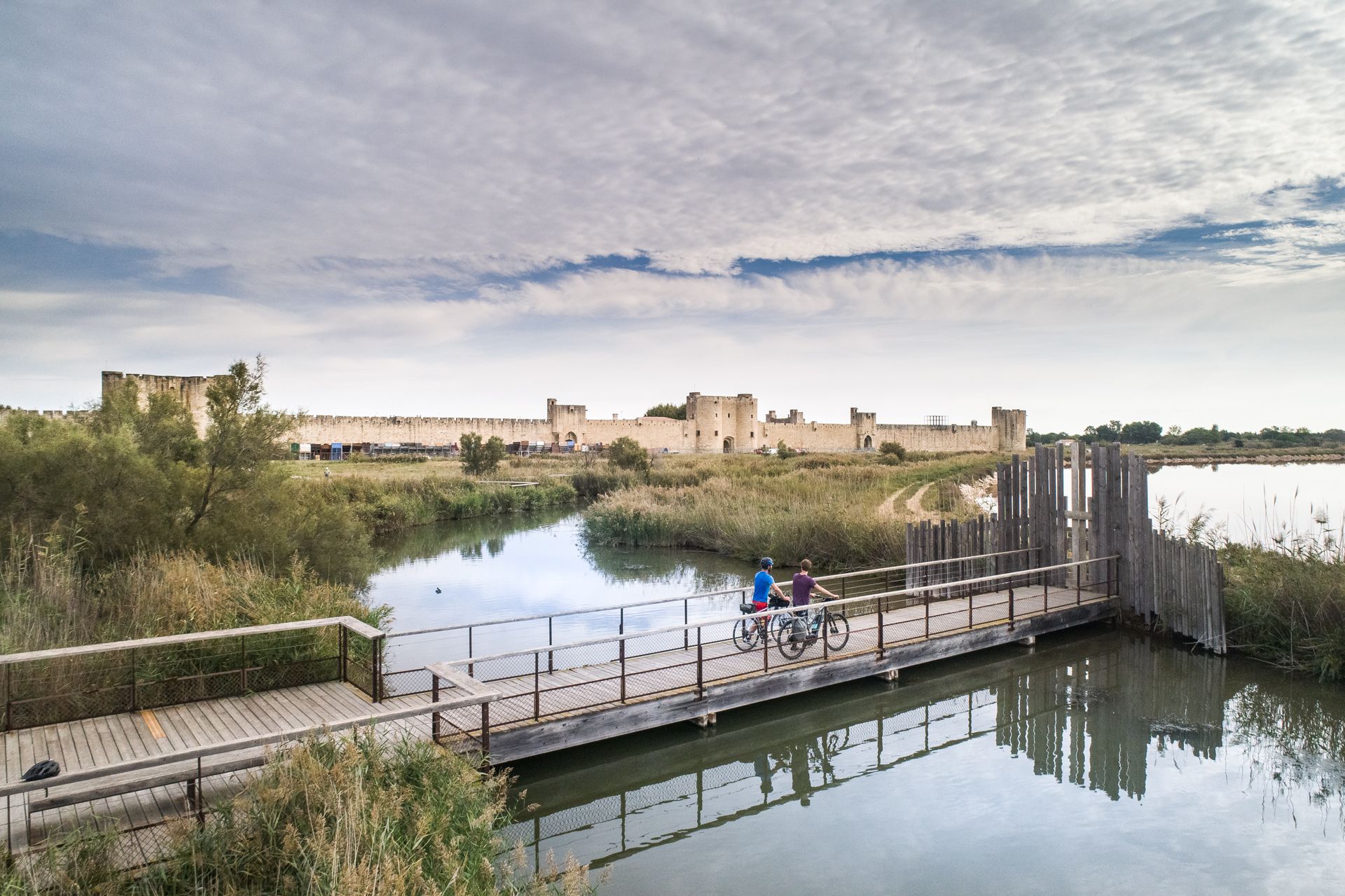
The most beautiful bike rides in Occitanie
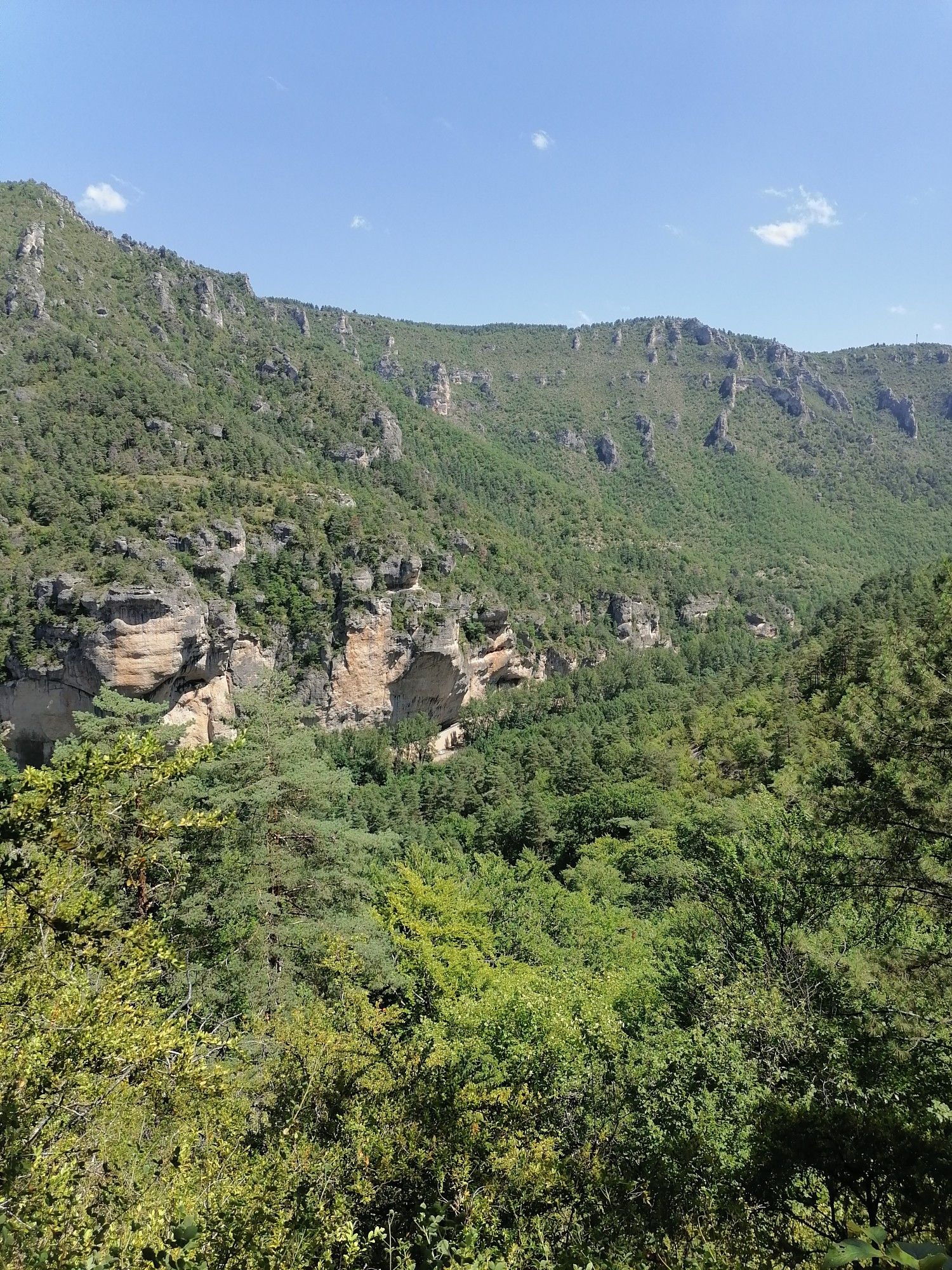
Hike on the GR®736 in the heart of the Gorges du Tarn
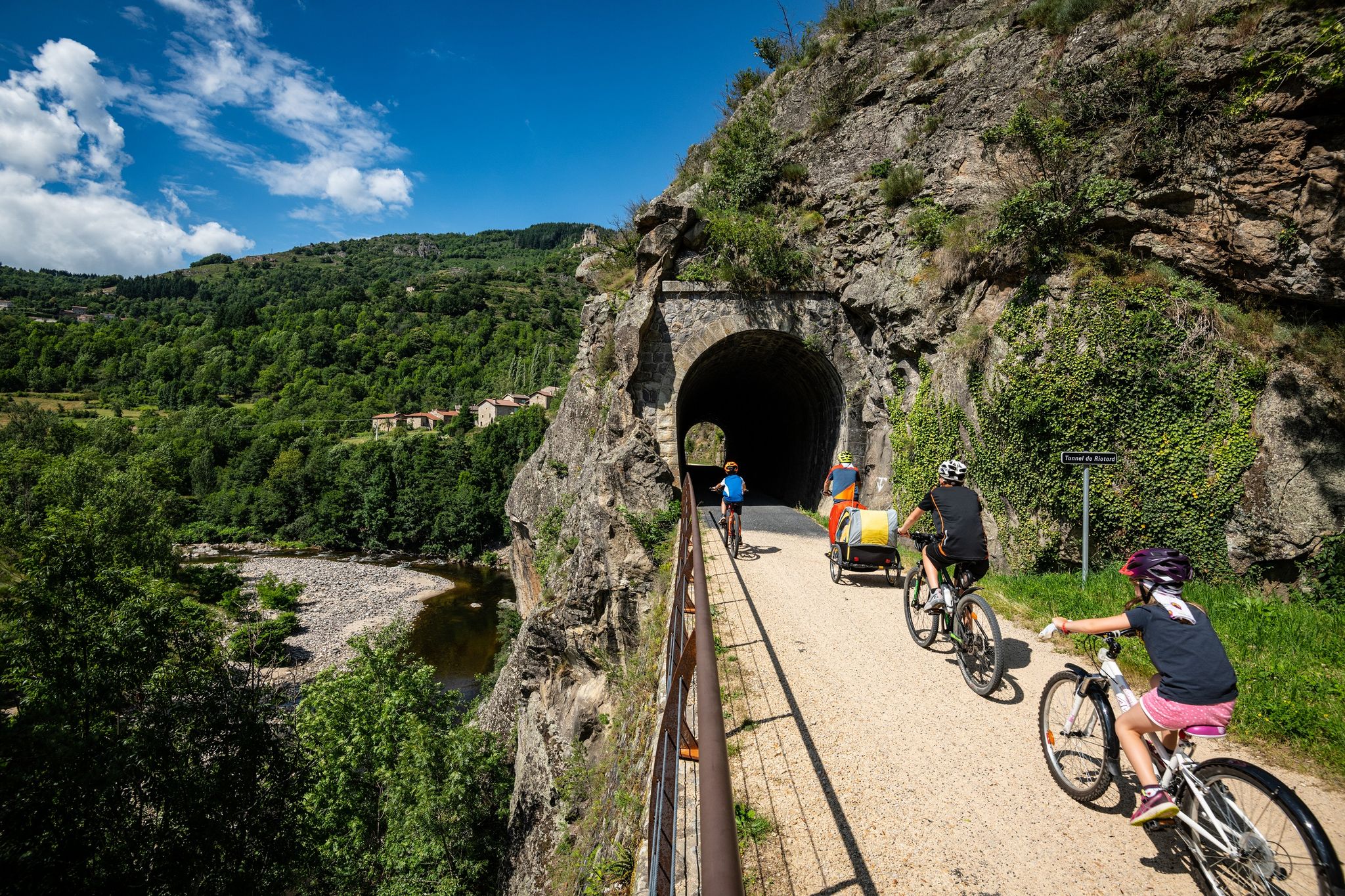
Cycle routes in the footsteps of the railway in the Ardèche
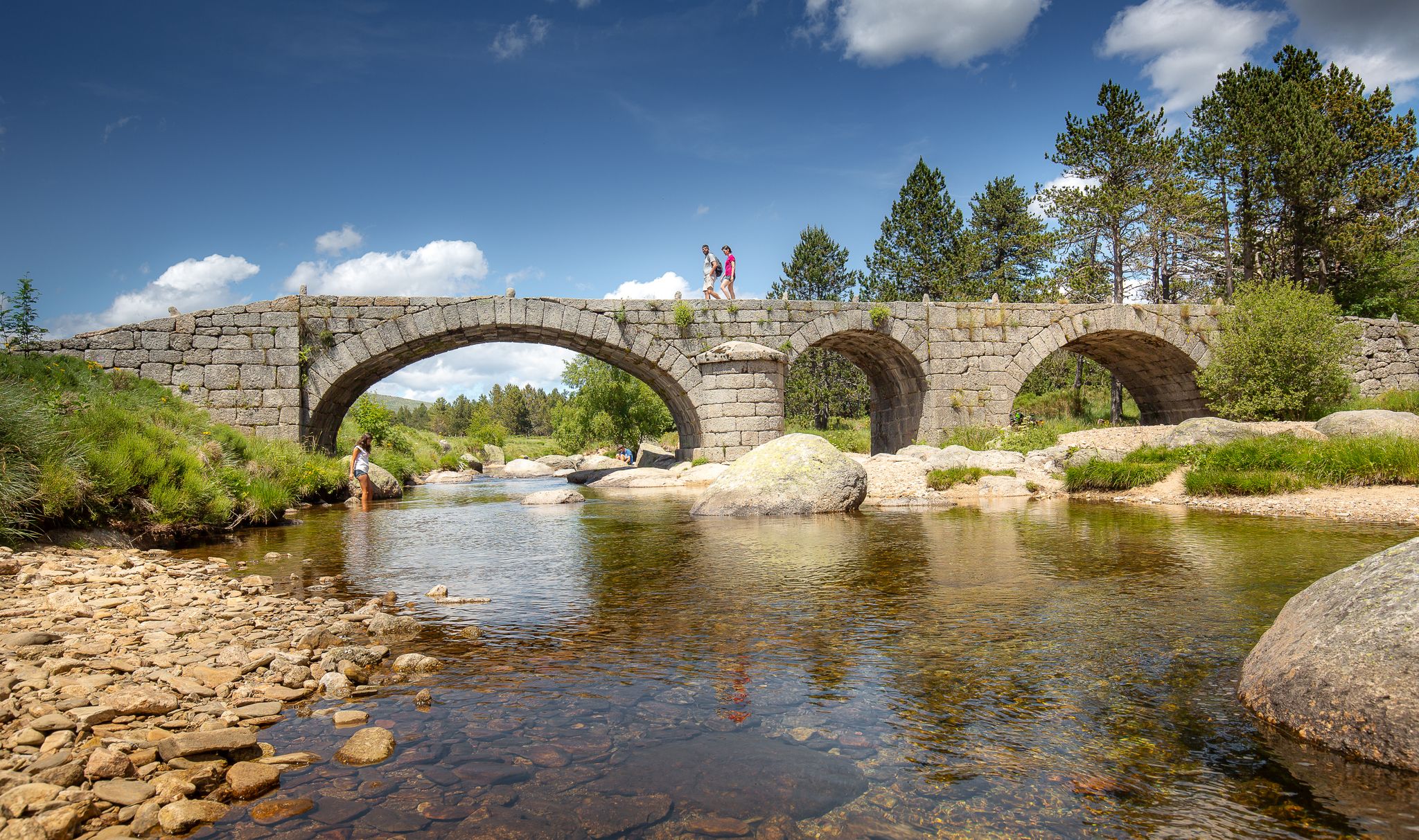
The most beautiful walks in Lozère
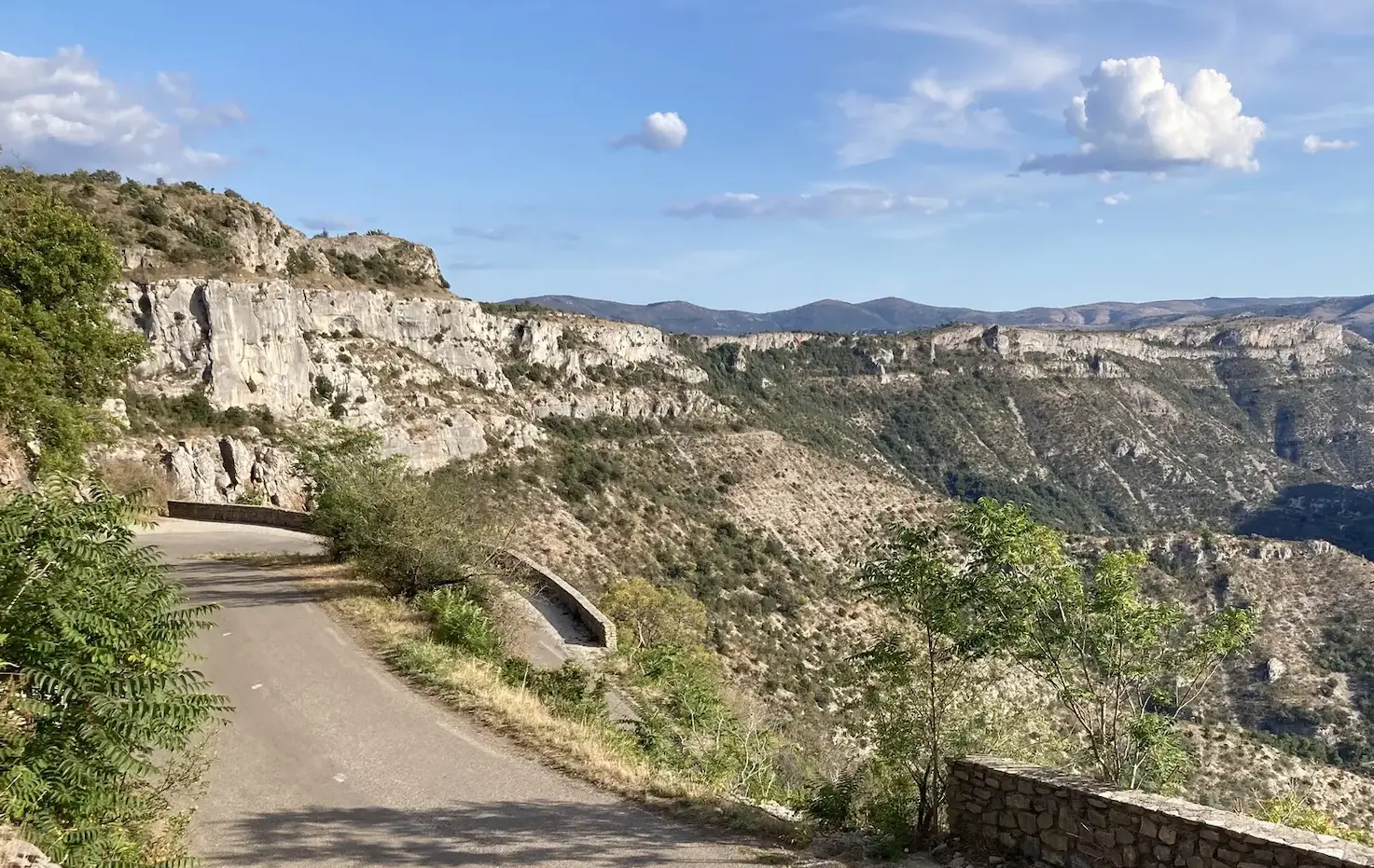
From north to south - On the slopes of the GTMC
Other adventures in Lozère


Tips from the Community

Many iron ladders lead up to the summit cross with a magnificent view,
1
0


Titled "France's Wild South," an episode of the British television series "National Parks - Protected Natural Wonders" on 3sat introduces the Cévennes. The accompanying text on the website states: "Lush green mountains, barren plateaus, and deep gorges characterize this landscape, which, unlike France's coasts, has not yet been discovered by mass tourism. Yet, it is home to arguably the most spectacular river landscapes in the country." The worthwhile film in German is available in the media library at the following link =>> https://www.3sat.de/dokumentation/nationalparks-geschuetzte-naturwunder/nationalparks-geschuetzte-naturwunder-cevennen-frankreichs-wilder-sueden-102.html
0
0


Wonderful old bridge over the Tarn. You then peacefully follow the Tarn.
0
0

Magnificent viewpoint at the confluence of the Tarn and the Jonte
0
0

lives up to its name, go there without hesitation
0
0
Frequently Asked Questions
What are some of the most impressive natural monuments to visit in Lozère?
Lozère boasts several remarkable natural monuments. You can explore the dramatic Le Point Sublime, offering breathtaking views of the Tarn gorges. The Finiels Summit, the highest point of Mont Lozère, provides extensive panoramas of the Massif Central. Don't miss the unique rock formations like the Vase de Sèvres and Vase de Chine on the Causse Méjean, which are also popular for climbing.
Are there good hiking opportunities around Lozère's natural monuments?
Yes, Lozère is an outdoor enthusiast's paradise. The Cévennes National Park, which includes Mont Lozère, features numerous marked trails. You can also find challenging routes like The 4000 Steps, a historic postman's path leading to Mont Aigoual. For waterfall hikes, explore routes mentioned in the Waterfall hikes in Lozère guide.
Which natural monuments in Lozère are suitable for families?
Many natural monuments in Lozère are family-friendly. Le Point Sublime offers easy access to stunning views of the Tarn gorges. The Tarn Bridge is another accessible spot. Exploring the Gorges du Tarn by boat or kayaking is also a popular family activity. The Arcs de Saint-Pierre offer a unique, imaginative walking experience among natural rock formations.
When is the best time of year to visit the natural monuments in Lozère?
The best time to visit Lozère's natural monuments is generally from spring to autumn (May to October). Spring and early summer offer pleasant temperatures and lush landscapes, with events like the Fête de la Transhumance on the Aubrac Plateau. Autumn provides beautiful foliage. While some areas like Mont Lozère offer cross-country and alpine skiing in winter, many outdoor activities are best enjoyed in warmer months.
What activities can I do in the Gorges du Tarn?
The Gorges du Tarn offer a variety of activities. You can enjoy kayaking, swimming in its turquoise waters, or taking scenic drives. Boat rides at Les Détroits provide a peaceful way to experience the dramatic canyon. The cliffs are also home to vultures, making it a great spot for wildlife observation. Don't miss viewpoints like Le Point Sublime for iconic panoramas.
Are there any unique geological formations or caves to explore in Lozère?
Lozère is rich in unique geological features. The Aven Armand cave houses one of the world's most beautiful stalagmite forests, including the tallest known stalagmite. The Cave of Dargilan, also known as the 'pink cave,' is famous for its varied concretions and distinct coloration. On the Causse Méjean plateau, the Chaos de Nîmes-le-Vieux presents a surreal landscape of weathered limestone rocks resembling a ruined city.
Can I find ancient historical sites among Lozère's natural monuments?
Yes, Lozère's natural landscapes often intertwine with ancient history. The Menhirs of the Bondons, located on the Cham des Bondons, form the second-largest concentration of megaliths in Europe, dating back to the Neolithic and Bronze Age. The Arcs de Saint-Pierre are geological curiosities near a prehistoric village, and the Notre-Dame de Cénaret Chapel is a religious building within a cave, offering a glimpse into historical and natural convergence.
Is it possible to spot wildlife near the natural monuments?
Yes, Lozère's natural monuments are excellent for wildlife spotting. The Gorges du Tarn are known for their vulture populations, which can often be seen circling above the cliffs. The Cévennes National Park, a UNESCO World Biosphere Reserve, is home to diverse biodiversity, including eagles, mouflon (wild sheep), and various other species. Keep an eye out, especially in less populated areas.
Are there challenging hikes available for experienced trekkers?
Absolutely. For experienced trekkers, the ascent of The 4000 Steps to Mont Aigoual offers a significant challenge with a 1200m drop over 9.5 km. The Capluc Rock is another challenging natural monument involving climbing. The long-distance Stevenson Trail (GR70) also crosses Mont Lozère, providing demanding multi-day hiking opportunities.
Where can I find the best panoramic views of Lozère's landscapes?
For stunning panoramic views, head to Le Point Sublime, which offers an iconic vista over the Tarn gorges. The Finiels Summit on Mont Lozère provides extensive views across the Cévennes, Aigoual, and Causses. Additionally, the Vertigo Viewpoint offers another spectacular perspective of the gorges.
What makes Mont Lozère a significant natural monument?
Mont Lozère is significant as the namesake mountain of the department and a key part of the Cévennes National Park. Its highest point is Finiels Summit at 1,699 meters. The area is characterized by granite boulders, high meadows, and panoramic views, evoking a wild and ancient atmosphere. It's also the source of the River Tarn and a section of the Stevenson Trail (GR70). More information can be found on Cévennes Tourisme.
Do any natural monuments offer insights into local culture or traditions?
Yes, the Aubrac Plateau, a high-altitude region, is famous for its transhumance tradition, where cattle are moved to mountain pastures. Visitors can witness the Fête de la Transhumance in May or June. The Cévennes National Park also features eco-museums and visitor centers that delve into local traditions and natural history, showcasing how human activity has coexisted with nature for centuries.
Most popular routes in Lozère
Most popular attractions in Lozère

Get inspired with the komoot mobile app


Didn’t find what you were looking for?
Find even more amazing natural monuments in Lozère by checking out the top Highlights region by region:
Explore more
Extend your search for the best caves by checking out these guides of the top ones in Lozère:
