Top 14 Castles in Haute-Saône
Best castles in Haute-Saône are found throughout this department in the Bourgogne-Franche-Comté region of France. The area features a rich history and diverse architectural heritage, with structures ranging from medieval fortresses to 19th-century châteaux. These historical sites are often situated amidst natural landscapes, offering insights into the region's past. Haute-Saône provides opportunities to explore various periods of French history through its preserved castles and fortified structures.
Best castles in Haute-Saône
- The most popular castles is Mont Vaudois Fort, a…
Last updated: July 7, 2026
Ballon de Servance
Highlight • Summit
The highest point in the Haute-Saône department, the Ballon de Servance is partly …
Translated by Google •
Tip by

Mont Vaudois Fort
Highlight • Historical Site
Translated by Google •
Tip by

Sign up now to discover places like this
Get recommendations on the best single tracks, peaks, & plenty of other exciting outdoor places.
Sign up for free
Château de Villersexel
Highlight • Castle
Translated by Google •
Tip by

Vallerois-le-Bois Castle
Highlight • Castle
Translated by Google •
Tip by

Oiselay-et-Grachaux Village Highlights
Highlight • Settlement
Translated by Google •
Tip by

Château de Rosières
Highlight • Castle
Translated by Google •
Tip by
Fondremand Castle and its keep
Highlight • Historical Site
Translated by Google •
Tip by

Ollans Castle
Highlight • Castle
Translated by Google •
Tip by
Château d'Oricourt
Highlight • Castle
Translated by Google •
Tip by

Château de Champlitte
Highlight • Castle
Translated by Google •
Tip by
Sign up for free to discover even more castles in Haute-Saône.
Sign up for free
Already have an account?
Start today with a free account
Your next adventure awaits.
Login or Signup
Popular around Haute-Saône
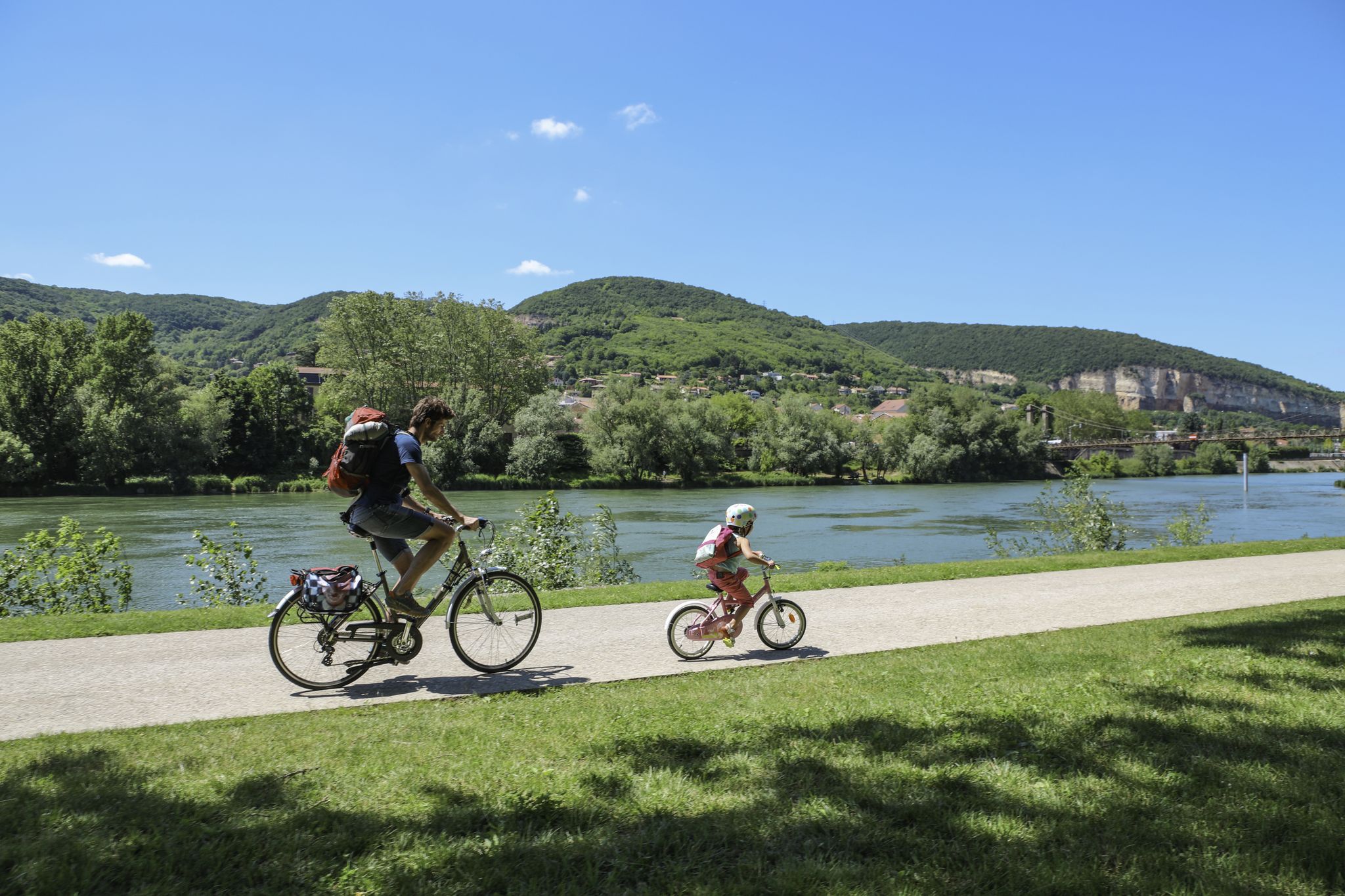
The Voie Bleue – Moselle-Saône by bike
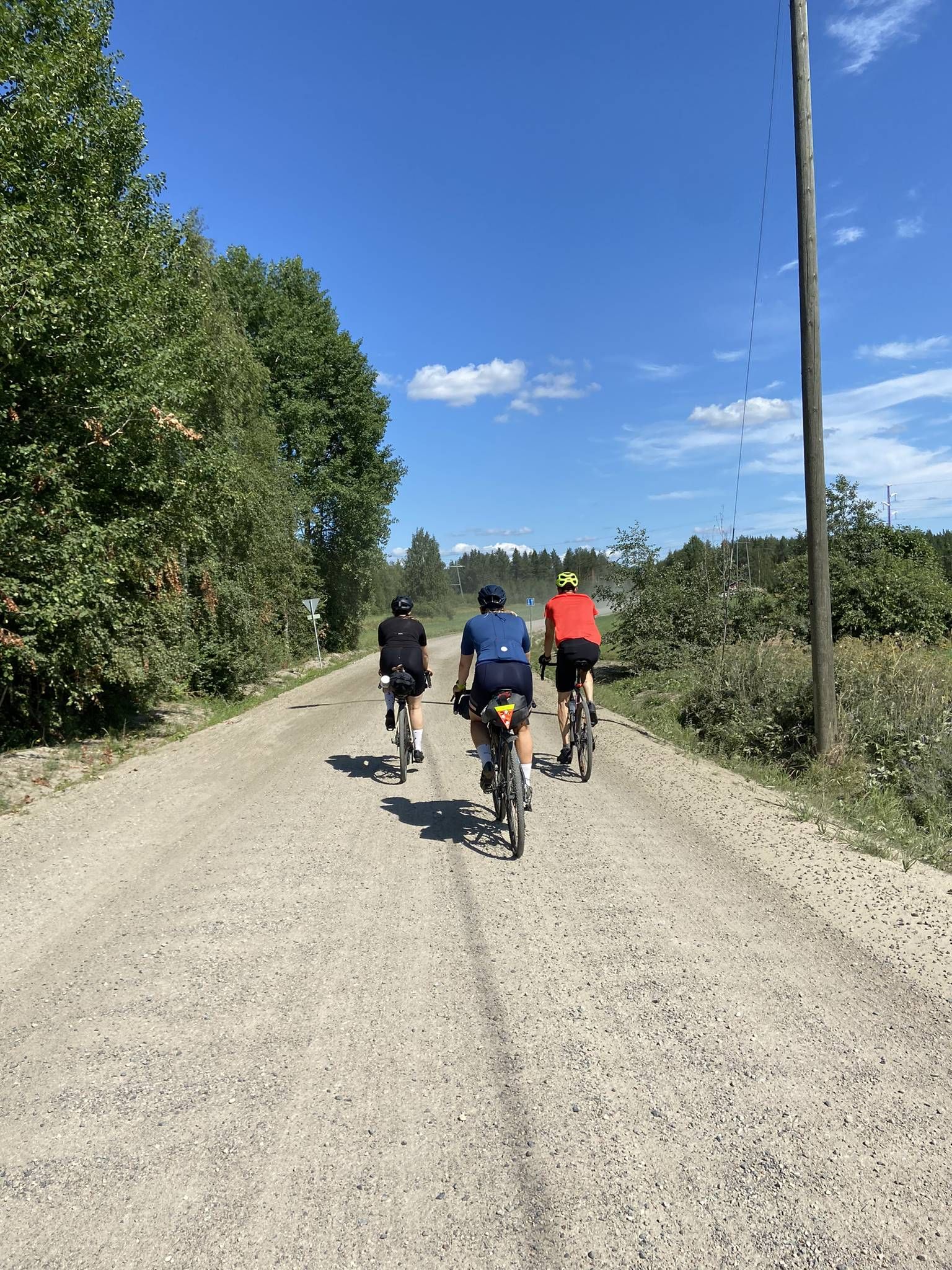
Naples to North Cape — Two friends, one purpose and many scoops of ice-cream
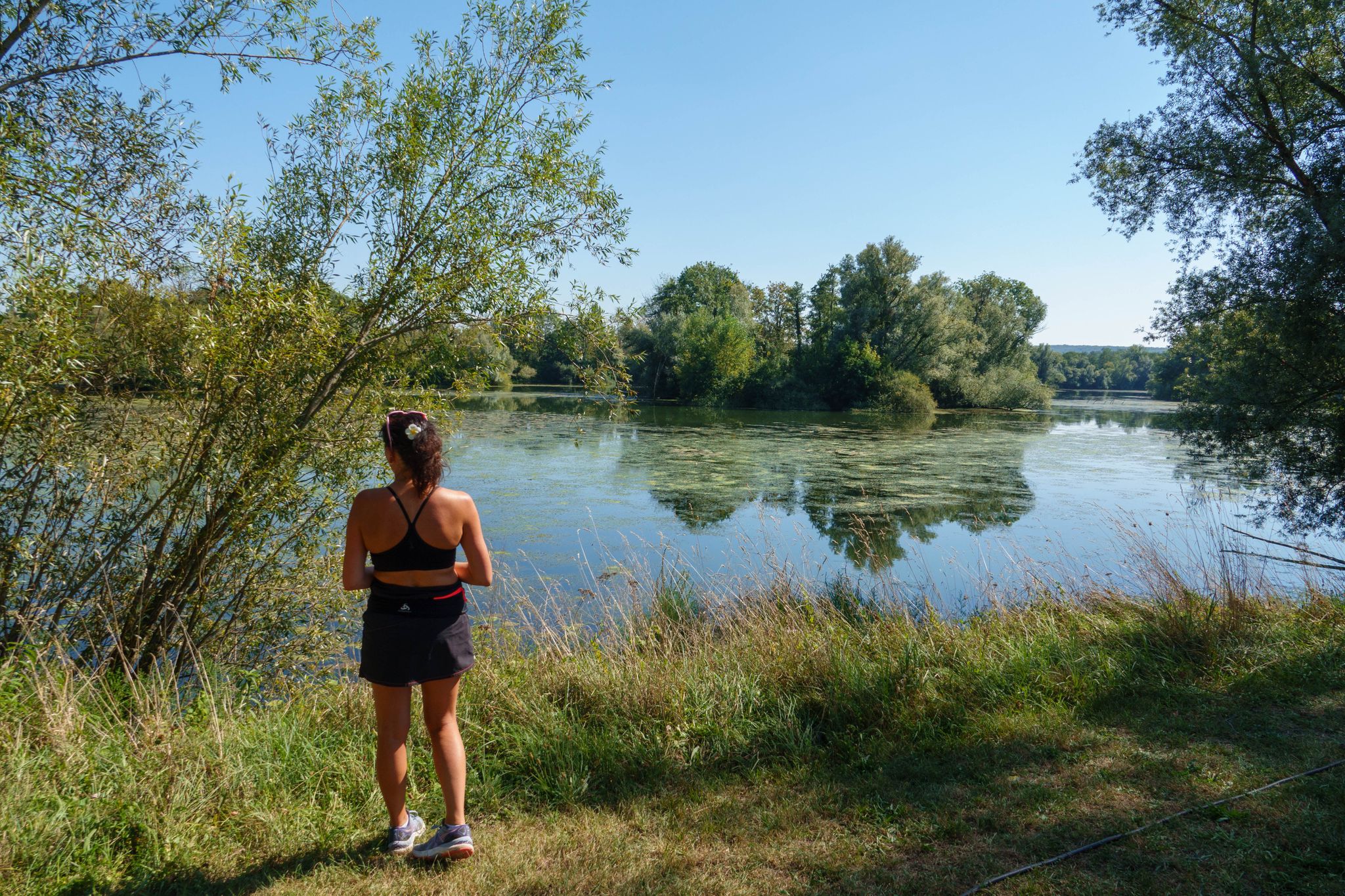
Hiking in the Vallée de l’Ognon — between villages, forests and rivers
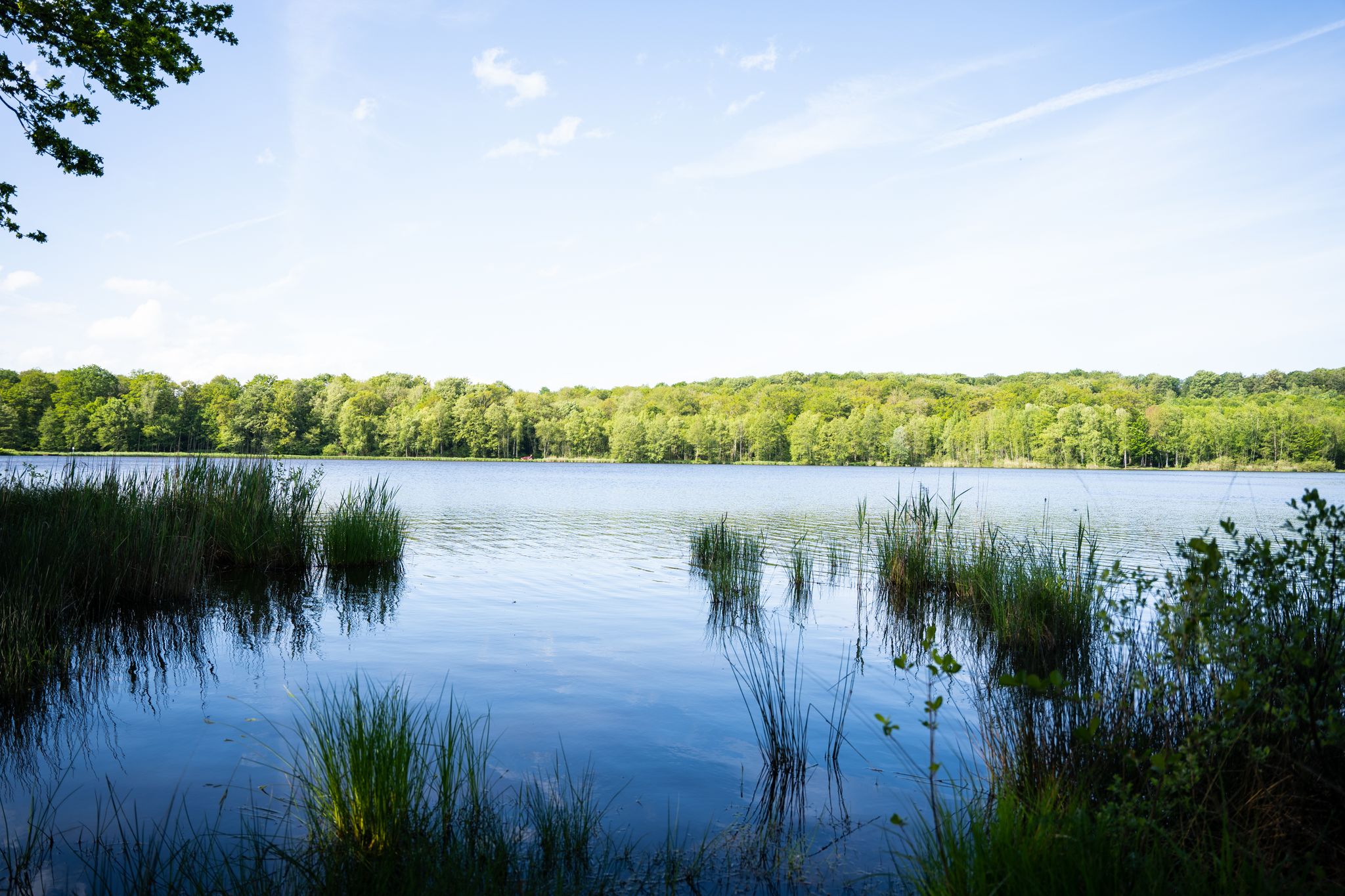
10 wonderful hikes in the Southern Vosges
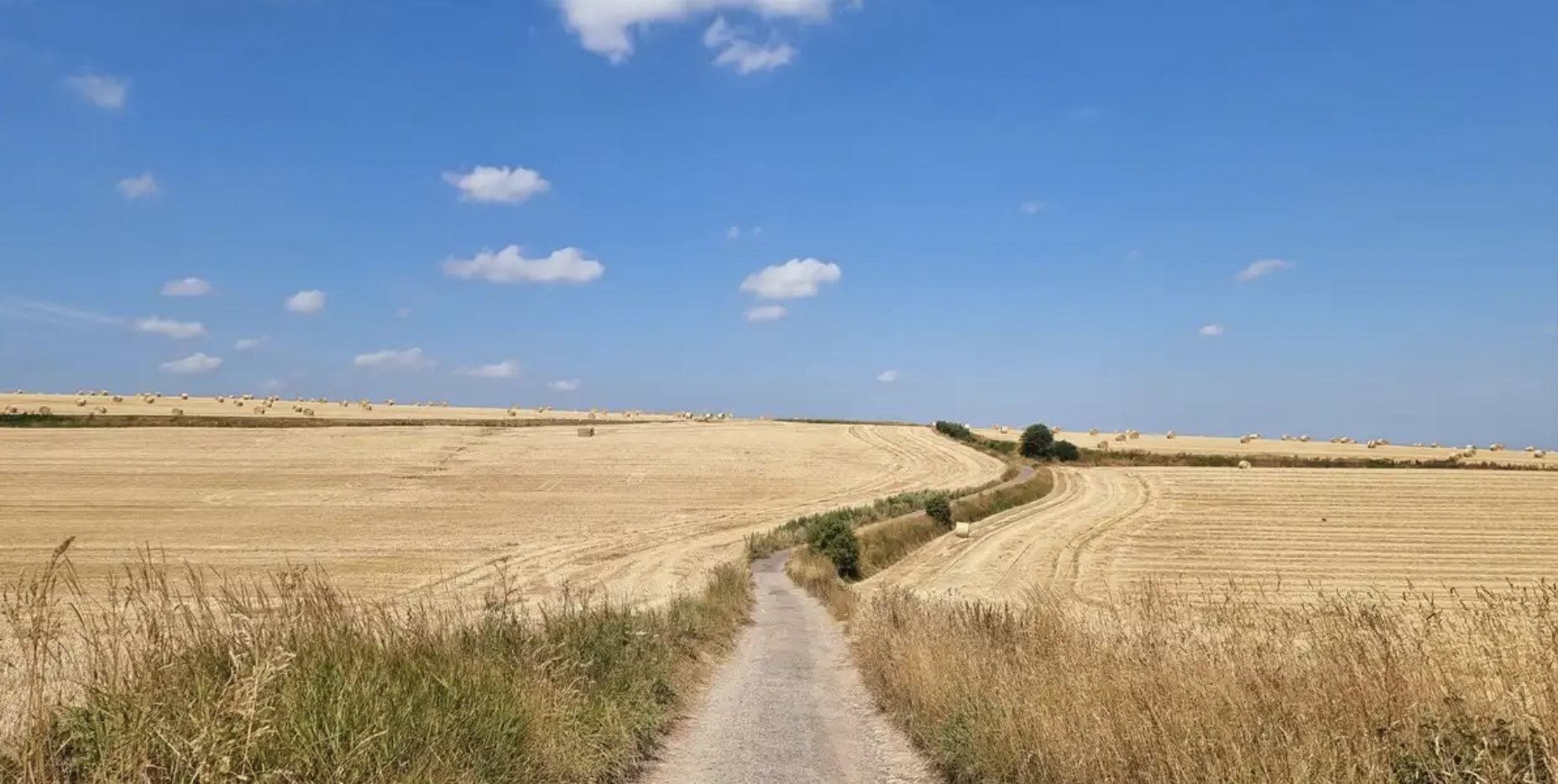
In the footsteps of History — GR 145, the Via Francigena
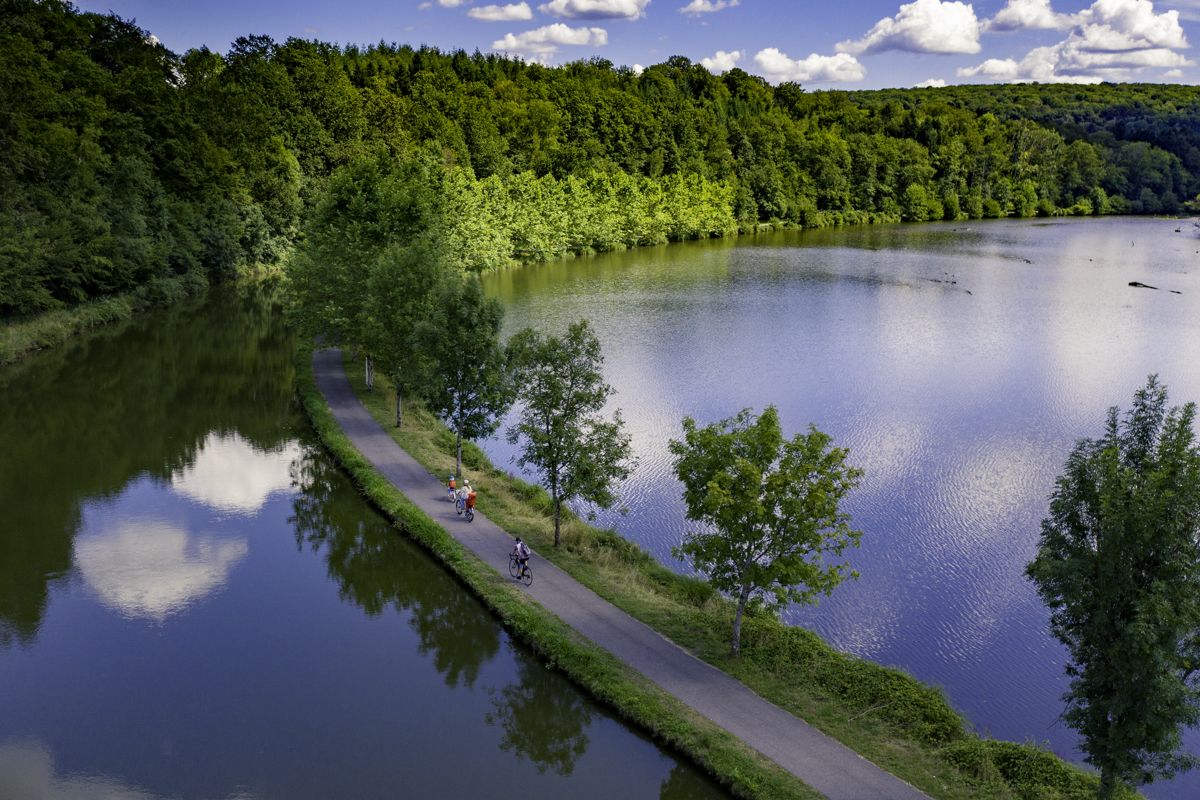
La Voie Bleue — “Cycle Route of the Year 2026”
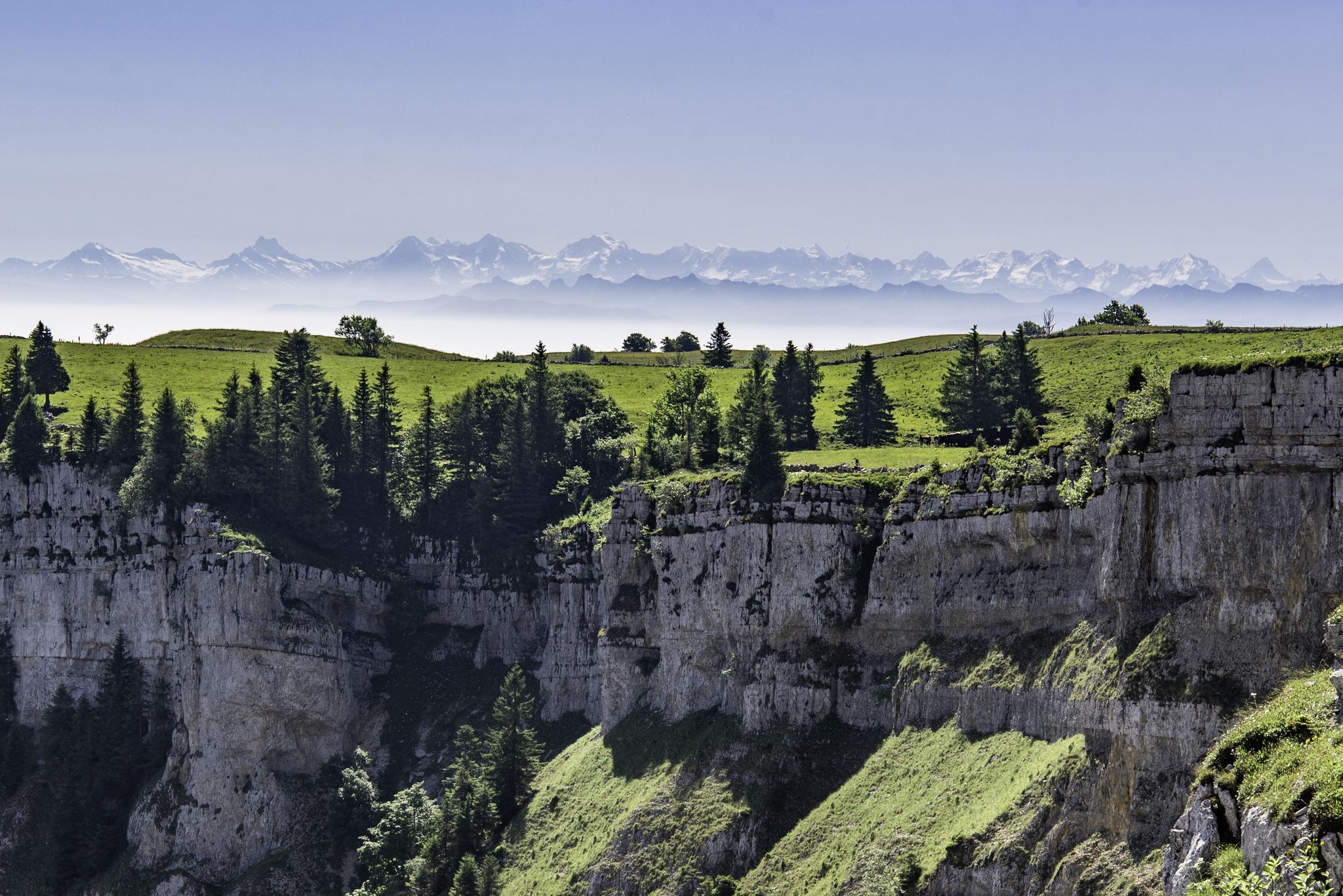
From the Vosges to the Jura mountains – Hexatrek, le Grand Est
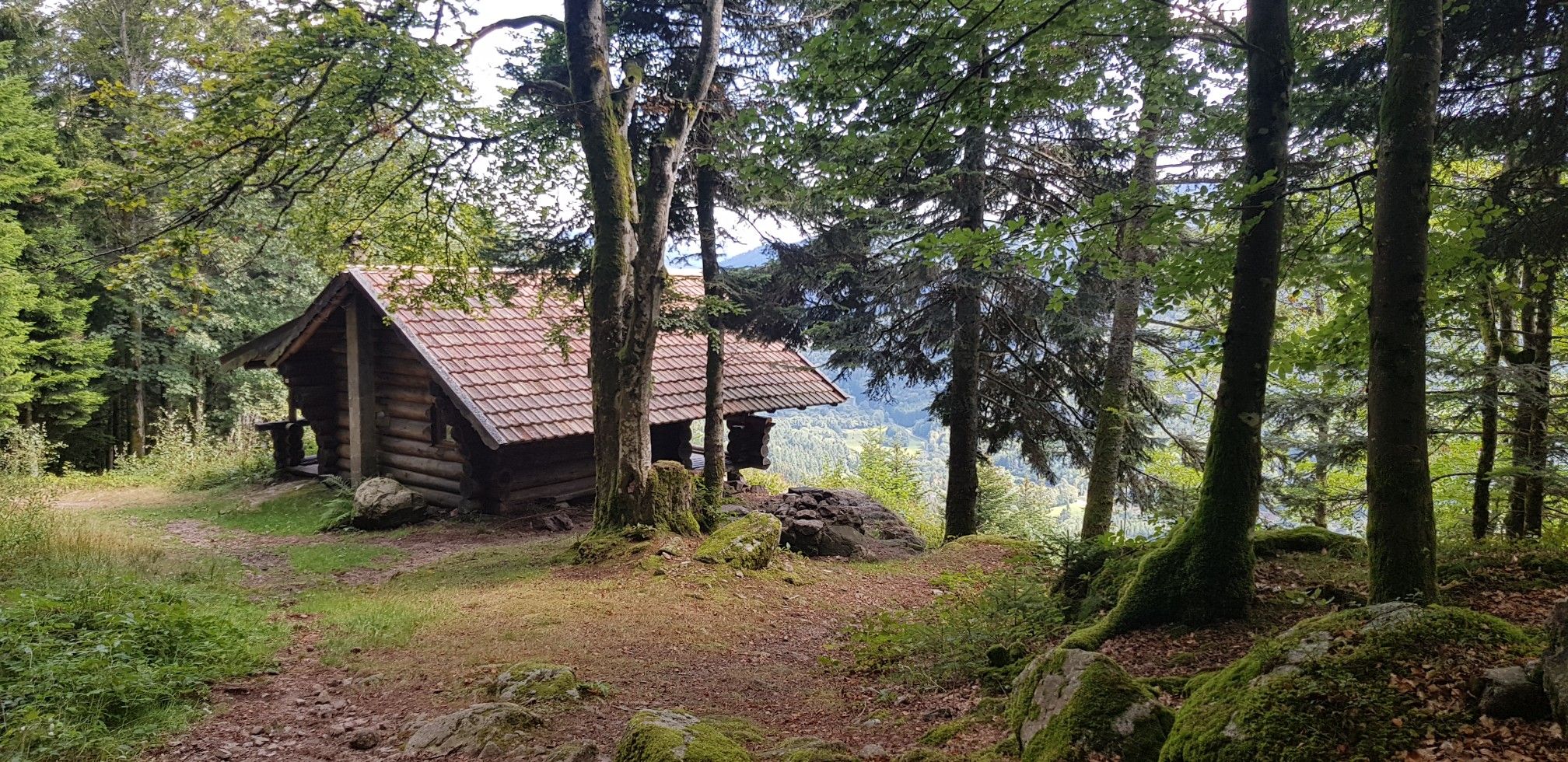
Hiking for Ballon lovers – Tour du Ballon d'Alsace in France
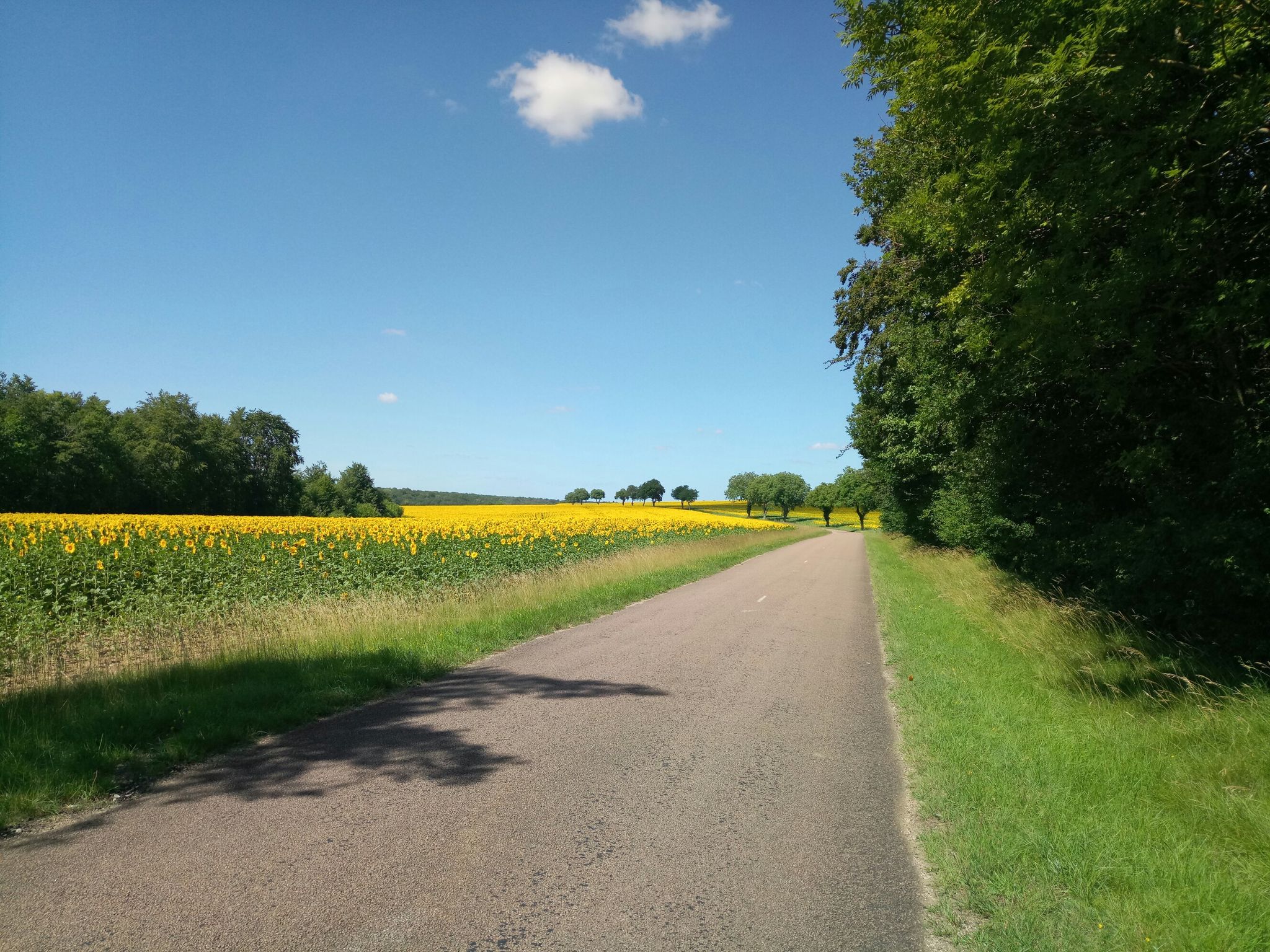
From Haute-Marne to Haute-Saône – discover France’s Forêts National Park
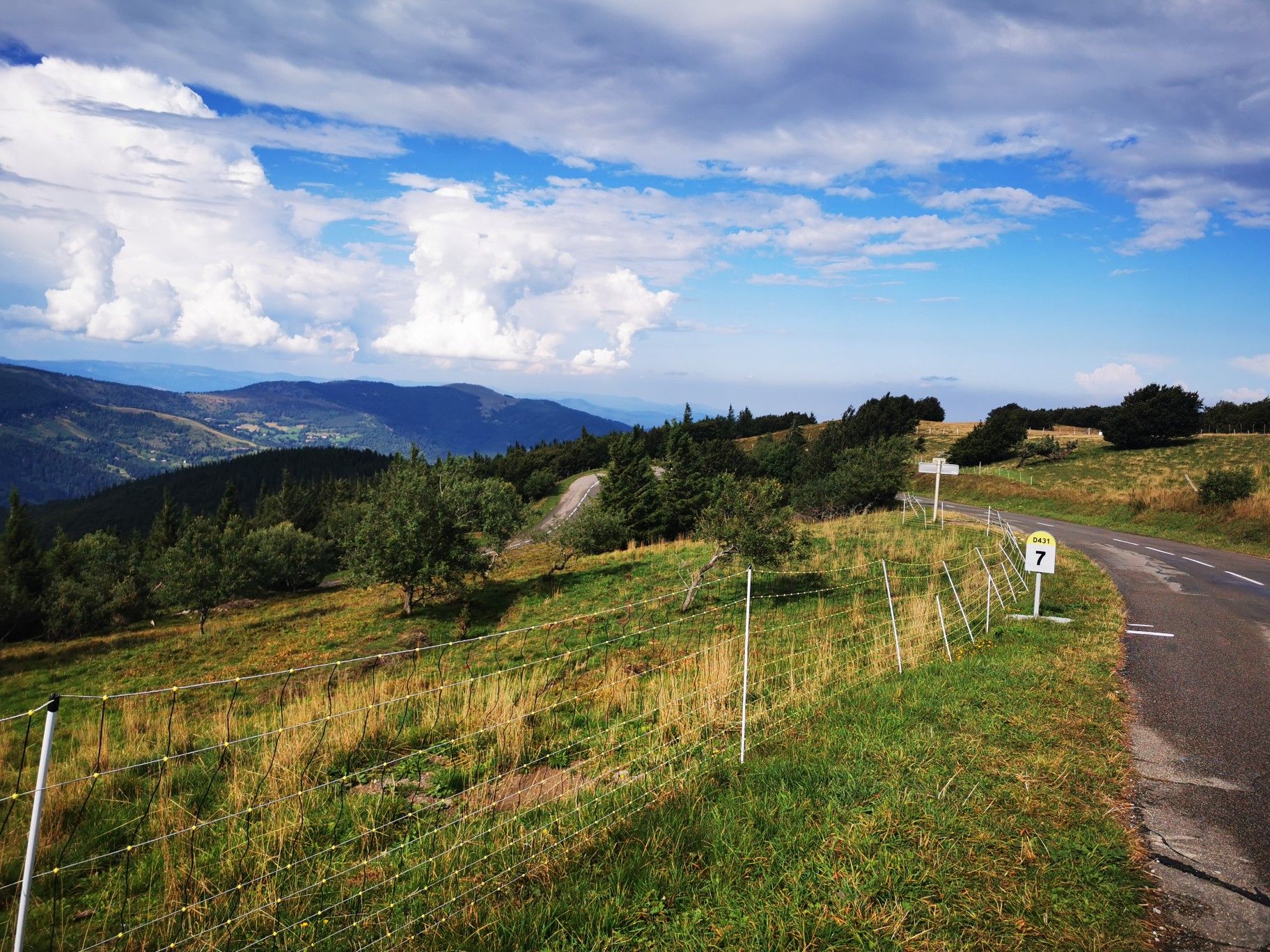
Climbing the Vosges in France — Les 3 Ballons
Other adventures in Haute-Saône


Tips from the Community

Open only on weekends from 2 pm to 6 pm in summer. Check in advance.
0
0


Parish Church of the Beheading of Saint-Jean-Baptiste (rebuilt at the beginning of the eighteenth century on medieval foundations of the thirteenth century): Latin cross plan; three naves; cross vault; numerous paintings, sculptures.
10
4
The site of Oiselay-et-Grachaux, the "bird hill", has been inhabited since prehistoric times, as evidenced by the discovery of a Neolithic station. In ancient times, Oiselay was located on the Roman road linking Besançon to Langres. Until the eighteenth century, the Lord of Oiselay ruled the area. Stephen II of Oiselay, head of the younger branch of the House of Burgundy, had a fortified castle built in 1227 AD. * Fontaine-lavoir (xixe siècle) : basin ; borne fontaine ; stone of the waist ; columns. * Chapelle du cimetière recouverte de lierre. * Numbers of old houses and farms. * Croix de chemin du 19th century. * Mairie-school, du 19th century. * Ruins du château-fort were renovated during the twentieth century, dating from the seventh century during the armies of Louis XI and dismantled during Louis
10
4
The Château de Champlitte is a historic monument in the commune of Champlitte, in the Haute-Saône, France. The castle was originally built as a fortified fortress in the Middle Ages, but was later converted into a residential castle in the Renaissance and 18th centuries. The castle now houses the Museum of Popular Arts and Traditions, which shows the daily life and crafts of the past. You can visit the castle and the museum, and enjoy the formal gardens in the courtyard.
12
4

Great hotel, especially for festive occasions. Occasionally visits possible for an admission fee.
1
1

Considered by some to be one of the most beautiful castles of the 19th century, it was built in a neo-Louis XIII style between 1882 and 1887 on the ruins of an old castle destroyed during the Battle of Villersexel in 1871. Its furniture dates also from this period. Now private, it can be visited between April and October. It also serves as a reception venue for weddings or events.
0
0

Ollans Castle was built in the 18th century. It is surrounded by a vast garden bordered by the river, and decorated with two statues from the 1740s representing Diana and Apollo. It belonged to Charles Derosne, a beekeeping enthusiast and friend of Sully Prudhomme. It is also in this castle that the writer composed his first collection of poetry, Le Bonheur. The castle cannot be visited these days, but it is a great place to take a photo.
3
0
Frequently Asked Questions
Which castles in Haute-Saône are particularly family-friendly?
Several castles in Haute-Saône offer a great experience for families. The Château de Villersexel is noted as family-friendly, offering a glimpse into 19th-century aristocratic life. The medieval Château d'Oricourt, with its impressive military architecture, can also be an exciting visit for children to explore. Additionally, the Château de Rosières and the village highlights around Oiselay-et-Grachaux are also categorized as family-friendly.
What historical periods do the castles in Haute-Saône represent?
The castles in Haute-Saône span a wide range of historical periods. You can explore the well-preserved medieval military architecture of the 12th-century Château d'Oricourt. The Mont Vaudois Fort represents late 19th-century military engineering. The Château de Villersexel showcases 19th-century Neo-Louis XIII style, while Château de Gy, though originating in the 12th century, reflects 16th and 18th-century reconstructions. Château de Ray-sur-Saône, originally 10th century, was largely rebuilt in the 18th century in a neo-classical style. Château de Filain combines 15th-century fortifications with a 16th-century castle.
Are there any castles that offer overnight stays or immersive experiences?
Yes, the Château de Villersexel offers a unique immersive experience. This 19th-century Neo-Louis XIII style château is not only open for visits but also provides the opportunity for overnight stays, allowing guests to truly immerse themselves in its refined atmosphere and period furnishings.
What kind of natural surroundings can I expect near the castles?
Many castles in Haute-Saône are set amidst beautiful natural landscapes. For instance, the Château de Ray-sur-Saône is perched on a rocky promontory overlooking the Saône River and is surrounded by a six-hectare English-style park with centuries-old trees. The Château de Filain also boasts lush gardens and serene surroundings with picturesque views of the countryside. While not a castle, the Ballon de Servance, a high point in the Vosges mountains, offers expansive views and is part of the region's natural beauty.
What outdoor activities can I do near the castles in Haute-Saône?
Haute-Saône offers various outdoor activities near its historical sites. You can find excellent opportunities for hiking, with routes like 'Grand Rosbeck' and 'Source du Planey'. For cycling enthusiasts, there are gravel biking and MTB trails, including routes exploring the '1000 ponds' region. These activities allow you to combine castle visits with exploring the scenic landscapes of the department.
Can I visit the interior of all the castles, or are some only viewable from the outside?
While many castles offer interior visits, some have specific access conditions. The Vallerois-le-Bois Castle is private property and offers guided tours on select days, typically from mid-April to early October. The Château d'Oricourt and Château de Villersexel are generally open for visits. However, Ollans Castle, while a beautiful photo opportunity, cannot be visited inside. It's always advisable to check specific opening times and access details for each castle before your visit.
What is the best time of year to visit the castles in Haute-Saône?
The best time to visit the castles in Haute-Saône is generally from spring to early autumn (mid-April to early October). During these months, the weather is typically pleasant for exploring both the castle interiors and their surrounding gardens and parks. Many castles, like Vallerois-le-Bois Castle, also have specific opening seasons within this period.
Are there any castles with museums or exhibitions?
Yes, Château de Gy, the historical residence of the Archbishops of Besançon, houses a museum showcasing art, furniture, and exhibitions on past life. Visitors can explore the museum, cellars, and park. The Château de Filain also frequently hosts exhibitions on local history and culture, adding another layer to your visit.
Which castle offers the best panoramic views?
The Château de Ray-sur-Saône is renowned for its breathtaking panoramic views. Perched on a rocky promontory overlooking the Saône River, it offers spectacular vistas of the surrounding landscape, making it an ideal spot for photography and enjoying the scenery.
What makes the Château d'Oricourt unique among the castles in the region?
The Château d'Oricourt stands out as the best-preserved medieval fortress in Franche-Comté. Its uniqueness lies in its remarkable 12th-century military architecture, featuring a double-walled design, two imposing 25-meter-high square towers, deep ditches, and various medieval amenities like a well, cistern, and bakery. It offers a true journey back in time to the Middle Ages.
Are there any castles that are particularly significant for their architectural style?
Absolutely. The Château de Villersexel is a striking example of 19th-century Neo-Louis XIII architecture, with facades inspired by the Louis XIII style and alternating stone colonnades. The Château de Ray-sur-Saône presents a unique architectural duality, appearing fortress-like on the Saône side while revealing classical facades at its main entrance. The Château de Filain combines a 15th-century fortified house with a 16th-century castle featuring a typical 'Franc Comtois' facade.
What do visitors particularly enjoy about the castles in Haute-Saône?
Visitors appreciate the diverse architectural styles and rich history offered by the castles, ranging from medieval fortresses to 19th-century châteaux. Many enjoy the opportunity to step back in time, explore well-preserved interiors, and wander through beautiful gardens. The scenic locations, often with panoramic views or riverside settings, are also a major draw. The komoot community has shared over 40 photos and given more than 140 upvotes across 17 highlights, indicating a strong appreciation for these historical sites.
Most popular routes in Haute-Saône
Most popular attractions in Haute-Saône

Get inspired with the komoot mobile app


Explore more
Looking for the best castles somewhere else? Discover other guides in Haute-Saône:
