Top 15 Caves in Ardèche
Best caves in Ardèche are found in a region of southeastern France known for its extensive underground world. This area features a diverse array of caves, each with distinct geological and historical significance. From ancient rock formations to prehistoric art, these subterranean sites offer varied experiences. The Ardèche landscape is characterized by its limestone geology, which has led to the formation of numerous caves and gorges.
Best caves in Ardèche
- The most popular caves is Grotte Chauvet 2 (Replica of Chauvet Cave), a historical site that recreates the prehistoric art and atmosphere of the original Chauvet Cave. It features over 1,000 drawings, including rare predatory species, dating back 36,000 years.
- Another must-see spot is Aven d'Orgnac Cave, a natural monument known for its immense chambers and diverse concretions. Visitors can explore three main chambers, with colossal stalagmites reaching up to 11 meters high.
- Visitors also love Grotte Saint- Marcel, one of the largest cave networks in France. It is notable for its extensive 60 km of galleries and the unique Gours waterfall, a series of over 100 calcite basins.
- Ardèche is known for historical, geological, and family-friendly caves. The region offers a variety of subterranean experiences, from ancient art replicas to vast natural monuments and extensive cave networks.
- The caves in Ardèche are appreciated by the komoot community, with 166 upvotes and 65 photos shared across 18 highlights.
Last updated: July 1, 2026
Les Baumes des Grenas Cave
Highlight • Cave
Translated by Google •
Tip by

Swimming Spot at the Chassezac Cliffs
Highlight • Beach
Translated by Google •
Tip by

Sign up now to discover places like this
Get recommendations on the best single tracks, peaks, & plenty of other exciting outdoor places.
Sign up for free
Grotte Chauvet 2 (Replica of Chauvet Cave)
Highlight • Cave
But you can download photos from the cave website.
Translated by Google •
Tip by

View of the Soyons caves
Highlight • Cave
Translated by Google •
Tip by

Grotte Saint- Marcel
Highlight • Gorge
At 600 m. Following the traces of the fossil river, you will discover vast rooms and galleries finely carved by water works. Magnified by two sound and light shows, the cathedral room reveals its immense concretions and the sublime Gours waterfall, its series of more than a hundred pools with calcite in the water
Translated by Google •
Tip by

Aven d'Orgnac Cave
Highlight • Cave
The rest of the cave is only accessible to speleologists.
Translated by Google •
Tip by

Small cave for the curious
Highlight • Cave
Translated by Google •
Tip by

Lourdes Grotto
Highlight • Cave
Translated by Google •
Tip by

Hermitage of Saint Montan
Highlight • Religious Site
Translated by Google •
Tip by
Madeleine Cave
Highlight • Gorge
The Ardeche, a raging brook, dug into the soft limestone with numerous turns up to 300 m deep and transformed its valley into a wild gorge landscape. One of the most beautiful canyons in France was built. Numerous kayak and cyclists were observed.
Translated by Google •
Tip by

Sign up for free to discover even more caves in Ardèche.
Sign up for free
Already have an account?
Start today with a free account
Your next adventure awaits.
Login or Signup
Popular around Ardèche
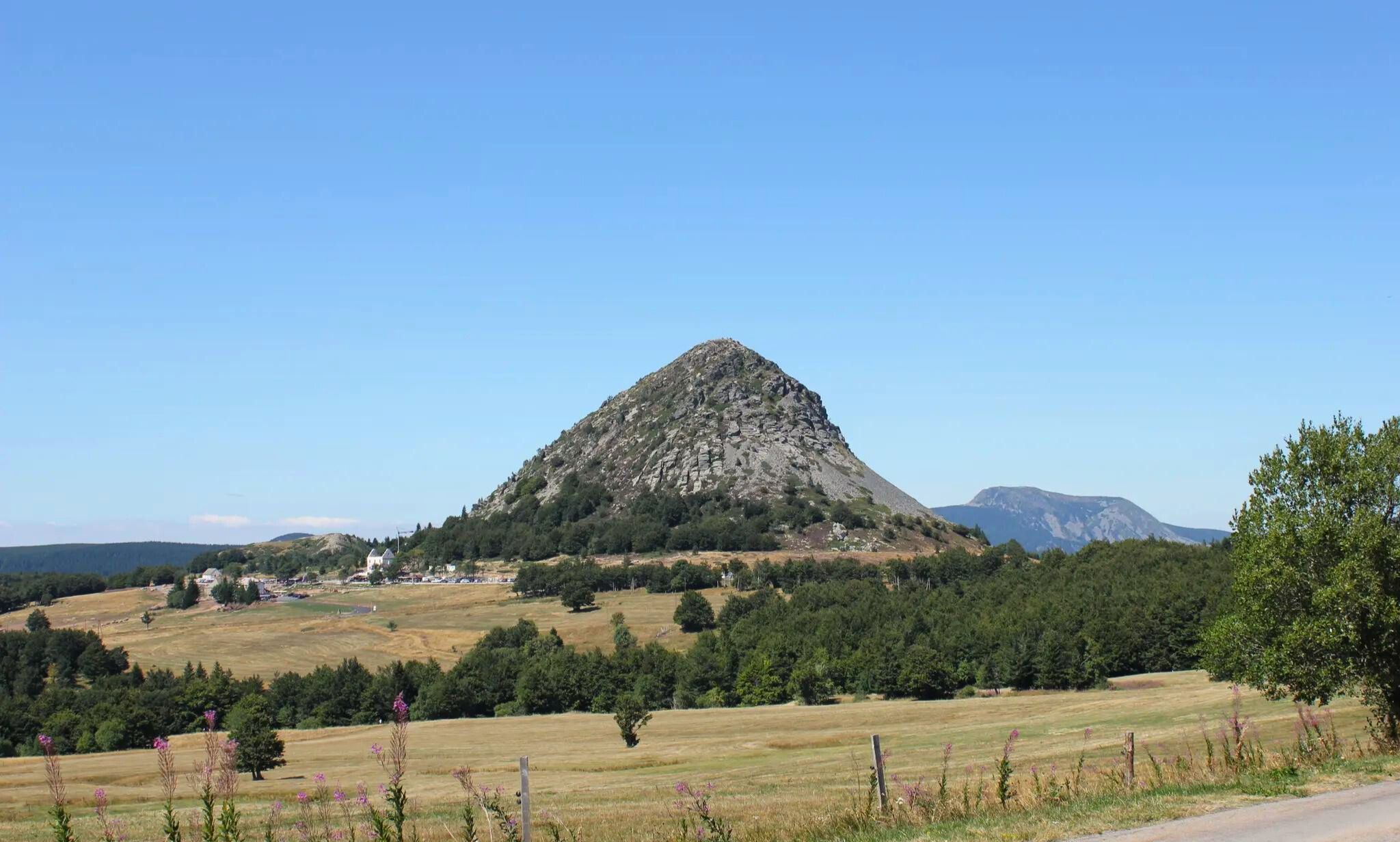
GR 3 between Puy-en-Velay and Gerbier de Jonc – The Loire from ocean to the source
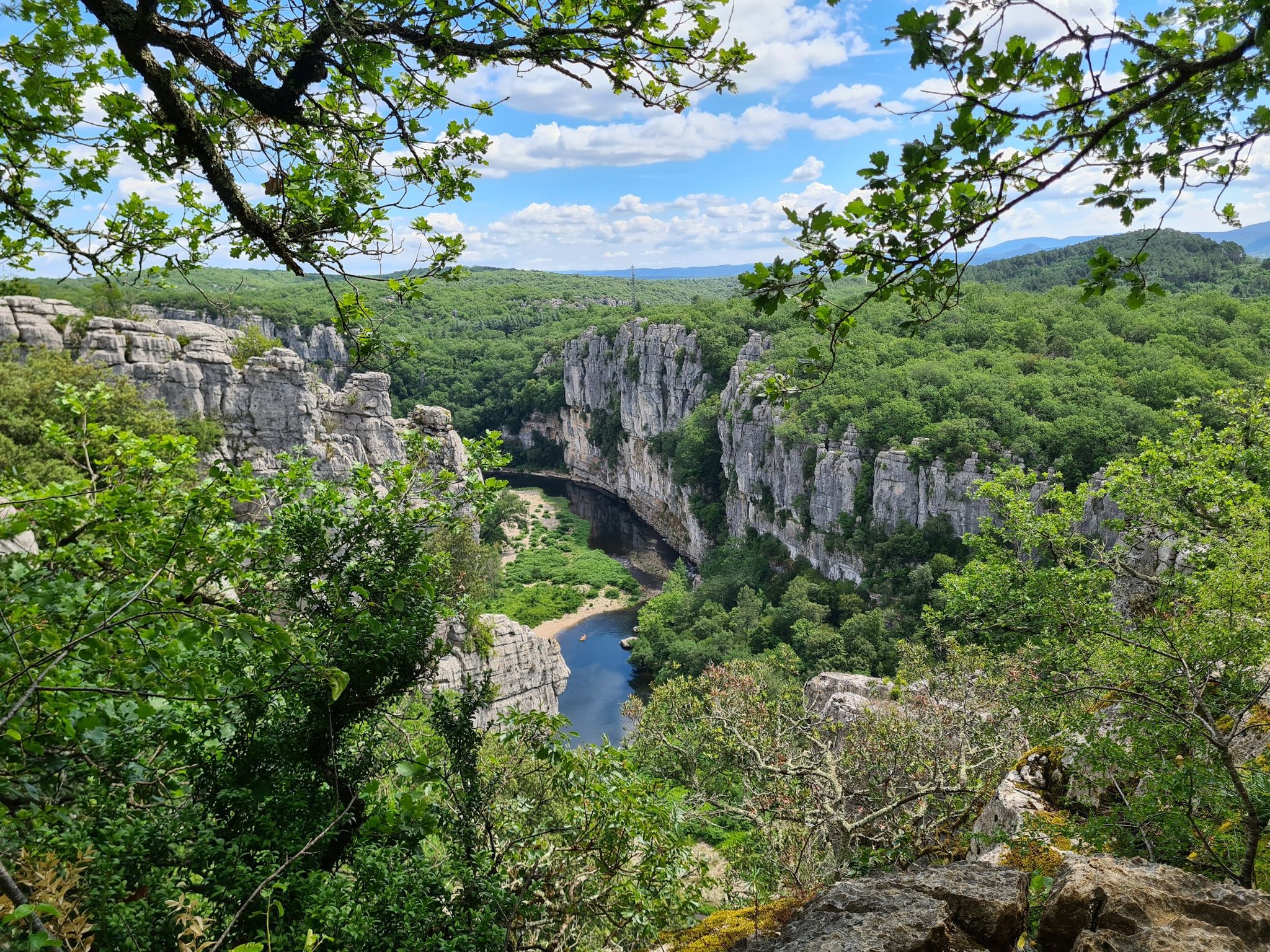
Hexatrek – The Cévennes to the Pyrenees between gorges and limestone plateau
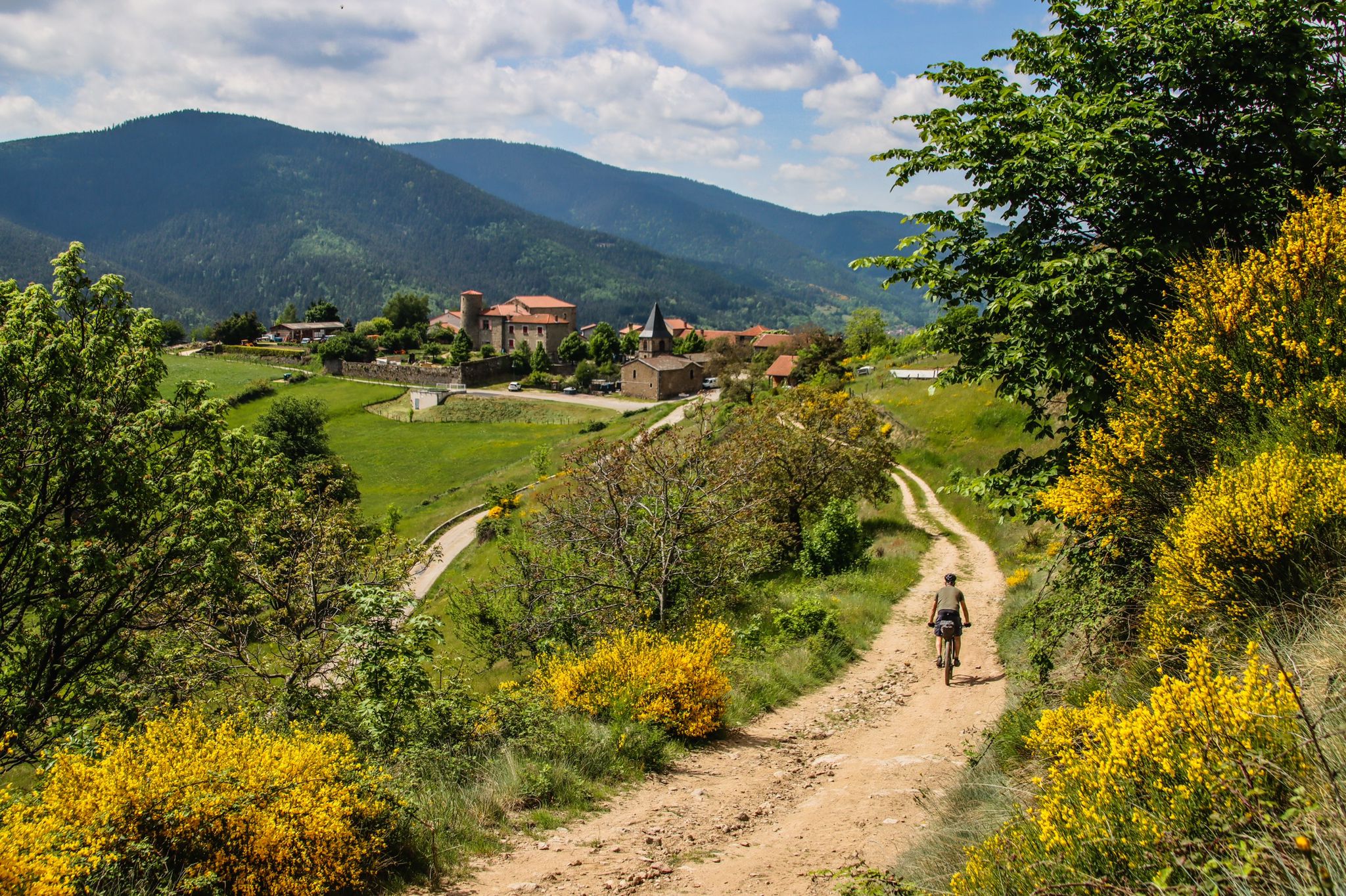
Grande Traversée de l'Ardèche (GTA) – Mountain biking
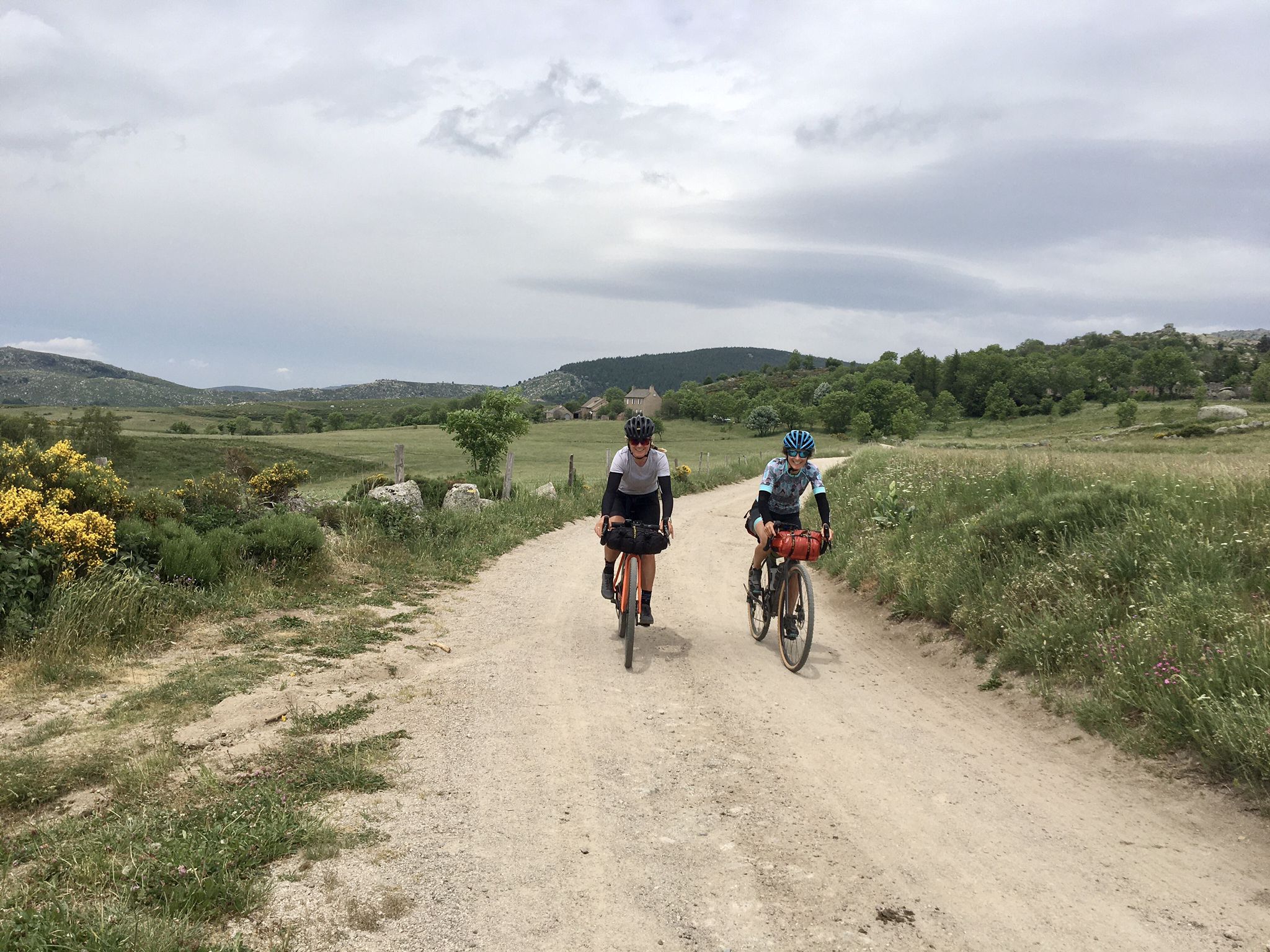
Ardèche Cévennes Divide – Bikepacking on a gravel bike
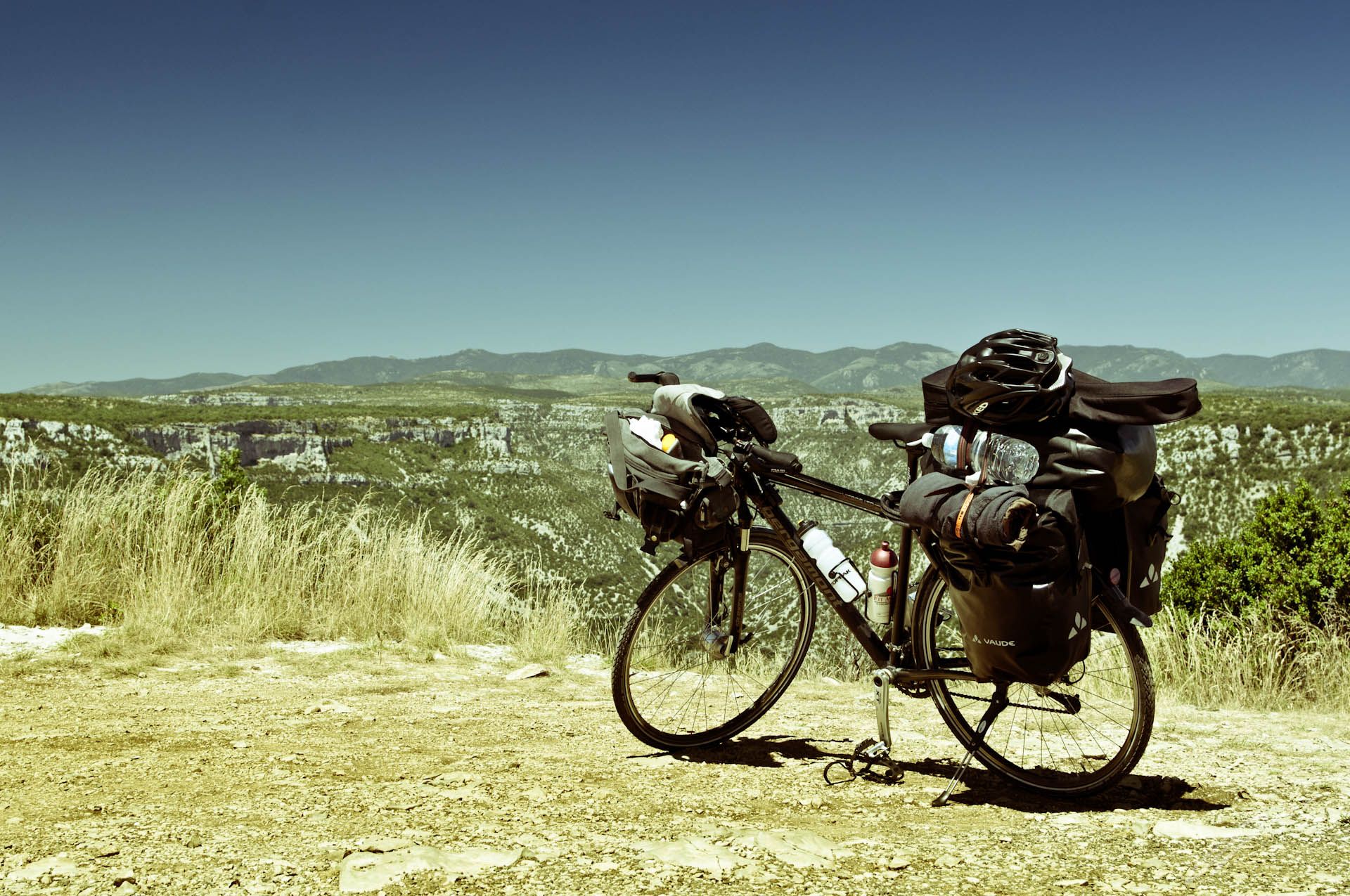
Follow the sun – riding from Germany to the south of France
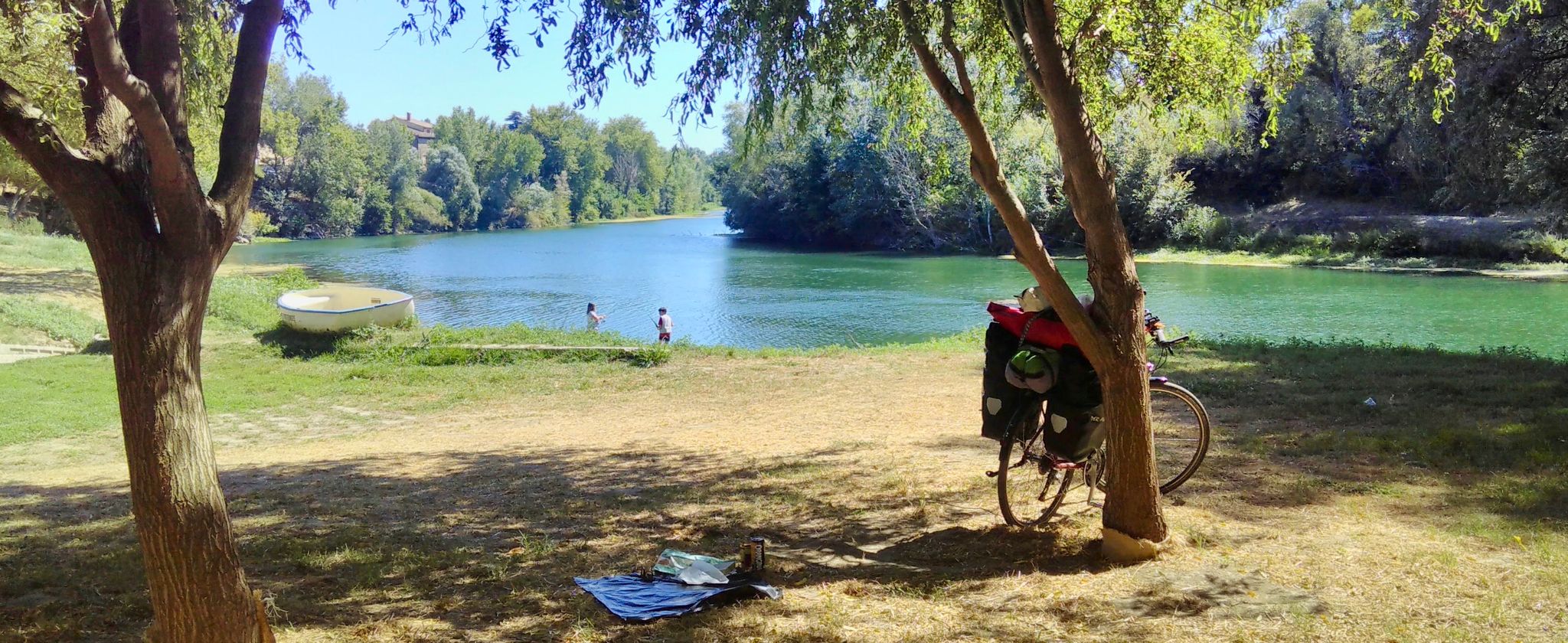
Via Rhôna — cycling the Rhone Valley Way from Lyon to the Mediterranean
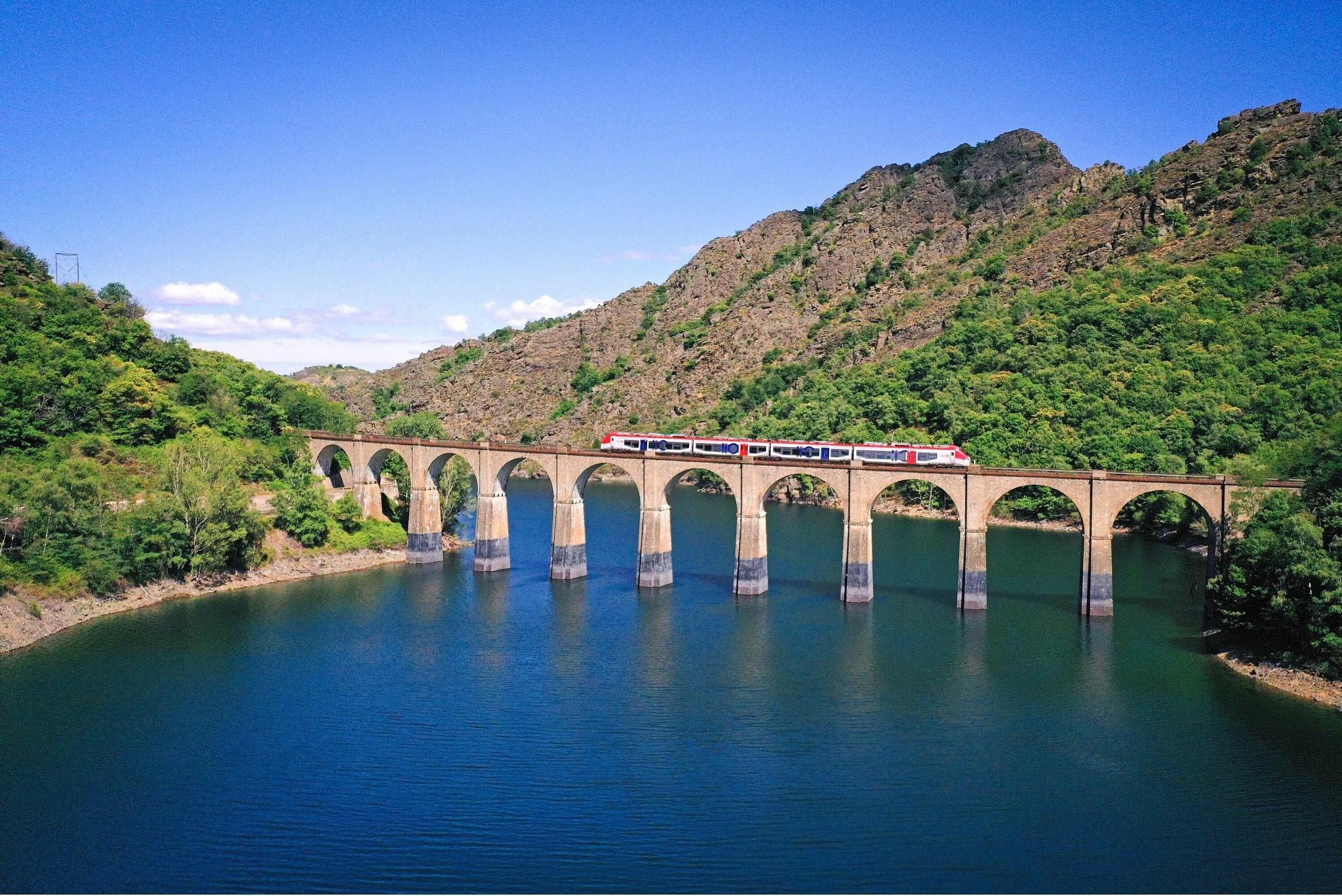
Routes between Nîmes and Mende – cycling by train with liO
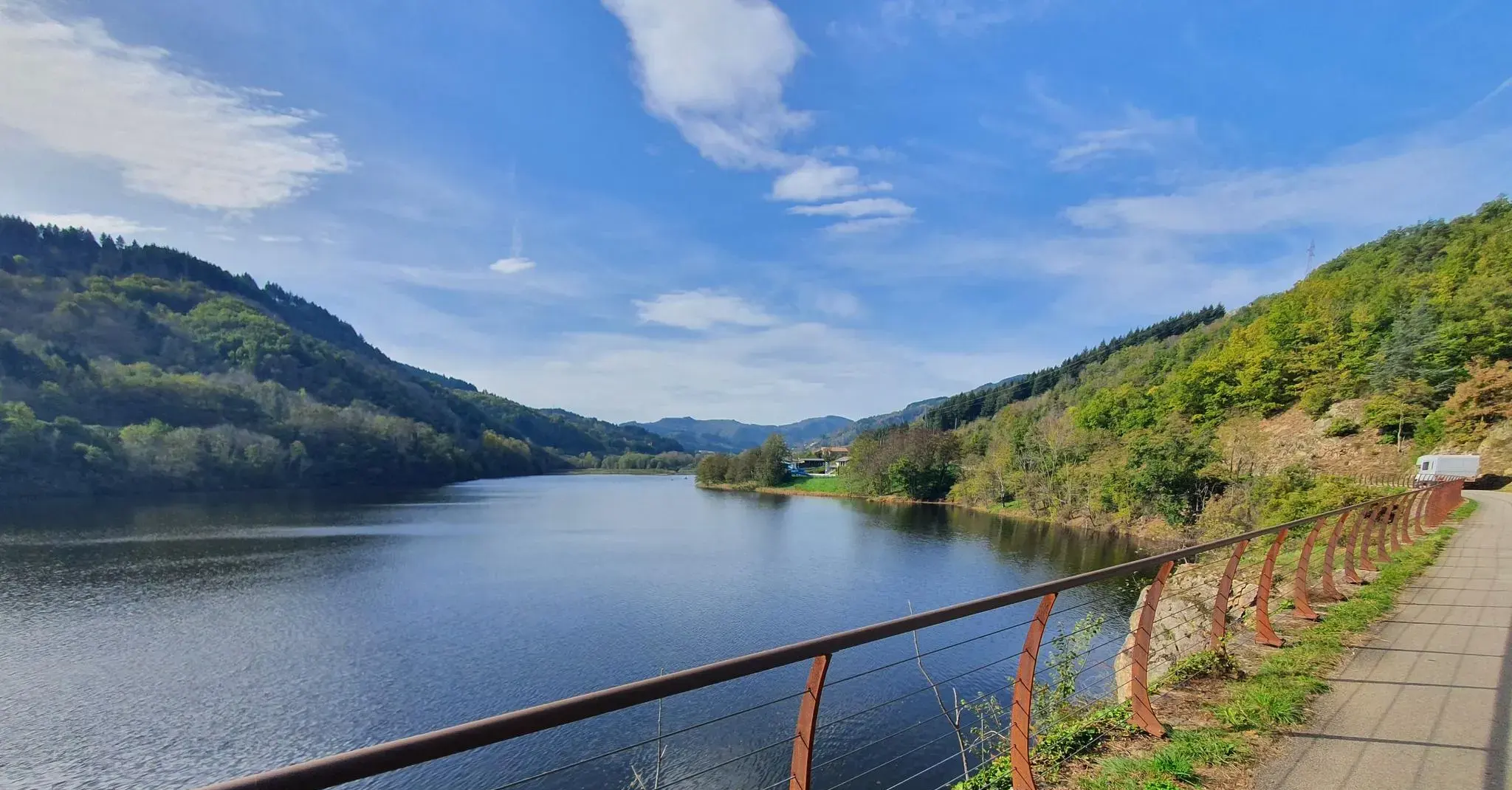
The trails of Ardèche — on the train tracks by bike
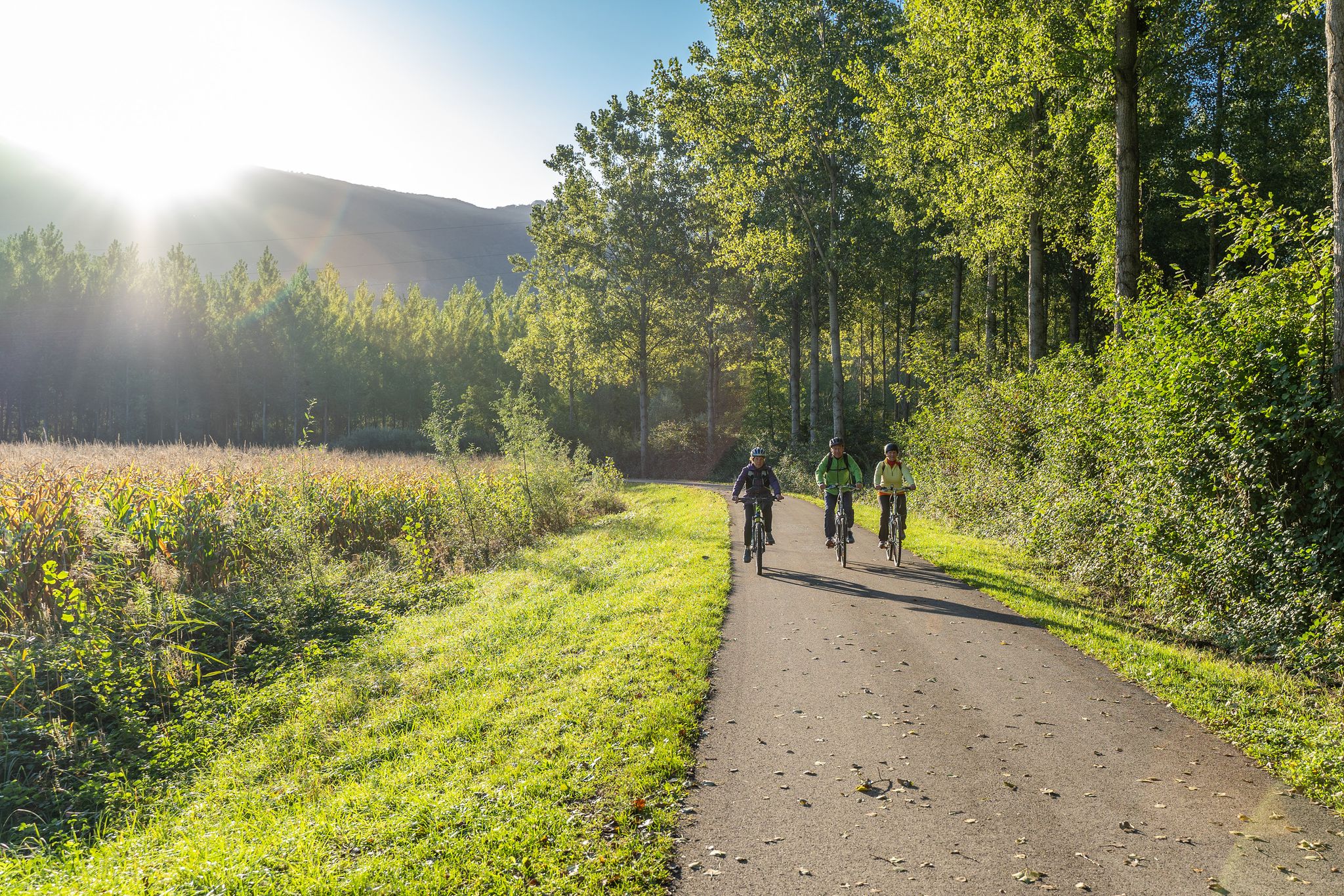
Via Fluvia – Cycle Route between Loire and Rhône
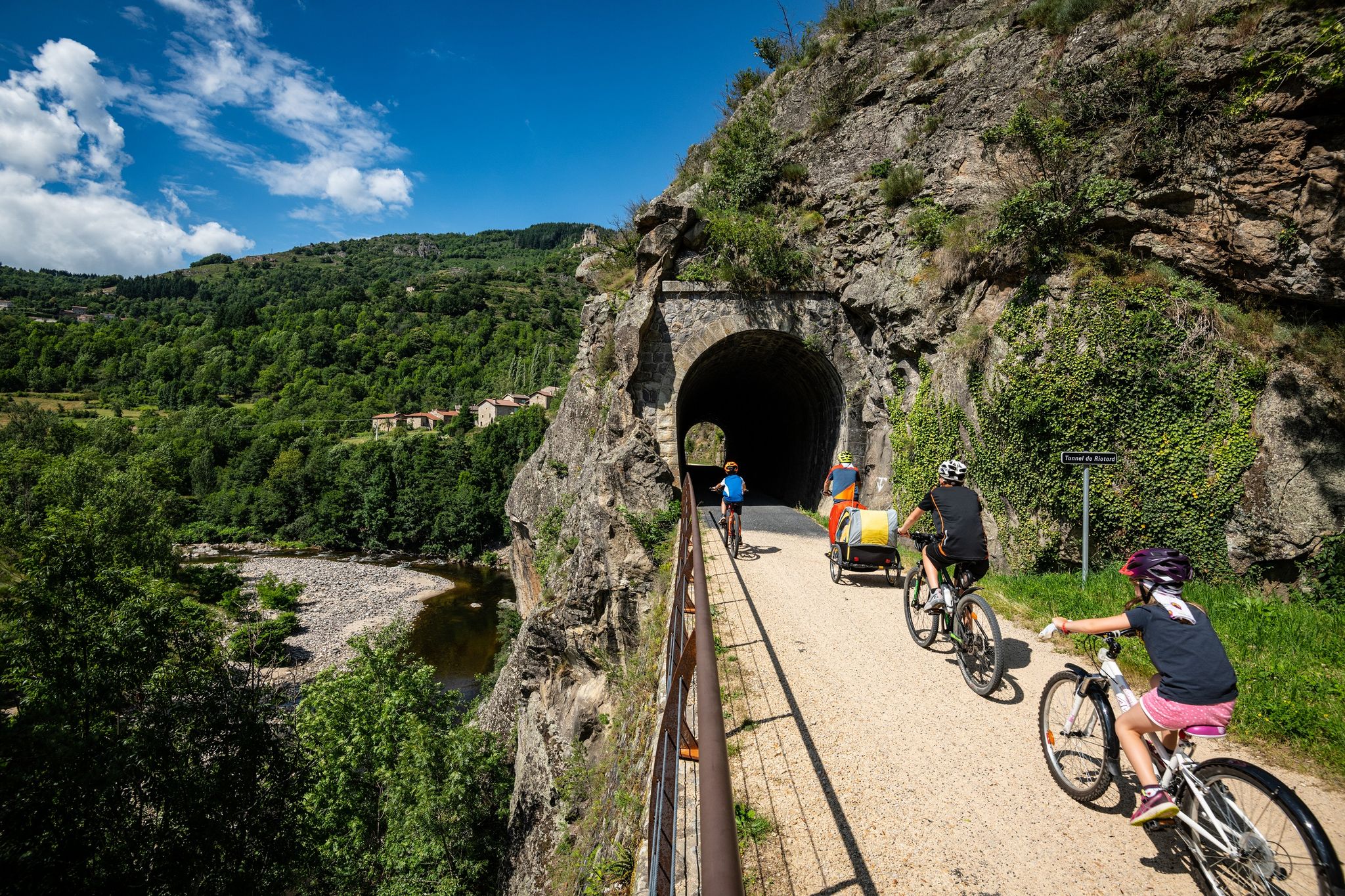
Cycle routes in the footsteps of the railway in the Ardèche
Other adventures in Ardèche


Tips from the Community

A beautiful swimming spot where you can go by paddle boat. Afterwards you can take a break on the rocks and even jump in.
1
0

Grotto tour (adults approx. 15 euros) with snack and toilet facilities
0
0

The path is strenuous but worth it. Be careful on your head on the stairs.
3
0

"The Lourdes Cave was built in 1905 by Father Marqueyrol (former priest of St Montan) after his return from a pilgrimage to Lourdes and has long remained an important place of pilgrimage. Several miracles are said to have occurred there. Apart from its picturesque appearance, this place seems to have been visited very early on due to the springs connected to caves, rocks and the nearby forest. The most important spring, which never runs dry, is called the "Fever Fountain" (Montanus gave it the power to cure fever); we can see it bubbling up from under the road near the small dam." Very worth seeing
3
0
Marian place of worship, founded in 1905 by the parishioners and the priest Marqueyrol
5
0

From the cycle path, you can see the eastern face of the Guercy massif, where the Soyons caves, discovered in the 19th century, are located. The Nero cave contains traces of prehistoric human and Neanderthal life, while the Trou du Renard is a vast network of galleries resulting from limestone concretions.
3
2


One of the most beautiful show caves in the Ardeche. For extra money, tours can be organized in parts of the caves that are not show caves. From 50€.
0
0
Frequently Asked Questions
What makes the caves in Ardèche unique?
The caves in Ardèche are renowned for their diverse geological and historical significance. You can find everything from vast chambers with colossal stalagmites to sites preserving some of the world's oldest prehistoric art. The region's limestone geology has created an extensive underground network, offering varied subterranean experiences.
Are there any caves in Ardèche that feature prehistoric art?
Yes, the Ardèche region is home to Grotte Chauvet 2 (Replica of Chauvet Cave). This site faithfully recreates the prehistoric art and atmosphere of the original Chauvet Cave, which houses over 1,000 drawings, including rare predatory species, dating back 36,000 years. It's an immersive journey into human creativity's origins.
What kind of geological formations can I expect to see in Ardèche's caves?
Ardèche's caves showcase a spectacular array of geological formations. For instance, Aven d'Orgnac Cave features immense chambers with colossal stalagmites up to 11 meters high. At Grotte de Saint-Marcel, you can admire the unique 'Gours waterfall,' a series of about 100 calcite basins. Grotte de la Cocalière is known for glittering calcite diamonds, delicate draperies, and rare cave pearls.
Are there family-friendly caves to visit in Ardèche?
Many caves in Ardèche are suitable for families. Grotte Chauvet 2 offers an engaging historical experience for all ages. Aven d'Orgnac Cave and Grotte Saint-Marcel are also popular choices, often featuring sound and light shows that captivate younger visitors. The Grotte de la Cocalière even includes a small train ride at the end of the tour, which is a hit with children.
What should I wear when visiting a cave in Ardèche?
Caves maintain a constant, cool temperature year-round, typically around 14°C (57°F), regardless of the outside weather. It's advisable to wear layers, including a light jacket or sweater. Footwear should be comfortable and sturdy, as paths can sometimes be damp or slippery. For caves like Les Baumes des Grenas Cave or the Small cave for the curious, a flashlight is essential.
Are there options for adventurous caving or deeper exploration in Ardèche?
Yes, for the more adventurous, some caves offer specialized experiences. Grotte de Saint-Marcel provides caving expeditions that allow for deeper exploration of its vast network beyond the standard guided tours. For those interested in self-exploration, Les Baumes des Grenas Cave allows visitors to explore branching small passages, though caution and a flashlight are advised due to slippery conditions and mud.
What unique experiences do the caves in Ardèche offer beyond typical tours?
Beyond standard tours, some Ardèche caves offer distinctive experiences. Aven d'Orgnac Cave hosts underground wine tasting, where local wines are aged in the cave's stable environment. Grotte de Saint-Marcel offers 'Epicurean tours' that combine cave exploration with wine tasting of local Côtes du Rhône wines and regional produce, aged 80 meters underground.
Are there hiking trails near the caves in Ardèche?
Yes, the Ardèche region is excellent for combining cave visits with outdoor activities. You can find numerous hiking trails that explore the stunning landscapes around the caves and the Gorges de l'Ardèche. For detailed routes and inspiration, check out the Running Trails in Ardèche guide, which includes options like the Cirque de Gens Loop near Ruoms.
What other outdoor activities can I do near the caves in Ardèche?
The Ardèche region offers a wide range of outdoor activities. Besides hiking, you can explore the area by bike. The Gravel biking in Ardèche guide and MTB Trails in Ardèche guide provide routes for various skill levels. The Gorges de l'Ardèche are also popular for kayaking and canoeing, offering a different perspective of the natural landscape.
What do visitors particularly enjoy about the caves in Ardèche?
Visitors frequently praise the breathtaking scale and beauty of the cave formations, often enhanced by sound and light shows. The historical significance of sites like Grotte Chauvet 2 is a major draw. Many appreciate the unique experiences, such as underground wine tasting, and the opportunity for both guided tours and more adventurous exploration. The comfortable, cool temperatures inside the caves are also a welcome respite, especially during warmer months.
What is the best time of year to visit the caves in Ardèche?
The caves in Ardèche can be visited year-round as their internal temperature remains constant. However, the shoulder seasons (spring and autumn) are often ideal for combining cave visits with outdoor activities, as the weather is pleasant for hiking and exploring the surrounding region. Summer is also popular, offering a cool escape from the heat, while some caves remain open in winter, providing a unique off-season experience.
Are there any caves in Ardèche with religious or historical significance beyond prehistoric art?
Yes, beyond the prehistoric art of Chauvet, the Ardèche region has other caves with historical and religious importance. The Lourdes Grotto is a site of religious significance. Additionally, the Hermitage of Saint Montan, while primarily a religious building, incorporates cave elements and is a historical site offering a challenging visit.
Most popular routes in Ardèche
Most popular attractions in Ardèche

Get inspired with the komoot mobile app


Explore more
Extend your search for the best caves by checking out these guides of the top ones in Ardèche:
