Top 20 Natural Monuments in Drôme
Best natural monuments in Drôme encompass a diverse landscape in southeastern France, ranging from rugged mountains and deep gorges to serene wetlands and powerful rivers. This region is characterized by a blend of Alpine and Mediterranean influences, offering unique ecological features. The Drôme River, one of Europe's last wild rivers, flows freely through the department. These areas provide opportunities to experience the raw beauty and tranquility of nature.
Best natural monuments in Drôme
- The most popular natural monuments is White…
Last updated: May 14, 2026
White Waterfall
Highlight • Waterfall
Translated by Google •
Tip by

Druise Waterfall
Highlight • Natural Monument
Translated by Google •
Tip by

Sign up now to discover places like this
Get recommendations on the best single tracks, peaks, & plenty of other exciting outdoor places.
Sign up for free
Entrance to the Toulourenc Gorges
Highlight • Gorge
Translated by Google •
Tip by

Combe Laval Cirque
Highlight (Segment) • Gorge
Translated by Google •
Tip by

Méouge Gorge Route
Highlight (Segment) • Gorge
Translated by Google •
Tip by

Esplanade du Champ de Mars
Highlight • Viewpoint
Translated by Google •
Tip by

Font d'Urle Ice Cave
Highlight • Cave
Translated by Google •
Tip by

Saut de la Drôme and the Claps
Highlight • River
Translated by Google •
Tip by
Val des Nymphes Chapel
Highlight • Religious Site
Translated by Google •
Tip by

Pié Ferré (Le Dôme) – 2,041 m
Highlight • Summit
Translated by Google •
Tip by
Sign up for free to discover even more natural monuments in Drôme.
Sign up for free
Already have an account?
Start today with a free account
Your next adventure awaits.
Login or Signup
Popular around Drôme

Triathlon 360 – my journey around the world
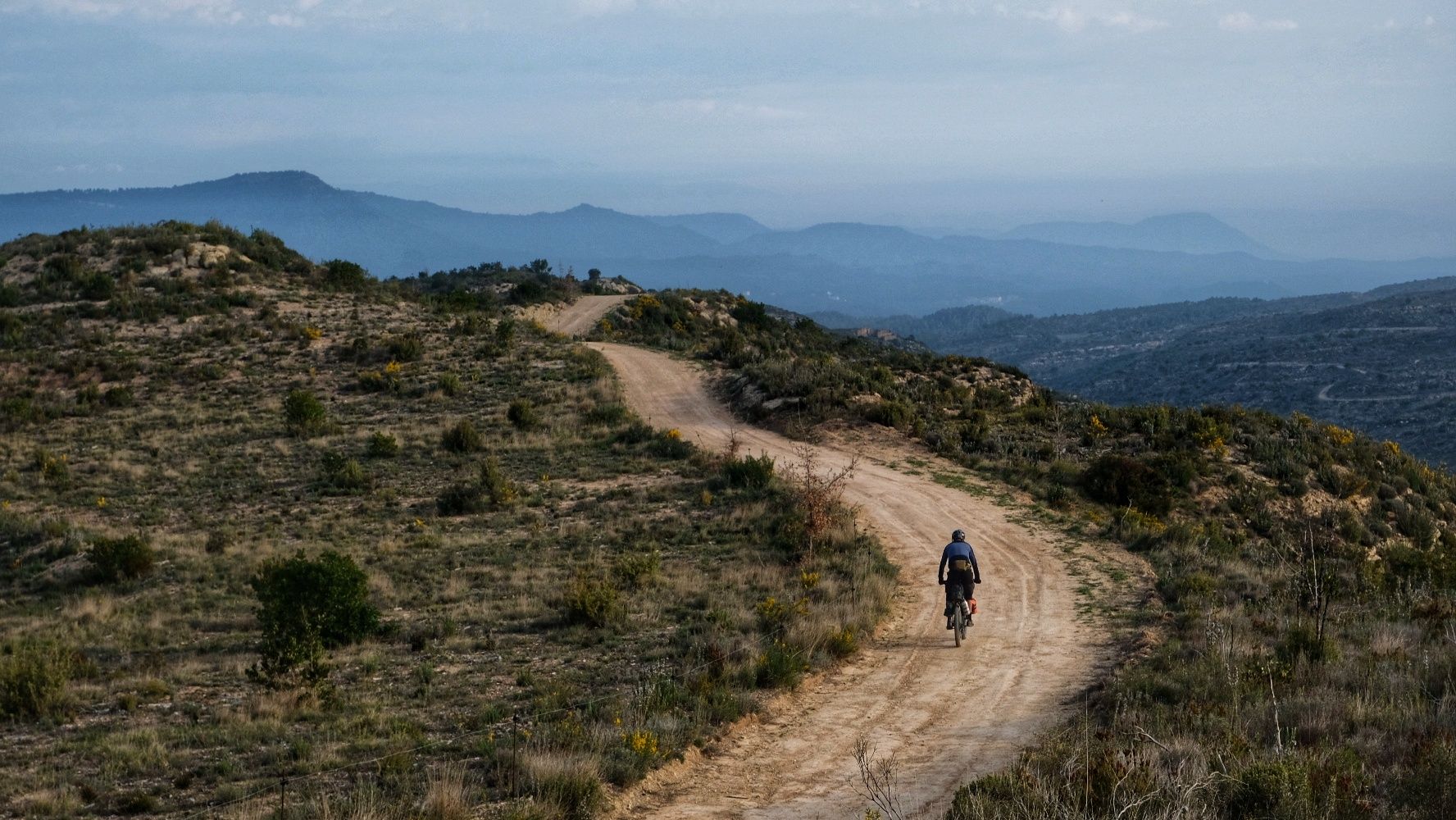
European Divide Trail — 7,600 km across the continent
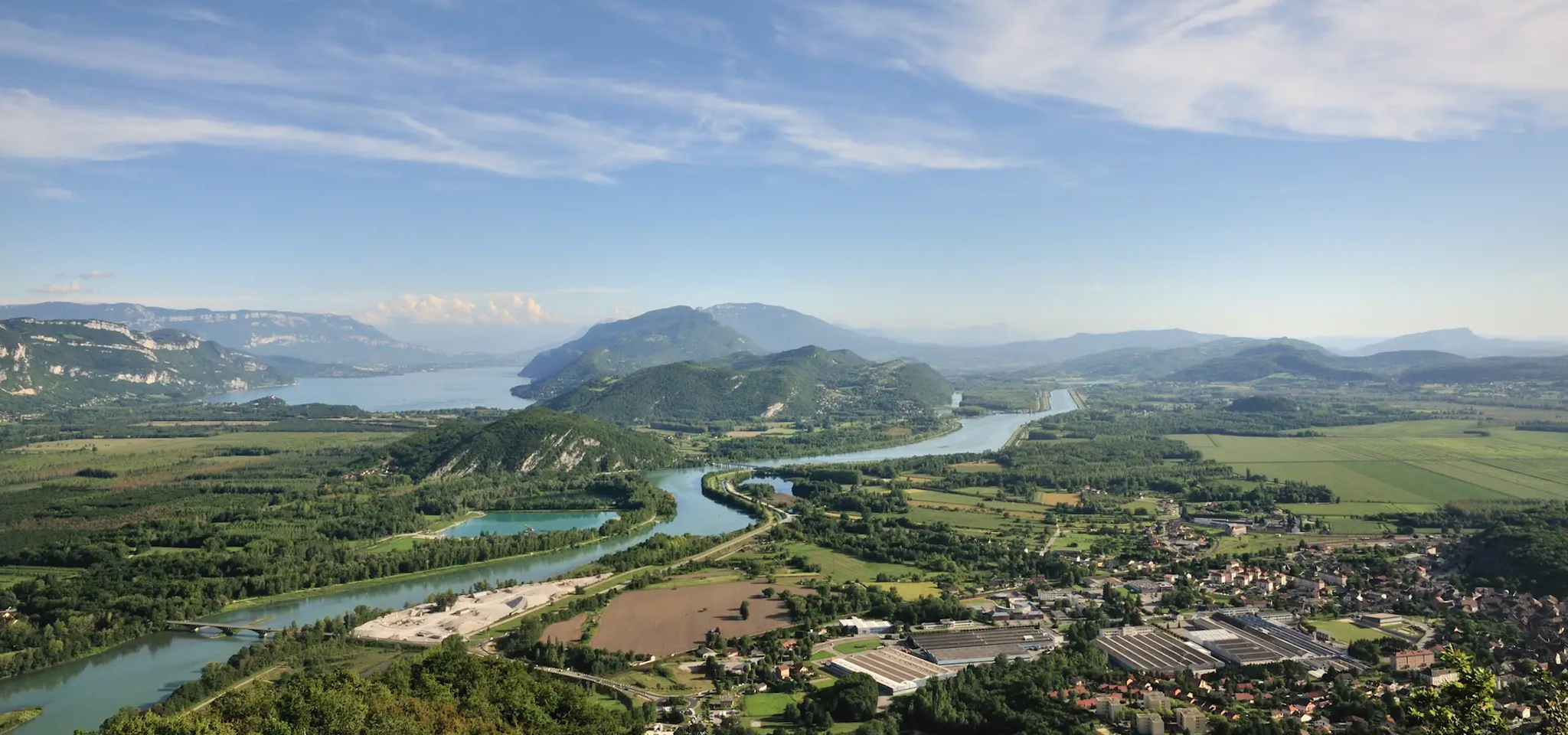
GR 9 from the Jura to the Mediterranean – Crossing contrasts
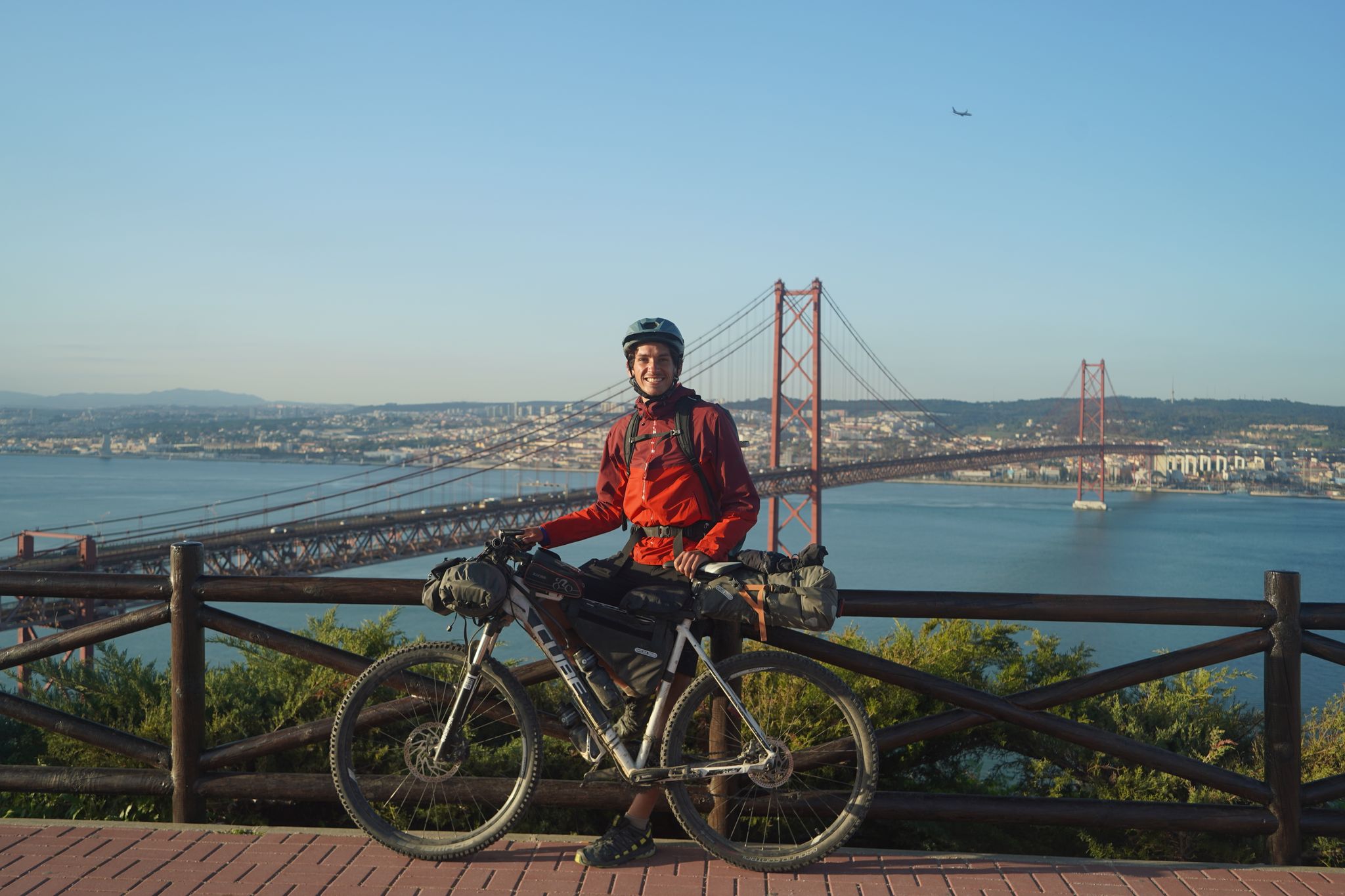
Road to Lisbon – bikepacking the Alps, Pyrenees and Picos de Europa
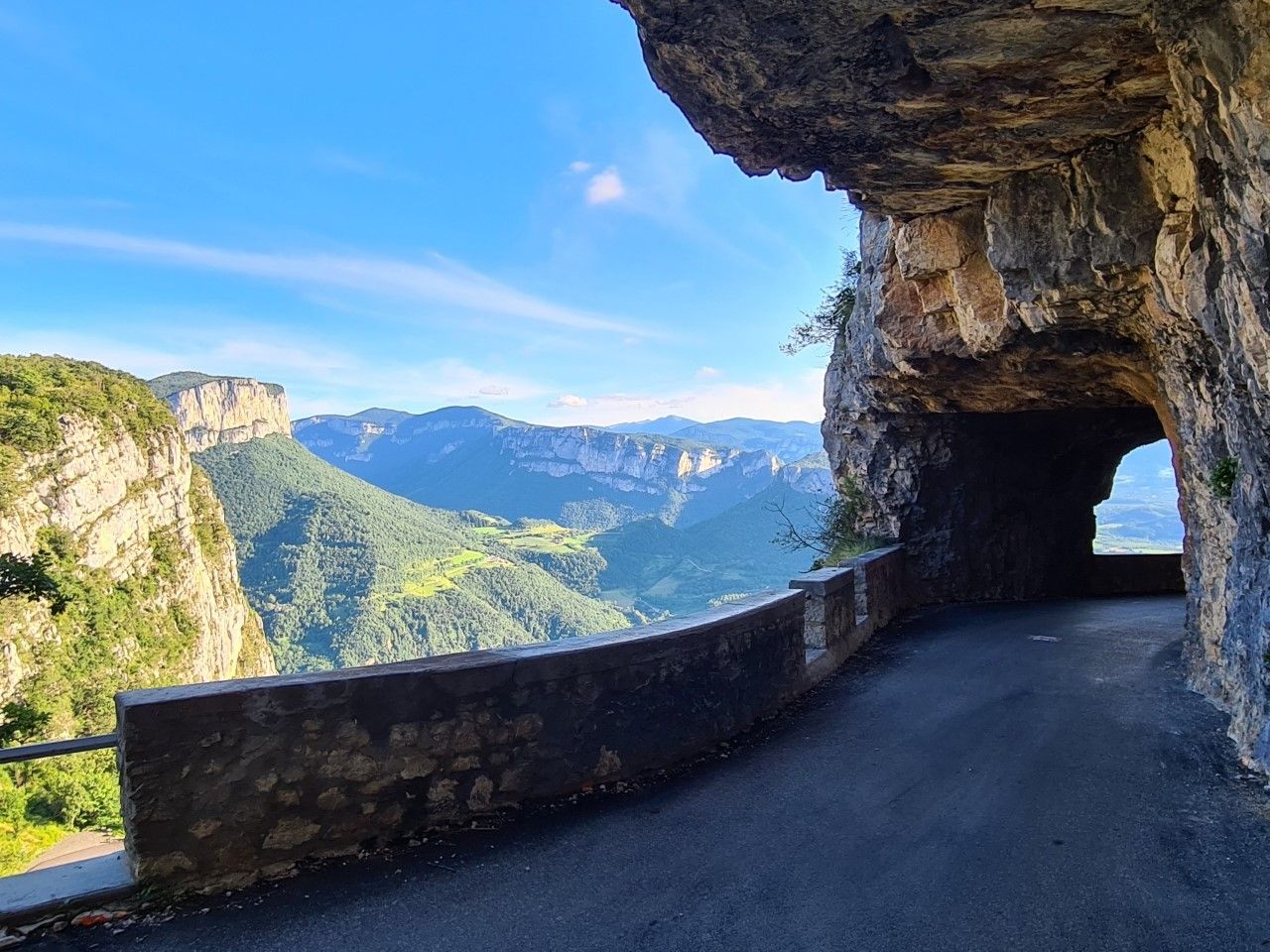
La Grande Traversée du Vercors — In the West of the Alps
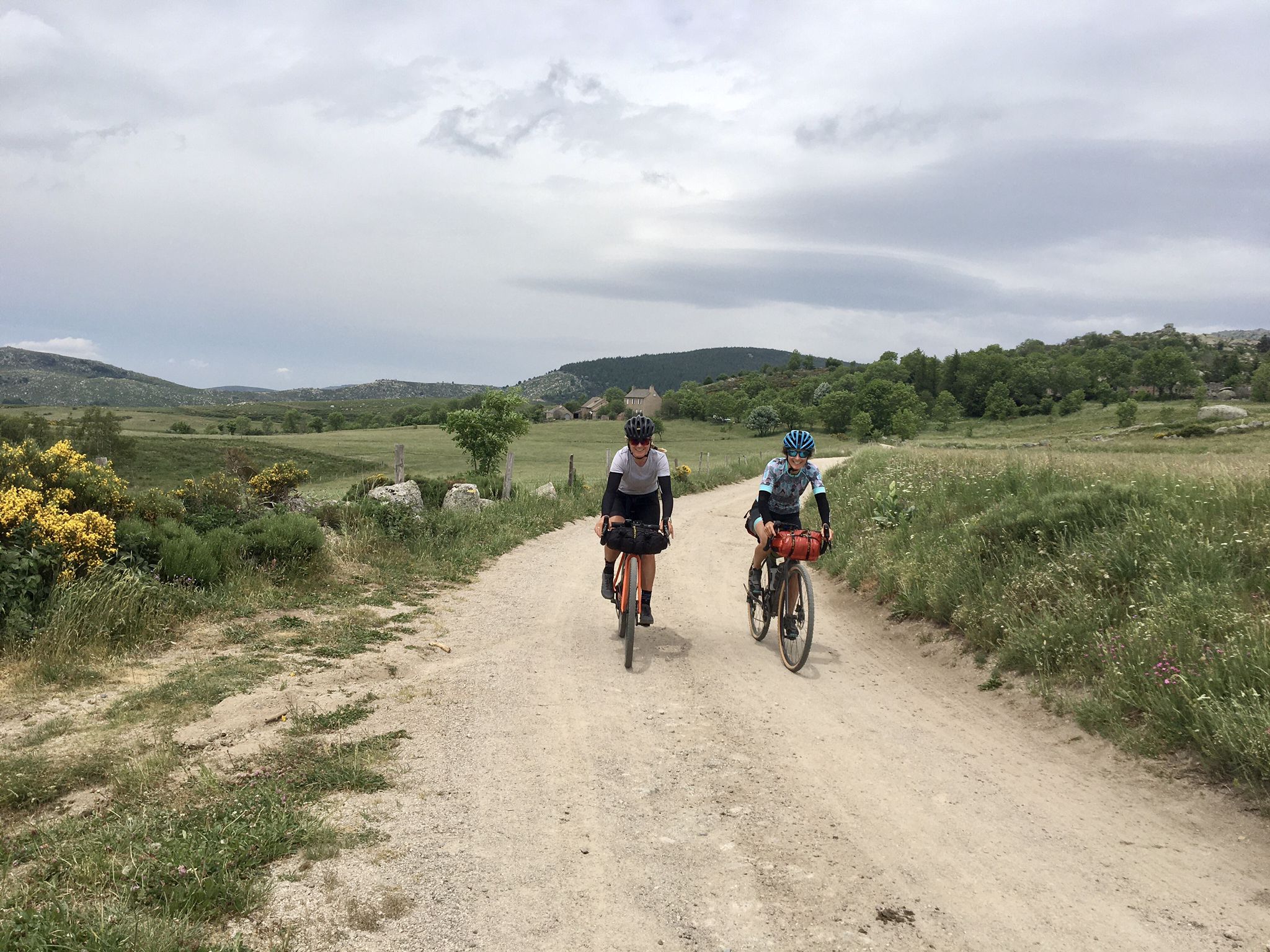
Ardèche Cévennes Divide – Bikepacking on a gravel bike
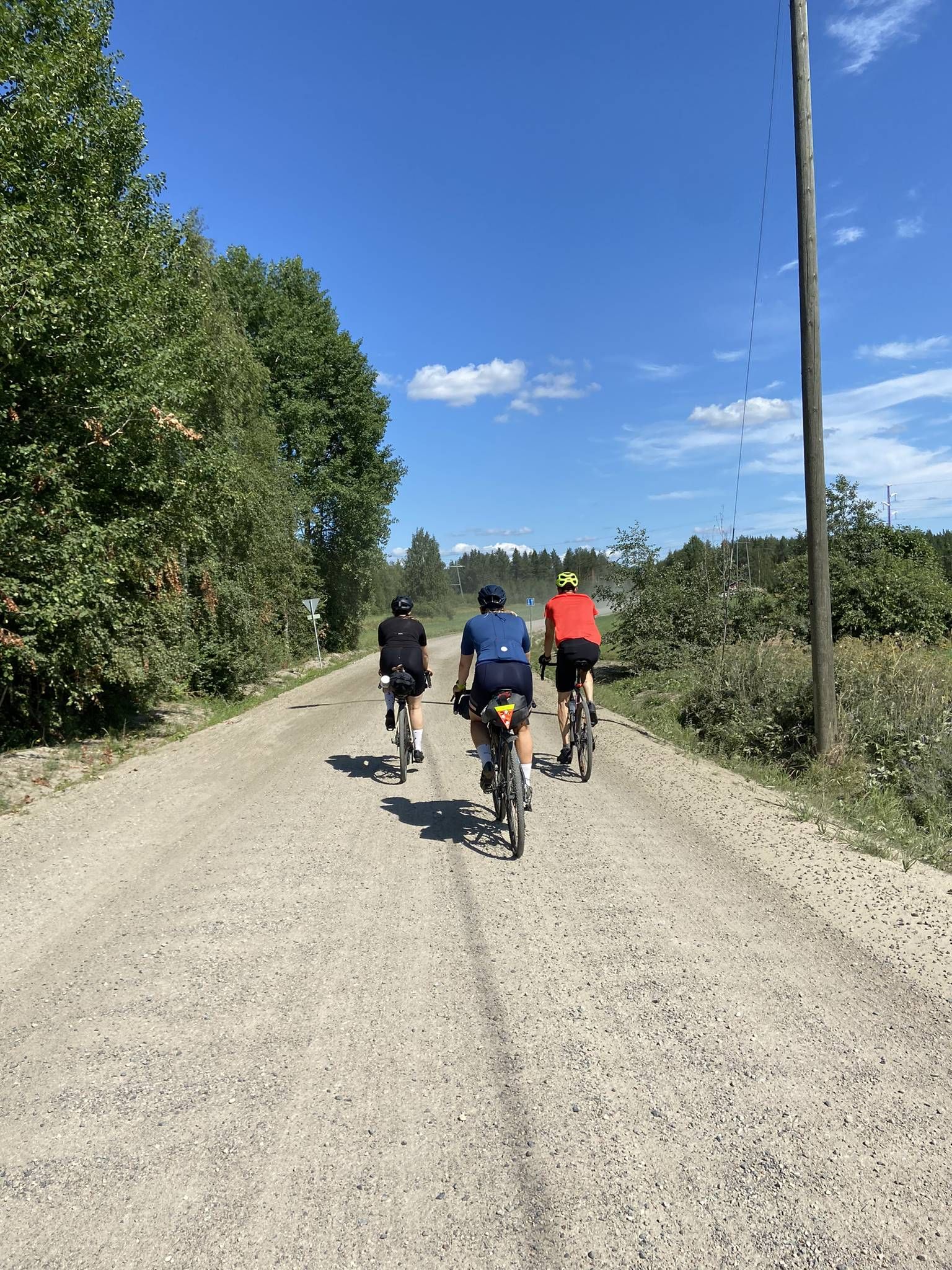
Naples to North Cape — Two friends, one purpose and many scoops of ice-cream
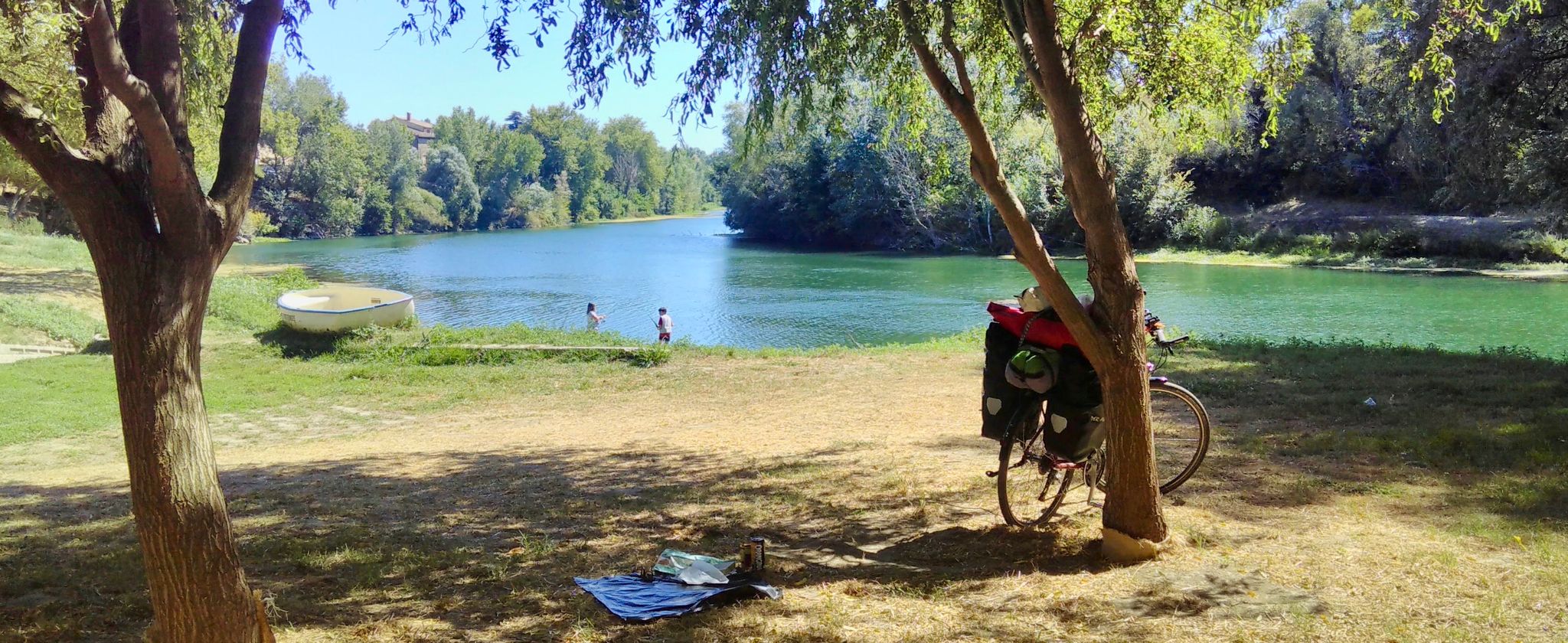
Via Rhôna — cycling the Rhone Valley Way from Lyon to the Mediterranean
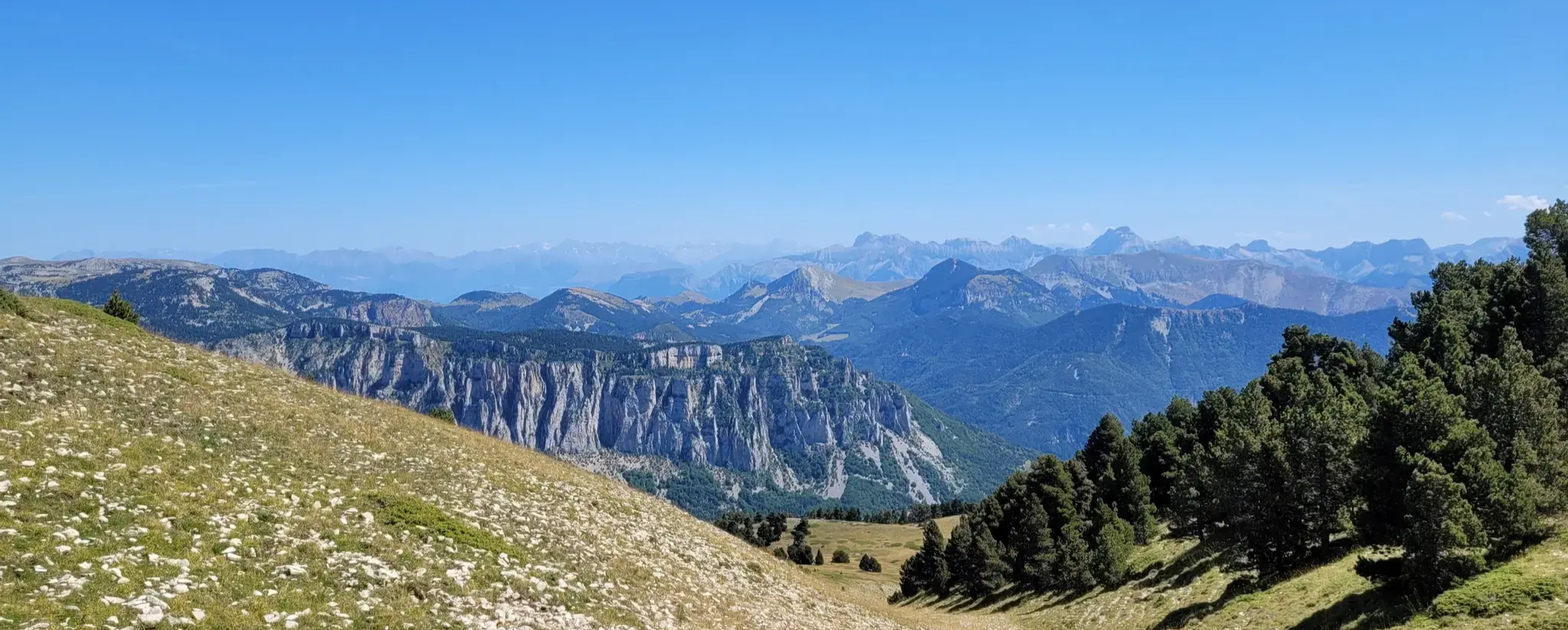
GR 91 - From the Vercors High Plateaux to Provence
P'tites Routes du Soleil (Little Routes of the Sun)
Other adventures in Drôme


Tips from the Community

After a long section of "classic" pass, we suddenly find ourselves on the side of a cliff with a majestic view 😍. The valley is not very long but magnificent. Many nooks and crannies to stop and take a photo.
1
0
Very pretty viewpoint, very rolling, and you will surely be lucky enough to see some marmots and chamois! Quite a few passages under the trees, possibility to do it even if it's hot! 👌
0
0
Very pretty, not technical trail for a hike, however plan to do the route in the opposite direction (start with the small climb) if you want a more rolling trail route. Very beautiful landscapes (no dangerous areas / climbing and as a bonus the possibility of seeing animals!
0
0

Beautiful, wild and romantic gorge near Sisteron
0
0

Barret sur Méouge: here there is fresh water.
0
0

The Chute de la Druise is a large waterfall on the Gervanne River in the Drôme department in the Auvergne-Rhône-Alpes region. It is located on the border between the municipalities of Omblèze and Plan-de-Baix in the southern Vercors massif, at the mouth of the Omblèze Gorge. With a height of 72 meters, it is one of the most impressive waterfalls in the southern Vercors. The waterfall is accessible after a 30-minute hike along a steep path.
0
0

Here – in the "Val des Nymphes" – a Christian church meets figures from pagan mythology. Nymphs were considered nature spirits or goddesses in the religious understanding of the time, but by no means as significant as, for example, Mars, Neptune, or even Zeus. They were a popular motif in the visual arts, offering the opportunity to depict naked or scantily clad female figures. The church found here, with the title "Notre Dame" (in German "Our Dear Lady"), which is widely used in France, is also dedicated to a special woman who, although not a goddess herself, according to Christian understanding participated in the divine plan of salvation through her unconditional "yes" to the angel's message: Mary, the Mother of God.
0
0

As you venture into the enchanting Valley of the Nymphs, near La Garde-Adhémar, you will discover a hidden oasis of natural beauty. This picturesque valley, nestled among rolling hills and lush vegetation, is a haven for nature lovers.
1
0
Frequently Asked Questions
What are some of the most popular natural monuments in Drôme?
Drôme offers a variety of stunning natural monuments. Among the most popular are the White Waterfall, known for its foaming white water and refreshing swimming spots, and the impressive Druise Waterfall, a 72-meter-high cascade accessible via a scenic path. Visitors also highly appreciate the Combe Laval Cirque, a spectacular road carved into rock offering exceptional panoramas.
Are there family-friendly natural monuments in Drôme?
Yes, Drôme has several natural monuments suitable for families. The Esplanade du Champ de Mars is a great option, offering viewpoints and facilities. Additionally, the Drôme River itself, particularly near its source or in calmer sections, provides opportunities for family bathing and gentle canoeing, as it's one of Europe's last wild rivers.
What kind of natural features can I expect to see in Drôme?
Drôme boasts a diverse range of natural features. You can explore dramatic waterfalls like the White Waterfall and Druise Waterfall, deep gorges such as the Entrance to the Toulourenc Gorges and Gorges d'Omblèze, and unique geological formations like the chaotic boulder landscape of Claps de Luc. The region also features high summits like Pié Ferré (Le Dôme), vast forests like Forêt de Saoû, and wetlands such as Marais des Bouligons.
What outdoor activities can I do near the natural monuments in Drôme?
The natural monuments in Drôme are excellent starting points for various outdoor activities. You can enjoy mountain hikes in areas like the Vercors Regional Natural Park, with routes such as the 'Les Trois Becs loop from La Chaudière' or 'Roche-Colombe – Pas de l'Échelette loop from Saou' (find more at Mountain Hikes in Drôme). There are also easy hikes like the 'Gorges d'Ubrieux Trail' (Easy hikes in Drôme) and challenging MTB trails, including 'The 3 Cols Trail' (MTB Trails in Drôme). Many sites offer opportunities for wild swimming, climbing, and wildlife observation, especially for vultures at Rocher du Caire.
Are there any natural monuments in Drôme that are good for wild swimming?
Absolutely! The White Waterfall is a popular spot for a refreshing dip in its cold waters. The Drôme River, known as one of Europe's last wild rivers, offers numerous clear water spots ideal for bathing and canoeing. Additionally, the Claps de Luc, where the Drôme River rushes through a jumble of boulders, forms cascades and pools suitable for swimming.
What is the best time to visit the natural monuments in Drôme?
The best time to visit Drôme's natural monuments largely depends on your preferred activities. Spring and autumn offer pleasant temperatures for hiking and exploring, with vibrant flora in spring and beautiful foliage in autumn. Summer is ideal for water activities like swimming in the Drôme River or at waterfalls, though popular spots can be busy. Winter can be beautiful for snow-covered landscapes, especially in the Vercors, but some paths might be challenging or inaccessible.
Can I observe wildlife at the natural monuments in Drôme?
Yes, Drôme's natural monuments are rich in wildlife. The Vercors Regional Natural Park is home to diverse species including vultures, ibex, and chamois. Specifically, the Rocher du Caire is an exceptional spot for observing vultures. The Marais des Bouligons wetland is a haven for dragonflies, butterflies, amphibians, and various bird species. Beavers can also be found along the banks of the Drôme River.
Are there any historical or cultural sites integrated with the natural monuments?
Yes, some natural monuments in Drôme have historical or cultural significance. The Val des Nymphes Chapel is a religious building nestled within a natural valley, offering a blend of historical architecture and natural beauty. The Parc Naturel Régional des Baronnies Provençales also features perched villages and olive groves, showcasing a rich cultural landscape alongside its natural wonders.
What do visitors enjoy most about the natural monuments in Drôme?
Visitors consistently praise the breathtaking beauty and tranquility of Drôme's natural monuments. They particularly enjoy the opportunities for refreshing swims in cold waterfall pools, the impressive panoramic views from sites like the Combe Laval Cirque and Rocher du Caire, and the unique geological formations. The chance to explore natural cavities like the Font d'Urle Ice Cave with its ice formations is also a highlight.
Are dogs allowed at the natural monuments in Drôme?
Many natural areas in Drôme are dog-friendly, but it's always best to check specific regulations for each site. For example, the White Waterfall is listed as dog-friendly. When visiting natural parks or reserves, dogs are often welcome on trails but may need to be kept on a leash to protect wildlife and ensure safety.
Where can I find unique geological formations in Drôme?
Drôme is home to several unique geological formations. The Saut de la Drôme and the Claps near Luc-en-Diois present a chaotic landscape of massive limestone boulders where the Drôme River carves its way through. The Combe Laval Cirque is famous for its road carved directly into the impressive limestone escarpments. Additionally, the Vallon de la Jarjatte in the Vercors features picturesque mountain scenery with cliffs and rock pinnacles.
Are there any caves to explore among Drôme's natural monuments?
Yes, you can explore caves in Drôme. The Font d'Urle Ice Cave is a magnificent and impressive natural cavity where you can find beautiful ice formations even in summer. Remember to bring a flashlight and wear appropriate footwear for exploration.
Most popular routes in Drôme
Most popular attractions in Drôme

Get inspired with the komoot mobile app


Explore more
Extend your search for the best caves by checking out these guides of the top ones in Drôme:
