Attractions and Places To See in Morbihan - Top 20
Best attractions and places to see in Morbihan include a diverse array of natural beauty, cultural heritage, and historical landmarks in Southern Brittany, France. The region features an inland sea, the Gulf of Morbihan, known for its numerous islands and rich biodiversity. Visitors can explore ancient megalithic sites, historic towns with preserved architecture, and dramatic coastlines. Morbihan offers a blend of coastal scenery, historical sites, and natural attractions for exploration.
Best attractions and places to see in Morbihan
- The most…
Last updated: August 31, 2026
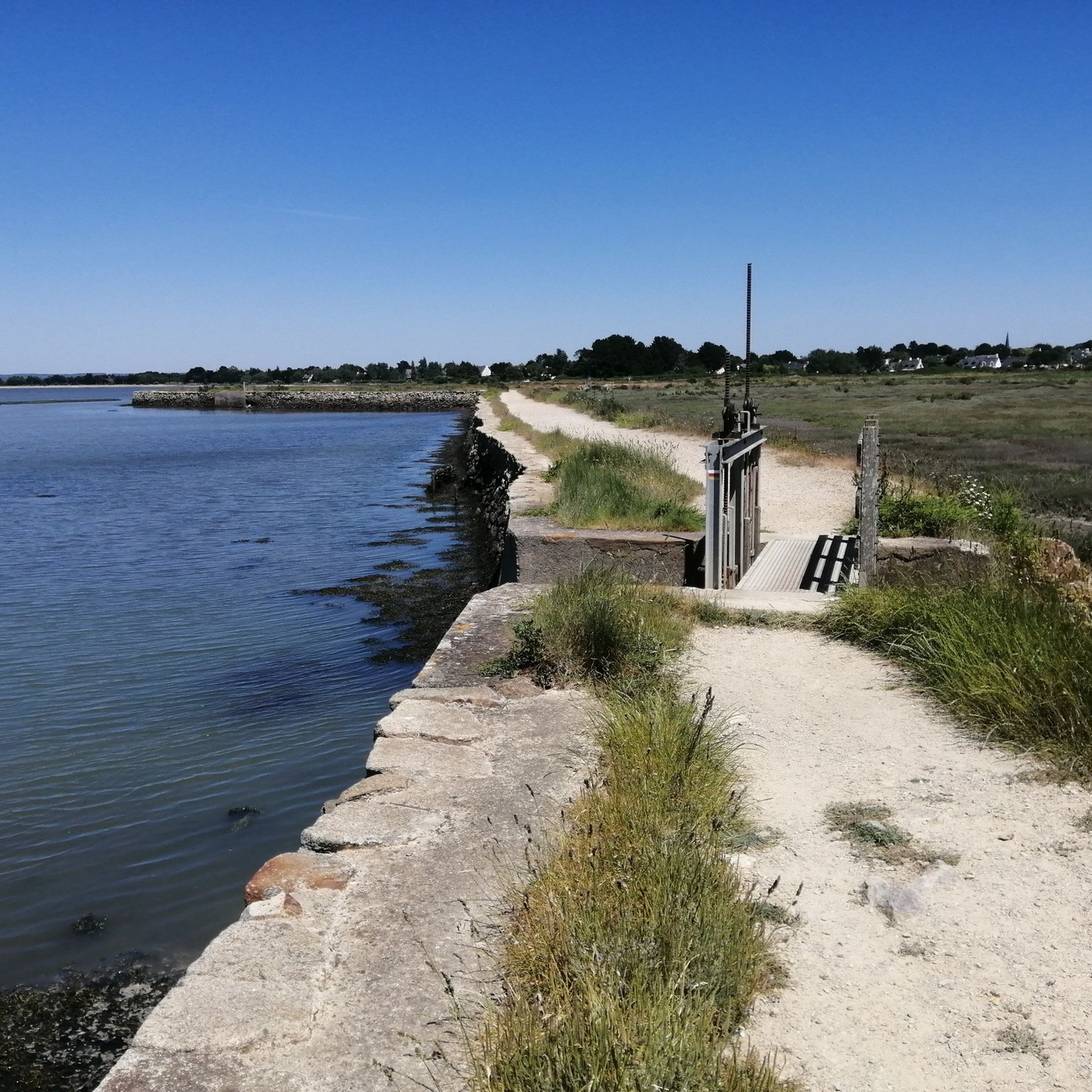
Berno Tide Mill
Highlight • Monument
Tip by

La Belle Fontaine
Highlight • Other
Translated by Google •
Tip by

Sign up now to discover places like this
Get recommendations on the best single tracks, peaks, & plenty of other exciting outdoor places.
Sign up for free
Poulains Lighthouse
Highlight • Monument
Translated by Google •
Tip by

Port de Sauzon
Highlight • Other
Translated by Google •
Tip by
Port Saint-Gildas
Highlight • Religious Site
Translated by Google •
Tip by
Pointe de Brouel
Highlight • Viewpoint
This similarity in name with the nearby Pointe de Brouel on Île aux Moines originated four thousand …
Translated by Google •
Tip by

Port-Fouquet Beach
Highlight • Beach
Translated by Google •
Tip by
Treac'h Cross, Porz Lerz
Highlight • Other
Translated by Google •
Tip by

Grands Sables Beach
Highlight • Beach
Translated by Google •
Tip by
Pen-Hap Dolmen
Highlight • Other
Translated by Google •
Tip by

Sign up for free to discover even more attractions in Morbihan.
Sign up for free
Already have an account?
Start today with a free account
Your next adventure awaits.
Login or Signup
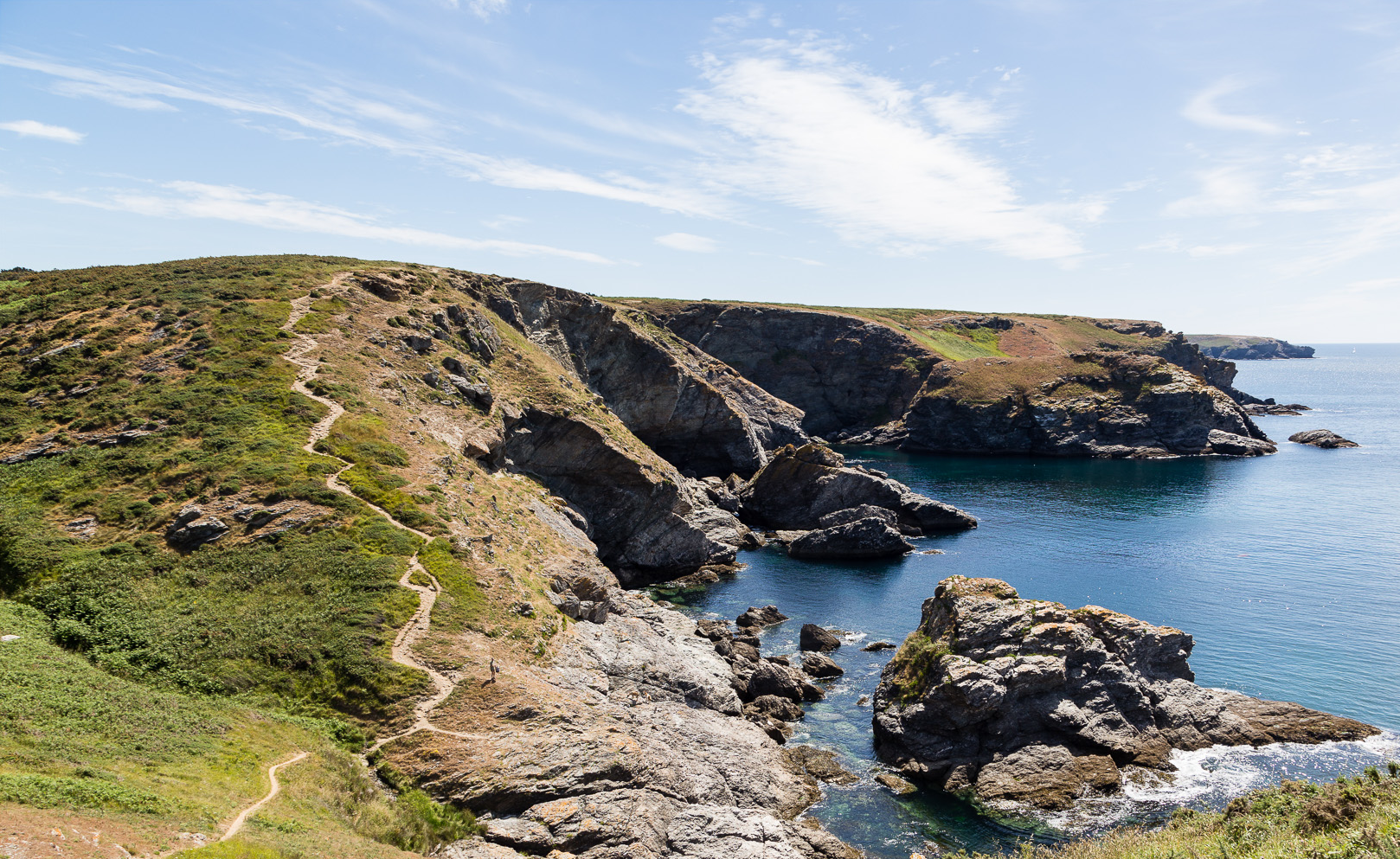
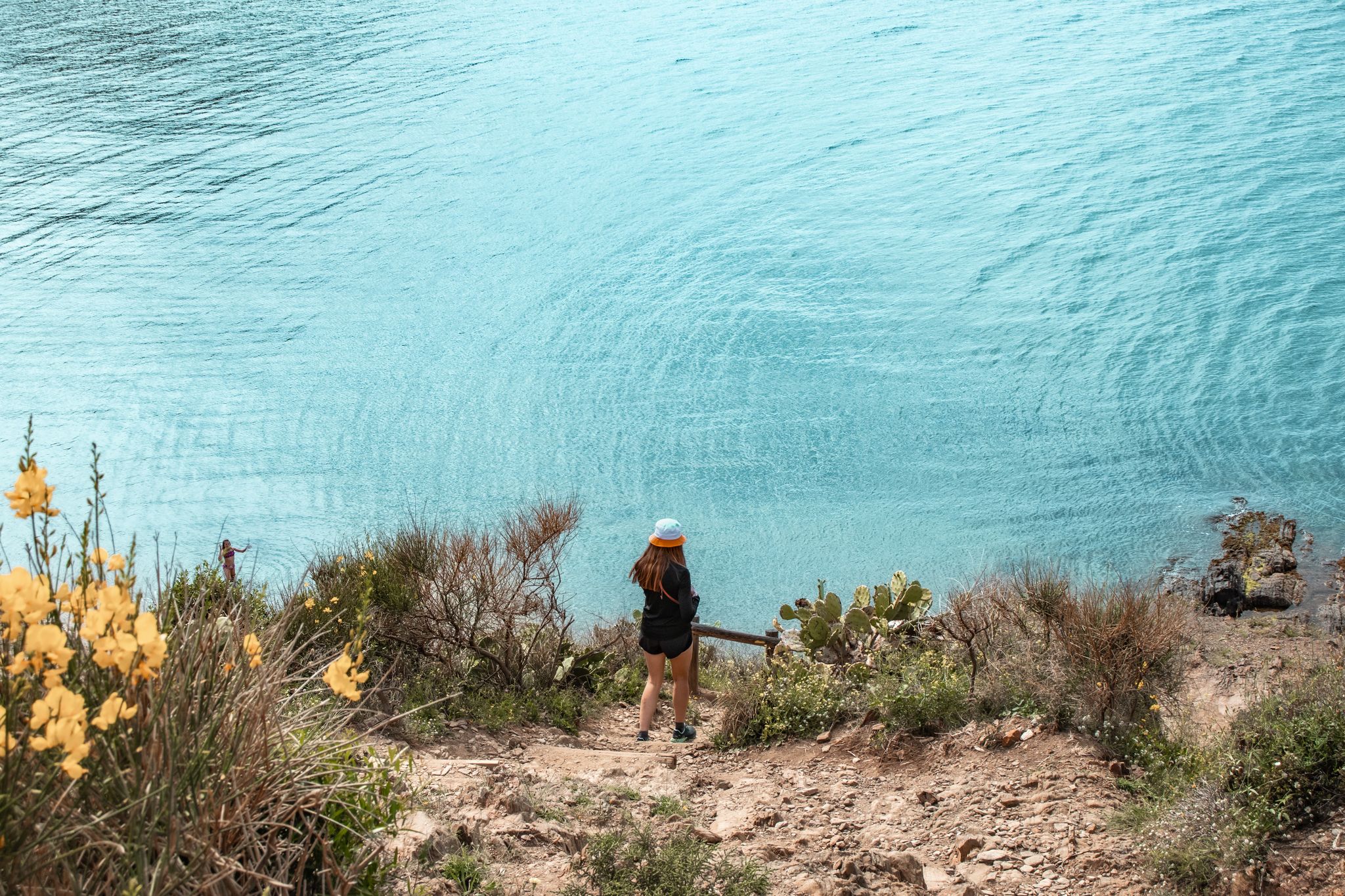
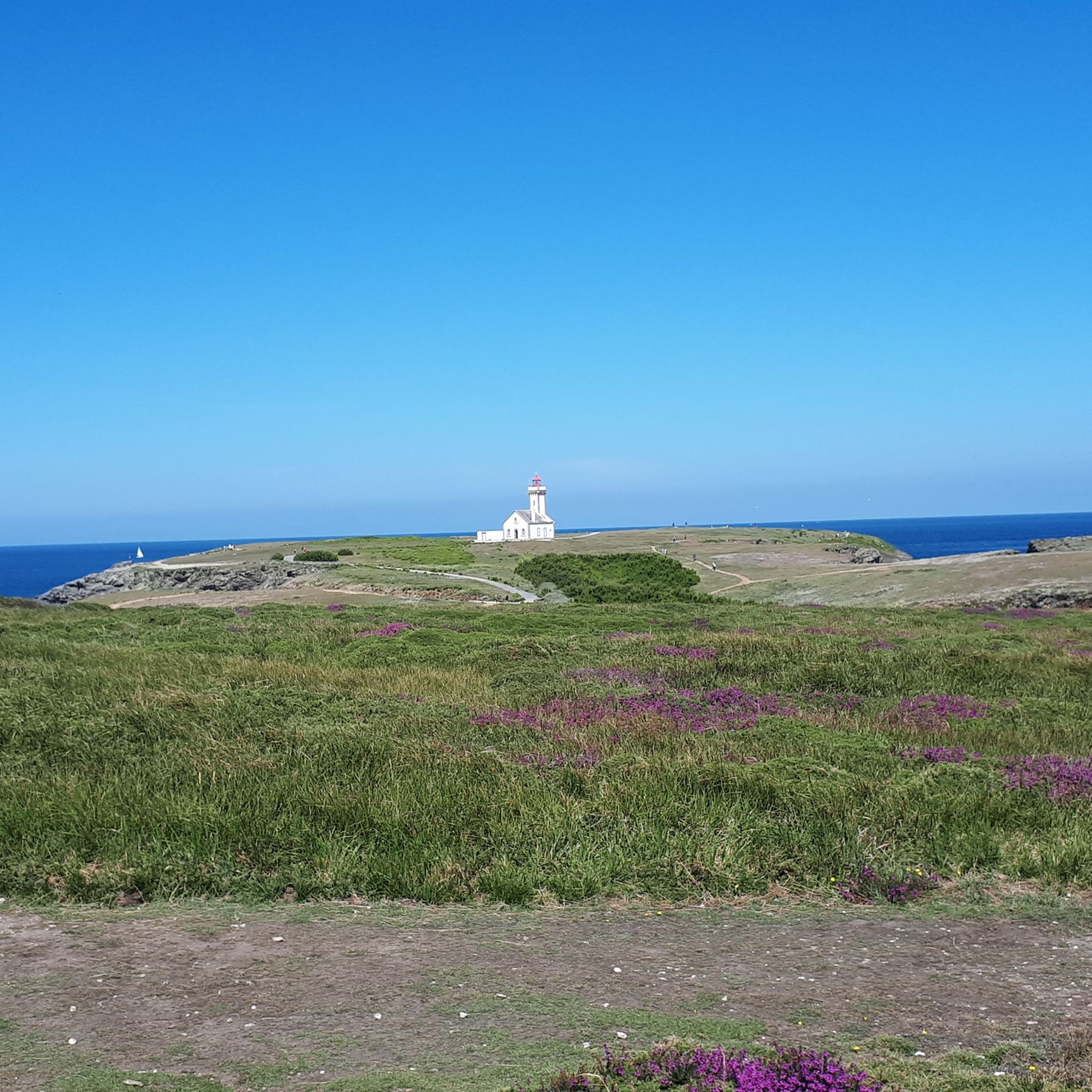
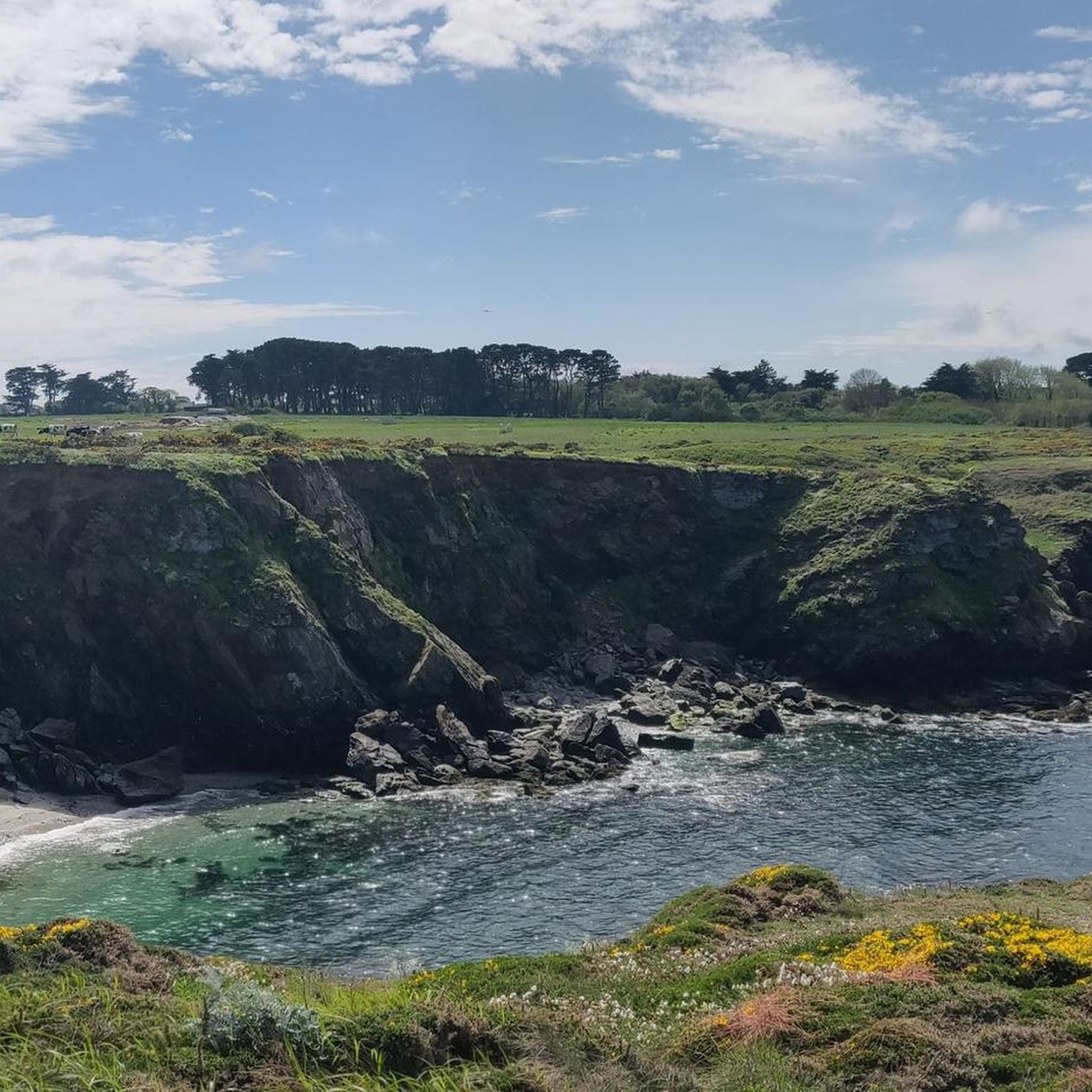


Tips from the Community

A beautiful island with a great circular hiking trail.
0
0

The small sacred monument we encounter here is a universal symbol of the death of Jesus Christ, the Son of God, who was crucified and became human – but at the same time, it is also a symbol of the overcoming of death in the resurrection. Thus, all crosses point us to the Easter perspective of hope – inherent in Christianity – which, through faith in God, firmly trusts in the ability to overcome death and suffering. "We Christians connect our hopes in particular with the graces of heaven. This gives our hope a concrete basis and it arises from faith in God's goodness and love. And we know whom we can thank when our hopes are fulfilled, and whom we can entrust ourselves to when our hopes are not. I believe this certainty is a grace in itself that we are privileged to experience." (Christiane Völkel)
0
0

The short hike on the island was a very nice addition to a boat trip on the Gulf of Morbihan from Vannes. For me, this type of tide-taking was completely new over 100 years ago. The tour, and especially the island excursion, is highly recommended.
0
1
A top-notch, sheltered beach with turquoise water and a gradual entry into the water. Paradise.
0
0
Each of these small sacred monuments in the shape of a cross, which the hiker encounters along the way, is a special symbol of remembrance for people of Christian faith – regardless of denomination – both of the crucifixion and of the resurrection of Jesus Christ. + "With us on earth, His memory exists, but in the kingdom of heaven is His presence: this presence is the joy of those who have already attained salvation. The memory is our consolation, as we are still wanderers, journeying toward the Fatherland." (Bernard of Clairvaux)
0
1

You have to cross the island to see it, but it would be a shame to miss it.
0
0

The Aiguade was built in 1696 to collect water from a spring and provide drinking water for the king's ships. It was probably Vauban, Louis XIV's great military engineer, who took the initiative to build it during his stays on Belle-Île (between 1683 and 1689). This is why it is also called the Aiguade Vauban. Together with the Royal Fountain of St-Nazaire near Rochefort, the Belle Fontaine is the only building still standing in France! It was the first building on the island of Belle-Île to be listed as a historical monument in 1993. The reservoir, with a capacity of 850,000 litres, is 22.5 metres long, 6.5 metres wide and 6 metres deep. It is protected by a stone arched vault whose reflection in the water gives the impression of a cylindrical structure. From a small terrace, you have a beautiful view over the small bay where ships used to anchor and send their shallow-draft dinghies to the Aiguade to take in the water. In 2012, the entire ensemble was completely renovated. Several panels provide information about the history of the building.
2
0
In fact, the tour of the island is a must, not too difficult, with sublime and very different landscapes depending on the windward or leeward circuit. I have rarely seen such preserved wild nature, flora and birds. It is possible to do it in a week while always staying at the same hotel in Le Palais. A bus service takes participants to the starting point and brings them back in the evening. It is organized in particular by “Les Sentiers Maritimes”
0
0
Frequently Asked Questions
What are the most popular natural attractions in Morbihan?
Morbihan is renowned for its natural beauty. The Poulains Lighthouse on Belle-Île-en-Mer offers dramatic coastal views and a beautiful sandbank beach. The Gulf of Morbihan itself, often called the "little sea," is a stunning inland sea with numerous islands. You can also explore the dramatic Wild Coast of Quiberon, the picturesque Ria d'Etel, and the significant dune systems of the Massif Dunaire de Gavres-Quiberon.
Where can I explore ancient history and megaliths in Morbihan?
Morbihan is famous for its prehistoric sites. The world-renowned Carnac Megaliths feature extensive alignments of thousands of ancient menhirs. Other significant megalithic sites include the Cairns of Gavrinis and Petit Mont, known for their unique and intricate engravings, offering a fascinating insight into Neolithic history.
Are there any historic towns or cities worth visiting in Morbihan?
Absolutely. The medieval city of Vannes is a must-visit, with its remarkably preserved ramparts, historic center filled with half-timbered houses, and the impressive St. Peter's Cathedral. Auray is another attractive town with a picturesque port at Saint-Goustan. Rochefort-en-Terre is classified as one of France's "most beautiful villages" and is known for its charm.
What kind of outdoor activities can I do in Morbihan?
Morbihan offers a wide range of outdoor activities. You can enjoy cycling along the Canal de Nantes à Brest or explore the coastal paths. Hiking is popular, with routes like the GR 34 winding along the Gulf of Morbihan. For easy hikes, consider trails around the Berno Tide Mill or the Poulains Lighthouse. Many beaches, such as Port-Fouquet Beach, are perfect for swimming and relaxation.
Are there family-friendly places to visit in Morbihan?
Yes, Morbihan has several family-friendly options. Beaches like Port-Fouquet Beach and Grands Sables Beach are ideal for families. Exploring the islands of the Gulf of Morbihan, such as Île aux Moines or Île d'Arz, offers gentle walks and cycling opportunities. The Séné Marshes provide a chance to observe migratory birds, which can be an engaging activity for children.
What are the best places to experience the Gulf of Morbihan?
To truly experience the Gulf of Morbihan, consider visiting its islands. Belle-Île-en-Mer, the largest of France's Atlantic islands, features stunning cliffs and beaches like the Aiguilles de Port-Coton. Île aux Moines and Île d'Arz are also prominent islands offering serene landscapes for walking and cycling. The Port de Sauzon on Belle-Île is a lively fishing port worth exploring.
Can I find good hiking trails in Morbihan?
Morbihan offers a variety of hiking trails for all levels. The coastal paths, including sections of the GR 34, provide stunning views of the Gulf and the Atlantic. For easy walks, you can explore routes around the Poulains Lighthouse or the Berno Tide Mill. You can find more detailed hiking routes in the Easy Hikes in Morbihan guide.
Are there any notable castles or fortifications to visit in Morbihan?
Morbihan boasts several impressive historical castles. The majestic Château de Josselin, with its imposing towers, is a significant landmark. Château de Suscinio, a former hunting residence of the Dukes of Brittany, is set amidst marshes and the ocean. You can also visit the Château de Pontivy, one of the last fortified castles built in Brittany, and the historic Vauban Fortifications on Belle-Île-en-Mer, which include sites like La Belle Fontaine.
What are some cultural highlights beyond historical sites in Morbihan?
Beyond ancient ruins and castles, Morbihan offers rich cultural experiences. The Domaine de Kerguéhennec blends natural beauty with contemporary art in its sculpture park. The Sanctuary of Sainte Anne d'Auray is Brittany's primary pilgrimage destination. Lorient, a city with a strong maritime heritage, hosts the annual Interceltic Music Festival. You can also visit the Musée de la carte postale in Baud for a unique regional collection.
What is the best time of year to visit Morbihan for outdoor activities?
The best time to visit Morbihan for outdoor activities is generally from spring to early autumn (April to October). During these months, the weather is milder and more conducive to hiking, cycling, and exploring the coast and islands. The summer months offer warmer temperatures for swimming, while spring and autumn provide pleasant conditions for walking with fewer crowds.
Are there any unique local culinary experiences in Morbihan?
Morbihan is well-known for its oysters. Visitors can explore many oyster beds to learn about the craft and taste fresh seafood directly from the source. Additionally, local markets in towns like Auray, Carnac, Josselin, and Vannes offer a vibrant atmosphere where you can discover regional produce and traditional crafts.
Is Morbihan suitable for cycling, and where can I find routes?
Yes, Morbihan is excellent for cycling, offering diverse landscapes from coastal paths to canal routes. The Canal de Nantes à Brest provides 117km of safe paths. On Belle-Île-en-Mer, you can cycle around the island, with routes like the Sauzon – Le Palais loop. For road cycling enthusiasts, there are numerous routes available, such as those found in the Road Cycling Routes in Morbihan guide.
What are some lesser-known or 'hidden gem' attractions in Morbihan?
For a unique experience, visit Saint Cado Island in the Ria d'Etel, known for its Romanesque chapel and distinctive blue-shuttered house. The Berno Tide Mill is a fascinating historical engineering marvel that operated until 1910. The Séné Marshes are a vital bird reserve, offering a peaceful escape for nature lovers. The Belle Fontaine on Belle-Île-en-Mer, a 17th-century freshwater cistern, is another historical gem.
Most popular routes in Morbihan
Most popular attractions in Morbihan

Get inspired with the komoot mobile app


Didn’t find what you were looking for?
Are you keen on exploring more awesome places nearby? Browse our guides:
Explore more
Still not found the Highlight you’re looking for? See guides of the top attractions in other regions:
