Top 15 Castles in Creuse
Best castles in Creuse are found throughout this department in central France, offering insights into its history and architectural heritage. The region features a landscape shaped by rivers like the Creuse and Sédelle, with many historical sites situated on rocky outcrops or at river confluences. Creuse's cultural significance is tied to its medieval past, with structures ranging from defensive fortresses to refined residences. The area's natural setting has also inspired artists and writers over centuries.
Best castles in Creuse
- The…
Last updated: July 1, 2026
Boussac Castle
Highlight • Castle
Translated by Google •
Tip by

Crozant Ruins
Highlight • Castle
Translated by Google •
Tip by

Sign up now to discover places like this
Get recommendations on the best single tracks, peaks, & plenty of other exciting outdoor places.
Sign up for free
Bridiers Tower
Highlight • Castle
Translated by Google •
Tip by

View of the medieval site of Bridiers
Highlight • Castle
Translated by Google •
Tip by

Château de Sainte-Feyre
Highlight • Castle
Translated by Google •
Tip by

View of Château de Villemonteix
Highlight • Castle
magnificent Aubusson tapestries.
Translated by Google •
Tip by

Jouillat Castle
Highlight • Castle
Translated by Google •
Tip by
Etangsannes Castle
Highlight • Castle
website: chateauetangsannes.wixsite.com/etangsannes-fr
Translated by Google •
Tip by

Cazine Castle
Highlight • Castle
Translated by Google •
Tip by
Ruins of the Chamborand keep
Highlight • Castle
Translated by Google •
Tip by
Sign up for free to discover even more castles in Creuse.
Sign up for free
Already have an account?
Start today with a free account
Your next adventure awaits.
Login or Signup
Popular around Creuse
GR 46 — The Truant School
La Vélidéale - From the Limousin to the Atlantic
13 days to go green in France – La Grande Traversée de la Creuse by MTB
Saint-Jacques by bike – seven days on the Via Vézelay in France
A bike Tour through the heart of France – La Vagabonde
Volcanoes and cows — Le Tour des Puys in France
Off the beaten track in France — the Tour de Creuse by bike
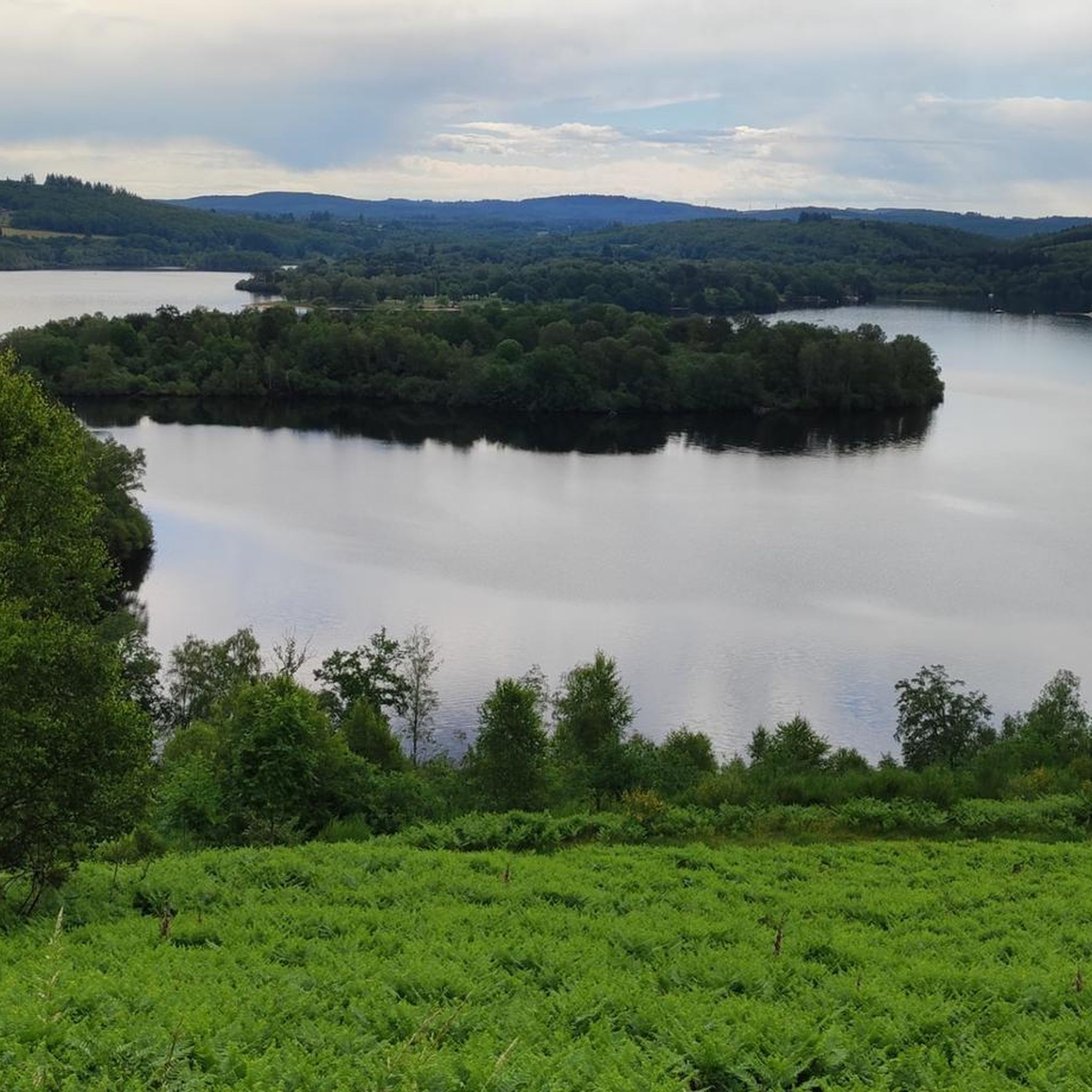
Hiking in Creuse
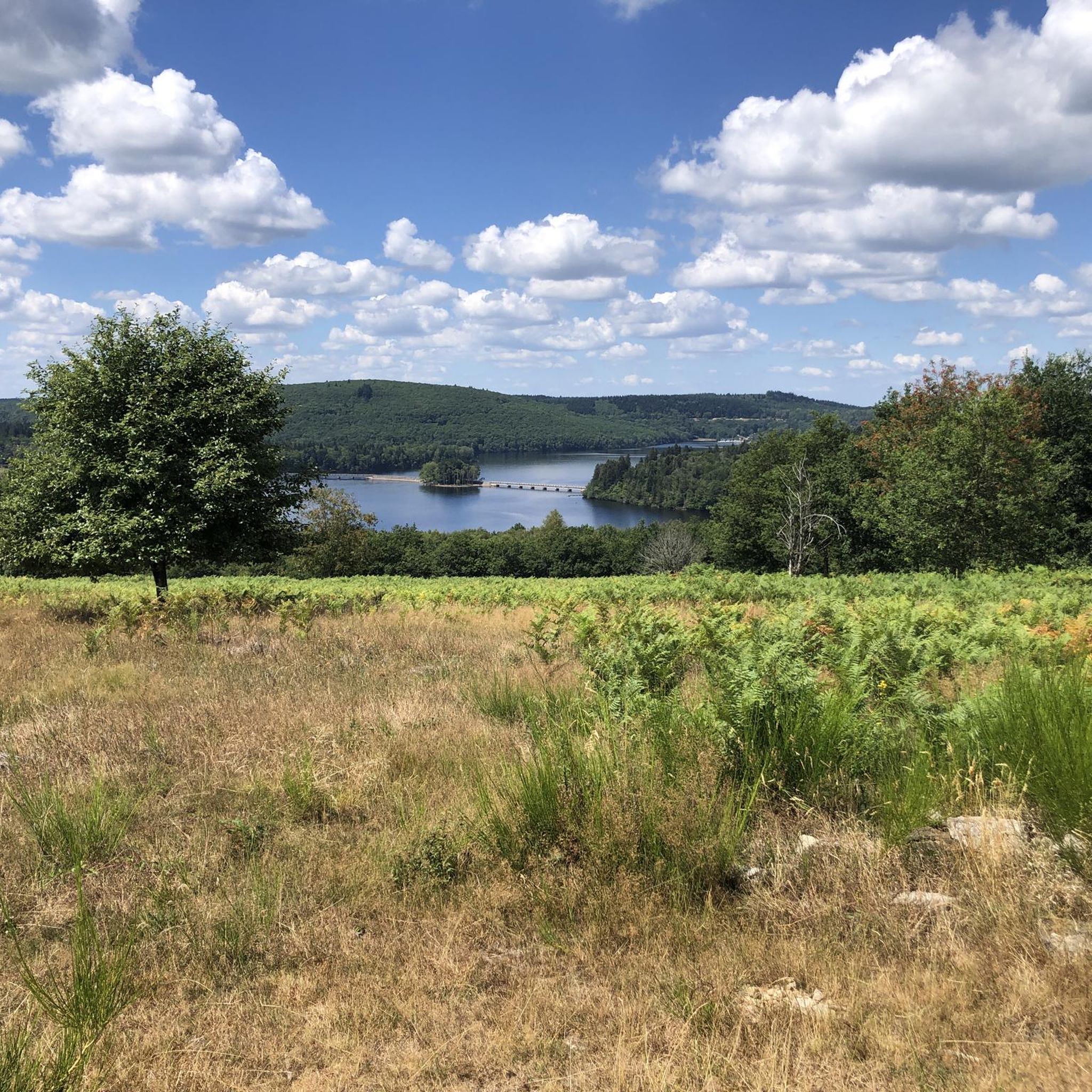
Cycling in Creuse
Running Trails in Creuse
Other adventures in Creuse


Tips from the Community

An unmissable site, absolutely worth seeing and visiting.
1
0

The Tour de Bridiers is what remains of a medieval castle from the 12th–13th centuries. What you see now is mainly the enormous round keep—and it's not subtle. What makes it cool: That tower is over 30 meters high. That's seriously impressive when you stand next to it. It stands slightly apart from the landscape, giving it an almost cinematic feel. The castle was part of a major trade route between Limoges and Berry. So this wasn't a romantic fairytale castle, but a pure display of power. In the summer, a historical evening show is held here with lights, projections, and knights. Then the ruins literally come back to life. What almost no one knows: The name "Bridiers" probably comes from "bride" (rein). The castle was intended to keep the region in check.
0
0
In a word: beautiful. A breathtaking setting with stunning hiking trails, the ruins, the river, the rocks, and enchanting trails. One of the most beautiful hikes I've ever taken.
2
0

Magnificent and impressive castle. Worth a visit, as is the village.
1
0

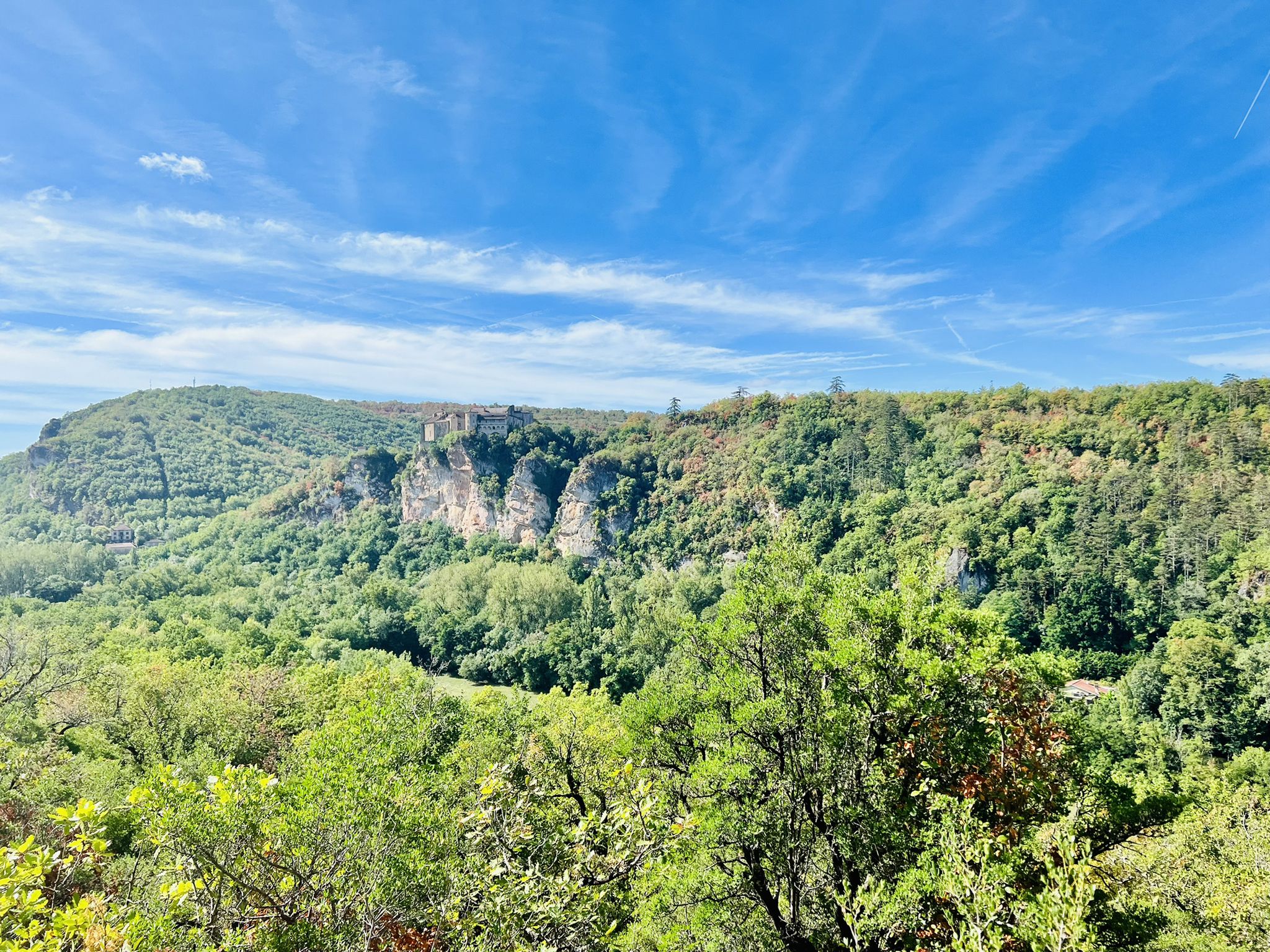
At the confluence of the two rivers Creuse and Sédelle, stand on top of a rocky promontory the remains of the ancient fortress of Crozant. Considered one of the most powerful strongholds in France in the Middle Ages. Source: Toute la Creuse
1
0

This 15th century castle has been included on the complementary list of historic monuments since 1926. It was initially a military tower. It was only developed for habitation in the 19th century.
1
0
Frequently Asked Questions
What are some of the most historically significant castles in Creuse?
Creuse is rich in history, with castles like the Château de Boussac, which was rebuilt in the 15th century by Marshal Jean de Brosse, a companion of Joan of Arc. The Ancient Fortress of Crozant was one of France's most powerful strongholds in the Middle Ages, strategically located at the confluence of the Creuse and Sédelle rivers. The Château de Villemonteix, dating back to the 15th century, also has roots in a Roman villa and showcases a blend of medieval and Renaissance architecture.
Are there any castles in Creuse known for their artistic or cultural connections?
Yes, the Château de Boussac is famously connected to author George Sand, who stayed there multiple times and discovered the 'Lady of the Unicorn' tapestries within its walls. It also houses an exceptional collection of Aubusson tapestries. The Château de Villemonteix also features a significant collection of Aubusson tapestries, 15th-century frescoes, and precious Sèvres porcelain. The Crozant Ruins, with their stunning natural setting, inspired Impressionist painters like Claude Monet and Armand Guillaumin, as well as George Sand and Frédéric Chopin.
What kind of natural features can I expect to see near Creuse's castles?
Many castles in Creuse are set amidst beautiful natural landscapes. The Crozant Ruins are particularly notable, situated on a rocky spur at the confluence of the Creuse and Sédelle rivers, offering magnificent panoramic views over the valley. The Château de Boussac also provides remarkable panoramic views of the Creuse Valley from its perch on a rocky outcrop.
Are there guided tours available for castles in Creuse?
Yes, guided tours are available for some castles. For instance, the Château de Boussac offers guided tours from April to September, allowing visitors to explore its rich history and sumptuously decorated interior. The Château de Villemonteix also offers guided tours of its richly decorated rooms and art collections. It's advisable to check their official websites for current schedules and booking information.
What outdoor activities can I do near the castles in Creuse?
The natural settings around Creuse's castles are perfect for outdoor activities. Near the Crozant Ruins, you'll find stunning hiking trails along the rivers. For more structured activities, you can explore various running trails, MTB trails, and cycling routes throughout Creuse. For example, a difficult cycling route, 'Boussac Castle and Prébenoit Abbey Loop,' passes by the Château de Boussac.
What is the best time of year to visit castles in Creuse?
The best time to visit castles in Creuse is generally from spring to early autumn (April to September). During these months, the weather is pleasant for exploring ruins like Crozant and enjoying the surrounding natural beauty. Many castles, such as the Château de Boussac, also offer guided tours during this period. Summer also brings special events, like the historical night show at Crozant.
Are there any castles in Creuse that are less crowded or considered 'hidden gems'?
While popular sites like Boussac and Crozant attract visitors, you might find a more tranquil experience at places like Jouillat Castle, a 15th-century military tower developed for habitation in the 19th century. The Château de Sainte-Feyre, an 18th-century private house built on a feudal site, also offers a glimpse into the region's history away from the main tourist routes.
What do visitors enjoy most about the castles in Creuse?
Visitors frequently appreciate the rich history and stunning natural settings of Creuse's castles. The Crozant Ruins are praised for their 'breathtaking setting with stunning hiking trails, the ruins, the river, the rocks, and enchanting trails.' The historical significance and architectural beauty of sites like the Château de Boussac, with its George Sand connection and preserved interiors, are also highly valued.
Can I visit the Bridiers Tower, and is there an entrance fee?
The medieval site of Bridiers, featuring the Bridiers Tower, offers free access to the site itself. Climbing the tower is organized by the municipality and requires a modest payment of two euros. This 12th-13th century tower served a defensive function, and excavations have revealed a pentagonal fortress at its foot.
Are there any castles in Creuse that are part of a larger historical or artistic route?
Yes, the Château de Boussac is a key part of the 'Route de la Tapisserie,' which connects historical monuments in Creuse dedicated to Aubusson tapestries, an art form recognized by UNESCO. This route highlights the region's ancestral weaving heritage.
Where can I find more information about visiting Château de Villemonteix?
For more detailed information about visiting the Château de Villemonteix, including opening hours and specific tour details, you can refer to the official tourism website: tourisme-creuse.com.
Where can I find more information about visiting Château de Boussac?
For the most current information regarding visiting the Château de Boussac, including guided tour schedules and any special events, please check the official tourism website: tourisme-creuse.com.
Most popular routes in Creuse
Most popular attractions in Creuse

Get inspired with the komoot mobile app


Explore more
Looking for the best castles somewhere else? Discover other guides in Creuse:
