Top 20 Castles in Gard
Castles in Gard France offer a diverse range of historical sites, from medieval fortresses to preserved villages. The Gard department, situated in the Occitanie region, features varied landscapes including the Cévennes mountains and the Rhône River. This area provides a backdrop for exploring centuries of history, with many structures reflecting its strategic importance and architectural evolution. Visitors can find castles integrated into natural settings, often providing views of the surrounding countryside.
Best castles in Gard
- The most popular castles is…
Last updated: May 10, 2026
Tower of Constance
Highlight • Historical Site
Translated by Google •
Tip by

Aiguèze
Highlight • Settlement
Translated by Google •
Tip by

Sign up now to discover places like this
Get recommendations on the best single tracks, peaks, & plenty of other exciting outdoor places.
Sign up for free
Aigues-Mortes — fortified town
Highlight • Historical Site
Translated by Google •
Tip by

Towers and ramparts of Aigues-Mortes
Highlight • Castle
Translated by Google •
Tip by

Fort Saint-André
Highlight • Castle
Translated by Google •
Tip by

Charterhouse of Valbonne
Highlight • Religious Site
Translated by Google •
Tip by
Fourques Castle
Highlight • Castle
This quadrilateral with formerly crenellated curtain walls, flanked by four corner towers, is …
Translated by Google •
Tip by

Towers and Ramparts of Aigues-Mortes
Highlight • Historical Site
Translated by Google •
Tip by

The Collegiate Church and the Citadel
Highlight • Monument
Translated by Google •
Tip by
King René's Castle, or Tarascon Castle
Highlight • Castle
Translated by Google •
Tip by
Sign up for free to discover even more castles in Gard.
Sign up for free
Already have an account?
Start today with a free account
Your next adventure awaits.
Login or Signup
Popular around Gard
The Grande traversée du Massif Central by gravel bike
GR 4 – Crossing the south of France from Atlantic Coast to Provence
Hexatrek – The Cévennes to the Pyrenees between gorges and limestone plateau

Follow the sun – riding from Germany to the south of France
From Marseille to Montpellier — France's south coast by bike
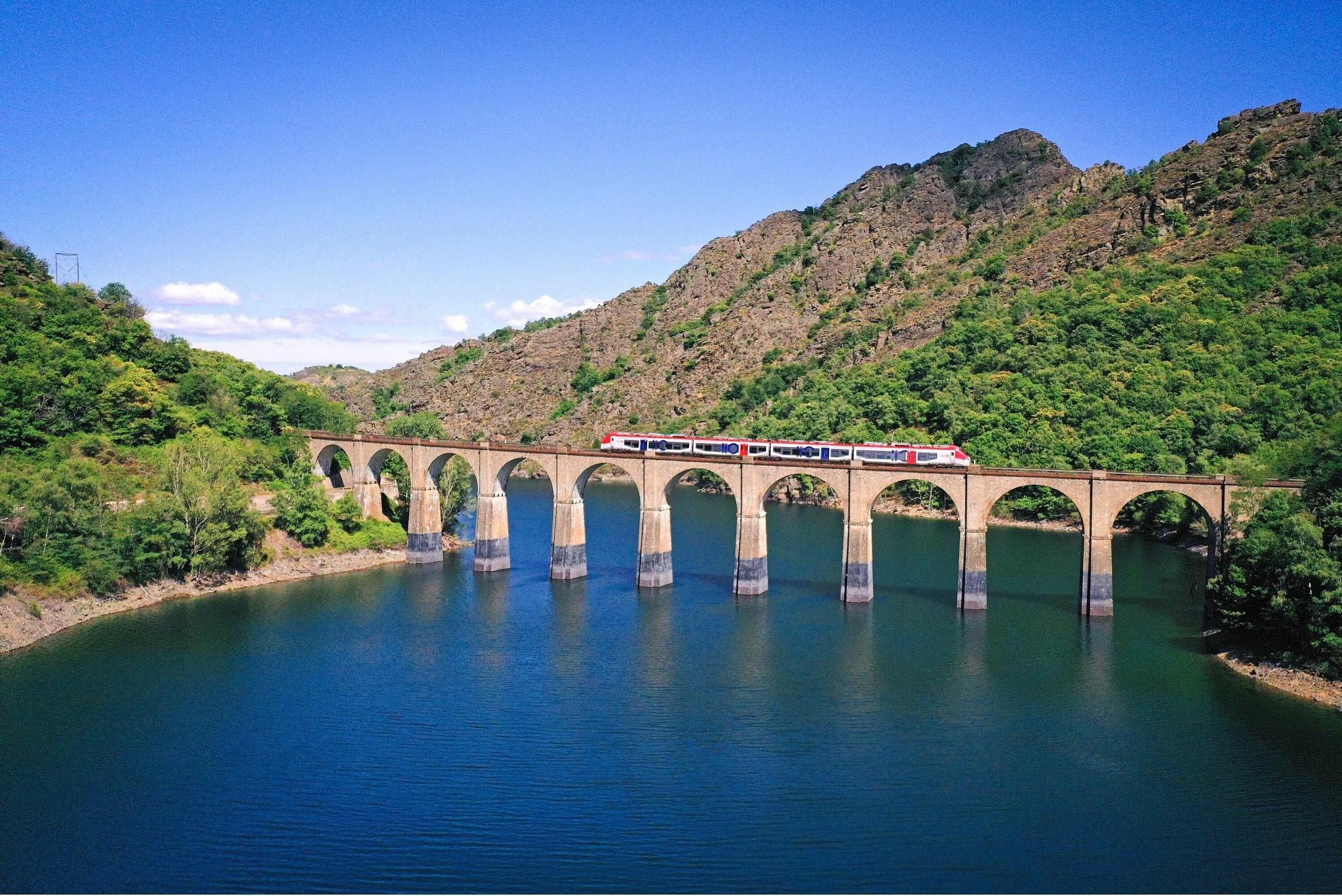
Routes between Nîmes and Mende – cycling by train with liO
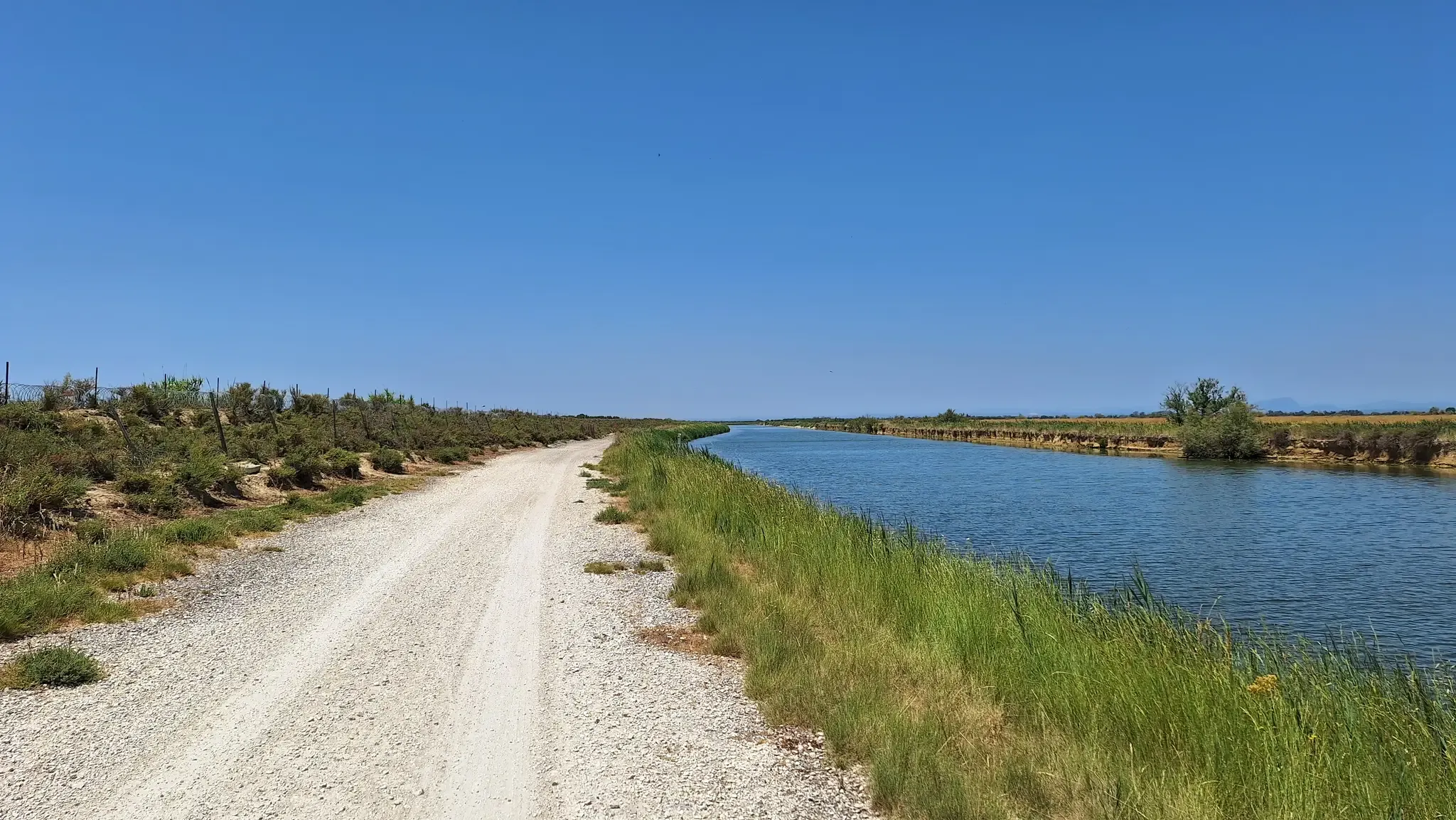
Loops between Nîmes and Le Grau-du-Roi – Train liO bike transport
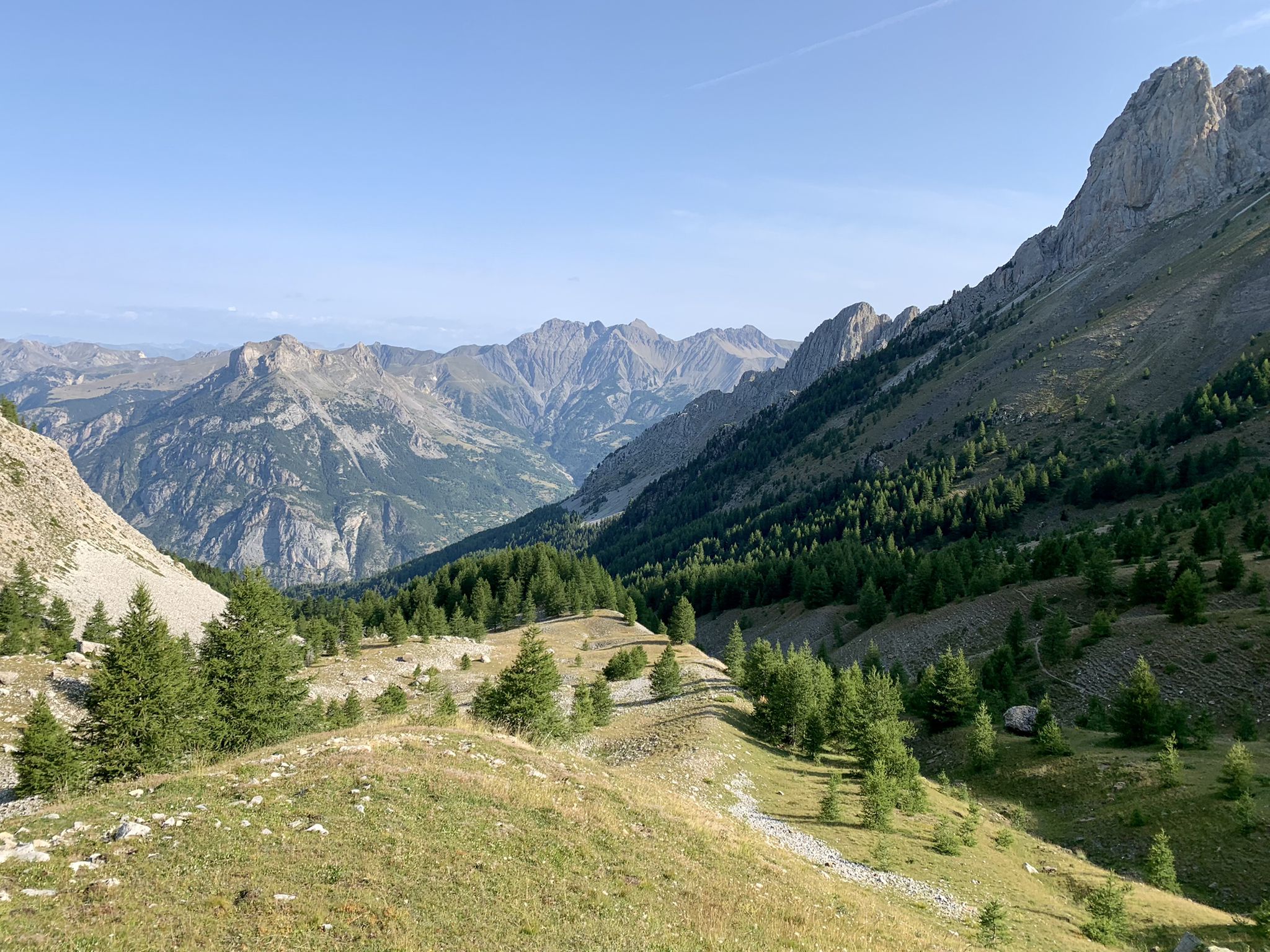
From the Alps to the Atlantic — GR 6
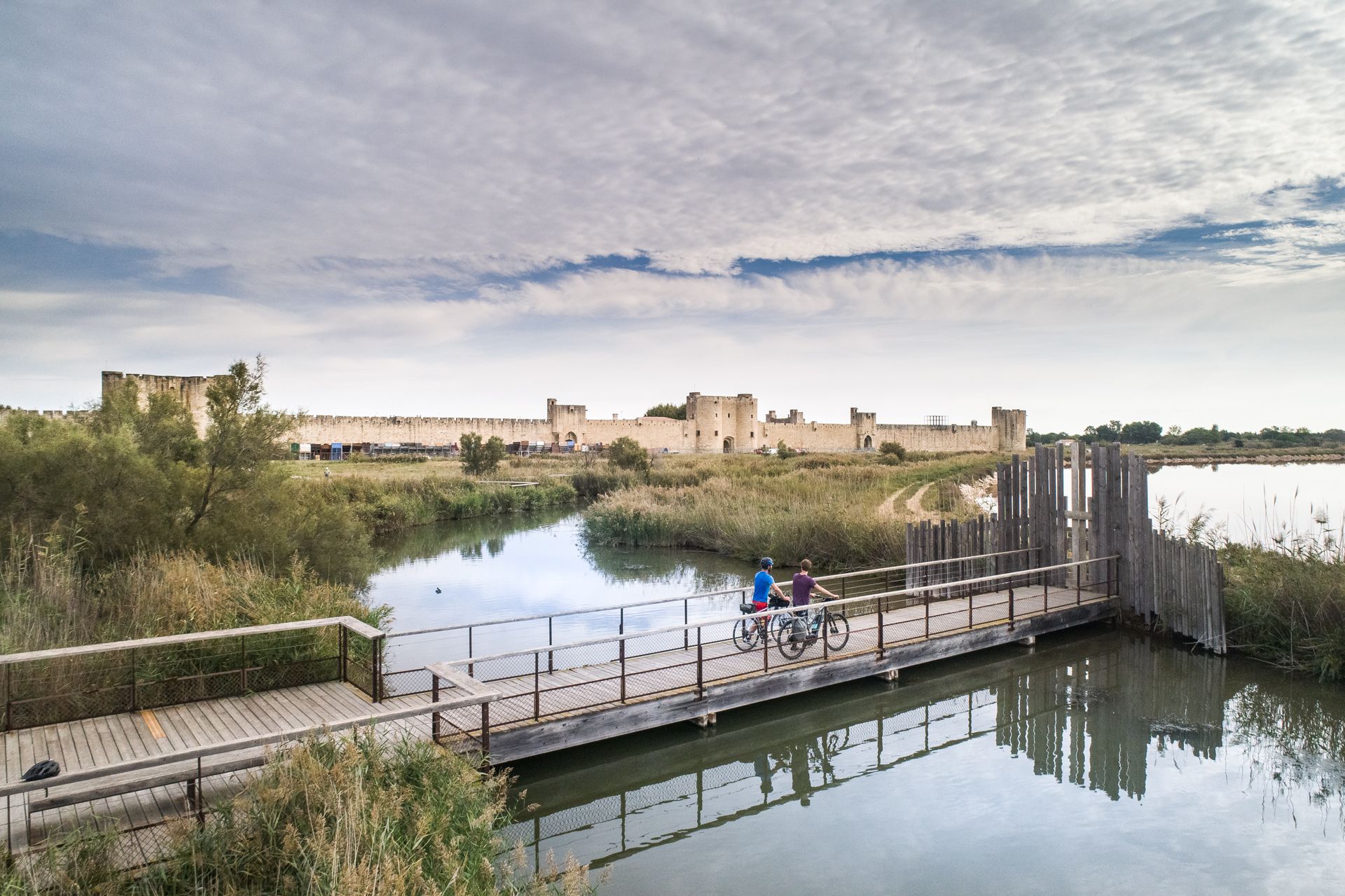
The most beautiful bike rides in Occitanie
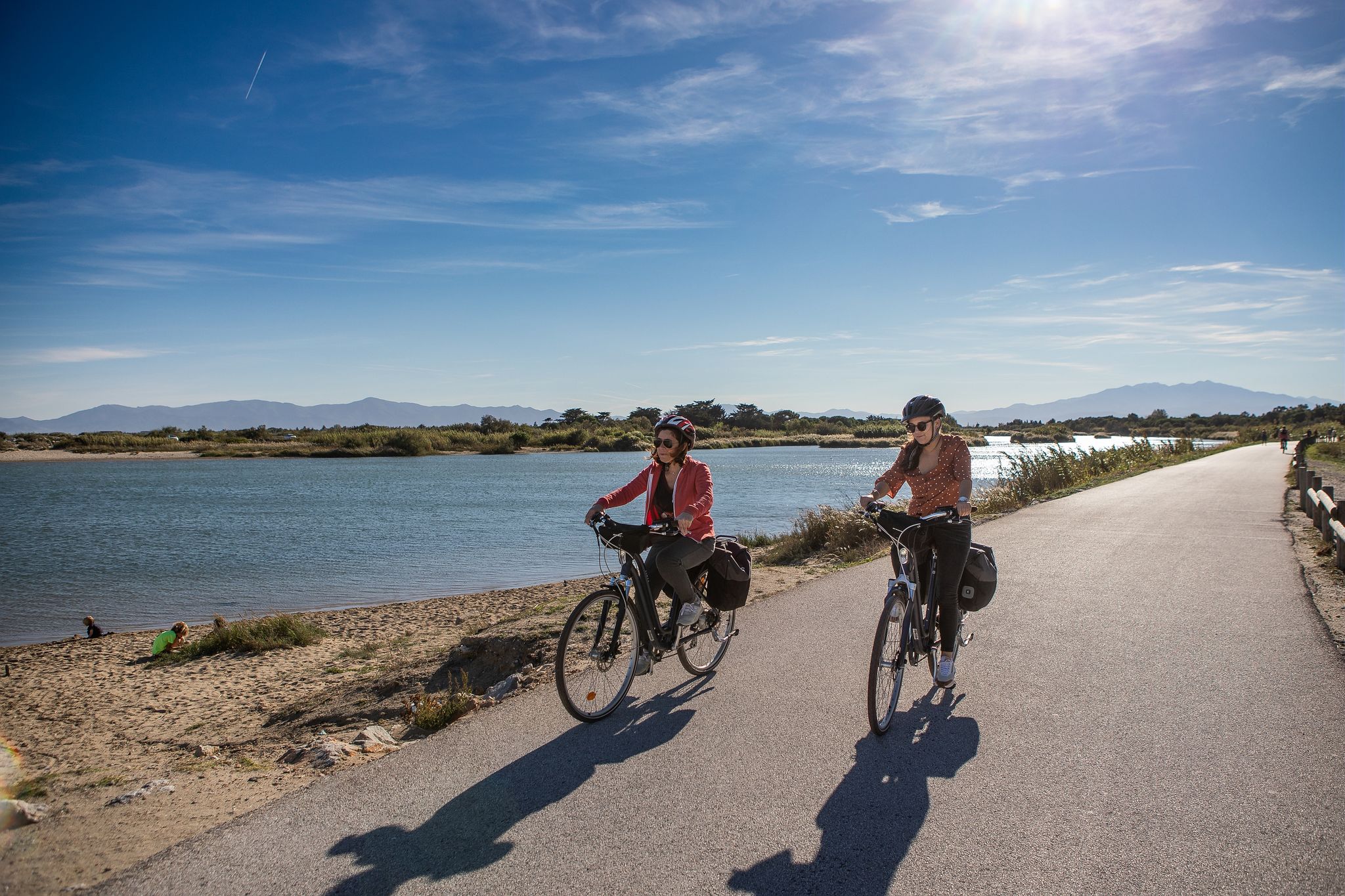
Méditerranée in Occitanie - Ten bike rides in the South of France
Other adventures in Gard


Tips from the Community

Fort Saint-André near Avignon sits atop a hill above Villeneuve-lès-Avignon, offering sweeping views of the Rhône and the papal city. The fortress dates back to the 14th century and is almost completely preserved, including its defensive walls, towers, and chapel. Visitors can explore the historic defenses and admire the medieval architecture from the battlements. Exhibitions and guided tours are regularly held on site, vividly conveying the region's history.
0
0
Pont-Saint-Esprit on the Rhône River captivates with its historic bridge architecture and charming old town atmosphere. Stroll along the Rhône and enjoy the view of the picturesque riverside promenades. The town offers small markets, cafés, and Provençal life away from the tourist crowds. Cultural highlights such as the Notre-Dame-des-Pommiers Church perfectly round out your visit.
0
0

Very nice! The information on the website that dogs are allowed is incorrect.
0
0


In the evening, a wonderful view over the valley. There are small restaurants in the village and a great one at the very end 🍦.
1
0

A beautiful, old fortified town with nice restaurants and shops. For a small fee, you can take a walk along the city walls. Parking for cars is sometimes quite expensive – bicycles can be parked for free right at the entrance (and locked up).
0
0
Beautiful old town with its mighty walls.
0
0
Frequently Asked Questions
Which castles in Gard are particularly family-friendly?
For families, Aiguèze is a great choice, offering a medieval village to explore with its keep and Saracen tower. The village of Barjac also has a castle that houses the town hall and other facilities, and is known for its markets. Additionally, the Château de Bosc, mentioned in region research, offers unique museums dedicated to motorcycles, bicycles, and children, along with a treasure hunt in its French garden.
Are there any dog-friendly castles or villages in Gard?
Yes, the medieval village of Aiguèze is listed as dog-friendly, allowing you to explore its historic remains and enjoy views of the Ardèche gorges with your canine companion.
What are some of the most historically significant medieval castles in Gard?
The Gard department is rich in medieval history. The Towers and ramparts of Aigues-Mortes are historically significant as the departure point for Saint Louis's crusades. Fort Saint-André, a 14th-century fortress, is almost completely preserved and offers insight into medieval defensive structures. The Château Ducal d'Uzès, an 11th-century castle, and the Château de Portes, known as the 'Vessel of the Cévennes' and a UNESCO World Heritage site, also stand out for their long histories and architectural evolution.
Which castles offer the best panoramic views in Gard?
For breathtaking views, Fort Saint-André, perched atop a hill, provides sweeping vistas of the Rhône River and Avignon. The Château de Portes, located high on the Col de Portes, also offers stunning panoramic views of the surrounding landscape.
Are there any castles in Gard that are less crowded or considered hidden gems?
While popular sites can draw crowds, exploring places like the Ruins of the Château de Sauvages can offer a quieter, more reflective experience. The Château de Fourques, a well-preserved fortified medieval farmer's castle, might also provide a less bustling visit compared to the more prominent sites.
What outdoor activities can I do near the castles in Gard?
Many castles in Gard are situated in areas perfect for outdoor activities. You can find numerous hiking, gravel biking, and running trails throughout the region. For example, there are various hiking routes like the 'Château d'Allègre and Aiguières Waterfalls Trail' and 'The 4000 Steps Trail'. You can explore more options for hiking, gravel biking, and running in Gard.
Can I find guided tours at castles in Gard?
Yes, some castles offer guided tours. For instance, the Château Ducal d'Uzès provides guided tours to explore its long history and architectural evolution. Fort Saint-André also frequently offers exhibitions and guided tours that convey the region's history.
What is the best time of year to visit castles in Gard?
The Gard department enjoys a Mediterranean climate. Spring (April-June) and early autumn (September-October) generally offer pleasant weather for exploring, with comfortable temperatures and fewer crowds than the peak summer months. This allows for enjoyable outdoor exploration of castle grounds and nearby trails.
Are there any castles in Gard that are particularly well-preserved?
Fort Saint-André is almost completely preserved, featuring defensive walls, towers, and a chapel. The Château de Fourques is also noted as a well-preserved example of a fortified medieval farmer's castle with its 12th-century curtain walls and 17th-century tower covers.
Which castles in Gard are known for their unique architecture?
The Château de Portes, nicknamed the 'Vessel of the Cévennes,' is famous for its distinctive ship-like architecture and exceptional 49-degree spur resembling a ship's prow. The Château de Beaucaire, though largely in ruins, is notable for its triangular keep, a unique feature in medieval military architecture.
What should I wear when visiting castles in Gard?
Given that many castles involve walking, exploring ruins, or climbing towers, comfortable walking shoes are highly recommended. Layers of clothing are also advisable, especially during spring and autumn, as temperatures can vary. A hat and sunscreen are useful during sunnier months, and a light jacket might be needed for cooler evenings or windy viewpoints.
Are there castles in Gard that played a significant role in historical conflicts?
Yes, several castles in Gard have a rich history tied to conflicts. The Tower of Constance in Aigues-Mortes served as a prison for Protestants during the Huguenot Wars. The Château de Saint Jean du Gard played a significant role during the Wars of Religion in the Cévennes, with its high walls designed to protect villagers from attacks.
Most popular routes in Gard
Most popular attractions in Gard

Get inspired with the komoot mobile app


Explore more
Looking for the best castles somewhere else? Discover other guides in Gard:
