Top 20 Castles in Pyrénées-Orientales
Best castles in Pyrénées-Orientales showcase the region's rich history, marked by Catalan, French, and Majorcan influences. These structures are often found perched on rocky outcrops or along the Mediterranean coast, providing a glimpse into centuries of strategic importance and architectural evolution. The department's varied landscape, from coastal areas to mountainous terrain, hosts a range of castles worth exploring for their heritage and historical significance.
Best castles in Pyrénées-Orientales
- The most popular castles is Querroig Castle, a historical site and…
Last updated: July 7, 2026
Valmy Castle
Highlight • Castle
Translated by Google •
Tip by

Royal Castle of Collioure
Highlight • Castle
Translated by Google •
Tip by
Sign up now to discover places like this
Get recommendations on the best single tracks, peaks, & plenty of other exciting outdoor places.
Sign up for free
Valmy Castle
Highlight • Castle
Translated by Google •
Tip by

Fort Saint-Elme
Highlight • Castle
On the foundation of an eighteenth-century lighthouse, Emperor Charles V had a revolutionary fortress built in 1538 in the shape …
Translated by Google •
Tip by

Quéribus Castle
Highlight • Castle
Translated by Google •
Tip by

Fort Libéria
Highlight • Castle
Translated by Google •
Tip by

Querroig Castle
Highlight • Castle
Once upon a time there was a small castell, now only the base of a tower is left.
Translated by Google •
Tip by

Salses Fortress
Highlight • Monument
Translated by Google •
Tip by

Villefranche-de-Conflent
Highlight • Historical Site
Showing Translation
Tip by

Fort de Bellegarde
Highlight • Viewpoint
The main purpose of the Fort de Bellegarde was to control and protect the strategic passage through the Pyrenees between France and Spain. For centuries, this region was disputed …
Translated by Google •
Tip by

Sign up for free to discover even more castles in Pyrénées-Orientales.
Sign up for free
Already have an account?
Start today with a free account
Your next adventure awaits.
Login or Signup
Popular around Pyrénées-Orientales

Triathlon 360 – my journey around the world
European Divide Trail — 7,600 km across the continent
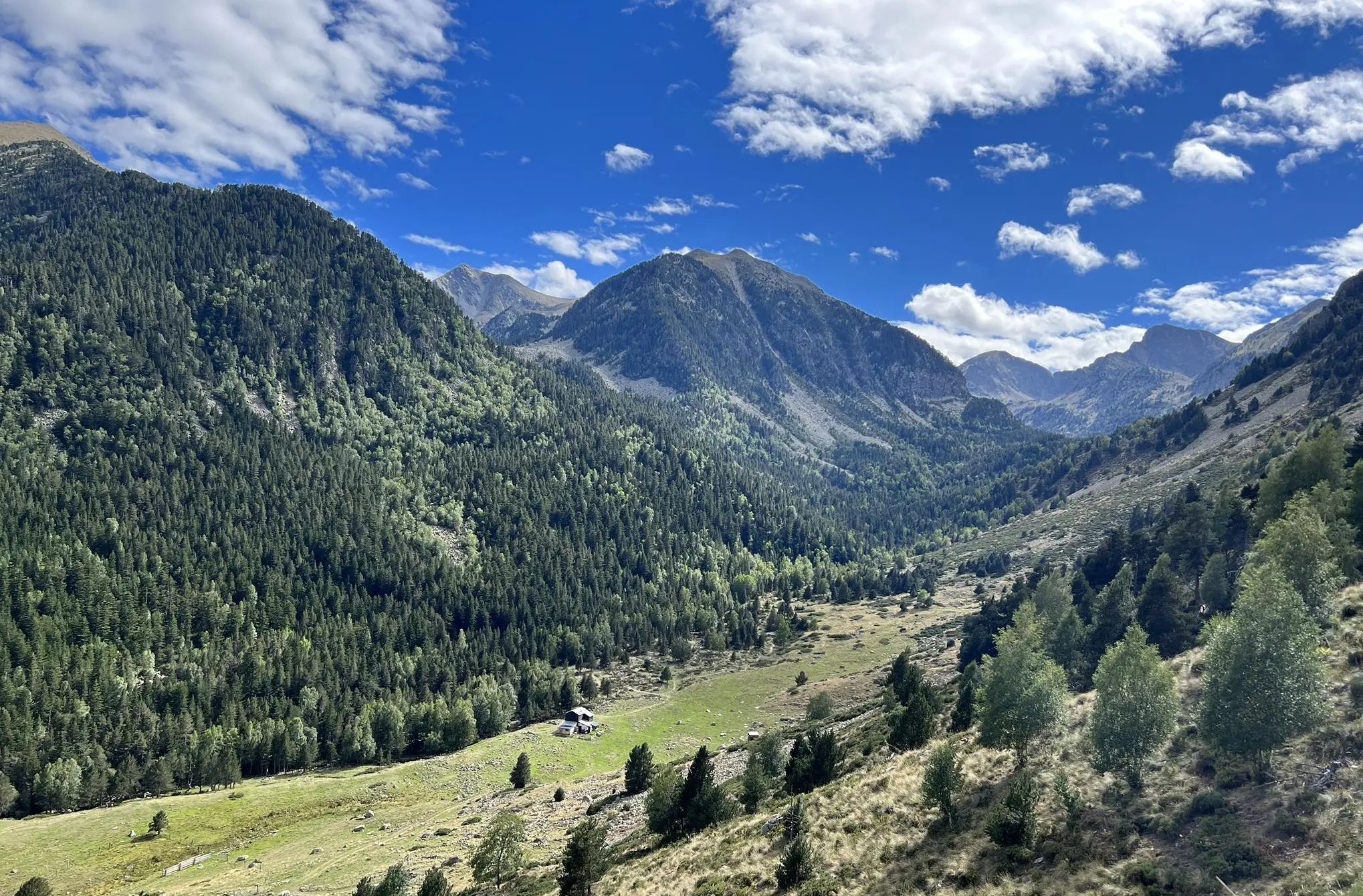
GR 36 long-distance footpath – Cross France from the Channel to the Pyrenees
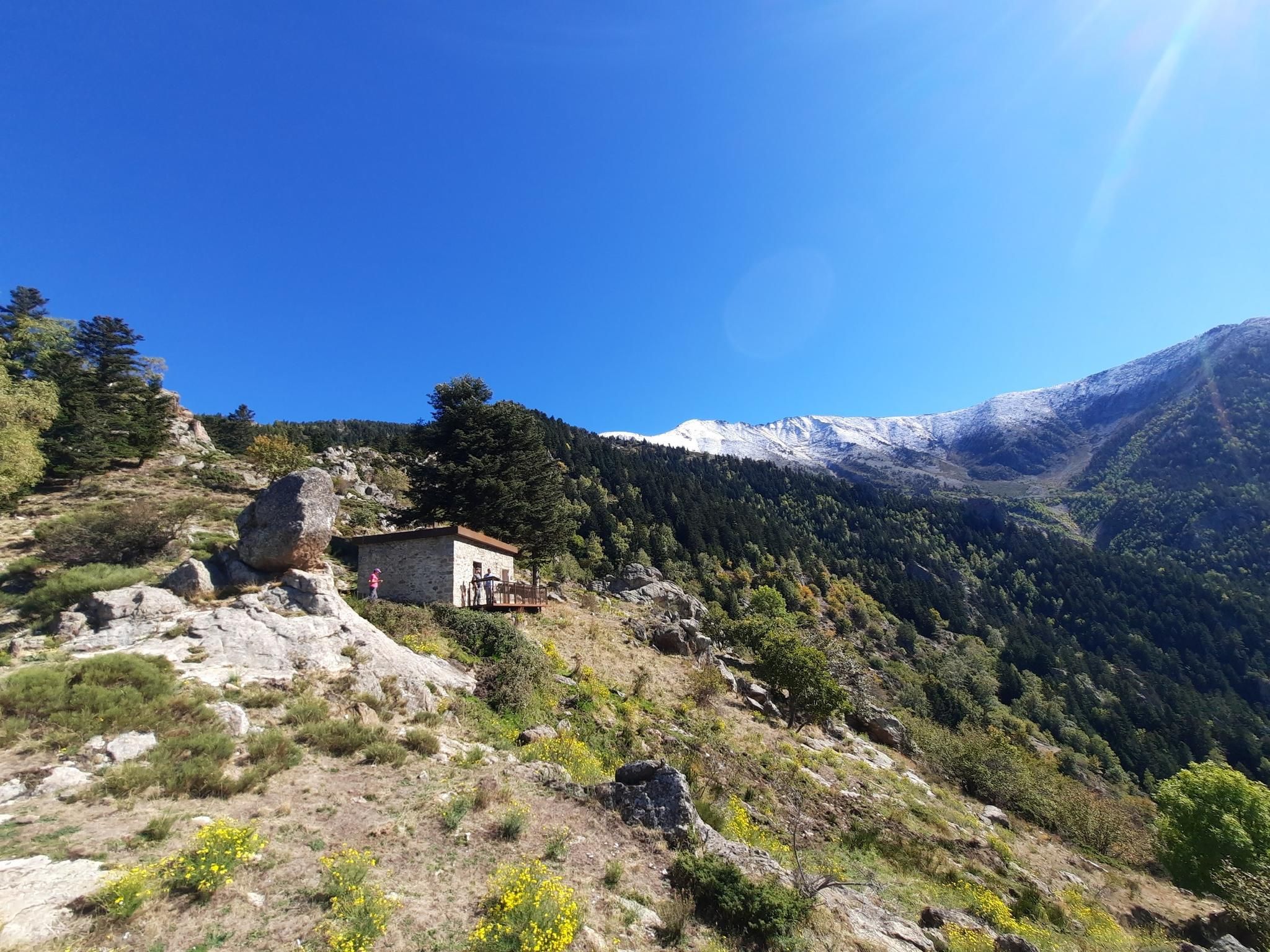
The Crossing of the Pyrenees via the GR 10 — Eastern Pyrenees
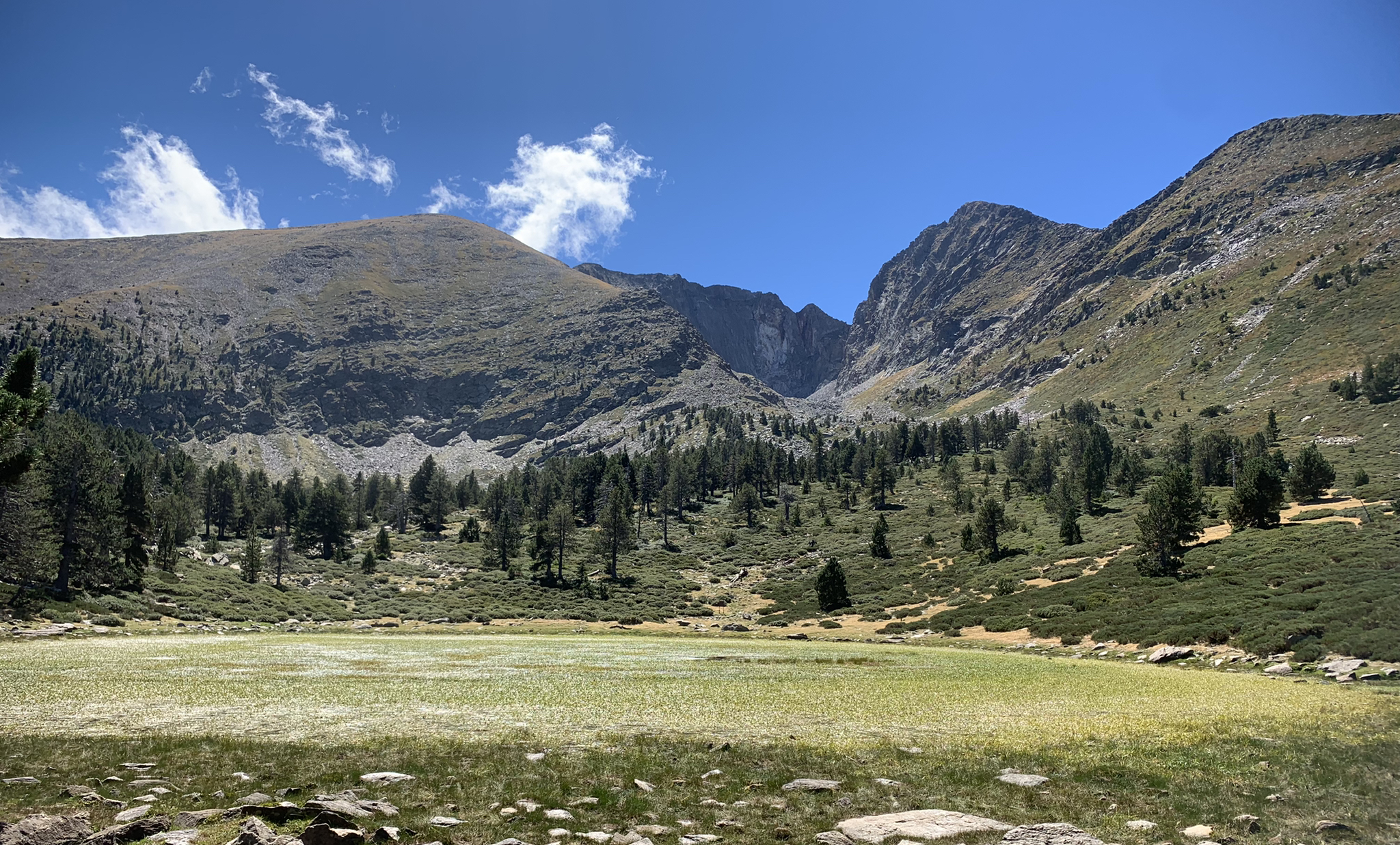
Tour du Canigou – Through the heart of the Mediterranean Pyrenees
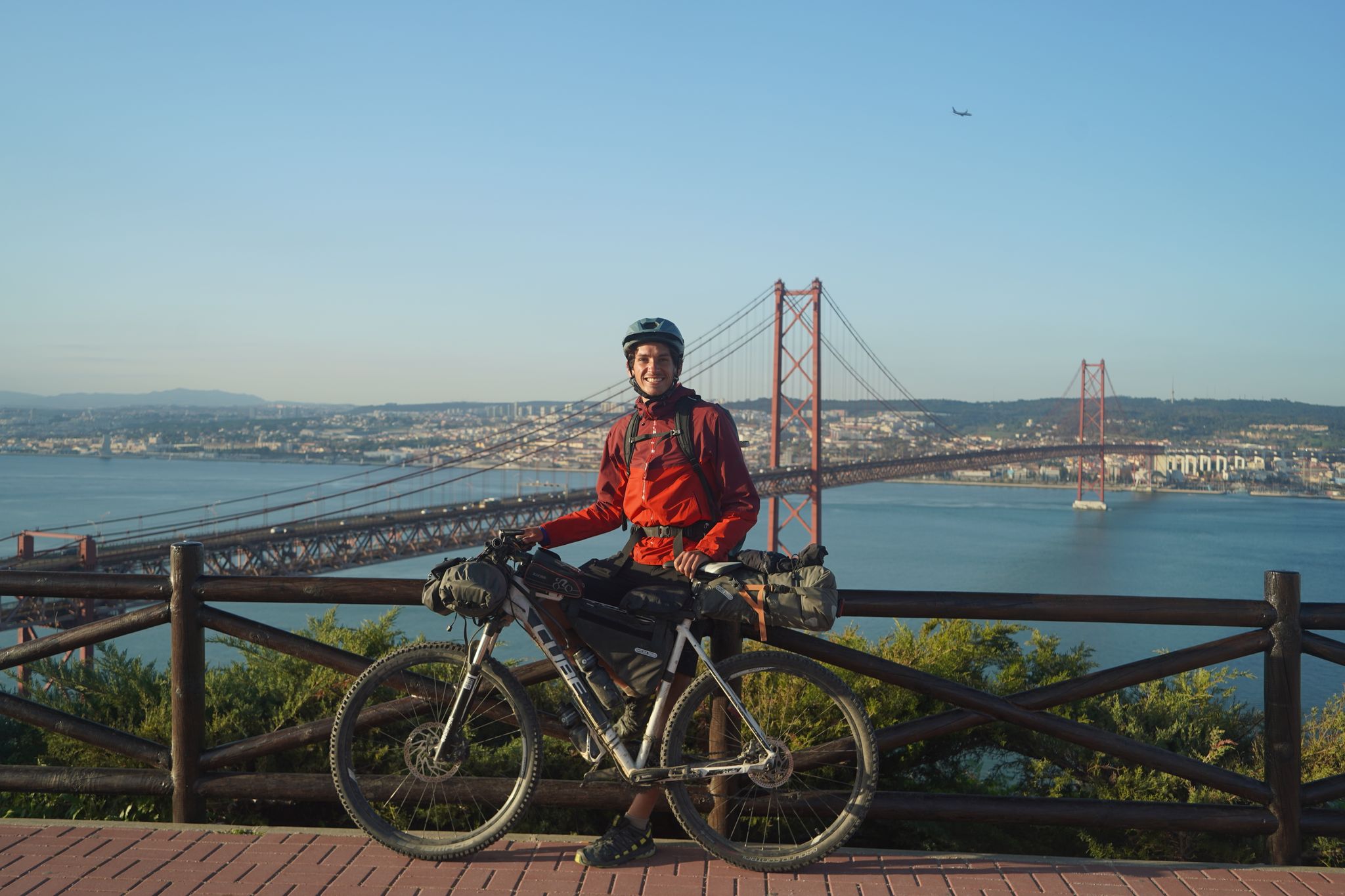
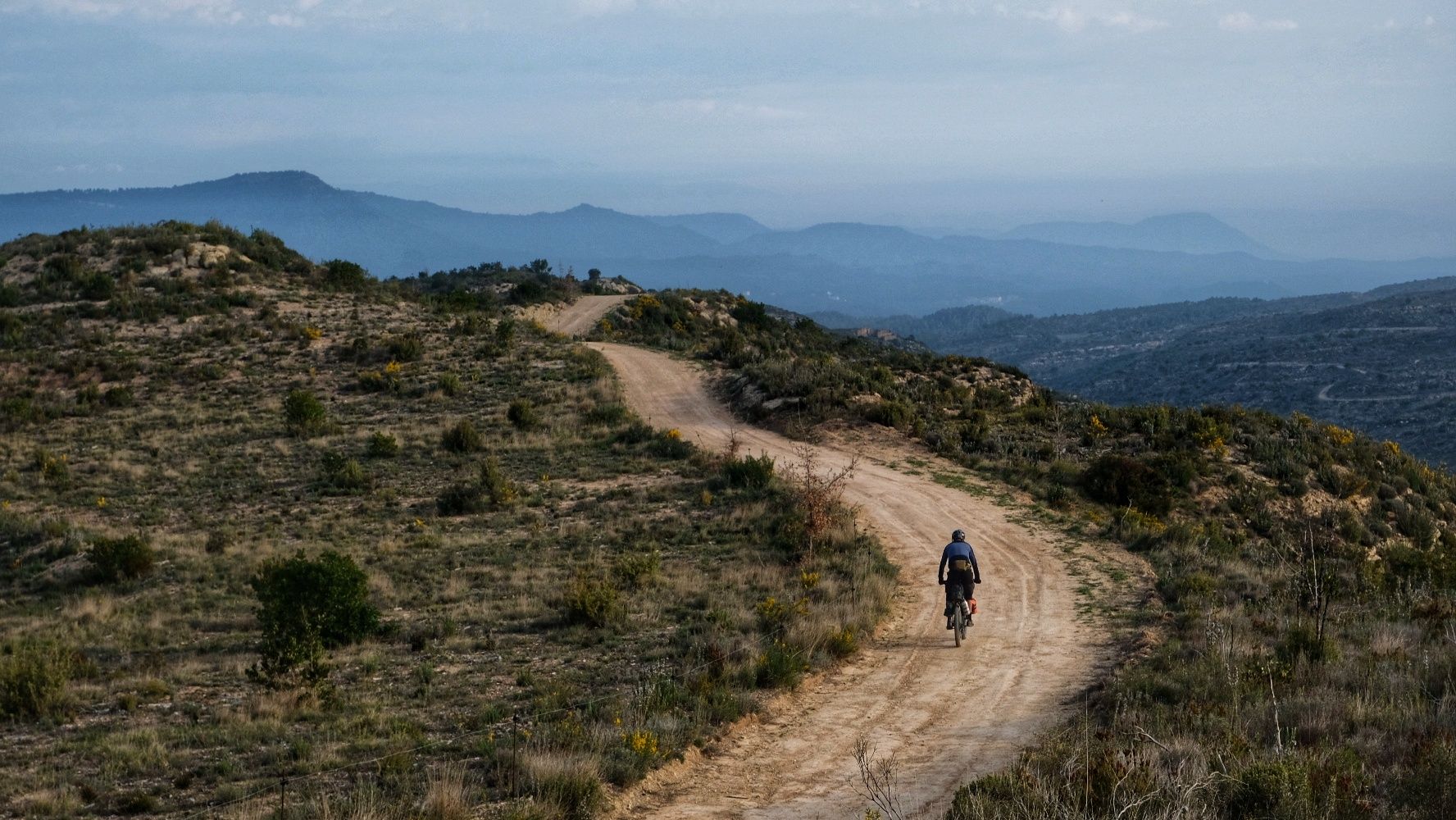
Road to Lisbon – bikepacking the Alps, Pyrenees and Picos de Europa
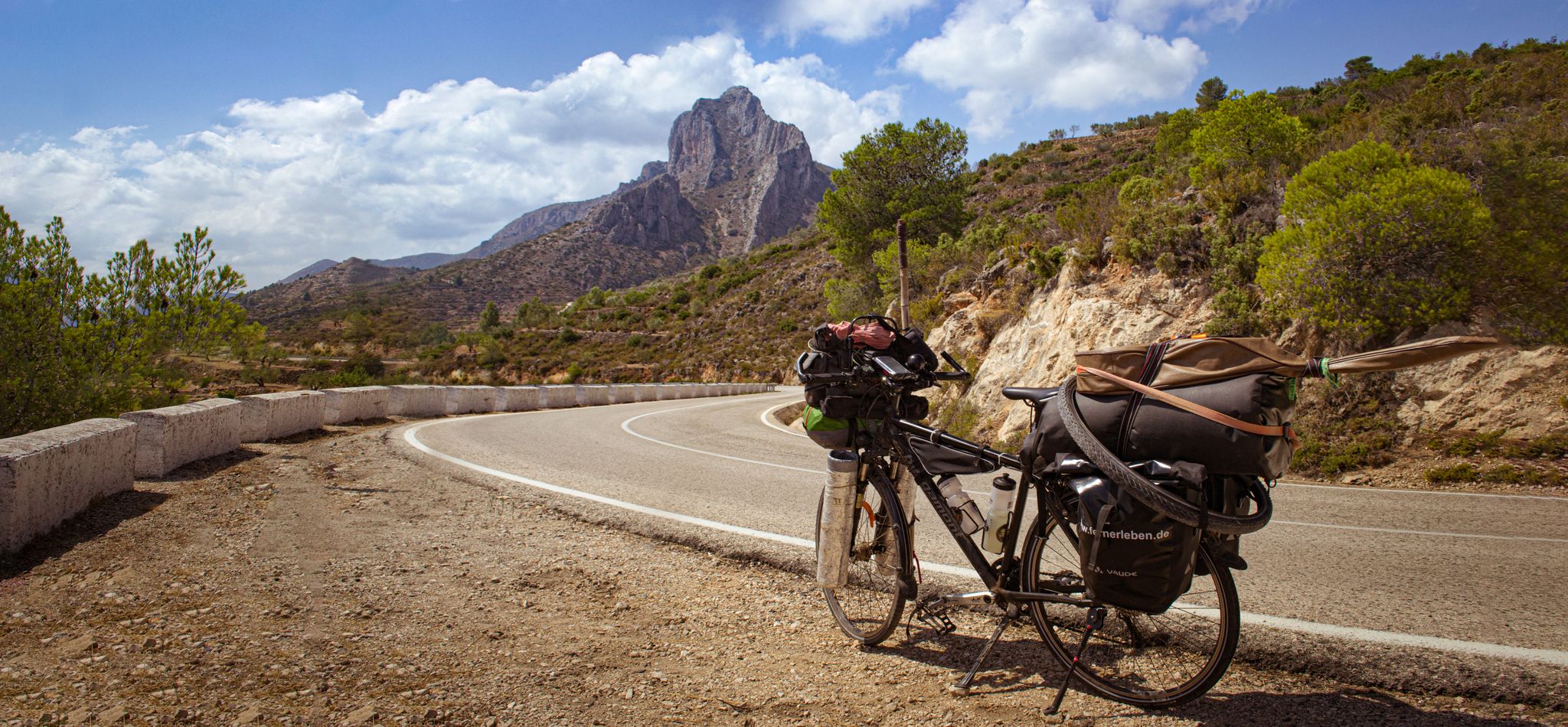
On the road to the sun — bikepacking to southeast Spain
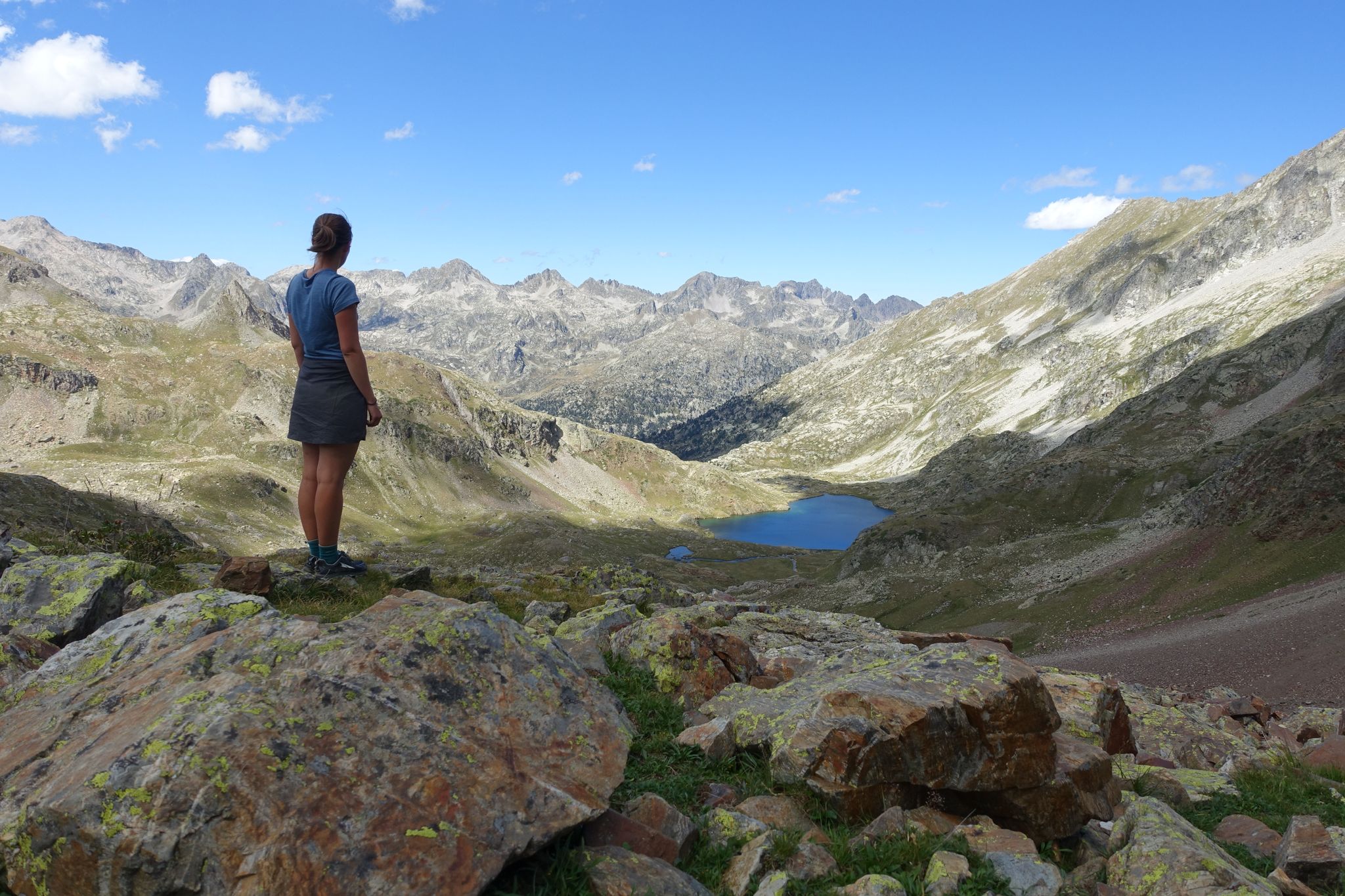
Haute Route Pyrénéenne – Pyrenees Crossing
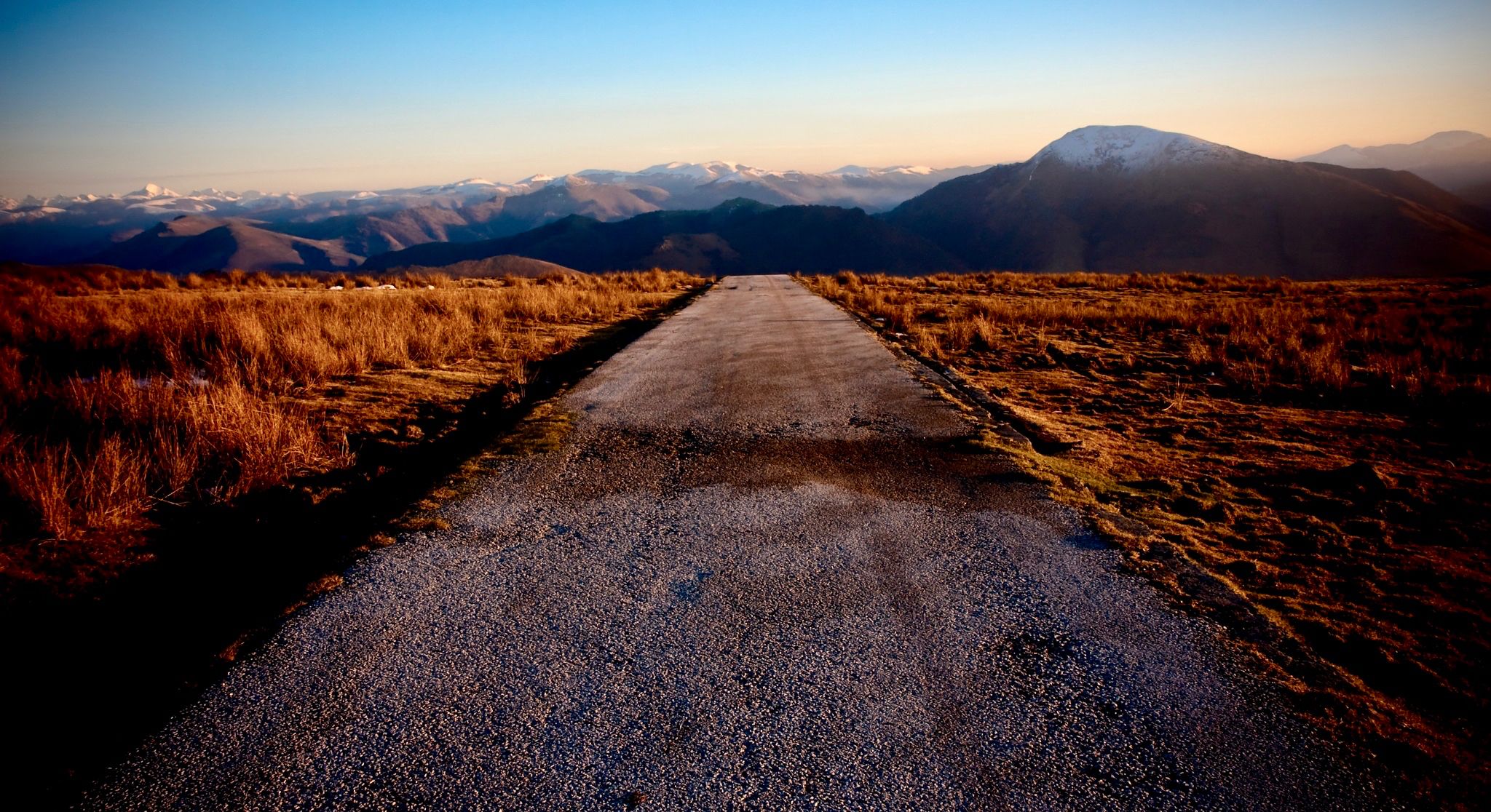
Coast to coast across the Pyrenees on your road bike
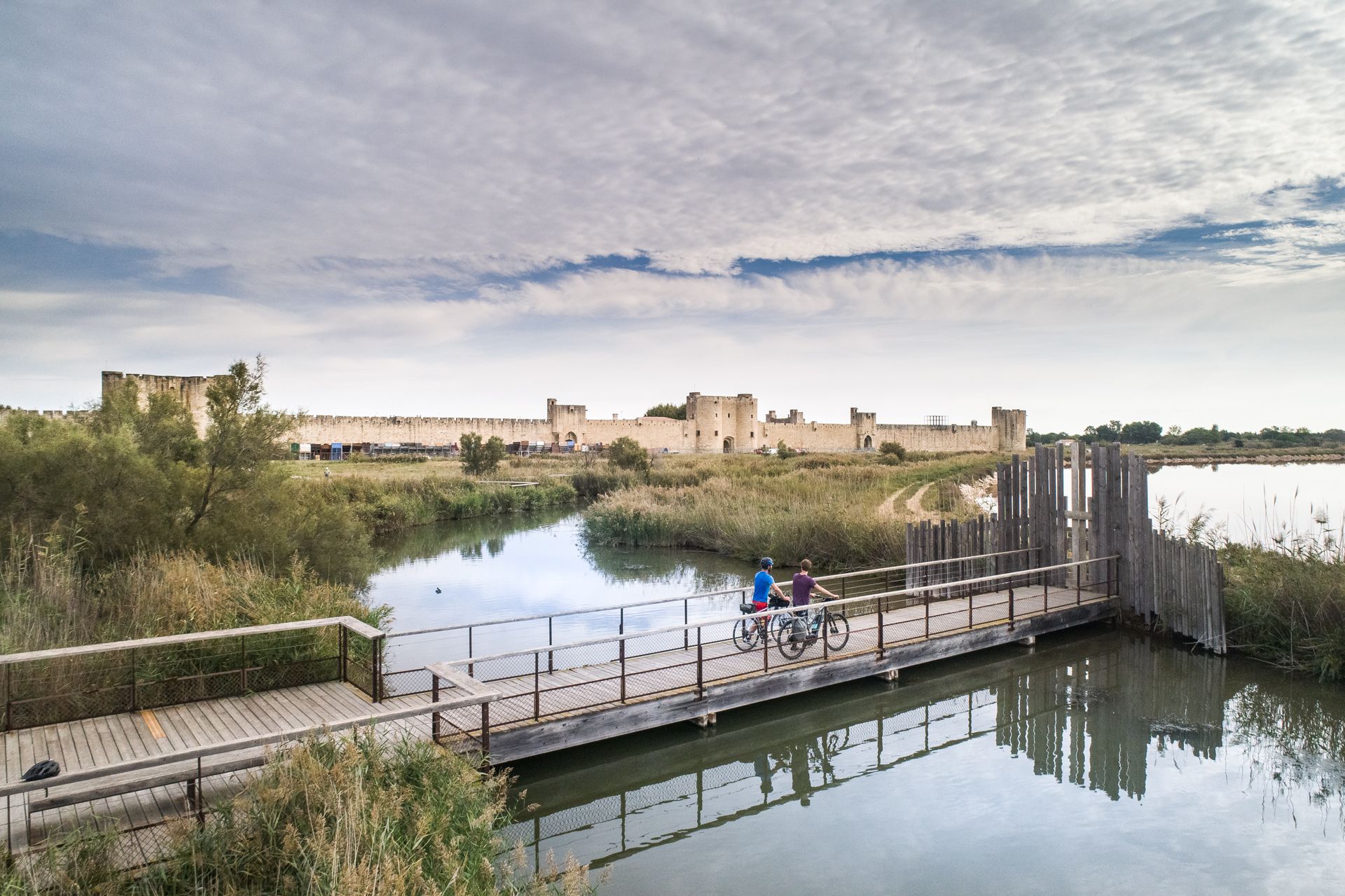
The most beautiful bike rides in Occitanie
Other adventures in Pyrénées-Orientales


Tips from the Community

This summer, I did the off-road climb and descent on my gravel bike. Challenging, but incredibly beautiful!
0
0

This ancient trading town, the capital of Conflent, has preserved some beautiful traces of its history and its status as a defensive town. Examples include the ramparts and the Viguerie Tower, built by the Count of Cerdagne in the 11th century and subsequently reinforced by Vauban's fortifications in the 17th century.
0
0
VIllefranche-de-Conflent is a town with an exceptional heritage: from the Middle Ages to the present day, time has left its mark in the stones of the men who built, conquered or lived in the town. More than anyone, Vauban, the "Sun King's wanderer", has left his mark here.
10
0
The fort was built in 1681 on a rocky spur on the mountainside. It guarded the Têt Valley and, together with the ramparts of Villefranche, formed a formidable defensive complex. It stood 180 meters above the Têt, on the summit of Belloch Mountain, like a king. In peacetime, the fort could accommodate 50 to 100 garrison members.
0
0

Vauban-style fort with a 180° view over the entire bay of Collioure.
0
0


Parc de Valmy – a rustic but very beautiful park. In summer, you can enjoy wine or beer in a small beer garden. There's a playground and seating for your own snack.
0
0

really a beautiful place, rightly counts among the listed beautiful villages
3
0
Frequently Asked Questions
Which castles offer the most impressive panoramic views in Pyrénées-Orientales?
For breathtaking vistas, consider visiting Quéribus Castle, perched at over 700 meters, which provides unparalleled views across the Corbières and Roussillon plains. Similarly, Querroig Castle offers exceptional views of the border towns Cerbère and Port Bou, and the Mediterranean. The Palais des Rois de Majorque in Perpignan also boasts 360° views of the Canigou massif and the Mediterranean.
Are there family-friendly castles to visit in Pyrénées-Orientales?
Yes, several castles are suitable for families. The Forteresse de Salses is listed as family-friendly and offers a fascinating insight into military engineering. The fortified village of Villefranche-de-Conflent is also a great family-friendly historical site to explore.
What kind of outdoor activities can I do near the castles in Pyrénées-Orientales?
The region offers a variety of outdoor activities. You can find numerous hiking trails, including waterfall hikes, near many castles. For example, Valmy Castle serves as a starting point for both bicycle and hiking tours. You can explore more options for hiking, road cycling, and running by visiting the Waterfall hikes in Pyrénées-Orientales, Road Cycling Routes in Pyrénées-Orientales, and Running Trails in Pyrénées-Orientales guides.
Which castles are considered 'Cathar castles' or have strong medieval significance?
The Pyrénées-Orientales region is rich in medieval history. Quéribus Castle is symbolically known as the 'last Cathar bastion,' offering a powerful sense of the struggles of the medieval period. Château de Peyrepertuse, the largest of the so-called 'Cathar Country' castles, is renowned for its impressive architecture. Château de Castelnou, dating back to the 11th century, is considered the most archaic example of a surviving medieval fortress in Roussillon.
What is the best time of year to visit the castles in Pyrénées-Orientales?
The region generally enjoys a Mediterranean climate. Spring (April-May) and autumn (September-October) are often ideal, offering pleasant temperatures for exploring and hiking without the intense summer heat. These seasons also tend to be less crowded, allowing for a more relaxed visit.
Are there any castles that are easily accessible by public transport from Perpignan?
Perpignan, with its central Palais des Rois de Majorque and Château le Castillet, is well-served by public transport. For castles outside the city, public transport options can be limited, especially for those perched on remote hilltops like Quéribus or Peyrepertuse. It's advisable to check local bus schedules or consider driving for more flexibility to reach these sites.
Which castles showcase different architectural styles beyond medieval fortresses?
Beyond the rugged medieval fortresses, you can find diverse architectural styles. The Palais des Rois de Majorque in Perpignan is a stunning example of Gothic architecture. For a later period, Château d'Aubiry, built between 1893 and 1904, stands out with its elegant Art Nouveau or Neo-Baroque style, representing opulence and architectural innovation from the late 19th century.
Can I visit castles that are located right on the sea?
Absolutely! The Château Royal de Collioure is uniquely positioned right on the Mediterranean Sea, offering breathtaking coastal views. Another significant coastal fortification is Fort Saint-Elme, which overlooks the bays of Collioure and Port-Vendres and provides historical insights into its strategic role.
What are the typical terrain and difficulty levels for walks around the castles?
The terrain around castles in Pyrénées-Orientales can vary significantly. Many medieval fortresses, especially the 'Cathar castles' like Quéribus and Peyrepertuse, are perched on rocky outcrops, requiring challenging ascents on uneven paths. Other castles, particularly those in villages or coastal areas, might have easier, more accessible walks. Always check the specific route details for difficulty and terrain before you go.
Are there any UNESCO World Heritage sites among the castles in Pyrénées-Orientales?
Yes, Fort Libéria, located near Villefranche-de-Conflent, is a UNESCO World Heritage site. This military structure played a key role in the Franco-Spanish separation of Catalonia in the late 17th century and is well-preserved, offering significant historical insights.
What do visitors enjoy most about the castles in Pyrénées-Orientales?
Visitors frequently highlight the stunning panoramic views, the deep sense of history, and the dramatic integration of the castles with the natural landscape. The unique blend of Catalan, French, and Majorcan influences in the architecture and stories also captivates many, making each visit a journey through centuries of diverse heritage.
Are dogs allowed at the castles or on nearby trails?
Policies regarding dogs can vary by castle. While many outdoor trails and natural areas around the castles are dog-friendly, some castle interiors or specific historical sites may not permit pets. It's always best to check the official website of the specific castle you plan to visit for their most current pet policy before your trip.
Most popular routes in Pyrénées-Orientales
Most popular attractions in Pyrénées-Orientales

Get inspired with the komoot mobile app


Explore more
Looking for the best castles somewhere else? Discover other guides in Pyrénées-Orientales:
