Top 14 Castles in Meurthe-et-Moselle
Best castles in Meurthe-et-Moselle are found within the Lorraine region of France, a department rich in history and diverse architectural styles. This area features a landscape that has witnessed centuries of development, from medieval fortifications to grand 18th-century palaces. The castles here reflect significant historical periods, offering insights into the region's past. Meurthe-et-Moselle provides a setting where historical landmarks are integrated into the natural and cultural fabric.
Best castles in Meurthe-et-Moselle
- The most popular castles is Lunéville Castle, a…
Last updated: July 13, 2026
Lunéville Castle
Highlight • Castle
Showing Translation
Tip by

Cons-la-Grandville Castle
Highlight • Castle
Translated by Google •
Tip by

Sign up now to discover places like this
Get recommendations on the best single tracks, peaks, & plenty of other exciting outdoor places.
Sign up for free
Prény Castle
Highlight • Castle
Translated by Google •
Tip by

Haroué Castle
Highlight • Castle
Tip by
Dieulouard Castle and Church
Highlight • Castle
Stamp point for the Way of St. James in the church
Translated by Google •
Tip by

Villers-les-Prud'homme Castle
Highlight • Castle
Translated by Google •
Tip by
Circular Trail Around Château de Pierre-Percée
Highlight (Segment) • Trail
Translated by Google •
Tip by

Fléville Castle
Highlight • Castle
Translated by Google •
Tip by
Ruins of Château de Mousson
Highlight • Castle
At the top of the Butte de Mousson, 200 metres above the Moselle valley, lie the impressive remains of the medieval Château de Mousson. …
Translated by Google •
Tip by

Pierre-Percée Castle
Highlight • Castle
Translated by Google •
Tip by
Sign up for free to discover even more castles in Meurthe-et-Moselle.
Sign up for free
Already have an account?
Start today with a free account
Your next adventure awaits.
Login or Signup
Popular around Meurthe-et-Moselle
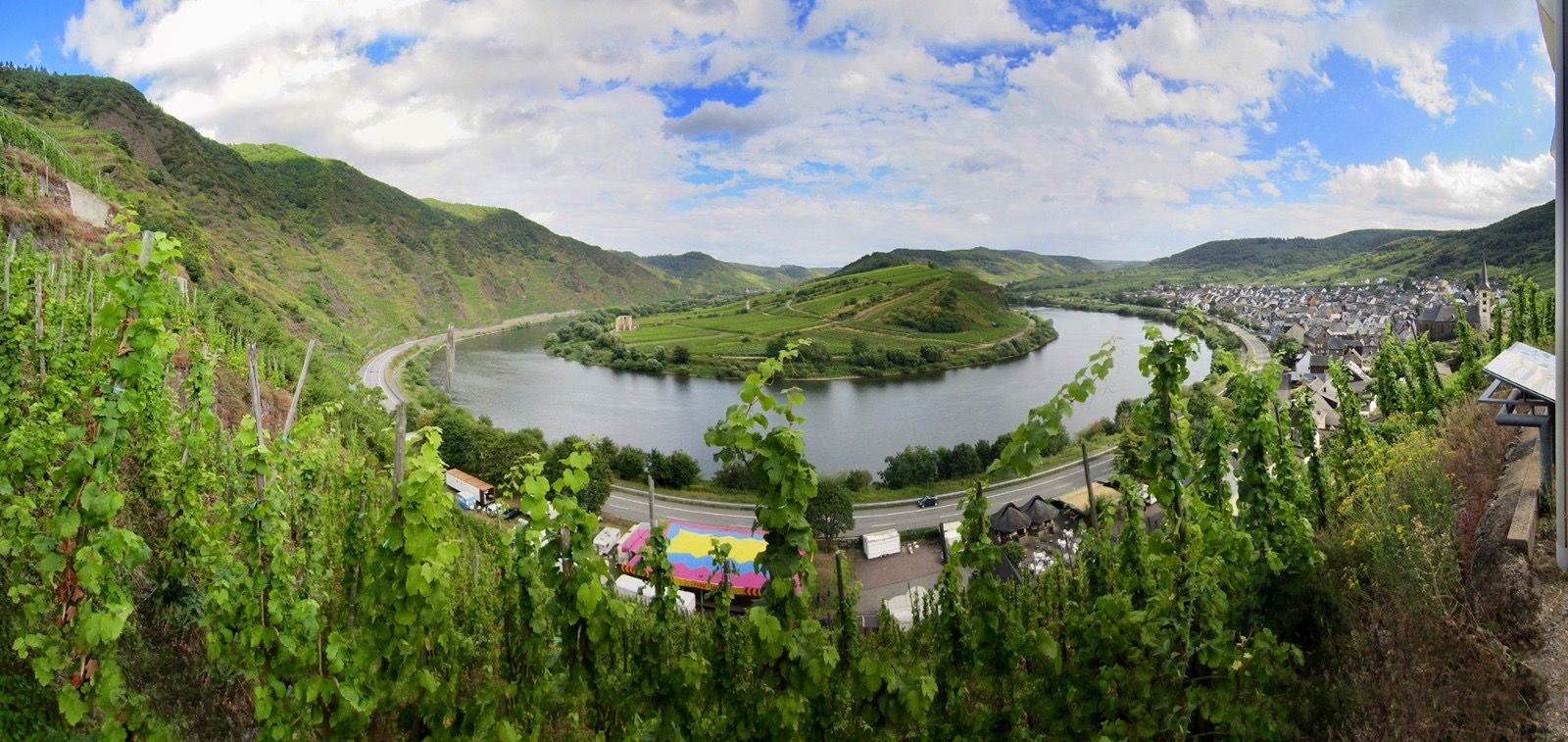
The Moselle cycle path — from the Vosges to the Rhine in 18 stages
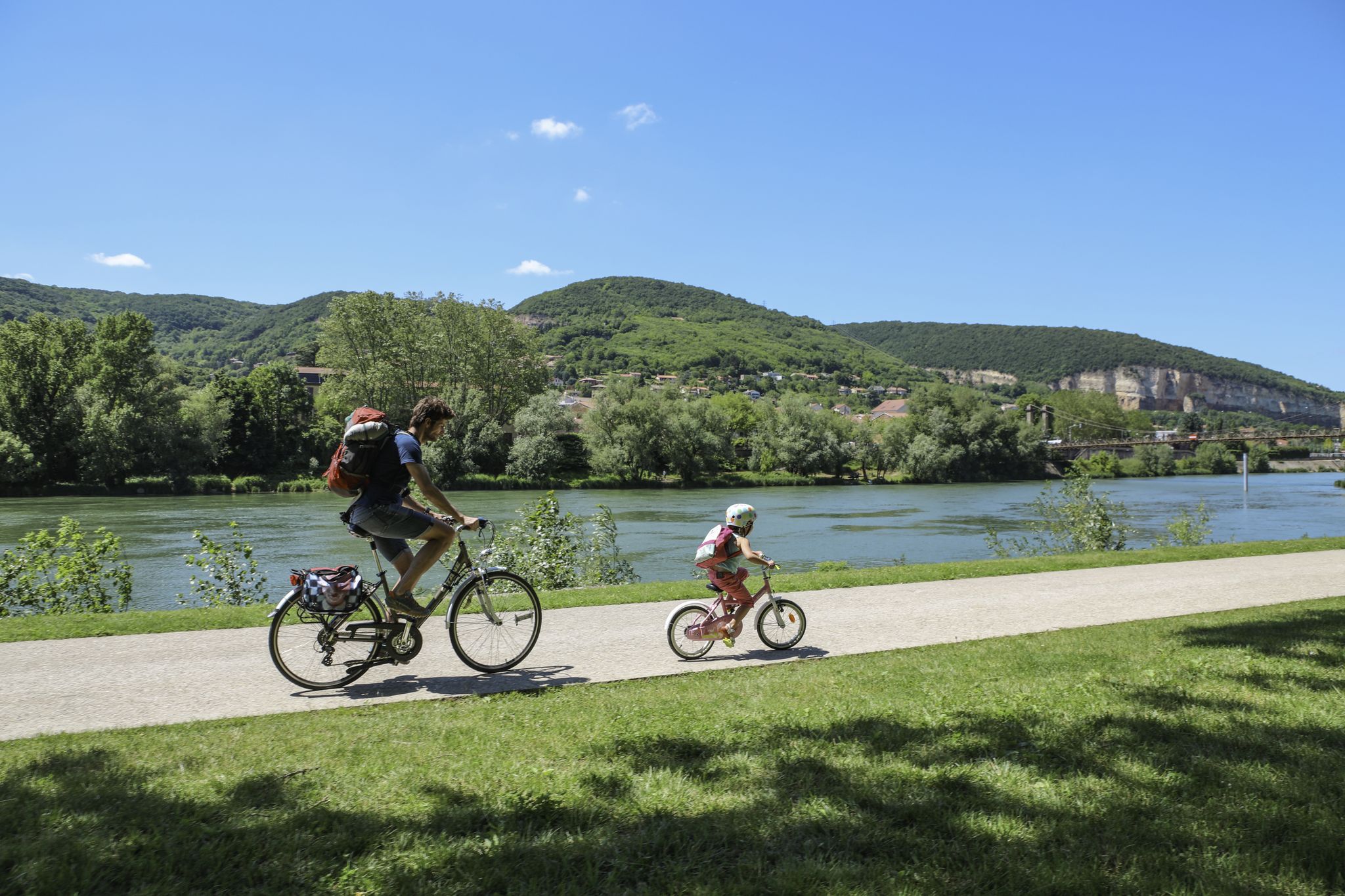
The Voie Bleue – Moselle-Saône by bike
GR5 — The Europe Trail from Abreschviller to Apach
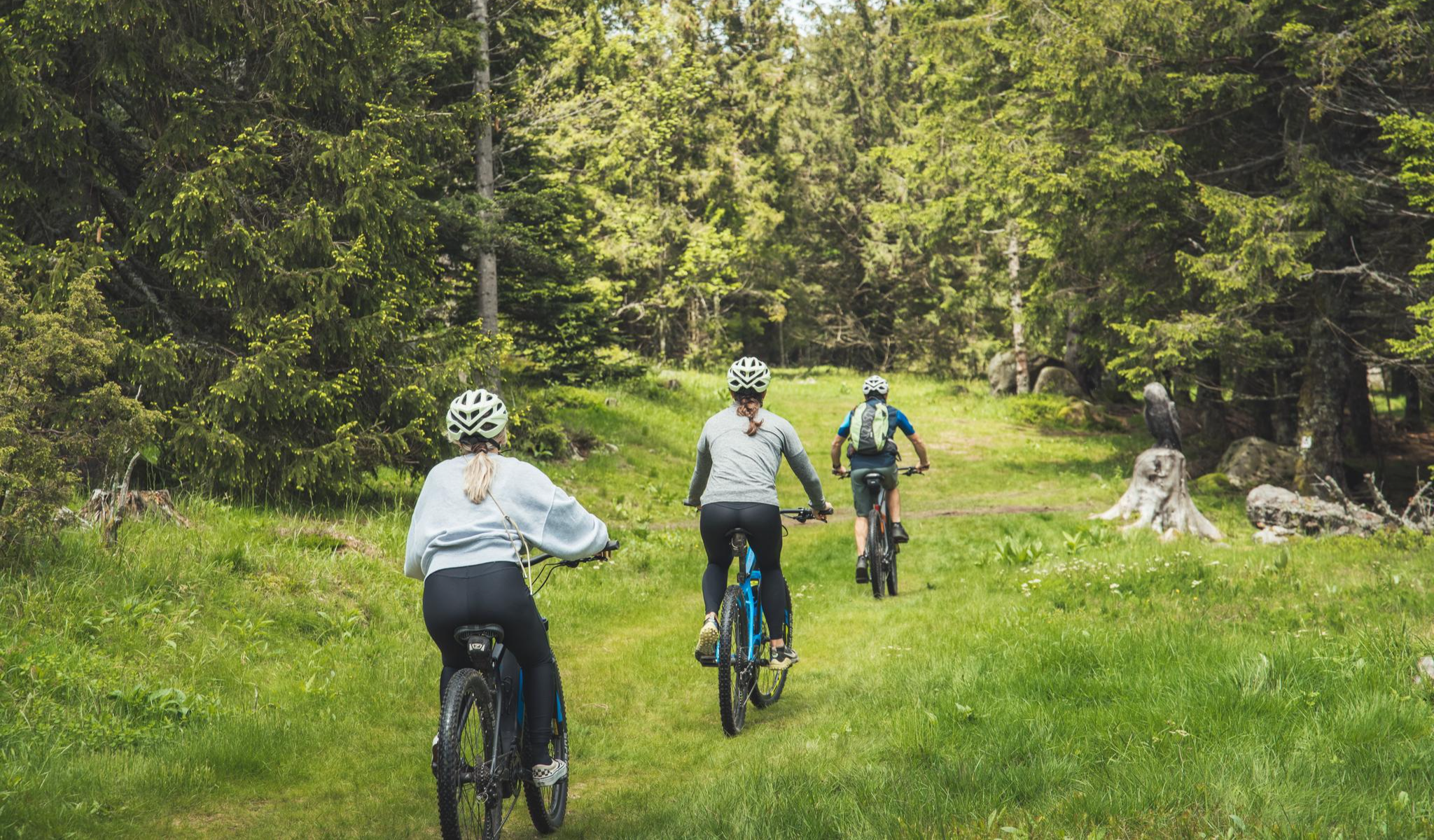
MTB and gravel in the Grand Est – the joy of the low mountains
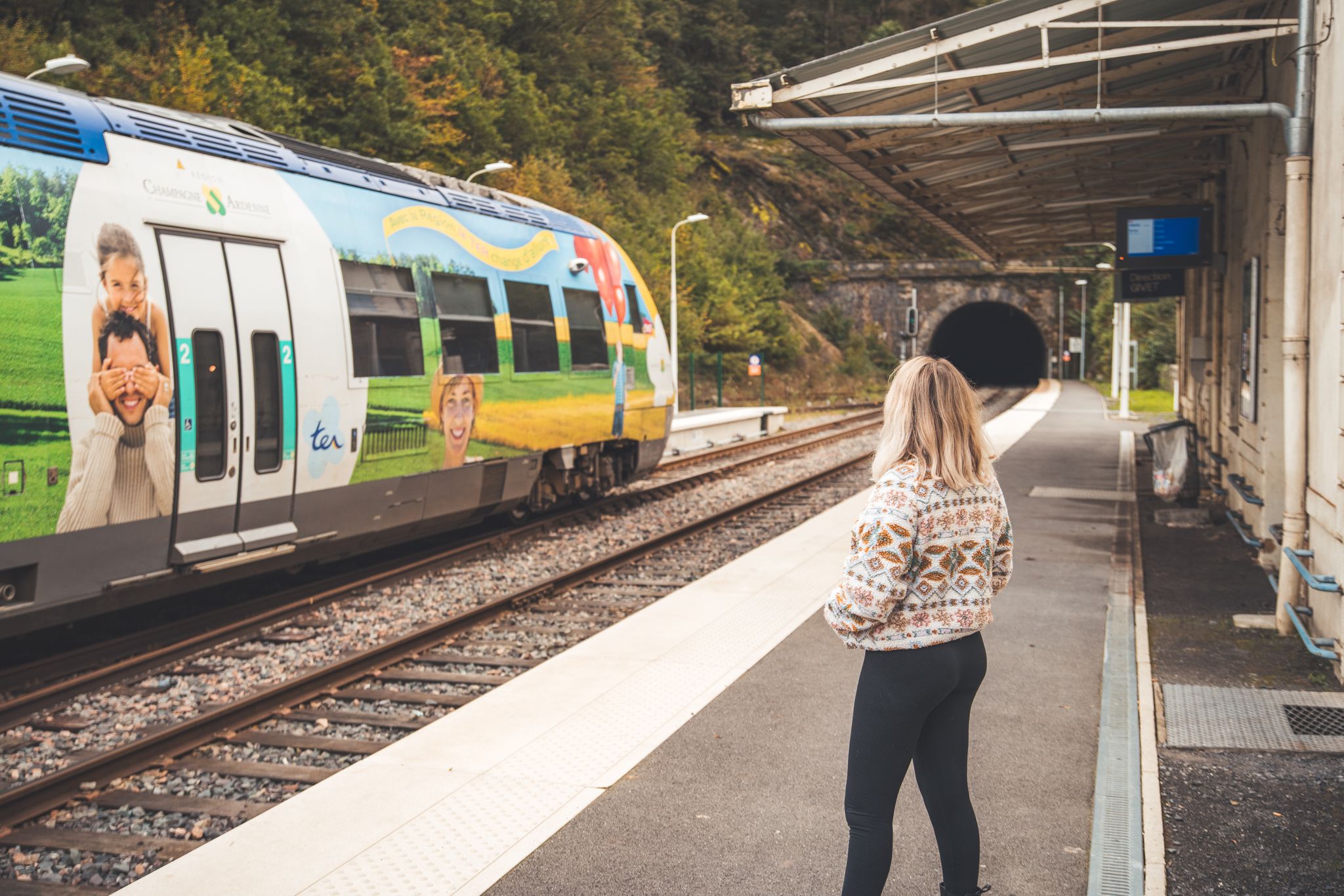
The Grand Est without a car – cycling from station to station
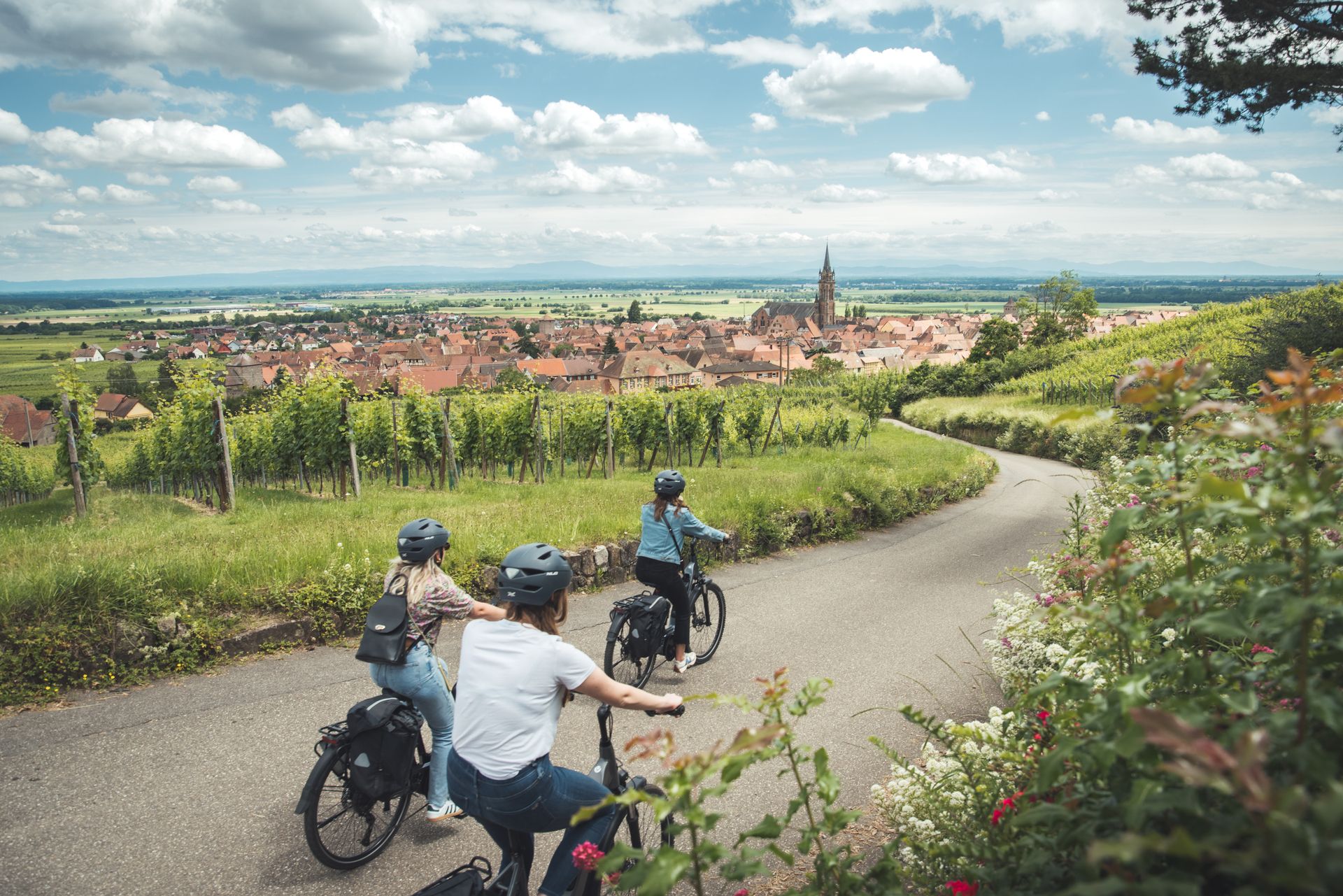
Wine getaways in the Grand Est — cycling between hillsides and traditions
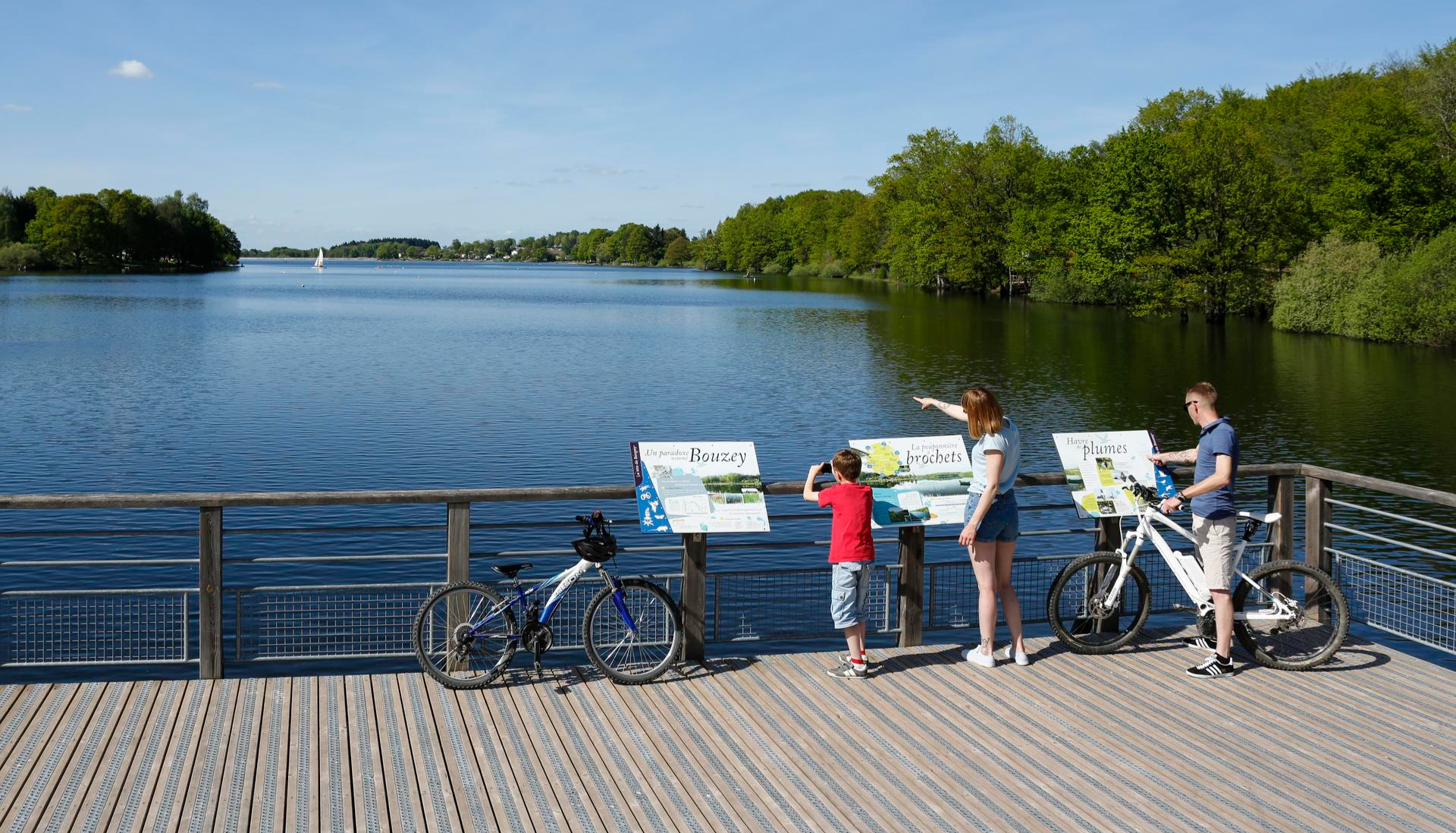
Family getaways – cycling in the Grand Est
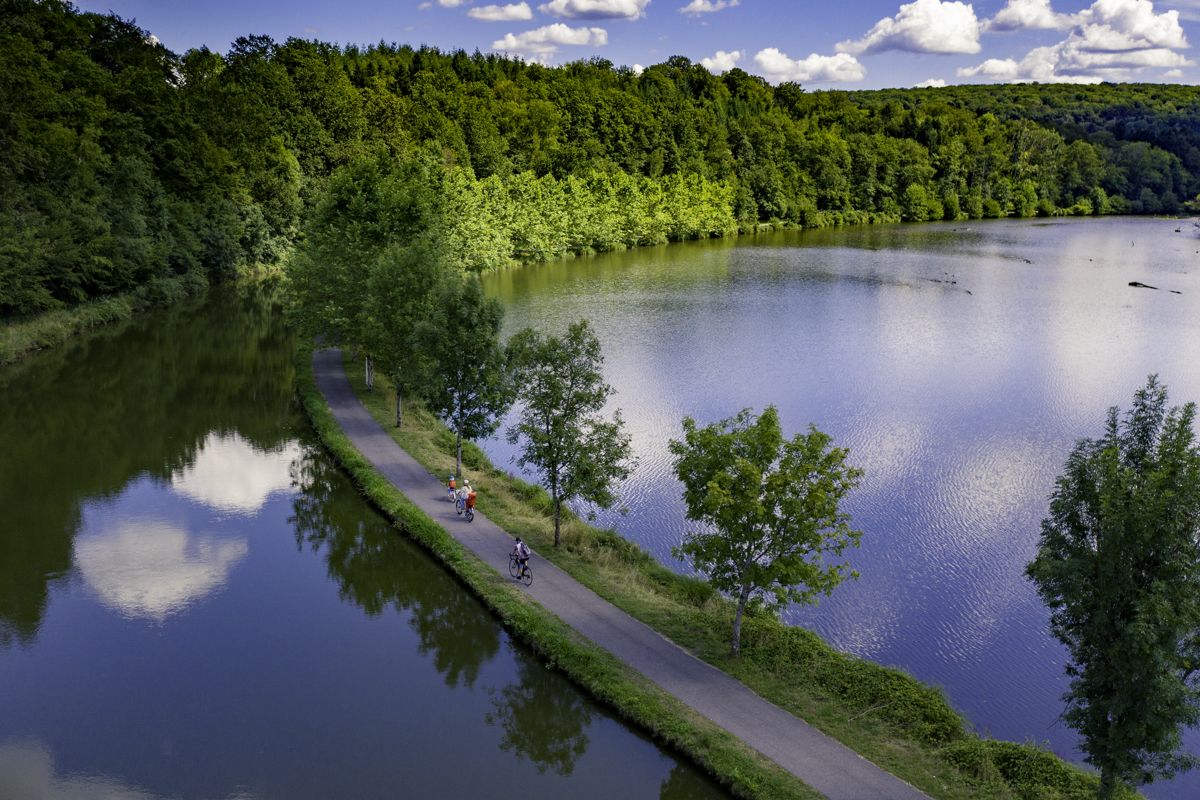
La Voie Bleue — “Cycle Route of the Year 2026”
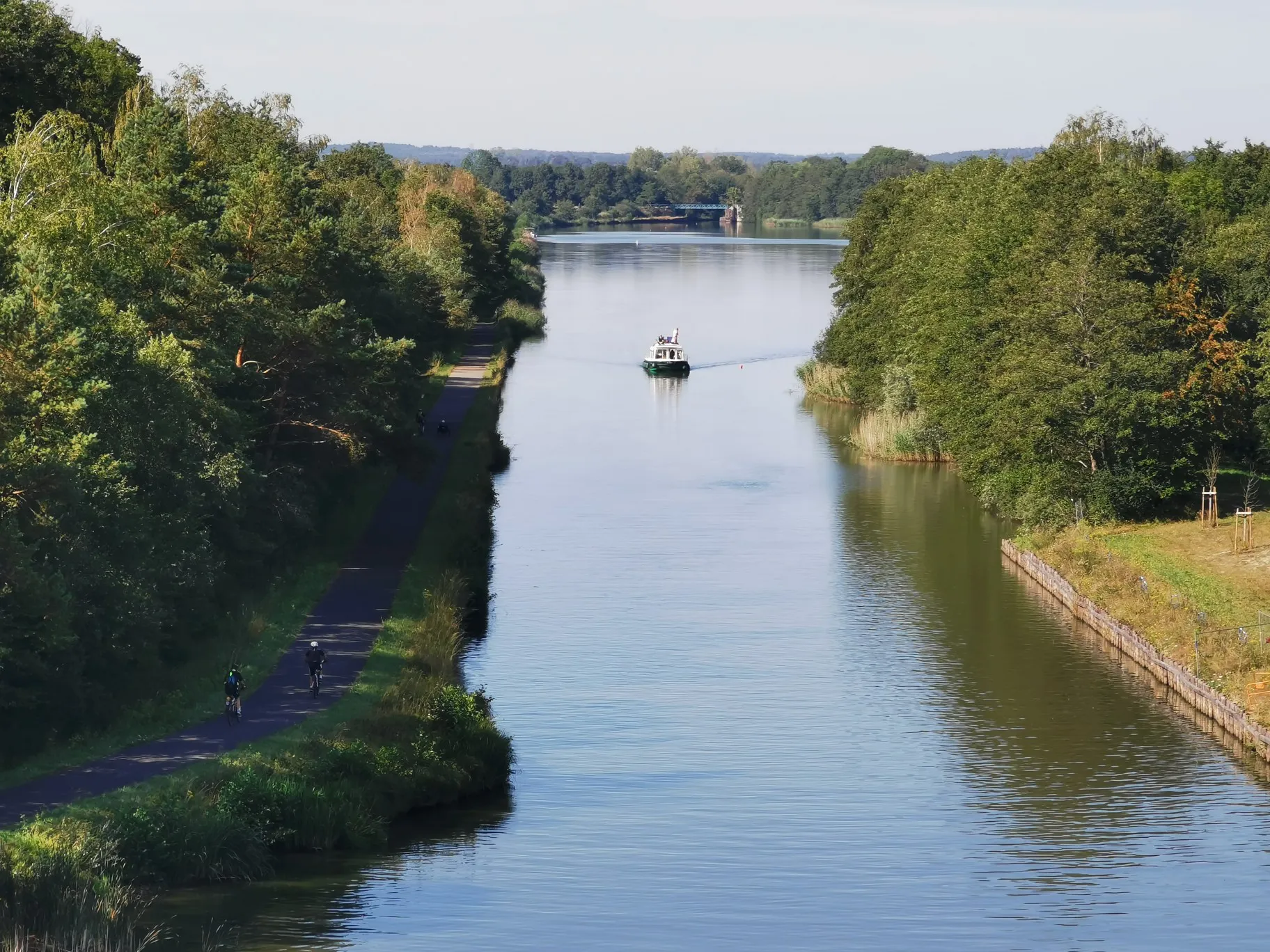
A river getaway – along the Marne-Rhine Canal
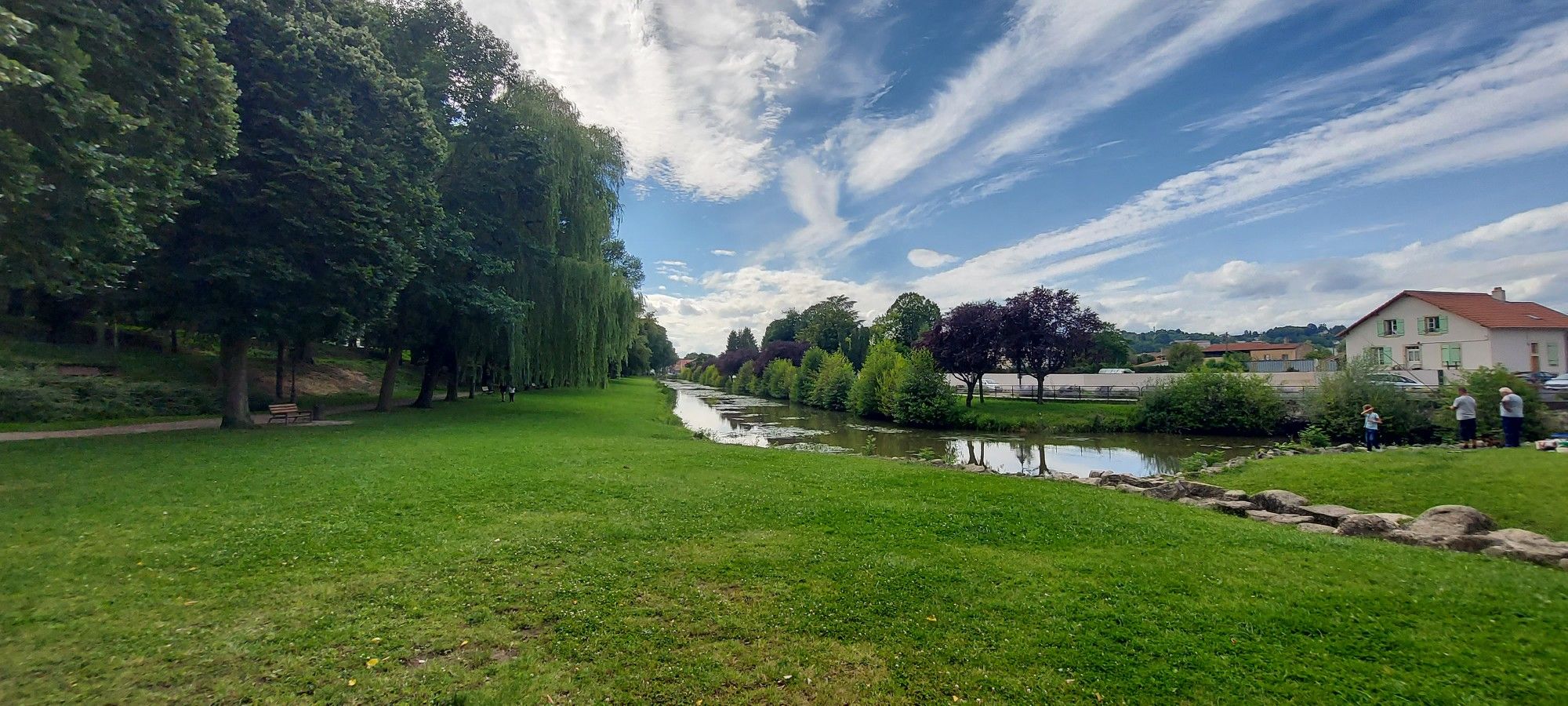
Linking Lorraine and Alsace – Stanislas-Kléber Path (GR 534)
Other adventures in Meurthe-et-Moselle


Tips from the Community

The baroque castle of the Dukes of Lorraine is the largest in Eastern France and is considered the "Lorraine Versailles". It was severely damaged by a fire in 2003 and restored in the 2010s after high-profile fundraising campaigns. The castle and park are worth seeing.
5
0

🏰 **Château de Cons-la-Grandville – A Journey Through the Centuries** The imposing castle of **Cons-la-Grandville**, near the border with Luxembourg, combines Romanesque origins with Renaissance and Baroque architecture. Built on the foundations of a Gallo-Roman villa, it was expanded and remodeled several times from the 11th century onwards. Particularly worth seeing: the Romanesque cloister, the elegant façade, and the magnificent courtyard. 🕰️ The château was the residence of the noble de Cons family, later also a monastery, and has been lovingly restored. Today it is a listed monument and open to visitors. **Tip:** Be sure to visit the cloister – one of the oldest preserved of its kind in Lorraine. Ideal as a stopover on the way between France and Luxembourg.
0
0

Proud stones on a proud hill At the top of the Butte de Mousson, 200 metres above the Moselle valley, lie the impressive remains of the medieval Château de Mousson. Built in the 11th century by the Counts of Bar, it was once a strategic stronghold that levied tolls on the trade routes between Dijon and Metz. The castle was destroyed in 1633 on the orders of Richelieu, as punishment for the Lorraine resistance to the French crown. Since then, only the ruins remain: an oval wall, remains of towers, and the outlines of the chapel and living quarters.
6
0

A path leads below the Château de Pierre-Percée. It offers breathtaking views of Lake Pierre-Percée and the castle perched on the rock. Sturdy shoes and surefootedness are required.
0
0


The castle courtyard and the park are freely accessible 👍
1
0

Symbolic fortress of the Dukes of Lorraine, the name of this castle has become the war cry of the princes "Prény! Prény!". Dominating the Moselle valley from its spur, the castle benefits from a large enclosure around the lower courtyard in which the village developed and the eastern small, isolated from the village by a large ditch, and which constitutes the largest part. strongest on the site. This place constitutes one of the northern locks of the Dukes of Lorraine, in a region largely held by the Counts of Bar who particularly enjoy the neighboring castle of Mousson. Undoubtedly built in the 12th century to guard the abbey of Sainte-Marie-aux-Bois, the Dukes of Lorraine remain attorneys of this religious establishment. The warmand keep or tower constitutes the most impressive element of this castle with its pentagonal shape, its thick walls and its great height.
1
0

Charming little historic town with an excellent restaurant Le Gras Q
1
0
Frequently Asked Questions
What are some of the most historically significant castles in Meurthe-et-Moselle?
Meurthe-et-Moselle boasts several castles with deep historical roots. The Château de Lunéville, known as the "Petit Versailles Lorrain," was a residence for the Dukes of Lorraine and later Stanislas Leszczynski. Cons-la-Grandville Castle combines Romanesque origins with Renaissance and Baroque architecture, with parts dating back to the 11th century. Château de Fléville offers a blend of medieval and Renaissance styles, notably incorporating a 14th-century keep and surviving the Thirty Years' War.
Are there family-friendly castles to visit in Meurthe-et-Moselle?
Yes, several castles in Meurthe-et-Moselle are suitable for families. Lunéville Castle, Haroué Castle, and Cons-la-Grandville Castle are all listed as family-friendly. The Château de Fléville, for instance, provides knight and princess costumes and play booklets for children, making history engaging for younger visitors.
What is the best time of year to visit the castles in Meurthe-et-Moselle?
The spring and summer months (April to September) are generally ideal for visiting the castles in Meurthe-et-Moselle. During this period, the weather is pleasant for exploring castle grounds and gardens, such as the beautifully landscaped gardens of Château de Lunéville and the "Remarkable Garden" at Château de Fléville. Many castles also have extended opening hours and special events during the warmer seasons.
What kind of outdoor activities can I find near the castles in Meurthe-et-Moselle?
The region around the castles offers various outdoor activities. You can find numerous cycling routes, including the 'Moselle loop via Nancy' or the 'Nancy and Saint-Nicolas-de-Port Canal Loop'. For mountain biking, explore trails like 'Lac de Pierre-Percée'. If you prefer running, there are routes such as 'Plateau de Malzéville' or 'The castles of Morey and Villers-les-Prud'homme'. You can find more details on these activities in the Cycling in Meurthe-et-Moselle, MTB Trails in Meurthe-et-Moselle, and Running Trails in Meurthe-et-Moselle guides.
Are there any castles in Meurthe-et-Moselle that offer unique architectural features?
Absolutely. Haroué Castle, also known as Château de Craon, is a prime example, designed with symbolic elements reflecting a calendar: 365 windows, 52 chimneys, 12 towers, and 4 bridges. Château de Fléville uniquely blends a 14th-century keep with a Renaissance facade often compared to Azay le Rideau, and features an unusual Italian-influenced balcony. Château de Lunéville is a stunning 18th-century palace patterned after Versailles.
Which castles in Meurthe-et-Moselle offer beautiful gardens or natural surroundings?
The Château de Lunéville is renowned for its beautifully landscaped gardens, known as Les Bosquets, covering 21 hectares with fountains, statuary, and flower-lined walkways. Château de Fléville features a "Remarkable Garden" with an 18th-century Orangery. Château de Haroué also boasts a park "à la française" designed by Emilio Terry, perfect for a leisurely stroll.
What do visitors particularly enjoy about the castles in this region?
Visitors frequently praise the rich history and architectural beauty of the castles. For instance, Lunéville Castle is admired for its splendid architecture and gardens, often referred to as the "Versailles of Lorraine." The unique design of Haroué Castle, with its calendar-inspired features, is also a highlight. Many appreciate the opportunity to explore centuries of history, from medieval fortifications to grand 18th-century palaces.
Are there any lesser-known or 'hidden gem' castles worth exploring?
While not as widely known as Lunéville or Haroué, Château de Thorey-Lyautey offers a fascinating glimpse into the life of Marshal Hubert Lyautey, furnished as it was during his time with exotic decorations. Villers-les-Prud'homme Castle and Moyen Castle are also less crowded options that provide historical interest without the larger crowds.
Can I bring my dog to the castles in Meurthe-et-Moselle?
Policies regarding dogs vary by castle. While some castle grounds or parks might allow leashed dogs, access to interior rooms is typically restricted. It's always best to check the specific castle's official website or contact them directly before your visit to confirm their current dog policy. For example, you can check the official tourism site for Château de Lunéville.
How long does a typical visit to a castle in Meurthe-et-Moselle take?
The duration of a visit can vary significantly depending on the castle and your interest level. For larger estates like Château de Lunéville with extensive gardens and museum exhibits, you might spend 2-3 hours or more. Smaller castles or those focused primarily on exterior architecture might take 1-2 hours. Guided tours often have a set duration, usually around 1 hour.
Are there options for dining or accommodation near the castles?
Yes, the towns and villages surrounding the castles often provide dining and accommodation options. For example, the area around Lunéville Castle will have various restaurants and hotels. Similarly, smaller towns like Cons-la-Grandville, near Cons-la-Grandville Castle, may offer local eateries. For specific recommendations, it's advisable to check local tourism websites for the area you plan to visit.
Is public transport available to reach the castles in Meurthe-et-Moselle?
Public transport options vary depending on the castle's location. Major towns like Lunéville, home to Château de Lunéville, are generally well-served by regional trains or buses. However, more rural castles like Château de Haroué or Château de Fléville might require a combination of public transport and a taxi, or a personal vehicle. It's recommended to check local bus and train schedules for your specific destination.
Are there any castles that were residences of famous historical figures?
Yes, several castles in Meurthe-et-Moselle have strong ties to notable historical figures. Château de Lunéville was a significant residence for Duke Leopold I and later Stanislas Leszczynski, the former King of Poland and Duke of Lorraine. Château de Thorey-Lyautey was the home of Marshal Hubert Lyautey, a key figure in French colonial history, and remains furnished with his personal effects and souvenirs from his career.
Most popular routes in Meurthe-et-Moselle
Most popular attractions in Meurthe-et-Moselle

Get inspired with the komoot mobile app


Didn’t find what you were looking for?
Explore Meurthe-et-Moselle’s best castles region by region:
Explore more
Looking for the best castles somewhere else? Discover other guides in Meurthe-et-Moselle:
