Top 20 Natural Monuments around Bütgenbach
Natural monuments around Bütgenbach are characterized by diverse landscapes within the East Belgian Ardennes. The region features an Eifel-Ardennes landscape with forests, green pastures, and hedgerow landscapes. Notable natural attractions include expansive reservoirs, river valleys, and unique moorlands. These areas offer varied ecosystems and opportunities for outdoor activities.
Best natural monuments around Bütgenbach
- The most popular natural monuments is Trôs Marets Valley, a gorge where visitors can hike along a wild river. It offers varied landscapes and is located…
Last updated: October 13, 2026
Bayehon Waterfall
Highlight • Waterfall
Translated by Google •
Tip by

Boardwalks Through the Hohes Venn Moor
Highlight • Trail
Translated by Google •
Tip by
Sign up now to discover places like this
Get recommendations on the best single tracks, peaks, & plenty of other exciting outdoor places.
Trôs Marets Valley
Highlight (Segment) • Gorge
Translated by Google •
Tip by

Ridge Trail above Perlenau
Highlight (Segment) • Trail
Translated by Google •
Tip by

Brackvenn Moor Lakes
Highlight • Lake
The palsen or pingos in the High Fens were formed around 10,000 to 11,000 years ago at …
Translated by Google •
Tip by
Sign up for free to discover even more natural monuments around Bütgenbach.
Already have an account?
Start today with a free account
Your next adventure awaits.
Popular around Bütgenbach
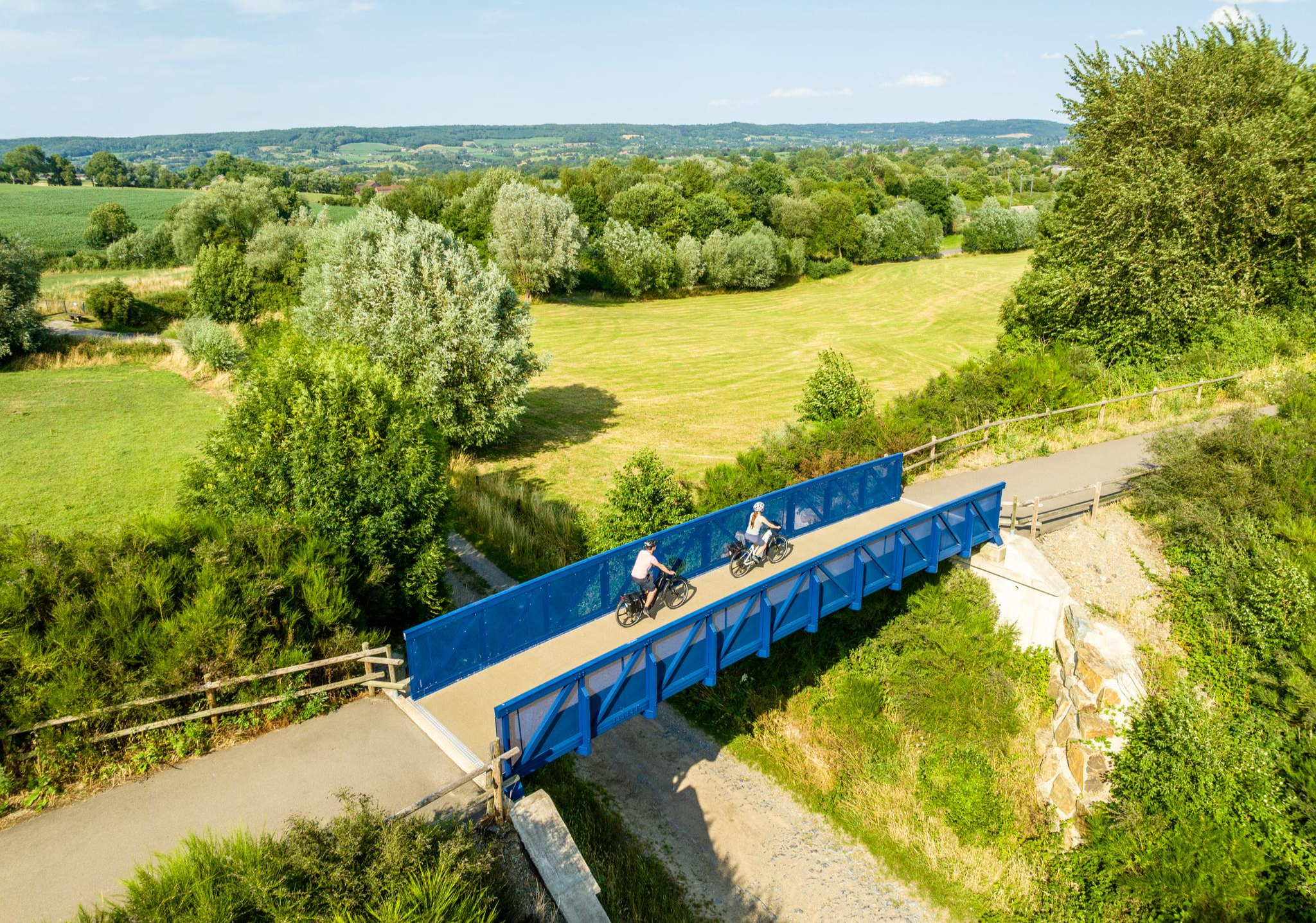
Three countries, one experience – borderless cycling in the Aachen region
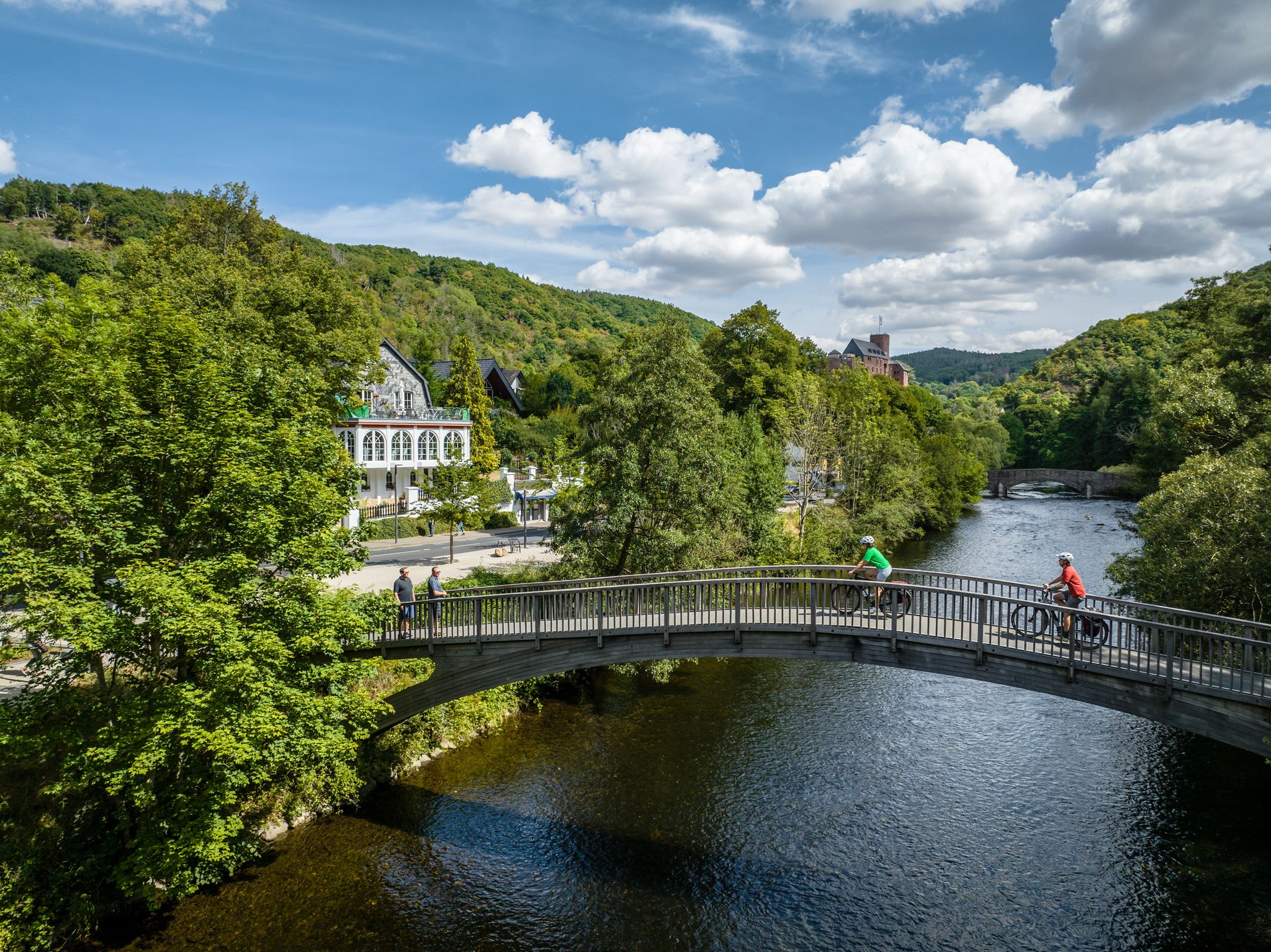
Heights, castles, moors – RURschleifen by bike
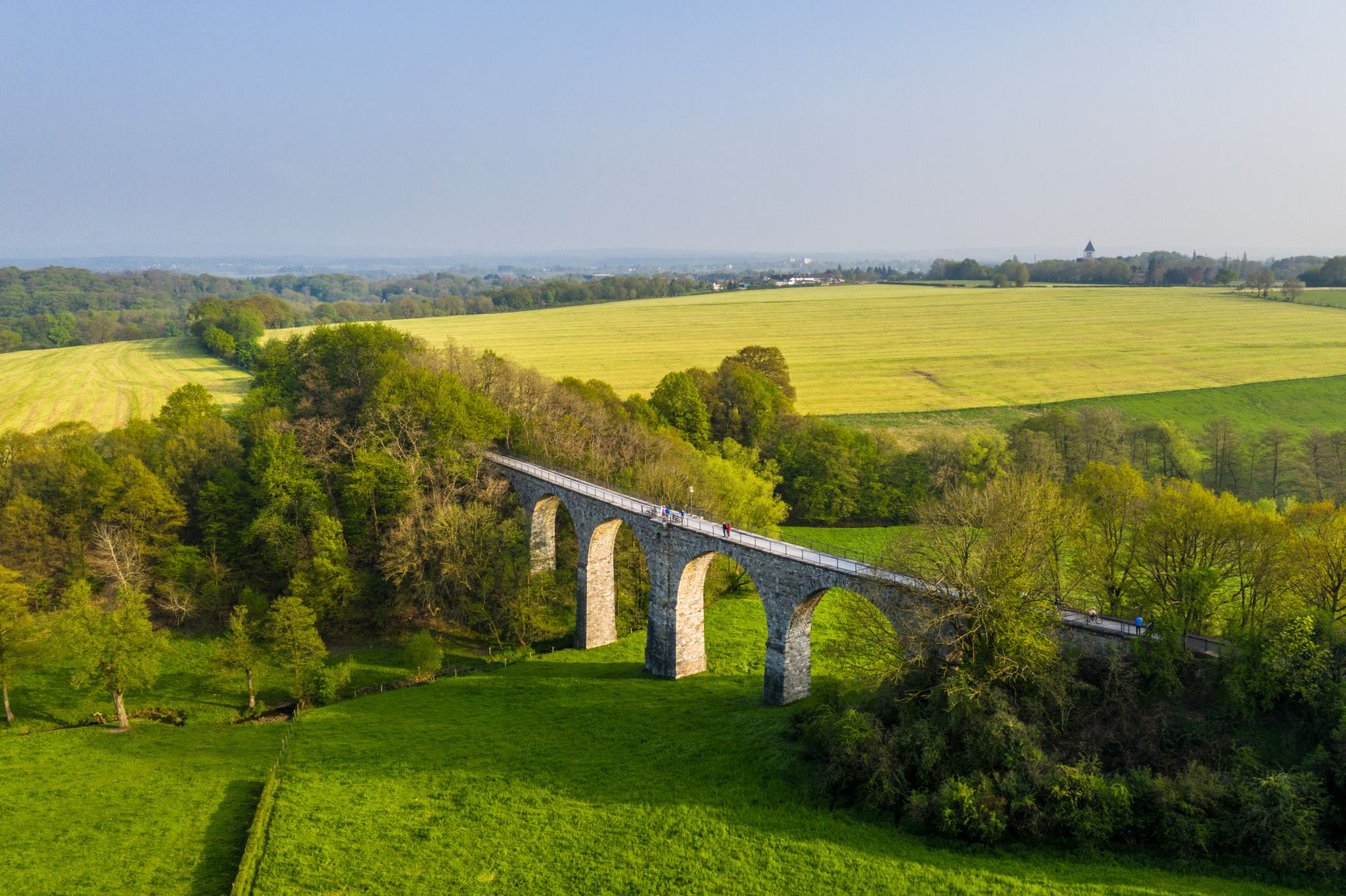
Cycling the tracks of the Vennbahn – the Vennbahnschleifen
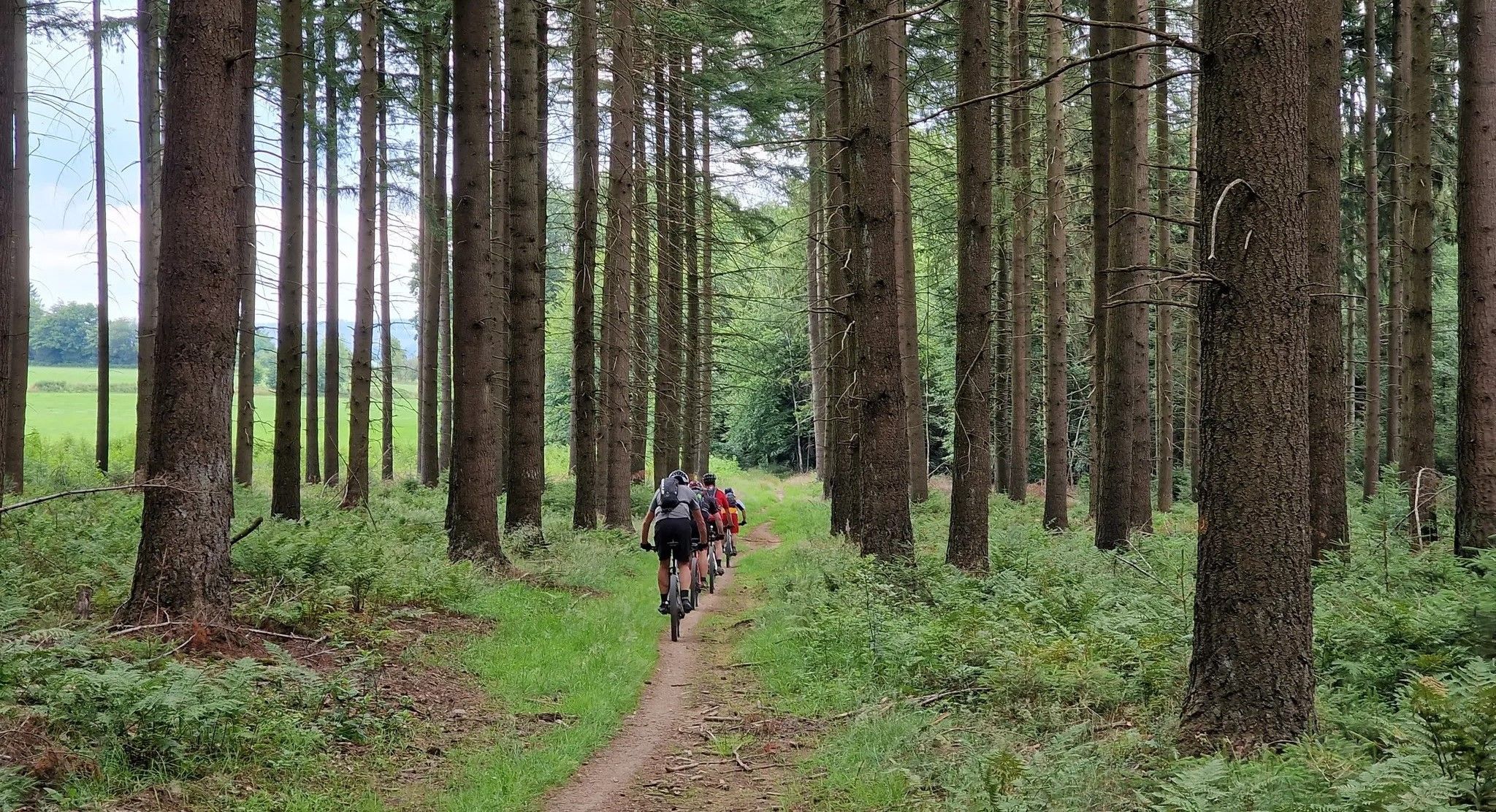
Trail rush through the East Belgian Ardennes
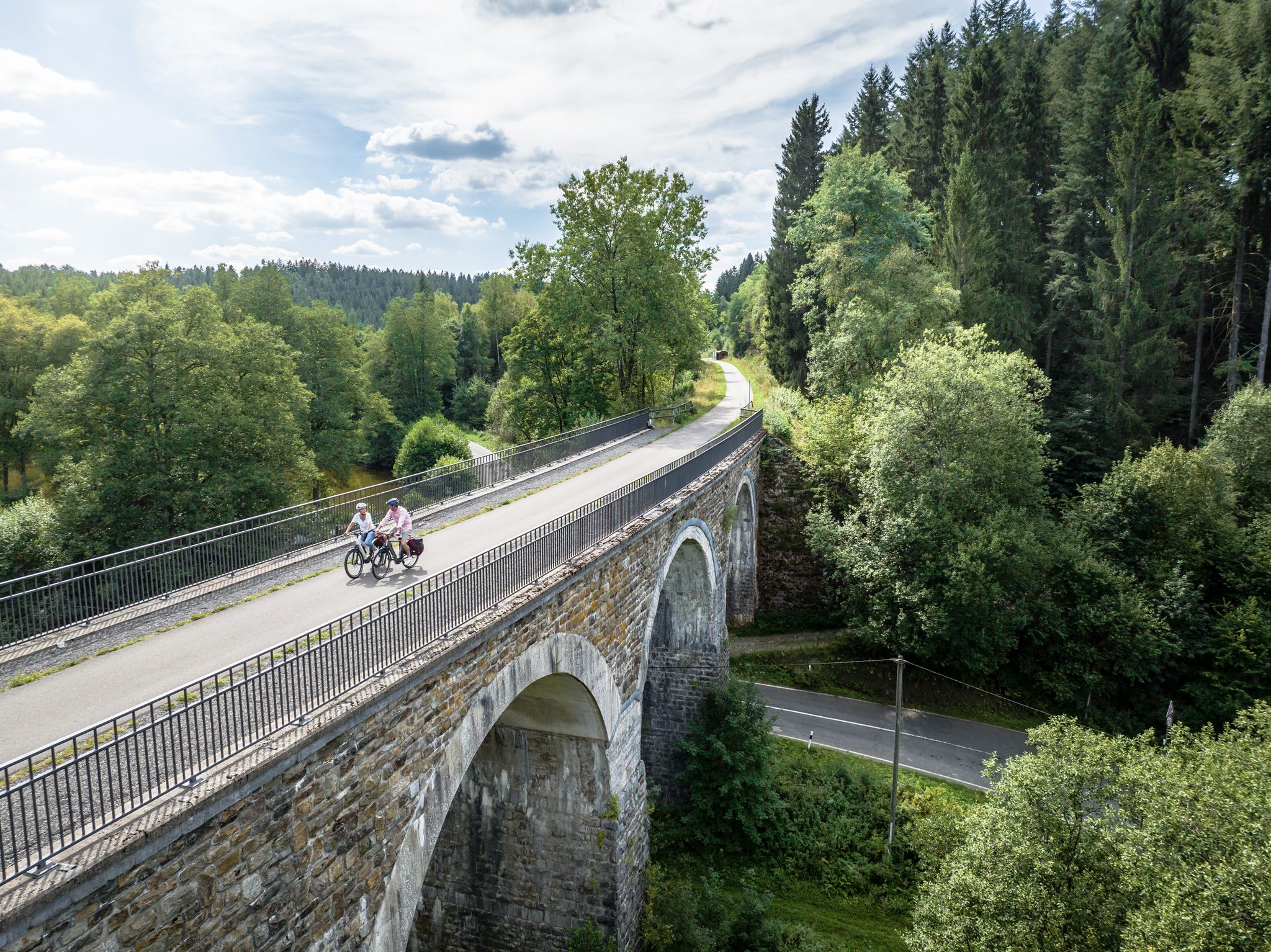
Fens, forests and water – cycling Tours in the Rur Eifel Region
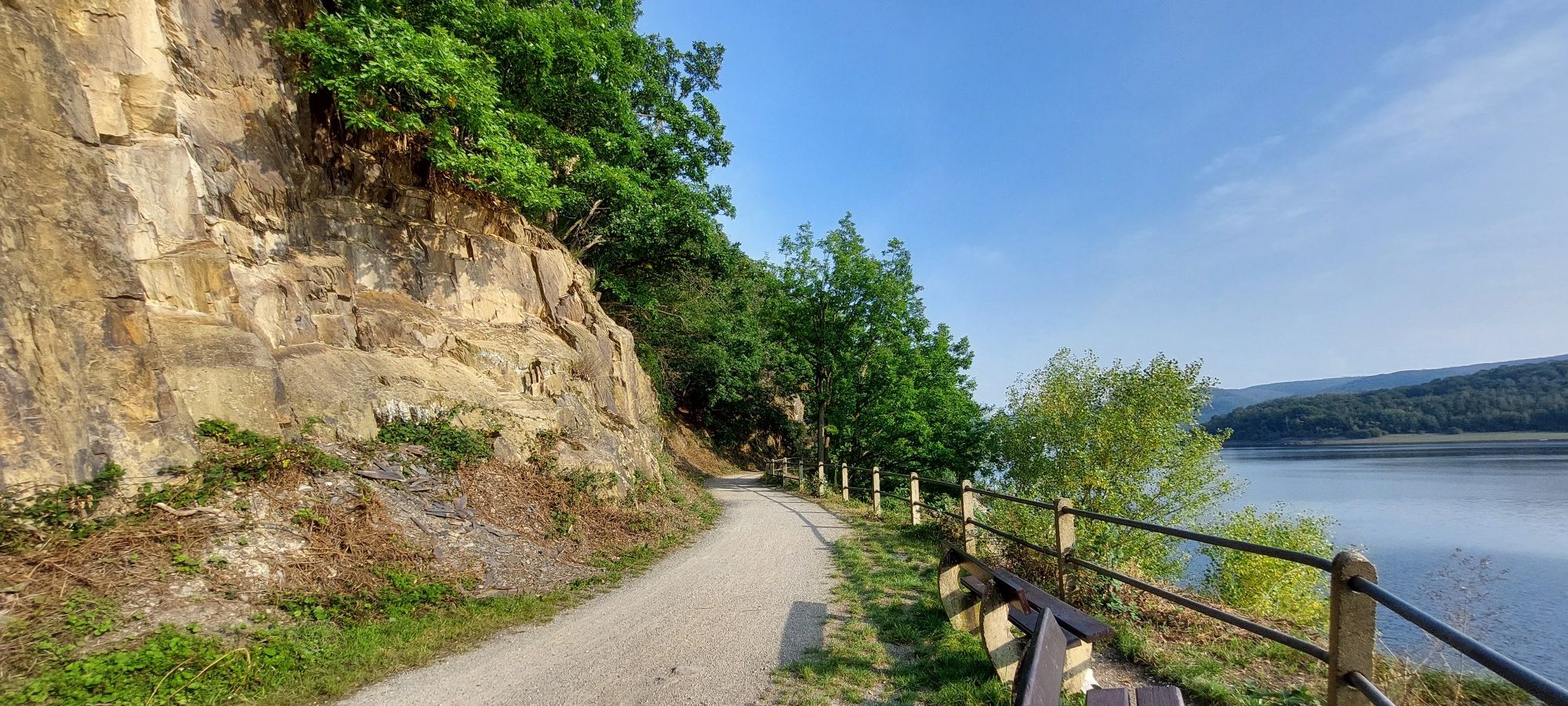
Head into wild nature with the Aachener Verkehrsverbund
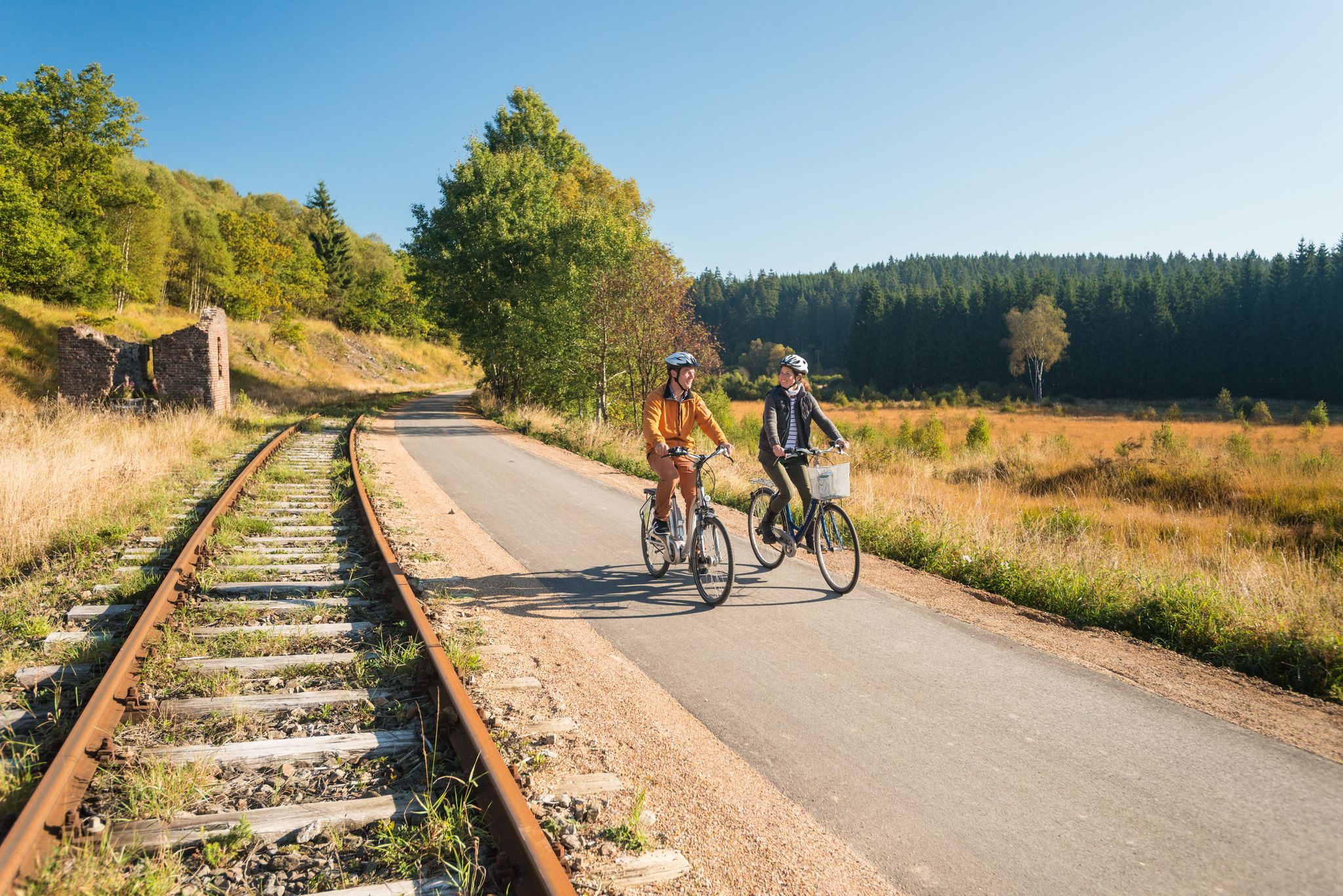
Boundless cycling pleasure on Belgium’s Vennbahn Cycle Route
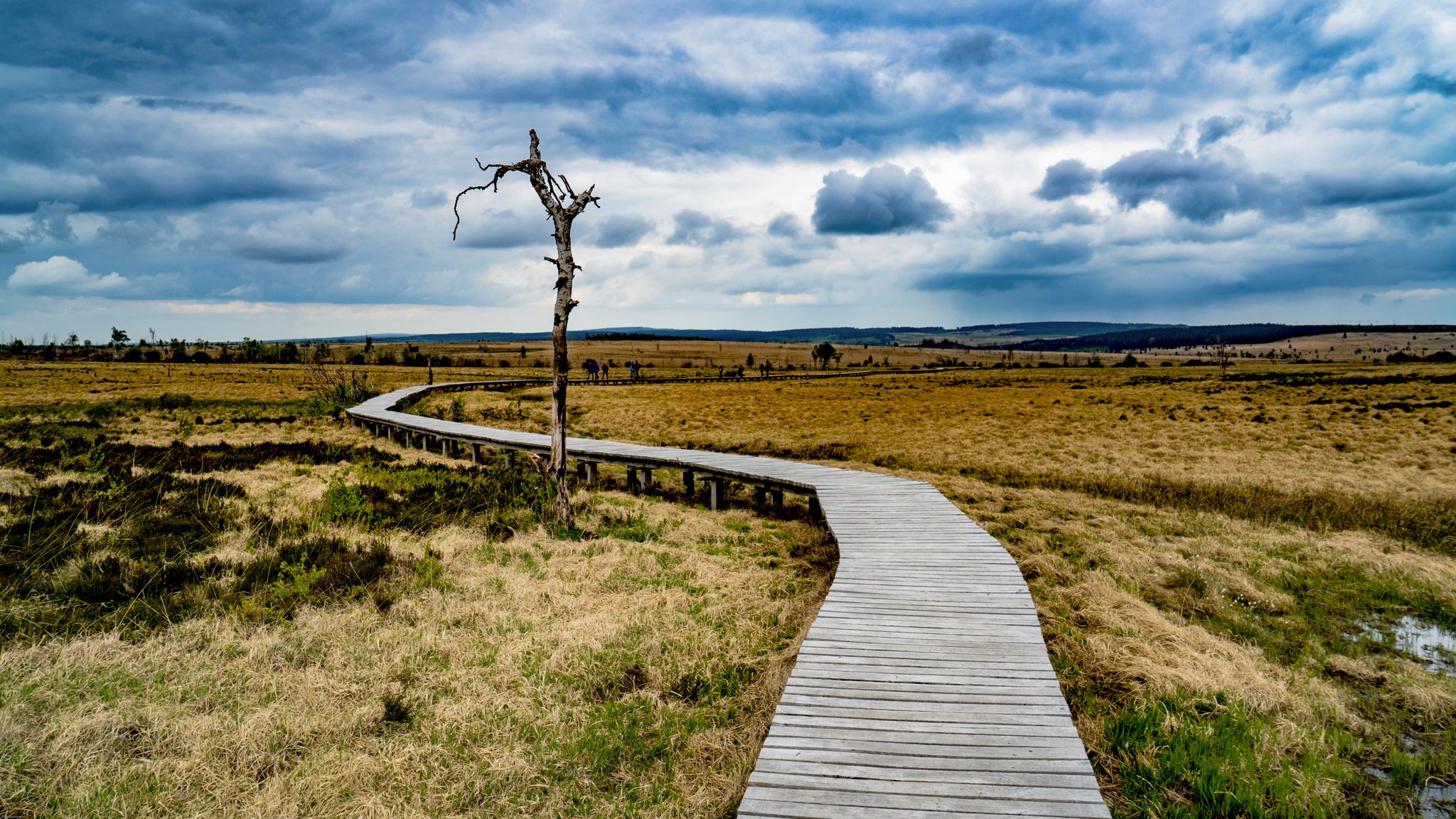
Leisure Tours on enchanted paths – hiking in East Belgium
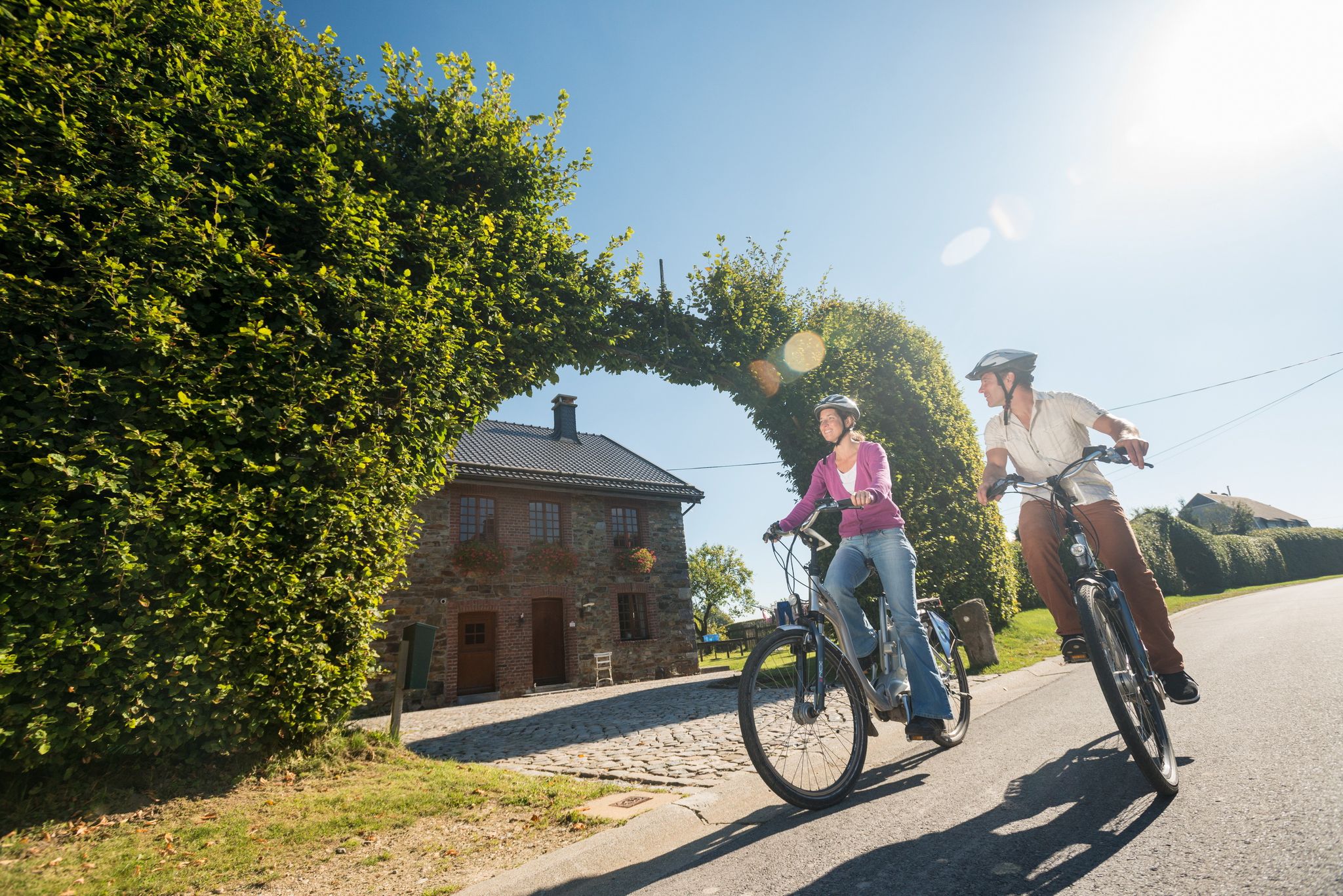
Ovelo cycle Tours in East Belgium – railway paths and natural beauty
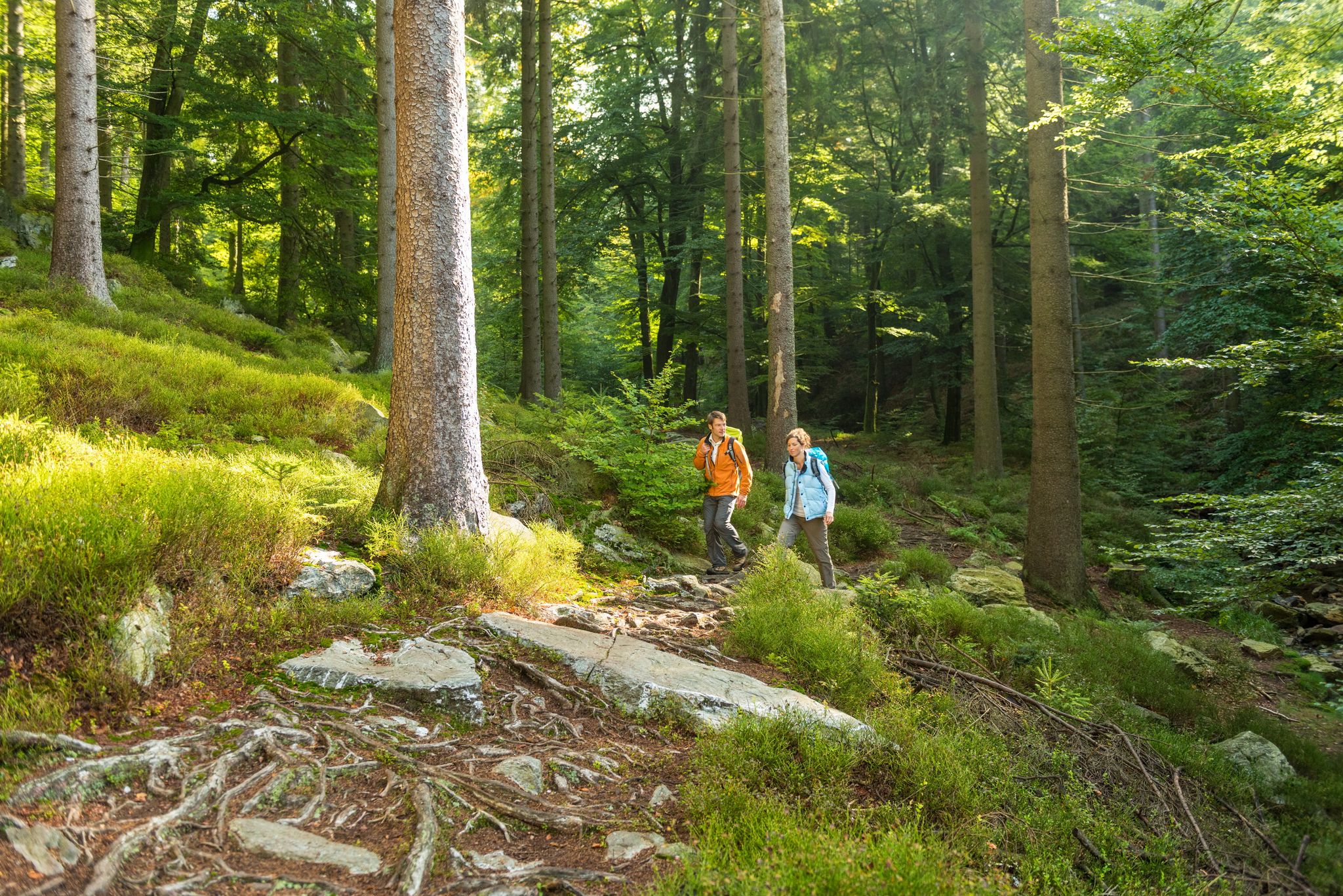
Fantastic regional footpaths — GR hiking paths in East Belgium
Other adventures around Bütgenbach


Tips from the Community

At this point there is a larger moor lake, which makes a nice photo motif, especially in fog. Above this, this moor lake is regularly visited by waterfowl such as wild ducks. If there are few people on the jetties and you approach the lake(s) quietly, there is a high probability that the animals will not be startled and scared away.
46
1
The peat that can be found everywhere in the bog and fen areas is the result of a process of incomplete decomposition. Usually, dead plants are gradually decomposed by small animals (such as earthworms), bacteria and fungi. This process applies to well-drained soils. On impervious acidic soils that do not contain many bacteria and in humid climates, plants such as peat moss are only partially decomposed. Their superimposition forms the peat layer. This peat layer can be up to 7 m in certain places here in the Brackvenn. 1 mm layer of peat takes 1 year to form. With a peat layer of 7 m, for example, we are talking about a period of 7,000 years.
52
1
Anyone who sees the beauty of the raised and low moors will never be able to let it go. The colors of the landscape, indeed the entire appearance of the High Fens, change dramatically every season. Even in winter - a breathtakingly beautiful landscape.
57
1
What is often called a lake in the Fens is often e.g. Palsas. The palsen or pingos in the High Fens were formed around 10,000 to 11,000 years ago at the end of the last ice age. When the ground froze deep down during the cold winters of the Ice Age, the wet ground expanded and frost mounds developed. Over the years these mounds grew and the soil material that was on top slid down the sides of the mounds and over time formed a ring-shaped wall around the mound of frost. With the end of the ice age, the ice melted, the frost mound sagged and the wall was preserved. The water in the middle is called bog scour or bog eye. Source: euregio-im-bild.de/fotos/palsen-im-brackvenn-bei-m-tzenich.html
66
1

What a unique landscape! Warning: hiking in the High Fens can be addictive :-)
14
0
The Trôs-Marets valley, a wonderful valley landscape with uniquely beautiful hiking trails, which fascinates every hiker.
35
2

The Fagnes are breathtakingly beautiful at any time of the year. You really have to have been here once.
14
0
Great rocks. Challenging but very nice to walk. Good shoes and sure-footedness are an advantage.
10
0
Frequently Asked Questions
What unique natural features can I explore around Bütgenbach?
The Bütgenbach region offers a diverse range of natural features. You can discover expansive reservoirs like Lake Bütgenbach, river valleys such as the Warche Valley, and unique moorlands like the High Fens. Specific highlights include the dramatic Trôs Marets Valley with its wild river, the impressive Bayehon Waterfall, and the distinctive peat formations of the Brackvenn Moor Lakes.
Are there any hidden natural gems worth discovering near Bütgenbach?
Beyond the well-known spots, the region holds several less-traveled natural gems. The Mausheck Nature Reserve in the Warche valley, for instance, features varied habitats including oak forests, semi-arid meadows, and wetlands, with an informative nature trail. The Teufelsley Rock Formation also offers a unique natural landmark with local legends and great views over the Rur Valley.
What are some of the most scenic viewpoints in the Bütgenbach area?
Many natural monuments in the Bütgenbach area offer stunning views. The Teufelsley Rock Formation provides excellent vantage points over the Rur Valley. Additionally, the Ridge Trail above Perlenau is known for its impressive rock formations and scenic vistas, almost like a high-mountain experience.
What kind of hiking trails can I find near Bütgenbach's natural monuments?
The area around Bütgenbach offers a wide variety of hiking trails, from easy walks to challenging routes. You can hike along wild rivers in gorges like the Trôs Marets Valley, explore moorlands on boardwalks in the High Fens, or traverse wooded gorges near the Bayehon Waterfall. For more detailed options, you can explore various routes in the Hiking around Bütgenbach guide.
Are there challenging trails for experienced hikers?
Yes, for experienced hikers seeking a challenge, the region offers demanding trails. The Ridge Trail above Perlenau is described as a very beautiful, demanding, and rocky path requiring sure-footedness. Some sections around the Bayehon Waterfall also feature root-covered paths that can be slippery in wet weather, requiring sturdy shoes.
Can I find circular or loop trails around the natural monuments?
Yes, there are several circular and loop trails available. For instance, you can find routes that circle Lake Bütgenbach, offering varied distances and difficulties. The Hiking around Bütgenbach guide lists options like the 'Holzwarche Boardwalks – View of Lake Bütgenbach loop from Bütgenbach' and 'Schwarzsee (High Fens) – Richelsley Cross loop'.
What other outdoor activities are available near Bütgenbach's natural monuments?
Beyond hiking, the Bütgenbach area is excellent for various outdoor activities. Lake Bütgenbach is a hub for water sports. You can also find numerous running trails, with options like the 'Warche River – Bütgenbach Reservoir loop' detailed in the Running Trails around Bütgenbach guide. Cycling is also popular, especially along the quiet, asphalted roads of the Warche Valley.
Are there family-friendly natural monuments or walks in Bütgenbach?
Absolutely. The Bayehon Waterfall is easily accessible for families, with parking available near the Moulin de Bayehon watermill. The Trôs Marets Valley hike is also suitable for families. Additionally, the Hiking around Bütgenbach guide includes an 'easy' rated route called 'Forest and water fun — kids on Tour', perfect for younger adventurers.
Are the trails around Bütgenbach's natural monuments dog-friendly?
Many trails in the Bütgenbach area are dog-friendly, allowing you to explore with your canine companion. For example, the hike through the Trôs Marets Valley is specifically mentioned as suitable for hikers with dogs. Always ensure your dog is on a leash where required, especially in nature reserves or near wildlife.
What is the best time of year to visit the natural monuments around Bütgenbach?
The best time to visit depends on what you want to experience. Mid-April is spectacular for seeing thousands of daffodils blossom in the Warche Valley. Spring and summer offer lush greenery and ideal conditions for hiking and water sports. Autumn brings vibrant fall colors to the forests. Even winter can be beautiful, with unique landscapes in the High Fens, though conditions can be colder and wetter, requiring appropriate clothing.
What should I wear when hiking in the natural monuments, especially in autumn or winter?
For autumn and winter hikes, it's crucial to dress in layers. Sturdy, waterproof hiking boots with good grip are essential, as paths can be root-covered and very slippery when wet, particularly around the Bayehon Waterfall or in the High Fens. Be prepared for colder temperatures, wind, and a wetter climate, especially in the moorlands. Waterproof outer layers are highly recommended.
Are there cafes or accommodation options near the natural monuments?
While specific cafes directly at every natural monument are rare, the municipality of Bütgenbach and nearby villages offer various options for refreshments and accommodation. You'll find places to eat and stay, particularly around Lake Bütgenbach and in the main town, providing convenient bases for exploring the surrounding natural beauty.
How long does it typically take to visit the natural monuments?
The duration of your visit can vary greatly depending on the monument and your chosen activity. A short walk to the Bayehon Waterfall might take an hour or two, while exploring the Trôs Marets Valley or a loop around Lake Bütgenbach could be a half-day or full-day hike. The Mausheck Nature Reserve's trail is 850 meters long, offering a shorter, informative experience.
Most popular routes around Bütgenbach
Most popular attractions around Bütgenbach

Get inspired with the komoot mobile app


Explore more
Extend your search for the best caves by checking out these guides of the top ones around Bütgenbach:
