Top 20 Natural Monuments around Waimes
Natural monuments around Waimes are situated within the East Cantons of Belgium, primarily encompassing the High Fens – Eifel Nature Park. This region features a diverse landscape of forests, waterways, valleys, and extensive moorlands. It is recognized for its unique plant life and preserved natural areas. Visitors can explore a variety of natural attractions, including significant geological formations and water features.
Best natural monuments around Waimes
- The most popular natural monuments is Trôs Marets Valley, a gorge that offers hiking alongside a wild river. This valley is known for its variety of landscapes and proximity to the High Fens.
- Another must-see spot is Bayehon Waterfall, a roughly 9-meter-high cascade. Situated within a deep, wooded gorge, it is easily accessible and provides numerous picturesque photo opportunities.
- Visitors also love Brackvenn Moor Lakes, a wetland area featuring unique palsa formations. These lakes are part of the High Fens and showcase the region's distinctive peat layers and diverse ecosystems.
- Waimes is known for its gorges, waterfalls, and moorlands. The region offers a variety of natural monuments to see and explore, from ancient peat bogs to impressive rock formations.
- The natural monuments around Waimes are appreciated by the komoot community, with more than 2700 upvotes and over 1000 photos shared by visitors.
Last updated: May 14, 2026
Bayehon Waterfall
Highlight • Waterfall
Translated by Google •
Tip by

Trôs Marets Valley
Highlight (Segment) • Gorge
Translated by Google •
Tip by

Sign up now to discover places like this
Get recommendations on the best single tracks, peaks, & plenty of other exciting outdoor places.
Sign up for free
Ridge Trail above Perlenau
Highlight (Segment) • Trail
Translated by Google •
Tip by

Brackvenn Moor Lakes
Highlight • Lake
The palsen or pingos in the High Fens were formed around 10,000 to 11,000 years ago at the end of the last ice age. When the ground froze deep down during the cold winters of the Ice Age, the wet ground expanded and frost mounds developed. Over the years these mounds grew and the soil material that was on top slid down the sides of the mounds and over time formed a ring-shaped wall around the mound of frost. With the end of the ice age, the ice melted, the frost mound sagged and the wall was preserved. The water in the middle is called bog scour or bog eye.
Source: euregio-im-bild.de/fotos/palsen-im-brackvenn-bei-m-tzenich.html
Translated by Google •
Tip by
Teufelsley Rock Formation
Highlight • Natural Monument
Translated by Google •
Tip by

Sign up for free to discover even more natural monuments around Waimes.
Sign up for free
Already have an account?
Start today with a free account
Your next adventure awaits.
Login or Signup
Popular around Waimes
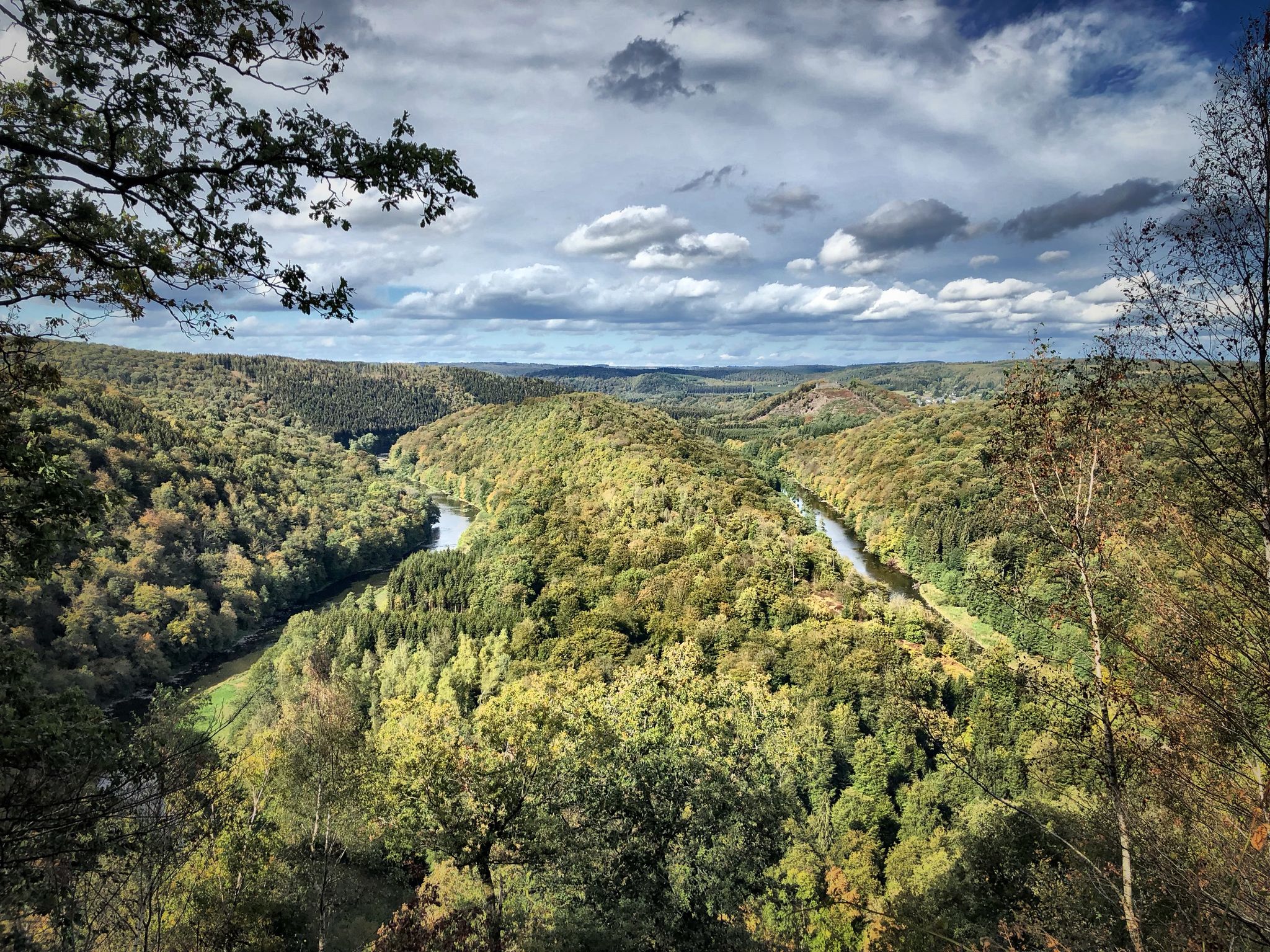
Running an ultra in Belgium – long trails in a small country
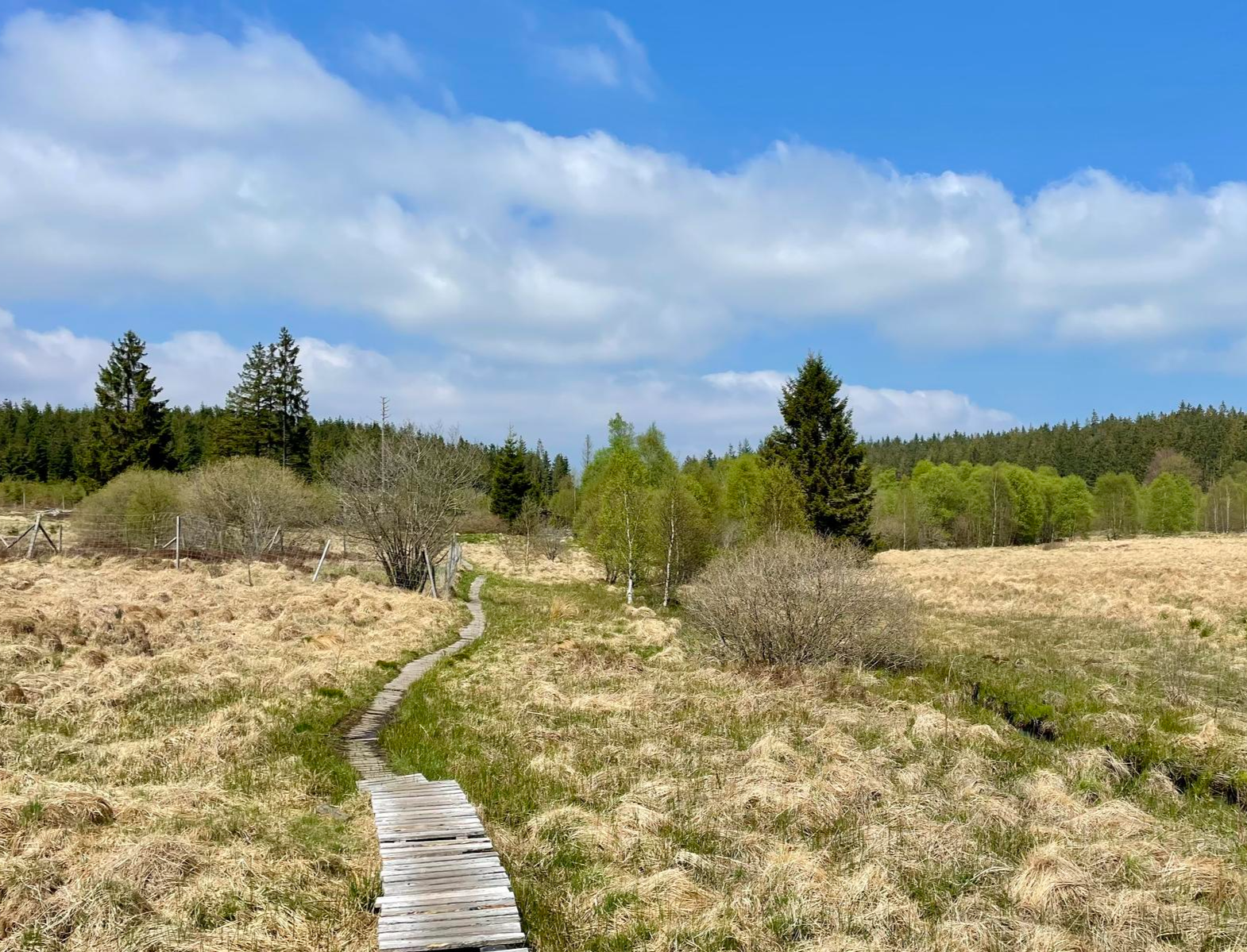
Nature et Histoire à la frontière germano-belge — Chemin du souvenir
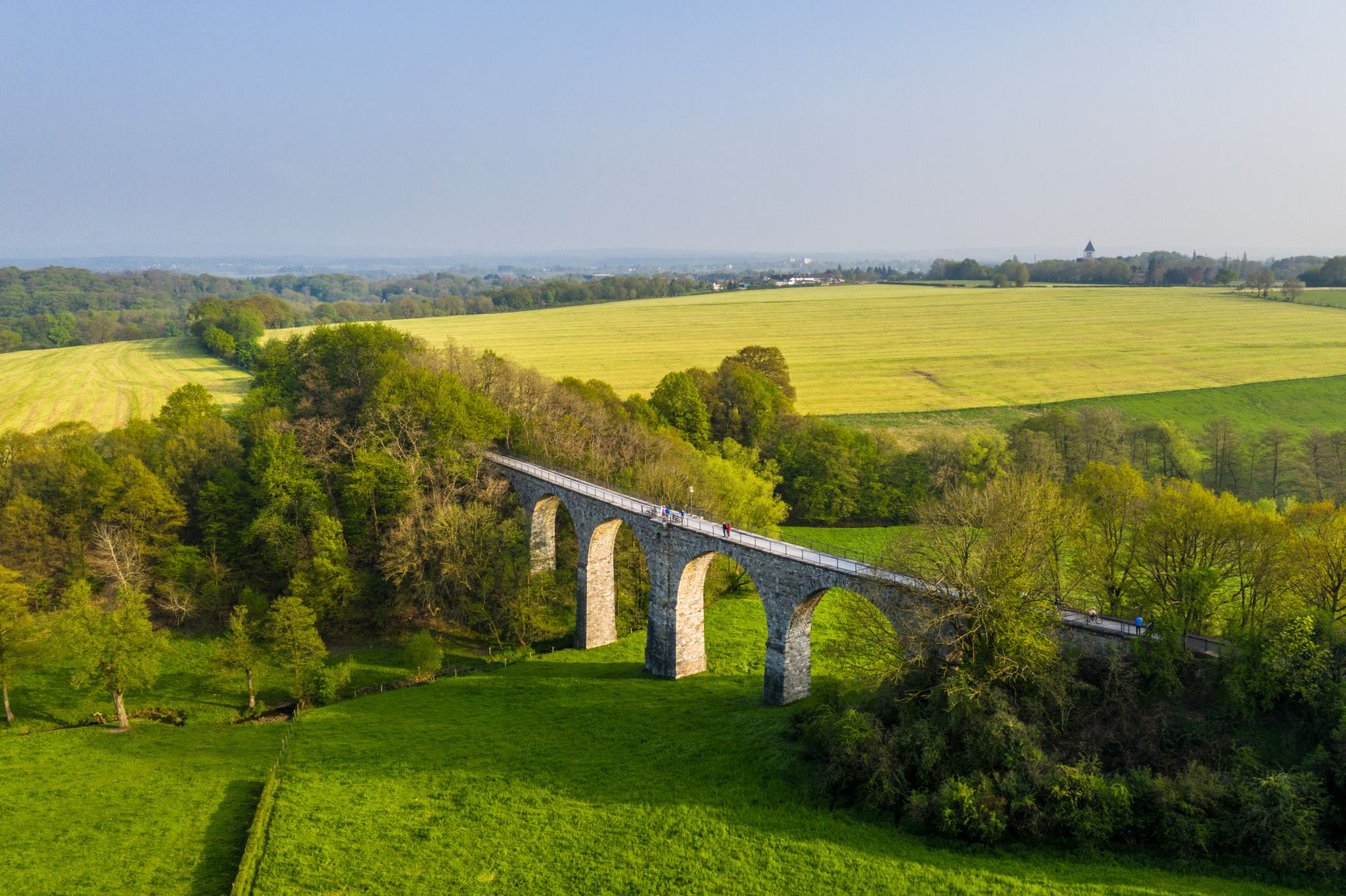
Cycling the tracks of the Vennbahn – the Vennbahnschleifen
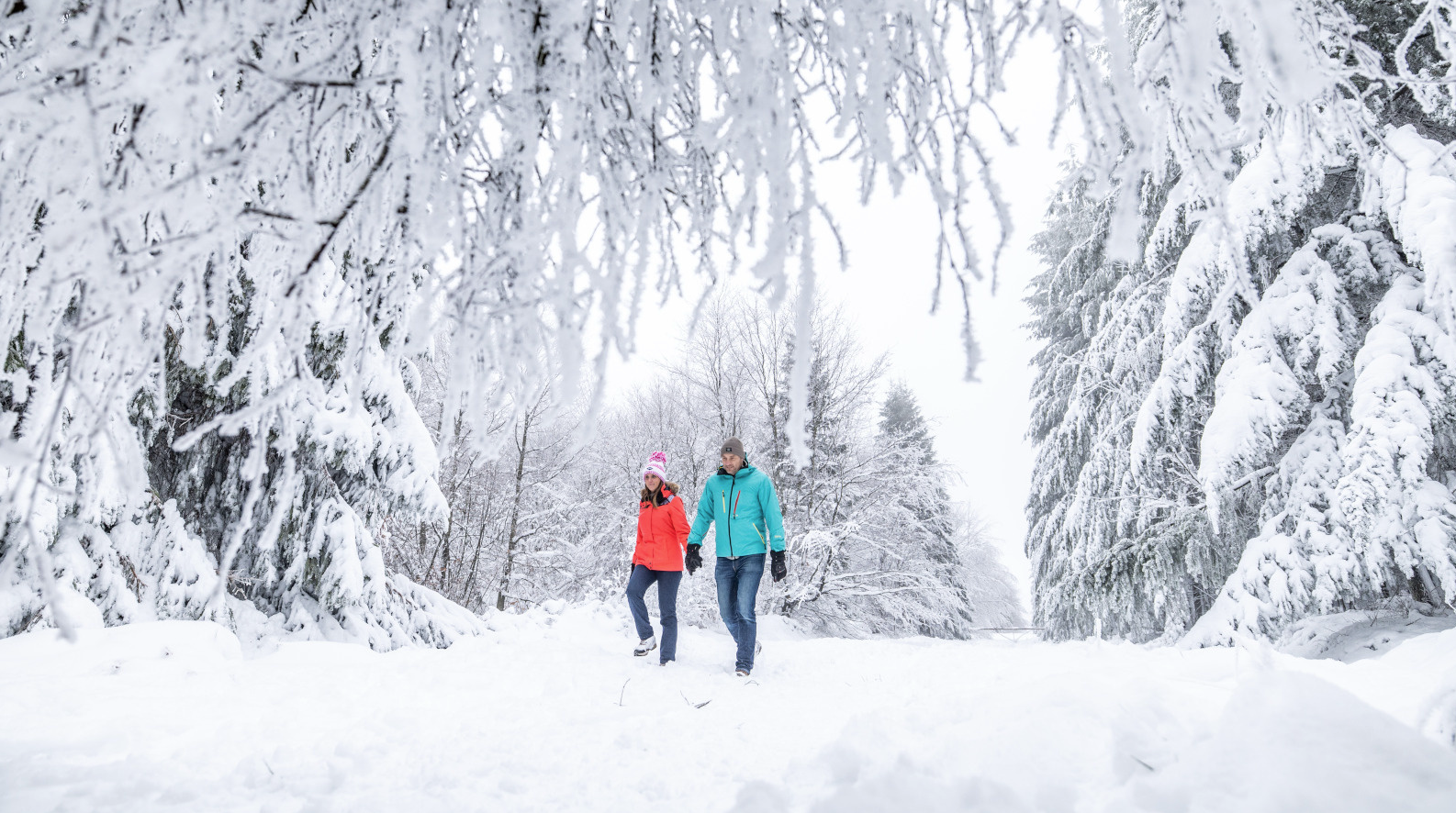
Belgian Ballads – winter hiking in the Belgian Ardennes
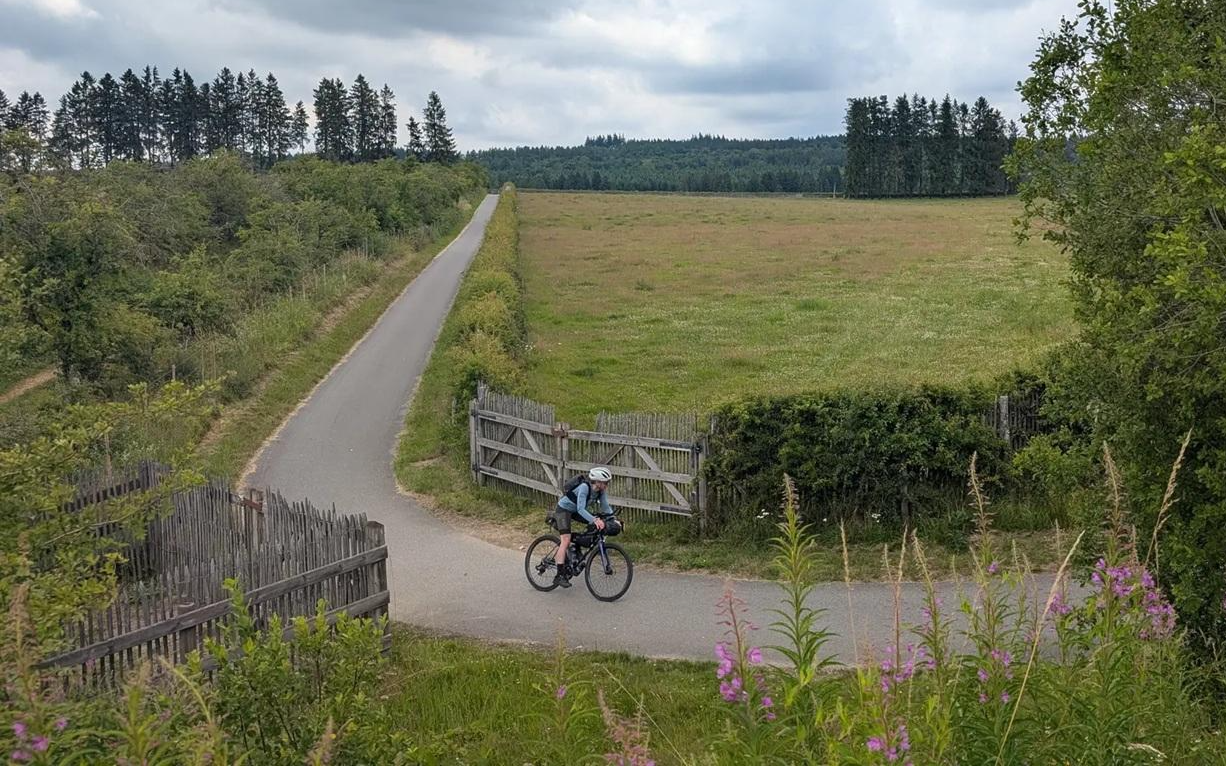
A Vennbahn voyage - bikepacking through three countries in three days
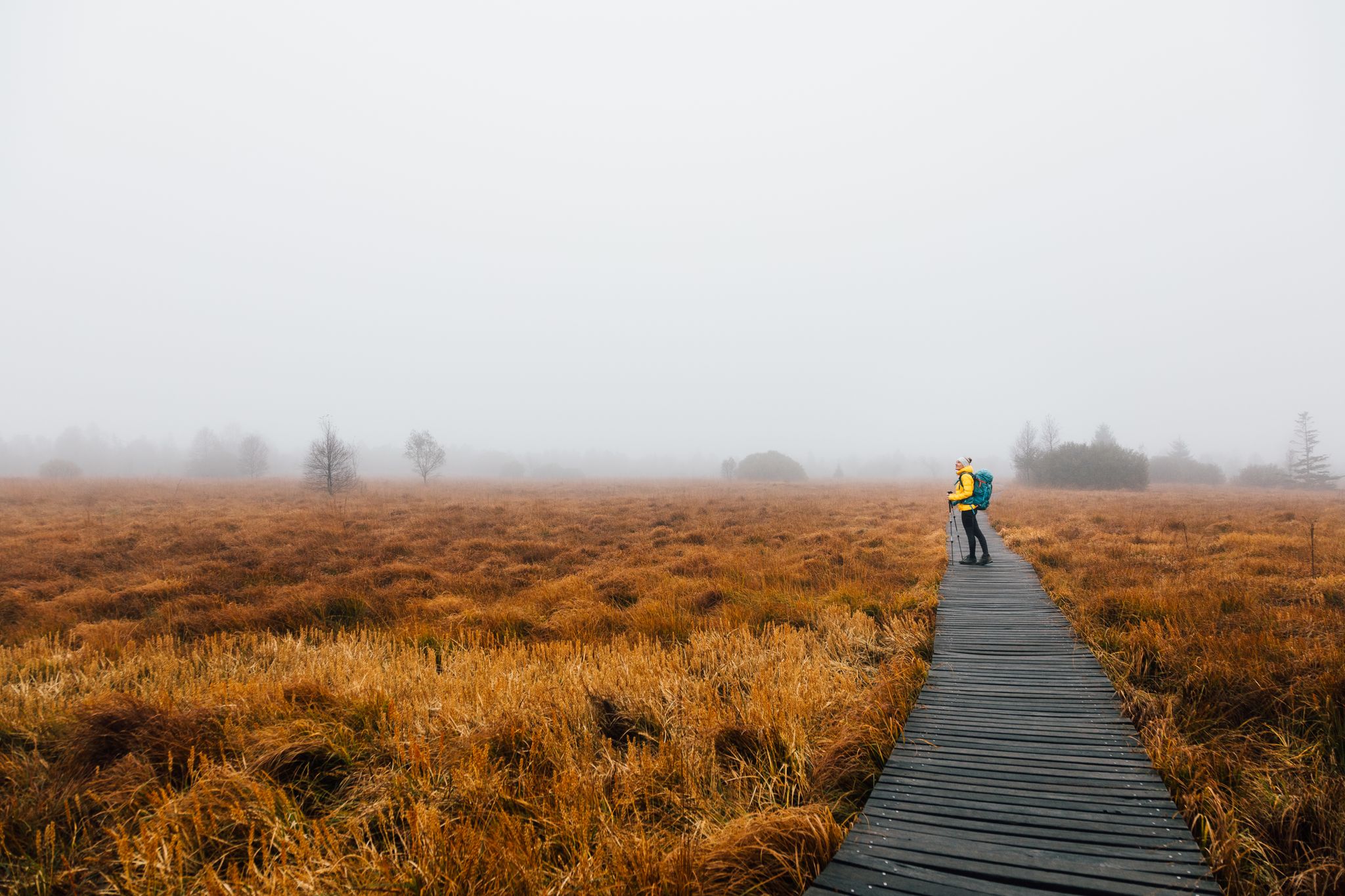
High moor to fairytale forest – three autumn days on the Venntrilogie
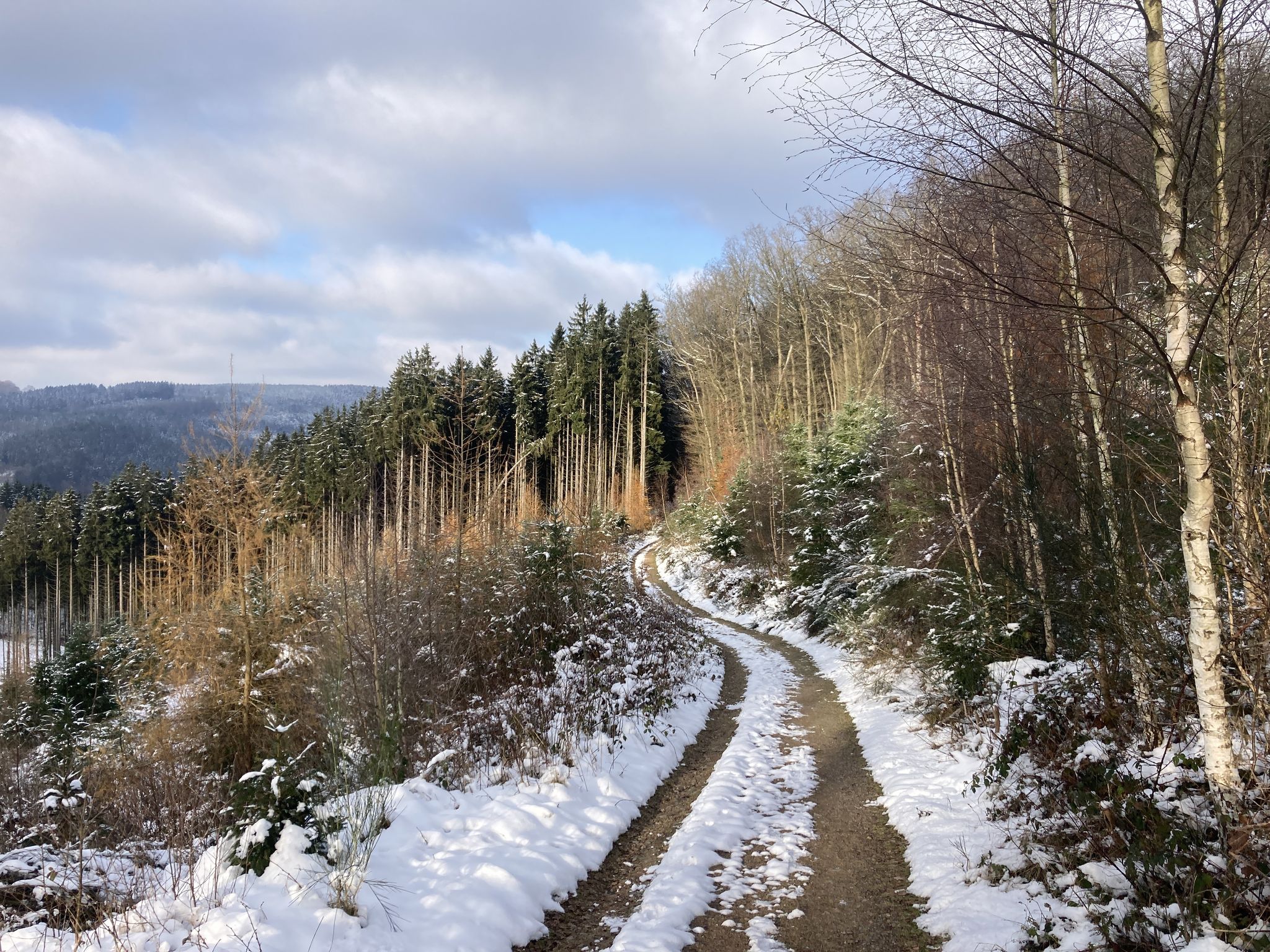
Grand Trail des Lacs & Châteaux - winter running along the Haute Fagnes
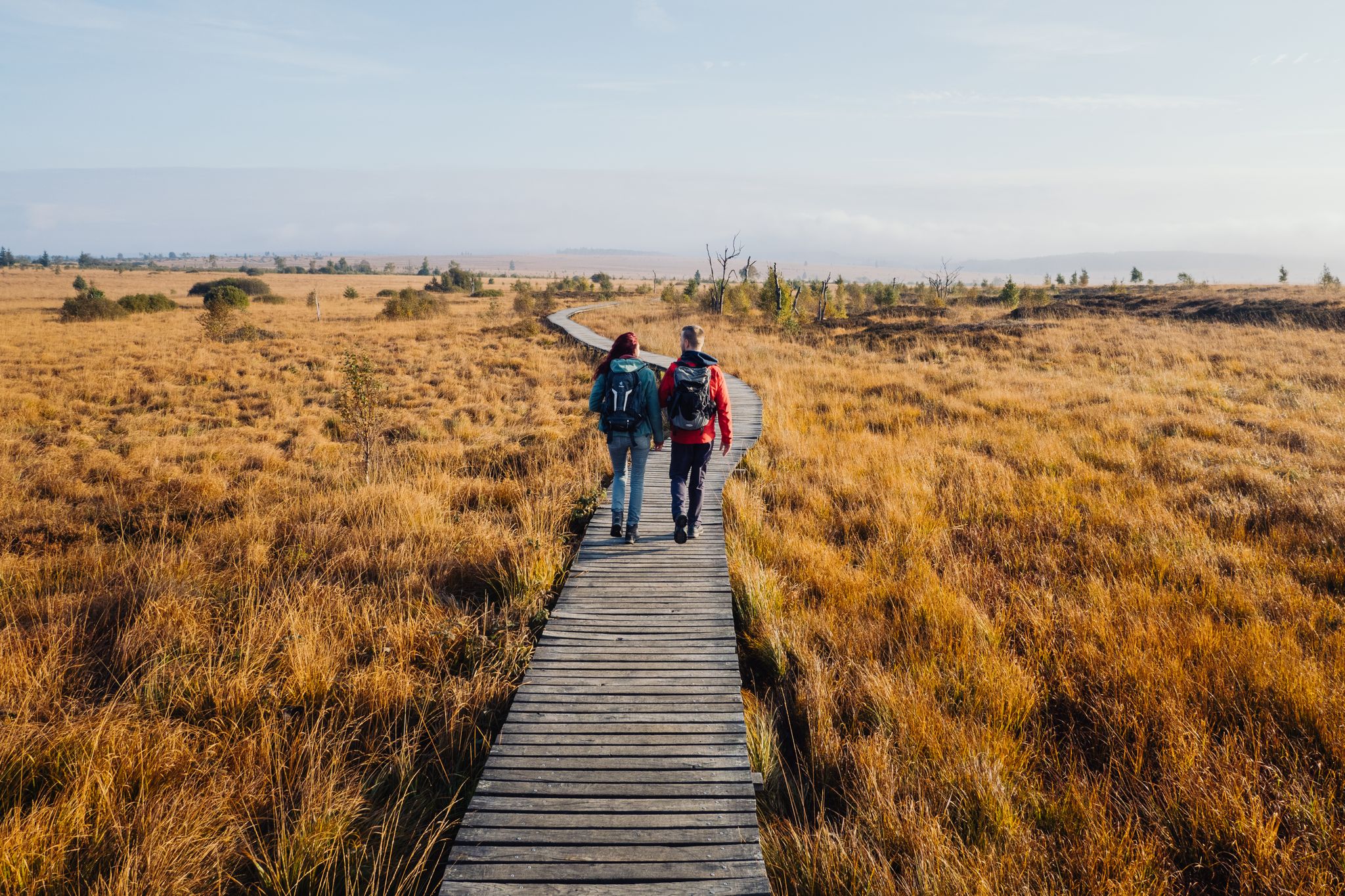
Venntrilogie – the premium hiking experience in East Belgium
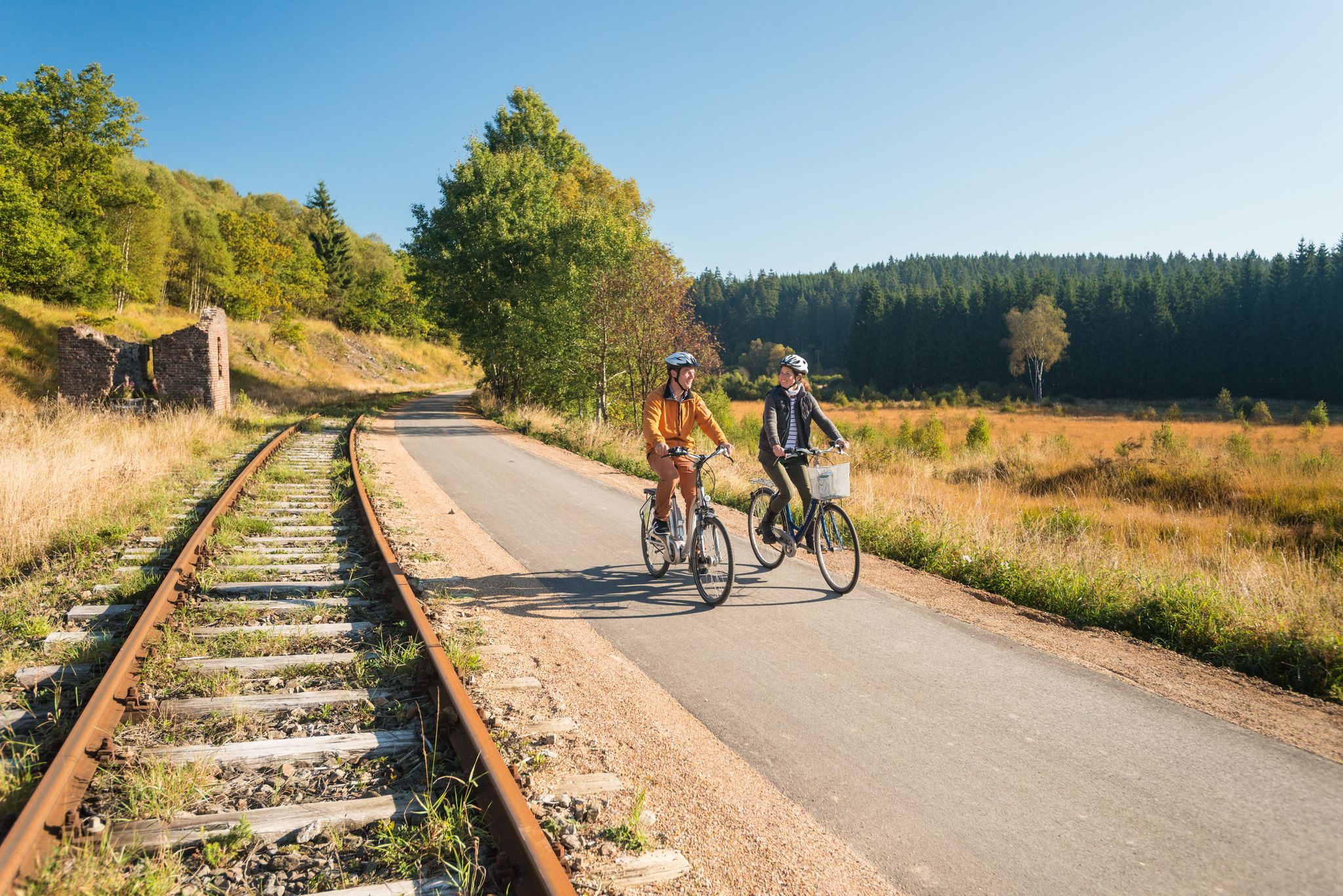
Boundless cycling pleasure on Belgium’s Vennbahn Cycle Route
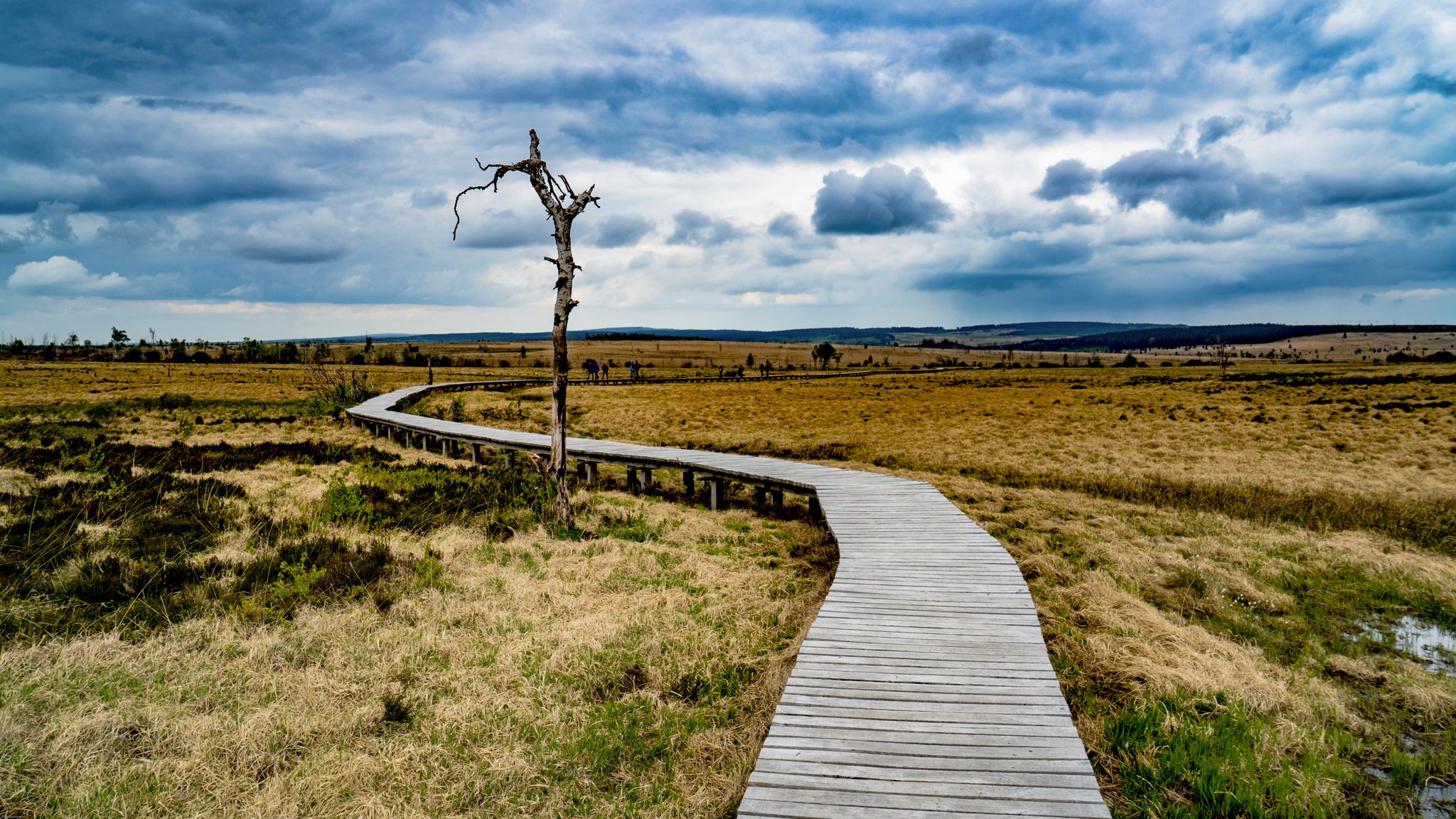
Leisure Tours on enchanted paths – hiking in East Belgium
Other adventures around Waimes


Tips from the Community

According to local tradition, an old legend explains the origin of the Teufelsley (Devil's Rock). The devil was said to have been enraged because a monastery was to be built in the region. In his anger, he dislodged a massive boulder from the heights to destroy the structure. However, as he approached with the stone, an angel intervened, thwarting the devil's plan and stopping his attack. The rock brought by the devil then remained in its present location and has been called Teufelsley ever since.
43
0
At this point there is a larger moor lake, which makes a nice photo motif, especially in fog. Above this, this moor lake is regularly visited by waterfowl such as wild ducks. If there are few people on the jetties and you approach the lake(s) quietly, there is a high probability that the animals will not be startled and scared away.
45
1
The peat that can be found everywhere in the bog and fen areas is the result of a process of incomplete decomposition. Usually, dead plants are gradually decomposed by small animals (such as earthworms), bacteria and fungi. This process applies to well-drained soils. On impervious acidic soils that do not contain many bacteria and in humid climates, plants such as peat moss are only partially decomposed. Their superimposition forms the peat layer. This peat layer can be up to 7 m in certain places here in the Brackvenn. 1 mm layer of peat takes 1 year to form. With a peat layer of 7 m, for example, we are talking about a period of 7,000 years.
51
1
Anyone who sees the beauty of the raised and low moors will never be able to let it go. The colors of the landscape, indeed the entire appearance of the High Fens, change dramatically every season. Even in winter - a breathtakingly beautiful landscape.
56
1
What is often called a lake in the Fens is often e.g. Palsas. The palsen or pingos in the High Fens were formed around 10,000 to 11,000 years ago at the end of the last ice age. When the ground froze deep down during the cold winters of the Ice Age, the wet ground expanded and frost mounds developed. Over the years these mounds grew and the soil material that was on top slid down the sides of the mounds and over time formed a ring-shaped wall around the mound of frost. With the end of the ice age, the ice melted, the frost mound sagged and the wall was preserved. The water in the middle is called bog scour or bog eye. Source: euregio-im-bild.de/fotos/palsen-im-brackvenn-bei-m-tzenich.html
65
1

What a unique landscape! Warning: hiking in the High Fens can be addictive :-)
14
0

Beautiful rock formation in the Rur Valley.
10
0

The nature reserve Unteres Perlenbachtal with the rock formations of the Teufelsley and Engelsley are located in the area of the city of Monschau. The lower course of the Perlbach includes two forest and rocky sections. In between lies the Perlenbachtalsperre. Mostly middle-aged spruces grow on the slopes. Some of the larger cliffs have been upgraded to viewpoints. A heather-like vegetation has developed in places on the rocks. Numerous ferns thrive in the shady area, including the rare thin fern (Trichomanes speciosum). The lower part of the Perlenbach up to the confluence with the Rur is accompanied by riparian forests.
16
0
Frequently Asked Questions
What makes the natural monuments around Waimes unique?
The natural monuments in Waimes are primarily situated within the expansive High Fens – Eifel Nature Park, Belgium's oldest protected natural area. This region is characterized by its diverse landscape, including forests, waterways, valleys, and extensive moorlands. You'll find unique plant life like peat moss and common heather, as well as distinctive geological formations and water features that showcase thousands of years of natural history.
Are there family-friendly natural monuments to visit in Waimes?
Yes, several natural monuments are well-suited for families. The Bayehon Waterfall, a roughly nine-meter-high cascade, is easily accessible, with parking and amenities available at the nearby Moulin de Bayehon. The Teufelsley Rock Formation also offers an intermediate, family-friendly experience with great views over the Rur Valley.
What kind of hiking trails can I find near Waimes' natural monuments?
The region offers a wide variety of hiking trails, from easy strolls to more challenging routes. You can explore wild river valleys, moorlands, and forested gorges. For a comprehensive overview of hiking options, check out the Hiking around Waimes guide, which includes routes like 'Botrange's great fen loop' and 'The magical High Fens'.
What are some of the most popular natural monuments in the Waimes area?
Among the most popular natural monuments are the Trôs Marets Valley, known for its wild river and varied landscapes, and the Bayehon Waterfall, a picturesque cascade within a wooded gorge. Visitors also highly appreciate the Brackvenn Moor Lakes, a wetland area featuring unique palsa formations and ancient peat layers.
What is the best time of year to visit the natural monuments around Waimes?
The natural monuments around Waimes offer distinct experiences throughout the year. Spring brings vibrant greenery and blooming flora, while summer is ideal for outdoor activities like swimming at Robertville Lake. Autumn transforms the forests into a spectacle of colors, and winter offers opportunities for cross-country skiing in the High Fens, especially around Signal de Botrange, when the landscape is covered in snow.
Can I bring my dog to the natural monuments in Waimes?
Many natural areas and trails around Waimes are dog-friendly, allowing you to explore with your canine companion. For example, the hike through the Trôs Marets Valley is suitable for hikers with dogs. Always ensure your dog is on a leash and that you clean up after them to preserve the natural environment for everyone.
Are there any challenging trails or viewpoints for experienced hikers?
Yes, experienced hikers will find challenging options. The Ridge Trail above Perlenau is described as a demanding, easy mountain hiking trail with rocky and root-covered sections requiring sure-footedness. The Teufelsley Rock Formation also offers excellent vantage points over the Rur Valley after an intermediate climb.
What kind of unique natural features can I expect to see in the High Fens?
Within the High Fens, you can observe unique features such as extensive moorlands, peat moss, and rare plant life. The Brackvenn Moor Lakes are particularly notable for their palsa formations, which are frost mounds formed at the end of the last ice age, creating distinctive bog scour or bog eye pools.
What other outdoor activities can I do near these natural monuments?
Beyond hiking, the Waimes region offers various outdoor activities. You can find numerous mountain biking trails, with options ranging from moderate to difficult, as detailed in the MTB Trails around Waimes guide. Running enthusiasts can explore routes like 'The best of the Bayehon and Warche valleys' from the Running Trails around Waimes guide. Robertville Lake also provides opportunities for fishing, mini-golf, canoeing, kayaking, cycling, or swimming.
What do visitors enjoy most about the natural monuments in Waimes?
Visitors frequently praise the wild and preserved nature, the opportunity for total disconnection, and the stunning scenic beauty. The diverse landscapes, from the wild river in the Trôs Marets Valley to the picturesque Bayehon Waterfall, are often highlighted. The changing colors of the landscape through the seasons, especially in the High Fens, also receive high acclaim.
Is Signal de Botrange considered a natural monument, and what can I do there?
Yes, Signal de Botrange, as the highest point in Belgium at 694 meters, is a significant natural landmark within the High Fens – Eifel Nature Park. It serves as an excellent starting point for walks in the Fens, offering panoramic views and a chance to observe local flora and fauna. In winter, it transforms into a snowy landscape, popular for cross-country skiing.
Are there any natural monuments with historical or legendary significance?
The Teufelsley Rock Formation (Devil's Rock) has a local legend associated with it. According to tradition, the devil, enraged by the construction of a monastery, attempted to destroy it with a massive boulder. An angel intervened, stopping the devil, and the rock remained in its current location, giving rise to its name and the nearby Engelsley (Angel's Rock).
Most popular routes around Waimes
Most popular attractions around Waimes

Get inspired with the komoot mobile app


Explore more
Extend your search for the best caves by checking out these guides of the top ones around Waimes:
