Top 20 Natural Monuments around Werkendam
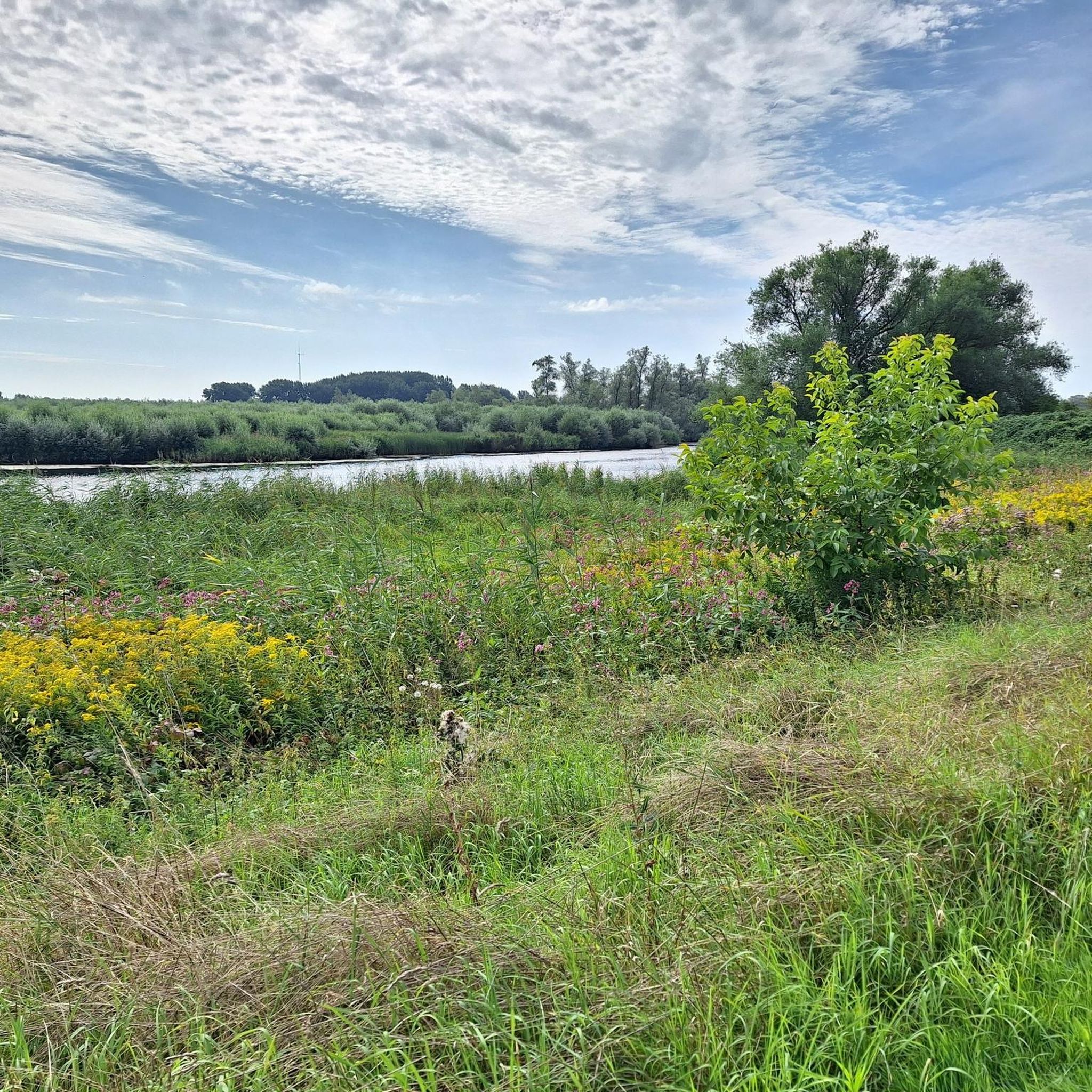
Best natural monuments around Werkendam are primarily found within National Park De Biesbosch, a significant freshwater tidal area in Europe. This expansive landscape features an intricate network of rivers, creeks, and willow forests, creating a dynamic environment. The region is known for its unique ecosystem and rich biodiversity, including beavers and numerous bird species. Werkendam serves as a starting point for exploring these natural areas.
Best natural monuments around Werkendam
- The most popular natural monuments is Munnikenland and Loevestein Castle, a castle and natural monument that offers opportunities for walking. Visitors can roam freely between horses and cattle, exploring the area without strictly adhering to marked trails.
- Another must-see spot is Hooge Hof, an other natural area and wetland. This former polder has been redesigned with walking paths, offering a wide choice of routes for exploring the Biesbosch on foot or by bicycle.
- Visitors also love Insect Hotels Overlaat, an other man-made structure and natural monument. These two playfully designed insect hotels provide living and nesting places for various insects, contributing to biodiversity in an idyllic setting.
- Werkendam is known for its diverse natural features, including historical sites, nature reserves, and unique art installations. The area offers a variety of natural monuments to see and explore, from wetlands to structures supporting local wildlife.
- The natural monuments around Werkendam are appreciated by the komoot community, with over 170 upvotes and 40 photos shared.
Last updated: October 26, 2026
Munnikenland and Loevestein Castle
Highlight • Castle
Translated by Google •
Tip by

Biesbosch Museum Island
Highlight • Historical Site
Translated by Google •
Tip by

Sign up now to discover places like this
Get recommendations on the best single tracks, peaks, & plenty of other exciting outdoor places.
Hooge Hof
Highlight • Natural
Translated by Google •
Tip by

Kaatsheuvelse Ice Rink Lake
Highlight • Lake
The construction of the ice rink started in 1933 under the direction of the Nederlandsche Heidemaatschappij. Excavators already existed, but to keep the employees busy, the excavation work could not be completed too quickly. All the sand had to be dug out with a shovel, the local history society reported on the board. “And are removed with wheelbarrows.”
The ice rink was festively opened on January 27, 1934. An ice club was also founded. That first winter there were already more than 4,000 skaters on the ice.
Animals also benefit
The ice rink brought fun not only to residents of the region. Animals also benefited from excavating the lake, says Natuurmonumenten. Outside the skating season, birds, insects and other animals would benefit from the water in the otherwise dry drifting sand area of the Loonse and Drunense Duinen.
The Kaatsheuvel ice rink can hardly be called a real ice rink anymore. The ice club was defunct in 1950 and in recent years, due to the mild winters, there is hardly any skating on the lake. But if it is possible, the skates are still tied.
Translated by Google •
Tip by

Insect Hotels Overlaat
Highlight • Structure
Insect hotels are special structures designed to provide a living and nesting place for various types of insects, such as bees, bumblebees, butterflies and other beneficial insects. They consist of different compartments and materials, such as branches, reeds, bamboo, loam and wood, and are designed to meet the specific needs of the insects, such as shelter, food and nectar sources. Insect hotels are important for nature because they contribute to the protection and enhancement of biodiversity.
Translated by Google •
Tip by

Sign up for free to discover even more natural monuments around Werkendam.
Already have an account?
Start today with a free account
Your next adventure awaits.
Popular around Werkendam
Four versatile Brabant – Nature camping route Noord-Brabant
Below the waterline of the Sint-Elisabethsvloed – Biesboschpad
Bourgondisch Brabant - 20 tasty nature walks
History and Nature – walking the Waterliniepad
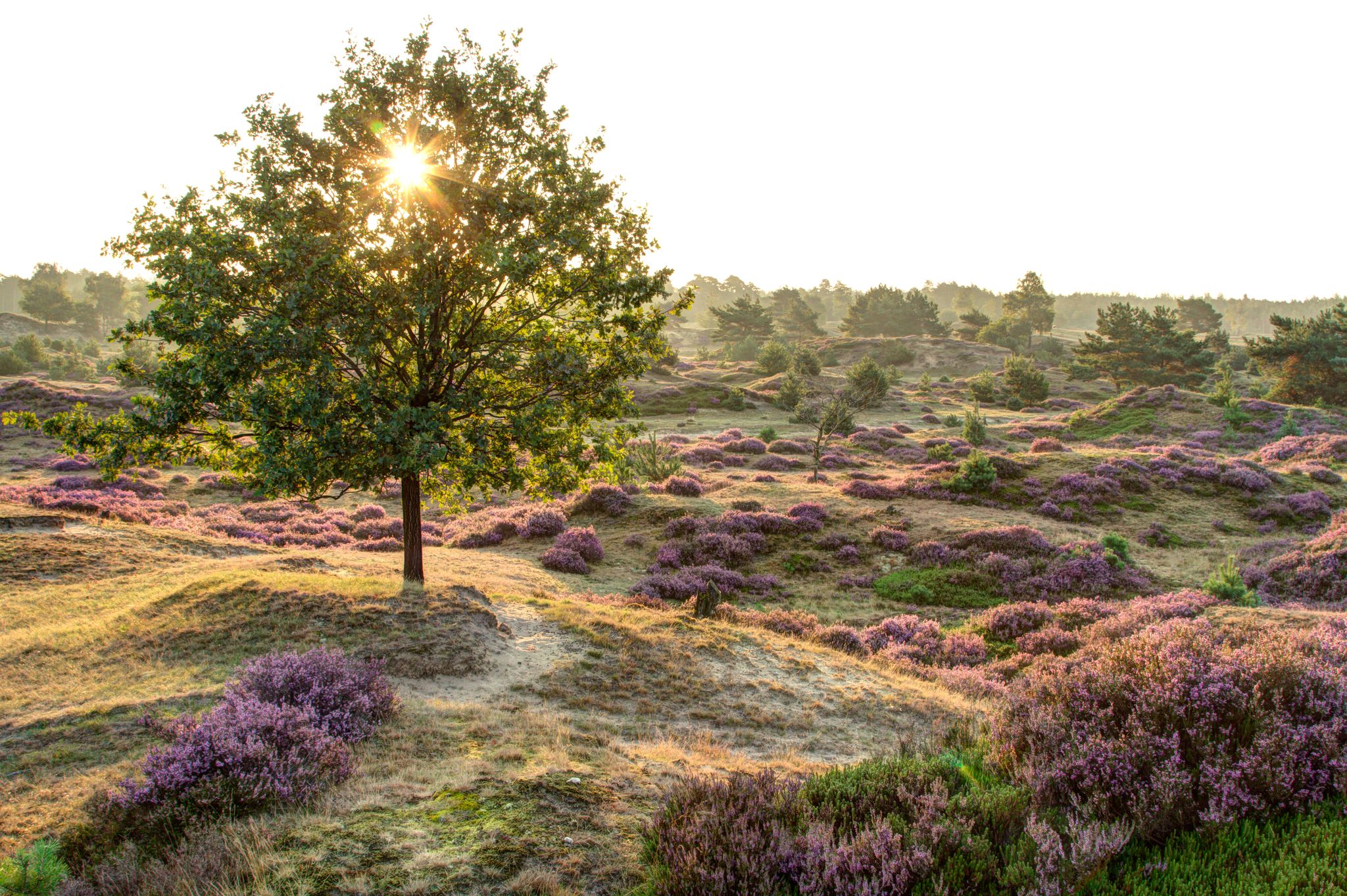
A complete hiking bucket list through every Dutch National Park
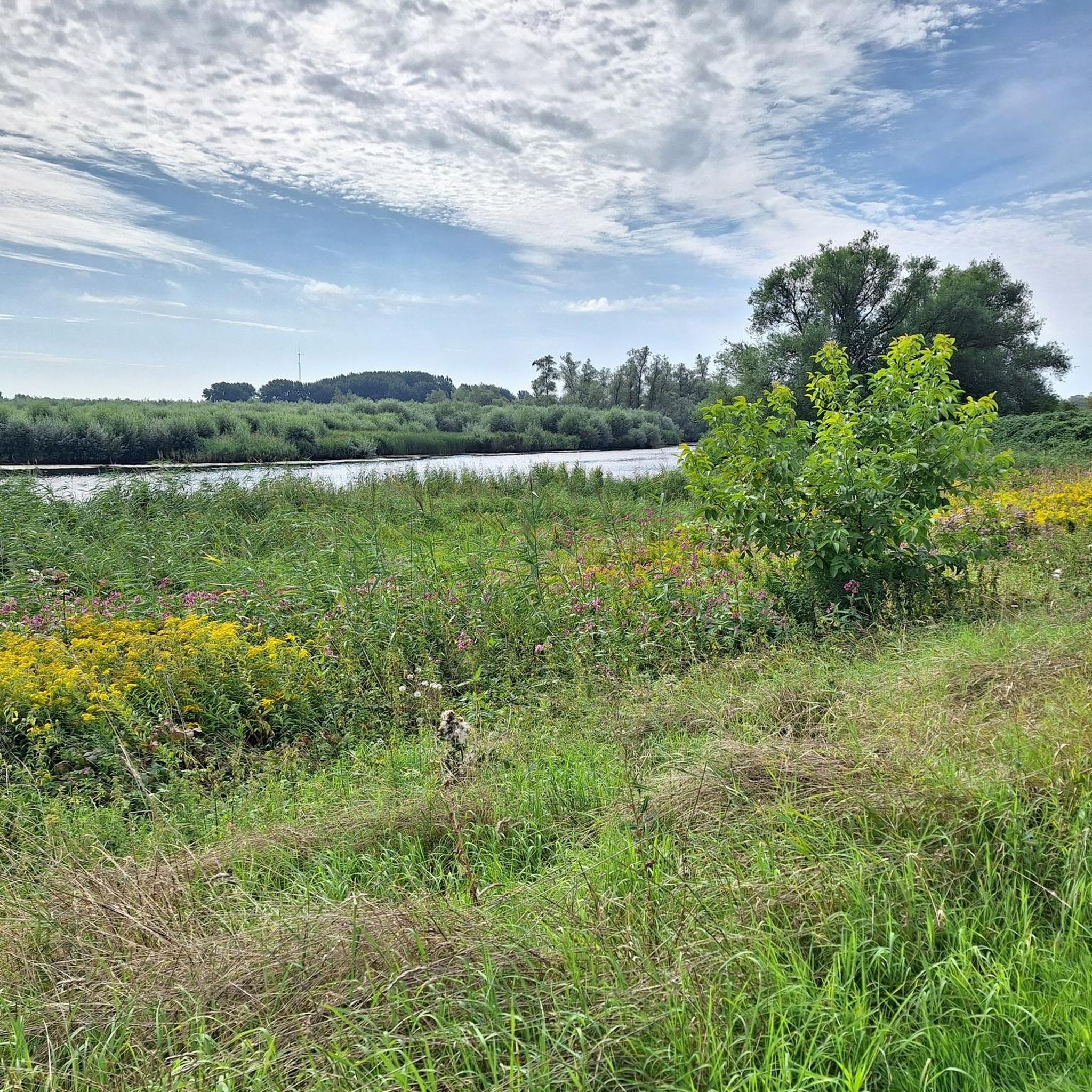
Hiking around Werkendam

Cycling around Werkendam
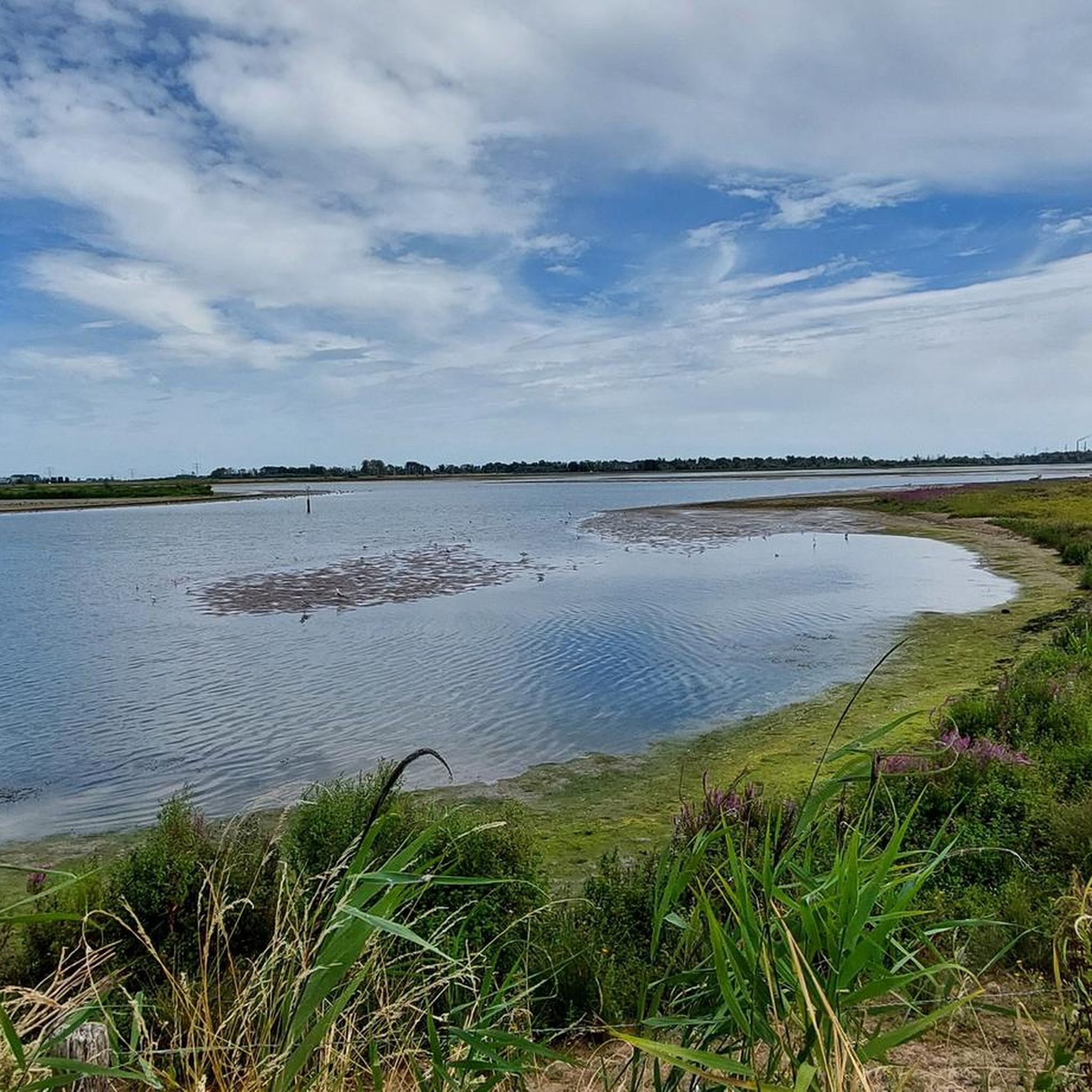
Road Cycling Routes around Werkendam
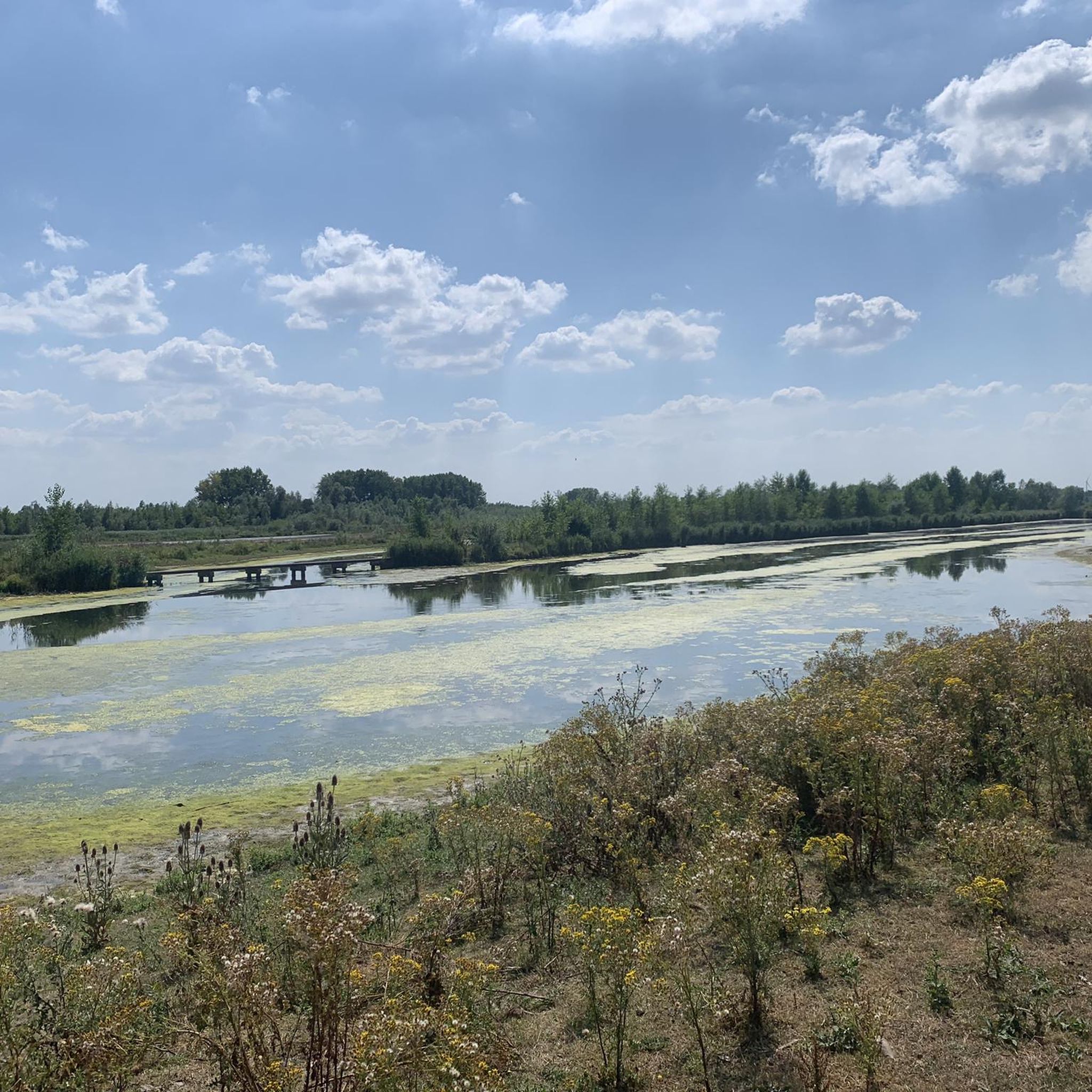
Running Trails around Werkendam
MTB Trails around Werkendam
Other adventures around Werkendam


Tips from the Community


The Biesbosch Museum, located in the heart of the National Park, conveys the history, nature and culture of this unique river landscape and invites you to learn more about the ecological importance of the area.
0
0

Lovely place (I was halfway) to rest for a while and if you want to visit the museum, or take a boat trip through the Biesbosch.
2
0

The Kaatsheuvel ice rink is not a natural fen. The lake was dug by human hands. During the crisis years 1929-1940, the government looked for a job creation project to help the unemployed find work. The municipality of Loon op Zand had an idea: an ice rink to offer residents some winter fun during those economically difficult years. The construction of the ice rink started in 1933 under the direction of the Nederlandsche Heidemaatschappij. Excavators already existed, but to keep the employees busy, the excavation work could not be completed too quickly. All the sand had to be dug out with a shovel, the local history society reported on the board. “And are removed with wheelbarrows.” The ice rink was festively opened on January 27, 1934. An ice club was also founded. That first winter there were already more than 4,000 skaters on the ice. Animals also benefit The ice rink brought fun not only to residents of the region. Animals also benefited from excavating the lake, says Natuurmonumenten. Outside the skating season, birds, insects and other animals would benefit from the water in the otherwise dry drifting sand area of the Loonse and Drunense Duinen. The Kaatsheuvel ice rink can hardly be called a real ice rink anymore. The ice club was defunct in 1950 and in recent years, due to the mild winters, there is hardly any skating on the lake. But if it is possible, the skates are still tied.
5
0

Beautiful area with many birds. Currently very wet and parts of the walking path are closed. Strolling along the Maas is fun, but now it is swampy.
2
0

In the museum there is lots and lots of information about plants, fauna and birds. Very informative. Beautiful bike route through the landscape.
4
1

Informative and beautiful model that beautifully shows the operation of the tides in the area.
2
0

Museum Biesbosch and start whisper boats.
2
0
Frequently Asked Questions
What unique natural features can I expect to see around Werkendam?
The natural monuments around Werkendam are primarily within National Park De Biesbosch, Europe's largest freshwater tidal area. You'll find an intricate network of rivers, creeks, and willow forests, creating a dynamic, 'jungle-like' environment. This unique ecosystem is shaped by freshwater tides, with water levels fluctuating significantly.
Are there good opportunities for wildlife spotting in the natural monuments near Werkendam?
Yes, National Park De Biesbosch is renowned for its rich biodiversity. It's famously home to beavers, with over 300 individuals thriving in the park. Birdwatchers can spot hundreds of species, including kingfishers, ospreys, and white-tailed eagles. Deer and foxes are also among the mammals present, offering exceptional wildlife observation opportunities.
Which natural monuments around Werkendam are suitable for families?
Several natural monuments are family-friendly. The Biesbosch Museum Island offers facilities and educational experiences. Hooge Hof, a redesigned polder with walking paths, is also great for families. Additionally, the Insect Hotels Overlaat provide an engaging and educational stop for children.
Where can I find historical or cultural sites among the natural monuments?
You can visit Munnikenland and Loevestein Castle, a historical castle set within a natural monument where you can walk freely. The Biesbosch Museum Island also serves as a historical site, conveying the history, nature, and culture of this unique river landscape.
Are there specific walking or hiking trails recommended in the natural monuments?
Yes, in areas like Hooge Hof, you'll find a wide choice of walking paths. Munnikenland and Loevestein Castle also offer beautiful walking opportunities where you can roam freely. For more options, you can explore various walking routes in the region, such as those found in the Cycling around Werkendam guide, which often include walking sections.
Can I bring my dog to the natural monuments near Werkendam?
While specific dog-friendly trail information for each natural monument isn't detailed, many natural areas in the Netherlands allow dogs on a leash. It's always best to check local signage or specific park regulations upon arrival, especially in nature reserves like De Biesbosch, to ensure responsible visiting.
What are the best ways to explore National Park De Biesbosch from Werkendam?
From Werkendam, you can explore De Biesbosch through various activities. Visitors can enjoy walking, cycling, canoeing, or sailing in electric boats. Guided excursions, including bird and beaver watching tours, are also available. The Biesbosch Museum Island is an excellent starting point for these activities.
Are there any viewpoints offering scenic vistas of the natural landscapes?
Yes, the Biesbosch Museum Island itself offers viewpoints. Additionally, the Wassende Maan Land Art in De Biesbosch includes a viewing hill from which you can observe the unique landscape artwork.
When is the best time of year to visit the natural monuments around Werkendam?
The natural monuments around Werkendam, particularly De Biesbosch, offer unique experiences year-round. Spring and summer are ideal for lush greenery, active wildlife, and water-based activities. Autumn brings beautiful colors, while winter can offer a serene, stark beauty, especially for birdwatching. The dynamic nature of the freshwater tide means the landscape is always changing.
What facilities are available at the Biesbosch Museum Island?
The Biesbosch Museum Island serves as a comprehensive starting point for exploring the National Park. It features a museum, a café, and is a hub for various tours and activities, including cycling, walking, and boating trips. It's equipped to provide visitors with information and amenities for their visit.
Are there options for cycling within the natural monuments area?
Absolutely. The Biesbosch is easily accessible by bicycle, with many small bridges and ferries connecting routes. Areas like Hooge Hof have walking and cycling paths. You can find various cycling routes, including easy and moderate options, in the Cycling around Werkendam guide.
Where can I find parking when visiting the natural monuments?
Parking is generally available at key access points to National Park De Biesbosch, such as near the Biesbosch Museum Island, which acts as a main visitor center. For other specific natural monuments, parking information is usually indicated on-site or can be found through local visitor information.
What kind of art installations can be found among the natural monuments?
The Wassende Maan Land Art in De Biesbosch is a notable example. This 4-hectare landscape artwork, shaped like a labyrinth of channels and dikes, blends art and nature. Its appearance changes with weather, seasons, and tide, offering a unique interaction between human creation and the natural environment.
Most popular routes around Werkendam
Most popular attractions around Werkendam

Get inspired with the komoot mobile app


Explore more
Extend your search for the best caves by checking out these guides of the top ones around Werkendam:
