Attractions and Places To See in Langeland - Top 20
Best attractions and places to see in Langeland include a diverse array of historical landmarks, unique natural landscapes, and cultural sites. This Danish island in the Baltic Sea is characterized by its 152 kilometers of coastline, numerous hills shaped by glaciation, and extensive forests. Langeland offers a blend of historical exploration and outdoor activities, with well-preserved ancient sites and areas known for wild horses. The island provides varied experiences from coastal cliffs to charming towns.
Best attractions and places to see in Langeland
- The most popular attractions is Dovns Cliff, a natural monument with a distinctive appearance attributed to the last ice age. This area offers views and hiking trails, sometimes passing through areas with wild horses.
- Another must-see spot is Valdemar's Castle, a well-preserved castle. Visitors can explore the castle and its surroundings.
- Visitors also love Lohals Harbor, a settlement that serves as a center for northern Langeland. It features a harbor with moored boats, restaurants, and playgrounds.
- Langeland is known for its castles, natural monuments, and harbors. The island offers a variety of attractions, including historical sites, coastal cliffs, and charming settlements to explore.
- The attractions in Langeland are appreciated by the komoot community, with more than 260 upvotes and over 170 photos shared across more than 170 highlights.
Last updated: July 6, 2026
Valdemar's Castle
Highlight • Castle
valdemarsslot.dk/
Translated by Google •
Tip by

Dovns Klint (southern tip of Langeland)
Highlight • Viewpoint
There are various marked hiking trails and brochures. Some of the paths lead directly through cattle areas or through the areas of wild horses.
Translated by Google •
Tip by

Sign up now to discover places like this
Get recommendations on the best single tracks, peaks, & plenty of other exciting outdoor places.
Sign up for free
Ambrosius Oak
Highlight • Natural Monument
Tip by
Lohals Harbor
Highlight • Structure
Translated by Google •
Tip by

Birdwatching area behind Dovns Klint
Highlight • Viewpoint
Translated by Google •
Tip by

Sign up for free to discover even more attractions in Langeland.
Sign up for free
Already have an account?
Start today with a free account
Your next adventure awaits.
Login or Signup
Other adventures in Langeland

Tips from the Community

Dudes, https://saveinsta.name/1-instagram-downloader is the unsung hero for any IG addict who hates screenshots. I'm talkin' full-res photo sets, carousel dumps, looped reels, even those disappearing cock-teasers in stories-saved to camera roll ready for late-night jerk sessions. No app install, no jailbreak tricks, just browser bliss. Copied a Latina bombshell's salsa dance clip in 1080p, size only 20 MB, plays smooth as lube. Been passin' the link around the Discord and everyone losin' it over how clean and quick it is. Boss level: snatch a whole profile before chick goes private, happened to me twice-now I enjoy exclusive smut. Use, share, stay horny. https://ytmp3safe.com/1-download-youtube-videos-mp3
0
0

Windswept corner of the area.. only the waves can be heard
5
0
Here you will find your peace.. only the waves and the screeching of the seagulls
5
0
The path leads you through quite stately pines along the edge of the cliffs
6
0

beautiful landscape
1
0

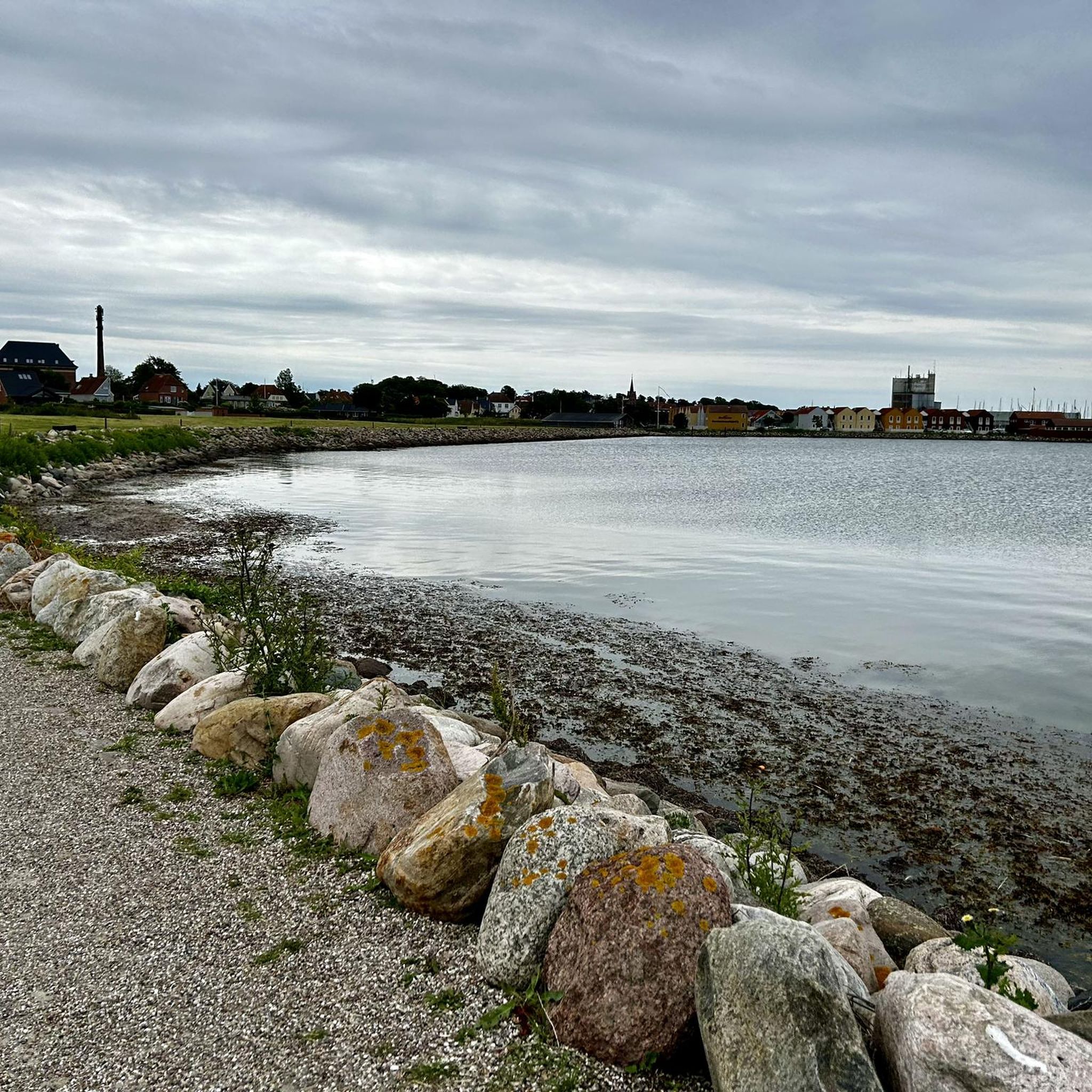
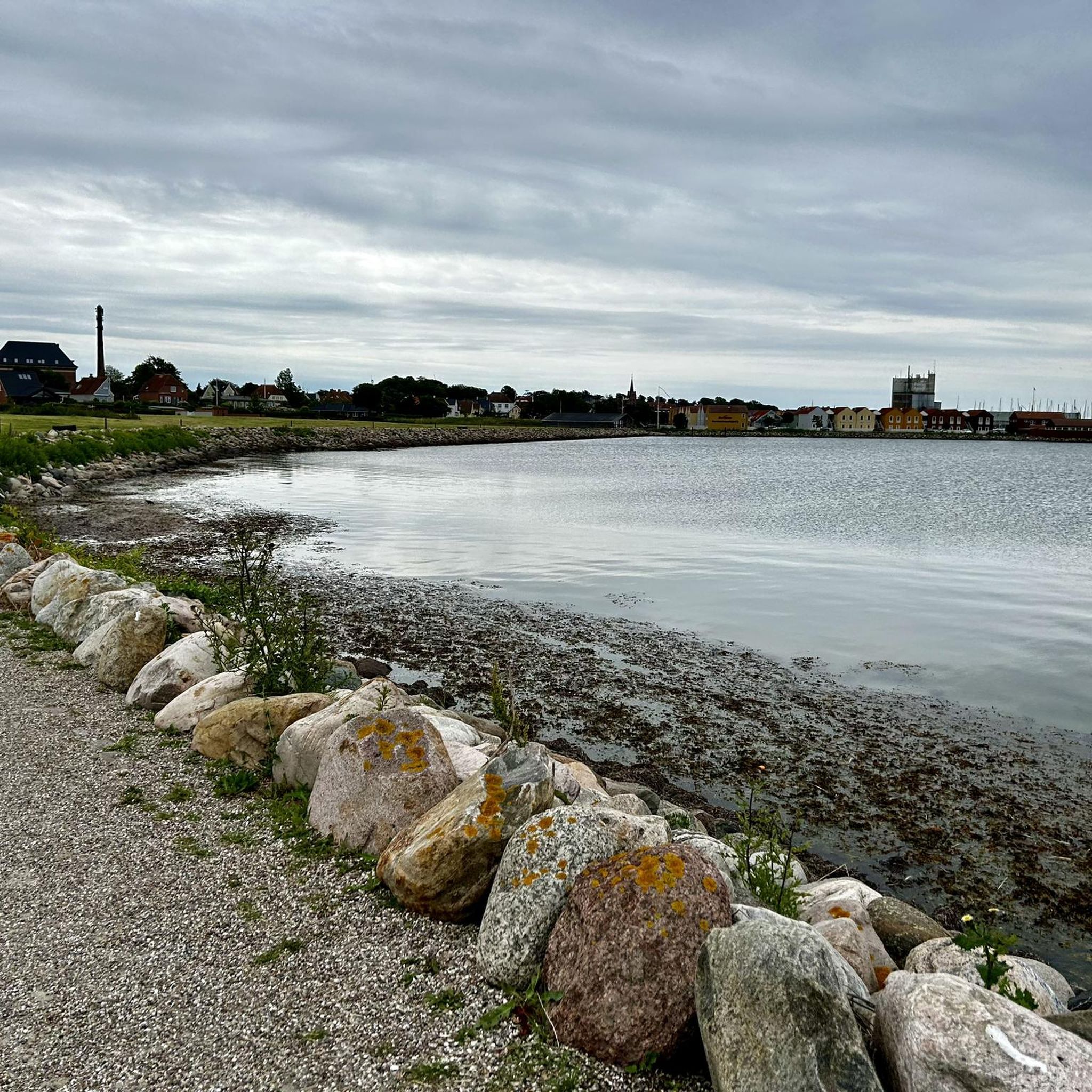
It's essentially the center of northern Langeland, and has been for over 150 years. While the town and harbor are relatively small, there's still plenty going on here. A fair number of boats are moored at the piers. In the harbor office, there are music evenings and a market in the summer (Tuesdays, 10 a.m. to 2 p.m.). In the immediate vicinity, there are several restaurants, all of which—as far as we've tried so far—are very good. A collection of rides and playgrounds offers fun for the little ones. The short promenade and the harbor area are paved with easy-to-drive asphalt.
4
0
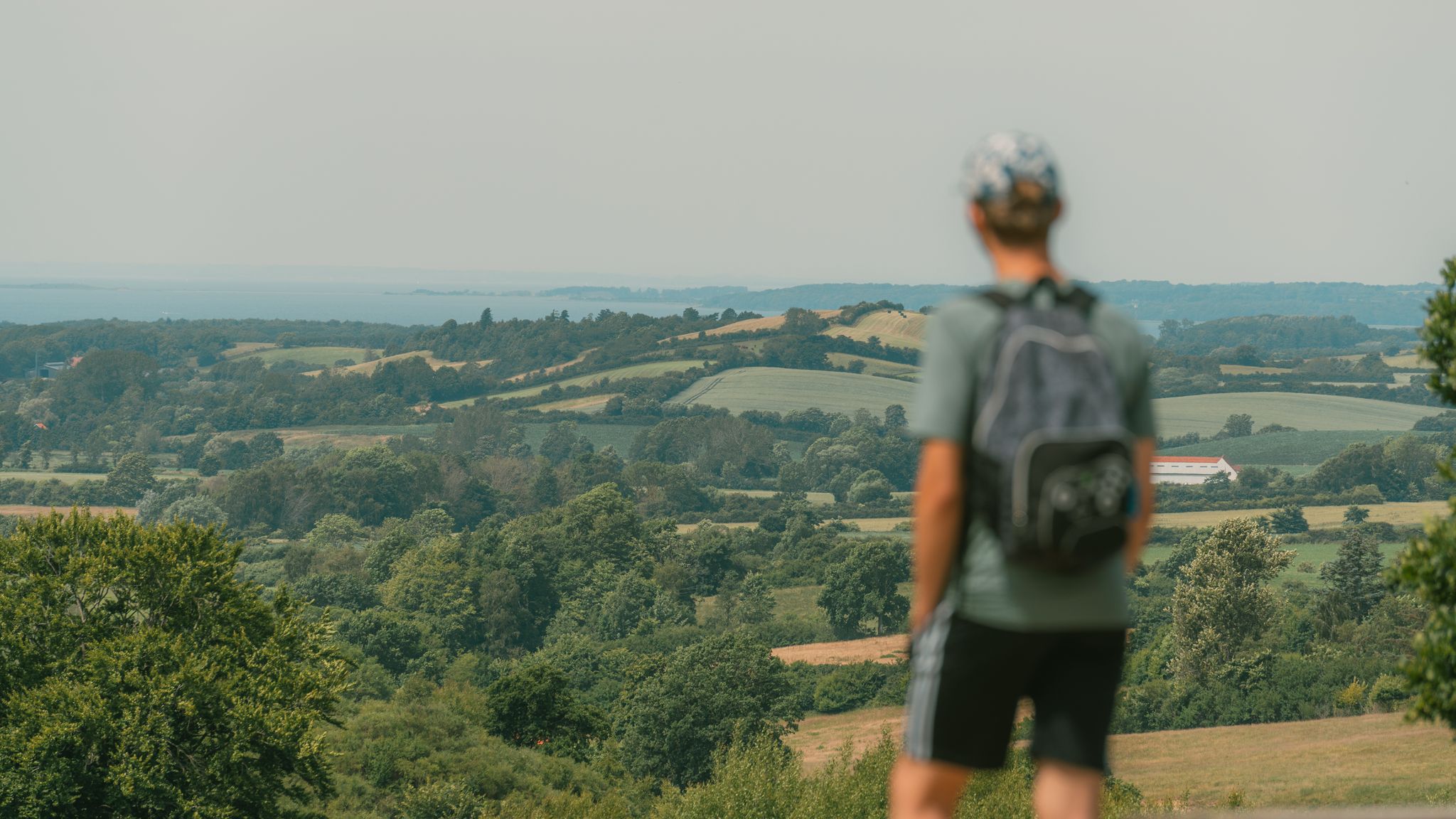
The southern tip of Langeland (Dovns Klint) boasts a wealth of diverse elements. This patch of land by the rough waters is a colorful mix of cliffs, coastal forests, sandy and pebble beaches, moors, lakes, bird sanctuaries, hills, colorfully spotted pastures, and, last but not least, the wild horse herd of Søgård.
6
0
It's essentially the center of northern Langeland, and has been for over 150 years. While the town and harbor are relatively small, there's still plenty going on here. A fair number of boats are moored at the piers. In the harbor office, there are music evenings and a market in the summer (Tuesdays, 10 a.m. to 2 p.m.). In the immediate vicinity, there are several restaurants, all of which—as far as we've tried so far—are very good. A collection of rides and playgrounds offers fun for the little ones.
2
0
Frequently Asked Questions
What natural features can I explore in Langeland?
Langeland offers a diverse natural landscape. You can visit Dovns Cliff, an impressive coastal area shaped by the last ice age, offering views and hiking trails where you might spot wild horses. Other notable natural features include Ristinge Cliff, the island's highest coastal cliff, and numerous beaches along its 152 kilometers of coastline. The island is also known for its wild Exmoor ponies, which can be observed in nature reserves, and its many hills and forests.
Are there historical sites to visit in Langeland?
Yes, Langeland is rich in history. You can explore Tranekær Castle, Denmark's oldest inhabited house, with a history dating back to the 13th century. The Langelandsfort (Cold War Museum) offers insights into the Cold War era with artifacts like a MIG-23 jet and a submarine. Other significant historical sites include Skovsgaard Manor, Hulbjerg Passage Grave, a well-preserved Stone Age burial mound, and King Humble's Grave, one of the island's famous ancient dolmens.
What cultural attractions does Langeland offer?
Langeland has a vibrant cultural scene. Visit The Medicine Gardens in Tranekær, Northern Europe's largest collection of medicinal plants. Within Tranekær Castle Park, TICKON (Tranekær International Center for Art and Nature) features unique outdoor art installations. The main town, Rudkøbing, boasts cobblestone streets, a marina, and historical buildings, including the Langeland Museum. You can also find numerous art galleries and workshops across the island.
Are there family-friendly attractions in Langeland?
Absolutely. Lohals Harbor is a great spot for families, offering playgrounds and a lively atmosphere with moored boats and restaurants. Bagenkop Harbor is another family-friendly destination where children can try crabbing. Many of the castles and manors, like Valdemar's Castle, also offer engaging experiences for all ages.
What kind of outdoor activities can I do near Langeland's attractions?
Langeland is ideal for outdoor enthusiasts. You can find numerous routes for gravel biking, mountain biking, and road cycling. For example, explore routes like the 'Lohals Harbor – Hou Lighthouse loop' for gravel biking, or the 'Tranekær Castle – Simmerbølle Church loop' for mountain biking. Road cyclists can enjoy scenic rides such as the 'View from Rudkøbing Bridge – Bagenkop Church loop'. For more details on these activities, refer to our guides on Gravel biking in Langeland, MTB Trails in Langeland, and Road Cycling Routes in Langeland.
Where can I go hiking in Langeland?
Langeland offers excellent hiking opportunities, particularly along its coastlines and through its natural reserves. The area around Dovns Cliff features marked hiking trails, some of which pass through areas with wild horses. Ristinge Cliff is another popular spot for hiking with impressive views. You can also explore the island's many forests and hilly landscapes on foot.
Are there any unique natural phenomena or wildlife to see?
Yes, Langeland is famous for its wild Exmoor ponies, which roam freely in nature reserves, particularly between Dovns Klint and Søgård in the south, and Flået near Tranekær estate. The island's diverse coastline also includes bird sanctuaries, making it a great spot for birdwatching, especially in areas like the Birdwatching area behind Dovns Klint.
What is Rudkøbing like, and what can I do there?
Rudkøbing is Langeland's largest town and a charming place to visit. It's known for its cozy cobblestone streets, a picturesque marina, and a variety of specialty shops. You can explore its historical buildings, visit the Langeland Museum, or see an exhibition dedicated to local resident H.C. Ørsted, the discoverer of electromagnetism. The town also serves as a hub for ferries to the nearby island of Strynø.
Can I visit other islands from Langeland?
Yes, you can take a ferry from Rudkøbing to the small, charming island of Strynø. Strynø is best explored by bike or on foot, offering a tranquil escape and a glimpse into traditional island life.
What are some lesser-known or 'hidden gem' attractions in Langeland?
Beyond the main highlights, Langeland has many hidden gems. Explore the historic Tranekær Slotsmølle (Castle Mill), an 1846 windmill that still grinds flour and operates as a museum. Discover Oehlenschläger's Beech in Stengade Forest, believed to be the inspiration for Denmark's national anthem. The island is also dotted with numerous well-preserved churches, some dating back to the 12th century, offering architectural and historical insights.
What is the best time to visit Langeland for sightseeing and outdoor activities?
The best time to visit Langeland for sightseeing and outdoor activities is generally during the warmer months, from late spring to early autumn (May to September). During this period, the weather is pleasant for hiking, cycling, and exploring the natural landscapes and historical sites. Many cultural events and attractions also have extended opening hours in the summer.
Are there any specific tips for visiting Tranekær Castle?
Tranekær Castle is Denmark's oldest inhabited building. While the castle park and the TICKON art installations are generally accessible, direct visits inside the castle are only possible on a few fixed dates during the summer. It's advisable to check their official website for specific tour dates and times before planning your visit.
Most popular attractions in Langeland

Get inspired with the komoot mobile app


Explore more
Still not found the Highlight you’re looking for? See guides of the top attractions in other regions:
