Top 20 Natural Monuments around Hoegaarden
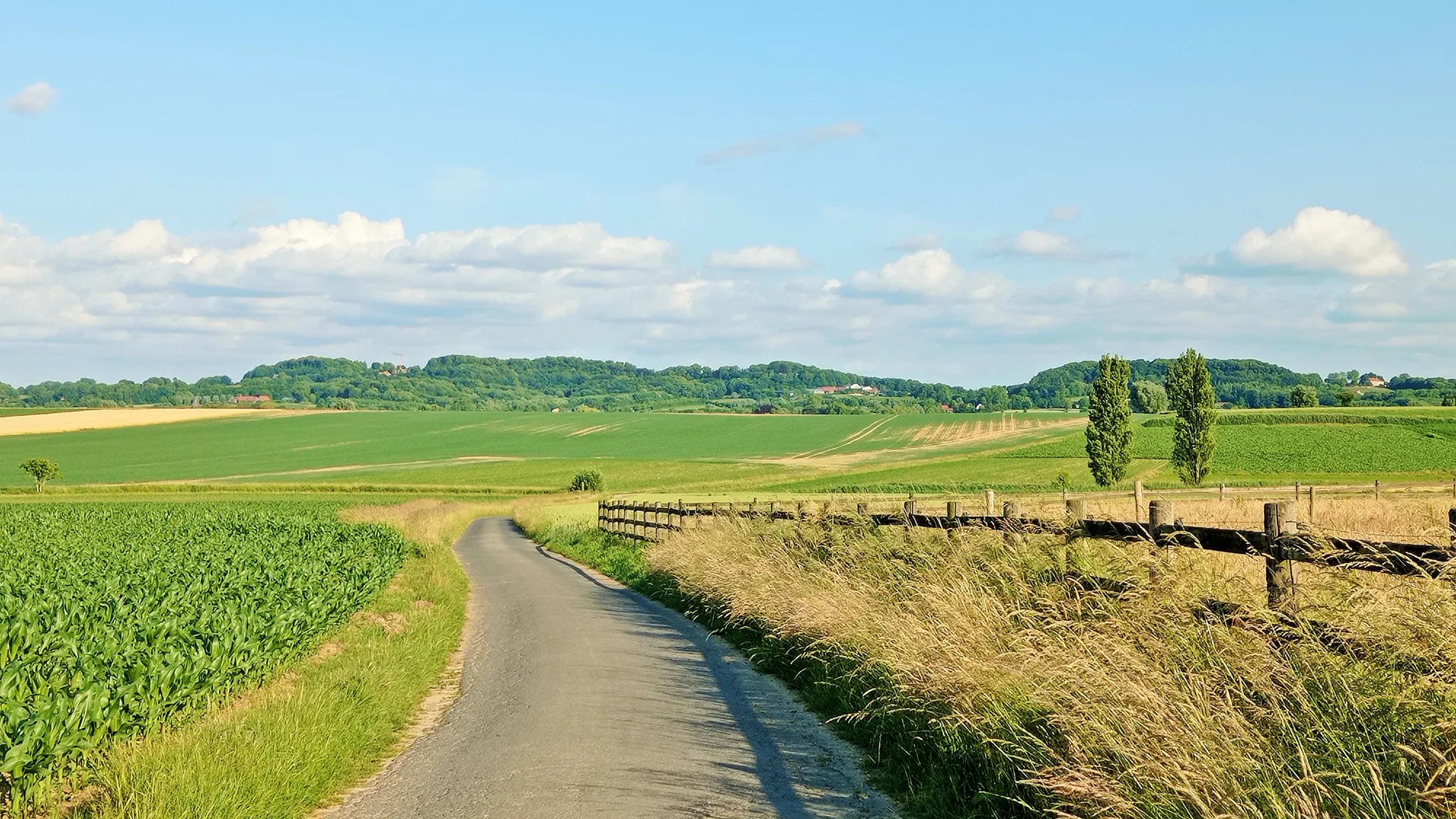
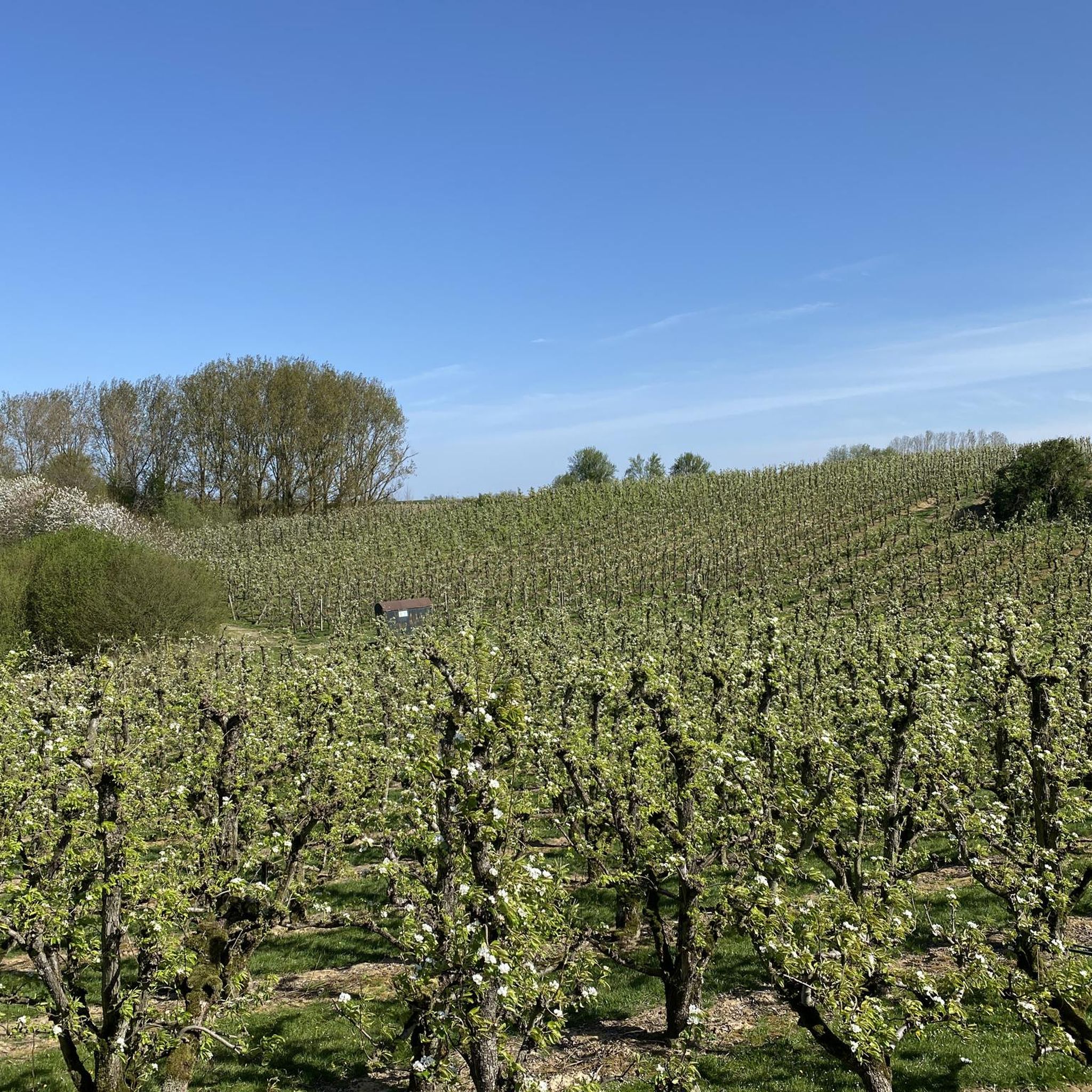
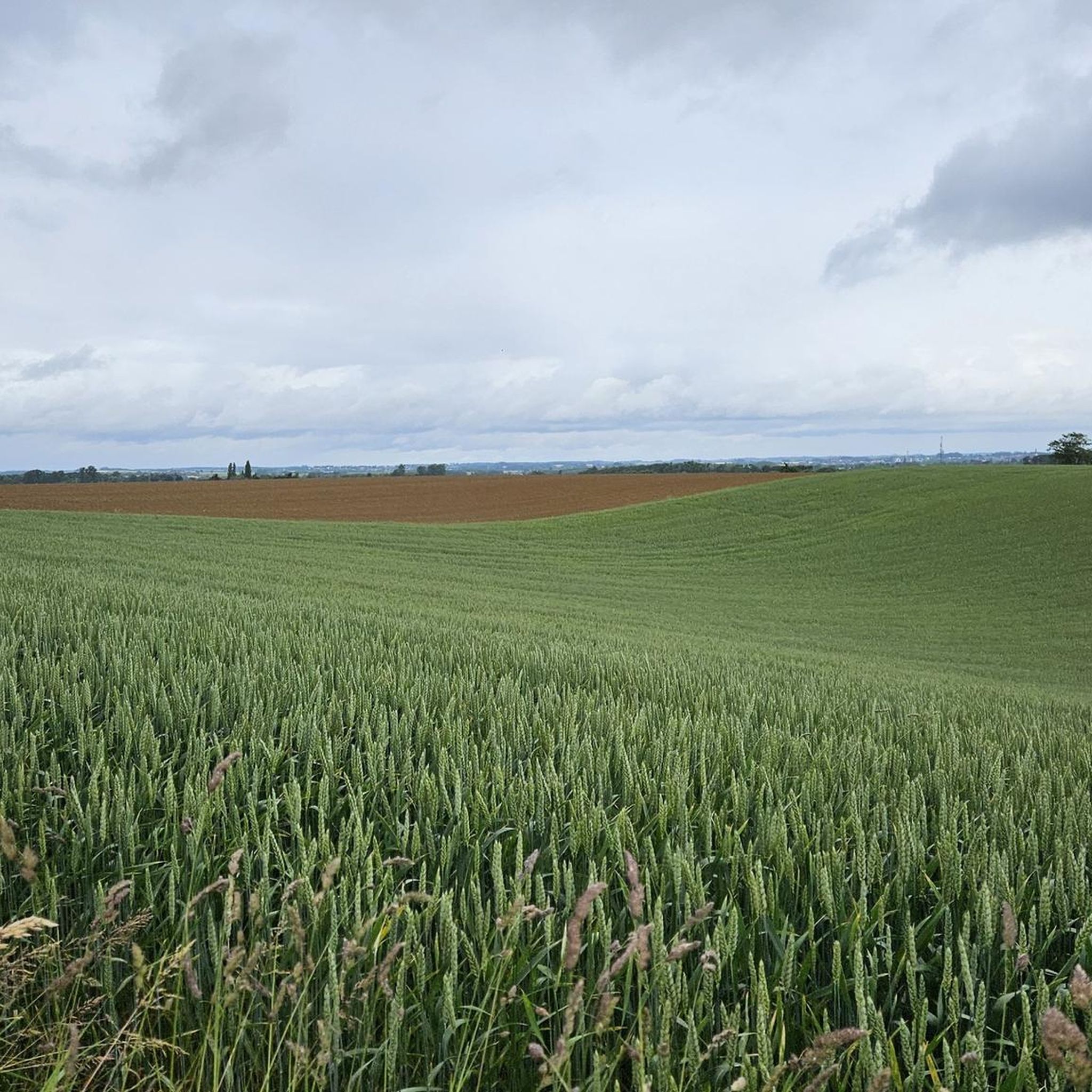
Best natural monuments around Hoegaarden offer diverse landscapes for exploration. This Belgian municipality features a mix of ancient forests, serene nature reserves, and unique geological formations. The area is characterized by its rolling fields and woodlands, providing opportunities for outdoor activities. Visitors can discover a variety of natural sites, from expansive forests to historical summits among the 20 natural monuments available.
Best natural monuments around Hoegaarden
- The most popular natural monuments is Meerdaal Forest and Heverlee Forest, a forest…
Last updated: July 10, 2026
Meerdaal Forest and Heverlee Forest
Highlight • Forest
Translated by Google •
Tip by

Tomberg Summit — Bench and Gazebo
Highlight • Summit
Translated by Google •
Tip by

Sign up now to discover places like this
Get recommendations on the best single tracks, peaks, & plenty of other exciting outdoor places.
Sign up for free
Calvary forest
Highlight • Religious Site
Translated by Google •
Tip by

Thick Oak 300 years old – 5 meters in circumference
Highlight • Natural Monument
The monumental oak is more than 300 years old and has a …
Translated by Google •
Tip by

Koebos Nature Reserve
Highlight • Forest
Translated by Google •
Tip by
Sign up for free to discover even more natural monuments around Hoegaarden.
Sign up for free
Already have an account?
Start today with a free account
Your next adventure awaits.
Login or Signup

Other adventures around Hoegaarden

Tips from the Community

Already 304 years old? Time flies!
0
0

Through nature reserve Koebos where you are here or one of the other nature reserves in the valley of the Molenbeek. Chalky soil with lots of mistletoe in the trees. More about Koebos on https://www.komoot.com/nl-nl/highlight/2666792
8
0
Between Bierbeek and Lubbeek lies the Koebos, a beautiful old oak forest with beautiful spring flora. Mineral-rich spring zones in the valley provide remarkable plants. You can also enjoy a lovely walk in the impressive castle park. Since the Koebos acquired the status of nature reserve, the diversity of species has increased enormously. Hay meadows with meadowsweet, cuckoo flower and cuckoo flower have appeared. In the spring, the forest is coloured by the celandine and wood anemone, later followed by the Solomon's seal, the beetle orchid and the broad-leaved wasp orchid. Source: https://www.natuurpunt.be/natuurgebieden/koebos Characteristics of the Koebos also include its location in the Molenbeek valley: a calcareous soil, as evidenced by the many mistletoes and the giant horsetail.
8
0

Beautiful but swampy forest. In rainy periods boots are a must!
2
1
The Tomberg is the second highest place in the forest (102 m). It is not a prehistoric burial mound (or tomb) as our ancestors thought, but a natural elevation, a dune mound that millions of years ago, together with the Mommendeel mound, actually protruded above the sea at that time. It is here that the illustrious forest court sat for hundreds of years. In the Middle Ages, every free man was in principle allowed to hunt without restriction in forests, meadows and swamps. The big exception were the free forests, the private forests of the dukes. Meerdaalwoud was such a free forest and hunting rights belonged exclusively to the Duke of Arenberg. At first the forest court was itinerant and justice was administered in the various villages. Later, a special building was erected here on the Tomberg for the court hearings. Later still, a hearing was held at Heverlee castle. The punishments were not lenient, but it is thanks to that forest justice that the forest still exists today and has not been sacrificed to the needs of the farmers and citizens in the area. The forest right came to an end with the arrival of the French in 1795. You can read this - and much more - at https://www.onroerenderfgoed.be/archeologische-fietstocht-heverlee
5
1
The bench is partly broken, the gazebo is a bit outdated, but it remains wonderful under that tree with a view of heather and ferns. Especially at this time of year, this is a wonderful place for those who love quiet places full of ferns that strive to become the largest and have the most beautiful shades of green. Some of the small paths at the base of the hill are near small stretches of water with life. Those seeking peace and quiet come here outside busier periods to enjoy a jungle of ferns in a wonderful open space. The views from the paths below to the ferns on the hillsides demand beautiful photos.
5
0

Until 1989, the steep Kalvariebos (83 m) was part of the nearby castle park 't Serclaes. The beech forest is now owned by the municipality of Lubbeek. A calvary group - founded around 1860 out of devotion by the devout 't Serclaes family - adorns the hilltop. In 1992 the municipality installed three new statues. In a lower part of the forest, you can have a picnic at one of the tables or rest in the witches' circle, formed by a remarkable group of beech trees. Also behind the crucifix above you will find a picnic table and in front of it is a small bench. In a lower part of the forest, you can have a picnic at one of the tables or rest in the witches' circle, formed by a remarkable group of beech trees. You will also find a picnic table behind the crucifix above and a small bench in front of it. Source calvary group: https://www.rlnh.be/assets/images/rl-noordhageland/Publicaties%20-%20Aan%20de%20slag/05_RLNH_Lubbeek.pdf
9
0
Frequently Asked Questions
What are some of the most popular natural monuments for hiking around Hoegaarden?
Hoegaarden offers several excellent natural monuments for hiking. The expansive Meerdaal Forest and Heverlee Forest are highly popular, forming the largest mixed deciduous forest in Flanders. Another great option is the Rosdel Nature Reserve, known for its tranquil footpaths and diverse wildlife. For those seeking ancient woodlands with historical elements, the Meldertbos is a compelling choice. You can find various routes and trails near these locations in the Running Trails around Hoegaarden guide.
Are there family-friendly natural monuments in the Hoegaarden area?
Yes, several natural monuments around Hoegaarden are suitable for families. The Park van Hoegaarden, with its scenic gardens, play areas, and picnic spots, is ideal for a relaxed family outing. The Meerdaal Forest and Heverlee Forest are also considered family-friendly, offering opportunities to spot deer and discover unique tree sculptures on the 'Path of Ad'. Additionally, the Koebos Nature Reserve provides beautiful old oak forests with diverse flora, perfect for a nature walk with children.
What kind of wildlife can I expect to see in Hoegaarden's natural monuments?
The natural monuments around Hoegaarden are rich in wildlife. In the Meerdaal Forest and Heverlee Forest, you might spot the oldest deer population in Flanders, along with various songbirds and birds of prey. The Rosdel Nature Reserve is a haven for birdwatchers, with sightings of green and great spotted woodpeckers, buzzards, kestrels, and herons, as well as butterflies like red admirals and speckled woods. Lucky visitors might even see roe deer. The Meldertbos is home to the rare red cup fungus and grass snakes.
Are there any natural monuments with historical significance near Hoegaarden?
Absolutely. The Tomberg Summit in Meerdaalwoud is a natural elevation with significant history; until the late 1600s, it was where forest law was administered. The Meldertbos, an ancient forest, retains relics of its past as a 19th-century English landscape park, including a pond, a cascade, and the unique 'Twelve Apostles' arrangement of brown beeches. The Calvary forest features a calvary group adorning the hilltop, founded around 1860.
What are the best cycling routes near Hoegaarden's natural monuments?
Hoegaarden offers a variety of cycling routes that pass by or through natural monuments. For instance, you can find routes that explore the wider region, including paths near the natural areas. Check out the Cycling around Hoegaarden guide for detailed routes, including easy and moderate options like the 'RAVeL Hoegaarden–Namur – Beguinage Church Ruins, Tienen loop'.
Where can I find ancient trees or unique flora in the Hoegaarden area?
For ancient trees, visit the Thick Oak in the Mollendaalbos, which is over 300 years old and has a circumference of more than 5 meters. The Park van Hoegaarden also boasts impressive old trees, including a sweet chestnut exceeding 275 years. In terms of unique flora, the Meldertbos is known for its abundant spring flowers and is one of Flanders' largest growing sites for the rare red cup fungus. The Koebos Nature Reserve features mineral-rich spring zones with remarkable plants like meadowsweet and cuckoo flower, and in spring, the forest is colored by celandine and wood anemone.
What is the best time of year to visit the natural monuments around Hoegaarden?
The best time to visit depends on what you wish to experience. Spring (March-May) is excellent for seeing abundant spring flowers, particularly in the Meldertbos and Koebos Nature Reserve, and for enjoying the blooming wood anemones near the Thick Oak. Summer (June-August) is ideal for leisurely strolls and picnics in places like the Park van Hoegaarden and for wildlife spotting in Rosdel Nature Reserve. Autumn (September-November) offers beautiful foliage, especially in the forests.
Are there any natural monuments with viewpoints around Hoegaarden?
Yes, the Tomberg Summit is a notable viewpoint, being the second highest point in the Meerdaalwoud. It features an open heathland area with a bench under a gazebo, offering serene views. The Calvary forest also provides a viewpoint from its hilltop, where a calvary group is located.
What are some options for gravel biking near Hoegaarden's natural monuments?
Gravel biking enthusiasts will find challenging and scenic routes around Hoegaarden. The Gravel biking around Hoegaarden guide lists several options, including routes that traverse the region's diverse landscapes. You can find difficult routes like the 'Pallox Gravel Route' or moderate ones such as the 'Weertse Dreef (East Side) – Meerdaal Forest and Heverlee Forest loop'.
Can I find quiet places for relaxation and nature enjoyment near Hoegaarden?
Absolutely. The Rosdel Nature Reserve is often described as an 'oasis of tranquility,' perfect for those seeking peace amidst nature. The Park van Hoegaarden offers quiet corners and picnic meadows, ideal for relaxation. Even the Tomberg Summit, despite its historical significance, provides a wonderful quiet spot, especially outside busier periods, to enjoy the ferns and open space.
What unique natural features characterize the Koebos Nature Reserve?
The Koebos Nature Reserve is characterized by its beautiful old oak forest and rich spring flora. It features mineral-rich spring zones in the valley that support remarkable plants. Its location in the Molenbeek valley means it has calcareous soil, which is evident from the many mistletoes in the trees and the presence of giant horsetail. In spring, the forest floor is covered with celandine and wood anemone, later followed by Solomon's seal, beetle orchid, and broad-leaved wasp orchid.
Most popular routes around Hoegaarden
Most popular attractions around Hoegaarden

Get inspired with the komoot mobile app


Explore more
Extend your search for the best caves by checking out these guides of the top ones around Hoegaarden:
