Top 20 Natural Monuments around Virton
Best natural monuments around Virton offer a diverse range of geological features and natural landscapes in the Belgian province of Luxembourg. The region is characterized by unique rock formations, ancient forests, and tranquil water bodies. Visitors can explore sites with significant geological interest and local folklore. These natural features contribute to the area's appeal for outdoor activities.
Best natural monuments around Virton
- The most popular natural monuments is Le Bohanan Viewpoint, a viewpoint that offers remarkable views of the…
Last updated: July 10, 2026
Epioux Ponds
Highlight • Lake
Translated by Google •
Tip by

La Fabrique Pond
Highlight • Lake
Translated by Google •
Tip by

Sign up now to discover places like this
Get recommendations on the best single tracks, peaks, & plenty of other exciting outdoor places.
Sign up for free
Le Bohanan Viewpoint
Highlight • Viewpoint
Translated by Google •
Tip by

Fairies' Cave
Highlight • Cave
Translated by Google •
Tip by

Rocky trail on the 'Tombeau du Chevalier'
Highlight (Segment) • Trail
Translated by Google •
Tip by

Roche à l'Appel Stone Bridge
Highlight • Bridge
Translated by Google •
Tip by
Dolmen d'Azy
Highlight • Historical Site
Translated by Google •
Tip by
Cron de Montauban
Highlight • Natural Monument
Translated by Google •
Tip by

The Great Oak of the Anlier Forest
Highlight • Natural Monument
Translated by Google •
Tip by

Tranchée des Portes Oppidum
Highlight • Historical Site
Translated by Google •
Tip by
Sign up for free to discover even more natural monuments around Virton.
Sign up for free
Already have an account?
Start today with a free account
Your next adventure awaits.
Login or Signup
Popular around Virton
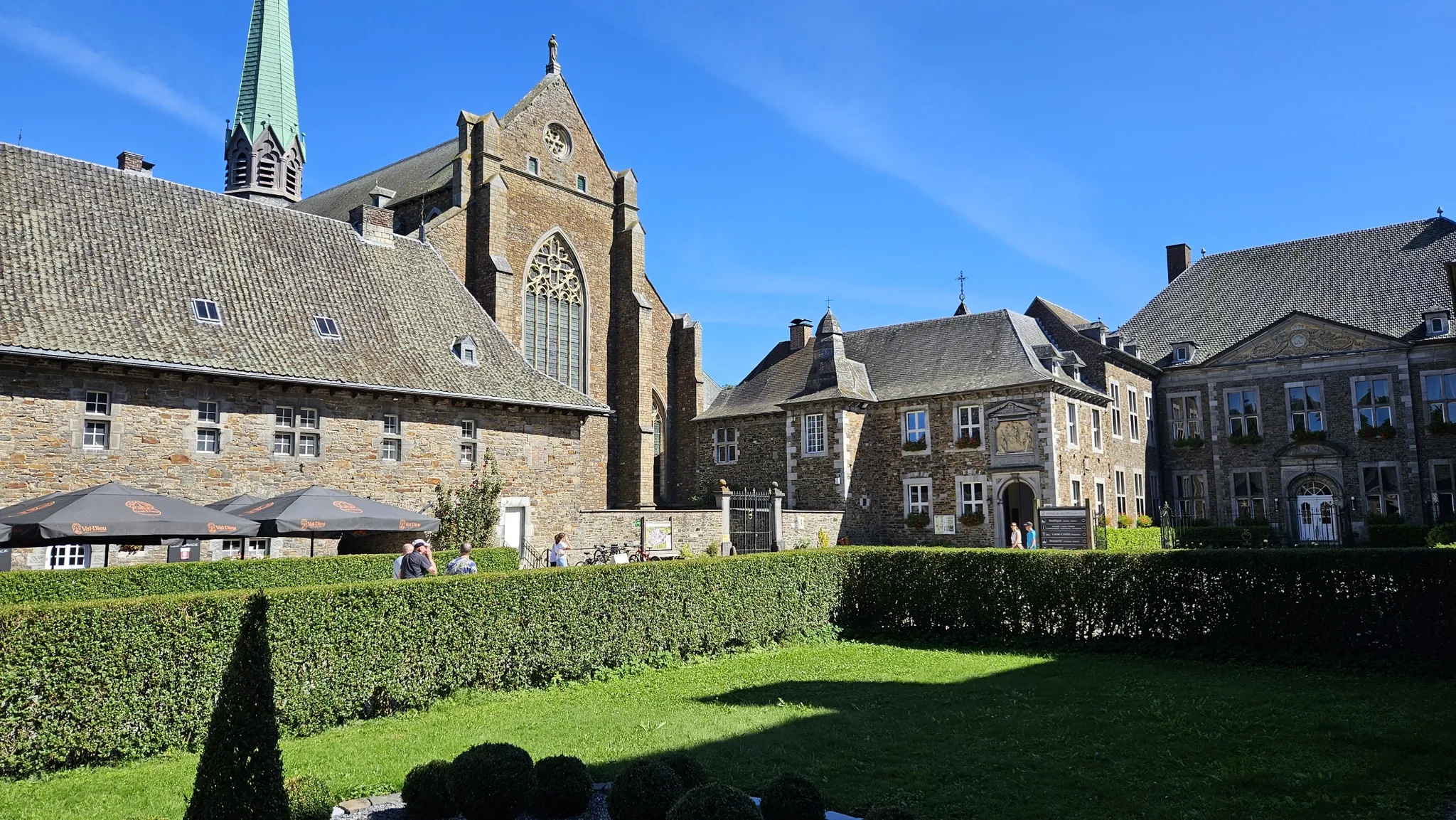
Trappist abbeys cycle route – Between beers and heritage
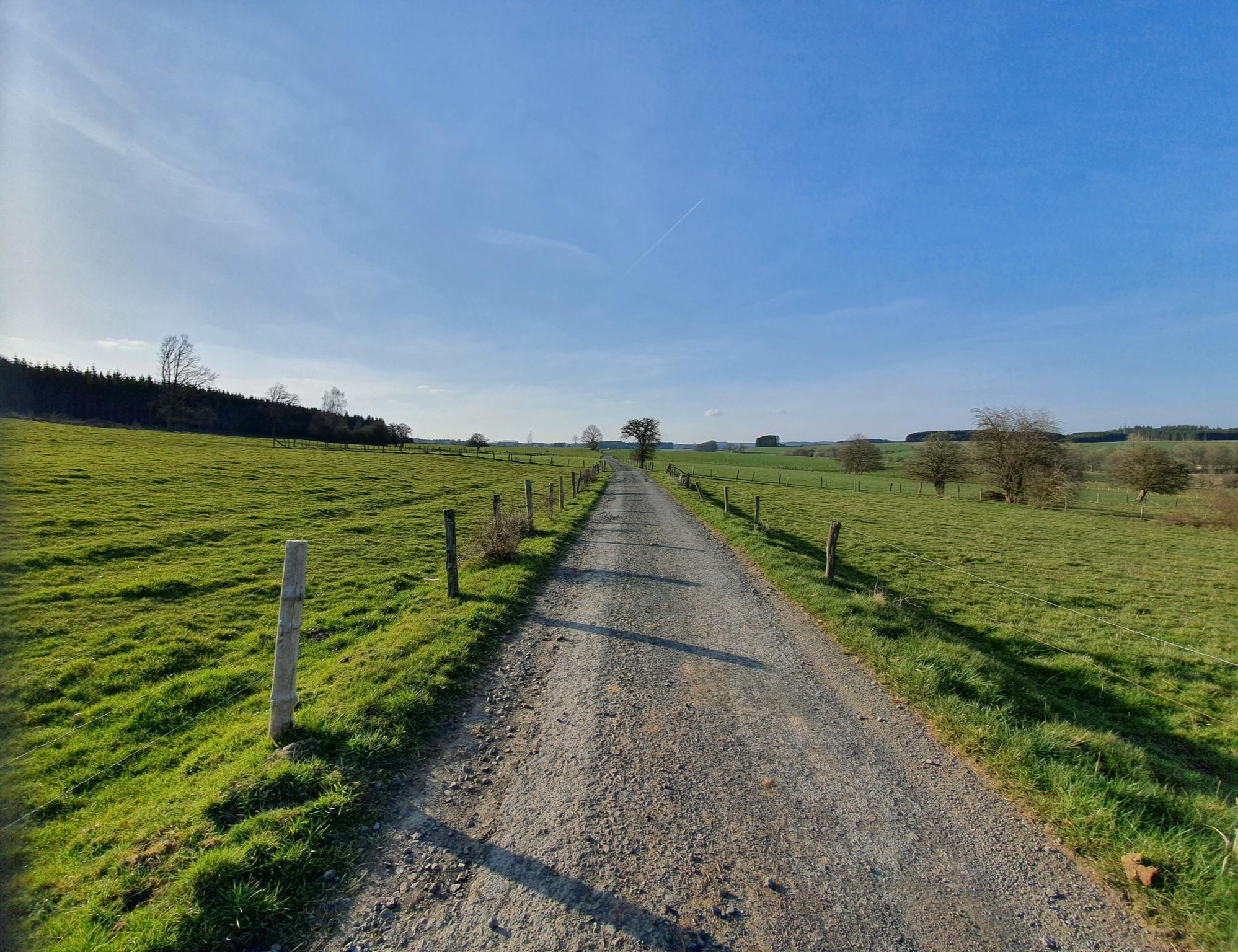
GR 2 d’Orval à Renaix — The Parcs Naturels du sud de la Belgique in gravel
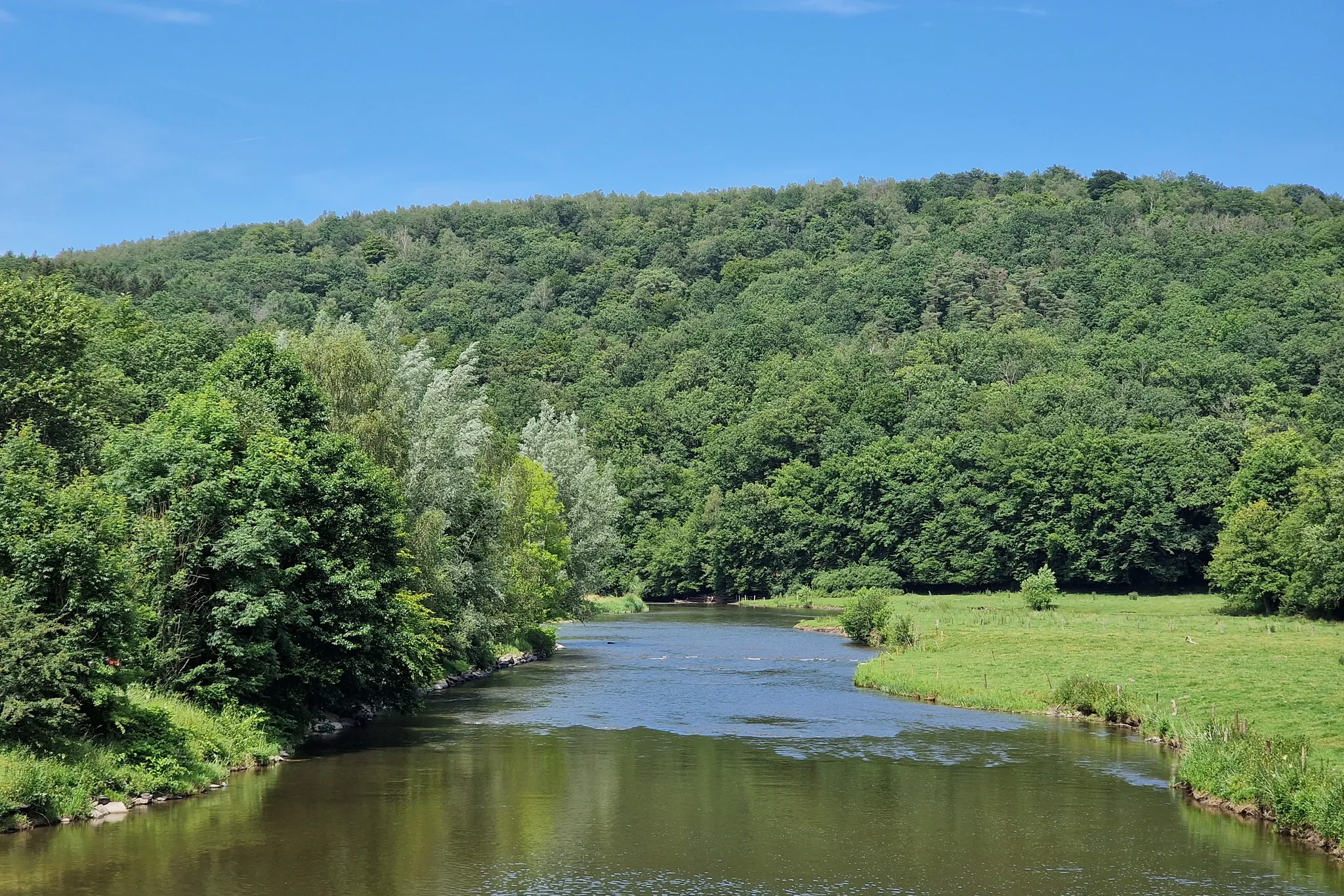
Between nature and gastronomy - Trappist abbeys trail part 2
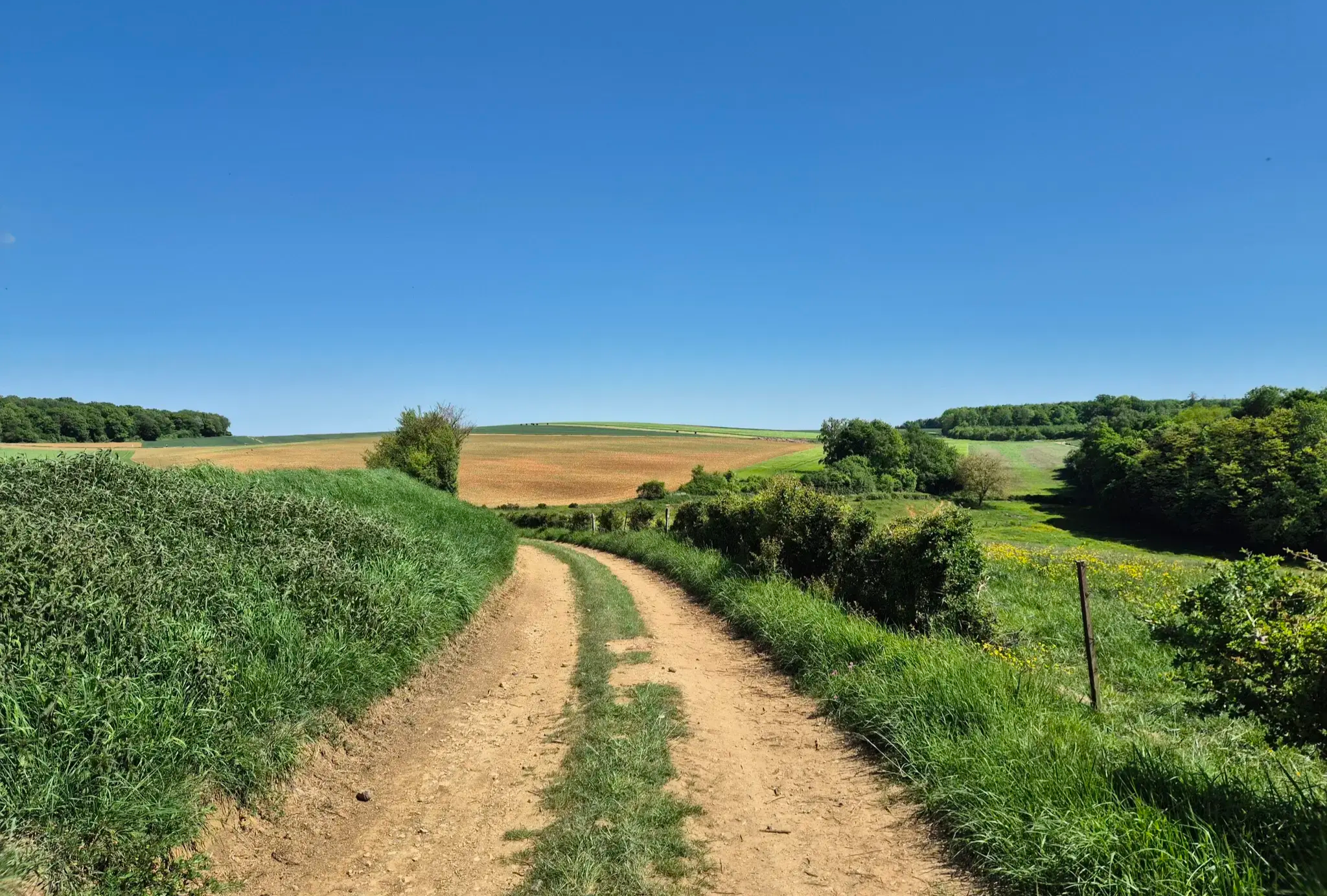
Une randonnée aux airs de Provence — La Transgaumaise
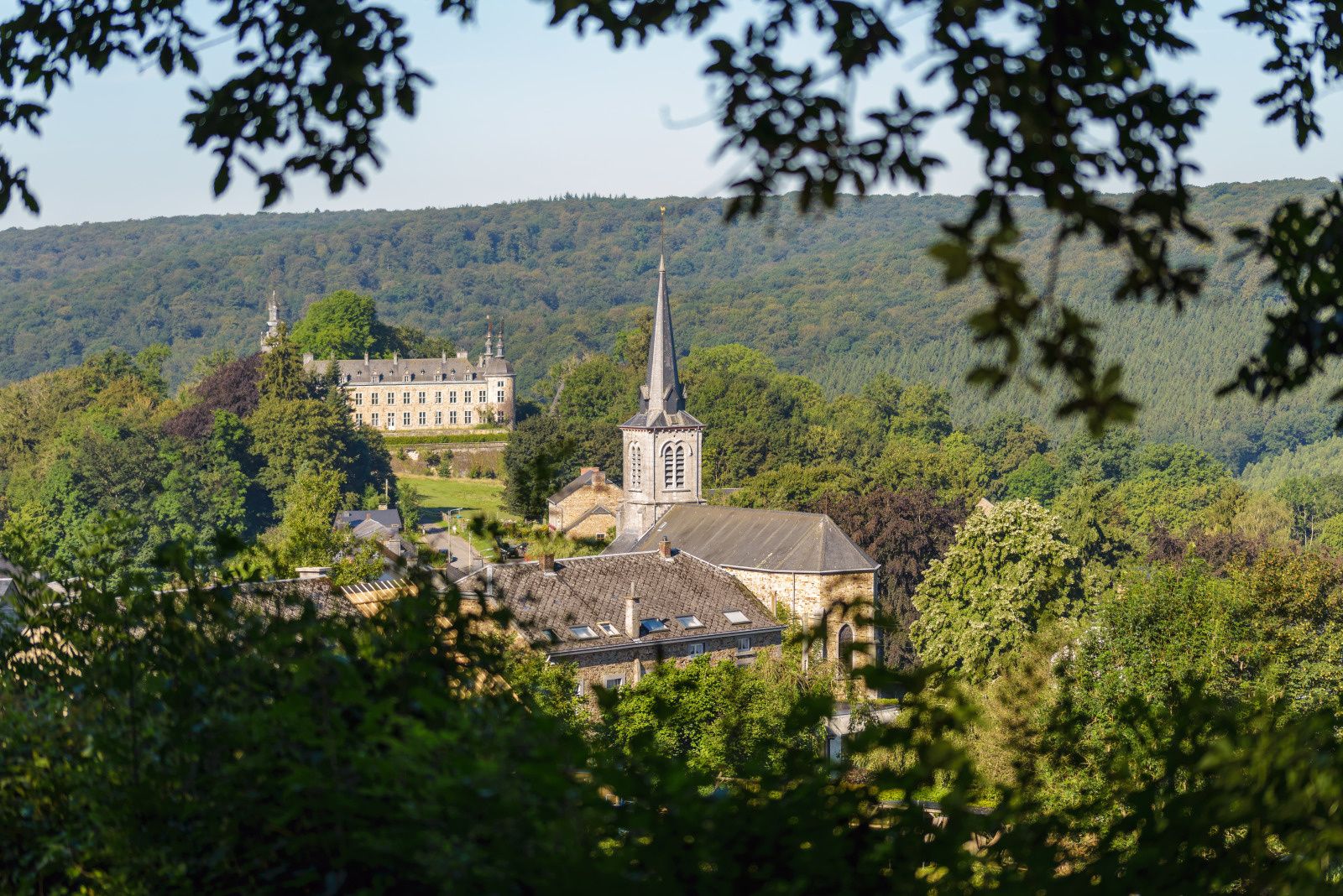
Train & Sac à dos: hiking between stations in southern Belgian forests
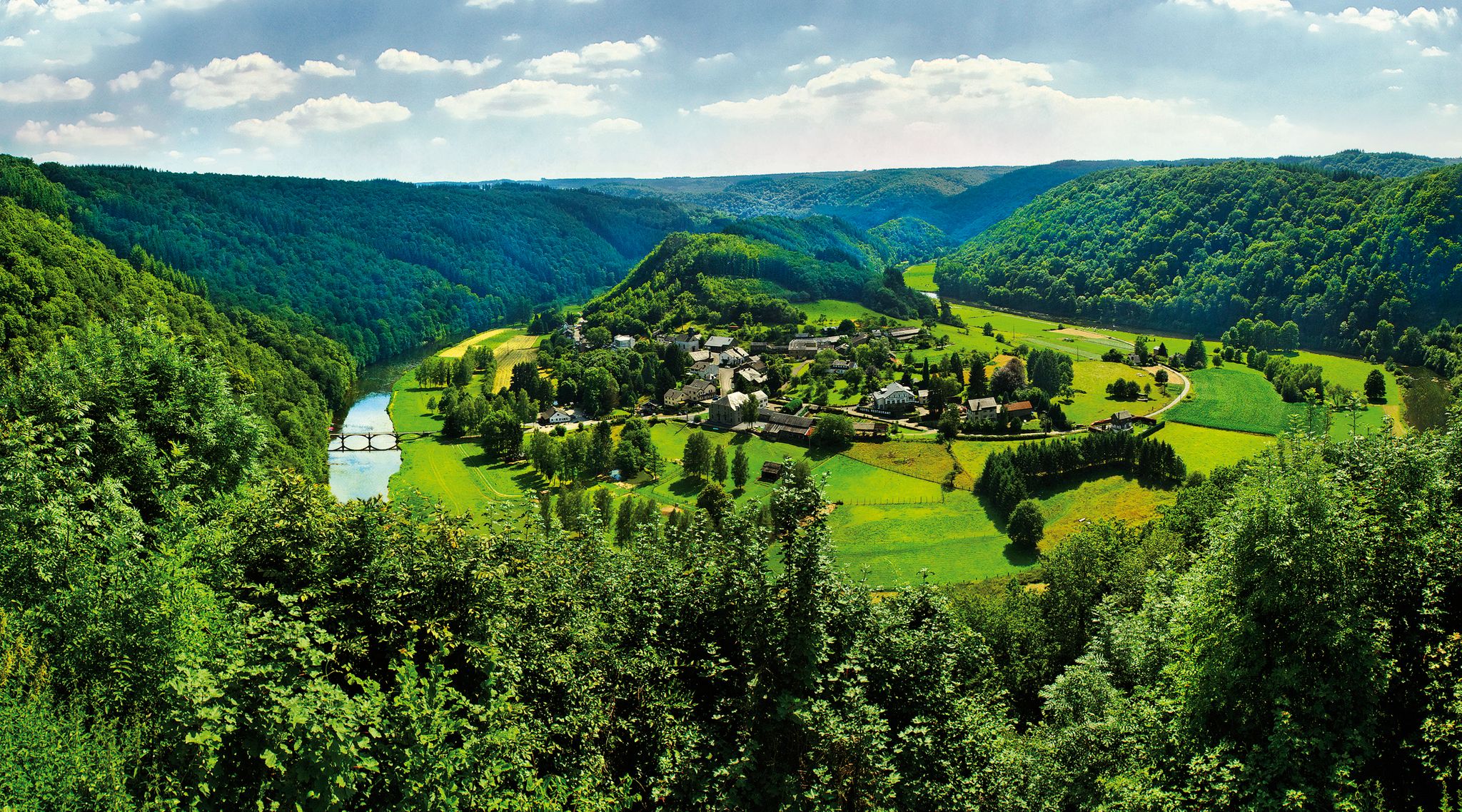
Vallée de la Semois National Park – long-distance hiking on Belgium’s GR16
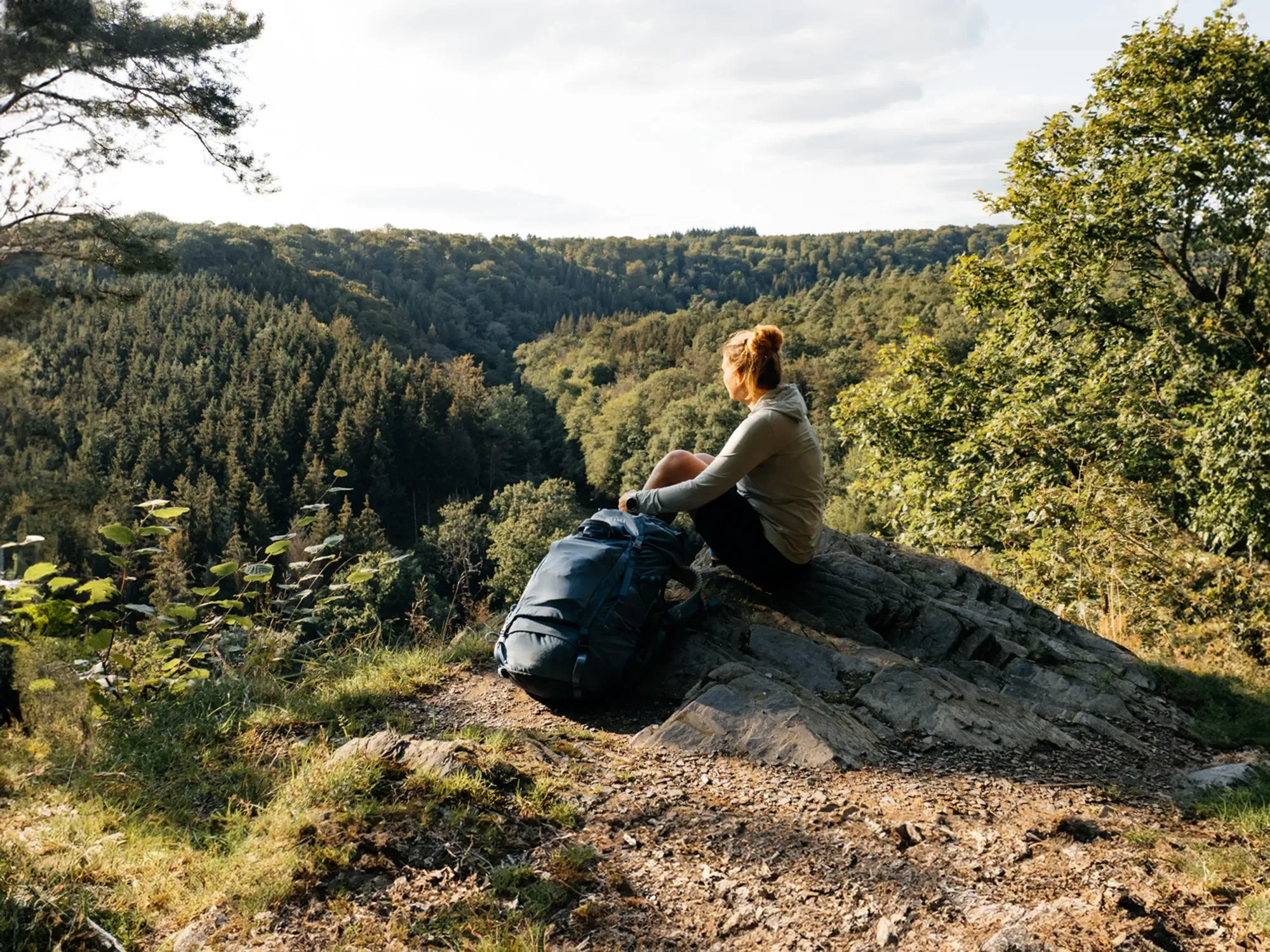
Hiking in the Belgian Ardennes: GR16 through the Semois Valley
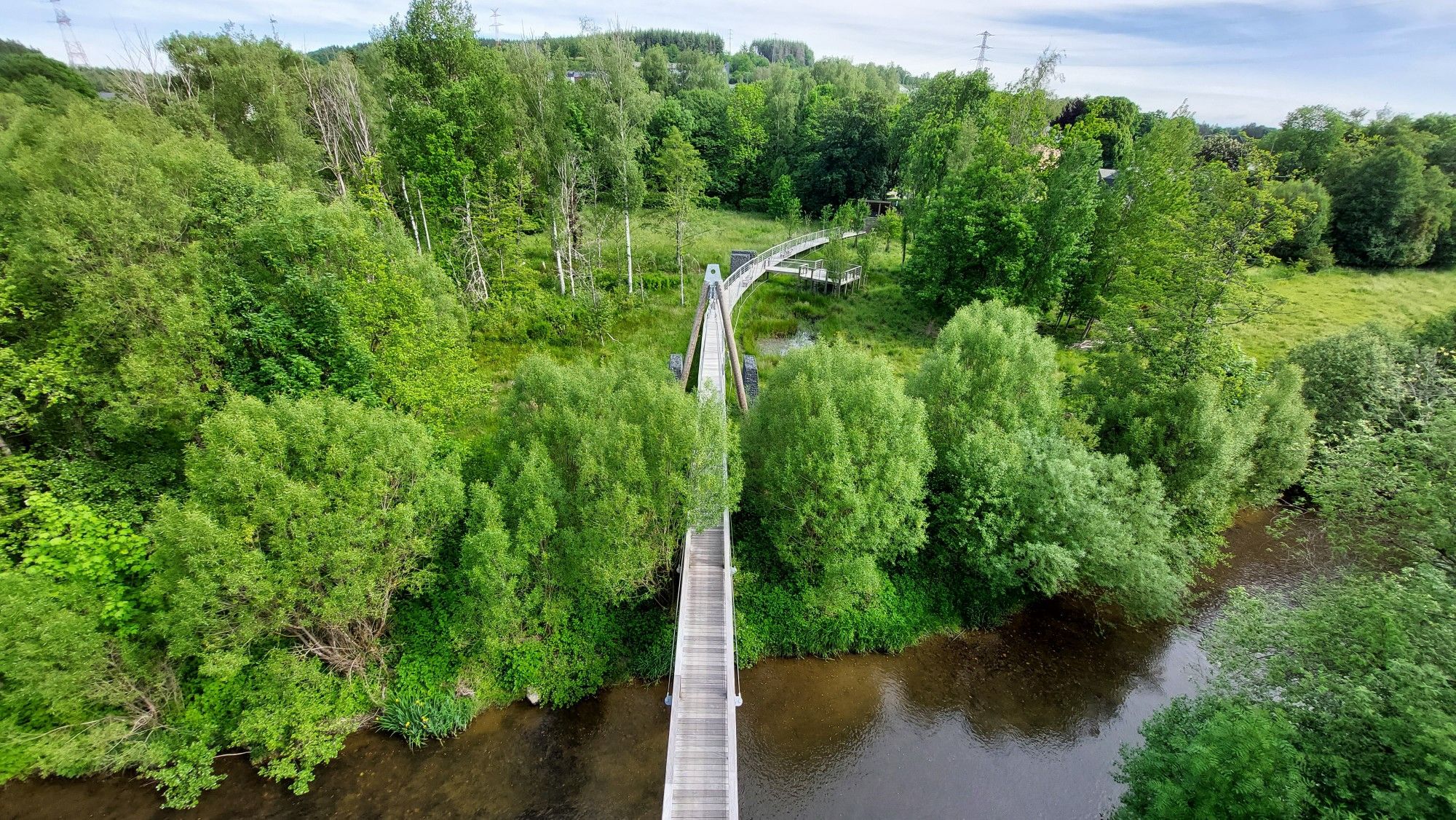
A Tour of Belgian Luxembourg — the greenest province of the kingdom
To the abbeys of Belgium — la Cyclotrappiste
Pure nature on the hiking trails in the Belgian Ardennes
Other adventures around Virton


Tips from the Community

The Trench of Gates: Gateway to Gaume, Gateway to Legends 1. What is it? Physical Description The Trench of Gates is a deep and spectacular rocky gorge, naturally carved by the Vire River (a tributary of the Semois) into the sandstone plateau of the Gaume forest. Located in the village of Dampicourt (commune of Rouvroy), on the French border, it forms a narrow and winding notch, framed by high sandstone walls and strangely shaped rocks. Its name comes from its topography: the site gives the impression of crossing several successive natural "gates." 2. A Strategic Position: Military History The true fame of the Trench of Gates comes from its historical role as a natural fortress and strategic border post. A Gallic Stronghold? : Its easily defensible configuration suggests that it was used as a refuge since the Gallic era. The Roman Fort: Its strategic role became evident during the Roman era. The Romans established a castellum (a fortified camp) there to control the passage between Belgic Gaul and Imperial Trier, and to protect the nearby Roman road. Remains of these fortifications were still visible several centuries ago. A Millennial Challenge: Due to its position on the border, the site has been contested and fortified throughout history, from the Middle Ages to modern wars. It offered an ideal control point over one of the few passable passages through the region's wooded terrain.
1
0

Easy-to-walk path over Le tombeau du chevalier. Some rocks here and there, and occasional stones on the path.
13
0
Northeast of Muno, Roche à l'Appel, located in the Roches valley, offers an exceptional site for botanists and geologists. It contains rare combinations of lichens, mosses, and ferns, as well as an impressive rock bank composed of a conglomerate that formed the base of the great seamount covering the Cambrian bedrock. This conglomerate, known as Fépin (or Linchamps), consists of sandstone and quartzite blocks of varying sizes (up to about 50 cm in diameter) and angular to rounded shapes, scattered within a finer, clayey, sandy matrix. (Geological Survey of Belgium)
14
1

Nice path over the loop, but the path is not necessarily easy!
5
0

It is between Etalle and Virton, very precisely in Croix-Rouge, that you will find the place called "Trou des Fées". Well known to the inhabitants of the region, this unique site is at the center of many legends relating to the history of D’jean dMady but also and especially to that of the fairies of Gaume.
1
0
The Tranchée des Portes covers an area of 100 hectares. It is the largest Iron Age stronghold in Belgium. This development required an abundant workforce. The construction and maintenance of the rampart suggest a well-organized social entity. Unlike Montauban, which was occupied occasionally, the Tranchée des Portes is not a refuge but an oppidum, that is to say, a fortified site where people settled for the long term with their livestock and crops. It is a fortification that owes its name to the deep ditch (5 m) that precedes its rampart. Consisting of an earthwork over 3 m high, formerly surmounted by a palisade, this barrier, pierced by 3 gates, extends over 1 km. This type of defensive site is called a barred spur. It was often used in the protohistoric period (Iron Age). We chose a place with 2 or 3 steep and almost impassable sides and we blocked access by building a wall on the vulnerable side with what we found on the site (stones, trees, earth)
2
0
Unmissable for the Red Cross: Dive into an enchanted kingdom where legends and mysteries weave the fabric of the landscape… This mountain of sand, like a sleeping giant, reveals its heart of stone sculpted by the whims of time. At the dawn of the Jurassic, erosion gently carved out winding galleries, while the main gallery, 15 meters long, arouses a curious fascination. Was it an offering from the ancients, shaped by human hands, or simply the patient work of nature? The flints found nearby whisper echoes of prehistory, silent witnesses of a bygone era. The Trou des Fées, guardian of forgotten secrets, awaits you.
1
1

The largest Iron Age stronghold in Belgium, covering an area of 100 hectares, is to be discovered in EtalleUnlike Montauban, which was occupied occasionally, the Tranchée des Portes was not a refuge but an oppidum, i.e. a fortified site where people settled for the long term with their livestock and crops. It is a fortification that owes its name to the deep ditch (5m) that precedes its rampart. Consisting of an earthwork of more than 3m formerly topped with a palisade, this dam, pierced by three gates, extends over more than 1km. This type of defense site is called a barred spur. It was often used in the protohistoric period (Iron Age).
1
0
Frequently Asked Questions
What are some of the most popular natural monuments around Virton?
Visitors frequently enjoy the stunning views from Le Bohanan Viewpoint, which overlooks the Semois river. Another favorite is Fairies' Cave, known for its unique sandstone formations and local legends. The Cron de Montauban, with its petrifying limestone springs and diverse vegetation, is also highly appreciated by the community.
Are there family-friendly natural monuments to visit near Virton?
Yes, several natural monuments are suitable for families. The Fairies' Cave offers an engaging experience with its sandstone caves and the 'Sentier des Fées' (Fairy Path), designed with challenges for children. The Epioux Ponds and La Fabrique Pond are also great for family outings, offering tranquil natural settings with historical significance.
What unique geological features can I explore in the Virton region?
The region boasts several distinctive geological formations. The Cron de Montauban features petrifying limestone springs, creating a unique environment with crystal clear rivulets and rare vegetation. Another remarkable site is Le Gros Cron de Lahage, an impressive 20-meter-high formation of calcareous tuff, where spring water slowly calcifies moss and algae into stone. The Roche à l'Appel Stone Bridge is also a unique geological site with massive Fépin pudding stones.
Are there any natural monuments with historical or cultural significance?
Absolutely. The Fairies' Cave is steeped in local folklore, associated with tales of 'D'jean dMady' and Gaume fairies. Le Gros Cron de Lahage has historical significance, with evidence of a Celtic stronghold from the 1st century BC on the promontory overlooking it. Additionally, the Dolmen d'Azy and the Tranchée des Portes Oppidum are significant historical and archaeological sites classified as natural monuments.
What outdoor activities can I do near these natural monuments?
The Virton area offers a variety of outdoor activities. You can find numerous hiking trails, such as 'The dolmen d'Azy and the belvédère le Bohanan' or 'Le Bohanan Trail', which you can explore further in the Hiking around Virton guide. For cycling enthusiasts, routes like 'La Gaumaise Loop' are available, detailed in the Cycling around Virton guide. Mountain biking is also popular, with trails like 'Epioux Pond – Lestelin loop' found in the MTB Trails around Virton guide.
What is the best time to visit the natural monuments around Virton?
The natural monuments around Virton can be enjoyed throughout the year, but spring and autumn often offer the most pleasant conditions for exploring. During these seasons, the weather is generally mild, and the landscapes are particularly vibrant with blooming flora or rich autumnal colors. Summer is also popular, though it can be warmer, while winter offers a serene, often snowy, experience for those prepared for colder temperatures.
Are there any viewpoints offering panoramic scenery?
Yes, the region is home to several impressive viewpoints. Le Bohanan Viewpoint provides remarkable views of the Semois river below from the edge of a large rock. The Rocky trail on the 'Tombeau du Chevalier' also offers scenic vistas, as does the Roche à l'Appel Stone Bridge, which provides a magnificent perspective of the surrounding forest.
What do visitors enjoy most about the natural monuments in Virton?
Visitors frequently highlight the tranquil beauty and unique geological formations. Many appreciate the blend of natural exploration with local legends, particularly at sites like the Fairies' Cave. The opportunity for peaceful forest walks and the stunning panoramic views from various viewpoints, such as Le Bohanan Viewpoint, are also commonly praised. The community has shared over 95 photos and given more than 220 upvotes, reflecting a strong appreciation for the area's natural charm.
Can I find large trees or forests among the natural monuments?
Yes, the region features significant forested areas and notable trees. The Great Oak of the Anlier Forest is a prominent natural monument. Many other sites, including the Epioux Ponds and the Fairies' Cave, are nestled within beautiful forests, offering shaded trails and a rich natural environment.
Are there any natural monuments involving water features like ponds or rivers?
Indeed. The Epioux Ponds and La Fabrique Pond are beautiful natural monuments centered around water. Additionally, the Le Bohanan Viewpoint offers remarkable views of the Semois river below, and the Cron de Montauban is characterized by its crystal clear rivulets fed by springs.
What kind of terrain can I expect when visiting these natural monuments?
The terrain around Virton's natural monuments varies. You can expect forest paths, some with rocky sections like the Rocky trail on the 'Tombeau du Chevalier'. Sites like the Cron de Montauban feature steeply sloping clearings with rivulets. Many trails are intermediate in difficulty, offering a good balance for most hikers, while some viewpoints might involve more challenging ascents.
Most popular routes around Virton
Most popular attractions around Virton

Get inspired with the komoot mobile app


Didn’t find what you were looking for?
Find even more amazing natural monuments around Virton by checking out the top Highlights region by region:
Explore more
Extend your search for the best caves by checking out these guides of the top ones around Virton:
