The best cycling routes around Cabezón De Cameros
39
riders
9
rides
Touring cycling routes around Cabezón De Cameros traverse a landscape characterized by its mountainous terrain and deep valleys within the Cameros region. The area features significant elevation changes, with routes often including substantial climbs and descents. Dense woodlands and open vistas are common, offering varied scenery for touring cyclists. This region provides a challenging environment for those seeking advanced bike routes.
Best touring cycling routes around Cabezón De Cameros
- The most popular touring cycling route is La Fragua Square –…
Last updated: May 9, 2026
15
riders
37.0km
04:08
1,250m
1,250m
Hard bike ride. Very good fitness required. Mostly paved surfaces. Suitable for all skill levels.
7
riders
Hard bike ride. Very good fitness required. Mostly paved surfaces. Suitable for all skill levels.

Sign up for free
7
riders
22.4km
02:23
660m
660m
Hard bike ride. Very good fitness required. Mostly paved surfaces. Suitable for all skill levels.
6
riders
48.9km
03:58
1,140m
1,140m
Hard bike ride. Very good fitness required. Mostly paved surfaces. Suitable for all skill levels.
4
riders
13.6km
01:27
430m
430m
Moderate bike ride. Good fitness required. Mostly paved surfaces. Suitable for all skill levels.
Get access to more routes and recommendations from other explorers.
Sign up for free
Already have an account?
Our route recommendations are based on thousands of hikes, rides, and runs completed by other people on komoot.
Start today with a free account
Your next adventure awaits.
Login or Signup
Popular around Cabezón De Cameros
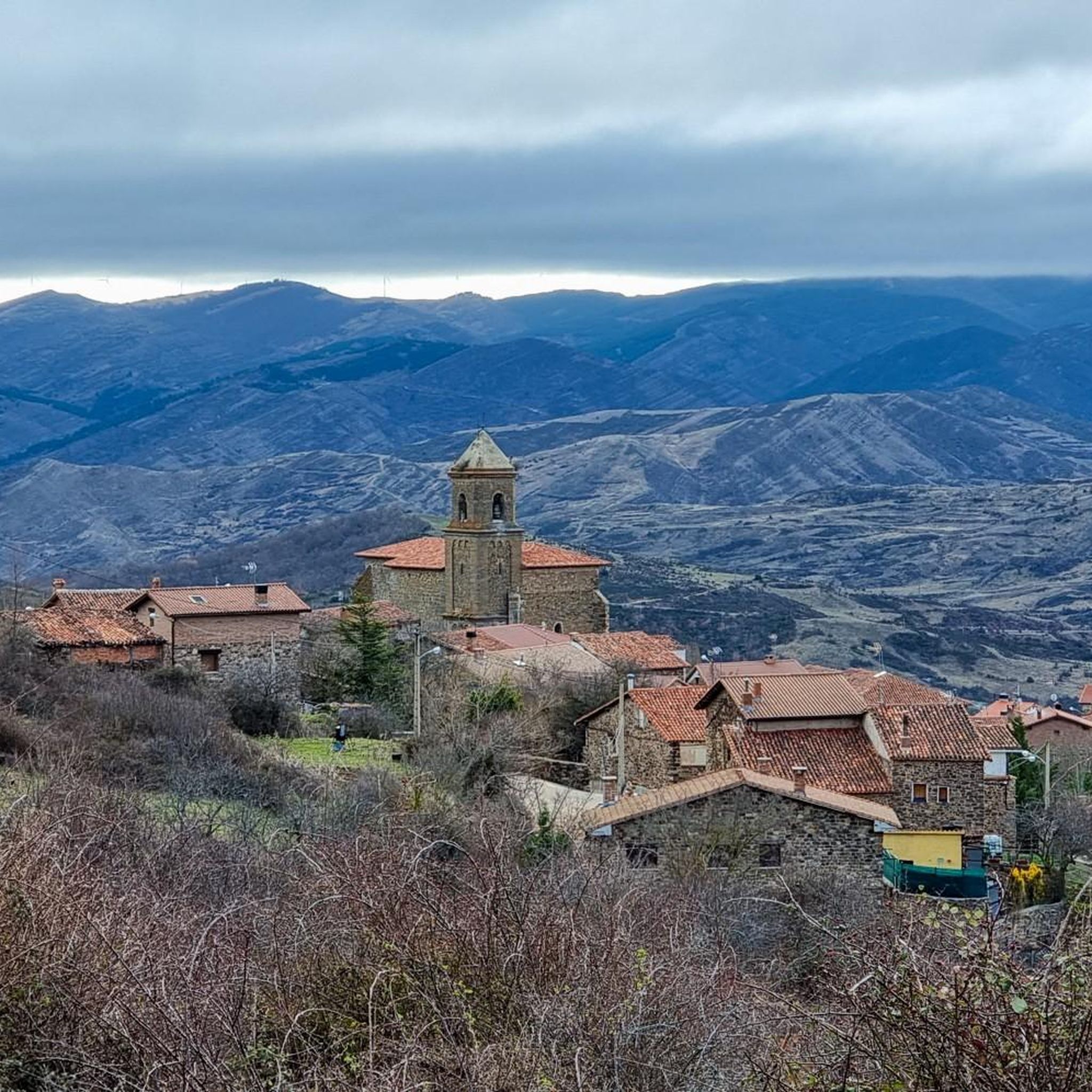
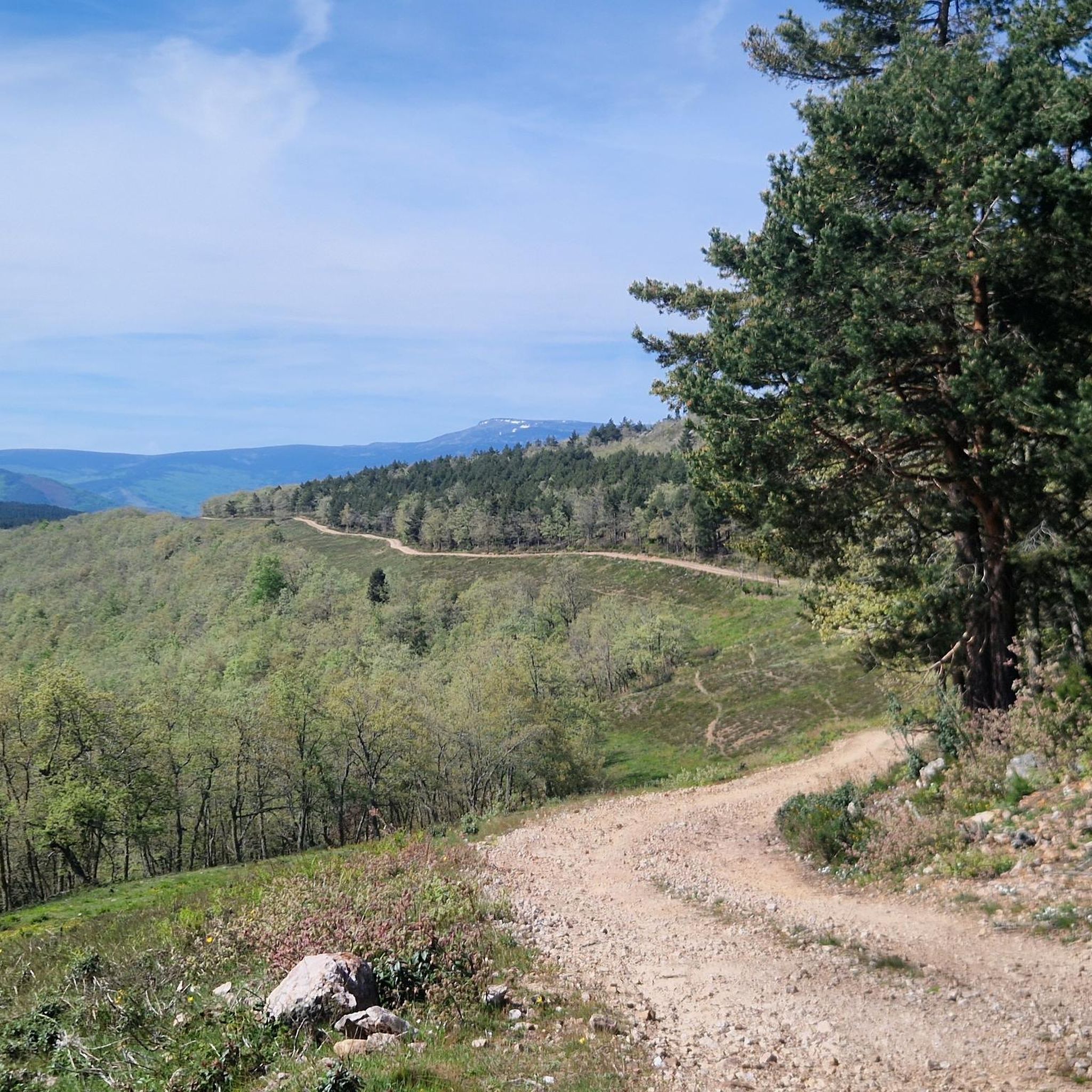

Tips from the Community

From a crossroads in the wind farm to Jalón de Cameros, you can enjoy views of the valley and pine trees while enjoying a fast and exciting descent.
1
0

Torremuña is a town that had only 13 inhabitants in 2011. It is crowned by the church of Santa María La Blanca, which is in ruins. In ancient times, the town prospered thanks to the production of cereals, legumes and wool yarn. Little by little it became depopulated and in 1971 three Spanish-Flemish tables from the 16th century were stolen from its church.
0
0
Many of the towns and villages in the Camero Viejo region still preserve their meadows today. Long ago, the pastures were very important for these rural areas where cattle were the main source of wealth. Unfortunately, today only a few have been well preserved to walk inside. Luckily, the San Román pasture meets that requirement and exploring it is a delight.
0
0


Small town in the Cameros region on the slopes of the Leza valley. Impressive views due to its altitude.
2
0

A small ruined village. It is currently uninhabited although it was of great importance since it had factories of coarse cloth, yarn and cloths that supplied Soto. It is located on a hill between the ravines of Santa María and Hayedo at a height of a thousand meters.
1
0
San Román is the ideal base for any activity in the Leza Valley. It is the largest town in Camero Viejo and the one with the most services. Although there is only one bar/restaurant, Montereal, it is always open and you can taste typical Rioja dishes. Its municipal term covers several towns and its paths are very well preserved. The houses around the church and the church itself are very well preserved. There are hardly any modern structures and a walk through its streets takes you back in time and to the traditional Rioja popular architecture.
0
0

In the 18th century, it is known that Torremuña produced cereals, legumes and wool yarn, in addition to having huge pastures. The church of Santa María la Blanca had its splendor in the 12th century when it was acquired by the bishops of Calahorra. Depopulation was reducing the town and in 1971 three Spanish-Flemish panels from the 16th century were stolen from its church. The last census of 2010 registered 10 inhabitants, the times that I have passed through the town recently I have only found an elderly couple who are amazed to see a group pass by by bike, we always stop to contemplate the ruins of the church and the views of the valley of Leza.
0
0
Frequently Asked Questions
How many touring cycling routes are available around Cabezón De Cameros?
There are 9 touring cycling routes documented on komoot for the Cabezón De Cameros area. These routes offer a variety of experiences through the region's mountainous terrain.
What is the general difficulty level of touring cycling routes in Cabezón De Cameros?
Most touring cycling routes in Cabezón De Cameros are considered difficult due to significant elevation changes, including substantial climbs and descents. There is one moderate route available for those seeking a less strenuous option.
Are there any easy or family-friendly touring cycling routes in Cabezón De Cameros?
The majority of routes in Cabezón De Cameros are challenging. However, the La Fragua Square – Torre en Cameros loop from San Román de Cameros is rated as moderate, offering a less strenuous option with over 1,300 feet of climbing over 8.6 miles (13.8 km).
What kind of terrain can I expect on touring cycling routes in Cabezón De Cameros?
You can expect mountainous roads, deep river valleys, and dense forested sections. The landscape is characterized by significant elevation changes, offering varied scenery with both woodlands and open vistas.
Are there circular touring cycling routes available?
Yes, many of the touring cycling routes around Cabezón De Cameros are designed as loops. For example, the challenging La Fragua Square – San Román de Cameros loop from San Román de Cameros is a 23.0-mile (37.0 km) circular trail.
What are some of the longer and more challenging touring cycling routes?
For a significant challenge, consider the San Román de Cameros – Torremuña loop from Laguna de Cameros, which spans 48.9 miles (78.7 km) with over 3,700 feet of elevation gain. Another demanding option is the San Román de Cameros – Descent With Valley Views loop from San Román de Cameros, a 26.6-mile (42.9 km) path featuring panoramic valley views and over 2,800 feet of ascent.
What can I see along the touring cycling routes in terms of natural beauty or landmarks?
The routes often feature open vistas and dense woodlands. You might pass through settlements like San Román de Cameros or Torremuña. The region is also home to natural features like the Puerto de la Rasa (1,420 m) mountain pass.
Are there any caves or unique geological features to explore near the cycling routes?
Yes, the area around Cabezón De Cameros has several caves. You might find CuevaLobrega-I, CuevaMesa, and Cueva Ventana in the vicinity, offering interesting points of exploration off the bike.
Where do the touring cycling routes typically start from?
Many routes originate from or pass through key settlements. For instance, several routes, including the Velilla – San Román de Cameros loop from San Román de Cameros, start from San Román de Cameros, which serves as a central point for many cycling adventures in the region.
What is the best time of year for touring cycling in Cabezón De Cameros?
Given the mountainous terrain and significant elevation changes, spring and autumn generally offer the most pleasant conditions for touring cycling, with milder temperatures and vibrant scenery. Summers can be warm, and winters may bring challenging conditions due to altitude.
What do other touring cyclists enjoy most about cycling in Cabezón De Cameros?
Touring cyclists frequently appreciate the challenging nature of the routes, the panoramic valley views, and the varied scenery that includes dense woodlands and open vistas. The region provides a rewarding experience for those seeking advanced bike routes.
Most popular routes around Cabezón De Cameros
Most popular attractions around Cabezón De Cameros

Get inspired with the komoot mobile app


Explore more
Browse the best Cycling routes in other regions.
