The best gravel rides around La Rambla
5.0
(4)
100
riders
15
rides
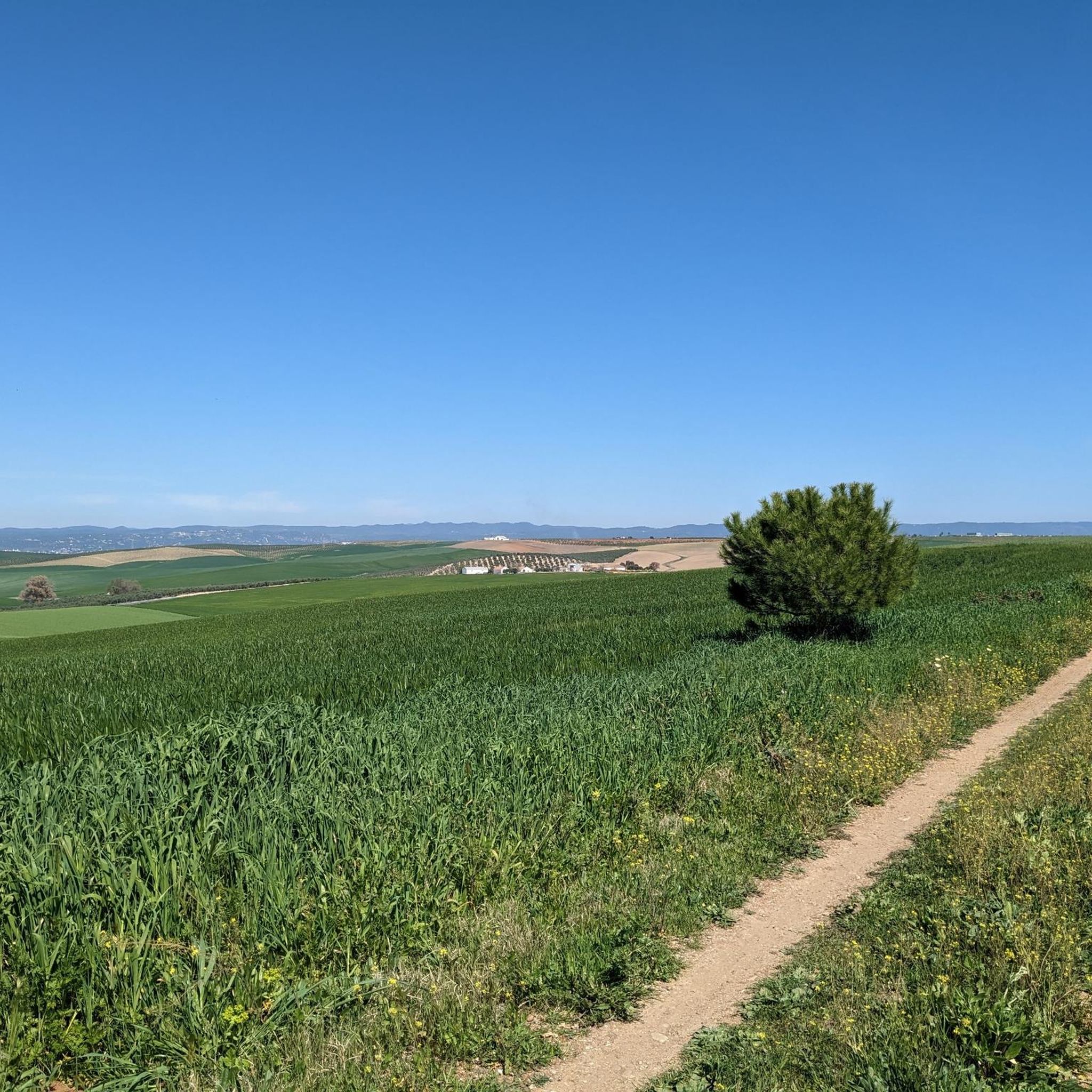
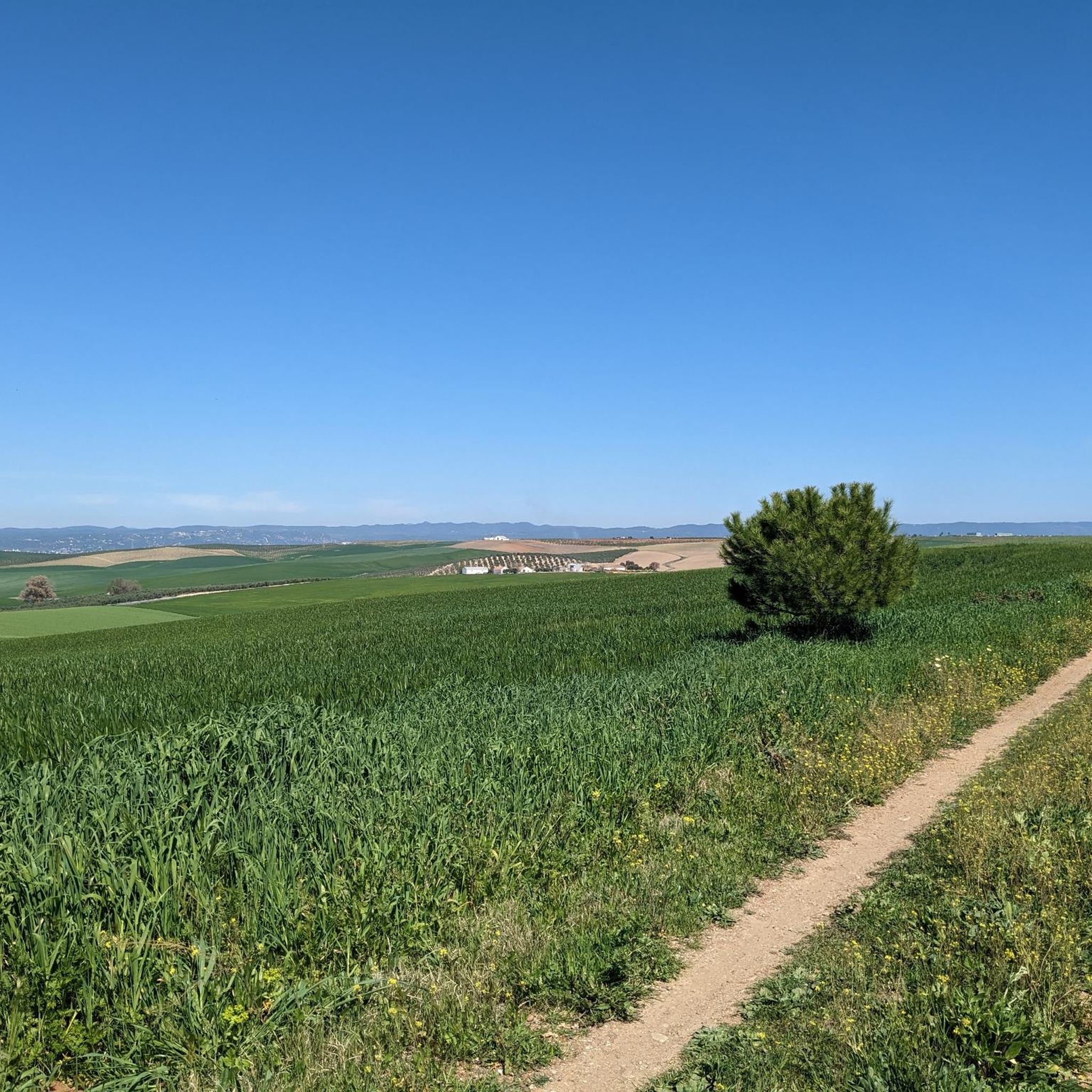
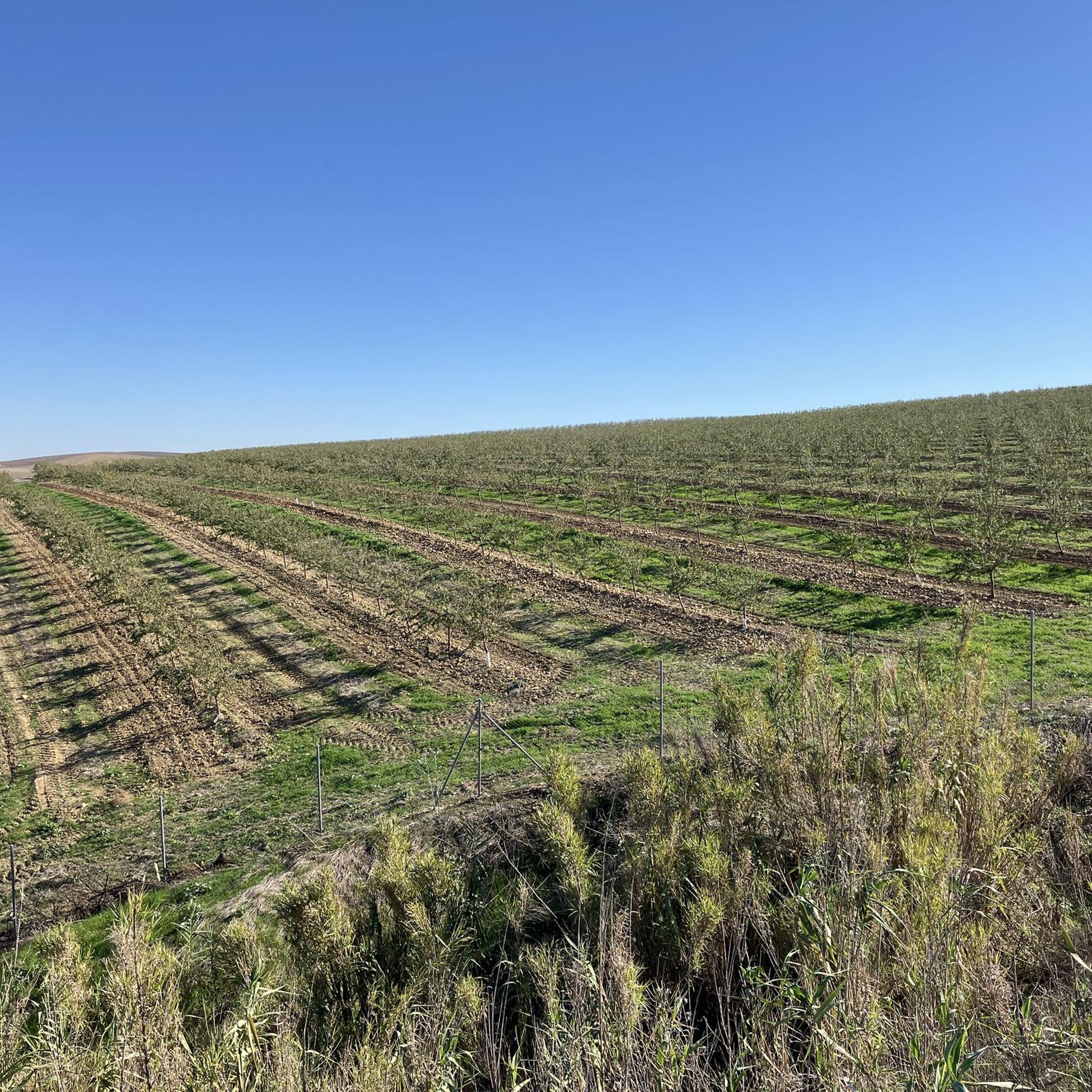
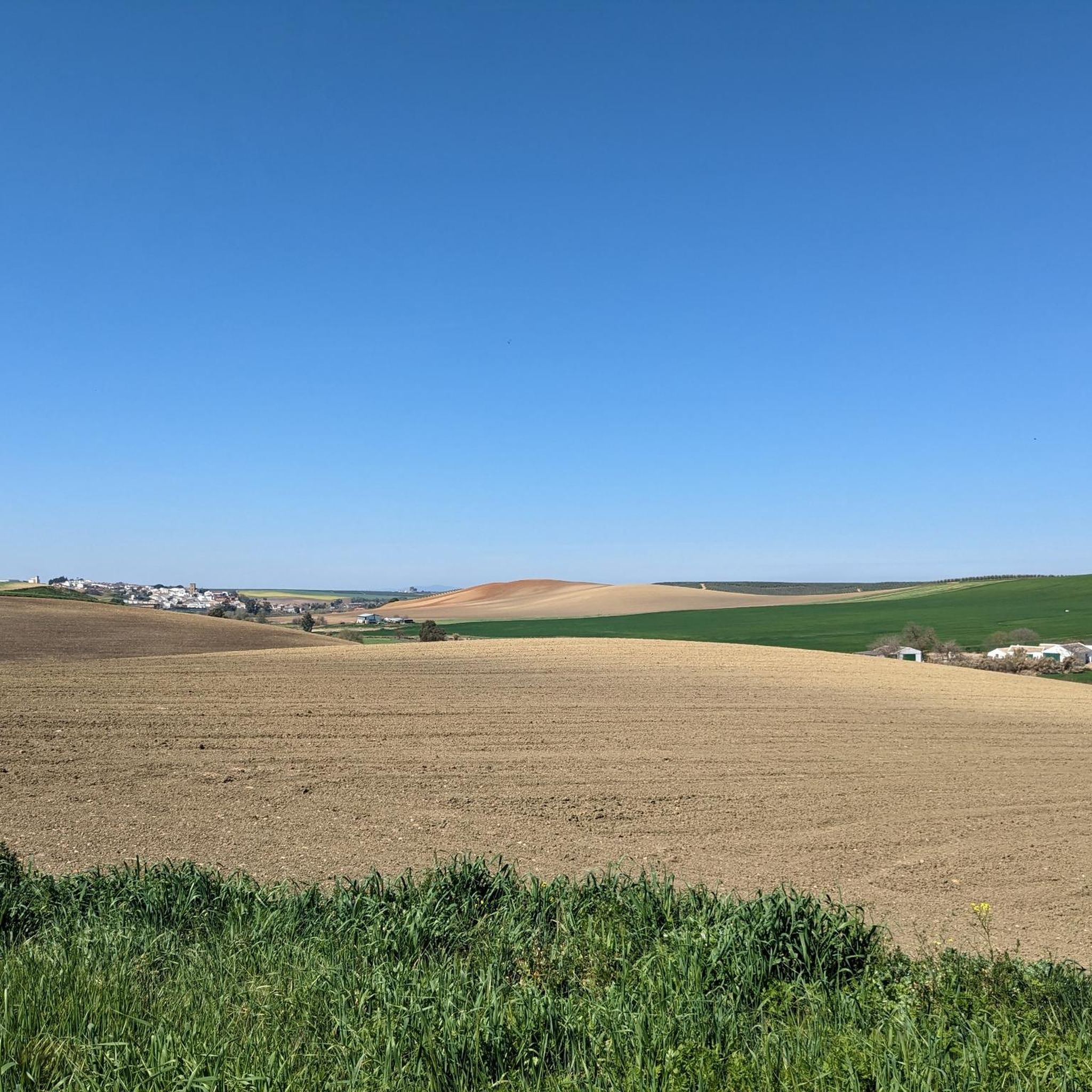
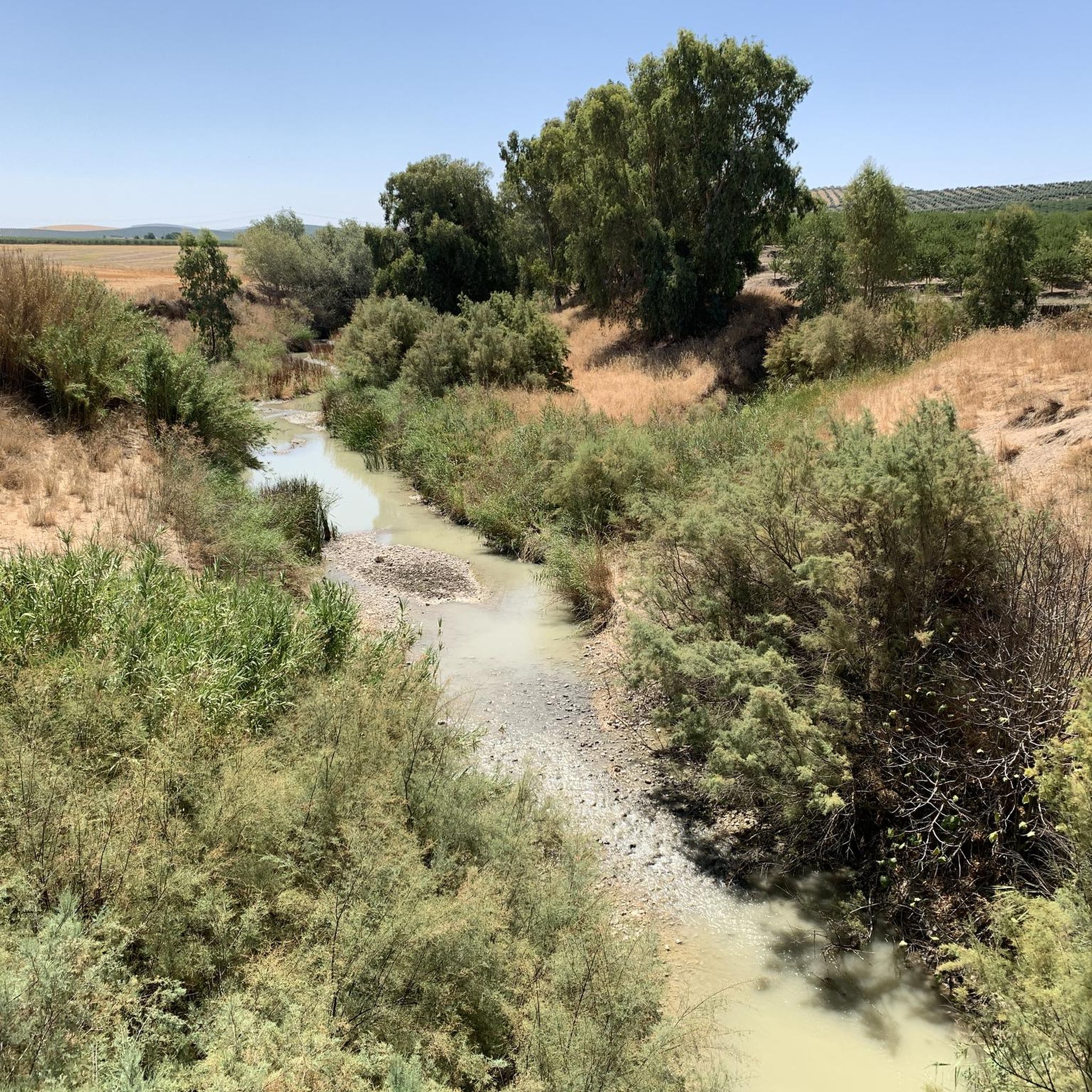
Gravel biking around La Rambla offers a network of routes through the region's varied landscape. The terrain primarily features rolling hills and agricultural areas, characteristic of the Campiña Cordobesa. Riders can expect to encounter open fields, olive groves, and occasional river crossings. The area provides a mix of unpaved roads and tracks suitable for gravel cycling.
Best gravel bike trails around La Rambla
- The most popular gravel bike trail is Fuente Redonda de Las Pinedas – Guadalcazar Recreation Area loop…
Last updated: July 7, 2026
5.0
(3)
44
riders
Hard gravel ride. Very good fitness required. Mostly paved surfaces. Suitable for all skill levels.
5.0
(1)
25
riders
77.8km
04:27
640m
640m
Hard gravel ride. Very good fitness required. Mostly paved surfaces. Suitable for all skill levels.

Sign up for free
7
riders
47.8km
03:41
230m
220m
Moderate gravel ride. Good fitness required. Mostly paved surfaces. Suitable for all skill levels.
2
riders
35.0km
02:45
540m
540m
Hard gravel ride. Very good fitness required. Mostly paved surfaces. Suitable for all skill levels.
2
riders
36.8km
02:57
540m
540m
Hard gravel ride. Very good fitness required. Mostly paved surfaces. Suitable for all skill levels.
Get access to more routes and recommendations from other explorers.
Sign up for free
Already have an account?
Our route recommendations are based on thousands of hikes, rides, and runs completed by other people on komoot.
Start today with a free account
Your next adventure awaits.
Login or Signup
Tips from the Community

Dehesa area in the heart of the countryside
0
0

Córdoba, on the northern bank of the Guadalquivir, is one of the three largest cities in Andalusia, along with Seville and Granada, but is quieter than the other two. The beautiful city was once the heart of Roman Baetica and later one of the leading centres of Al-Andalus. The mosque-cathedral with red and white arches symbolises the enormous wealth of Spanish-Islamic civilisation. But the Mezquita, a UNESCO World Heritage Site, is certainly not the only thing the city has to offer. Churches and palaces, a maze of narrow streets and alleys, patios and balconies full of flowers: everything invites you to a romantic exploration full of surprises.
8
0

Córdoba is one of Spain's most beautiful cities, with a fascinating mix of Moorish, Jewish and Christian history. A must-see for lovers of history, culture and architecture. Córdoba is a bike-friendly city, ideal for exploring on two wheels. Many attractions are easily accessible by bike, and there are dedicated cycle paths and reduced-traffic zones.
8
0
A beautiful stretch of this route that runs along part of the old Córdoba-Marchena railway line. The construction of this line was completed by the Andalusian Railway Company in October 1885. Due to the high operating deficit, the RENFE dismantled this line in 1971. Since 1993, the "Foundation of Spanish Railways", in collaboration with other organizations, has been converting these old railway lines into cycle tourist routes. The Vía Verde de la Campiña is a scenic cycle route that runs from Córdoba through the rural region of the Campiña to the town of Marchena. The route of the Via Verde also passes through landscapes on the banks of the Guadalquivir, mainly characterized by cereal cultivation. An easy and pleasant cycle route that offers the perfect way to explore part of the provinces of Córdoba and Seville on two wheels.
3
0
The gardens were created in the 19th century on the site of a former monastery, the Convento de la Victoria, from which they take their name. The aim was to create a public space that would serve as a place of recreation for citizens. Over time, the gardens have been redesigned several times to adapt them to the growing city and the needs of the population. Today, the Jardines de la Victoria combine traditional elements with modern design elements. A striking building in the gardens is the Pavilion of Córdoba - Kiosko de la Música, which was originally used for cultural events such as concerts and exhibitions. In addition to their function as a recreational space, the gardens have been the setting for numerous cultural and social events. The gardens combine extensive lawns, palm trees, cypresses, and flowerbeds that reflect the Mediterranean climate. Shady paths, water fountains, and benches invite you to linger. An ideal place for a relaxing rest.
7
0
The Puerta de Sevilla in Córdoba is a valuable part of the old city walls that once surrounded the historic city. Although the name Seville refers to the neighboring city, this is one of the important city gates of Córdoba, which played a central role in the defense and access to the city in the past. The Puerta de Sevilla is an important remnant of the city walls of Córdoba and a fascinating monument that reflects the city's varied history. A testament to Roman, Moorish and Christian influences, it combines different architectural styles and tells the story of Córdoba as one of the most culturally and historically rich cities in Andalusia.
9
0

The Benamejí Palace: model of civil baroque in Andalusia. The Benamejí Palace, which houses the museum, is a monument declared a "cultural asset". Built in the first half of the 20th century. XVIII, it is one of the most important examples of civil baroque in Andalusia.
4
0
The old parish church of Santa María belonged to the Gothic-Mudejar type of church. It seems that it was built by D. Pedro Fernández Gragera, a knight in the service of San Fernando in the reconquest of Écija. According to sources, it was completed in 1262. The structure was designed with three naves and a polygonal head, later two side naves were added, so its plan was irregular, with a tower, a patio with orange trees and a cemetery. The building was extensively renovated in the 16th and 17th centuries, with the church being demolished and rebuilt in 1758.
4
0
Frequently Asked Questions
How many gravel bike trails are available around La Rambla?
There are over 10 gravel bike trails documented around La Rambla on komoot, offering a variety of routes through the region's characteristic rolling hills and agricultural landscapes.
Are there any easy or family-friendly gravel bike trails near La Rambla?
The gravel biking routes around La Rambla are generally geared towards more experienced riders, with most trails rated as moderate to difficult. There are no routes specifically classified as easy, so families with young children or beginners might find the terrain challenging due to significant elevation changes and longer distances.
What is the best time of year to go gravel biking in La Rambla?
The best time for gravel biking in La Rambla is typically during the spring (March to May) and autumn (September to November). During these seasons, the weather is milder and more pleasant for cycling. Summers can be very hot in the Campiña Cordobesa, while winters are generally mild but can have occasional rain.
Are there any circular gravel cycling routes around La Rambla?
Yes, many of the gravel bike trails around La Rambla are designed as circular routes. For example, the Fuente Redonda de Las Pinedas – Guadalcazar Recreation Area loop from El Álamo is a challenging 57.6-mile (92.8 km) circular route that takes you through rural landscapes.
What kind of terrain can I expect on gravel bike trails in La Rambla?
The terrain around La Rambla primarily features rolling hills, extensive olive groves, and agricultural plains characteristic of the Campiña Cordobesa. You'll encounter a mix of unpaved roads and tracks, with occasional river crossings, offering varied surfaces suitable for gravel cycling.
What can I see along the gravel bike trails around La Rambla?
Many routes offer scenic views of the agricultural countryside. You might also pass by historical sites or natural features. For instance, the Ducal Palace of Fernán Núñez – La Rambla, Pottery City loop from Montilla passes near the Ducal Palace of Fernán Núñez. Other notable attractions in the wider area include the impressive Almodóvar del Río Castle and the Via Verde de la Campiña.
Are there any advanced gravel bike trails for experienced riders?
Yes, the region offers several challenging routes for advanced gravel bikers. The Guadalcazar Recreation Area – Seville Gate loop from La Carlota is a difficult 47.4-mile (76.2 km) path traversing agricultural lands with extensive views, ideal for those seeking a demanding ride.
Are there any gravel bike routes that pass by cafes or places to rest?
While specific cafes directly on every trail are not guaranteed, many routes pass through or near small towns and villages where you can find places to rest and refuel. Planning your route with komoot allows you to identify such points along the way.
What do other gravel bikers enjoy most about gravel biking in La Rambla?
The gravel biking routes around La Rambla are highly rated by the komoot community, with an average score of 5.0 stars. Riders often praise the extensive views of the countryside, the quiet agricultural roads, and the challenging yet rewarding terrain that defines the region.
Where can I find parking for gravel bike trails around La Rambla?
Many routes start from or pass through towns like La Carlota or Montilla, where public parking is generally available. For example, the Écija – Puente de Écija loop from La Carlota begins near La Carlota, offering potential parking options within the town.
What is the typical duration for gravel bike routes in this area?
The duration of gravel bike routes around La Rambla varies significantly based on distance and difficulty. Shorter, moderate routes like the La Rambla, Pottery City – Roundabout loop from Montemayor (36.8 km) can take around 3.5 hours, while longer, difficult trails can extend to 8-9 hours or more.
Most popular attractions around La Rambla

Get inspired with the komoot mobile app


Explore more
Browse the best Gravel rides in other regions.
