The best walks and hikes in Zespół Przyrodniczo-Krajobrazowy "Wzgórza Ożarowskie"
5.0
(176)
53
hikers
27
hikes
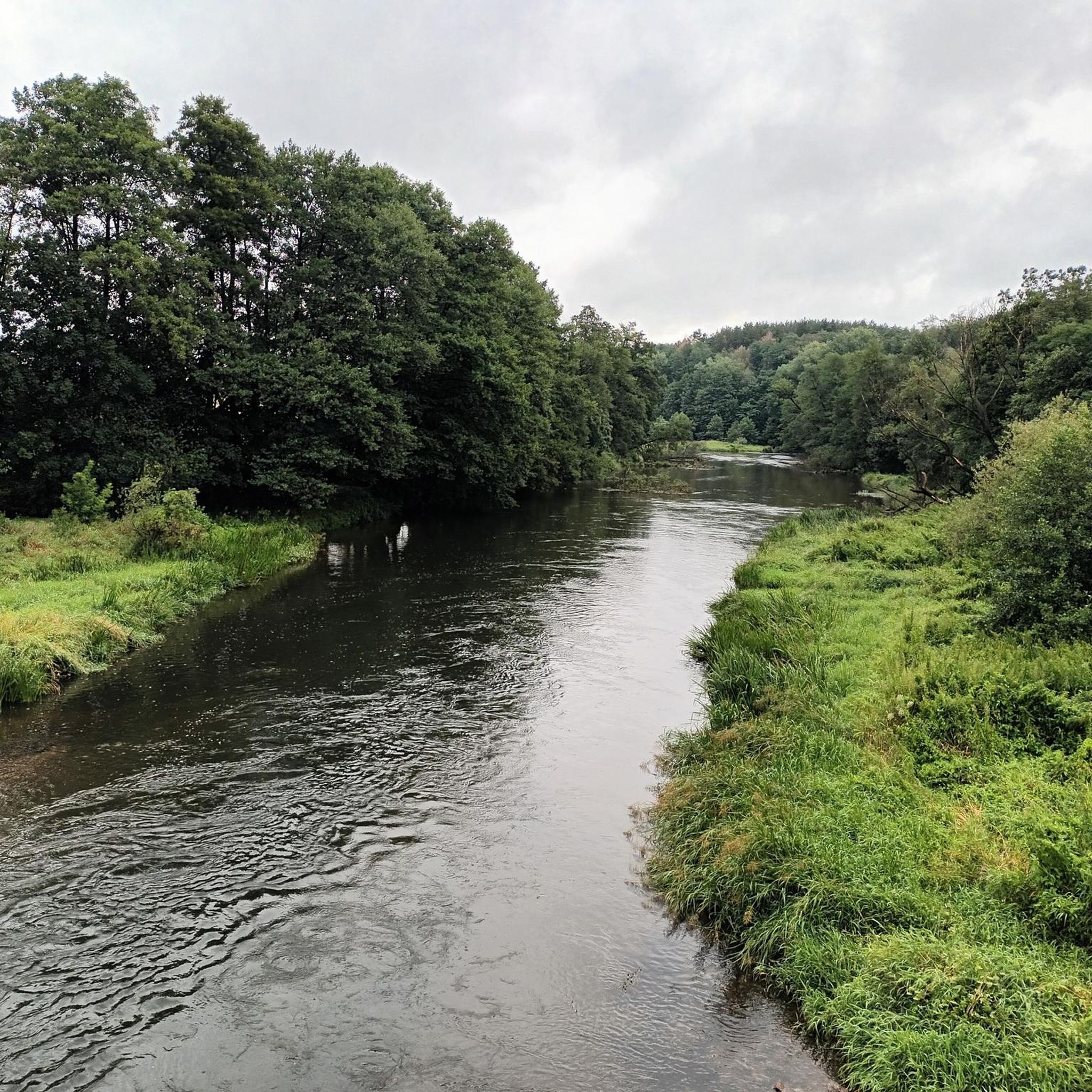
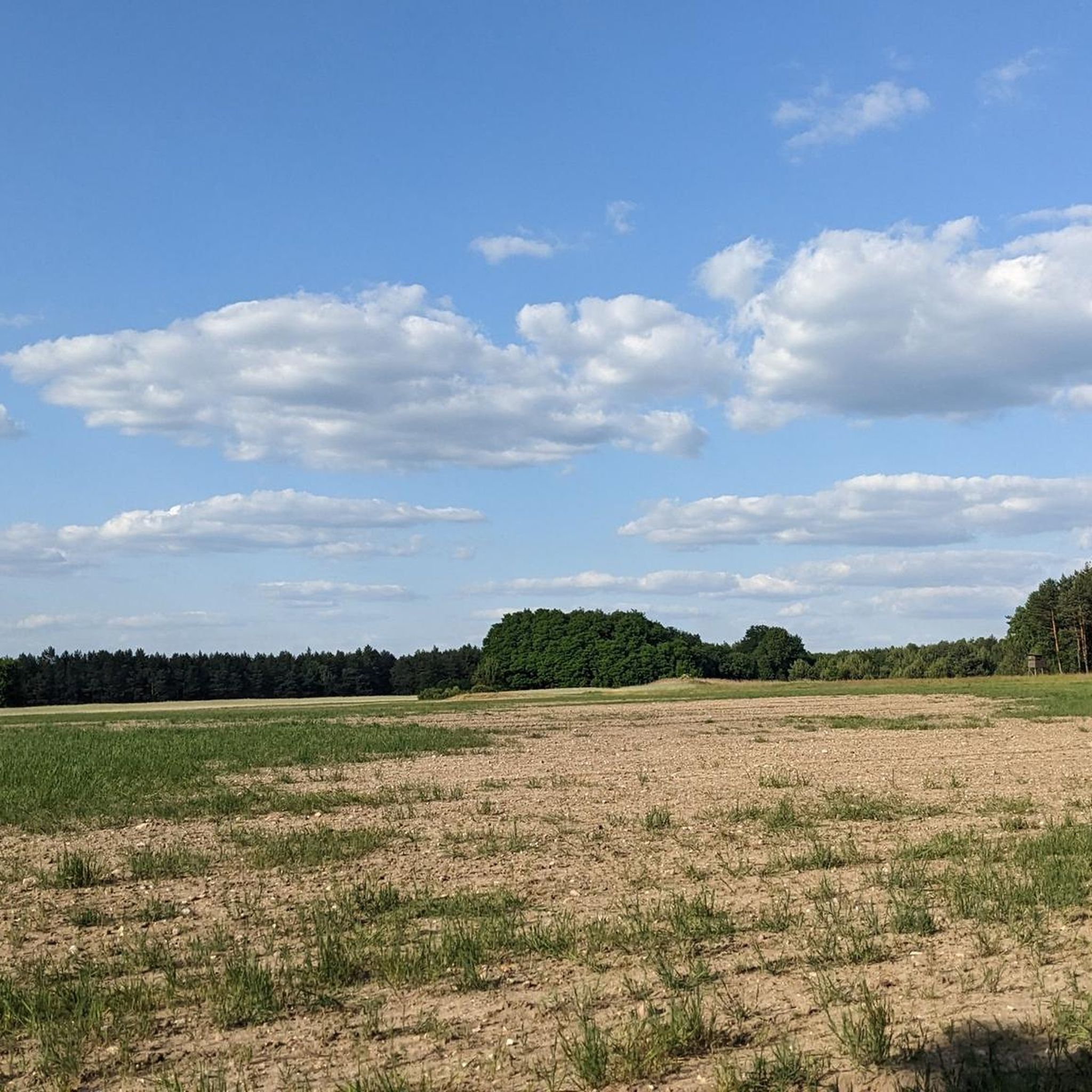
Hiking in Zespół Przyrodniczo-Krajobrazowy "Wzgórza Ożarowskie" offers a network of trails primarily characterized by gentle hills and parkland environments. The region features varied terrain suitable for easy hikes, often incorporating local landmarks and natural areas like ponds. These trails provide accessible outdoor experiences within the natural park.
Best hiking trails in Zespół Przyrodniczo-Krajobrazowy "Wzgórza Ożarowskie"
- The most popular hiking route is Pond in the Park in Wielun loop from gmina Wieluń, a 4.0 miles (6.4 km) trail that takes…
Last updated: May 9, 2026
5.0
(89)
14
hikers
Easy hike. Great for any fitness level. Easily-accessible paths. Suitable for all skill levels.
5.0
(86)
10
hikers
4.53km
01:09
10m
10m
Easy hike. Great for any fitness level. Easily-accessible paths. Suitable for all skill levels.

Sign up for free
5.0
(1)
8
hikers
6.39km
01:37
10m
10m
Easy hike. Great for any fitness level. Easily-accessible paths. Suitable for all skill levels.
3
hikers
4.92km
01:15
20m
20m
Easy hike. Great for any fitness level. Easily-accessible paths. Suitable for all skill levels.
5
hikers
8.39km
02:08
20m
20m
Moderate hike. Good fitness required. Easily-accessible paths. Suitable for all skill levels.
Get access to more routes and recommendations from other explorers.
Sign up for free
Already have an account?
Our route recommendations are based on thousands of hikes, rides, and runs completed by other people on komoot.
Start today with a free account
Your next adventure awaits.
Login or Signup
Popular around Zespół Przyrodniczo-Krajobrazowy "Wzgórza Ożarowskie"

Tips from the Community

Our beautiful park in Wieluń
0
0

The Kaliska Gate was located at the western entrance to the city, positioned on the same axis as the Kraków Gate, and underwent several construction phases from the 14th to early 17th centuries. Initially built as a wall with gates flanked by a tower, it was later expanded with a rectangular gatehouse and eventually extended by 24 meters over a moat, likely functioning as a barbican. The gate and tower were demolished based on the city's 1823 regulatory plan or possibly earlier during Prussian rule (1793-1807), but archaeological work in 2000-2001 uncovered the foundations and erected a cross on the reconstructed tower base.
5
0
The Collegiate Church of Corpus Christi in Wieluń is a 14th-century former Augustinian church built by King Casimir the Great along with an adjacent monastery. After the last monk died in 1893, the church was transferred to diocesan clergy, and in 1965 Pope Paul VI elevated it to collegiate status by reactivating the Wieluń Chapter. The church serves as both a parish church and houses the Sanctuary of Our Lady of Consolation, whose image was crowned with papal crowns in 1971.
4
0
The Franciscan Monastery in Wieluń was founded in 1629 and constructed between 1629-1634, later expanded to its current size between 1737-1754. The monastery served as a refuge for Irish monks fleeing religious persecution from 1645-1653, housed a higher seminary from 1662-1800, and was dissolved by tsarist decree in 1864 due to monks' involvement in the January Uprising before being restored to the Franciscan order in 1921. The baroque church features unique polychromy that underwent major renovation after World War II and houses paintings by 19th-century Franciscan painter Father Rafał Ernest Credo.
3
0
A central plaza of Wieluń, a city with history dating back to the 13th century, with the square itself laid out in the 14th century when King Casimir the Great granted the city municipal rights. The rectangular square measures approximately 100 by 70 meters and is surrounded by townhouses mainly from the 18th and 19th centuries, though some have older 16th-century cellars.
4
0
A bronze model of the oldest part of Wieluń. Interestingly, it's placed on a sphere (not a flat surface like most such models).
4
0
The bombing of Wieluń was a series of German Luftwaffe attacks on the Polish town of Wieluń on September 1, 1939, carried out by Ju 87B Stuka dive bombers as part of Operation Ostmarkflug. The sudden attack, conducted without a declaration of war, destroyed 75% of the town's buildings including the hospital and historic monuments. Casualty estimates vary significantly among historians. Some historians consider the bombing of Wieluń to be the first chronological act of German aggression against Poland, potentially marking the beginning of World War II, though there is no unanimous consensus on this matter among scholars.
4
0
Archaeological excavations conducted between 1988-91 uncovered 186 coins spanning from the 14th to 19th centuries, along with fragments of pottery, glass vessels, textiles, and religious artifacts from the destroyed church.
4
0
Frequently Asked Questions
How many hiking trails are available in Zespół Przyrodniczo-Krajobrazowy "Wzgórza Ożarowskie"?
There are over 15 hiking trails in Zespół Przyrodniczo-Krajobrazowy "Wzgórza Ożarowskie", offering a variety of experiences. The majority of these routes are classified as easy, making the area accessible for many hikers.
Are there any easy hikes suitable for beginners or families?
Yes, Zespół Przyrodniczo-Krajobrazowy "Wzgórza Ożarowskie" is ideal for beginners and families, with 15 out of 19 routes rated as easy. A great option is the Pond in the Park in Wielun loop from gmina Wieluń, which is 6.4 km long and explores a pleasant parkland environment.
What kind of terrain can I expect on the hiking trails?
The trails in Zespół Przyrodniczo-Krajobrazowy "Wzgórza Ożarowskie" are primarily characterized by gentle hills and parkland environments. You'll find varied terrain that often incorporates local landmarks and natural areas like ponds, providing accessible outdoor experiences within the natural park.
Are there any circular walks or loop trails in the region?
Yes, the region features many circular walks. All the top-rated routes, such as the Męczarnia Tower – Franciscan Monastery in Wieluń loop from Wieluń, are designed as loops, allowing you to start and end at the same point without retracing your steps.
What are some interesting landmarks or points of interest I can see while hiking?
Many routes pass by significant local landmarks. For example, the Męczarnia Tower – Wieluń Market Square loop from Wieluń takes you past historical sites, while other trails explore areas around the Monument in Wieluń and the Pond in the Park.
Is Zespół Przyrodniczo-Krajobrazowy "Wzgórza Ożarowskie" suitable for dog walking?
Yes, the natural park environment is generally suitable for dog walking. Please ensure your dog is kept on a leash, especially in areas with wildlife or near other visitors, and always clean up after your pet to maintain the natural beauty of the trails.
What is the best time of year to go hiking in this area?
The best time to hike in Zespół Przyrodniczo-Krajobrazowy "Wzgórza Ożarowskie" is typically from spring through autumn (April to October). During these months, the weather is generally mild, and the natural scenery is at its most vibrant. Summer offers longer daylight hours, while spring and autumn provide pleasant temperatures and beautiful foliage.
Are there any longer routes for more experienced hikers?
While the region is known for its gentle terrain, the longest route available is the Męczarnia Tower – Franciscan Monastery in Wieluń loop from Wieluń, which is 8.5 km long and rated as moderate. This trail offers a slightly longer challenge while still being accessible.
What do other hikers say about the trails in Zespół Przyrodniczo-Krajobrazowy "Wzgórza Ożarowskie"?
The trails in Zespół Przyrodniczo-Krajobrazowy "Wzgórza Ożarowskie" are highly rated by the komoot community, with an average score of 5.0 stars from over 90 reviews. Hikers often praise the well-maintained paths, the peaceful parkland settings, and the accessibility of the routes for various fitness levels.
Where can I find parking for the hiking trails?
Parking is generally available near the main access points and trailheads, especially in and around Wieluń where many of the routes begin. Look for designated parking areas near parks or historical sites mentioned in the route descriptions.
Are there any cafes or places to eat near the hiking trails?
Given the proximity of many trails to Wieluń, you'll find various cafes and eateries within the town. Routes like the Męczarnia Tower – Wieluń Market Square loop from Wieluń pass directly through or near the town center, offering convenient access to refreshments.
Most popular routes in Zespół Przyrodniczo-Krajobrazowy "Wzgórza Ożarowskie"

Get inspired with the komoot mobile app


Explore more
Browse the best Hikes in other regions.
