Attractions and Places To See in Gribskov - Top 20
Best attractions and places to see in Gribskov include a significant forest area in northern Zealand, Denmark. This region offers a blend of natural beauty, historical landmarks, and cultural experiences. It is part of the Kongernes Nordsjælland National Park and a component of the UNESCO World Heritage Site "The Par Force Hunting Landscape in North Zealand." Gribskov is Denmark's fourth-largest forest, providing diverse ecosystems and historical routes for exploration.
Best attractions and places to see in Gribskov
- The most popular…
Last updated: August 31, 2026
Frederiksborg Castle
Highlight • Castle
The museum dates back to one of the many initiatives of J.C. Jacobsen, the founder of the Carlsberg breweries, in 1878. …
Translated by Google •
Tip by

Dronningens Bøge Pier, Esrum Lake
Highlight • Lake
Translated by Google •
Tip by
Sign up now to discover places like this
Get recommendations on the best single tracks, peaks, & plenty of other exciting outdoor places.
Sign up for free
Lighthouse History Museum at Nakkehoved
Highlight • Monument
Translated by Google •
Tip by
Kulsvierstenen (The Charcoal Burners' Stone)
Highlight • Monument
Translated by Google •
Tip by
Gilleleje Church and Jewish Memorials
Highlight • Religious Site
Translated by Google •
Tip by
Sign up for free to discover even more attractions in Gribskov.
Sign up for free
Already have an account?
Start today with a free account
Your next adventure awaits.
Login or Signup
Other adventures in Gribskov

Tips from the Community


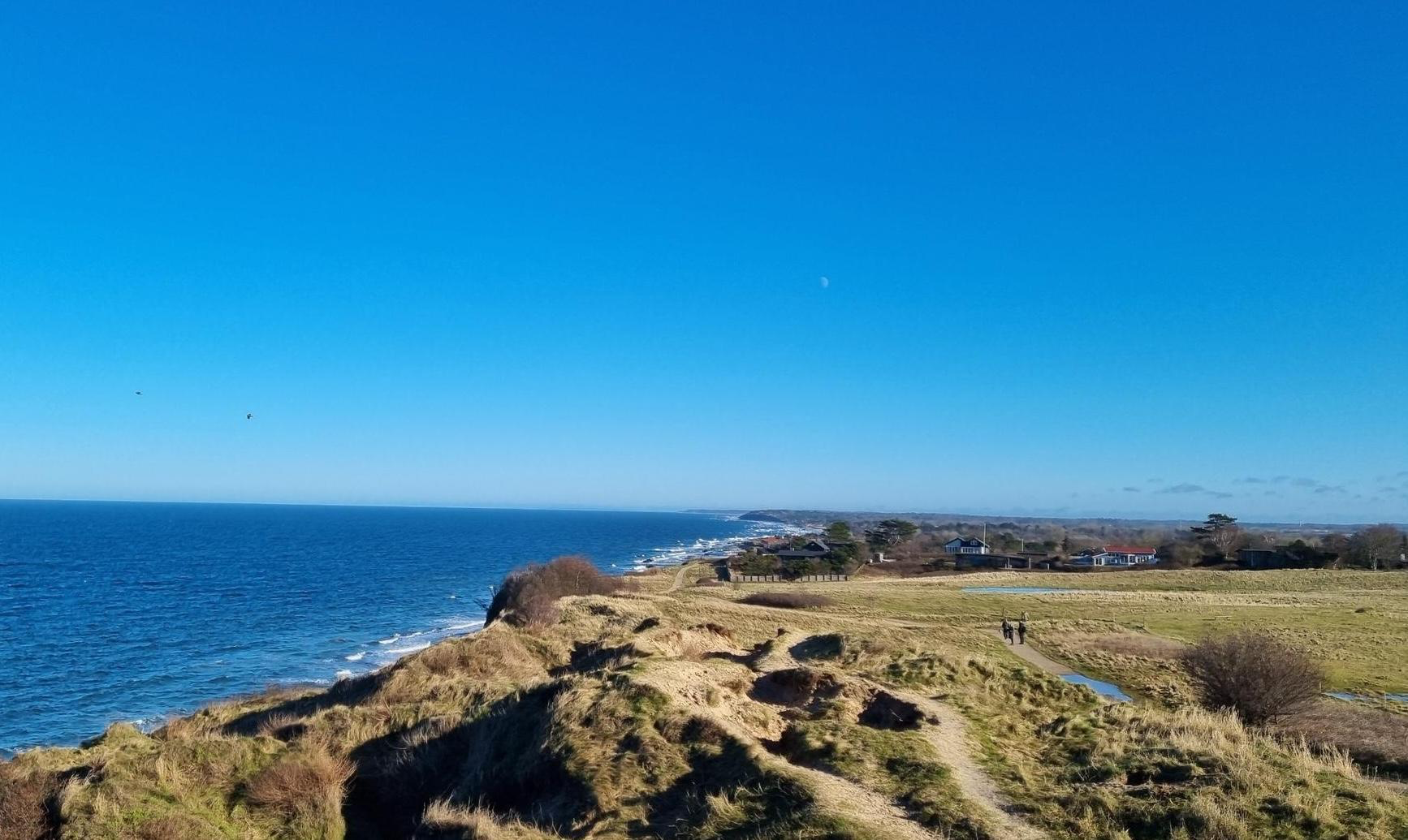
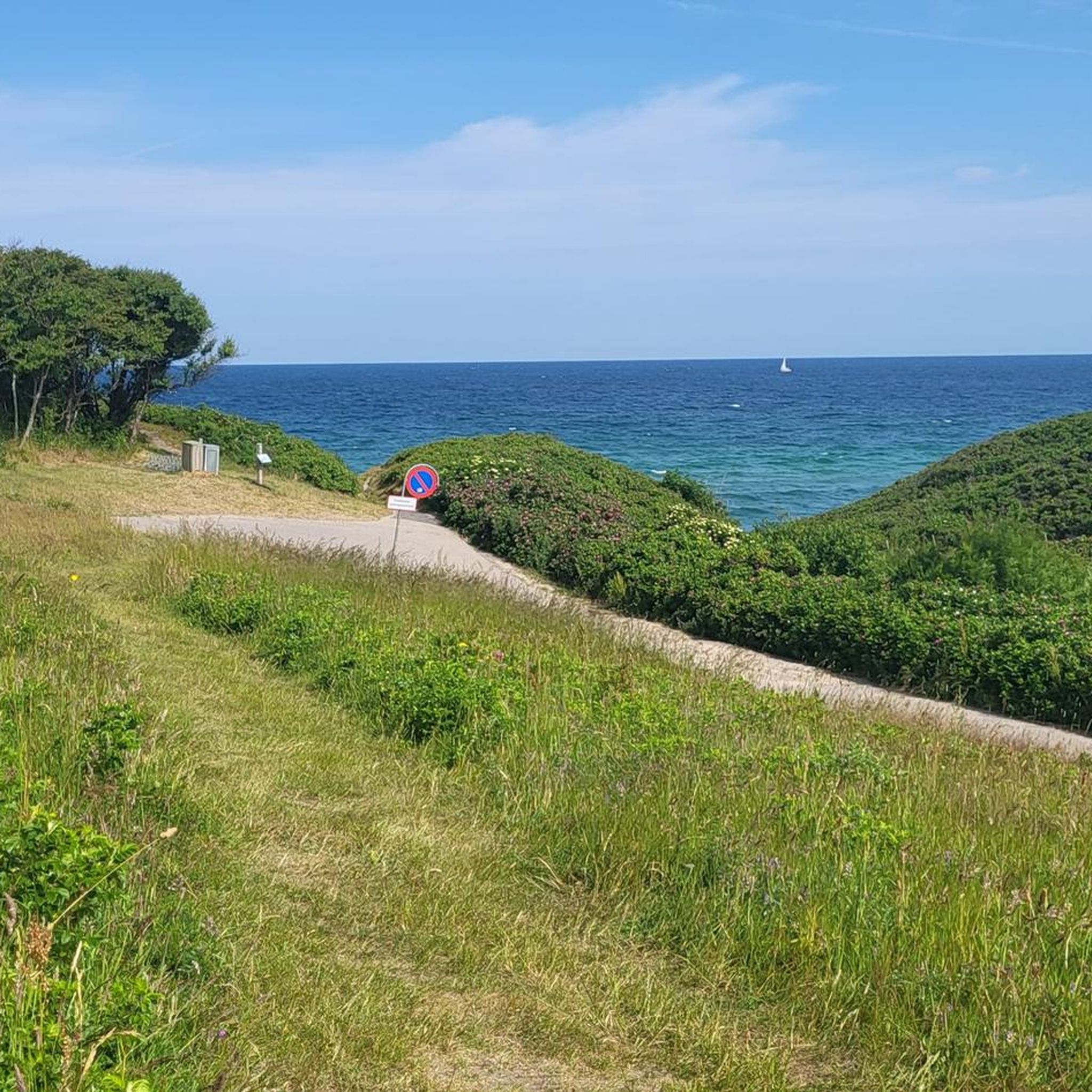
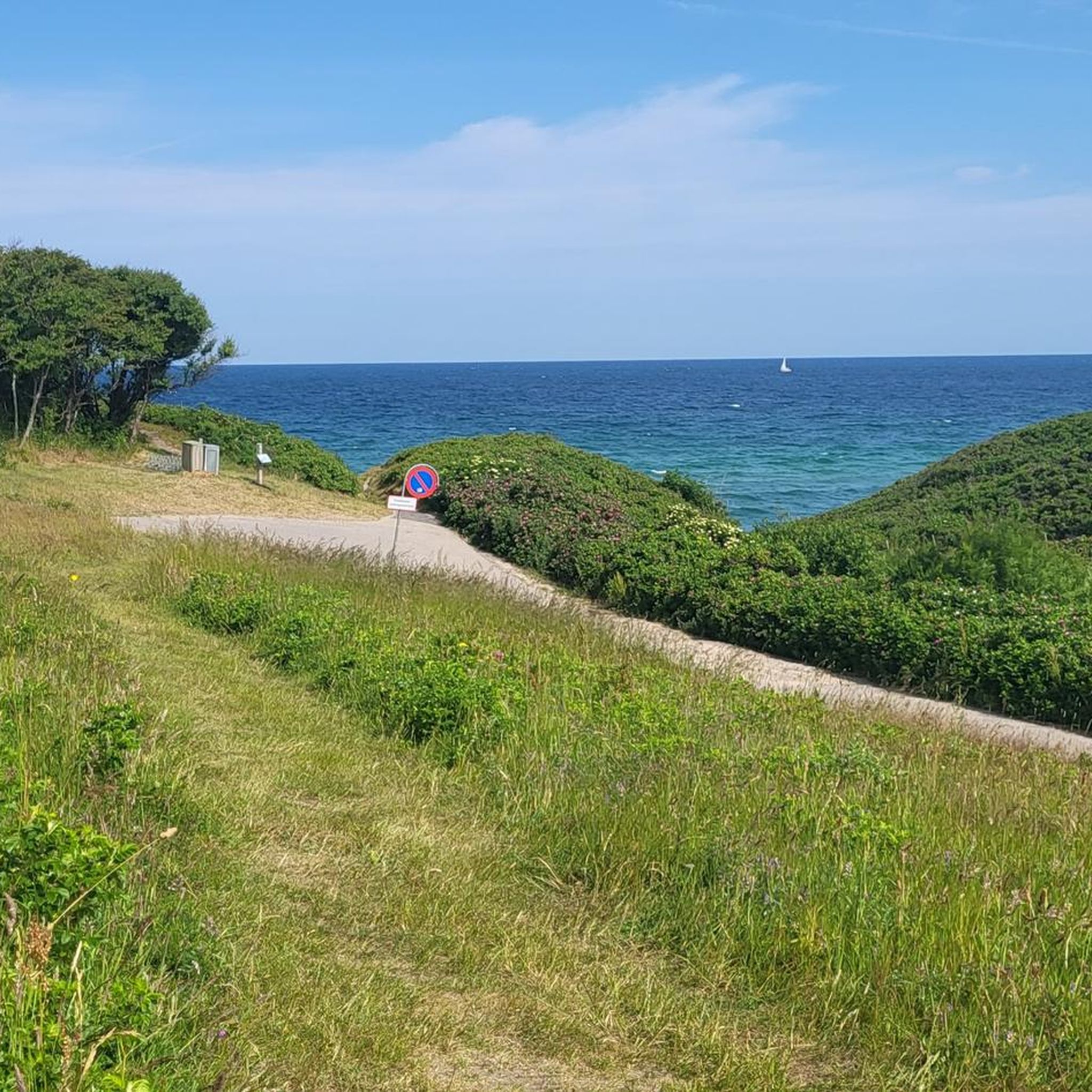
Along the way there are many beautiful views of the sea
0
0
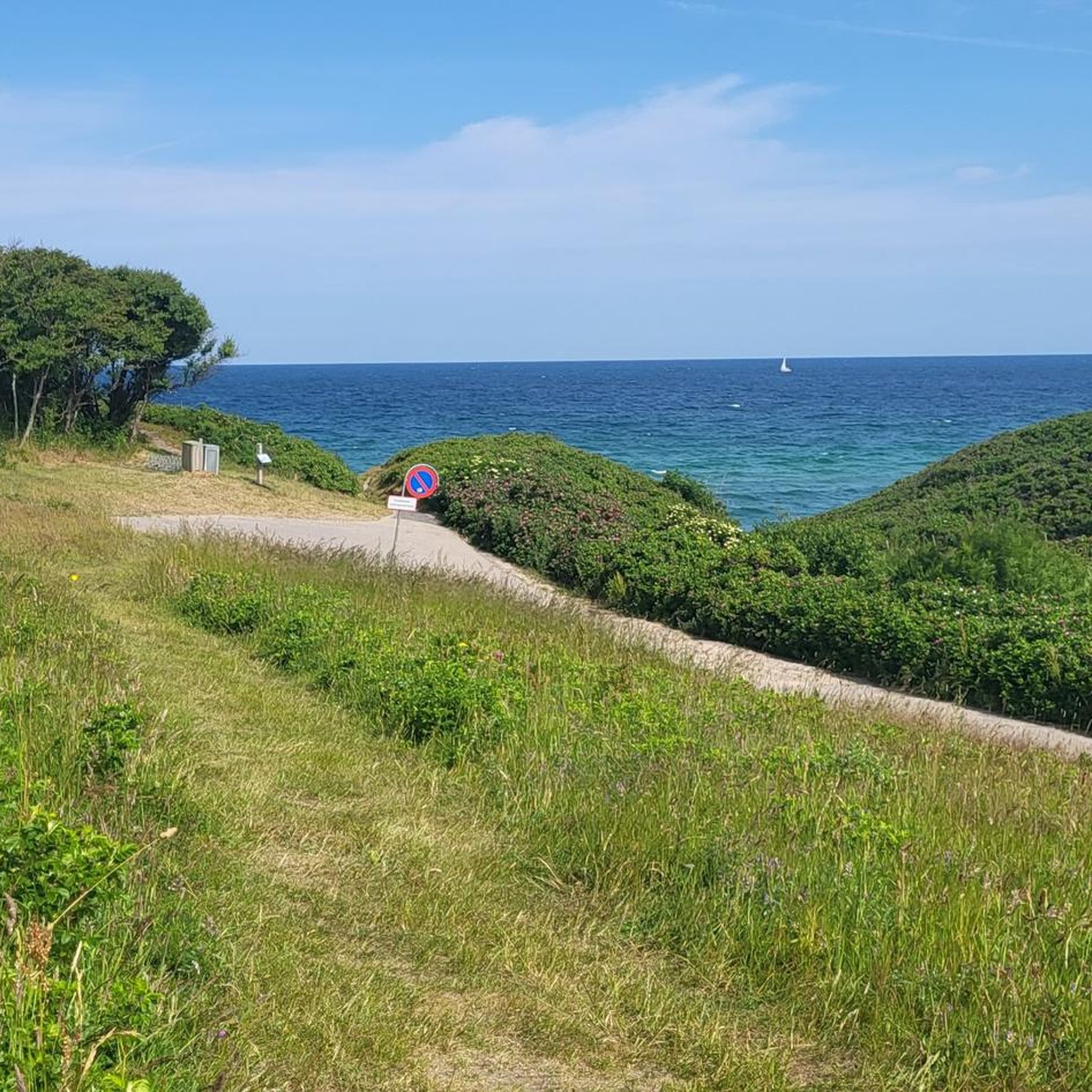
Stairs down the cliff. Walking on the beach is difficult due to the large stones.
0
0

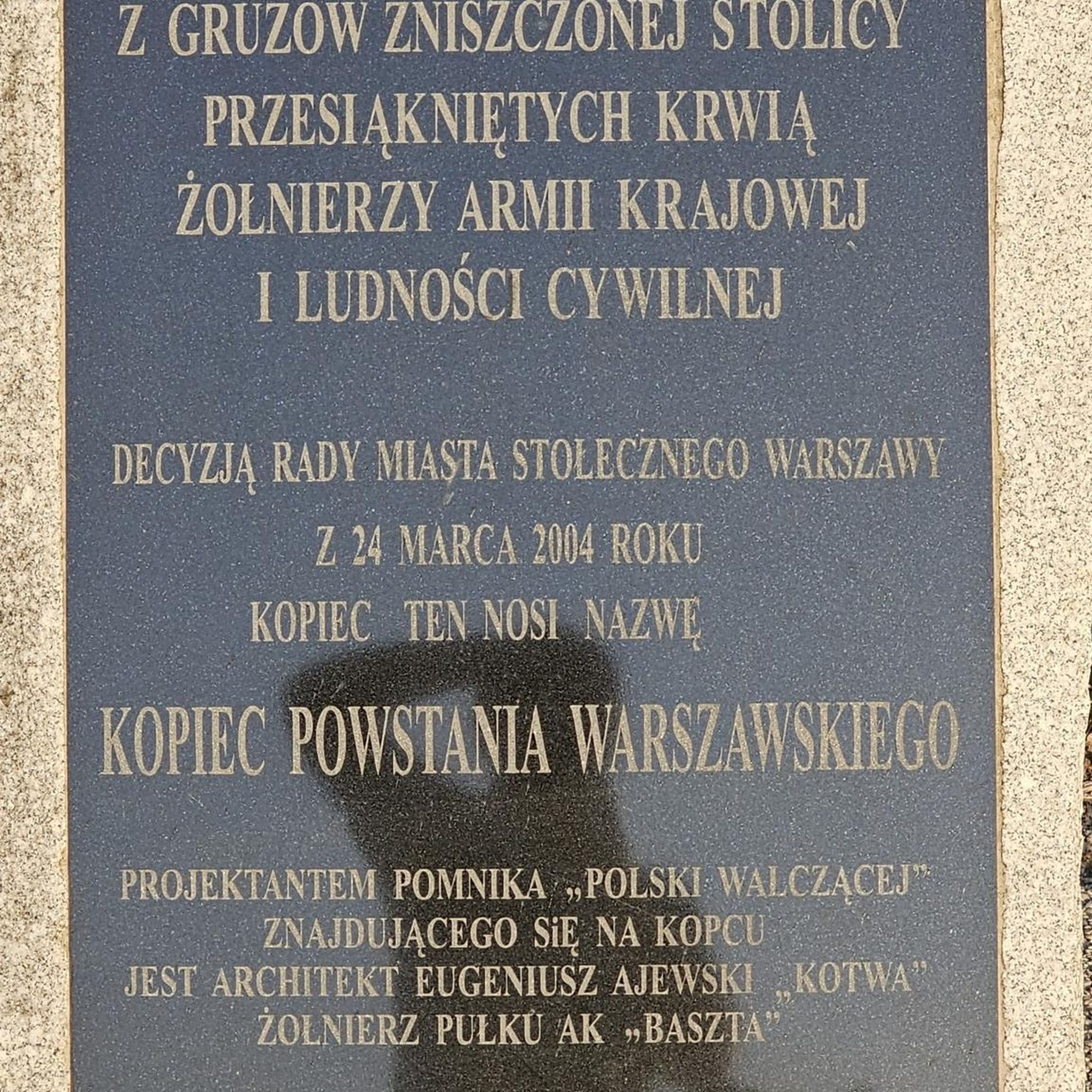
Important story, never forgotten!
1
0

A beautiful moated castle with a small museum shop. We weren't inside, so no information about the innards possible. Good to use as a focal point for hikes and walks in the area.
3
0

The first part of the castle was built in 1560 by King Frederik II, who had acquired the Hillerødsholm estate through a land exchange. His son, Christian IV, however, demolished most of his father's castle and built a new one between 1600 and 1625. It is built in the Dutch Renaissance style. Frederik II had several small garden pavilions built around the castle. The sauna, which still stands in the nature reserve surrounding the castle and is still used by the royal court, was built between 1580 and 1581. On December 17, 1859, the castle was ravaged by a devastating fire. The castle was rebuilt between 1860 and 1884 by the architect Ferdinand Meldahl with financial support from the brewer J.C. Jacobsen and later the Carlsberg Foundation. The interior of the castle church, however, suffered only minor damage and therefore remains in its original design. Source: Wikipedia
4
0

In 1771-72, two beacons with coal fires on top of the towers were built at Nakkehoved. They formed an essential part of the lighthouse display along the international sea route through the Kattegat. There had been one lighthouse at Kullen since 1560. After 1772, shipping could therefore distinguish between the Danish and Swedish sides by the number of lighthouses. In 1800, Poul Løwenørn covered the lighthouses with glass domes. The coal fire was maintained until 1833, when oil burners were installed. Nakkehoved Østre Fyr was extinguished in 1898 and a rotating lens device was installed in the elevated Vestre Fyr. Østre Fyr has been restored to the year 1800 and is one of the few preserved coal lighthouses in the world. Visit the Lighthouse History Museum at Nakkehoved Lighthouse In the old lighthouse keeper's residence, a museum has been set up that shows the history of the lighthouses. You can see the lighthouse keeper's office and in good weather it is possible to go all the way up the tower and walk around the lens. Part of the museum also tells the story of King Frederik the 7th and Countess Danner, who visited Nakkehoved several times. Several have been married at the top of the tower over time. After visiting the museum it is nice to take a walk along the coast and close to the lighthouse there is a staircase that leads all the way down to the beach.
2
0
Frequently Asked Questions
What kind of outdoor activities can I enjoy in Gribskov?
Gribskov, as Denmark's fourth-largest forest, offers extensive opportunities for outdoor activities. You can explore numerous marked hiking and cycling routes, including the historical 'par force' hunting rides. The area is also suitable for horseback riding and primitive overnight stays in shelters. For specific cycling routes, you can find detailed guides for road cycling, touring cycling, and gravel biking in the region.
Are there historical sites to explore in Gribskov?
Yes, Gribskov is rich in history. You can visit ancient sites like Mor Gribs Hule, an impressive 5,000-year-old megalithic tomb. The forest itself is a UNESCO World Heritage Site, part of the 'Par Force Hunting Landscape,' with 17th-century royal hunting routes. Another significant historical site is Kulsvierstenen (The Charcoal Burners' Stone), which commemorates a fierce battle during World War II.
What natural features can I discover in Gribskov?
Gribskov boasts diverse natural beauty. The forest is home to various tree species and is recognized as an Important Bird Area. You can find several lakes, including Store Gribsø, the largest forest-enclosed lake, and Esrum Lake, Denmark's second-largest by volume. Areas like Sandskredssøen and Store and Lille Hessemose have been restored to wetlands and meadows, attracting diverse plant and insect life. Don't miss Dronningens Bøge Pier, Esrum Lake, known for its old beech stands.
Is Gribskov suitable for families with children?
Absolutely! Many attractions in Gribskov are family-friendly. Children can enjoy exploring the vast forest, spotting wildlife like deer, and visiting historical sites such as Frederiksborg Castle Baroque Garden, which offers beautiful grounds for relaxation. The Lighthouse History Museum at Nakkehoved is also a great option, where families can learn about maritime history and, weather permitting, climb the tower for views.
What is the best time of year to visit Gribskov?
Gribskov offers unique experiences throughout the year. Spring brings lush greenery and blooming flowers, while summer is ideal for hiking, cycling, and enjoying the lakes. Autumn transforms the forest with vibrant fall colors, making it picturesque for walks. Even in winter, the forest trails can be beautiful, especially after a snowfall, though some facilities might have reduced hours. The Frederiksborg Castle Baroque Garden is open all year round from 10:00 AM to sunset.
Where can I experience the unique Par Force Hunting Landscape?
The entire Gribskov forest is part of the UNESCO World Heritage Site 'The Par Force Hunting Landscape in North Zealand.' You can experience this historical landscape by exploring its network of hunting roads, which were established in the 17th century by King Christian V. A good starting point to learn about this history is Ottevejskorset (The Ride Eight Cross), where you'll find information boards and maps of these historical routes.
Are there any unique or 'hidden gem' attractions in Gribskov?
Beyond the well-known sites, Gribskov holds some intriguing spots. The Spiralstenen, a large glacial erratic in the middle of the forest, features a mysterious spiral carving whose origin remains unknown. Another unique area is Ulvedalssletterne, a large open landscape near Sandskredssøen where Icelandic ponies graze, helping to restore it to a species-rich common.
What wildlife can I expect to see in Gribskov?
Gribskov is renowned for its wildlife. It hosts Denmark's largest free-roaming fallow deer population, alongside roe deer, sika deer, and red deer. Birdwatchers can spot various species, as the forest is an Important Bird Area, with opportunities to see ospreys. Efforts are underway to restore the forest's natural wild character, enhancing habitats for diverse fauna.
What are some notable historical monuments in the Gribskov area?
In addition to the ancient megalithic tomb of Mor Gribs Hule and the Par Force Hunting Landscape, Gribskov features several significant monuments. The Gilleleje Church and Jewish Memorials commemorate the deportation of Jewish citizens during World War II, with memorial stones by sculptor Gerda Thune Andersen. You can also visit Esrum Abbey & Mill Yard, a former Cistercian monastery dating back to 1151, which now functions as a cultural and nature adventure attraction.
Are there any significant lakes in Gribskov?
Yes, Gribskov is home to several notable lakes. Store Gribsø is the largest forest-enclosed lake, known for its dark, deep waters and local folklore. Esrum Lake (Esrum Sø), bordering Gribskov, is Denmark's second-largest lake by volume, celebrated for its clean water and rich birdlife. Additionally, Sandskredssøen, originally a peat bog, has been restored to a wetland, attracting diverse plant and insect life.
What should I wear when exploring Gribskov's trails?
When exploring Gribskov's trails, it's advisable to wear comfortable, layered clothing suitable for the weather conditions. Sturdy walking shoes or hiking boots are recommended, especially if you plan to venture off paved paths, as some areas can be uneven or muddy. During colder months or in winter, waterproof and insulated gear is essential. Always check the local forecast before your visit.
How can I learn about the local history of lighthouses?
You can delve into the history of lighthouses at the Lighthouse History Museum at Nakkehoved. Located at Nakkehoved, this museum details the history of the two beacons built there in 1771-72. The Østre Fyr (Eastern Lighthouse) has been restored to its 1800 appearance and is one of the few preserved coal lighthouses globally. Visitors can explore the lighthouse keeper's residence and, weather permitting, climb the tower for panoramic views.
Most popular attractions in Gribskov

Get inspired with the komoot mobile app


Explore more
Still not found the Highlight you’re looking for? See guides of the top attractions in other regions:
