Top 15 Castles around Barone Canavese
Best castles around Barone Canavese are situated in Italy's Piedmont region, an area characterized by rolling hills, the Piedmont plain, and distant views of the Alps. This fortified Canavese region historically protected ancient transit routes. The landscape integrates scenic hills, meadows, and vineyards, alongside an ancient "magical forest" known for its centuries-old chestnut trees. The area offers a blend of historical significance and natural beauty.
Best castles around Barone Canavese
- The most popular castles is Mazzè Castle, a medieval…
Last updated: July 11, 2026
Mazzè Castle
Highlight • Castle
It has been private since the late 1970s. It enjoys a splendid view of the Dora Baltea.
Translated by Google •
Tip by

Agliè - the historic town center
Highlight • Historical Site
Translated by Google •
Tip by

Sign up now to discover places like this
Get recommendations on the best single tracks, peaks, & plenty of other exciting outdoor places.
Sign up for free
San Martino
Highlight • Settlement
Translated by Google •
Tip by
Castello di Masino
Highlight • Castle
Take a moment to visit its gardens and labyrinth.
Translated by Google •
Tip by
Panoramic view of the Dora Baltea
Highlight • Viewpoint
Translated by Google •
Tip by

Sign up for free to discover even more castles around Barone Canavese.
Sign up for free
Already have an account?
Start today with a free account
Your next adventure awaits.
Login or Signup
Tips from the Community

Beautiful old town with imposing buildings and views of the mountains.
0
0


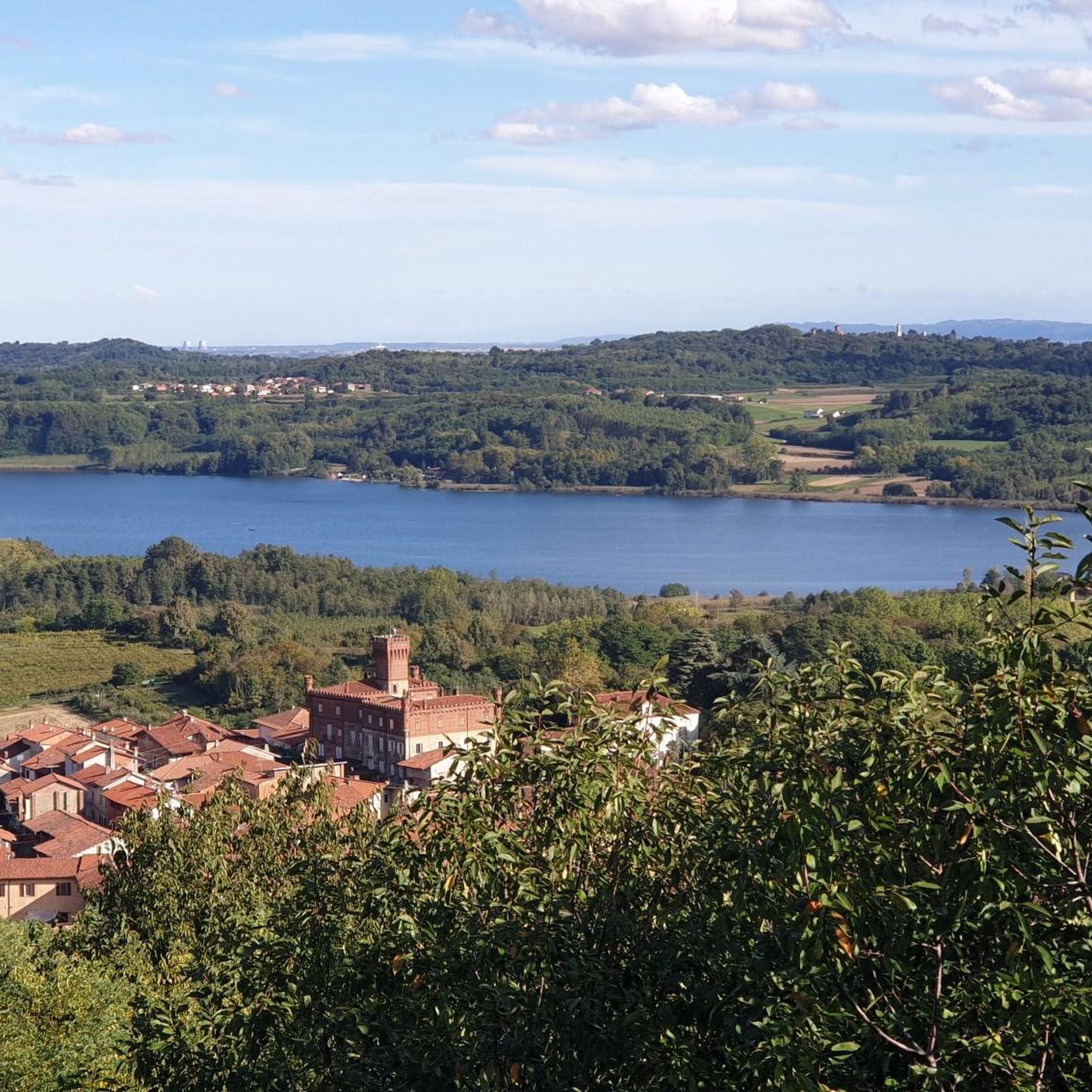
The castle is beautiful but not open to visitors. The view from the park in the square in front of the nearby church is beautiful...
0
0
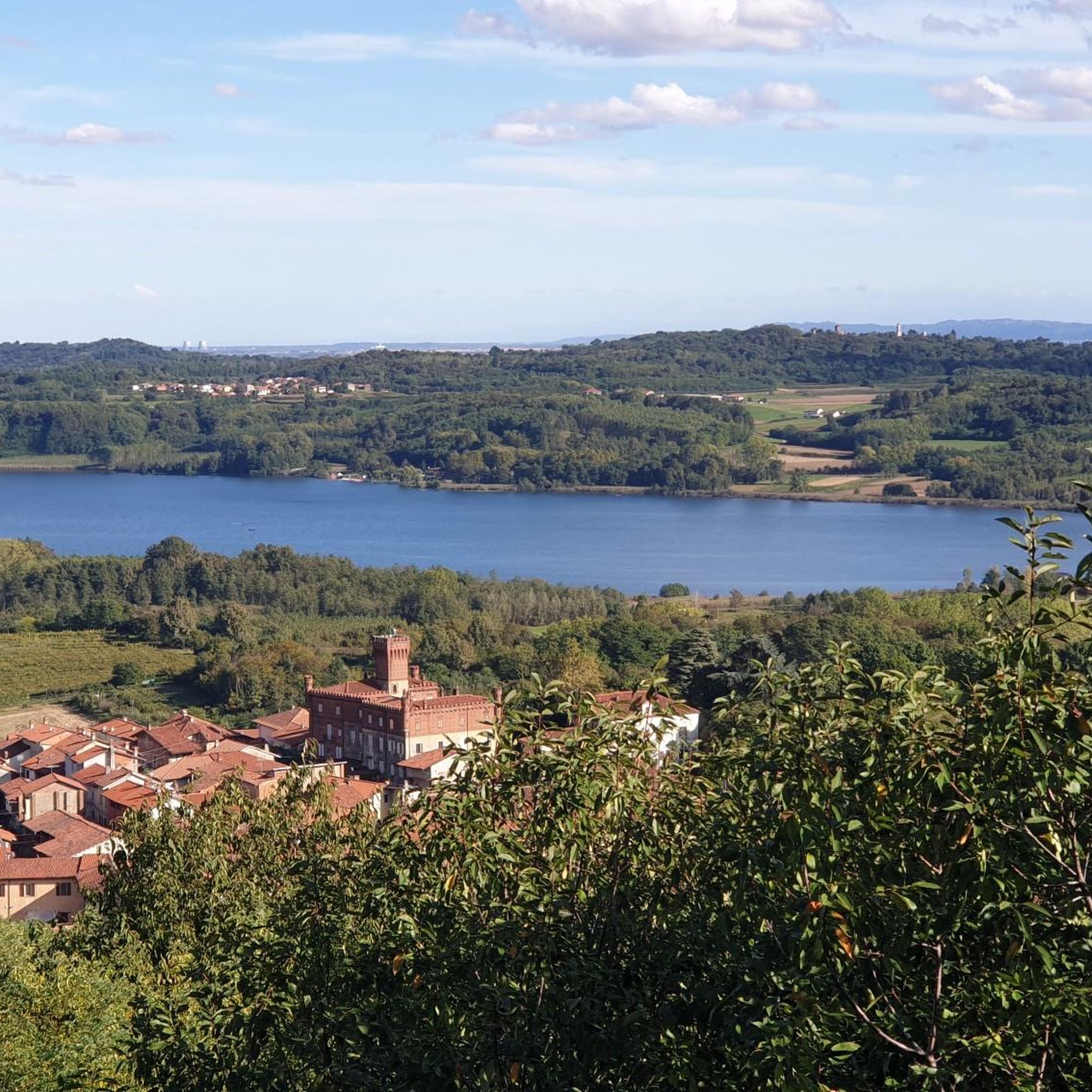
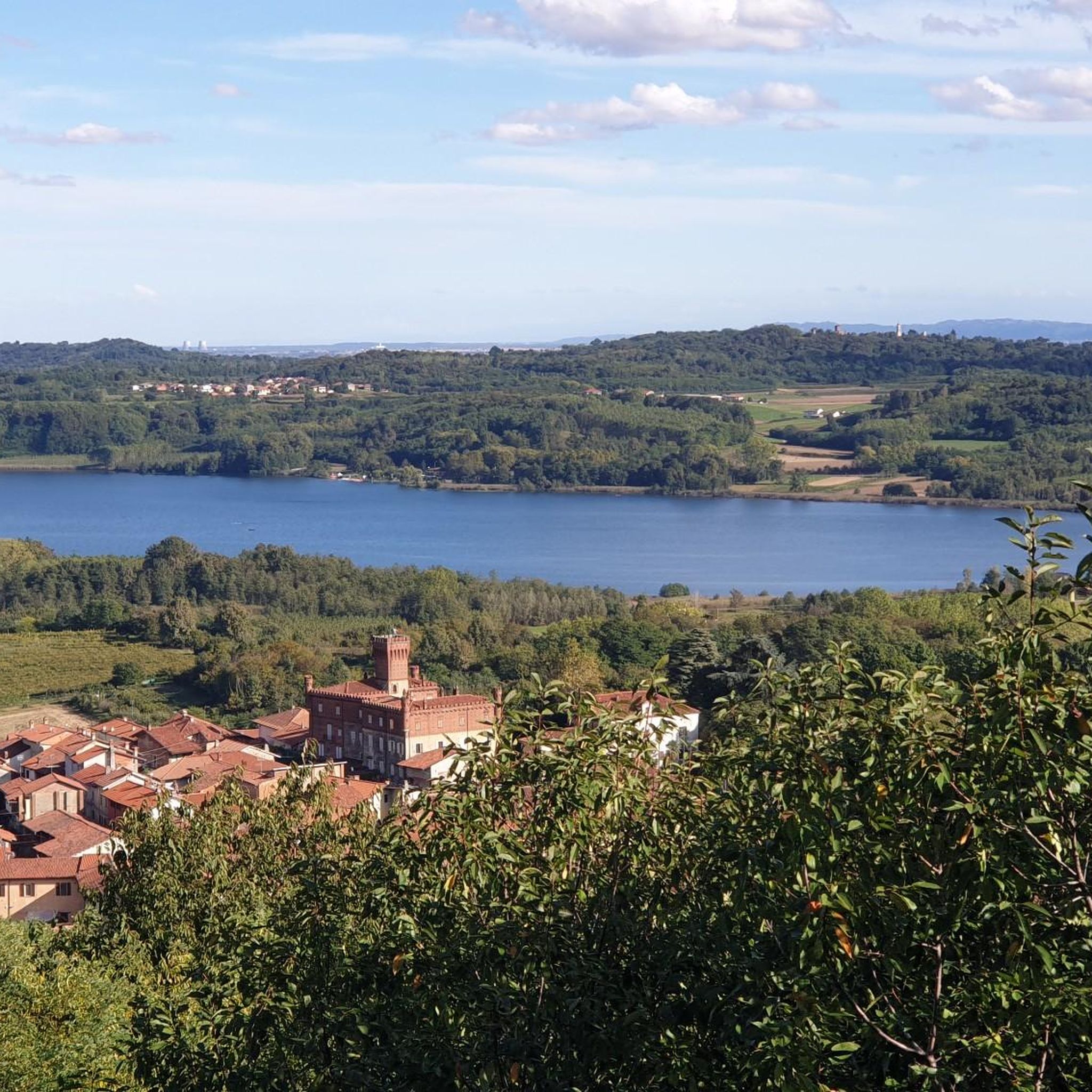
View from the park on the Dora river, on the dam and on the surrounding villages: Villareggia - Cigliano - Saluggia and on clear days up to the Monferrato hills
0
0

Agliè, an enchanting village in the heart of Canavese, boasts a thousand-year history that has its roots in the Roman era. The original nucleus, probably located on the hills of the current hamlet of Santa Maria delle Grazie, was known as "Macunciacum" and depended on the Abbazia Fruttuaria di San Benigno. Agliè, as a fortified village, emerges in documents in 1141, when the feudal lords of Canavese divided the territory. The town became one of the lands of the San Martino di Rivarolo and Agliè, a family that would profoundly mark the history of the village. Despite the feudal struggles that raged in the region, Agliè maintained relative stability, even if it was not immune to looting and devastation. With the arrival of the Savoy, Agliè experienced a period of growth and development. In 1448, the village obtained municipal statutes, a sign of autonomy and recognition. The most emblematic figure of this period was Count Filippo San Martino di Agliè, a man of culture and prominent politician. Minister of Cristina of France, regent of the Duchy of Savoy, Filippo transformed the castle of Agliè into a sumptuous residence, enriching it with works of art and gardens. Today, Agliè is a village that preserves its historical and artistic charm intact. The Ducal Castle, with its gardens and richly decorated rooms, is an unmissable destination for visitors. The streets of the village, with their stone houses and noble palaces, tell the story of a place that has managed to preserve its identity over the centuries.
0
0
Nestled in the rolling hills of Morena Ovest, the village of San Martino enchants visitors with its ancient charm and evocative atmosphere. Its history has its roots in the distant 11th century, when the construction of the majestic Torre-porta maggiore marked the beginning of the settlement. It was a fortified village, surrounded by mighty walls and moats that guaranteed its defense. The walls, made with pebbles arranged in a herringbone pattern and reinforced by megaliths still visible on the north side, testify to the construction skill of the time. Along the perimeter of the walls, there were at least six tower-gates, smaller in size than the main tower, which allowed access to the village. The village of San Martino was long linked to the powerful family of the Counts of San Martino, who exercised control over it for centuries. Their presence is evidenced by numerous historic buildings, including the castle, now in ruins, which dominated the village from above.
0
0


It's worth the trip just to see the stunning castle.
0
0
Frequently Asked Questions
Which castles are most popular to visit around Barone Canavese?
Among the most appreciated castles in the area are Mazzè Castle, a medieval structure offering splendid views of the Dora Baltea, and Castello di Masino, known for its extensive gardens and labyrinth. Visitors also enjoy exploring the Ducal Castle within Agliè - the historic town center, an enchanting village with a rich history.
What historical significance do the castles in Barone Canavese hold?
The castles in the Barone Canavese region are deeply rooted in history, often tracing back to the Roman era or the Middle Ages. They were strategically important, protecting ancient transit routes within the fortified Canavese region. Many, like the Barone Canavese Castle itself, have undergone significant architectural transformations over centuries, from medieval origins to Baroque redesigns, reflecting the changing power and artistic tastes of noble families like the Valpergas.
Can I visit the Barone Canavese Castle itself?
Yes, the Barone Canavese Castle, while privately owned by the Derossi family, can be visited by prior arrangement. It primarily functions as a venue for cultural events, exhibitions, conventions, and private functions, showcasing its 18th-century Baroque architecture and offering panoramic views from its elevated position.
Are there family-friendly castles to visit in the area?
Yes, several castles and historical sites around Barone Canavese are considered family-friendly. Castello di Masino, with its extensive gardens and labyrinth, offers an engaging experience for all ages. The historic town center of Agliè, including its Ducal Castle, also provides a pleasant outing for families.
What kind of outdoor activities can I do near the castles?
The region around Barone Canavese offers a variety of outdoor activities. You can find numerous running, hiking, and mountain biking trails. For example, there are moderate hiking routes like the 'Pine Forest loop' or 'Trail 104 to Napoleon's Spring'. Mountain bikers can explore trails such as 'Molino Roccat MTB Trailhead' or 'Lake Paolet – Bric Vignadoma Singletrack'. You can find more details on these activities in the Hiking around Barone Canavese, Running Trails around Barone Canavese, and MTB Trails around Barone Canavese guides.
Where can I find panoramic views near the castles?
Many castles in the Barone Canavese region are situated on elevated positions, offering stunning panoramic views. Mazzè Castle provides a remarkable vista of the Dora Baltea river and the surrounding villages. The Barone Canavese Castle itself, perched atop a hill, offers extensive views of the Piedmont plain and the Alps. Additionally, the Panoramic view of the Dora Baltea highlight is specifically noted for its wide-ranging scenery.
When is the best time of year to visit the castles around Barone Canavese?
The Piedmont region, including Barone Canavese, generally enjoys pleasant weather from spring through autumn, making these seasons ideal for visiting castles and exploring the surrounding nature. Spring brings blooming landscapes, while autumn offers vibrant foliage and comfortable temperatures. Summer can be warm but is also a popular time for tourism. Winter visits are possible, but some attractions might have reduced hours or closures.
Are any castles around Barone Canavese wheelchair accessible?
While specific accessibility information for all castles is not readily available, historical sites, especially older castles, often present challenges for wheelchair users due to their original architecture (stairs, uneven terrain). It is advisable to check directly with individual castle administrations for their specific accessibility provisions before planning your visit.
Can I bring my dog to the castles or nearby trails?
Policies regarding dogs vary significantly between individual castles and historical sites. Some may allow dogs in outdoor areas or parks but not inside buildings. For nearby trails, many natural paths are dog-friendly, especially if kept on a leash. Always check specific rules for each location you plan to visit to ensure a smooth experience.
How long should I plan for a visit to a castle like Castello di Masino?
For a comprehensive visit to a major castle like Castello di Masino, which features extensive gardens and a labyrinth in addition to the castle interior, you should plan for at least 2-3 hours. This allows ample time to explore the grounds, enjoy the views, and appreciate the historical details without feeling rushed. Smaller sites or just a quick exterior view might take less time.
Are there dining options near the castles?
Yes, the Barone Canavese region and its surrounding towns offer various dining options. You can find restaurants and cafes in nearby villages like Agliè or in the larger towns, serving local Piedmontese cuisine. It's a good idea to check for options in the immediate vicinity of the specific castle you plan to visit, as some might have on-site cafes or be close to village centers.
What makes the Barone Canavese region unique for castle enthusiasts?
The Barone Canavese region is unique for its blend of historical significance and natural beauty. It's part of the fortified Canavese area, which protected ancient transit routes, leading to a rich concentration of medieval, Baroque, and historical castles. These structures are often set amidst scenic hills, meadows, and vineyards, offering not just architectural marvels but also picturesque landscapes, including an ancient 'magical forest' with centuries-old chestnut trees.
Most popular routes around Barone Canavese
Most popular attractions around Barone Canavese

Get inspired with the komoot mobile app


Explore more
Looking for the best castles somewhere else? Discover other guides around Barone Canavese:
