The best gravel rides around Castelo De Vide
16
riders
6
rides
Gravel biking around Castelo De Vide explores the Alto Alentejo region of Portugal, characterized by rolling hills, cork oak forests, and granite outcrops. The landscape features a mix of open plains and more rugged terrain, particularly within the Serra de São Mamede Natural Park. Routes often connect historic villages and offer varied surfaces suitable for gravel bikes.
Best gravel bike trails around Castelo De Vide
- The most popular gravel bike trail is Gravel loop from Castelo de Vide, a…
Last updated: May 11, 2026
96.1km
08:37
1,690m
1,690m
Hard gravel ride. Very good fitness required. Mostly paved surfaces. Suitable for all skill levels.
1
riders
17.9km
01:21
180m
180m
Gravel bike this moderate 11.1-mile route around the Póvoa e Meadas reservoir in Serra de São Mamede Natural Park, featuring dam views and r

Sign up for free
72.4km
07:07
1,860m
1,860m
This difficult 45-mile gravel loop from Castelo de Vide explores ancient megalithic sites and medieval towns with 6097 feet of climbing.
8
riders
85.0km
06:41
1,240m
1,240m
Hard gravel ride. Very good fitness required. Mostly paved surfaces. Suitable for all skill levels.
6
riders
78.0km
06:00
1,380m
1,380m
Hard gravel ride. Very good fitness required. Mostly paved surfaces. Suitable for all skill levels.
Our route recommendations are based on thousands of hikes, rides, and runs completed by other people on komoot.
Start today with a free account
Your next adventure awaits.
Login or Signup

Tips from the Community

Far in the northeast of Alentejo lies Castelo de Vide, just a few kilometers from the border with Spain. The town is often called Cidade branca (white city), which is primarily due to the pretty whitewashed houses of the town. The highlight of the town (besides its great location in the Parque Natural da Serra de São Mamede) is the 14th-century Castelo de São Roque. From the castle, you have a fantastic view of the old town. Other sights in Castelo de Vide include the old Jewish quarter with the oldest synagogue in Portugal and the numerous churches and chapels of the town.
1
0

A place to visit every month. It's wonderful.
2
0
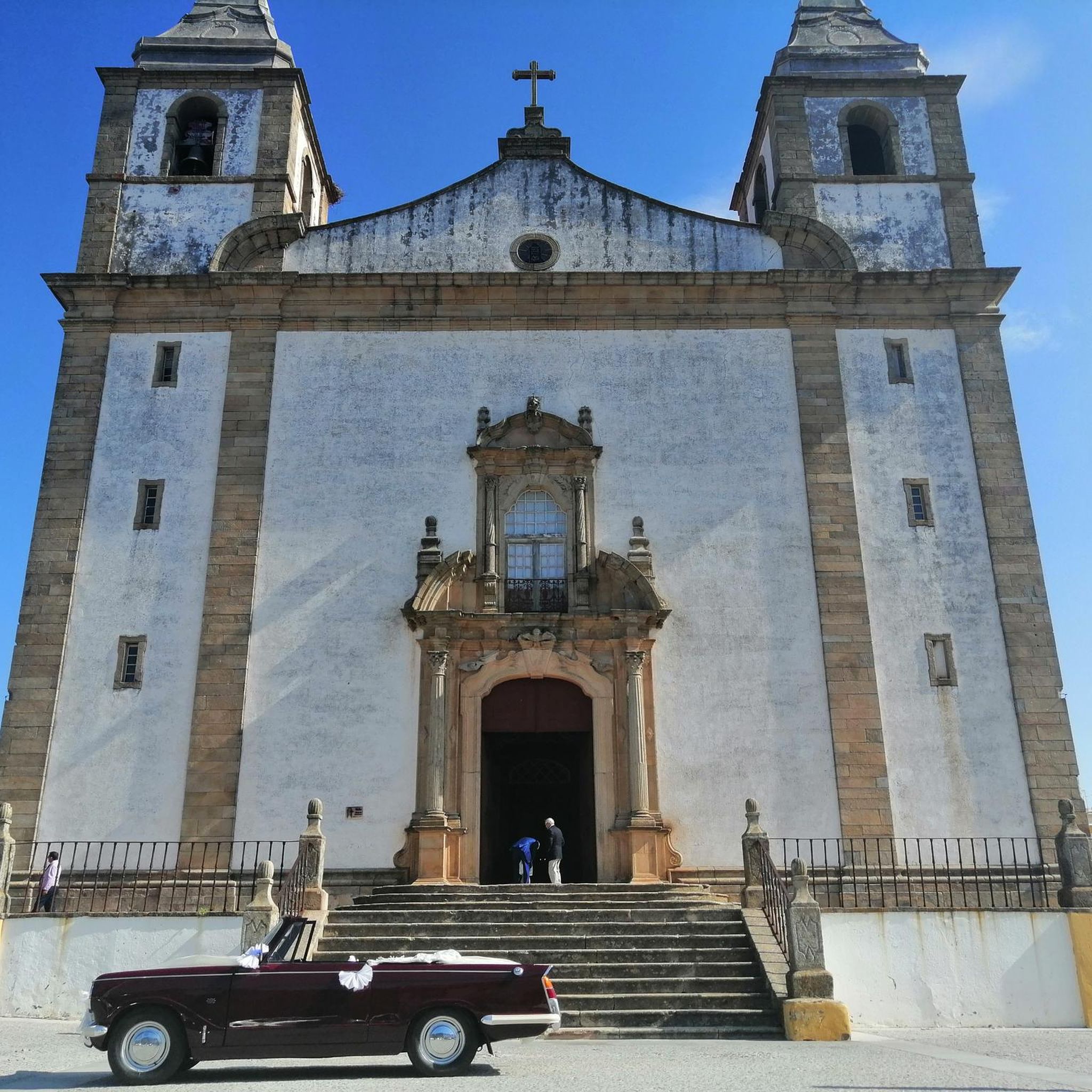
Imposing building in which the Centro de Dia senior center is located
2
0

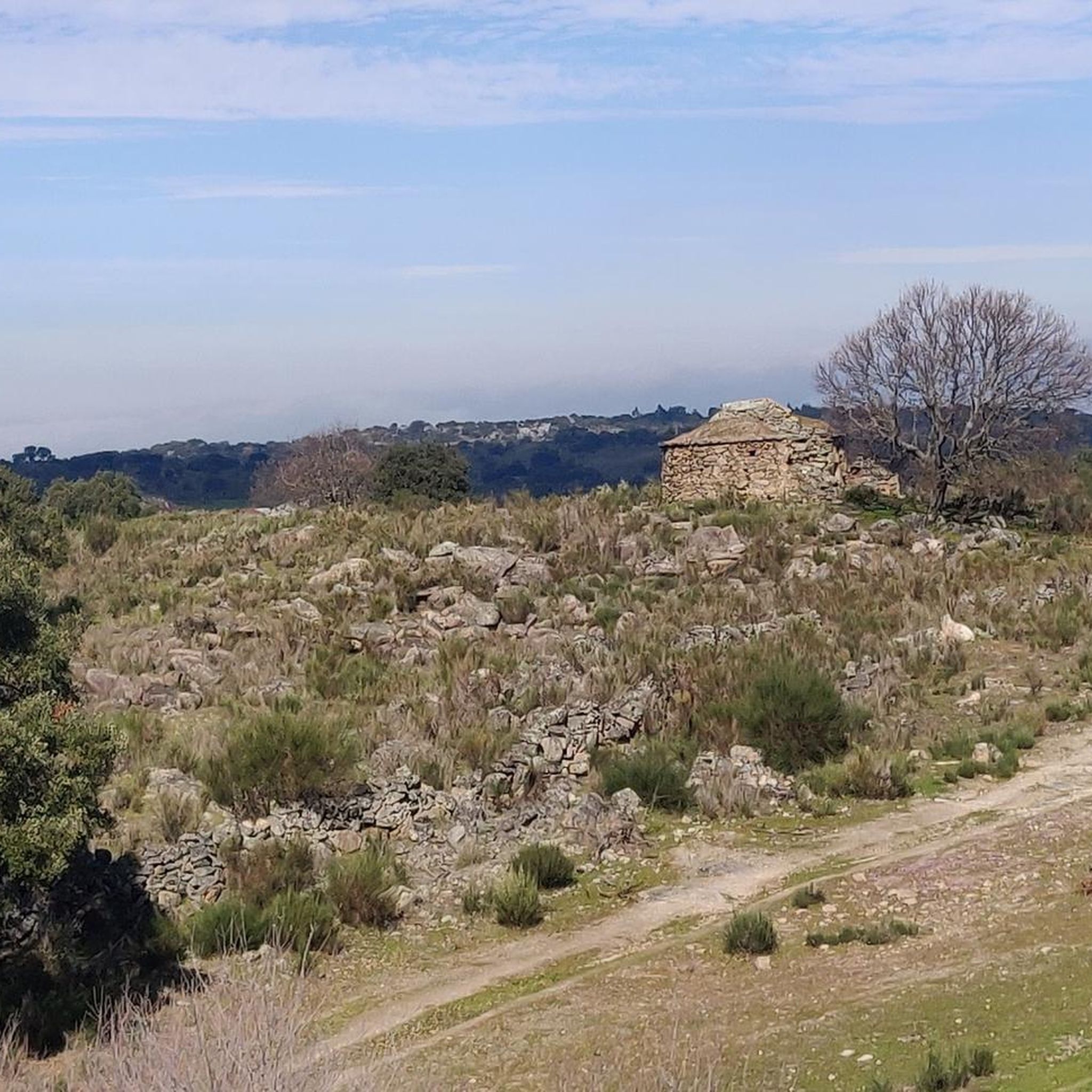
The chafurdão is a traditional dry-stone shelter with a false dome, typical of the region’s vernacular heritage. Though most surviving examples are recent (the oldest dated to 1733), they follow ancient construction techniques. Oriented toward sunrise, these structures include ventilation and lighting through wall openings. Built for temporary use by farmers and shepherds, they often have walled pens and a compact earth-covered roof stabilized by stone capping.
0
0

Beirã is a small, quiet town surrounded by rolling countryside, with cork oak forests, olive groves and a rural, peaceful atmosphere typical of the Alto Alentejo. This village is often associated with its historic train station, once an important hub on the line between Lisbon and Madrid, which still retains some of its old-world charm. Beirã is an ideal base for exploring the surrounding nature and the area's rich historical sites, such as the nearby, well-preserved medieval village of Marvão, perched on a hill, or the Roman city of Ammaia.
1
0
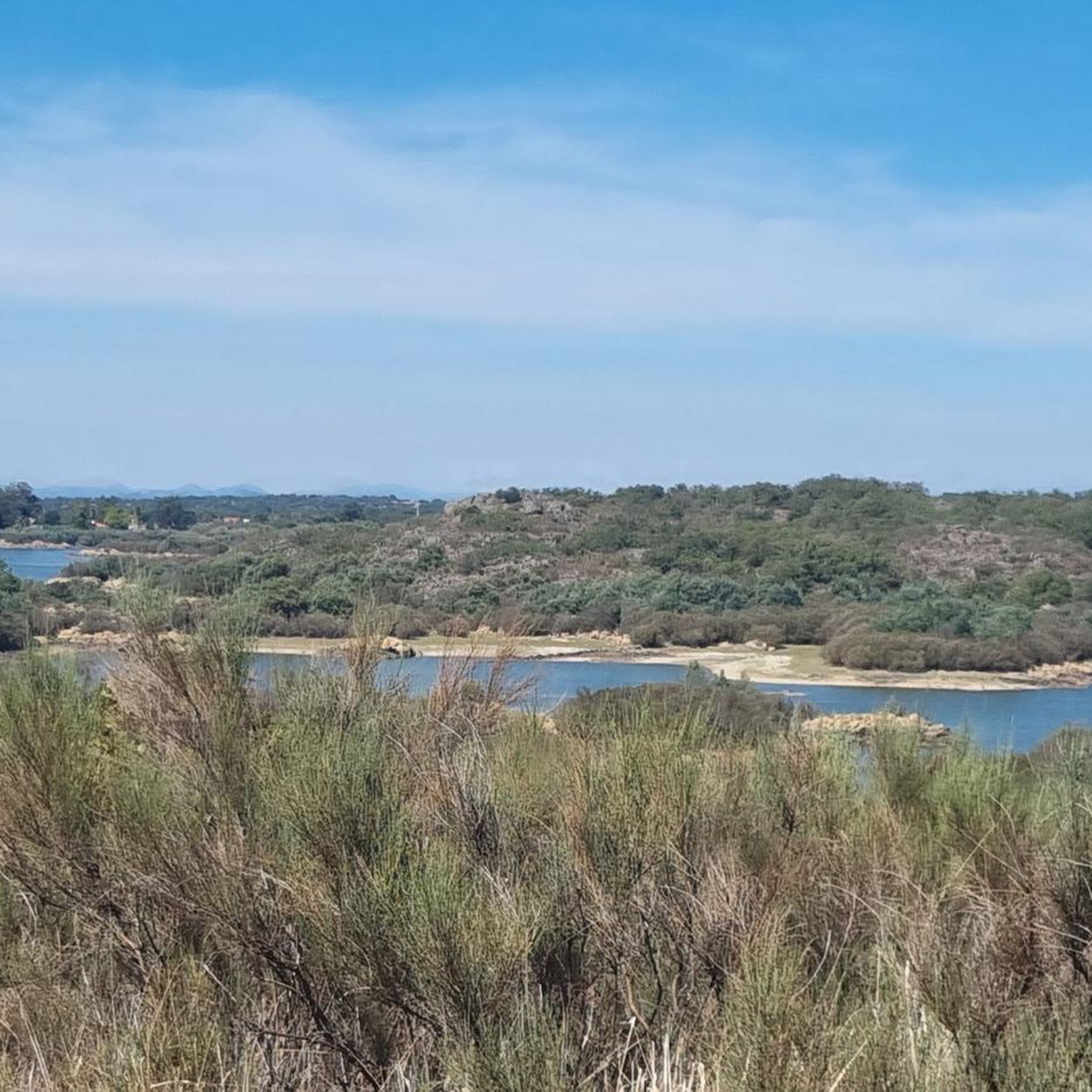
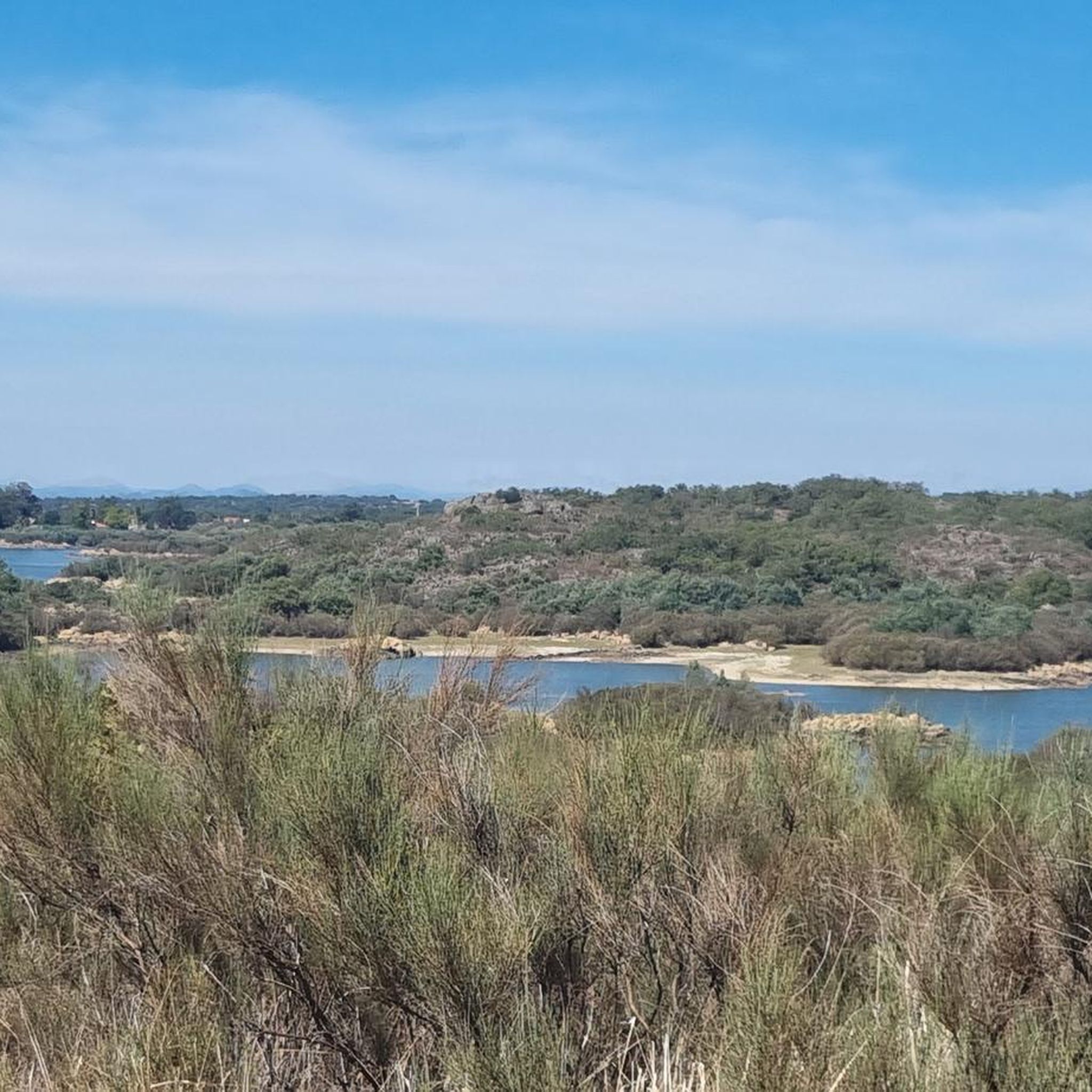
You can cycle on the dam and watch the reservoir from this viewpoint.
0
0
The chafurdão is a traditional dry-stone shelter with a false dome, typical of the region’s vernacular heritage. Though most surviving examples are recent (the oldest dated to 1733), they follow ancient construction techniques. Oriented toward sunrise, these structures include ventilation and lighting through wall openings. Built for temporary use by farmers and shepherds, they often have walled pens and a compact earth-covered roof stabilized by stone capping.
0
0
In Beirã you can find an old train station and railway and can experience the Rail Bike Marvão: info on https://www.railbikemarvao.com
0
0
Frequently Asked Questions
How many gravel bike trails are available around Castelo De Vide?
There are over 5 gravel bike trails documented on komoot for the Castelo De Vide area, offering a variety of experiences through the Alto Alentejo region.
Are there any beginner-friendly gravel bike trails in Castelo De Vide?
Yes, for those seeking a less demanding ride, Route 21 Póvoa e Meadas is a moderate 11.1-mile (17.9 km) path that offers a gentler introduction to gravel biking through rural landscapes.
What are the options for advanced gravel cycling in Castelo De Vide?
Advanced riders will find challenging routes like the Serra de São Mamede Natural Park Loop, a difficult 45.0-mile (72.4 km) trail with significant elevation gain. Another demanding option is the Marvão Castle – Castelo de Vide loop from Marvão, covering 85 km with substantial climbing.
Are there long-distance gravel routes available in the region?
Absolutely. For longer rides, consider the Gravel loop from Castelo de Vide, which spans 59.7 miles (96.1 km) and features significant elevation changes, typically taking over 8 hours to complete. Another long route is the Castelo de Vide – Beirã Train Station loop from Castelo de Vide, at 76.5 km.
What kind of terrain can I expect on gravel bike trails around Castelo De Vide?
The terrain around Castelo De Vide is characterized by rolling hills, extensive cork oak forests, and distinctive granite outcrops. You'll encounter a mix of open plains and more rugged sections, especially within the Serra de São Mamede Natural Park, with varied surfaces suitable for gravel bikes.
What can I see along the gravel bike trails in Castelo De Vide?
Many routes connect historic villages and offer views of significant landmarks. You might pass by the Historic Village of Marvão, the impressive Marvão Castle, or the historic 16th century bridge of Portagem. The trails often provide scenic viewpoints over the Alto Alentejo landscape.
Are there circular gravel bike routes in Castelo De Vide?
Yes, many of the gravel routes in the area are designed as loops, allowing you to start and finish in the same location. Examples include the popular Gravel loop from Castelo de Vide and the Serra de São Mamede Natural Park Loop.
What is the best time of year for gravel biking in Castelo De Vide?
The Alto Alentejo region generally offers pleasant conditions for gravel biking during spring (March to May) and autumn (September to November) when temperatures are milder. Summers can be very hot, and winters, while generally mild, can bring more rainfall.
What kind of weather conditions should I expect for gravel biking in Castelo De Vide?
Expect warm to hot, dry weather during summer months, with clear skies. Spring and autumn offer more moderate temperatures, ideal for cycling, though occasional rain showers can occur. Winters are typically mild but can be wetter, so be prepared for potentially muddy sections on unpaved trails.
What do other gravel bikers enjoy most about the Castelo De Vide area?
Over 15 gravel bikers have explored Castelo De Vide's varied terrain using komoot. Riders often praise the region's unique blend of cork oak forests, granite hills, and the opportunity to connect with historic villages, offering a rich cultural and natural experience.
Are there any cafes or places to refuel along the gravel bike trails?
Many routes pass through or near small towns and villages, such as Castelo de Vide itself, Marvão, or Póvoa e Meadas. These settlements typically offer local cafes, restaurants, or small shops where you can find refreshments and refuel during your ride.
Where can I find parking for gravel biking trails in Castelo De Vide?
Parking is generally available in the towns and villages that serve as starting points for these routes, such as Castelo de Vide or Marvão. Look for designated public parking areas within these localities.
Most popular routes around Castelo De Vide
Most popular attractions around Castelo De Vide

Get inspired with the komoot mobile app


Explore more
Browse the best Gravel rides in other regions.
