The best gravel rides around Cielądz
5.0
(4)
21
riders
6
rides
Gravel biking around Cielądz offers access to varied terrain within Poland's Łódź Voivodeship. The region is characterized by forests and green spaces, providing a natural environment for outdoor recreation. Key natural features include the Tatar Reservoir, which offers routes around its perimeter, and the Rawka River, known for its valley and nature reserve. These areas combine gravel paths with some paved surfaces, creating diverse riding experiences.
Best gravel bike trails around Cielądz
- The most popular gravel bike trail is Scenic…
Last updated: July 10, 2026
4
riders
Moderate gravel ride. Good fitness required. Mostly paved surfaces. Suitable for all skill levels.
6
riders
47.7km
03:01
250m
250m
Moderate gravel ride. Good fitness required. Mostly paved surfaces. Suitable for all skill levels.

Sign up for free
5.0
(1)
3
riders
19.8km
01:14
80m
80m
Easy gravel ride. Great for any fitness level. Mostly paved surfaces. Suitable for all skill levels.
5.0
(1)
2
riders
47.4km
02:52
280m
280m
Moderate gravel ride. Good fitness required. Mostly paved surfaces. Suitable for all skill levels.
5.0
(1)
4
riders
28.3km
01:50
140m
140m
Easy gravel ride. Great for any fitness level. Mostly paved surfaces. Suitable for all skill levels.
Our route recommendations are based on thousands of hikes, rides, and runs completed by other people on komoot.
Start today with a free account
Your next adventure awaits.
Login or Signup
Tips from the Community


A very nice viewing spot.
0
0

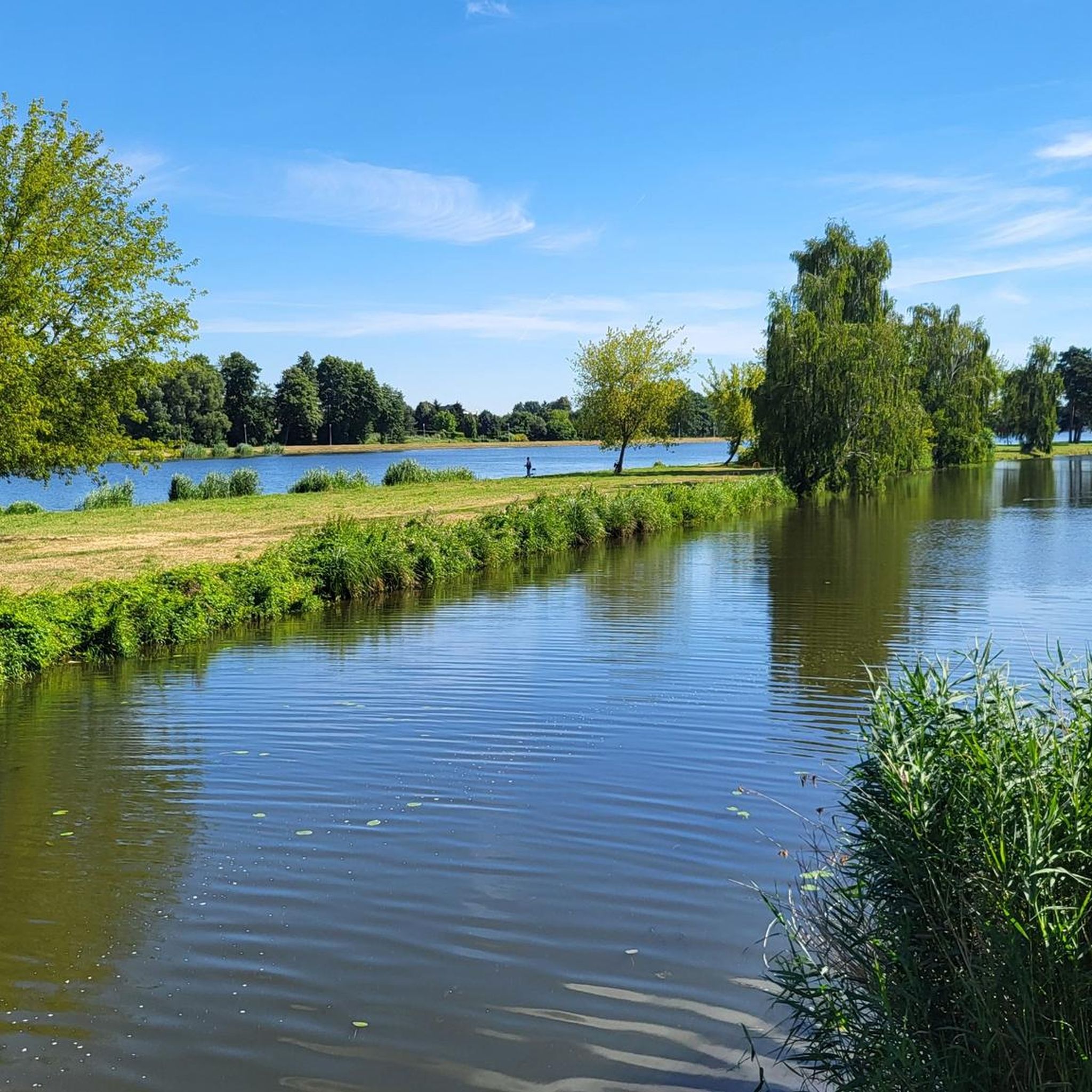
A great bike path around the Tatar Reservoir in Rawa Mazowiecka. One lap is approximately 3.64 km.
0
0
Well-preserved ruins of the castle and defensive walls.
0
0

A small reservoir, located among forests, the average depth is about 1.8 m. The dominant fish is roach. In spring, you can catch some good tench. An interesting place for friendly fishing competitions. Access to the water from every side. A place for a bonfire, there are large tables and benches. Very pleasant.
0
0
The over 50-hectare, forest-surrounded reservoir "Tatar" with the Sports and Recreation Center is perfect for not only summer recreation. Residents and tourists have access to a walking and cycling route around the reservoir, benches along the shores, a guarded beach, alleys in the forest, a hotel, and pubs and restaurants where you can eat deliciously and cheaply. There are many ways to spend your free time. For example, you can rent a water bike, a boat, or a kayak and sail around the reservoir. The reservoir was created in the historic district of Rawa Mazowiecka, Tatar, which was a separate town until 1924.
1
0
The castle was built in the second half of the 14th century as the most southwestern stronghold of Mazovia, situated in the marshy forks of the Rawka and Rylka rivers, on an important trade route from Pomerania to Ruthenia. Thanks to King Sigismund Augustus, from 1569, the Rawka castle was used to deposit and store the quartz tax (established in 1563), collected from the starosty and crown lands, and intended for the Crown Army. From the 17th century, the castle fell into ruin. The destruction was initiated by the Swedish army during the "Deluge". Partial reconstruction in the second half of the 18th century by the Rawka starosta Franciszek Lanckoroński did not stop the process of decline. Its deliberate destruction, initiated during the Polish-Russian war at the end of the 18th century, was continued by the Prussians, who ruled the city at the turn of the 18th and 19th centuries. After World War II, conservation work began. In the years 1954-1958 the outline of the foundations was uncovered, a section of the curtain walls and the octagonal tower, which houses archaeological and historical exhibitions, were reconstructed.
0
0
The parish in Wysokienice was established in 1347 by the metropolitan archbishop of Gniezno, Jarosław Bogoria Skotnicki. The first parish church was supposed to have five altars. At the beginning of the 16th century, it was pastored by two priests: a parish priest and a vicar. It was supposedly consecrated only in 1540 by the suffragan bishop of Gniezno, Jan Busiński, but it is not known under what name. The church burned down together with the entire village of Wysokienice on 20 October 1749. A new church, larch, oriented, of log construction, boarded, dedicated to St. Martin the Bishop was built in 1758, funded by the metropolitan archbishop of Gniezno, Adam Komorowski, the primate of Poland, on exactly the same site as the previous one. Since there was no home for the vicar after the fire, only one priest, Fr. Tomasz Jachowicz, who funded three altars, was in charge of the church. The interior of the church was maintained from the beginning in the late Baroque style combined with Rococo. This is indicated by the late Baroque side altars with Rococo decoration and paintings of saints. In time, the parishioners funded two more altars from contributions, so the church was restored to its original state with five altars.
0
0
Frequently Asked Questions
How many gravel bike trails are available around Cielądz?
There are 7 gravel bike trails around Cielądz listed on komoot, offering a range of experiences from easy to difficult. These routes explore the varied terrain of the Łódź Voivodeship, including forest paths and areas around the Tatar Reservoir.
Are there any easy gravel routes suitable for beginners or families?
Yes, Cielądz offers 2 easy gravel routes perfect for beginners or family outings. One such option is the No Entry – Private Property loop from Brzozówka, which is 19.8 km long and features minimal elevation gain, making it a comfortable ride for most skill levels.
What kind of terrain can I expect on gravel bike trails near Cielądz?
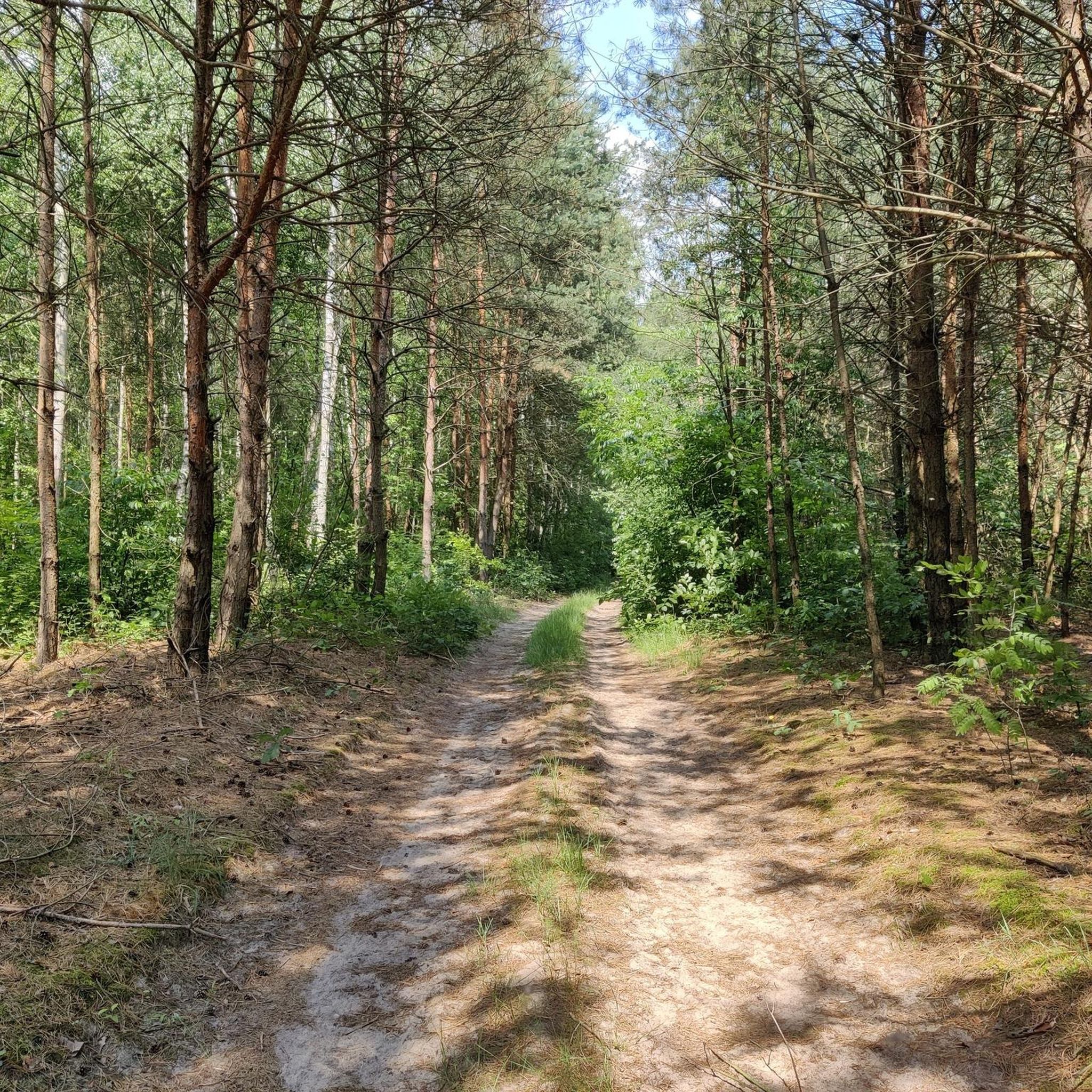
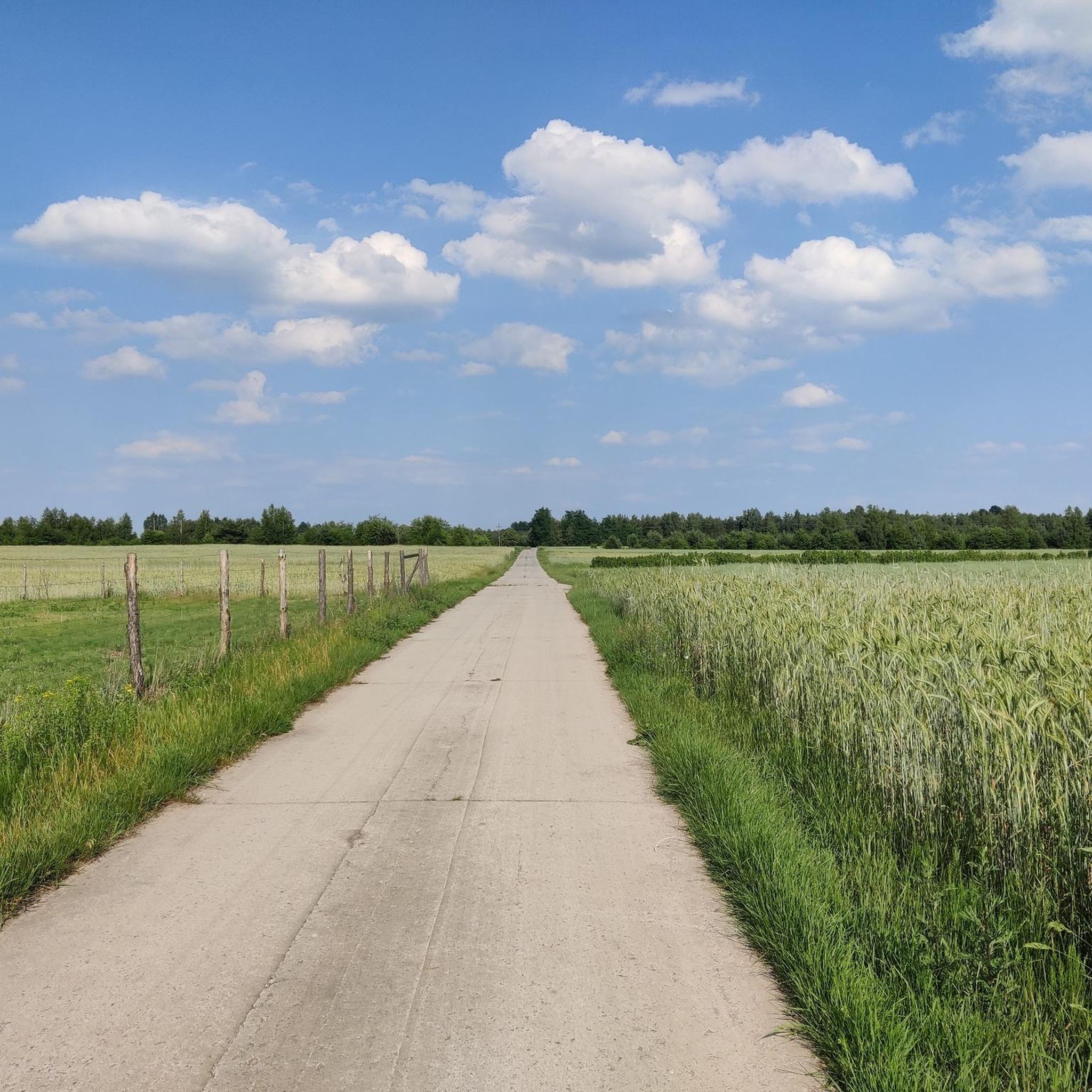
The gravel bike trails around Cielądz feature a diverse mix of terrain. You'll encounter classic gravel paths, forest tracks, and some paved sections. The region is characterized by its green spaces and forests, with routes often incorporating areas around the Tatar Reservoir and the Rawka River.
What are the most scenic natural features to explore by gravel bike in this region?
The most prominent natural features for gravel biking are the Tatar Reservoir and the Rawka River. Many routes, like the Tatar Reservoir – Scenic Gravel Road loop from Zamkowa Wola, circle the reservoir, offering picturesque views. The Rawka River Valley also provides opportunities to observe diverse flora and fauna, with some routes incorporating its banks.
Are there any circular gravel bike routes available?
Yes, all the gravel bike routes listed for Cielądz are circular, meaning you will start and end at the same point. This makes planning your ride and return journey straightforward. Examples include the Tatar Reservoir – Tatar Reservoir loop from Rawa Mazowiecka and the Tatar Reservoir – Gravel Path in the Forest loop from Rawa Mazowiecka.
What historical sites or landmarks can I see while gravel biking near Cielądz?
While gravel biking near Cielądz, you can encounter several interesting landmarks. The Tatar Reservoir itself is a significant natural attraction. For historical interest, consider visiting the Mazovian Dukes' Castle Ruins in Rawa Mazowiecka or the Annosław Station – Rogów–Rawa–Biała Narrow-Gauge Railway. There are also charming wooden churches like the St. Margaret's Wooden Church.
What is the best time of year for gravel biking in Cielądz?
The best time for gravel biking in Cielądz is generally during spring, summer, and autumn. These seasons offer more favorable weather conditions, with spring bringing blooming landscapes and autumn providing vibrant foliage. Winter can be challenging due to snow and ice, potentially making some gravel paths impassable or difficult to navigate.
Are there any dog-friendly gravel trails around Cielądz?
Many of the gravel trails around Cielądz, especially those through forests and around the Tatar Reservoir, are suitable for cycling with dogs, provided they are well-behaved and kept under control. Always ensure your dog is comfortable with the distance and terrain, and check local regulations regarding dogs in natural areas.
Where can I park my car when starting a gravel bike ride in Cielądz?
While specific parking areas for each trail are not detailed, Cielądz and nearby towns like Rawa Mazowiecka, which serve as starting points for several routes, typically offer public parking options. It's advisable to check for designated parking near the start of your chosen route, especially around popular spots like the Tatar Reservoir.
What do other gravel bikers enjoy the most about gravel biking in Cielądz?
The gravel biking routes in Cielądz are highly rated by the komoot community, with an average score of 5.0 stars. Reviewers often praise the varied terrain, the tranquility of the forest paths, and the scenic beauty around the Tatar Reservoir, highlighting the region as a great escape for outdoor recreation.
Are there any cafes or restaurants near the gravel bike trails in Cielądz?
Cielądz is a small village, so direct amenities on the trails might be limited. However, nearby towns like Rawa Mazowiecka, which is a common starting point for several routes, offer cafes and restaurants where you can refuel before or after your ride. It's a good idea to pack snacks and water for longer excursions.
Most popular routes around Cielądz
Most popular attractions around Cielądz

Get inspired with the komoot mobile app


Explore more
Browse the best Gravel rides in other regions.
