The best walks and hikes around gmina Ostrówek
5.0
(177)
47
hikers
2
hikes
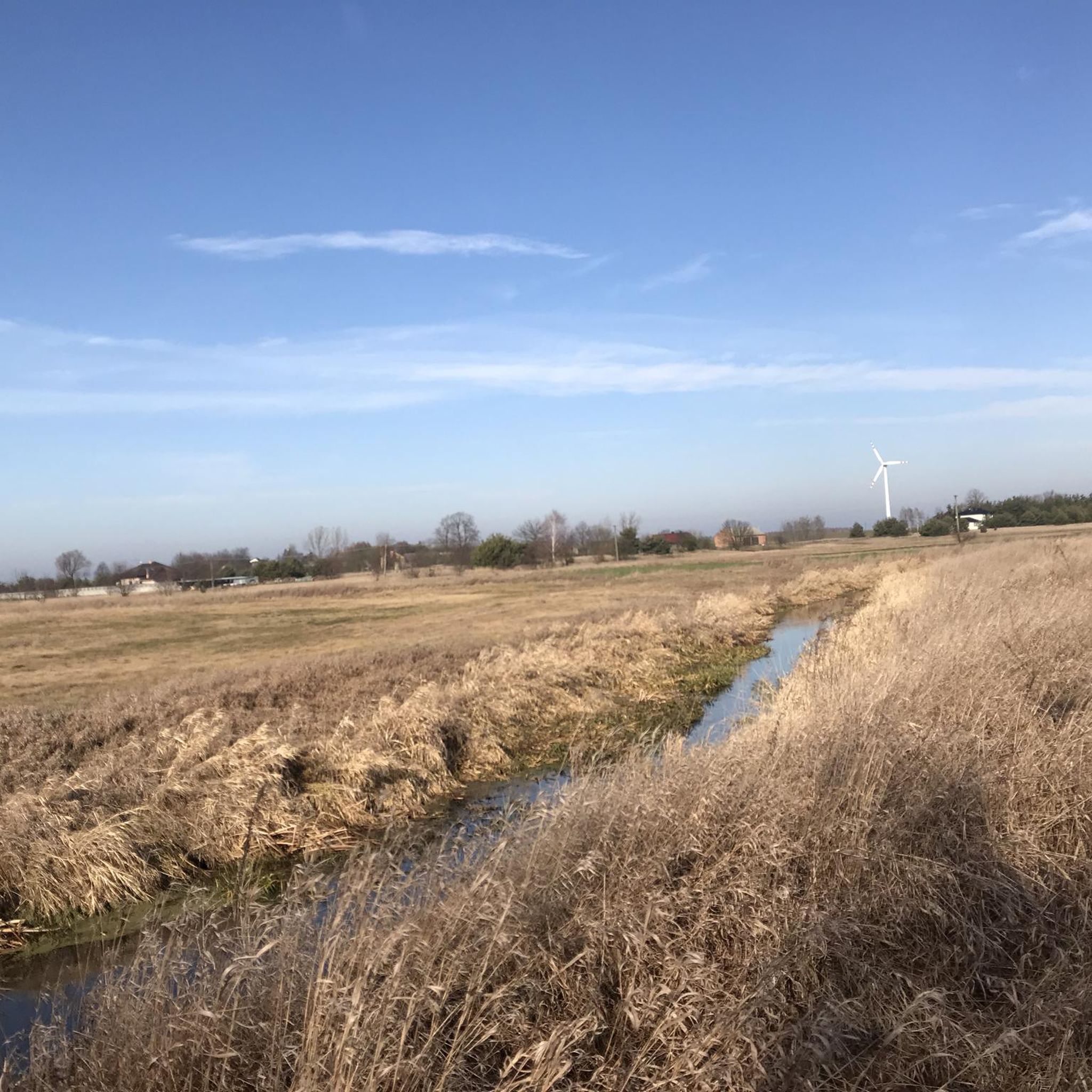
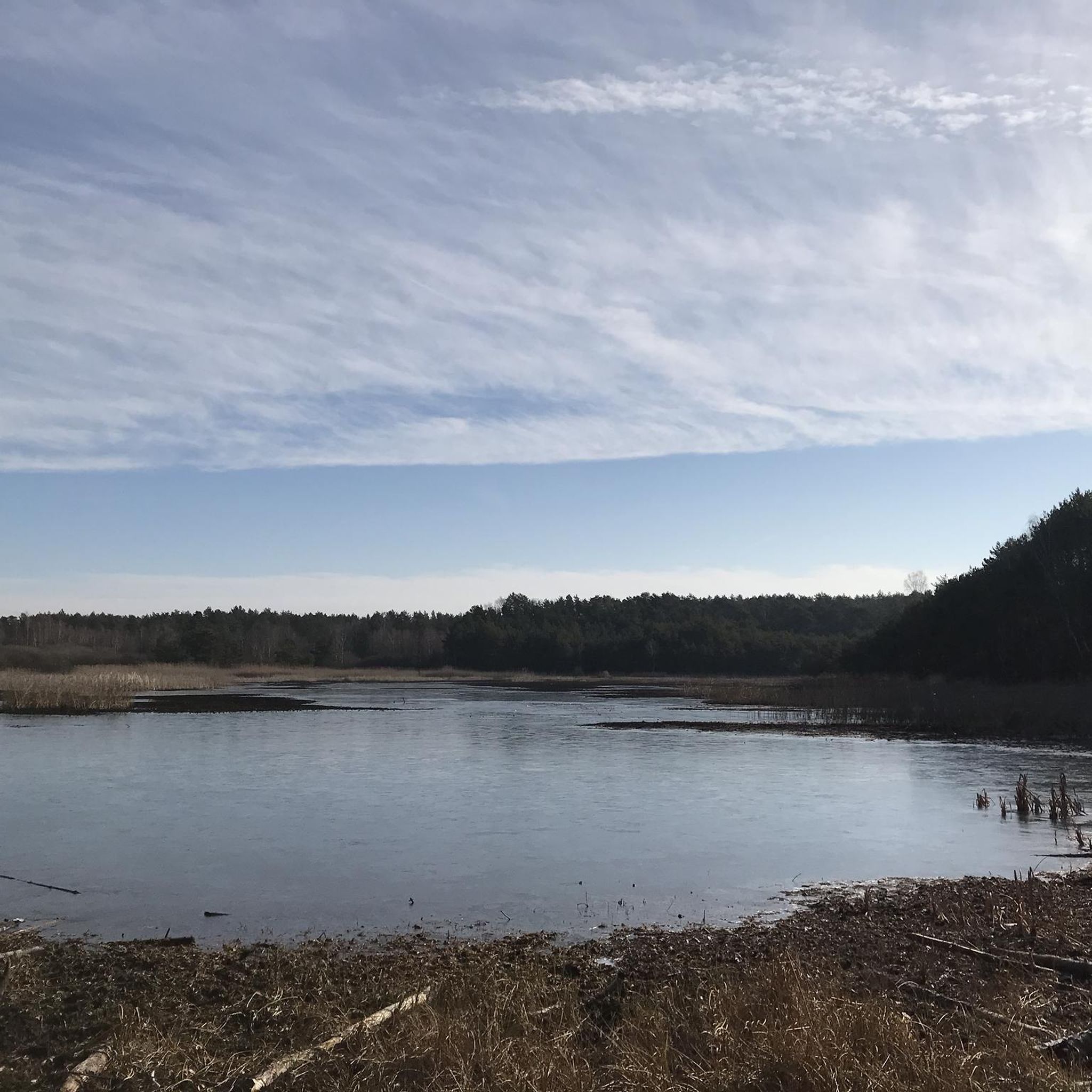
Hiking around gmina Ostrówek, located in Poland's Lubelskie Voivodeship, offers diverse natural landscapes. The region is characterized by the river valleys of the Wieprz and Tyśmienica, which form significant boundaries and feature rich biodiversity. Extensive forest complexes dominate the eastern part, providing shaded trails, while protected areas like Natura 2000 sites preserve unique ecosystems. The varied topography, at the confluence of different geographical regions, provides terrain for different ability levels.
Best hiking trails around gmina Ostrówek
- The most popular hiking…
Last updated: July 10, 2026
5.0
(89)
14
hikers
Easy hike. Great for any fitness level. Easily-accessible paths. Suitable for all skill levels.
5.0
(87)
11
hikers
4.53km
01:09
10m
10m
Easy hike. Great for any fitness level. Easily-accessible paths. Suitable for all skill levels.

Sign up for free
5.0
(1)
8
hikers
6.39km
01:37
10m
10m
Easy hike. Great for any fitness level. Easily-accessible paths. Suitable for all skill levels.
5
hikers
8.39km
02:08
20m
20m
Moderate hike. Good fitness required. Easily-accessible paths. Suitable for all skill levels.
5
hikers
4.68km
01:12
20m
20m
Easy hike. Great for any fitness level. Easily-accessible paths. Suitable for all skill levels.
Our route recommendations are based on thousands of hikes, rides, and runs completed by other people on komoot.
Start today with a free account
Your next adventure awaits.
Login or Signup
Popular around gmina Ostrówek

Tips from the Community

Our beautiful park in Wieluń
0
0

The Kaliska Gate was located at the western entrance to the city, positioned on the same axis as the Kraków Gate, and underwent several construction phases from the 14th to early 17th centuries. Initially built as a wall with gates flanked by a tower, it was later expanded with a rectangular gatehouse and eventually extended by 24 meters over a moat, likely functioning as a barbican. The gate and tower were demolished based on the city's 1823 regulatory plan or possibly earlier during Prussian rule (1793-1807), but archaeological work in 2000-2001 uncovered the foundations and erected a cross on the reconstructed tower base.
5
0
The Collegiate Church of Corpus Christi in Wieluń is a 14th-century former Augustinian church built by King Casimir the Great along with an adjacent monastery. After the last monk died in 1893, the church was transferred to diocesan clergy, and in 1965 Pope Paul VI elevated it to collegiate status by reactivating the Wieluń Chapter. The church serves as both a parish church and houses the Sanctuary of Our Lady of Consolation, whose image was crowned with papal crowns in 1971.
4
0
The Franciscan Monastery in Wieluń was founded in 1629 and constructed between 1629-1634, later expanded to its current size between 1737-1754. The monastery served as a refuge for Irish monks fleeing religious persecution from 1645-1653, housed a higher seminary from 1662-1800, and was dissolved by tsarist decree in 1864 due to monks' involvement in the January Uprising before being restored to the Franciscan order in 1921. The baroque church features unique polychromy that underwent major renovation after World War II and houses paintings by 19th-century Franciscan painter Father Rafał Ernest Credo.
3
0
A central plaza of Wieluń, a city with history dating back to the 13th century, with the square itself laid out in the 14th century when King Casimir the Great granted the city municipal rights. The rectangular square measures approximately 100 by 70 meters and is surrounded by townhouses mainly from the 18th and 19th centuries, though some have older 16th-century cellars.
4
0
A bronze model of the oldest part of Wieluń. Interestingly, it's placed on a sphere (not a flat surface like most such models).
4
0
The bombing of Wieluń was a series of German Luftwaffe attacks on the Polish town of Wieluń on September 1, 1939, carried out by Ju 87B Stuka dive bombers as part of Operation Ostmarkflug. The sudden attack, conducted without a declaration of war, destroyed 75% of the town's buildings including the hospital and historic monuments. Casualty estimates vary significantly among historians. Some historians consider the bombing of Wieluń to be the first chronological act of German aggression against Poland, potentially marking the beginning of World War II, though there is no unanimous consensus on this matter among scholars.
4
0
Archaeological excavations conducted between 1988-91 uncovered 186 coins spanning from the 14th to 19th centuries, along with fragments of pottery, glass vessels, textiles, and religious artifacts from the destroyed church.
4
0
Frequently Asked Questions
What kind of hiking experience can I expect in gmina Ostrówek?
Gmina Ostrówek offers a tranquil and biologically rich setting for hiking. You can expect diverse natural landscapes, including the scenic river valleys of the Wieprz and Tyśmienica, extensive forest complexes, and protected wetland and forest ecosystems. The region is known for its unspoiled natural environment, clean air, and varied terrain suitable for different ability levels.
What makes gmina Ostrówek unique for hiking?
The uniqueness of gmina Ostrówek for hiking stems from its location at the crossroads of three distinct geographical areas: the Southern Podlasie Lowland, the Lublin Upland, and Polesie Lubelskie. This creates a varied terrain and diverse ecosystems. The presence of significant Natura 2000 sites like Dolina Tyśmienicy and Dolina Wieprza, along with nature reserves such as "Bagno Serebryskie" and "Las nad Wilgą," preserves rare plant species and diverse birdlife, offering exceptional opportunities for nature observation.
Are there opportunities for wildlife spotting in gmina Ostrówek?
Yes, gmina Ostrówek is rich in biodiversity, making it excellent for wildlife spotting. The river valleys of the Wieprz and Tyśmienica are habitats for numerous bird species, including white and black storks, white-tailed eagles, and kingfishers. The nature reserves, particularly "Bagno Serebryskie" and "Las nad Wilgą," are home to rare plant species like water lilies, Siberian irises, and eleven types of orchids, providing unique flora to observe.
What is the best time of year to go hiking in gmina Ostrówek?
The region generally benefits from clean air, water, and unspoiled soil, making it pleasant for outdoor activities throughout the warmer months. Spring and early autumn are particularly recommended for hiking in gmina Ostrówek, as the weather is mild and the natural landscapes, including the diverse flora and fauna, are at their most vibrant.
Are there any family-friendly hiking options in gmina Ostrówek?
While specific named family-friendly routes are not detailed, the region's diverse and generally gentle terrain, especially along the river valleys and within the extensive forest complexes, offers numerous informal hiking opportunities suitable for families. The tranquil environment and opportunities for nature observation make it an enjoyable experience for all ages.
Can I bring my dog on the hiking trails in gmina Ostrówek?
Gmina Ostrówek's natural environment, with its forests and open spaces, is generally welcoming for dogs. When hiking with your dog, it's always recommended to keep them on a leash, especially in protected areas like Natura 2000 sites and nature reserves, to protect local wildlife and ensure a pleasant experience for everyone. Always clean up after your pet.
Are there any interesting landmarks or natural features to see along the hiking routes?
Yes, gmina Ostrówek offers several interesting natural features. You can explore the scenic ponds in Dębica, the old riverbed of the Wieprz known as Wieprzysko, and the rich biodiversity within the Natura 2000 sites Dolina Tyśmienicy and Dolina Wieprza. For historical landmarks, consider visiting nearby attractions such as Męczarnia Tower or the Wieluń Market Square.
What do other hikers enjoy most about hiking in gmina Ostrówek?
The area is highly rated by the komoot community, with an average score of 5.0 stars from over 90 reviews. Hikers often praise the unspoiled natural environment, the tranquility of the forest trails, and the rich opportunities for observing diverse flora and fauna within the protected river valleys and nature reserves.
How difficult are the hiking trails in gmina Ostrówek?
The hiking opportunities in gmina Ostrówek are characterized by varied terrain, ranging from flat paths along river valleys to slightly undulating forest trails. Many routes are considered easy, making them accessible for most hikers. The region's natural environment provides options for different ability levels, allowing for both leisurely strolls and more extended explorations.
Are there any circular hiking routes available in gmina Ostrówek?
While specific named circular routes within gmina Ostrówek are not extensively detailed, the presence of diverse natural features and an existing network of hiking and cycling trails allows for the creation of numerous informal circular walks. You can plan your own loops through forests, along riverbanks, and around ponds, utilizing the municipality's tourist infrastructure like marked routes and rest areas.
Is there public transport available to access hiking areas in gmina Ostrówek?
The guide data does not specify public transport options directly to the hiking areas within gmina Ostrówek. It is advisable to check local public transport schedules or consider personal transportation to reach the starting points of trails and explore the more remote natural reserves.
Where can I find parking for hiking trails in gmina Ostrówek?
The guide data does not provide specific parking locations for individual trails. However, as the municipality has invested in tourist infrastructure, including rest areas, it is likely that designated parking spots are available near popular access points to forests or protected areas. Local signage or inquiries with local tourist information centers might provide more precise details.
Most popular routes around gmina Ostrówek
Most popular attractions around gmina Ostrówek

Get inspired with the komoot mobile app


Explore more
Browse the best Hikes in other regions.
