Top 20 Castles in Antwerp
Castles in Antwerp and its surrounding province reflect a rich history, offering insights into centuries past. The region features a diverse landscape, from urban settings along the Scheldt River to expansive parks and rural areas. Many castles are accessible, showcasing architectural beauty and historical significance. These structures contribute to the cultural landscape of Antwerp, providing points of interest for exploration.
Best castles in Antwerp
- The most popular castles is Het Steen, a castle that is the oldest preserved building in Antwerp, with origins dating back to the 11th century. It now houses the Antwerp Visitor Center and offers views over the Scheldt River.
- Another must-see spot is Borrekens Castle, a moated castle. Visitors can admire this moated castle and its French garden from behind its gates.
- Visitors also love Sterckshof Castle, a moated castle located within the Rivierenhof park. Its setting within the expansive park allows for a combined visit of history and nature.
- Antwerp is known for medieval fortresses, moated castles, and historic estates. The region offers a variety of castles to see and explore, from those with public access to privately owned architectural gems.
- The castles in Antwerp are appreciated by the komoot community, with over 625 upvotes and more than 185 photos shared across 124 highlights.
Last updated: October 17, 2026
Het Steen
Highlight • Castle
Translated by Google •
Tip by

Fort Oelegem
Highlight • Historical Site
During World War II, the German Wehrmacht used the fort as a storage facility. After the liberation, it served the US Army as an anti-aircraft defense center against V1 rockets.
In 1947, the fort's military use finally ended, and it became private property.
Today, it is home to approximately 1,300 bats. On certain days and by appointment, you can visit it as part of a guided tour.
Translated by Google •
Tip by

Sign up now to discover places like this
Get recommendations on the best single tracks, peaks, & plenty of other exciting outdoor places.
Sterckshof Castle
Highlight • Castle
The largest event in the Benelux. Entrance has remained free to date.
Translated by Google •
Tip by

Vrieselhof Castle
Highlight • Castle
During the Eighty Years' War (16th -17th century), the inhabitants of Oelegem took shelter in the castle several times. From 1509, members of the van Halmale family owned the domain. The last descendant, Alfons-Ignace van Halmale, died childless in 1788. After that, the castle domain came into the hands of Charles-Ignace d'Oultremont and his wife Anne-Henriette de Neuf. The latter still had ties to the van Halmale family: her grandmother was Barbara Anna Philippa van Halmale (daughter of Alexander Jozef van Halmale, who was also mayor of Antwerp). For the new heirs, the castle was a country residence where they rarely stayed.
Restoration works were carried out on the castle in the 19th century. The nearby coach house with storage dates from 1877. In 1910 Count Louis de Brouckhoven de Berkeyck became the owner of the whole. He had the old castle rebuilt in Neo-Flemish-Renaissance style with stepped gables, brick layers and corner towers, but after the outbreak of the First World War, the Belgian troops burned the castle down for strategic reasons on October 7, 1914. Between 1917 and 1919, the current castle was burned down. rebuilt in the same style as the recently built ruined castle. In 1974 the castle and the accompanying domain were sold to the province of Antwerp by the grandchildren of Louis de Brouckhoven de Berkeyck.
Source : Wikipedia
Translated by Google •
Tip by

Borrekens Castle
Highlight • Castle
Translated by Google •
Tip by

De Merode Castle, Westerlo
Highlight • Castle
The Kasteel de Merode is more than 600 years old and still inhabited by the Princes de Merode. The current resident of the castle is the young Simon de Merode. There are annual castle parties and events that attract a huge crowd.
Westerlo is not called "The pearl of the Kempen" for nothing.
Translated by Google •
Tip by

Fort Kessel
Highlight • Historical Site
Translated by Google •
Tip by
Rivierenhof Castle
Highlight • Castle
Both outside and inside, it is wonderful to enjoy a beautiful setting. With a view of the mirror pond and strolling park visitors or comfortably in the shade at the back of the white castle.
The catering business is open daily year-round from 10 am.
Showing Translation
Tip by

Hof van Ringen
Highlight • Monument
Translated by Google •
Tip by

Borrekens Castle
Highlight • Castle
Translated by Google •
Tip by
Sign up for free to discover even more castles in Antwerp.
Already have an account?
Start today with a free account
Your next adventure awaits.
Popular around Antwerp
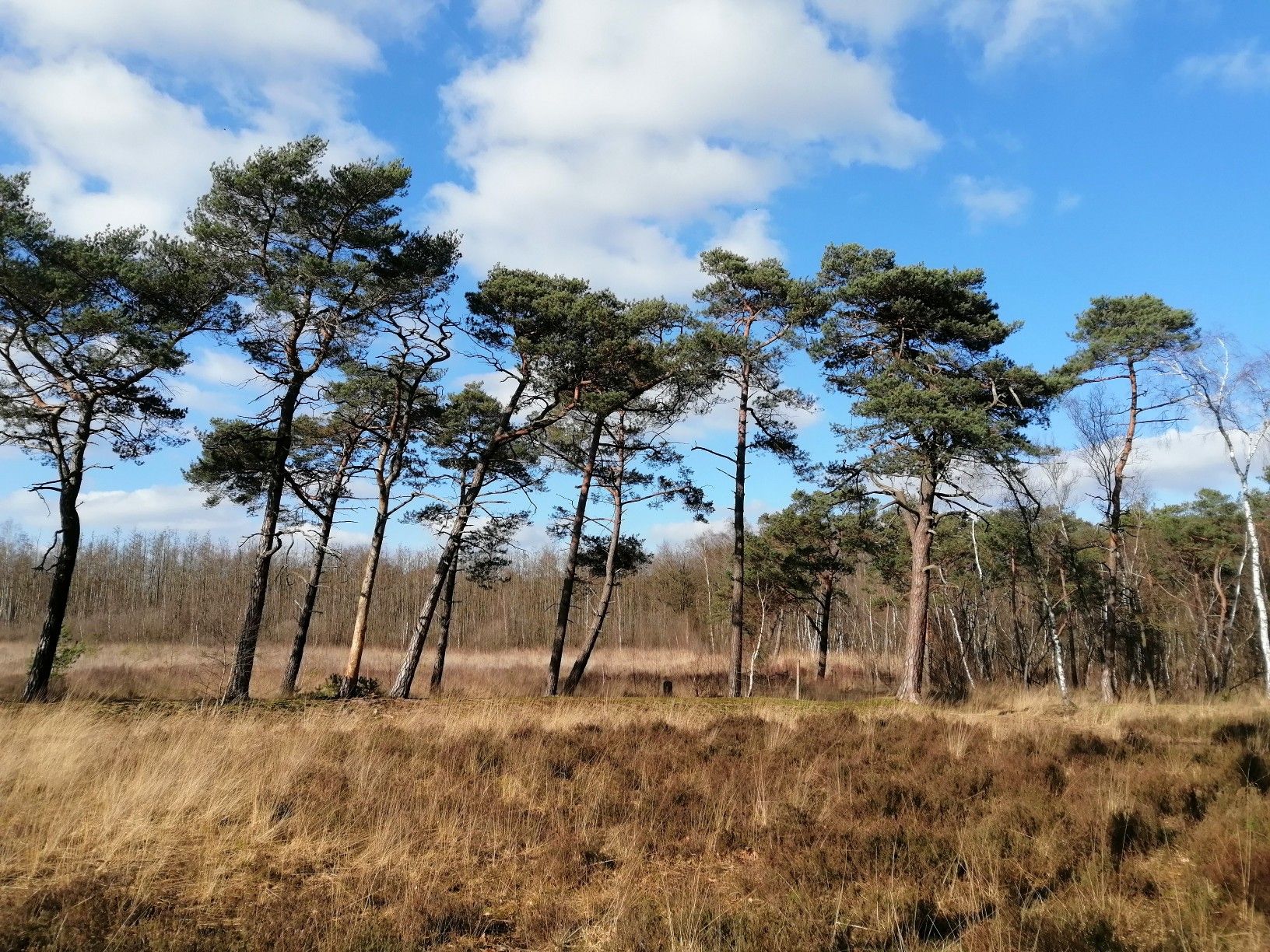
From Flanders to the Ardennes — GR 5 in Belgium
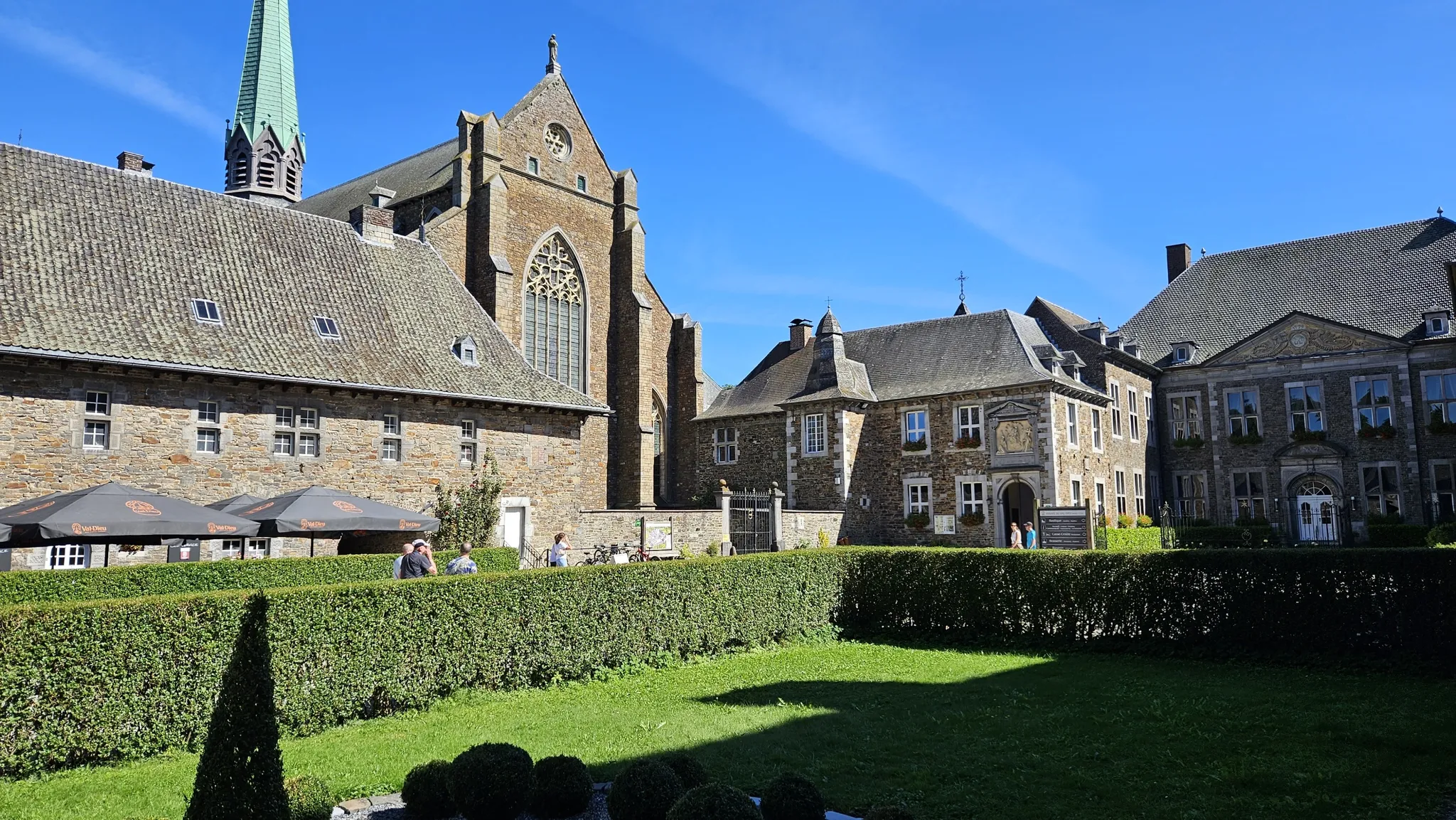
Trappist abbeys cycle route – Between beers and heritage
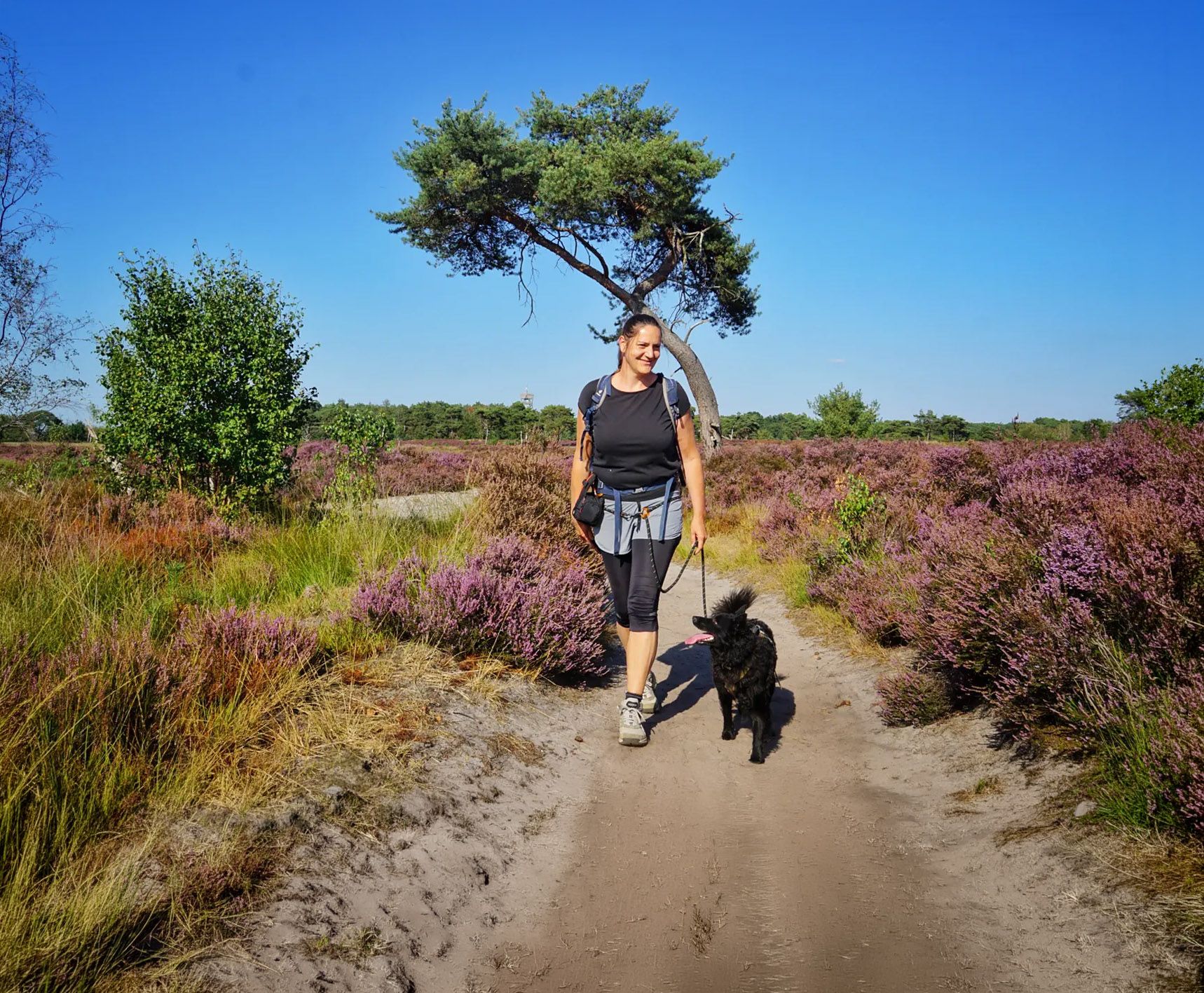
Purple trails and small discoveries – enjoyable hiking in Flanders
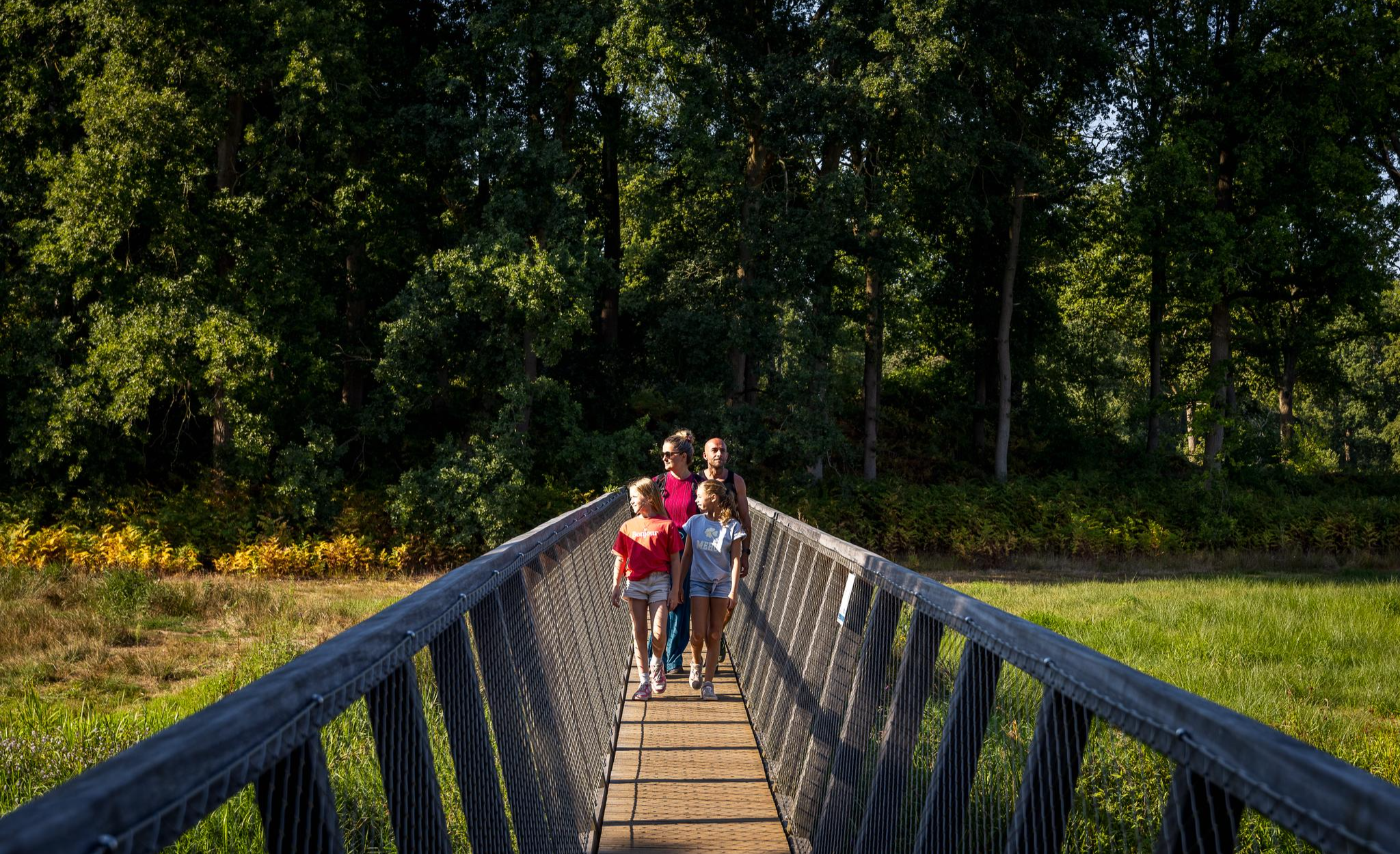
Flanders’ Finest Hiking Routes
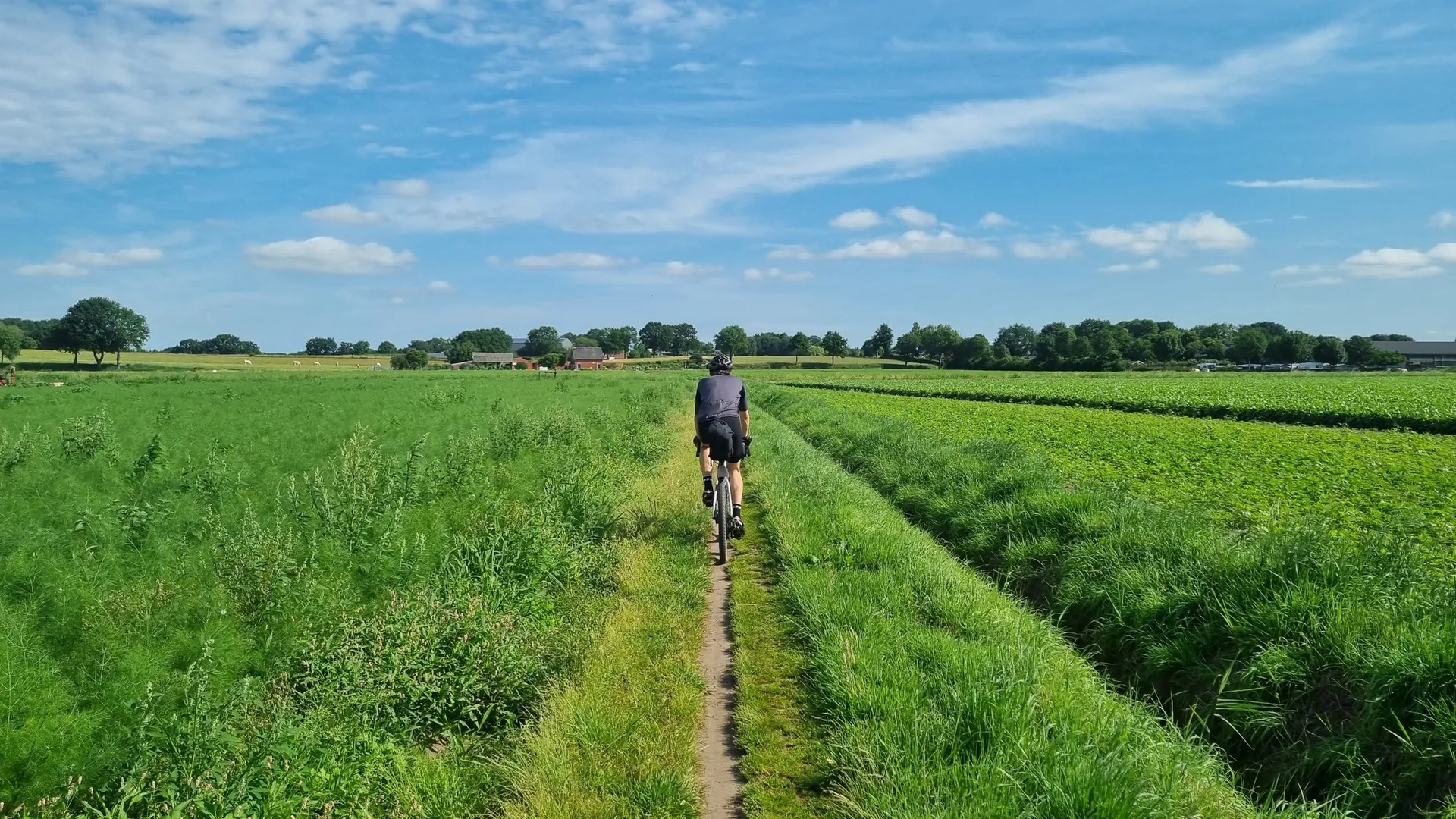
Weekend adventure over the border – A-Cross the 2
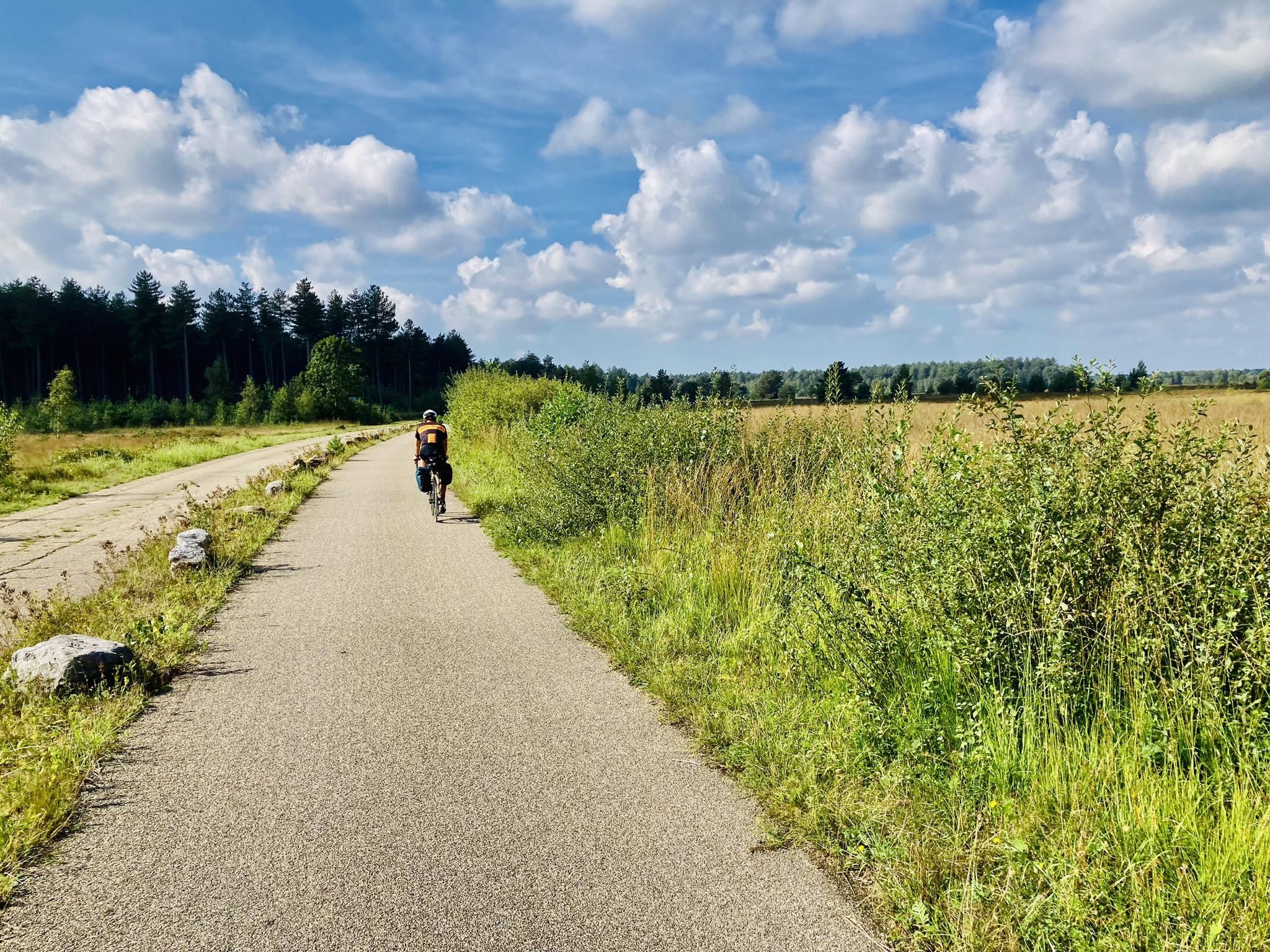
Explore the Kempen – a three-day cycling adventure on the Kempen Route
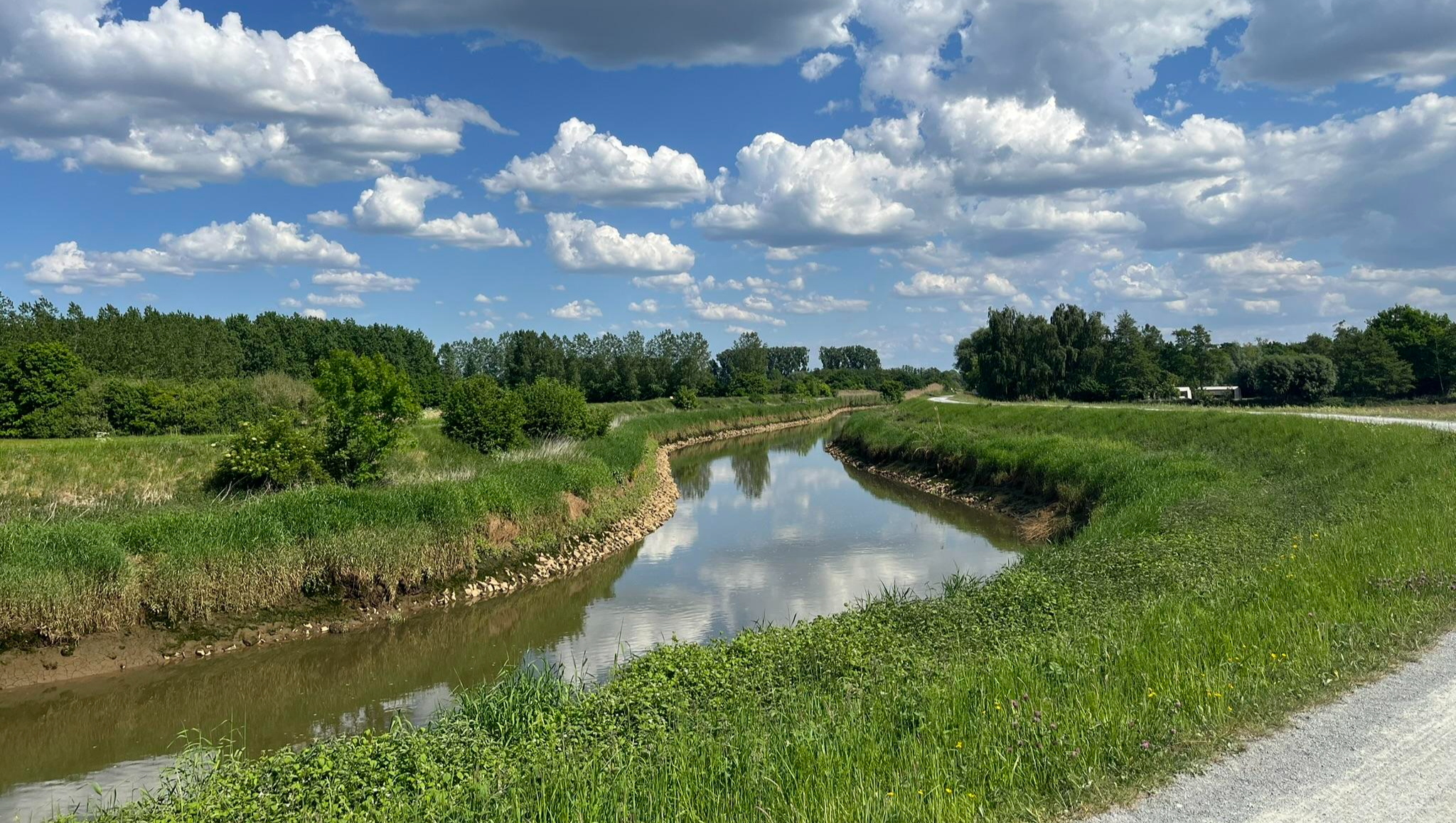
Through the valley of the Dijle – Streek-GR Dijleland
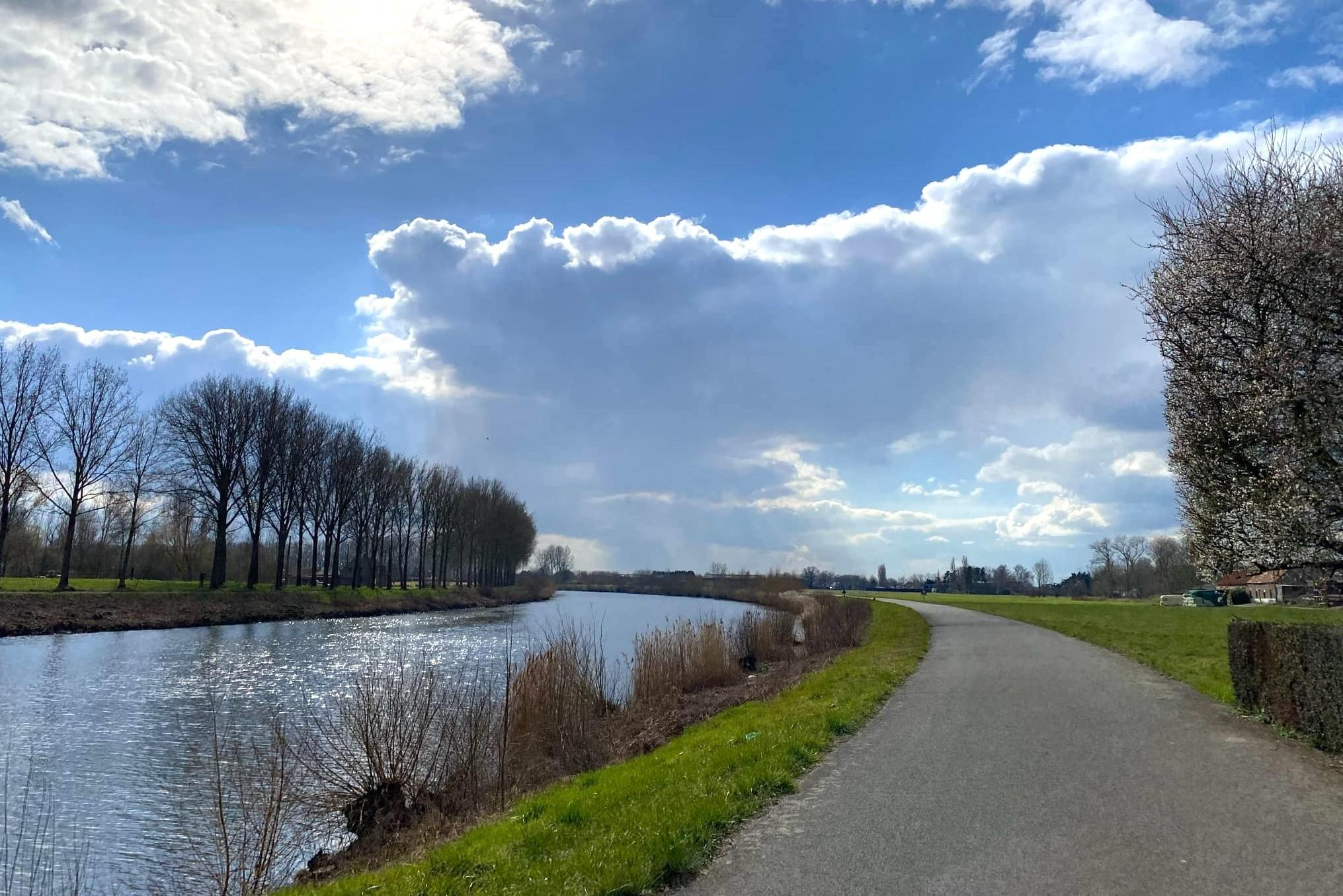
Three days of pure cycling pleasure from Spiere to Zandvliet – Schelderoute
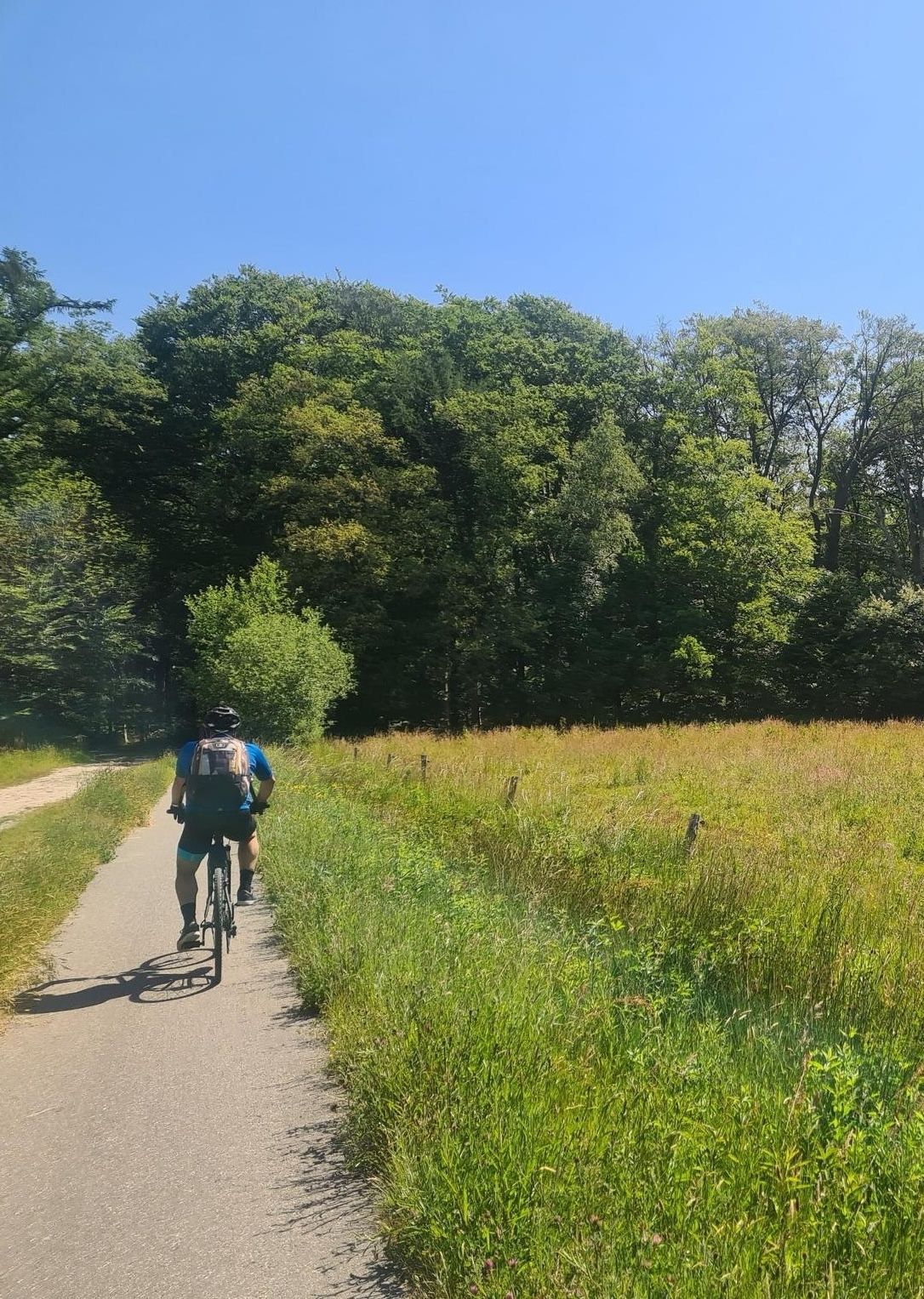
Through the south of the Netherlands – LF13 Schelde-Rheinroute
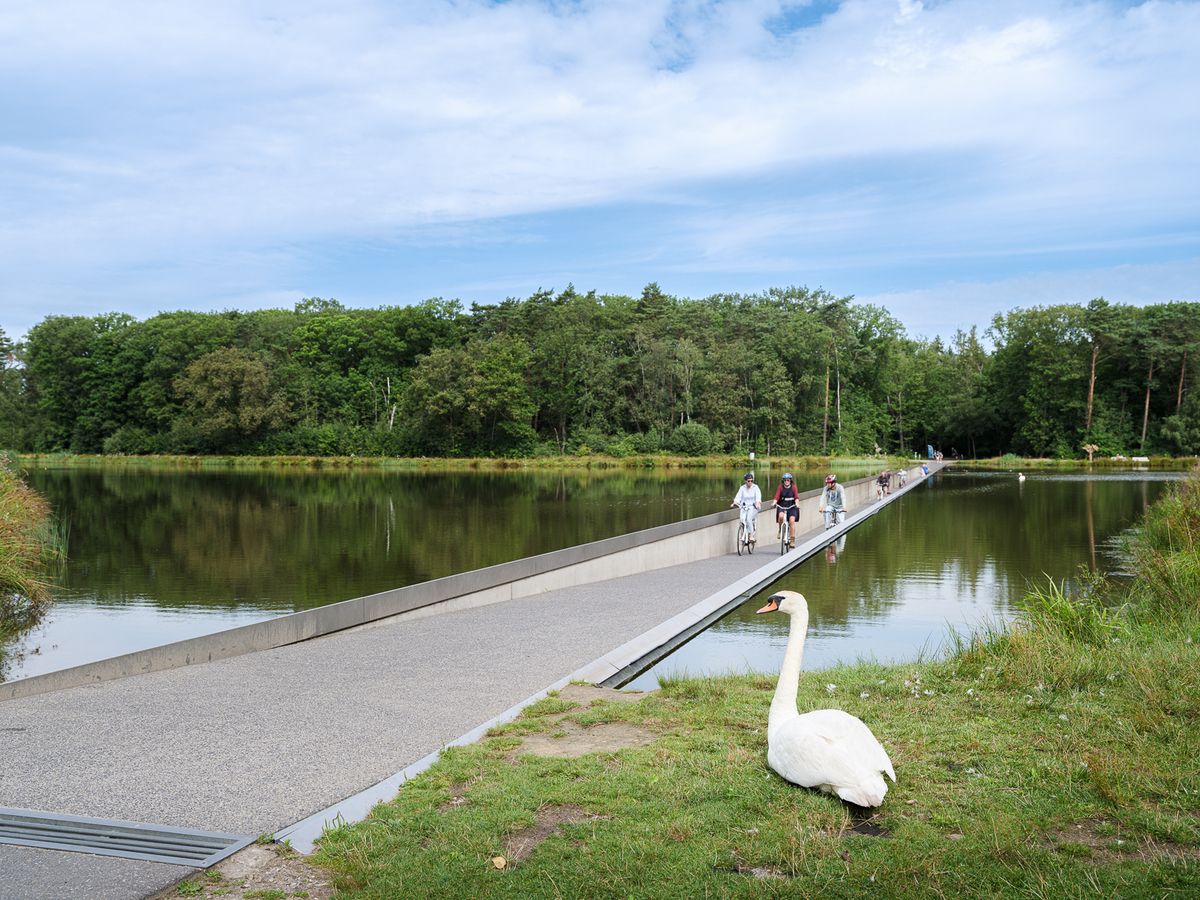
Flanders' Finest Cycle Routes: routes to discover Flemish nature and heritage
Other adventures in Antwerp


Tips from the Community

Fort Kessel is a concrete armored fort built shortly before the First World War. Along with 29 other fortifications, it forms the outer fortification belt of the Antwerp fortress. The fort was built between 1909 and 1914 and modified during the interwar period (1934 and 1939). Until 1940, it played a role in the Belgian army's military defense strategy, first as an artillery stronghold and later as an infantry support point. The fort was demilitarized in 1947. Today, it is an important wintering site for bats. (Inventory of Immovable Heritage) And there is much more to do in and around the fort. Information can be found at https://fortvankessel.be
15
0
Over the years, the castle was modernized and updated. This included the tower, whose heavy line of the fortified wall was broken by irregular window and door arrangements. The castle still houses remarkable works of art. The neo-Gothic armory houses a cast-iron stove from 1539 and two marble Renaissance mantelpieces. The castle also contains important paintings, tapestries, gold leather wallpaper, and furniture in a variety of styles. (Municipality of Westerlo)
11
0

Generations of castle lords and the village community have cared for the magnificent heritage we have today. We must cherish this legacy with care. Everyone has a responsibility in this regard: the government, the owners, and certainly also the visitors. We all want to safeguard this for future generations. VORSELAAR: Proposal to protect the castle "de Borrekens", the rectory, the immediate surroundings of the castle, and the linden avenue as a village landmark. The castle was built in the thirteenth century as a military fortification for the Duke of Brabant, granted as a fief to the Lord Van Rotselaer. The latter gave the fortification, which had the character of a moated castle, the ground plan that can still largely be seen today. Little is known about its evolution since the thirteenth century. The castle is depicted in a print by Ertinger in the second half of the seventeenth century and published by Jacques Le Roy. This shows that the current castle's core still largely reflects this condition. The building's military character was lost in the eighteenth century, and it was converted into a "house of pleasure." This involved the demolition of several surrounding walls and defensive towers, and the moat separating the forecourt from the castle was filled in. Simultaneously or shortly before, several embellishments were carried out on the castle, with J.P. van Baurscheit as the architect. The buildings in the forecourt were constructed during the same period. In the 1850s and 1860s, restoration work was carried out in keeping with the fashion of the time. Several dormers, stepped gables, fireplaces, turrets, and battlements were added in the Neo-Gothic style. The interior was also altered during this period and in the same style. Although this renovation significantly altered the castle's appearance, the renovation itself is remarkable as a testament to the Neo-Gothic style that emerged in our region around 1850.
0
0

The castle has been the pride of Vorselaar for centuries. Around 1270, the first stone was laid by the knights of Rotselaar. The ground plan has been largely preserved to this day. The castle houses a treasure trove of history and stories, and has been inhabited by noble families all this time.
6
0

Very beautiful medieval castle in the middle of a beautiful forest. A real relief to come here and walk undisturbed.
5
0

Hof van Ringen built in 1849 is inspired by the pavilion 'Klein Trianon' of the Palace of Versailles. Characteristic are the four columns that frame the three central windows. Did you know: the current resident of the Hof is the fashion designer Dries Van Noten.
6
1


Seeing this amazing moated castle on site was one of the highlights of the day. We were lucky that the sun was shining on the castle at just the right moment, so it looked really picturesque. The castle is far enough away from the forest, and the moat is wide enough, that it is not unlikely that you will be able to enjoy this. You can also drive behind the castle, but the prettier side is the front and left side.
2
0
Frequently Asked Questions
Which castles in Antwerp are particularly family-friendly?
Several castles in the Antwerp region offer a welcoming experience for families. Het Steen in the city center houses the Antwerp Visitor Center and provides an interactive display about the city's history. Sterckshof Castle is located within the expansive Rivierenhof park, which offers numerous recreational activities alongside admiring the castle. Fort Oelegem and Fort Kessel are also listed as family-friendly, offering unique historical exploration opportunities.
Are there castles in Antwerp that are wheelchair accessible?
Het Steen, located in the Antwerp city center, is noted as wheelchair accessible. It has undergone renovations and now houses the Antwerp Visitor Center, making it a good starting point for exploring the city's history.
What is the best time of year to visit castles in the Antwerp region?
The Antwerp region's castles can be enjoyed year-round. Spring and autumn offer pleasant weather for walking and exploring the castle grounds and surrounding parks. For instance, De Borrekens Castle is particularly stunning in May when its rhododendron bushes are in full bloom. While some castles might have limited access or specific opening hours in winter, many, like Het Steen, are open as visitor centers or can be admired externally.
Are there any castles in Antwerp where I can enjoy nature or go for a walk?
Yes, several castles are situated within beautiful natural settings. Sterckshof Castle is located in the expansive Rivierenhof park, which is perfect for walking. Vrieselhof Castle is also set within a forest and man-made park. You can find various walking and running routes in the region, including the 'Running through the Rivierenhof' route, which is a moderate 9.9 km trail. For more options, explore the Hiking in Antwerp guide.
Can I bring my dog to the castles or their surrounding areas?
While specific rules for each castle vary, many outdoor areas and parks surrounding castles are dog-friendly. For example, Rivierenhof park, where Sterckshof Castle is located, is known to be dog-friendly. Always check local signage for specific restrictions, especially regarding leashes or access to indoor areas.
Are there guided tours available for castles like Het Steen?
Het Steen now houses the Antwerp Visitor Center, offering information about the city and its history. While it provides an interactive display, specific guided tours of the castle itself might be offered by the visitor center. For other historical sites like Fort Oelegem, guided tours are available on certain days and by appointment, as it is now a bat reserve.
Where can I find parking or public transport options for castles in Antwerp?
For Het Steen, being in the city center, public transport is a convenient option, and nearby parking garages are available. For Sterckshof Castle in Rivierenhof park, public transport is accessible, and the park usually has designated parking areas. Vrieselhof Castle also offers parking facilities. It's always advisable to check the specific castle's official website for the most up-to-date information on parking and public transport routes.
What kind of historical significance do the castles in Antwerp hold?
The castles in Antwerp reflect centuries of history. Het Steen, for instance, is the oldest building in Antwerp, dating back to the 11th century, and served as a fortress and prison. Cantecroy Castle is one of Antwerp's oldest, with parts from the 13th and 14th centuries. Fort Oelegem and Fort Kessel are early 20th-century fortifications built to protect Antwerp, later serving various military roles and now as nature reserves.
Are there cafes or restaurants near the castles in the Antwerp region?
Yes, you can find dining options near several castles. At Sterckshof Castle in Rivierenhof park, you can enjoy a drink at Bar Stark, which has a terrace with views of the castle. Cantecroy Castle, while housing apartments, also features a restaurant. For Het Steen, being in the city center, numerous cafes and restaurants are within easy walking distance.
Can I explore the interiors of all castles in the Antwerp region?
Not all castles in the Antwerp region offer interior access. Some, like De Borrekens Castle and Cleydael Castle, are privately owned and can only be admired from the exterior or behind their gates. Others, such as Het Steen, have public access to certain areas or house visitor centers. Cantecroy Castle now contains apartments and a wellness center, with its historic architecture visible externally.
What are some unique features of the castles in Antwerp?
Antwerp's castles boast diverse unique features. Het Steen features a statue of the legendary giant Lange Wapper. De Borrekens Castle is known for its fairytale-like appearance and gorgeous French garden. Sterckshof Castle is a picturesque moated castle set within a large park. Fort Oelegem, a former military fort, is now a significant bat sanctuary, offering a unique blend of history and nature.
Are there cycling routes that pass by castles in Antwerp?
Yes, the Antwerp region offers various cycling opportunities that can include castle views. While specific routes directly linking castles might vary, you can plan your own route using cycling junctions. For example, cyclists can discover Fort Oelegem, Fort van Kessel, and Fort van 's-Gravenwezel via the 'Antitankgracht en heide' route. For more cycling inspiration, check out the Road Cycling Routes in Antwerp guide.
Most popular routes in Antwerp
Most popular attractions in Antwerp

Get inspired with the komoot mobile app


Didn’t find what you were looking for?
Explore Antwerp’s best castles region by region:
Explore more
Looking for the best castles somewhere else? Discover other guides in Antwerp:
