The best gravel rides around Vau
4.7
(10)
61
riders
4
rides
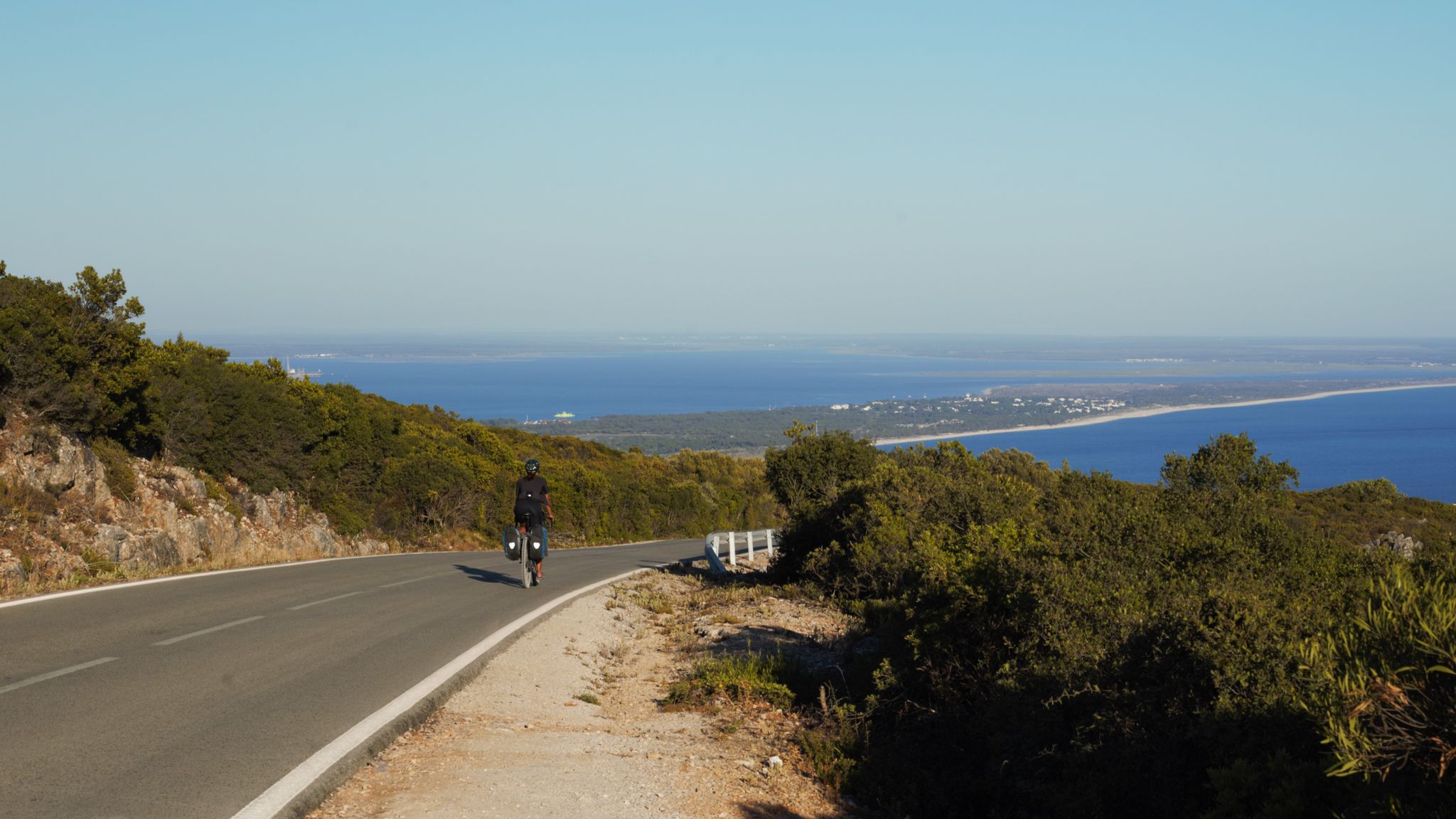
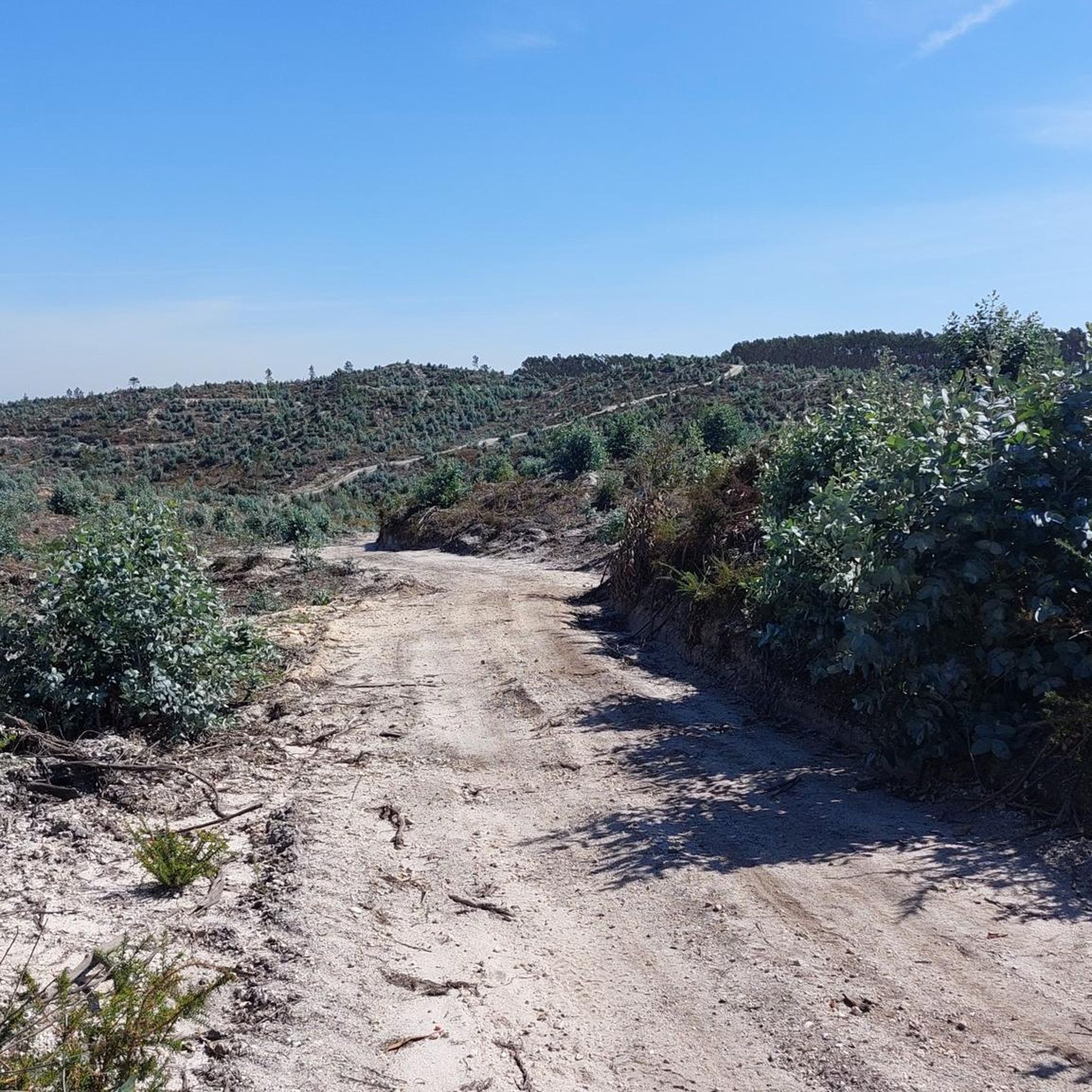
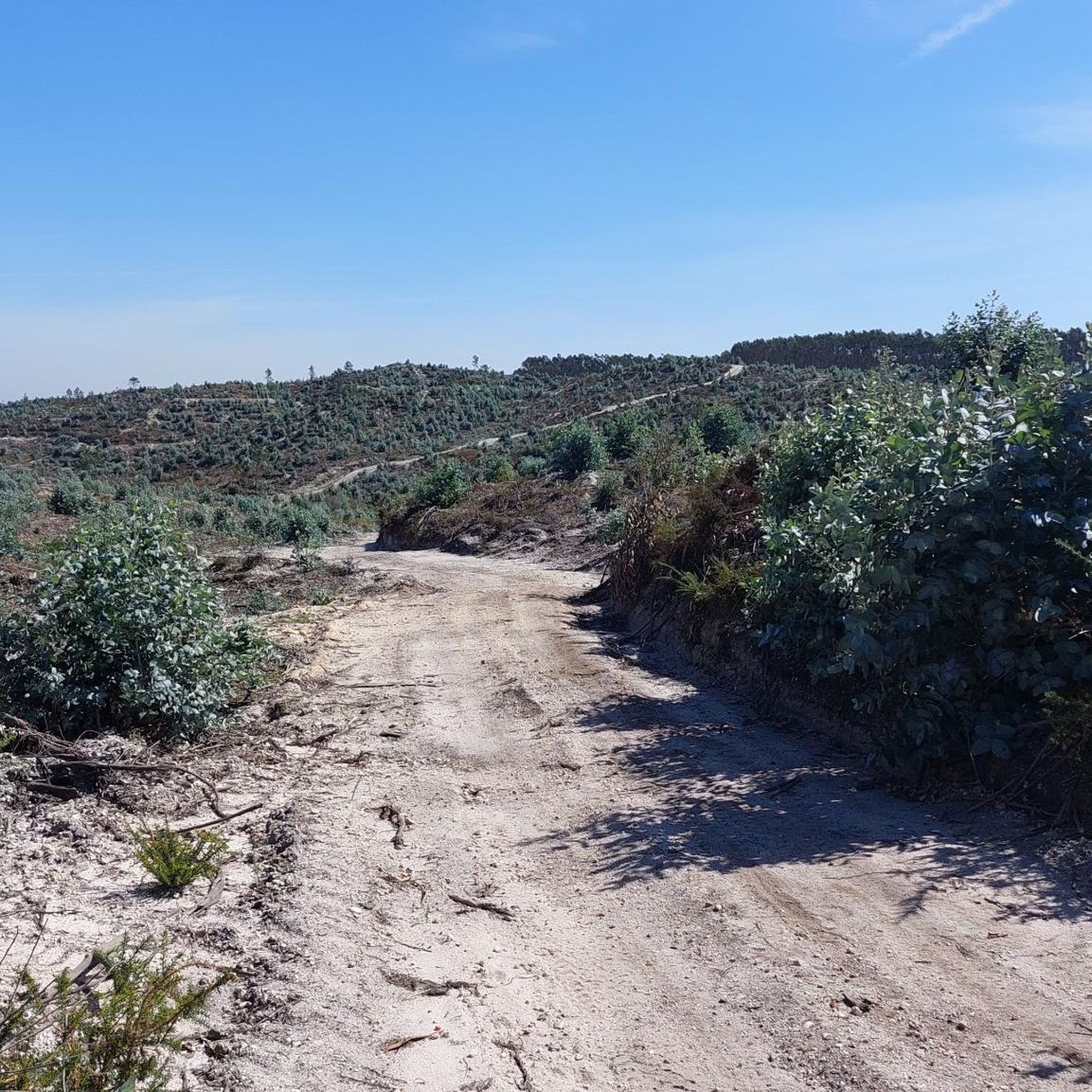
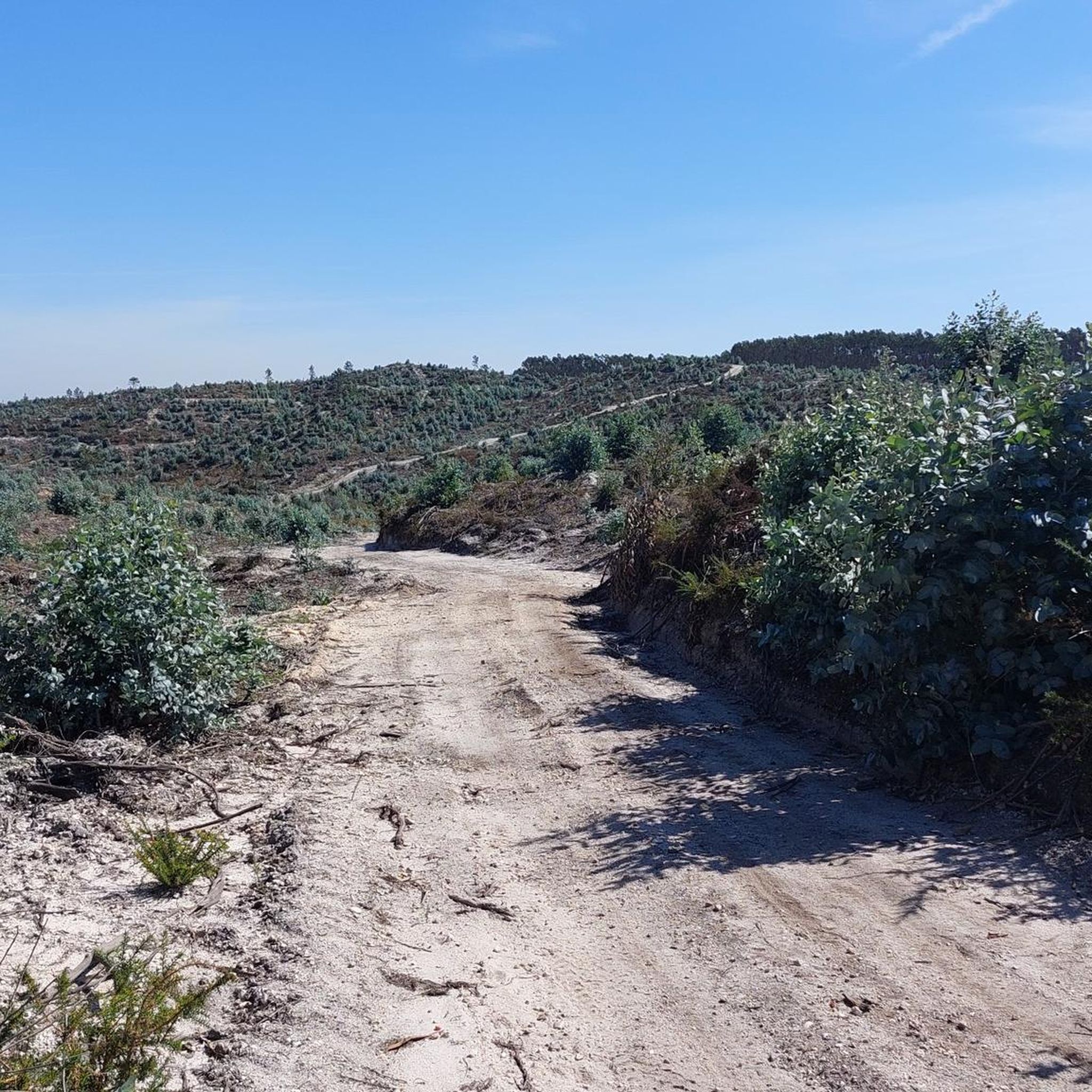
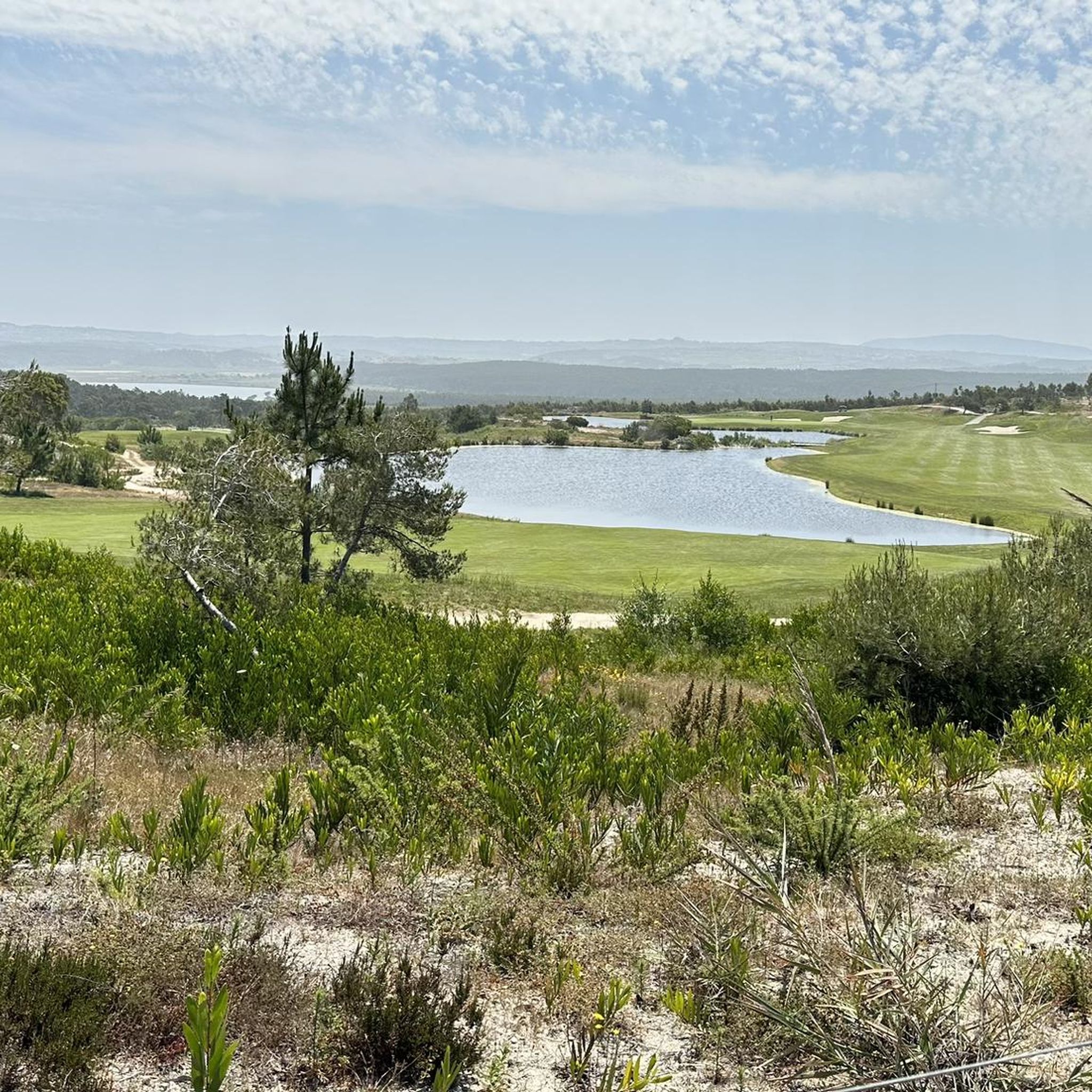
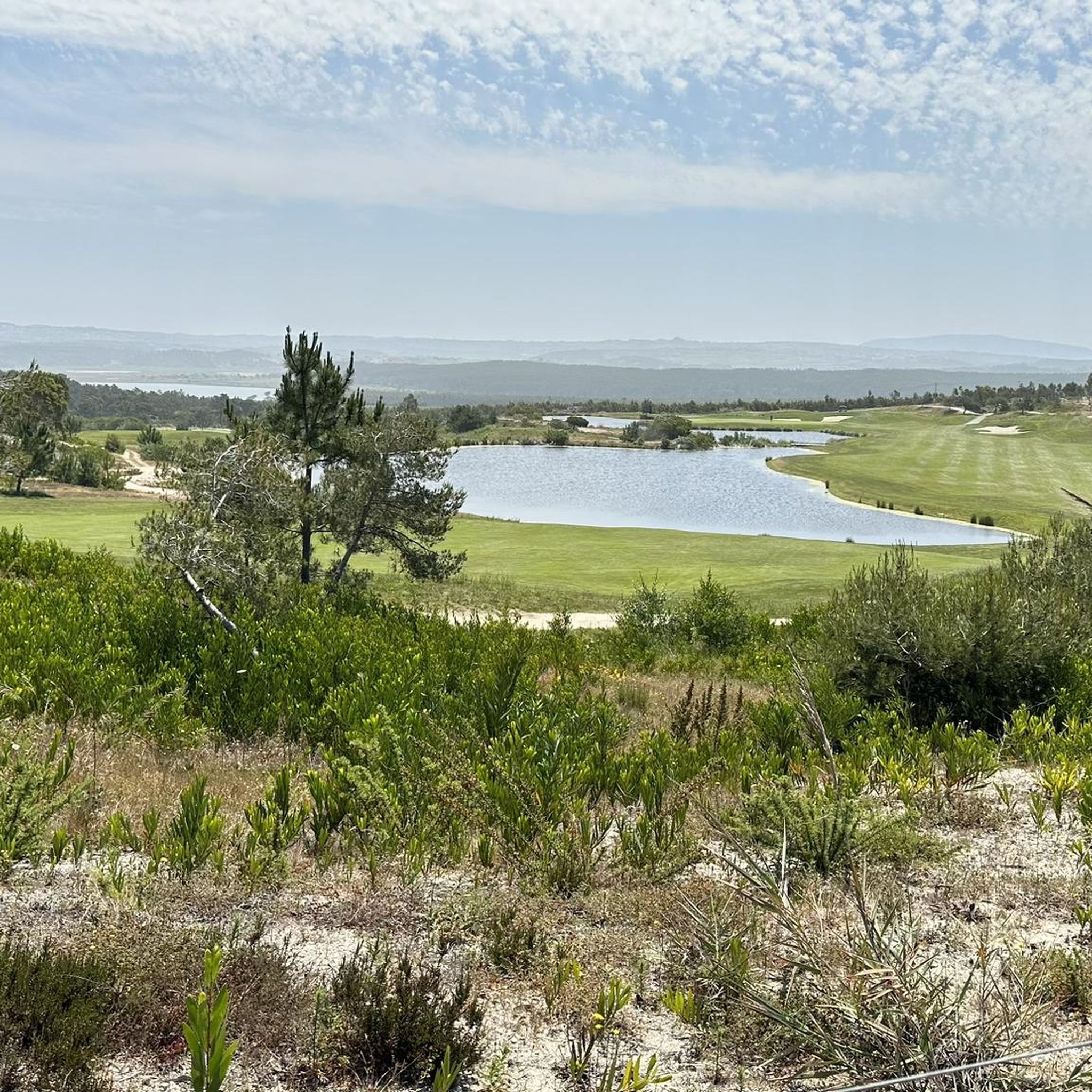
Gravel biking in Vau region offers routes characterized by coastal plains, lagoon-side paths, and rolling terrain. The area features a mix of natural landscapes and historical towns, providing varied surfaces for gravel cyclists. Routes often traverse agricultural lands and connect to the Óbidos Lagoon, presenting diverse riding conditions. The region's topography includes gentle ascents and descents, suitable for exploring on a gravel bike.
Best gravel bike trails around Vau
- The most popular gravel bike trail is Óbidos Lagoon – Lagoa…
Last updated: May 15, 2026
4.8
(4)
28
riders
47.9km
02:36
360m
360m
Hard gravel ride. Good fitness required. You may need to push your bike for some segments of this route.
4.0
(2)
8
riders
45.0km
02:32
420m
420m
Moderate gravel ride. Good fitness required. Mostly paved surfaces. Suitable for all skill levels.

Sign up for free
3
riders
53.8km
03:18
520m
520m
Hard gravel ride. Very good fitness required. Mostly paved surfaces. Suitable for all skill levels.
2
riders
30.7km
01:48
240m
240m
Moderate gravel ride. Good fitness required. Mostly paved surfaces. Suitable for all skill levels.
2
riders
27.9km
01:33
260m
260m
Moderate gravel ride. Good fitness required. Mostly paved surfaces. Suitable for all skill levels.
Our route recommendations are based on thousands of hikes, rides, and runs completed by other people on komoot.
Start today with a free account
Your next adventure awaits.
Login or Signup
Other adventures around Vau

Tips from the Community

An entrance in the city wall, with some tile panels that I loved seeing.
6
0
Beautiful photos. Thank you 🙏
6
1

The Porta da Vila is the city's main gate. It consists of two low, staggered gates to prevent a direct cavalry charge, as was often the case with Gothic Portuguese castles. Between the gates is a small balcony that served as a prayer room, with beautiful blue and white tiles (azulejos) from 1740 depicting the Passion of Christ. Street performers often play there because of the acoustics.
5
0

Point with excellent views over Praia d'El Rey, with good shade and even a swing to relax.
2
0

Turn boldly here and cross the sign area.
0
0
The Óbidos Lagoon is the largest coastal lagoon system on the Portuguese coast. It has a total area of approximately 6.9 km2 and an average depth of two metres, with elevations ranging from half a metre to five metres. It extends upstream essentially through two channels, to the west by the Braço do Bom Sucesso, and to the east by the Braço da Barrosa. It shares a land border with the municipality of Caldas da Rainha to the north (parishes of Foz do Arelho and Nadadouro) and with the municipality of Óbidos to the south (parishes of Vau and Santa Maria). To the south is the Poça do Vau and to the west it is connected to the Poça das Ferrarias. It has a maximum length of 6 km and a width that varies between 1 and 1.5 km, with a preferential NW-SW orientation.
0
0

It is best to visit in the winter months, when you have air in the narrow streets
1
0
Many cycling and hiking trails are signposted to explore the area
0
0
Frequently Asked Questions
What kind of terrain can I expect on gravel bike trails in Vau?
Gravel biking in the Vau region offers a diverse mix of coastal plains, paths alongside the Óbidos Lagoon, and gently rolling terrain. You'll often traverse agricultural lands and encounter varied surfaces suitable for gravel bikes, providing a blend of natural landscapes and routes connecting to historical towns.
How many gravel bike trails are available in the Vau region?
There are over 6 gravel bike trails documented in the Vau region, catering to various skill levels from moderate to difficult. This includes several popular loop trails around the Óbidos Lagoon and coastal areas.
Are there any easy gravel bike trails suitable for beginners in Vau?
Yes, while many routes are moderate, there is at least one trail categorized as easy. For example, the Óbidos Lagoon – Lagoa de Óbidos Gravel Trail loop from Poça Pequena is a popular option that offers varied terrain around the lagoon.
Can I find challenging gravel bike routes in Vau?
Absolutely. The Vau region offers routes with varying difficulty. For a more challenging ride, consider the Óbidos 🏛️ Town Centre – Óbidos Lagoon loop from Peniche, which covers 33.4 miles (53.8 km) and leads through coastal areas and near the historic Óbidos town.
Are there any circular gravel bike routes around Vau?
Yes, many of the gravel bike trails in Vau are designed as loops, making them convenient for starting and ending at the same point. Popular examples include the Lagoa de Óbidos Gravel Trail – Óbidos Lagoon loop from Caldas da Rainha and the Óbidos Lagoon – Óbidos – Town Gate loop from Caldas da Rainha.
What attractions or landmarks can I see along the gravel bike trails in Vau?
The Vau region offers a mix of natural beauty and historical sites. You can explore highlights such as the historic Óbidos – Town Gate and the impressive Óbidos Castle. Natural attractions include Foz do Arelho Beach and the scenic Papôa Peninsula.
Are there any waterfalls to visit near the gravel biking routes?
Yes, for those interested in natural monuments, the Vale Cornaga Waterfall is an attraction located near the Vau region that you might consider visiting.
What do other gravel bikers enjoy most about the trails in Vau?
The gravel bike trails in Vau are highly rated by the komoot community, with an average score of 4.25 stars from over 8 reviews. Riders often praise the varied terrain around the Óbidos Lagoon, the coastal sections, and the opportunity to explore historical towns and agricultural landscapes.
Is the Vau region suitable for family-friendly gravel biking?
The region offers a mix of difficulties. While specific family-friendly routes are not explicitly highlighted, the presence of moderate trails and scenic lagoon-side paths suggests that some sections could be suitable for families, especially those with some biking experience. Always check the route details for elevation and distance before heading out.
What is the best time of year for gravel biking in Vau?
The Vau region, characterized by coastal plains and lagoon-side paths, generally offers pleasant conditions for gravel biking for much of the year. However, to avoid the hottest summer months and potential winter rains, spring and autumn typically provide the most comfortable temperatures and stable weather for exploring the diverse terrain.
Are there opportunities to explore historical sites while gravel biking in Vau?
Yes, the Vau region is known for its historical towns. Several routes, such as the Óbidos 🏛️ Town Centre – Óbidos Lagoon loop from Peniche, lead near or through the historic Óbidos town, allowing you to combine your ride with cultural exploration of landmarks like the Óbidos Castle and its town walls.
Most popular attractions around Vau

Get inspired with the komoot mobile app


Explore more
Browse the best Gravel rides in other regions.
