The best walks and hikes around Lago De Texcoco
4.3
(22)
38
hikers
4
hikes
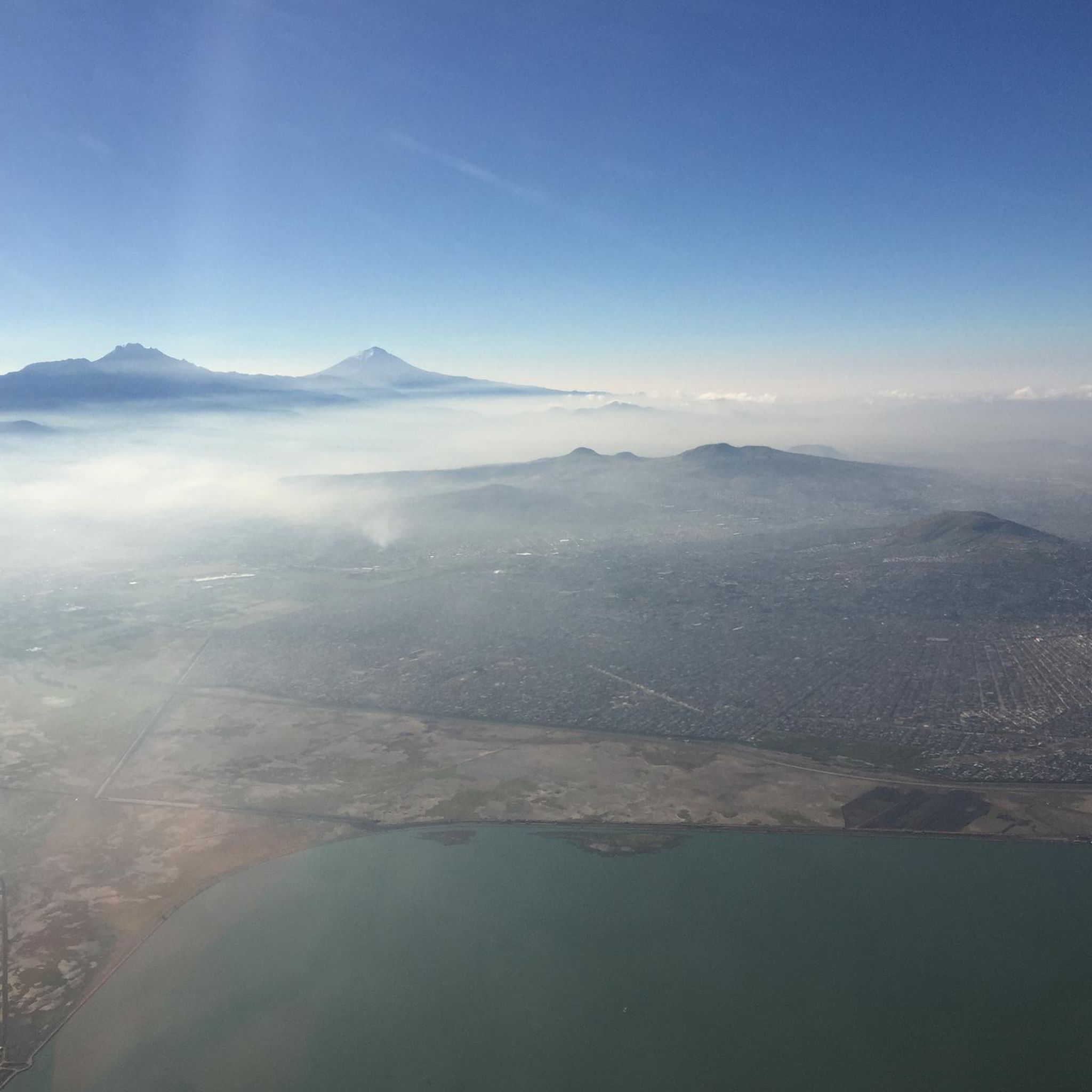
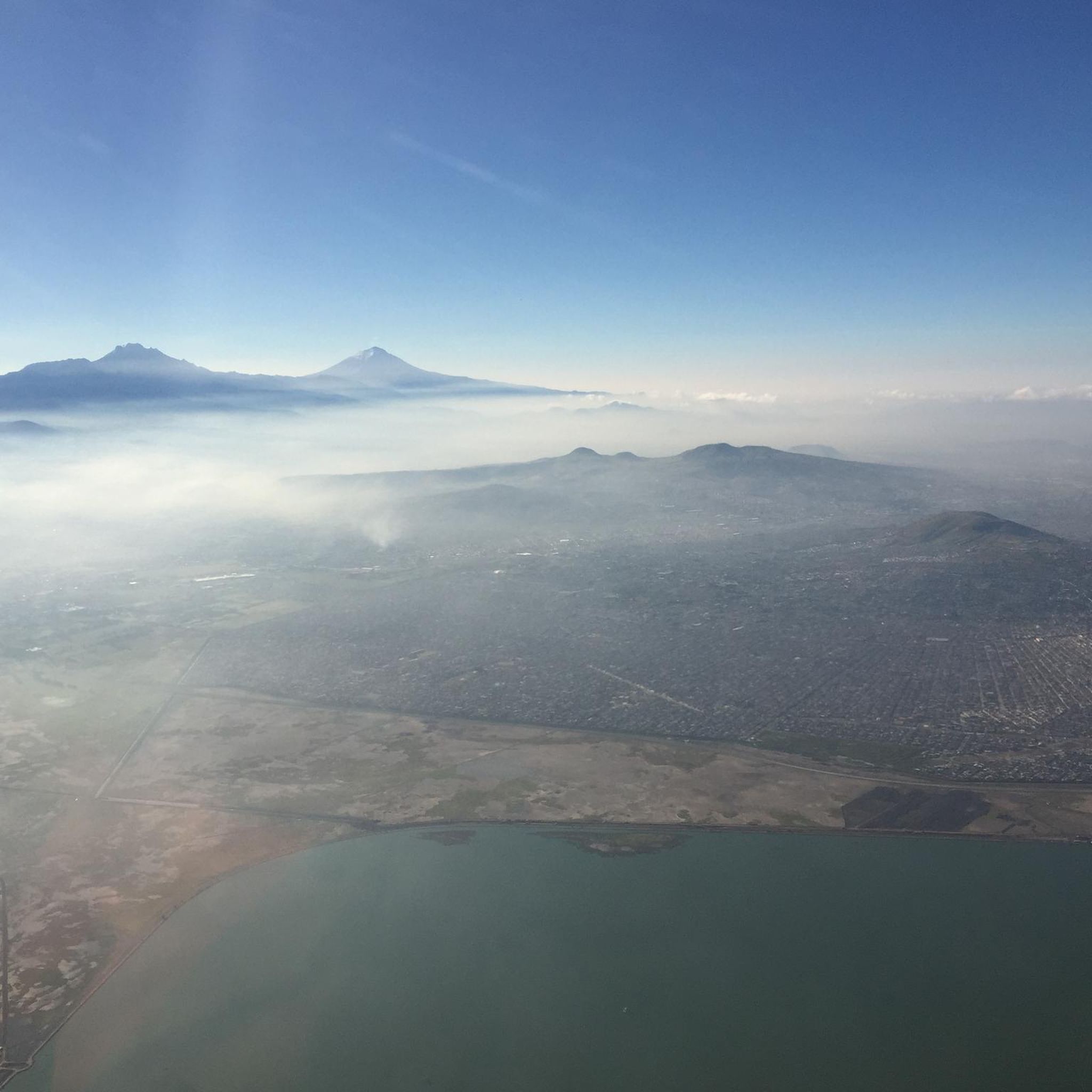
Hiking trails around Lago De Texcoco offer a unique landscape characterized by extensive wetlands and open terrain, part of a significant ecological restoration project in the Valley of Mexico. The area, historically part of the larger Lake Texcoco basin, features recovered ponds and wetlands crucial for its biodiversity. This region is recognized as a Ramsar Wetland and an Important Bird and Biodiversity Area, hosting diverse flora and fauna. The park provides a network of trails suitable for exploring its natural…
Last updated: July 1, 2026
3.3
(16)
17
hikers
5.28km
01:20
10m
10m
Easy hike. Great for any fitness level. Easily-accessible paths. Suitable for all skill levels.
4.6
(5)
16
hikers
10.7km
03:09
320m
320m
Moderate hike. Good fitness required. Easily-accessible paths. Suitable for all skill levels.

Sign up for free
1
hikers
4.85km
01:45
270m
270m
Easy hike. Great for any fitness level. Easily-accessible paths. Suitable for all skill levels.
Our route recommendations are based on thousands of hikes, rides, and runs completed by other people on komoot.
Start today with a free account
Your next adventure awaits.
Login or Signup

Tips from the Community

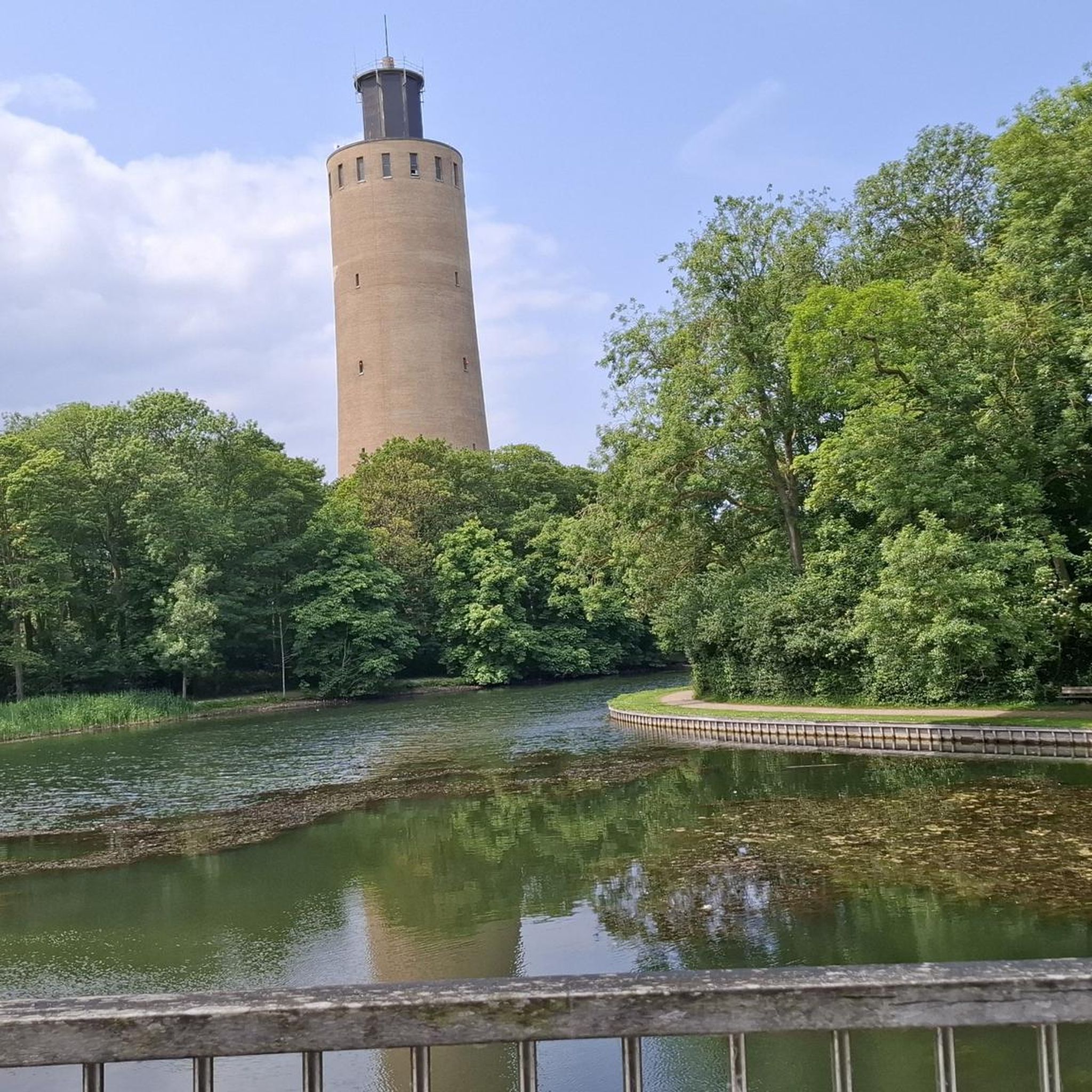
The San Juan de Aragón Forest in Mexico City is one of the city's main green spaces, boasting expansive green areas, a lake, an open-air theater, and sports facilities. Inaugurated in 1964, it combines natural spaces with cultural and recreational activities, and is home to over 100 species of birds, as well as squirrels and butterflies. Its 5-kilometer circuit is ideal for running or walking among eucalyptus and casuarina trees, and it offers amenities and security, making it a perfect place to spend the day enjoying nature within the city.
0
0

Carved steps, apparently by inhabitants of the area in the Pre-Hispanic era.
0
0
Steps, apparently carved by the pre-Hispanic inhabitants of the area…
0
0

Anyone to go?? I'm from CD. Aztec 3rd
0
0

It has a beautiful view, it's worth it.
0
0
Frequently Asked Questions
How many hiking trails are available in Lago de Texcoco?
There are several hiking trails around Lago de Texcoco, offering diverse experiences. Our guide features 4 curated routes, ranging from easy walks to more moderate climbs, allowing you to explore the unique ecological landscape.
What kind of terrain can I expect on the hiking trails around Lago de Texcoco?
The terrain in Parque Ecológico Lago de Texcoco is characterized by its open and exposed nature, featuring extensive wetlands and recovered ponds. You'll find paths through green spaces, alongside water bodies, and some routes with significant elevation changes, offering varied landscapes for nature observation.
Are there any family-friendly hiking options in Lago de Texcoco?
Yes, there are family-friendly options. For an easy and flat path through a green space, consider the Vuelta por el Bosque de San Juan de Aragón en México, which is 3.3 miles (5.3 km) long and takes about 1 hour 20 minutes to complete.
What wildlife can I expect to see while hiking in Lago de Texcoco?
Lago de Texcoco is a significant ecological area, recognized as a Ramsar Wetland and an Important Bird and Biodiversity Area (IBA). It hosts an annual average of 150,000 migratory birds and is home to over 370 animal species. Keep an eye out for diverse birdlife, and you might even spot globally threatened species like the Xochimilco axolotl or the rough-necked alligator lizard in their habitats.
Are there any notable landmarks or attractions to see near the hiking trails?
Beyond the natural beauty, the area has historical significance. You can explore trails leading to viewpoints, such as viewpoint number seven. Historically, the region also features archaeological sites like Tetzcotzinco, known for the Baths of Nezahualcóyotl, offering a blend of natural exploration and historical context.
What are the best times of year to go hiking in Lago de Texcoco?
The Parque Ecológico Lago de Texcoco is a year-round destination, but the best time to visit often depends on your preference for birdwatching, especially for migratory species, which are most abundant during cooler months. The park's open nature means it can be exposed to the elements, so checking local weather forecasts is always recommended.
How can I get to the Parque Ecológico Lago de Texcoco using public transport?
The Parque Ecológico Lago de Texcoco is becoming increasingly accessible. While specific public transport routes can vary, it is located in the Valley of Mexico and is served by various local and regional transport options connecting it to surrounding areas. It's advisable to check current local bus or metro connections depending on your starting point.
Is parking available for hikers at Lago de Texcoco?
Yes, as a developing urban park with recreational facilities, the Parque Ecológico Lago de Texcoco provides parking options for visitors. Specific parking areas are usually designated near trailheads and main entrances to accommodate hikers and other park users.
Are there any loop hikes available in the area?
Yes, loop hikes are a popular way to explore the area. For a moderate challenge, consider the Stairs of the Gods loop from Ecatepec, a 6.6 miles (10.7 km) path with over 300 meters of elevation gain. Another option is the Summit of Cerro de la Cruz loop from Ecatepec, an easy 3.0 miles (4.8 km) trail.
What is the difficulty level of the hikes around Lago de Texcoco?
The hikes around Lago de Texcoco offer a range of difficulty levels. You'll find easy, flat walks suitable for all ages, as well as moderate trails with significant elevation changes for those seeking a greater challenge. Our guide includes 2 easy and 2 moderate routes to cater to different abilities.
What do other hikers say about the trails in Lago de Texcoco?
The trails in Lago de Texcoco are highly rated by the komoot community, with an average score of 4.3 stars from more than 20 reviews. Hikers often praise the unique ecological landscape, the opportunities for nature observation, and the varied terrain that offers something for different skill levels.
Are there any trails with significant elevation gain for a more challenging hike?
Yes, for hikers looking for a more challenging experience with elevation gain, the Stairs of the Gods loop from Ecatepec is a great option. This moderate 6.6 miles (10.7 km) route includes a notable elevation gain of over 300 meters, providing varied terrain and views.
How long do the hiking trails typically take to complete?
The duration of hikes varies depending on the trail and your pace. For example, the easy Vuelta por el Bosque de San Juan de Aragón en México takes about 1 hour 20 minutes, while the more moderate Stairs of the Gods loop from Ecatepec can take around 3 hours 10 minutes.
What makes Lago de Texcoco unique as a hiking destination?
Lago de Texcoco is unique due to its status as a vast ecological restoration project, transforming a historically significant lake basin into one of the world's largest urban parks. It's a Ramsar Wetland and an IBA, offering a rare opportunity to hike through extensive wetlands, observe diverse migratory bird species, and connect with nature in a significant conservation area near Mexico City. It's also recognized as Mexico's first Ecohydrology Demonstration Site by UNESCO.
Most popular routes around Lago De Texcoco

Get inspired with the komoot mobile app


