The 2 Most Amazing Peaks around Cedar Crest
Best mountain peaks around Cedar Crest New Mexico are situated at the eastern base of the Sandia Mountains, providing access to a variety of peaks within the Cibola National Forest and Sandia Mountain Wilderness. The region features diverse high-desert landscapes, including piñon, juniper, and ponderosa pine forests. This area offers numerous opportunities for hiking and exploring the unique ecosystems of the Sandia Mountains.
Best mountain peaks around Cedar Crest
- The most popular mountain peaks is Tecolote Peak, a summit…
Last updated: July 1, 2026
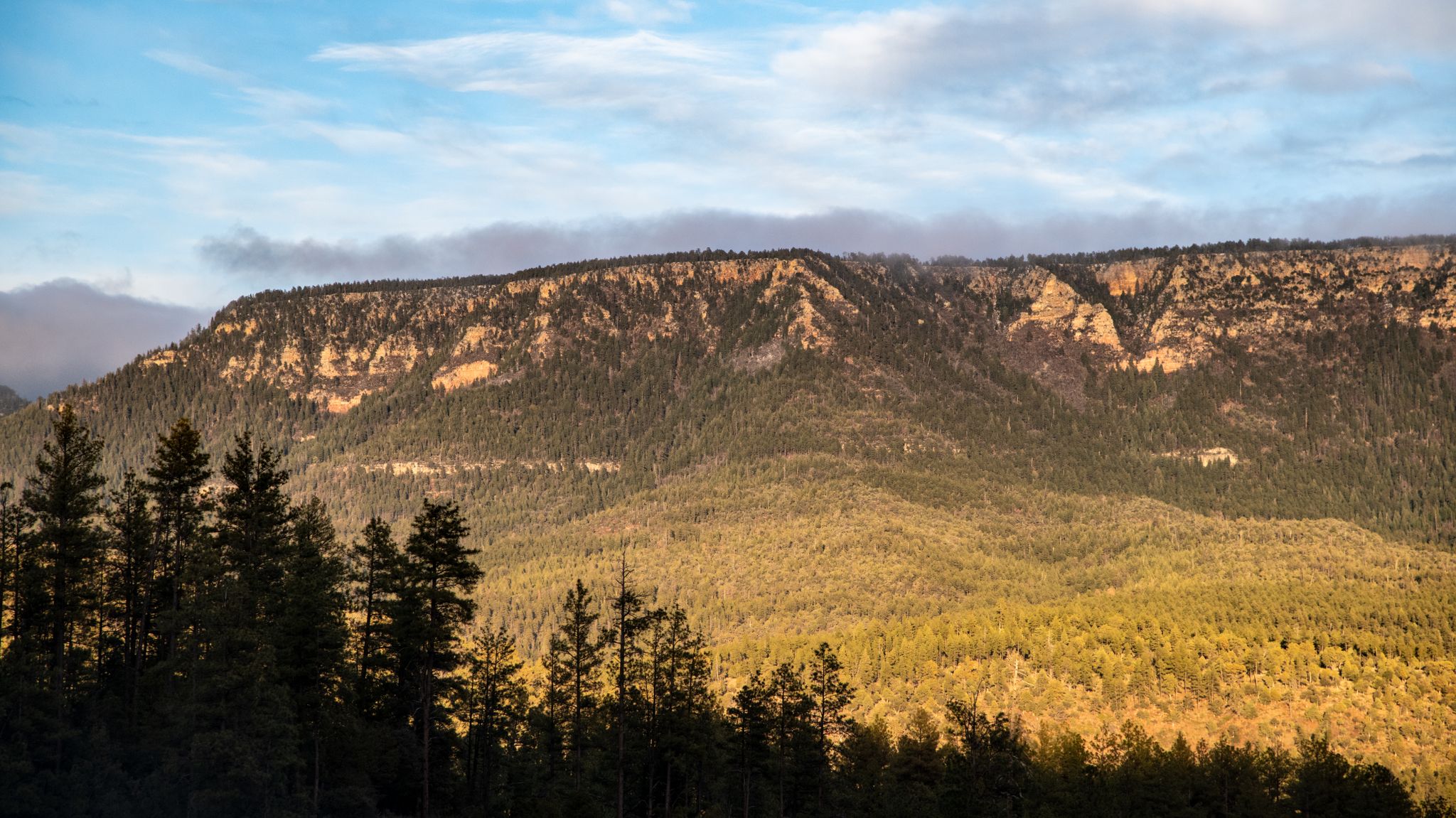
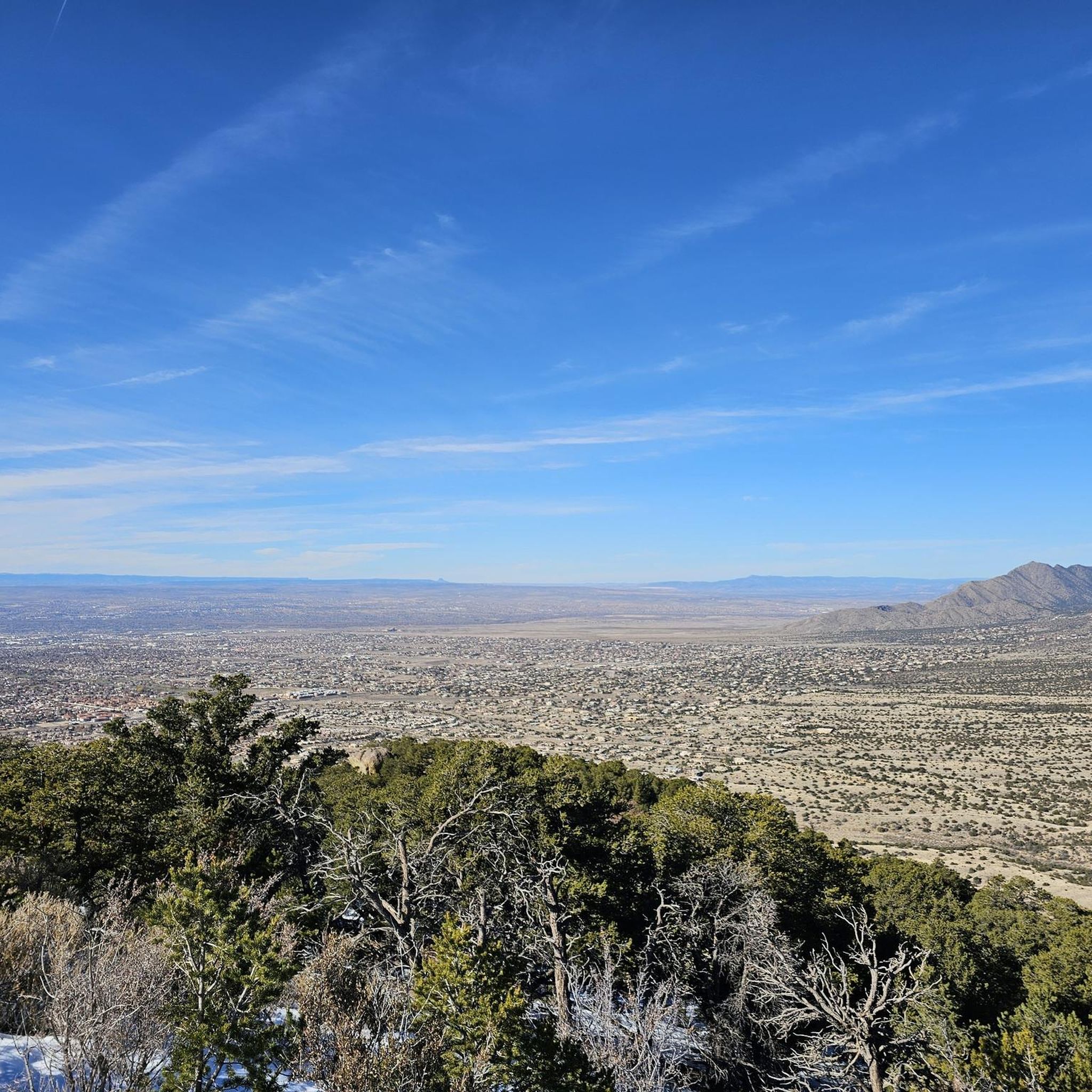
View of the Sandia Mountains
Highlight (Segment) • Viewpoint
Tip by

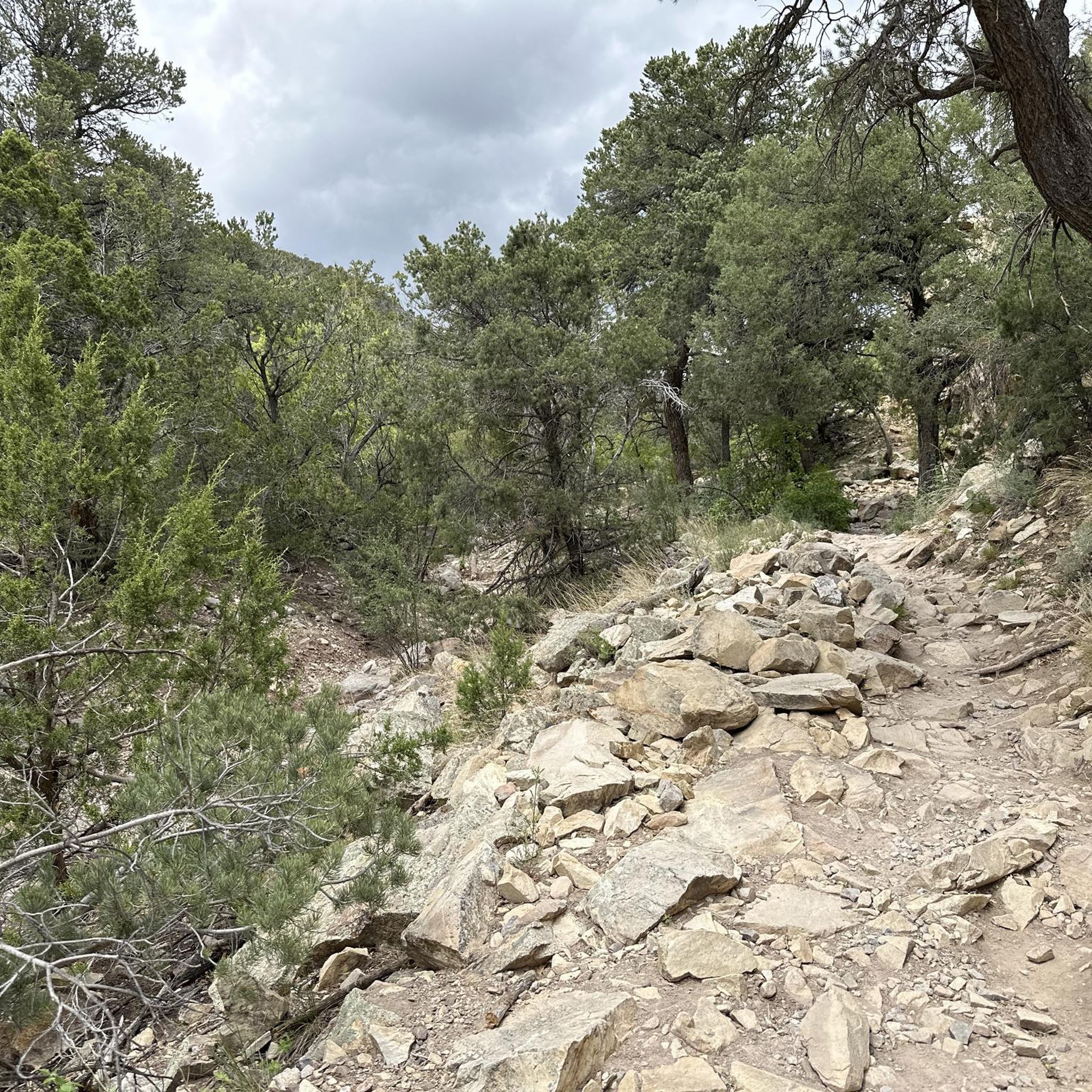
Tecolote Peak
Highlight • Summit
Tip by
Sign up now to discover places like this
Get recommendations on the best single tracks, peaks, & plenty of other exciting outdoor places.
Sign up for free
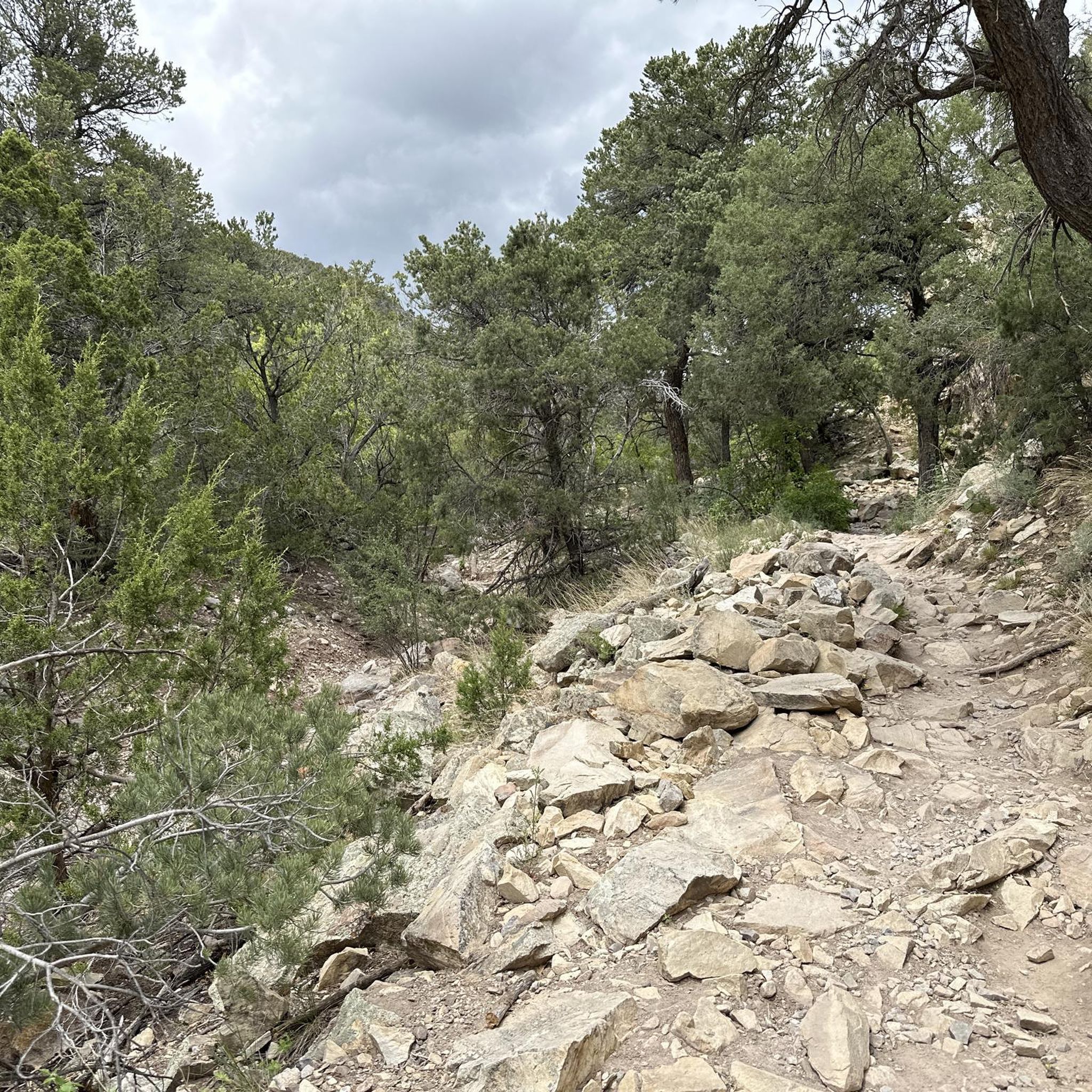
U-Mound
Highlight • Summit
Tip by

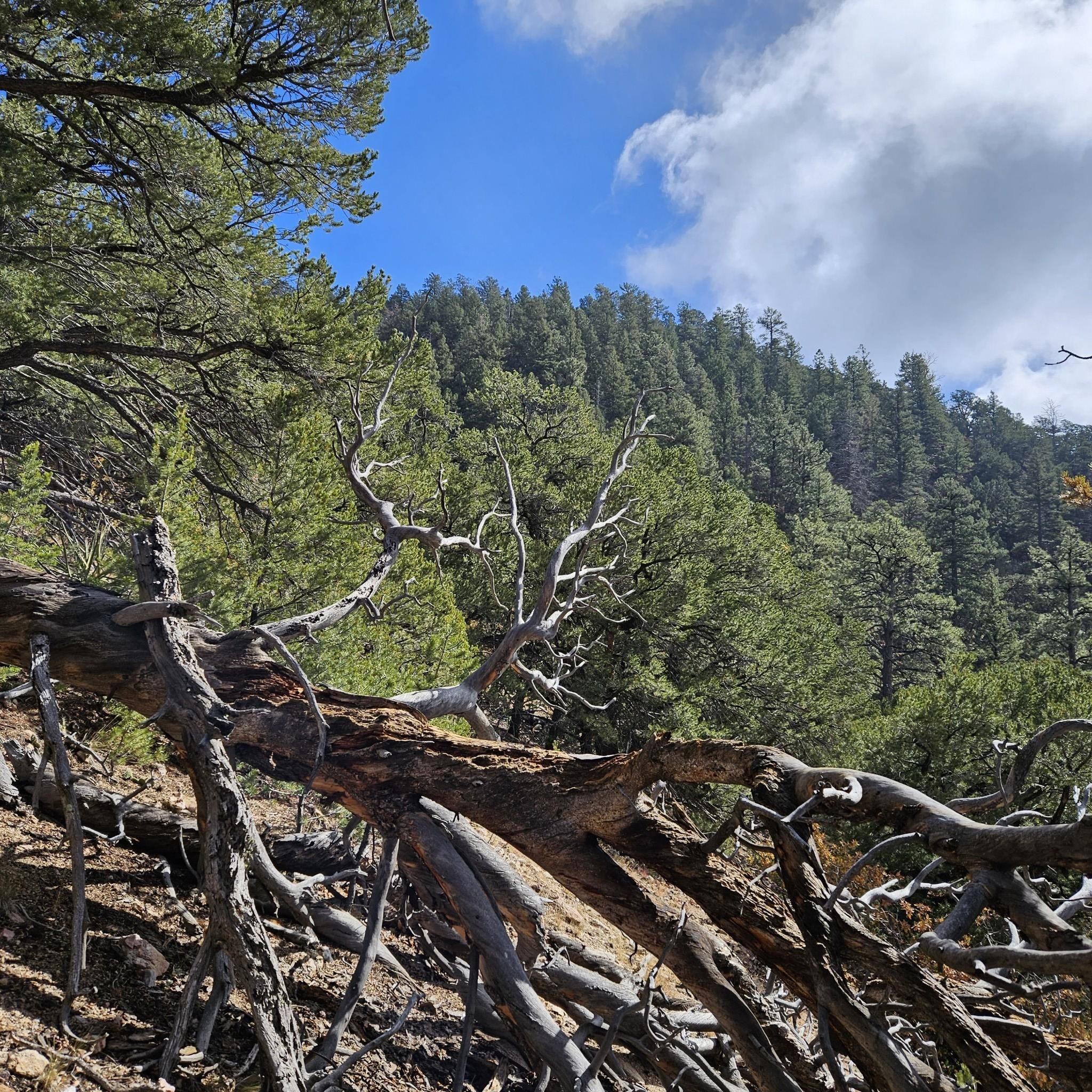
South Sandia Peak View
Highlight • Summit
Tip by
Start today with a free account
Your next adventure awaits.
Login or Signup

Other adventures around Cedar Crest

Tips from the Community


From the top of Tecolote Peak at 8,835 feet, you get unobstructed panoramic views of the Sandia Mountains from up close. The trail to the top is labeled as a "blue" in terms of difficulty and is easily rideable by intermediate cyclists.
0
0

You can get a beautiful panoramic view from the southeast side of the Tecolote Peak (2684 m).
0
0
La Luz Trail offers breathtaking views of the Sandia Mountains, famous for the pink shade their granite rock formations take at sunset.
0
0
The South Sandia Peak is one of the major summits of the Sandia Mountains. 'Sandía' means 'watermelon' in Spanish, a reference to the beautiful color the mountain takes at sunset.
0
0
Frequently Asked Questions
What are the most prominent mountain peaks near Cedar Crest?
The region around Cedar Crest offers access to several notable peaks within the Sandia Mountains. Key highlights include Tecolote Peak, known for its panoramic views, and South Sandia Peak View, a major summit offering breathtaking vistas. The highest point in the range, Sandia Crest, stands at 10,678 feet (3,255 m) and provides unparalleled views of the Albuquerque valley and the expansive New Mexico landscape.
What kind of views can I expect from the mountain peaks around Cedar Crest?
The mountain peaks in this area are renowned for their stunning views. From Tecolote Peak, you can enjoy unobstructed panoramic views of the Sandia Mountains. U-Mound offers fantastic views of the city and surrounding mountains, while Sandia Crest provides expansive vistas of the Albuquerque valley to the west and the New Mexico landscape to the east. Many peaks offer particularly beautiful sights at sunrise or sunset.
Are there challenging climbs for experienced hikers in the Cedar Crest area?
Yes, experienced hikers will find challenging options. South Sandia Peak, for instance, offers routes for both hiking and climbing, including an 11.5-mile round trip via the Crest Trail with a significant elevation gain of 3,228 feet. For those seeking a demanding trek with rewarding vistas, this peak is an excellent choice. Rock climbers also frequent the southwestern face of South Sandia Peak.
What are some moderate hiking trails near Cedar Crest's mountain peaks?
Several moderate trails offer great mountain experiences. The Sandia Peak Loop is a popular 3.1-mile route within the Sandia Mountain Wilderness with gradual elevation changes. The Tree Spring Trail is a 4-mile round-trip moderate hike known for its shady retreat and stunning overlook. You can also explore routes like the South Crest and Faulty Trails Loop or the Armijo Trail and Faulty Trail Loop, both considered moderate, as part of the hiking guide for Cedar Crest.
What is the best time to visit the mountain peaks near Cedar Crest?
The mountain peaks around Cedar Crest are a popular escape, especially during warmer months, due to significantly cooler temperatures at higher elevations. August is noted as a particularly beautiful time to visit South Sandia Peak, with wildflowers in bloom. For general hiking, the diverse high-desert and forested ecosystems can be enjoyed across multiple seasons, but always check local conditions.
Are there any family-friendly mountain experiences or easy hikes near Cedar Crest?
While some peaks offer challenging climbs, there are also more accessible options. The Tecolote Peak Trail, for example, provides a moderate and immersive experience through characteristic woodland, suitable for those looking for a shorter outing. For easier hikes, consider trails like the Michael M. Emery and Trail 305 Loop, which are part of the easy hikes guide around Cedar Crest.
What natural features characterize the mountain peaks and trails around Cedar Crest?
The region is characterized by diverse high-desert landscapes, transitioning into piñon, juniper, and ponderosa pine forests as you ascend. You'll encounter unique ecosystems within the Cibola National Forest and Sandia Mountain Wilderness. The mountains themselves are known for their reddish hue at sunset, which is why they are named 'Sandia' (Spanish for 'watermelon').
What is the elevation of the highest peak in the Sandia Mountains?
The highest point in the Sandia Mountains is Sandia Crest, standing at an elevation of 10,678 feet (3,255 m) above sea level. From this vantage point, visitors can enjoy extensive panoramic views.
What activities can I do on or near <a href="https://www.komoot.com/highlight/7213299" target="_blank" rel="noopener">U-Mound</a>?
U-Mound is a small peak popular with rock climbers and hikers. It offers a short 0.7-mile ascent to the top, making it a great spot for a break during a ride or a quick hike. From the summit, you'll be rewarded with fantastic views of the city and the surrounding mountains.
Can I find routes for running near the mountain peaks around Cedar Crest?
Yes, there are several running trails available. The running trails guide for Cedar Crest features routes like the South Crest Trail, a difficult 17.1 km route, and the Three Gun Spring Trail Loop, another challenging option. Moderate running trails such as the Embudo and Mano Trail Loop are also available.
What makes <a href="https://www.komoot.com/highlight/5343441" target="_blank" rel="noopener">Tecolote Peak</a> a popular destination?
Tecolote Peak is a popular summit offering unobstructed panoramic views of the Sandia Mountains from up close. At 8,835 feet, its summit provides a beautiful vista. The trail to the top is considered intermediate in difficulty and is also easily rideable by intermediate cyclists, making it versatile for different outdoor activities.
What do visitors particularly enjoy about the mountain peaks around Cedar Crest?
Visitors appreciate the diverse range of experiences, from challenging climbs to peaceful woodland strolls. The panoramic views from summits like Tecolote Peak and U-Mound are highly valued. The cooler temperatures at higher elevations provide a welcome escape, and the unique high-desert and forested ecosystems offer opportunities for wildlife viewing and photography.
Most popular routes around Cedar Crest
Most popular attractions around Cedar Crest

Get inspired with the komoot mobile app


Explore more
See even more amazing summits around Cedar Crest with these guides:
