The best gravel rides in Vojvodina
3.5
(2)
4
riders
2
rides
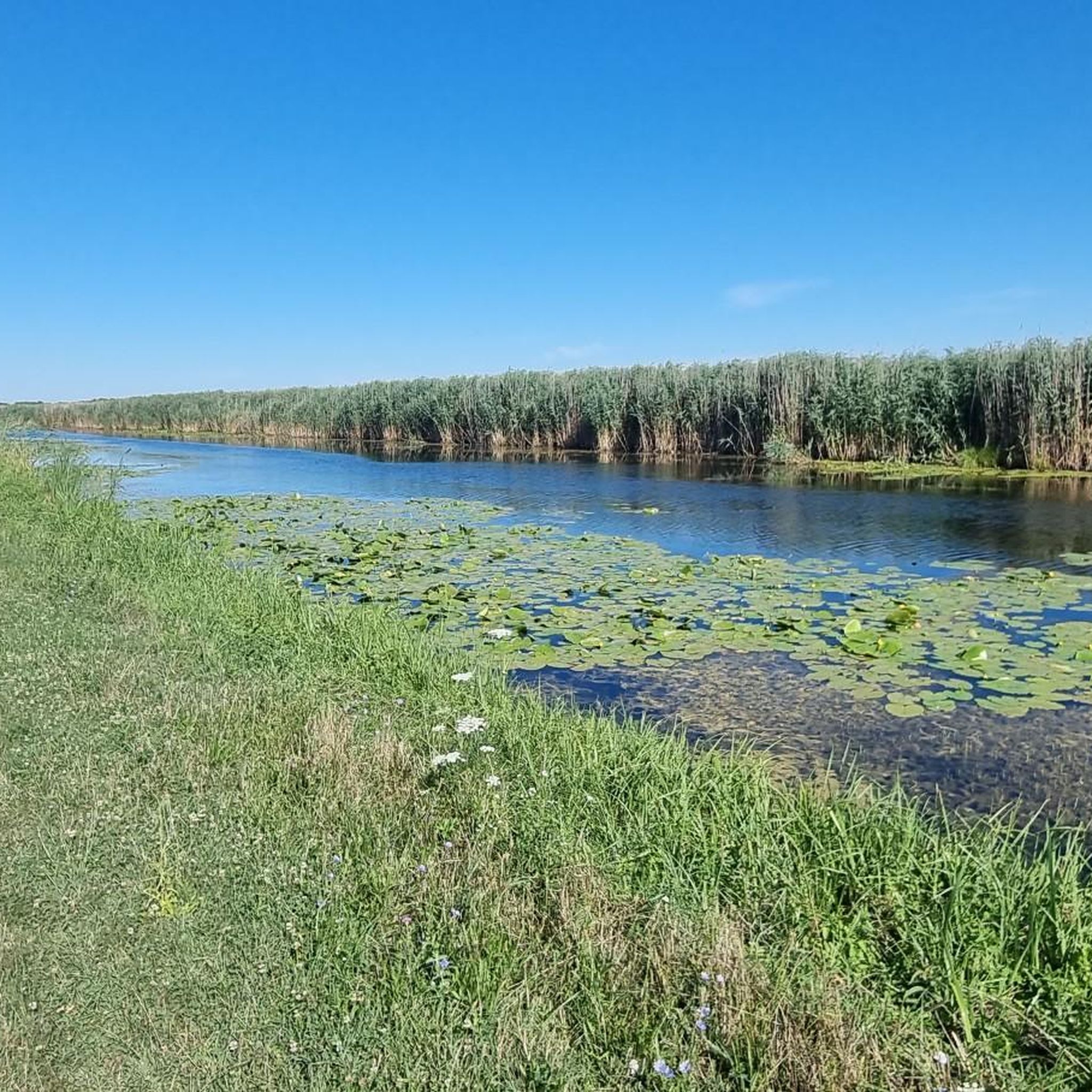
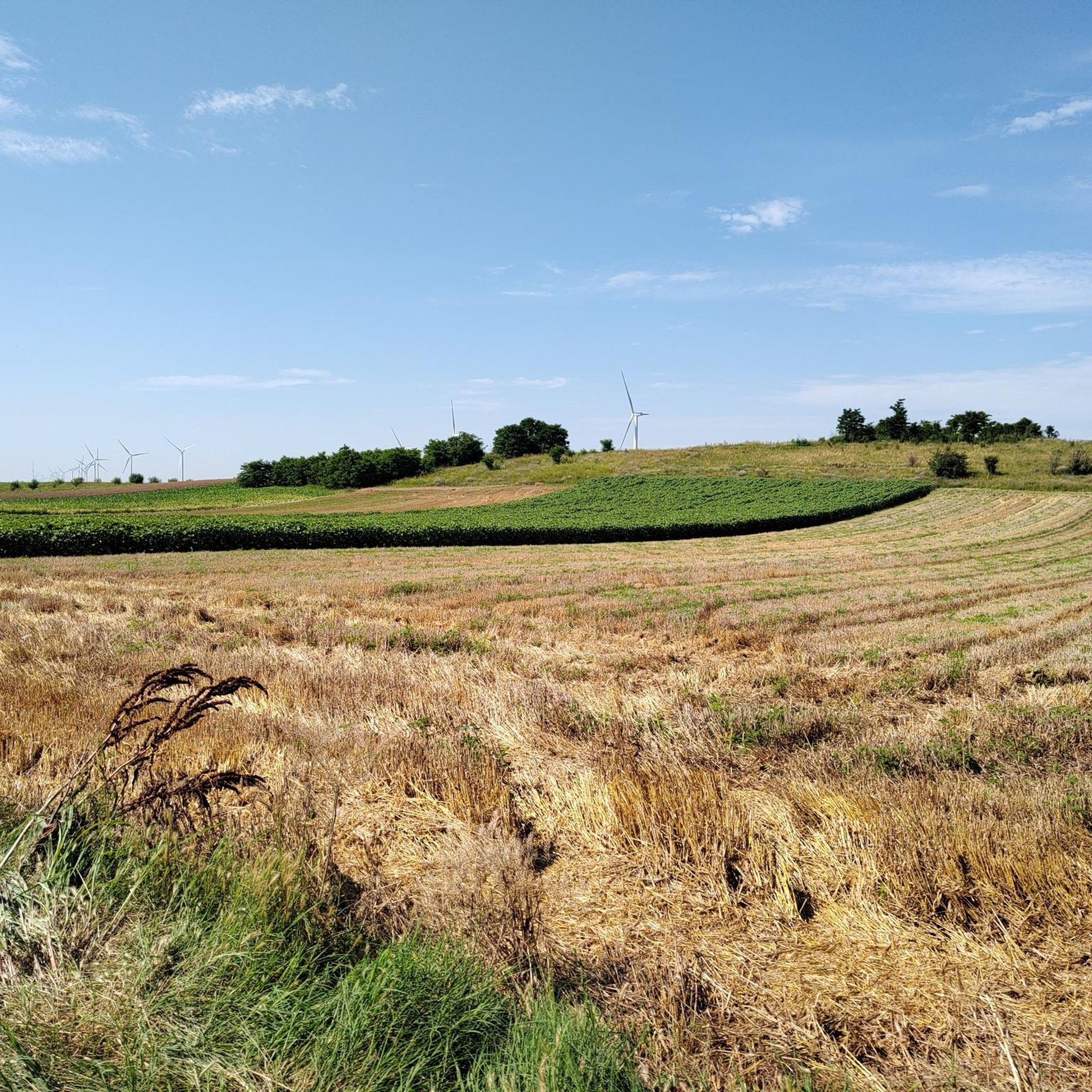
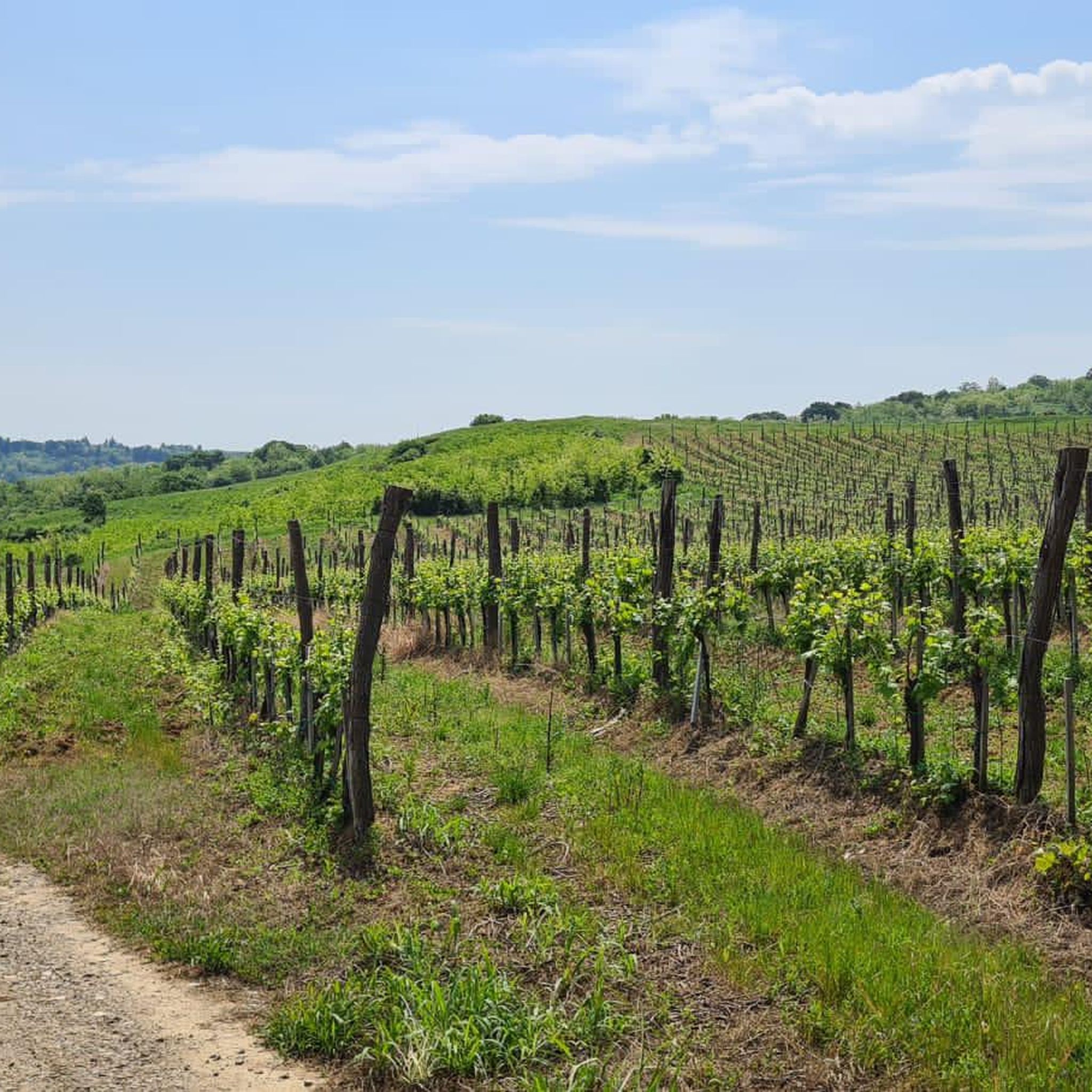
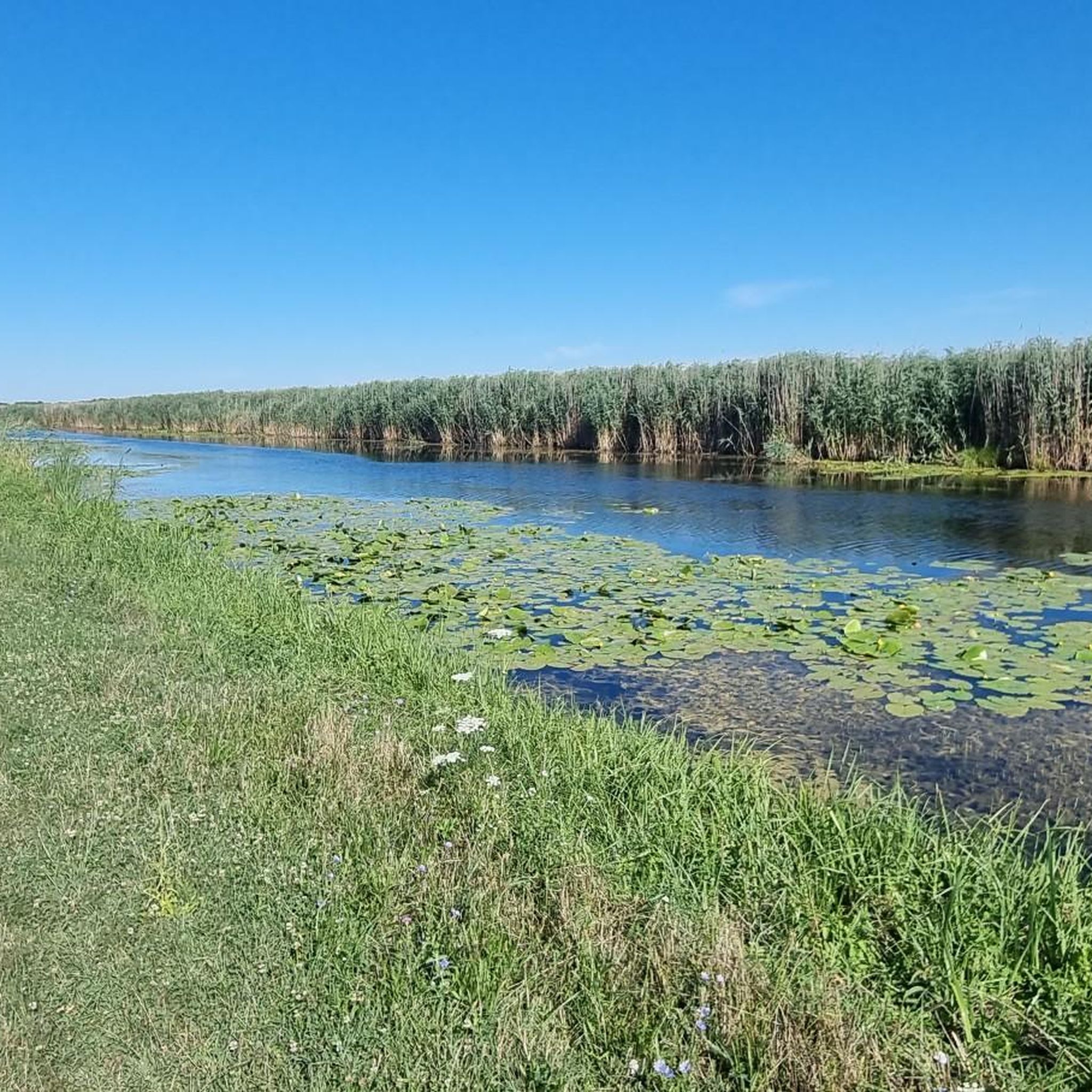
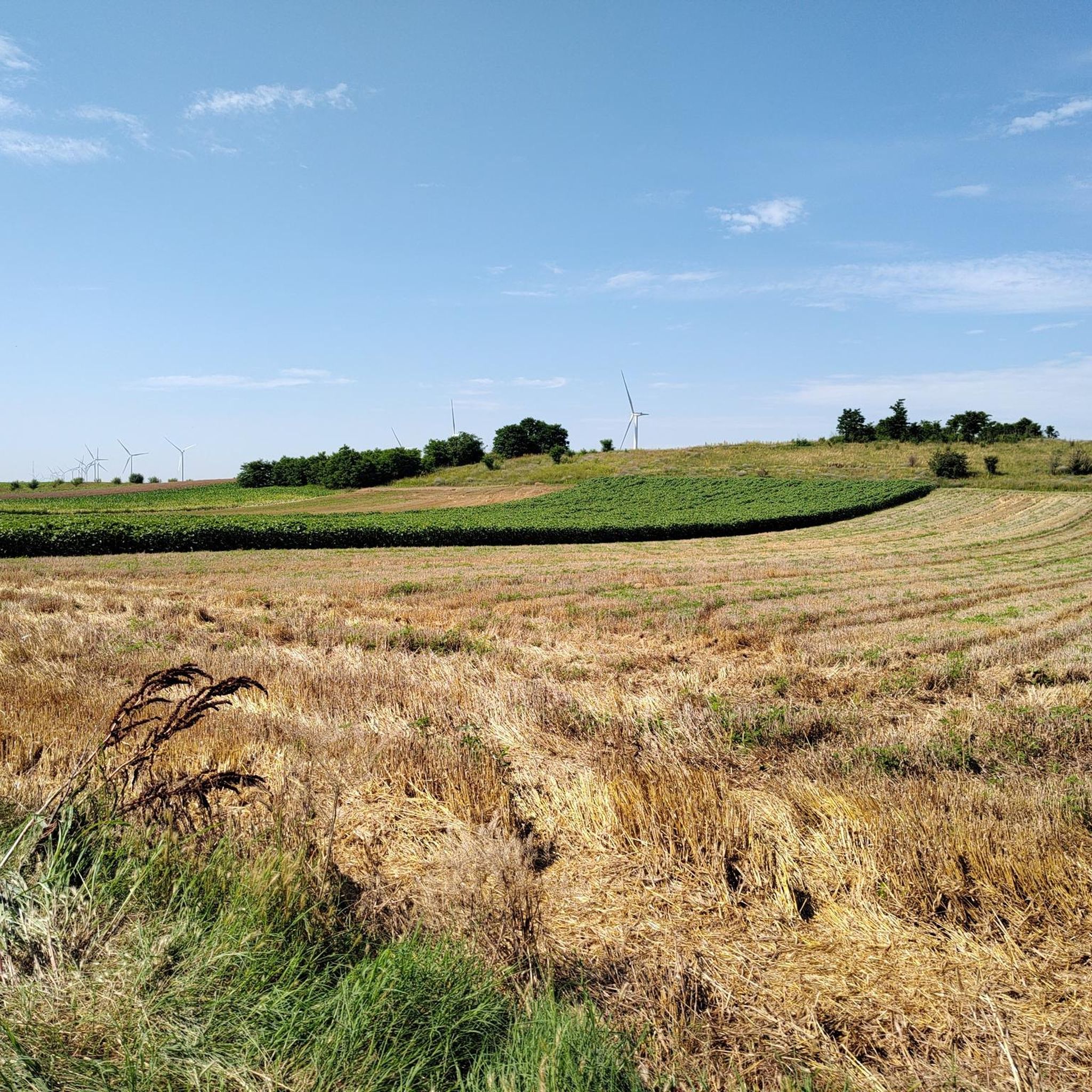
Gravel biking in Vojvodina offers diverse terrain across Serbia's northern province, characterized by the expansive Pannonian Plain. The region features gentle elevations like Fruška Gora National Park, with its forests and vineyards, and the unique sandy landscapes of Deliblato Sands. Extensive networks of paths follow major rivers such as the Danube and Tisa, and traverse vast agricultural fields, providing varied routes for gravel cyclists.
Best gravel bike trails in Vojvodina
- The most popular gravel bike trail is Fruška Gora TV…
Last updated: July 13, 2026
3.5
(2)
3
riders
55.3km
03:45
720m
720m
Hard gravel ride. Very good fitness required. Mostly paved surfaces. Suitable for all skill levels.
1
riders
53.6km
03:39
390m
390m
Moderate gravel ride. Good fitness required. Mostly paved surfaces. Suitable for all skill levels.
Our route recommendations are based on thousands of hikes, rides, and runs completed by other people on komoot.
Start today with a free account
Your next adventure awaits.
Login or Signup
Tips from the Community

If you come to this sign GO BACK, every path from it is dead end! The text sais: Site ossuary (mass grave), On this place lays 12.000 soldiers, of Austro-Hungarian and Ottoman Empire, died in Battle of Slankamen 1691. I went to this hill today called SaltRock - Slankamen. And behind it, steeply downwards it is Danube. On this hill was a great battle of Slankamen in 1691 between Austrian Empire and Osman Empire, after which Serbs immediately experienced the harshest persecution ever, and went on biblical Great Migration "Velika Seoba"
0
0

The synagogue is the most monumental sacred building in the city. Along with the former Jewish school building (on the left) and the Jewish Community building (on the right), the Synagogue was constructed in the first decade of the 20th century according to the designs of the Budapest architect Lipót Baumhorn, known for his numerous buildings done in the Secessionist style. Its impressive presence and rich decoration testify to the former power and grandeur of the Jewish community, which had been present in Novi Sad since its beginnings. The first synagogue was erected as early as 1717, as a witness to the fact that Jews were among the first inhabitants of Novi Sad. Before World War II, Novi Sad had a Jewish population of around 4,300. About 800 were killed during the Novi Sad Raid from January 21 to 23, 1942. After the Third Reich occupied Hungary in March 1944, the Nazis began implementing the "Final Solution to the Jewish question” in these areas as well. In April 1944, a ghetto was established in the Synagogue's courtyard, from which almost all of Novi Sad's Jews were deported to Auschwitz on April 27. After the war, only about 300 Jews remained in Novi Sad. Many Jews joined the anti-fascist movement and the People's Liberation Movement (NOP) from the beginning of the occupation and fought in the ranks of the partisans. In 2023, a monument was erected in the Synagogue's courtyard to commemorate the fallen Jewish fighters against fascism. [This site is part of the Liberation Routes cycling tour "The Danube to Victory Route" (58km)] https://www.komoot.com/tour/1933369594?share_token=aRc7kQYJ01cywoOlRPXzWvplRxrDI3K22D17Rs90xCFiVo5TvF&ref=wtd
1
0
Before World War II, Iriški Venac was one of the central points of Fruška Gora, located at the intersection of Grebenski Put (Ridge Road), today called the Partizanski Put, and the road between Irig and Sremska Kamenica. As an important communication center, Iriški Venac was under the armed control of the occupiers throughout the war and was only liberated in October 1944 by the units of the 7th Vojvodina Brigade. The monument known as "Freedom", dedicated to the fallen fighters and the National Liberation Movement (NOP) of Vojvodina, is one of the first more representative monuments erected in the territory of Vojvodina, and it is also among the most impressive monuments erected in the first decade after liberation across the entire territory of Yugoslavia. Even though Iriški Venac was not of major importance for the Fruška Gora partisans, it was chosen for the location of this monument, being the tourist and traffic center of the mountain. It was unveiled on July 7th, 1951, on the 10th anniversary of the Uprising in Serbia, in the presence of around 100,000 citizens. The author of the monument is the renowned sculptor Sreten Stojanović. "Freedom" belongs to the group of figurative-architectural monuments. The monument is built of Belovac stone and paved with Motajnica granite. The total height of the monument is 36 meters, and the figure of a woman - the personification of the ideal of freedom - at the top of the obelisk is 7 meters high. By some accounts, the figure of the woman is oriented towards Bosnia, because that is where most of the partisans from Srem and the entire Vojvodina province went to combat. In front of the obelisk, on a high pedestal, there is a composition made up of six figures, symbolizing the people of Srem and Vojvodina who rose up in revolt. The base of the monument is framed by a bronze relief 50 meters long, which, through several chronological and thematic units, presents the development and course of the People's Liberation Struggle (NOB) in the area of Srem. Among other things, the relief depicts the entry and terror of the occupiers, the beginning of the uprising, the cooperation between the common people and the partisans, armed conflicts with the occupiers, and the final victory. [This site is part of the Liberation Routes cycling tour "The Danube to Victory Route" (58km)] https://www.komoot.com/tour/1933369594?share_token=aRc7kQYJ01cywoOlRPXzWvplRxrDI3K22D17Rs90xCFiVo5TvF&ref=wtd
1
0
This viewpoint offers a view of the southern slopes of Fruška Gora, with the Vrdnik Tower visible on a nearby hill. The tower is a remnant of a 14th-century fortification destroyed during the Turkish conquests in the 16th century. Although no extensive archaeological research has been conducted, indications suggest that the medieval fortress may have been built on older foundations, possibly dating back to the Roman Emperor Marcus Aurelius Probus (3rd century AD), who was originally from this region. Beyond the foothills of Fruška Gora, the plains of Srem stretch southward for about 30 kilometers to the Sava River, which marked the boundary between the Independent State of Croatia (NDH) and occupied Serbia during World War II. Although the anti-fascist movement had significant support in most villages of Srem, and despite the villages being well connected with alternative route networks, the plain presented challenging terrain. The greatest threats came from larger cities like Ruma and Sremska Mitrovica, as well as key roads and the heavily guarded Belgrade–Zagreb railway, where fascist units, bunkers, and armored trains were stationed. [This site is part of the Liberation Routes cycling tour "Fruška Gora Liberation Circuit"] https://www.komoot.com/de-de/tour/1870928931?share_token=arNOGj2dKOO605JTe2ZpbVW7s7N624smYsy5No7bVl78oCzjv4&ref=wtd
0
0

Belgrade (White City) with its wonderful archaeological museum and beautiful old town with lively pedestrian zone is the capital of Serbia with 1.4 million inhabitants. You should take more than just two days like we did. It's worth it and the people are very nice.
0
0

This was functional TV transmitting tower until 1999 when NATO decided to take it down with bombs like one on the picture. Monument to the peoples madness that never ends.
0
0
Rude awakening by the madness of our recent history. This is one of many TV towers bombed by the NATO in 1999 attacks on Serbia.
0
0

A great city with lots of beautiful buildings
0
0
Frequently Asked Questions
What kind of terrain can I expect on gravel bike trails in Vojvodina?
Vojvodina offers a diverse range of terrain for gravel biking. You'll find extensive flat plains and agricultural lands, perfect for long-distance rides, as well as the gentle hills of Fruška Gora National Park. Unique sandy areas like the Deliblato Sands, often called the 'European Sahara,' provide a distinct riding experience. Many routes also follow major rivers like the Danube and Tisa, offering scenic paths through varied landscapes.
Are there any challenging gravel routes in Vojvodina for experienced riders?
Yes, experienced riders will find challenging options, particularly in the Fruška Gora region. For instance, the Fruška Gora TV Tower – Iriški Venac TV tower memorial loop from Нови Сад is a difficult 34.8-mile (56.0 km) trail with significant elevation gain through the hills, taking nearly 5 hours to complete. Another difficult option is the View of Lešće – Brewpub Docker loop from Панчевачки Мост (Дунавски перон), which covers 26.7 miles (43 km) with over 450 meters of ascent.
What are some notable landmarks or attractions I can see along the gravel trails?
Vojvodina's gravel routes often pass by significant cultural and natural landmarks. In Fruška Gora, you can explore over 16 Serbian Orthodox monasteries from the 15th and 16th centuries. The region is also known for its vineyards and traditional Salaši farms. For specific points of interest, consider visiting the Petrovaradin Fortress Clock Tower near Novi Sad, or enjoying panoramic views from the Observation Tower Fruška Gora. Many routes also offer views of the Danube River, including the View of the Danube Side Arms.
Are there family-friendly gravel biking options in Vojvodina?
While specific 'easy' rated gravel routes are not highlighted in the current selection, much of Vojvodina's flat plains and river-side paths offer less strenuous riding suitable for families. The region's extensive network of quiet dirt roads and gravel paths through agricultural fields provides a gentle environment for family outings. Always check the route's difficulty and elevation profile on komoot to ensure it matches your family's ability.
Can I find circular gravel bike routes in Vojvodina?
Yes, many gravel routes in Vojvodina are designed as loops, allowing you to start and end at the same point. For example, the Gravel loop from Dobrilovac is a moderate 33.3-mile (53.6 km) trail that takes you through varied rural landscapes. Another popular loop is the Varadin Bridge – Novi Sad loop from Нови Сад, offering views along the Danube River.
What is the best time of year for gravel biking in Vojvodina?
The spring and autumn months are generally ideal for gravel biking in Vojvodina. During these seasons, the weather is typically mild, and the landscapes are vibrant, with blooming fields in spring and colorful foliage in autumn. Summer can be quite warm, especially in the open plains, while winters can bring cold temperatures and potential snow, making some trails less accessible.
Are there places to eat or stay along the gravel routes?
Vojvodina is known for its hospitality, and you'll find opportunities for refreshments and accommodation. The Fruška Gora region, in particular, boasts over 60 privately owned wine cellars where you can enjoy tastings. Traditional Salaši farms scattered across the plains offer local cuisine and a glimpse into rural life, often providing charming stops for rest and food during your ride. Towns like Sremski Karlovci and Novi Sad also offer a variety of cafes, pubs, and accommodation options.
What do other gravel bikers say about the trails in Vojvodina?
The gravel biking experience in Vojvodina is highly rated by the komoot community, with an average score of 4.1 stars from over 6 reviews. Riders often praise the varied terrain, from the gentle hills of Fruška Gora to the unique sandy areas and extensive river plains. The region's blend of natural beauty and cultural stops, such as monasteries and vineyards, also contributes to a memorable experience.
Is parking available near the gravel bike trails?
Yes, parking is generally available, especially near popular starting points for trails in areas like Fruška Gora National Park and around larger towns such as Novi Sad. Many routes are accessible from locations where you can park your vehicle. It's always a good idea to check specific route details on komoot for recommended parking spots.
Can I access gravel trails using public transport?
Access to gravel trails via public transport is possible, particularly for routes starting near urban centers like Novi Sad. Buses often connect towns and villages within Vojvodina, which can bring you closer to trailheads. For routes deeper in national parks or rural areas, public transport options might be more limited, so planning ahead is recommended.
Are dogs allowed on the gravel bike trails in Vojvodina?
Generally, dogs are welcome on many outdoor trails in Vojvodina, especially in less restricted natural areas and on rural paths. However, specific rules may apply within national parks or protected areas like Fruška Gora. It's advisable to keep dogs on a leash and ensure they do not disturb wildlife or other trail users. Always check local regulations for the specific area you plan to visit.
How many gravel bike trails are available in Vojvodina on komoot?
Komoot features a selection of gravel bike trails in Vojvodina, with a total of 5 routes currently available. These routes cater to various skill levels, including moderate and difficult options, allowing riders to explore the diverse landscapes of the region.
Most popular routes in Vojvodina
Most popular attractions in Vojvodina

Get inspired with the komoot mobile app


Explore more
Browse the best Gravel rides in other regions.
