The 16 Most Amazing Peaks around Pedreguer
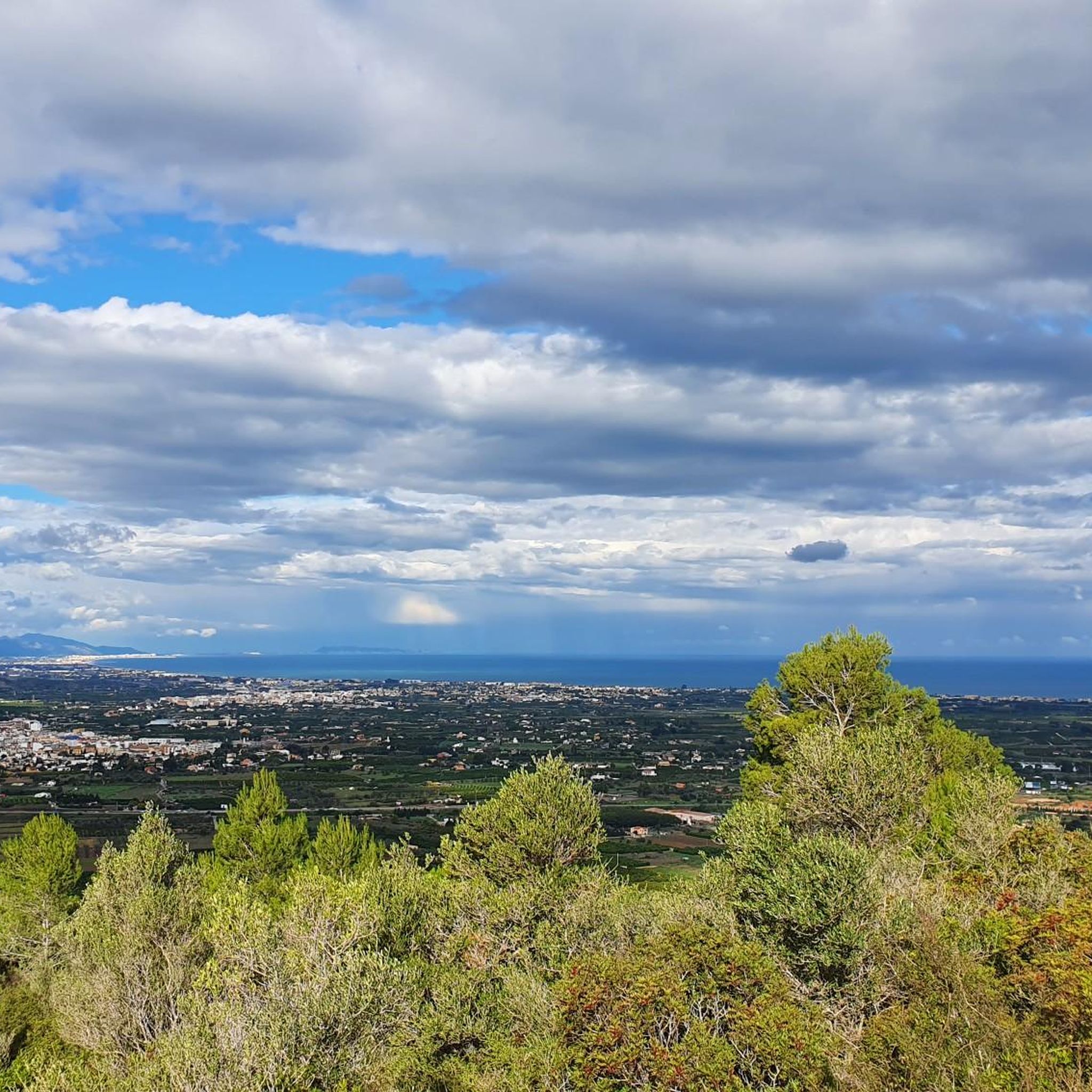
Best mountain peaks around Pedreguer showcase a diverse landscape in the Marina Alta region of Alicante, Spain. This area is characterized by notable mountain peaks and elevated areas that provide expansive views. Pedreguer is nestled between significant natural features, offering a range of outdoor activities. The region's terrain includes rugged peaks, ancient trails, and historical sites, making it a destination for exploration.
Best mountain peaks around Pedreguer
- The most popular mountain peaks is Montgó Summit, a summit that offers…
Last updated: July 4, 2026
Cova Tallada (Cut Cave)
Highlight • Cave
Translated by Google •
Tip by

Montgó Summit
Highlight • Summit
Translated by Google •
Tip by

Sign up now to discover places like this
Get recommendations on the best single tracks, peaks, & plenty of other exciting outdoor places.
Sign up for free
Ascent to Cumbre del Sol/Puig de la Llorença from La Mandarina
Highlight (Segment) • Climb
Showing Translation
Tip by
Penya Roja Summit
Highlight • Summit
Translated by Google •
Tip by

Cave of the Skulls
Highlight • Cave
Translated by Google •
Tip by
Sign up for free to discover even more peaks around Pedreguer.
Sign up for free
Already have an account?
Start today with a free account
Your next adventure awaits.
Login or Signup
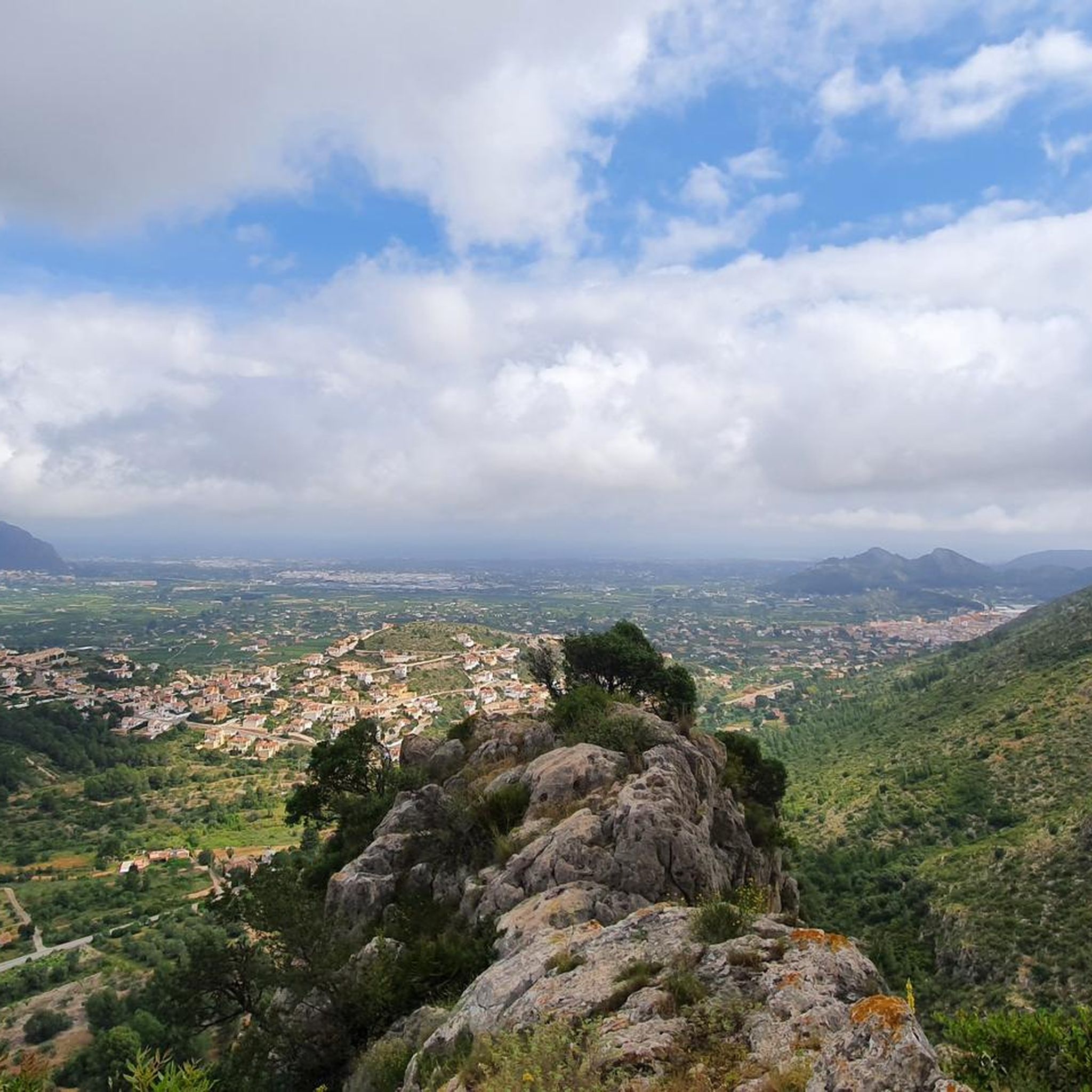
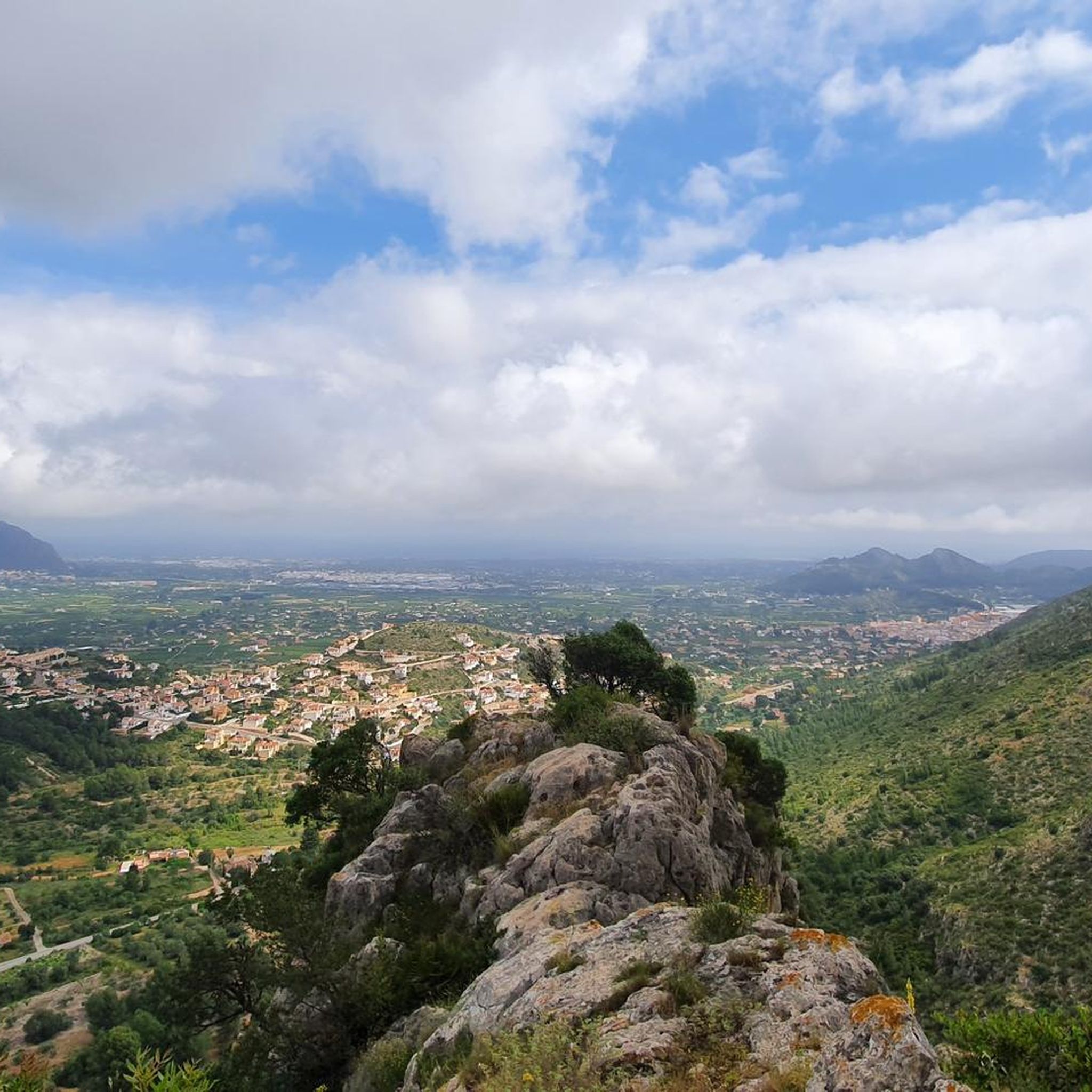
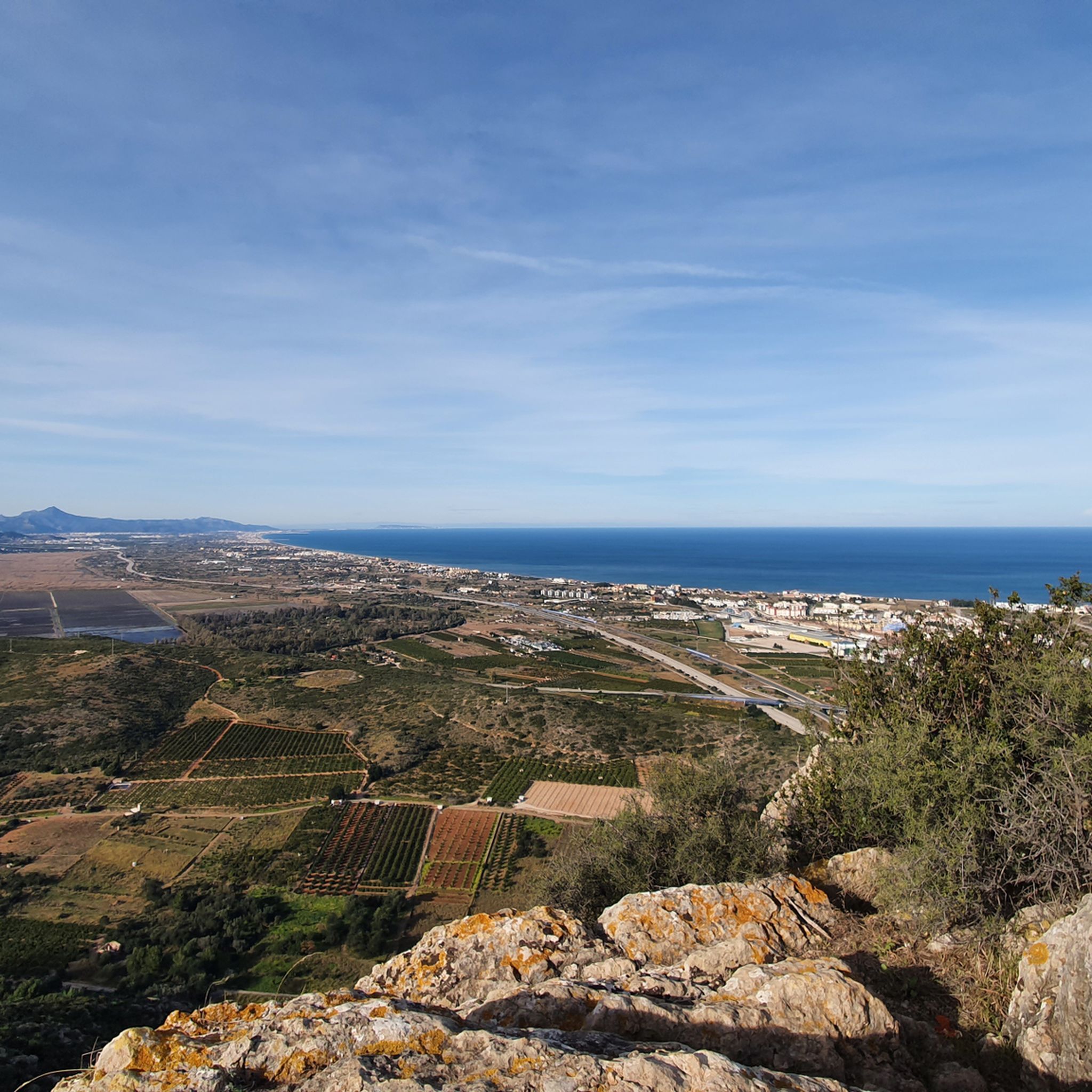
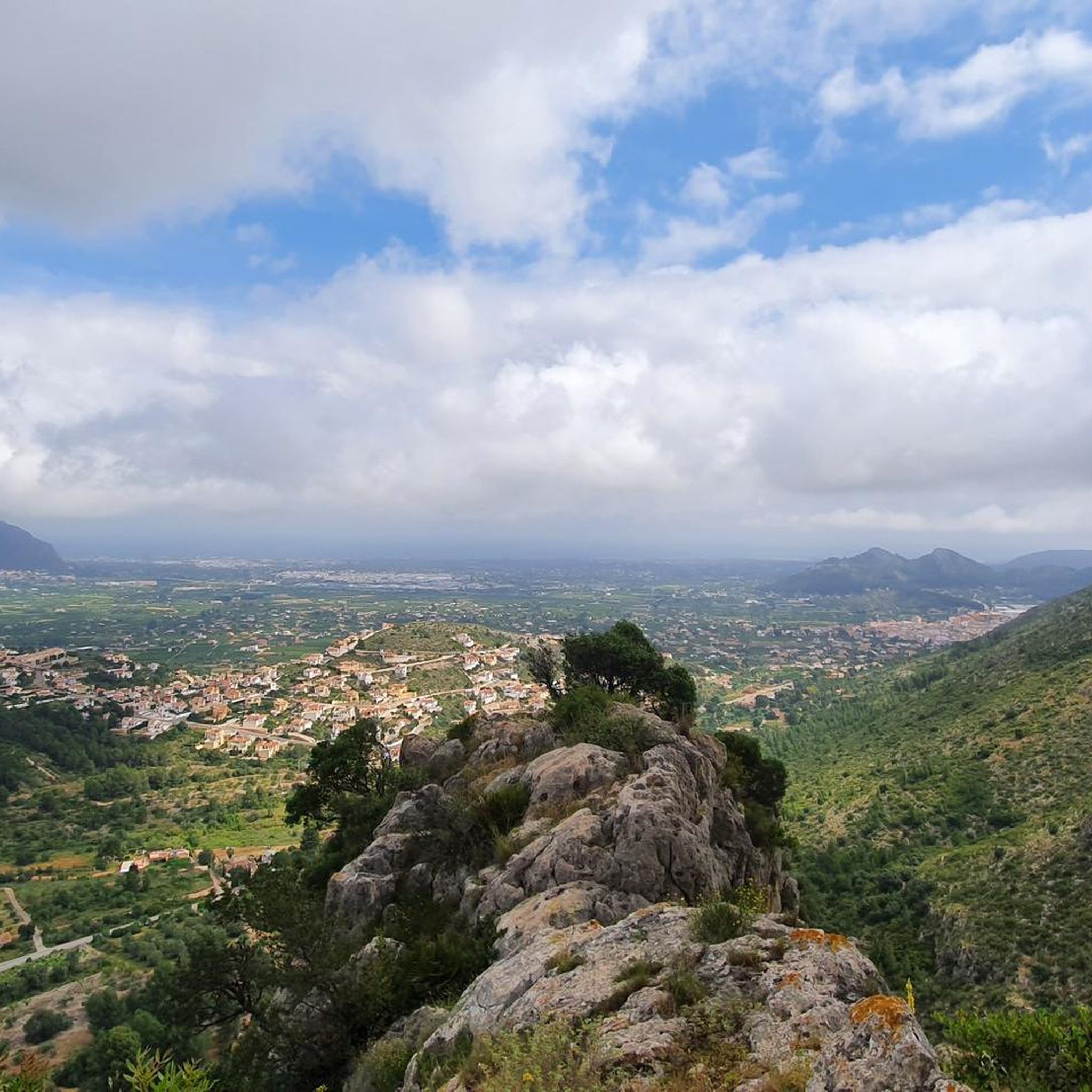


Tips from the Community

It is very beautiful but keep in mind that the summit is portrayed too rosily in the comments regarding difficulty. The summit is definitely red (= difficult). Which means you'll be scrambling for half an hour. Both half an hour up and down. Otherwise beautiful.
0
0

Beautiful, but a bit more challenging than indicated. Some trails are overgrown, and the descent at the end is not for those with a fear of heights.
0
0

Want a slightly steadier start to Cumbre del Sol? Choose the other side, just outside Benitachell (on the road from/to Jávea). This side is still very tough, but the gradients are a bit more even. The final kilometre is identical to the famous Mercadona climb, with ramps above 15% and the same breathtaking summit view.
2
0
The climb to Cumbre del Sol / Puig de la Llorença starts a small distance from Benitachell, at the turn-off next to Mercadona (on the way to Moraira). It’s a short but brutal 4 km climb with ramps of 10–12% and pitches above 15%. At the summit, you’re rewarded with stunning views of the Mediterranean, Calpe, and even Ibiza. This climb is famous as a Vuelta a España stage finish, won by stars like Chris Froome and Tom Dumoulin.
2
0

A tough climb, especially the final section. The views once you're up there are worth every effort. I'm sure you'll be back for it.
0
0

The start of the climb is demanding and gradually becomes easier. A rocky climb with ruts. A slight descent on stones, an accessible path and a descent on a well-paved road.
1
0

https://www.covatalladadenia.com/en/ The Cova Tallada is a natural jewel on the Costa Blanca. It is a cave at sea level that offers one of the most unforgettable views of nature. The spectacular cave, created by man in the XII-XIV centuries, makes this place a human masterpiece. In addition, the natural pool at the foot of the cave and the incredible arches make this place a must-see for everyone.
1
0

Good hiking boots with ankle protection, enough water. Small section where there is some climbing (easy)
2
1
Frequently Asked Questions
What kind of panoramic views can I expect from the mountain peaks around Pedreguer?
The peaks around Pedreguer offer diverse and expansive views. From the Montgó Summit, you can enjoy unique vistas of the coastlines of Denia and Jávea. The Serra de Segària provides remarkable panoramic views of the surrounding area, including the coastline, the Girona River valley, and the Marjal de Pego-Oliva Natural Park. From the Ascent to Cumbre del Sol / Puig de la Llorença, you're rewarded with stunning views of the Mediterranean, Calpe, and even Ibiza.
Are there any historical sites or natural caves to explore in the mountains near Pedreguer?
Yes, the region is rich in both historical sites and natural caves. The Serra de Segària features the ruins of the medieval Segària castle and natural caves like the Cova de Bolumini. On top of Muntanya Gran, you can find the ruins of Okave Castle. Additionally, the Cave of the Skulls (Cova de les Calaveres) in Benidoleig is a significant historical site, one of the oldest caves in the Valencian Community, offering a glimpse into ancient life. Another unique natural cave is Cova Tallada (Cut Cave), a sea-level cave with a natural pool and arches, believed to have been created by humans between the 12th and 14th centuries.
Are there family-friendly mountain walks near Pedreguer?
While many trails offer varying difficulties, the Cave of the Skulls is considered family-friendly, maintaining a cool temperature ideal for visits with children. For general mountain walks, the areas around Muntanya Gran provide scenic routes amidst agricultural landscapes, especially beautiful during the almond blossom season. When planning, always check specific route details for suitability for all family members.
What is the best time of year to hike in the Pedreguer mountains?
The region offers pleasant hiking conditions for much of the year. Late winter, particularly February, is a beautiful time to visit the areas around Muntanya Gran when the almond trees are in blossom. Spring and autumn generally offer mild temperatures, ideal for hiking. During summer, visiting caves like the Cave of the Skulls can be a good option as they maintain cooler temperatures.
Are there challenging climbs for experienced hikers or cyclists in the area?
Absolutely. For hikers, the path to the Montgó Summit can be demanding in sections due to steep slopes, offering a rewarding challenge. For cyclists, Monte Pedreguer is a notable climb with an average grade of 9.6% and sections reaching 16.4%, making it a challenging category 3 ascent. The Ascent to Cumbre del Sol / Puig de la Llorença is also a brutal 4 km climb with ramps of 10–12% and pitches above 15%, known for being part of the Vuelta a España.
What outdoor activities can I do near these mountain peaks?
The Pedreguer area offers a variety of outdoor activities. You can find numerous hiking trails, including those around the Montgó Massif and Serra de Segària. Cycling is popular, with challenging climbs like Monte Pedreguer and scenic routes through the Vall de Pop. For more detailed routes, explore the Mountain Hikes around Pedreguer, Cycling around Pedreguer, and Running Trails around Pedreguer guides.
What makes the Serra de Segària a popular destination for hikers?
The Serra de Segària is popular due to its accessible hiking trails, offering routes like the PR-CV-415 (12.7 km) and the SL-CV-109 (6.3 km) suitable for varying skill levels. Hikers are drawn to its dramatic cliffs, the ruins of the medieval Segària castle, and natural caves. The summit provides breathtaking panoramic views of the coastline and inland landscapes, making it a rewarding experience for nature lovers and photographers.
What is Muntanya Gran known for, especially for visitors to Pedreguer?
Muntanya Gran, meaning 'Big Mountain,' provides a picturesque backdrop to Pedreguer. It's particularly known for its stunning scenery, especially in February when the almond trees blossom, and the valleys are covered in vibrant orange groves. It's an excellent area for scenic walks, offering views of the Segària mountain range and Montgó, and holds historical remnants like the ruins of Okave Castle.
What should I know before visiting Cova Tallada (Cut Cave)?
Cova Tallada is a unique sea-level cave with a natural pool and arches. Accessing it by foot involves a very narrow and uneven path along the hillside with steep drops, requiring careful navigation over rocky scrambles and using chains anchored in the rock. It can also be accessed from the water via kayak. Visitors often hire guided kayak tours or caving experiences to explore it safely.
Are there specific hiking trails recommended for different skill levels near Pedreguer?
Yes, the region caters to various skill levels. For moderate hikes, you can find routes like the Montgó Trail – Montgó Scramble Section loop from Parc Natural del Montgó (7.7 km) or the Cova Tallada loop from Rest. Mena (4.5 km). More challenging options include longer Montgó Scramble Section loops (14.5 km or 16.6 km) which are rated as difficult. The Serra de Segària also offers official trails like the PR-CV-415 and SL-CV-109 with varying lengths. For detailed information, refer to the Mountain Hikes around Pedreguer guide.
What do visitors enjoy most about the Montgó Summit?
Visitors consistently highlight the unique and amazing views from the Montgó Summit, stretching across the coastlines of Denia and Jávea. Despite sections of the path being demanding, the panoramic vista is described as enormous and spectacular, making the effort worthwhile for experienced hikers.
What are some tips for visiting the Cave of the Skulls (Cova de les Calaveres)?
The Cave of the Skulls is a fascinating historical site. It's recommended to visit any time of year, but especially in summer, as the cave maintains a cool temperature. The visit typically takes about an hour. While the start of the climb to the cave can be demanding and rocky, it gradually becomes easier, with a well-paved road for descent. It's an ideal place to visit with children.
Most popular routes around Pedreguer
Most popular attractions around Pedreguer

Get inspired with the komoot mobile app


Explore more
See even more amazing summits around Pedreguer with these guides:
