Attractions and Places To See around Arganil - Top 8
Best attractions and places to see around Arganil are found in Portugal's Central region, characterized by its natural beauty and historical sites. The municipality features schist villages, waterfalls, and river beaches, set within a landscape of mountains and lush forests. Arganil offers a blend of natural exploration and cultural discovery, with a focus on its local heritage.
Best attractions and places to see around Arganil
- The most popular attractions is Fraga da Pena Waterfall, a waterfall that is a natural spectacle sculpted by time, culminating in an impressive 19-meter cascade. Located in the Serra do Açor Protected Landscape, it is a geological feature with a 19-meter high cascade.
- Another must-see spot is Garganta do Ceira, a gorge where the river has cut through a mountain. This natural monument offers opportunities for a refreshing dip in the water and relaxation.
- Visitors also love Côja, a settlement nestled along the banks of the Alva River. It is characterized by traditional architecture, a Roman bridge, and a peaceful atmosphere.
- Arganil is known for its natural features such as waterfalls and gorges, historical settlements, and river beaches. The region offers a variety of attractions to see and explore, from natural landscapes to cultural heritage sites.
- The attractions around Arganil are appreciated by the komoot community, with more than 20 upvotes and 18 photos shared by visitors.
Last updated: July 2, 2026
Fraga da Pena Waterfall
Highlight • Waterfall
Translated by Google •
Tip by

Royal Bridge over the Ceira River
Highlight • Bridge
Location: Center of the village of Góis, facilitating pedestrian access.
Characteristics: Imposing structure with stone arches, typical of crossing constructions from the monarchical period.
Surroundings: The Ceira River, near this area, offers river beaches highly sought after during the summer, standing out for the quality of the water and tranquility.
History: It is part of the built heritage from the Manueline/medieval period of the region.
Showing Translation
Tip by

Sign up now to discover places like this
Get recommendations on the best single tracks, peaks, & plenty of other exciting outdoor places.
Sign up for free
Garganta do Ceira
Highlight • Gorge
Translated by Google •
Tip by

Côja
Highlight • Settlement
Translated by Google •
Tip by

Fajão
Highlight • Settlement
Fajão also has a parish museum that exhibits sacred art and objects of daily life, and boasts a history linked to the Resistance during the Salazarist regime.
Translated by Google •
Tip by
Sign up for free to discover even more attractions around Arganil.
Sign up for free
Already have an account?
Start today with a free account
Your next adventure awaits.
Login or Signup

Tips from the Community

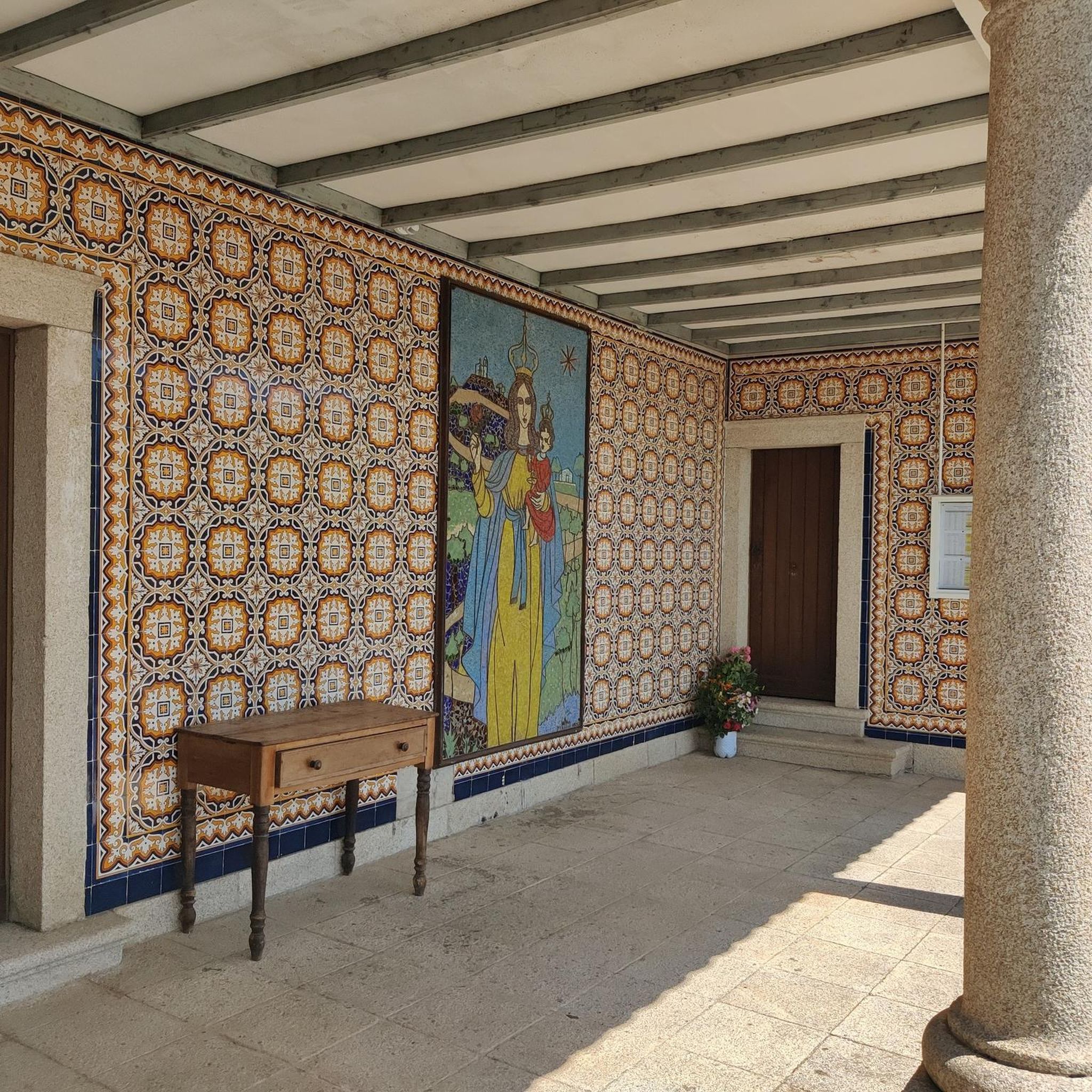
The Ponte Real (or Ponte Velha) over the Ceira River is located in the village of Góis, being one of the historical ex-libris of the region. This medieval-style bridge, later reformed, is an important tourist attraction, crossing the Ceira River, a left-bank tributary of the Mondego River, which originates in the Serra do Açor. Location: Center of the village of Góis, facilitating pedestrian access. Characteristics: Imposing structure with stone arches, typical of crossing constructions from the monarchical period. Surroundings: The Ceira River, near this area, offers river beaches highly sought after during the summer, standing out for the quality of the water and tranquility. History: It is part of the built heritage from the Manueline/medieval period of the region.
1
0
The Fraga da Pena Waterfall, located in the Serra do Açor Protected Landscape, is a geological feature crossed by the Barroca de Degraínhos, creating a series of successive waterfalls. The waterfall is 19 meters high. Along its banks are some ancient specimens of the Portuguese oak (Quercus robur) and the chestnut tree (Castanea sativa), as well as the strawberry tree (Arbutus unedo), the thorny Daphne gnidium, and the adernos (Phillyrea latifolia and P. angustifolia).
2
0

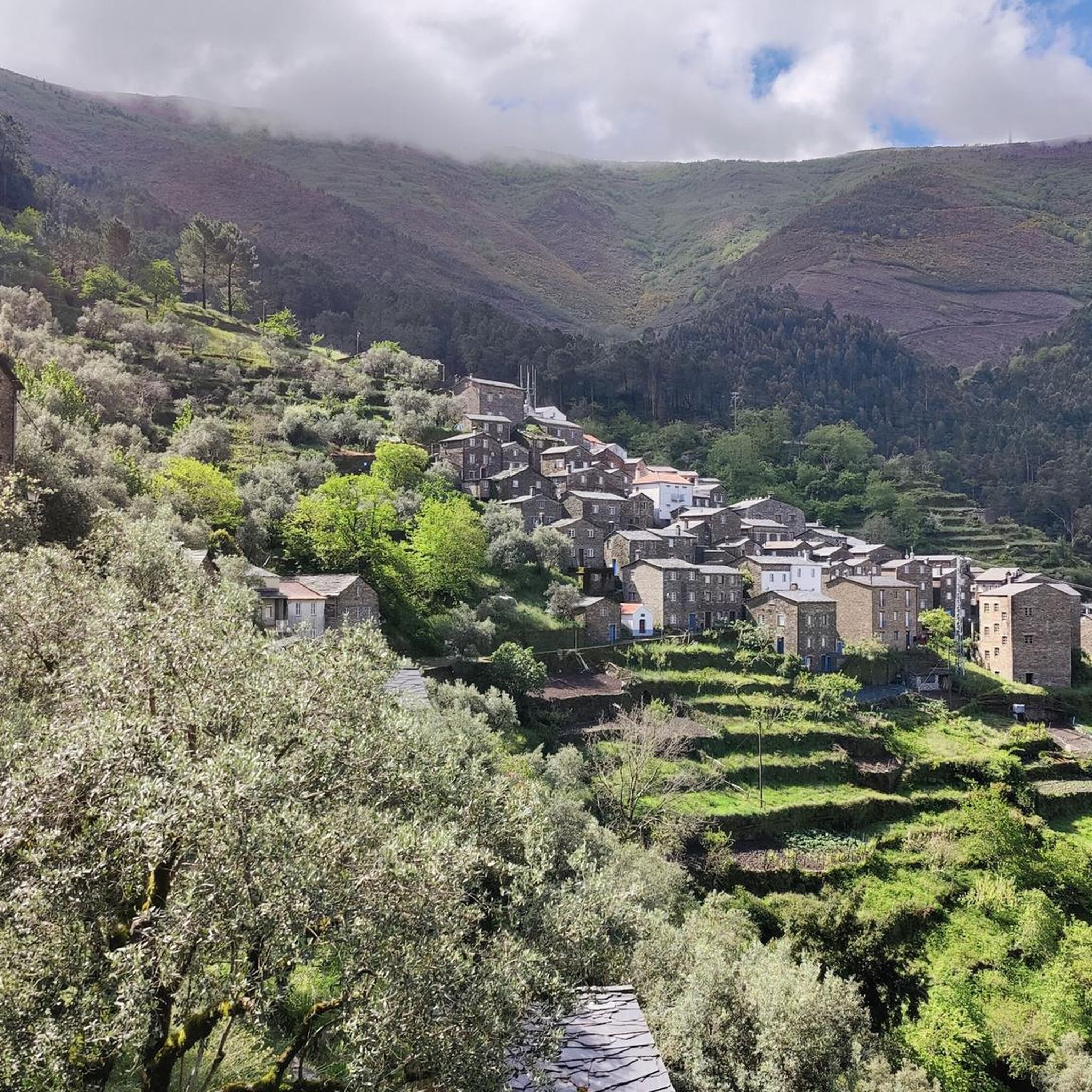
Fajão is nestled between the Serras del Açor and de la Lousã, and stands out for its unique architecture, made mainly of schist (xisto), the local stone that gives it a dark color and a characteristic appearance, making it one of the famous "schist villages" of the region. Fajão also has a parish museum that exhibits sacred art and objects of daily life, and boasts a history linked to the Resistance during the Salazarist regime.
1
0
Nestled along the banks of the Alva River, Côja is immersed in a green environment, surrounded by mountains and forests. The village is characterized by traditional architecture, a charming Roman bridge and a peaceful atmosphere.
1
0

In the heart of the protected landscape of the Serra do Açor, Fraga da Pena is a natural spectacle sculpted by time. The Barroca de Degraínhos creates a succession of waterfalls, culminating in an impressive 19-metre cascade that descends in crystal clear veils over the rock.
4
0

Beautiful nature, ideal for a refreshing dip in the water or a dip in the water.
1
0


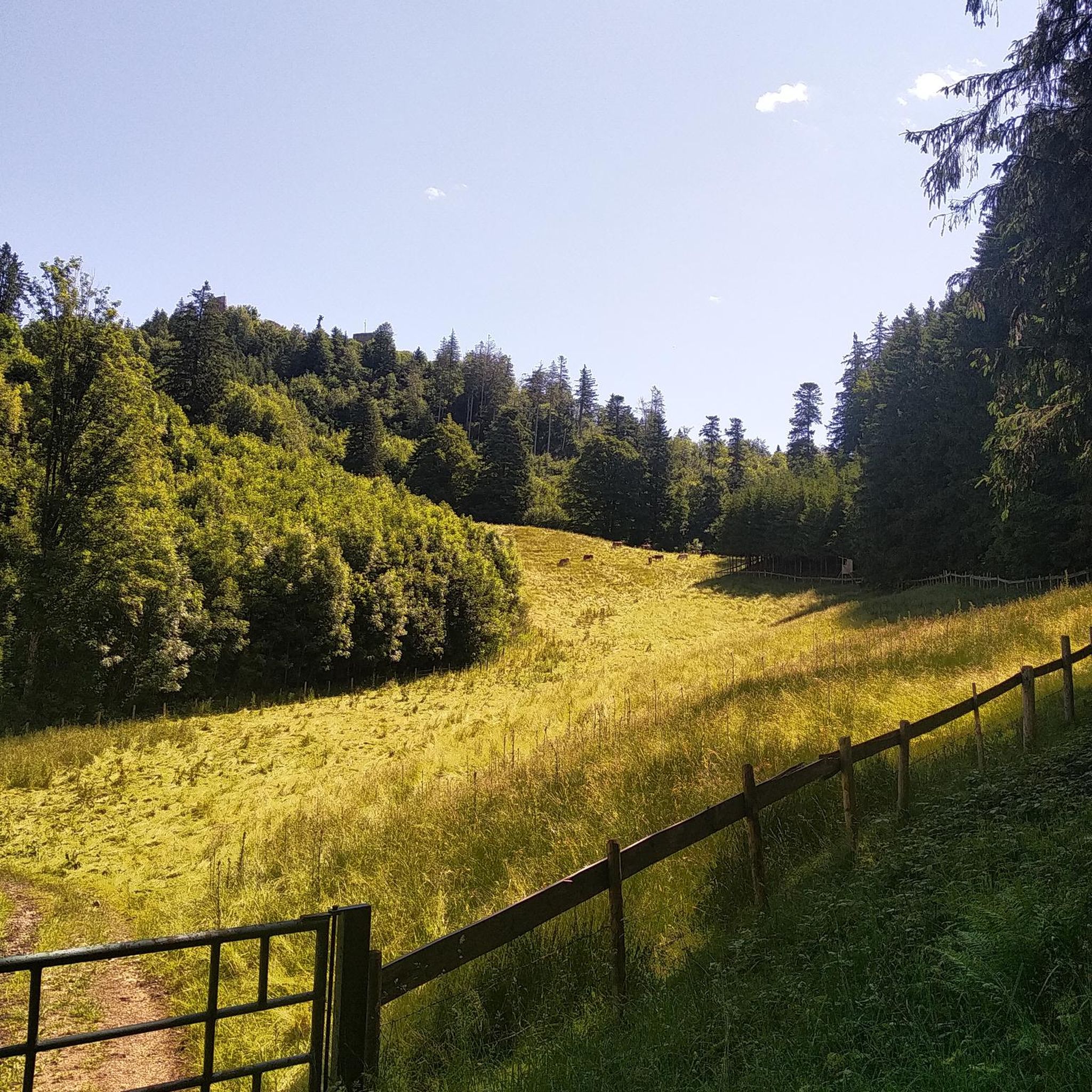
A dirt road leads to this extraordinary place where the river has cut through a mountain. There are no parking spaces.
1
0
Frequently Asked Questions
What natural attractions can I explore in Arganil?
Arganil is rich in natural beauty. You can visit the impressive Fraga da Pena Waterfall, a 19-meter cascade nestled in the Serra do Açor Protected Landscape. Another highlight is Garganta do Ceira, a scenic gorge perfect for a refreshing dip. The region also boasts several inviting river beaches, such as Praia Fluvial do Caneiro de Côja and the picturesque Foz d'Égua.
Which historic villages should I visit in Arganil?
The Arganil region is famous for its charming schist villages. Don't miss Piódão, often called a 'nativity scene village,' with its unique stone architecture. Other notable schist villages include Fajão, known for its museum and resistance history, Benfeita, Vila Cova de Alva with its significant heritage, and Aldeia do Sardal, offering magnificent views.
Are there opportunities for wild swimming in Arganil?
Yes, Arganil offers several spots for wild swimming. The river beaches along the Alva and Ceira rivers, such as Praia Fluvial do Caneiro de Côja and Foz d'Égua, are popular choices. Garganta do Ceira also provides opportunities for a refreshing dip in its clear waters.
What historical sites can I find within Arganil town?
The town of Arganil itself holds several historical treasures. You can explore the architectural beauty of the Igreja Paroquial de São Pedro and the Igreja da Misericórdia. The Pelourinho de Arganil, an old pillory, also stands as a historical marker in the town center.
Is there a museum in Arganil to learn about the region's history?
Yes, the Regional Museum of Archaeology and Ethnography of Arganil (Museu Regional de Arqueologia e Etnografia de Arganil) showcases artifacts from the Roman military camp of Lomba do Canha and other historical vestiges, providing insights into the region's ancient past and local life.
What are the best hiking trails around Arganil?
Arganil is an excellent destination for hiking. You can find a variety of trails, including easy loops like the 'Fraga da Pena Waterfall – Pardieiros Village loop' (2.4 km) and moderate options such as the 'Picnic Area – Eucalyptus Forest Trail loop' (10 km). For more detailed routes and options, explore the Hiking around Arganil guide.
Are there cycling or mountain biking routes in the Arganil region?
Absolutely. The Arganil region is well-suited for cycling and mountain biking. You'll find challenging routes like the 'View of Benfeita – Olive Oil Mill and Watermill loop' (51 km or 75 km) or the 'Casa Carvalhal B&B, Góis loop' (54 km). For a comprehensive list of trails, check out the MTB Trails around Arganil guide.
When is the best time of year to visit Arganil for outdoor activities?
The spring and autumn months are generally ideal for outdoor activities in Arganil, offering pleasant temperatures for hiking, cycling, and exploring the natural landscapes. Summer is also popular, especially for enjoying the river beaches and waterfalls, though it can be warmer.
Are there family-friendly activities or walks in Arganil?
Yes, Arganil offers several family-friendly options. The river beaches are perfect for picnics and swimming, and places like Garganta do Ceira are suitable for families to enjoy nature. There are also easy hiking routes, such as the 'Fraga da Pena Waterfall – Pardieiros Village loop,' which are manageable for families.
What is <a href="https://www.komoot.com/highlight/7572626" target="_blank" rel="noopener">Côja</a> known for?
Côja is a charming settlement nestled along the banks of the Alva River. It's known for its traditional architecture, a picturesque Roman bridge, and a peaceful atmosphere. It's an ideal spot for leisurely walks and enjoying the natural surroundings.
Where can I experience the natural beauty of the Serra do Açor mountains?
The Serra do Açor mountains provide a stunning backdrop to the Arganil region. You can experience its diverse green spaces and untouched nature by visiting the Fraga da Pena Waterfall, exploring the iconic village of Piódão nestled within the range, or hiking through areas like Mata da Margaraça.
Most popular routes around Arganil

Get inspired with the komoot mobile app


Explore more
Still not found the Highlight you’re looking for? See guides of the top attractions in other regions:
