Attractions and Places To See around Vila Pouca Da Beira - Top 10
Best attractions and places to see around Vila Pouca Da Beira, a historic village in central Portugal, include a mix of historical landmarks and natural features. Situated near the Serra da Estrela Natural Park, the area offers diverse landscapes. The region features ancient structures, river beaches, and waterfalls, providing various points of interest for visitors.
Best attractions and places to see around Vila Pouca Da Beira
- The most popular attractions is Vale de Gaios River Beach, a beach formed…
Last updated: May 2, 2026
Roman Bridge of Sumes
Highlight • Bridge
Translated by Google •
Tip by

Fraga da Pena Waterfall
Highlight • Waterfall
Translated by Google •
Tip by
Sign up now to discover places like this
Get recommendations on the best single tracks, peaks, & plenty of other exciting outdoor places.
Sign up for free
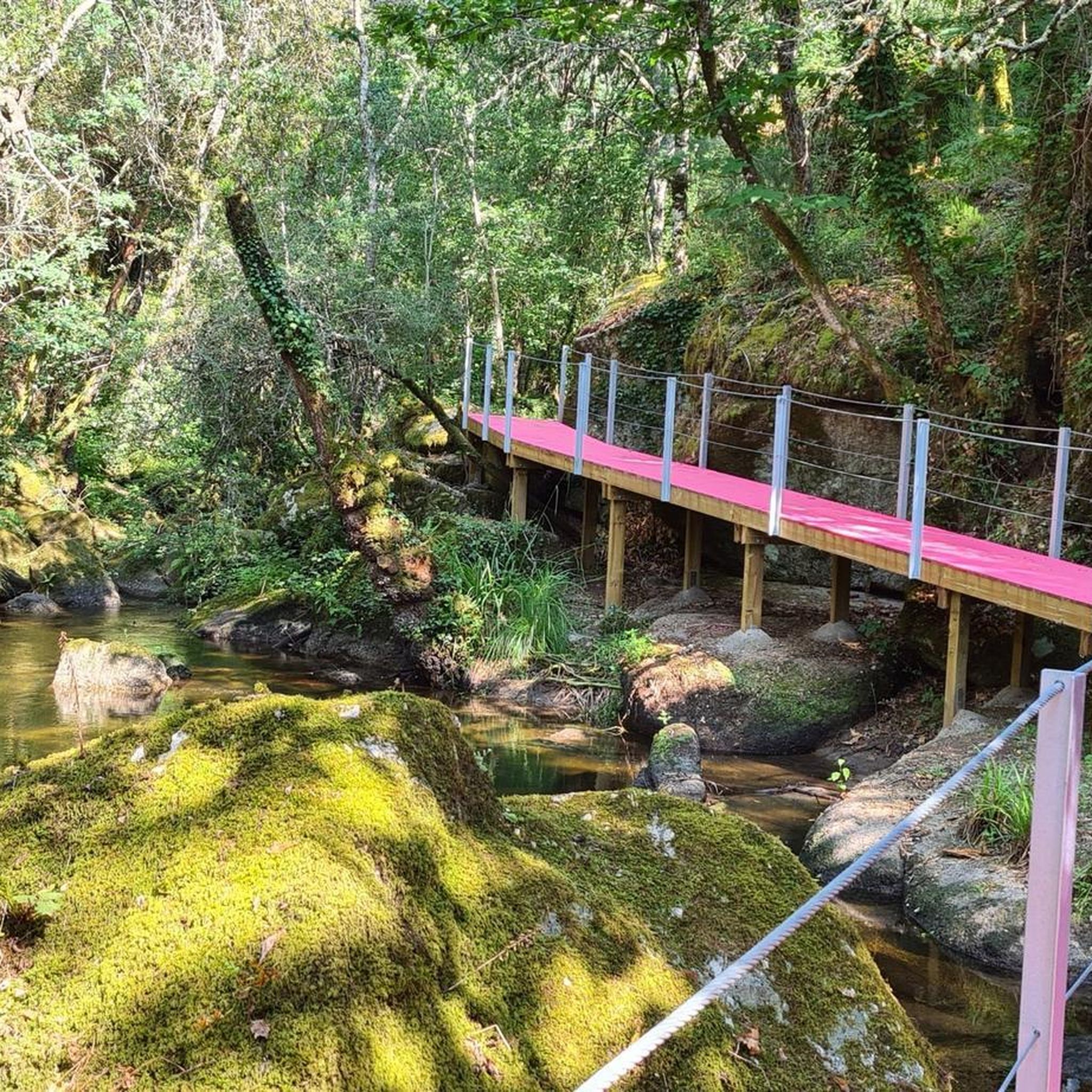
Colorful Boardwalks of the Trilho dos Gaios
Highlight (Segment) • Trail
Translated by Google •
Tip by
Vale de Gaios River Beach
Highlight • Beach
Translated by Google •
Tip by
Côja
Highlight • Settlement
Translated by Google •
Tip by

Sign up for free to discover even more attractions around Vila Pouca Da Beira.
Sign up for free
Already have an account?
Start today with a free account
Your next adventure awaits.
Login or Signup

Tips from the Community

Bridge built over the Cavalos River, with a deck approximately 50 m long and 3 m wide. It probably forms part of the same road link as the Roman road of Pedra da Sé, serving as a connection between the Roman civitas of Bobadela and that of Viseu. It has only one arch with a perfect semicircular span, and the pavement that forms part of the deck is the result of intervention after the time of construction. It has been classified as a Property of Public Interest (IIP) since 1990, by Decree No. 163 of July 17, 1990.
1
0

The Fraga da Pena Waterfall, located in the Serra do Açor Protected Landscape, is a geological feature crossed by the Barroca de Degraínhos, creating a series of successive waterfalls. The waterfall is 19 meters high. Along its banks are some ancient specimens of the Portuguese oak (Quercus robur) and the chestnut tree (Castanea sativa), as well as the strawberry tree (Arbutus unedo), the thorny Daphne gnidium, and the adernos (Phillyrea latifolia and P. angustifolia).
2
0

Small but very pleasant river beach (without sand) on the course of the Rio de Cavalos.
2
0

Nestled along the banks of the Alva River, Côja is immersed in a green environment, surrounded by mountains and forests. The village is characterized by traditional architecture, a charming Roman bridge and a peaceful atmosphere.
1
0
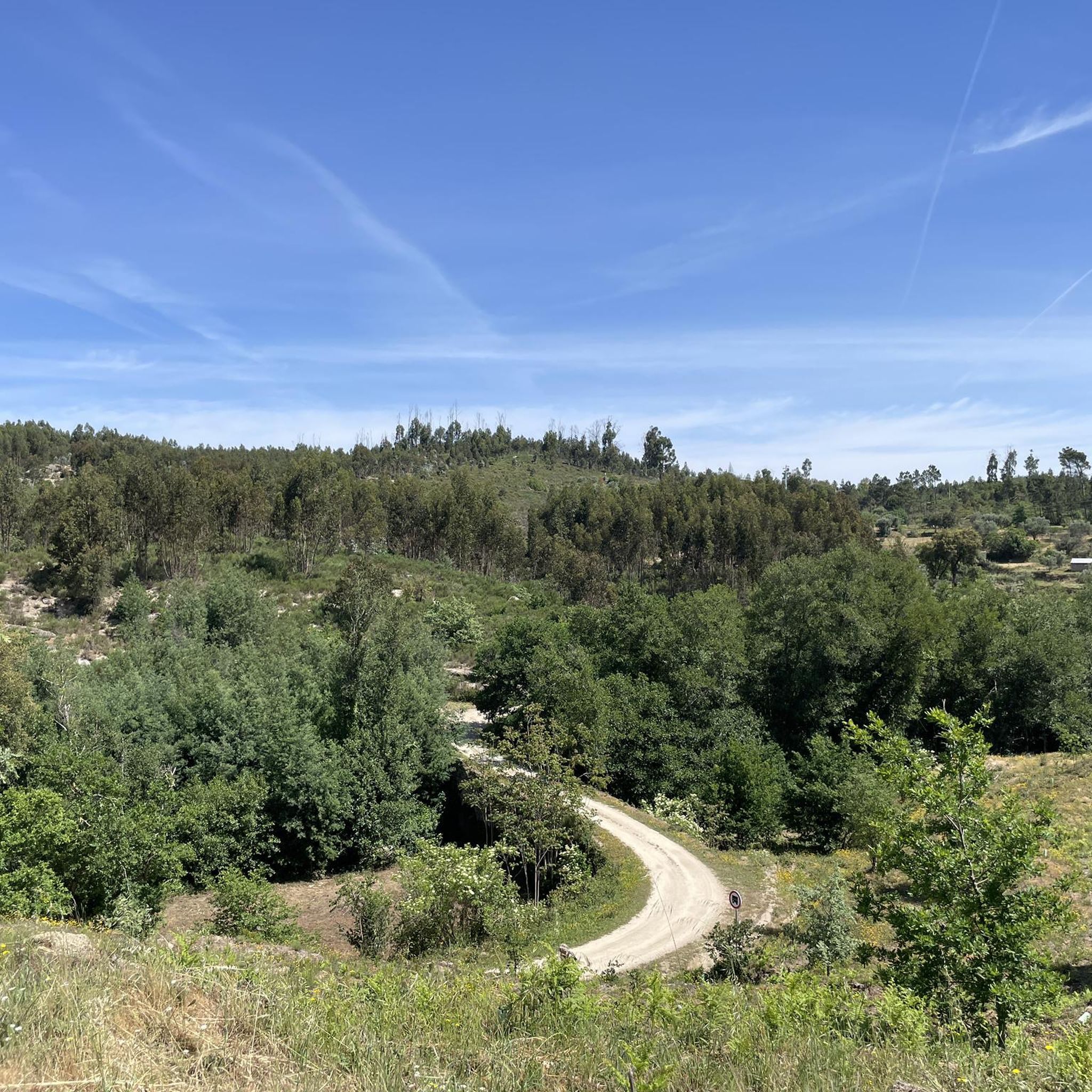
The Roman Bridge of Sumes, with its round arch, is a stone masonry structure measuring approximately 6.4 metres. It stands over the Cavalos River, in a natural setting, punctuated by enormous granite rocks and crisscrossed by dirt paths. This is where the fantastic Trilho dos Gaios begins (or ends), winding along the Cavalos River between several waterfalls and lush vegetation.
2
0

In the heart of the protected landscape of the Serra do Açor, Fraga da Pena is a natural spectacle sculpted by time. The Barroca de Degraínhos creates a succession of waterfalls, culminating in an impressive 19-metre cascade that descends in crystal clear veils over the rock.
4
0
The Roman Bridge of Sumes stands over the River des Chevaliers, shrouded in mystery. Although its foundations appear to be Roman, the exact date of its construction remains uncertain. An inscription reading "80 AD" found on a nearby wall suggests its origin, but some historians believe it refers to an ancient spring. In the surrounding area, traces of medieval paving can still be seen. Regardless of the bridge's uncertain age, it is classified as a Property of Public Interest, having witnessed centuries of history.
3
0
In summer, the river beach of Vale de Gaios becomes a little paradise for those looking to cool off. Its crystal-clear water, formed by the Cavalos River, a tributary of the Mondego, invites you to take a refreshing dip and spend long moments in the sun. On hot days, there is no better place to enjoy nature and recharge your batteries!
6
0
Frequently Asked Questions
What natural attractions can I explore near Vila Pouca da Beira?
The region offers several natural highlights. You can visit the impressive Fraga da Pena Waterfall, a 19-meter cascade within the Serra do Açor Protected Landscape. For relaxation and swimming, the Vale de Gaios River Beach, formed by the Cavalos River, is a popular spot. Additionally, Vila Pouca da Beira is a gateway to the vast Serra da Estrela Natural Park, featuring stunning landscapes, lakes, and ravines.
Are there historical sites to visit in Vila Pouca da Beira?
Yes, the area is rich in history. You can explore the mysterious Roman tower of Centum Cellas, wander through the ancient alleyways of the Old Jewish Quarter, or visit the Parish Church, which houses a statue of the Virgin Mary reportedly carried by Pedro Alvares Cabral. The Roman Bridge of Sumes, with its ancient foundations, is also a notable historical landmark.
What kind of outdoor activities can I do around Vila Pouca da Beira?
The area is ideal for various outdoor activities. You can find numerous hiking trails, including the scenic Colorful Boardwalks of the Trilho dos Gaios, which leads along the Cavalos River to the Roman Bridge of Sumes. There are also many running and road cycling routes available. For more detailed information on routes, you can check the hiking guide, running guide, and road cycling guide for Vila Pouca da Beira.
Are there family-friendly attractions in the area?
Absolutely. The Vale de Gaios River Beach is perfect for families looking to cool off and relax by the water. The Colorful Boardwalks of the Trilho dos Gaios offer an enjoyable and accessible walk through lush vegetation, suitable for most ages.
Where can I find scenic viewpoints near Vila Pouca da Beira?
For breathtaking views, head to the Panoramic View of Serra da Lousã. The Fraga da Pena Waterfall also offers a picturesque natural spectacle. Within the Serra da Estrela Natural Park, peaks like Cantaro Magro provide stunning vistas of the surrounding landscapes.
What is the significance of Cabral's Castle in Vila Pouca da Beira?
Cabral's Castle, a 13th-century structure, is historically significant as the birthplace of the famous Portuguese explorer Pedro Alvares Cabral. It was later converted into a manor house by his family. Today, its interior hosts an amphitheater for performances, and a statue in the town center honors the explorer.
Can I go swimming in the rivers or at river beaches?
Yes, the region is known for its inviting river beaches. The Vale de Gaios River Beach is a popular spot with clear water from the Cavalos River, ideal for a refreshing dip. Other river beaches in the region, such as those at Côja and Avô, also offer opportunities for swimming and relaxation.
Are there any Roman ruins or structures to see?
Beyond the mysterious Centum Cellas tower, which has puzzled experts regarding its exact purpose, you can visit the Roman Bridge of Sumes. While its precise construction date is uncertain, its foundations appear to be Roman, and an inscription suggests an origin around 80 AD. It's classified as a Property of Public Interest.
What is the best time of year to visit Vila Pouca da Beira?
The best time to visit depends on your interests. Summer is ideal for enjoying the river beaches like Vale de Gaios River Beach and exploring the natural landscapes. For hiking and outdoor activities, spring and autumn offer pleasant temperatures. If you're interested in winter sports, the nearby Serra da Estrela Natural Park even offers skiing opportunities.
What do visitors enjoy most about the attractions around Vila Pouca da Beira?
Visitors particularly appreciate the blend of historical intrigue and natural beauty. The clear waters of the Vale de Gaios River Beach are highly rated for cooling off, and the impressive Fraga da Pena Waterfall is a favorite natural spectacle. The unique experience of walking the Colorful Boardwalks of the Trilho dos Gaios through lush, fairy-tale-like scenery is also a highlight for many.
Can I find any castles or ancient fortifications nearby?
Yes, in addition to Cabral's Castle in Vila Pouca da Beira, you can visit Linhares Castle. Situated within the Serra da Estrela Natural Park, this National Monument has Roman and Arab fortress origins and played a significant role in the Mondego Valley's history.
Are there any religious landmarks worth visiting?
The Parish Church (Igreja Matriz) in Vila Pouca da Beira is notable for housing a beloved statue of the Virgin Mary. The Church of Santiago is also significant as the resting place for Pedro Alvares Cabral and members of his family.

Get inspired with the komoot mobile app


Explore more
Still not found the Highlight you’re looking for? See guides of the top attractions in other regions:
