Top 5 Castles around Saint-Brice
Castles around Saint-Brice are located in the Charente department, a region characterized by its historical architecture and proximity to the Charente river. The area features several notable castles, some with origins dating back to medieval times. These landmarks offer insights into the region's past and architectural evolution. The landscape includes riverbanks and terraced gardens, providing a setting for historical exploration.
Best castles around Saint-Brice
- The most popular castles is Saint-Brice Castle, a castle constructed around 1550-1560. It has been…
Last updated: August 26, 2026
Bourg-Charente Castle
Highlight • Castle
Acquired …
Translated by Google •
Tip by

Gademoulin Castle in Gensac-la-Pallue
Highlight • Castle
Translated by Google •
Tip by

Sign up now to discover places like this
Get recommendations on the best single tracks, peaks, & plenty of other exciting outdoor places.
Sign up for free
Château de Chesnel
Highlight • Castle
Translated by Google •
Tip by

Saint-Brice Castle
Highlight • Castle
Tip by

Château de Gondeville
Highlight • Castle
Translated by Google •
Tip by

Start today with a free account
Your next adventure awaits.
Login or Signup


Tips from the Community

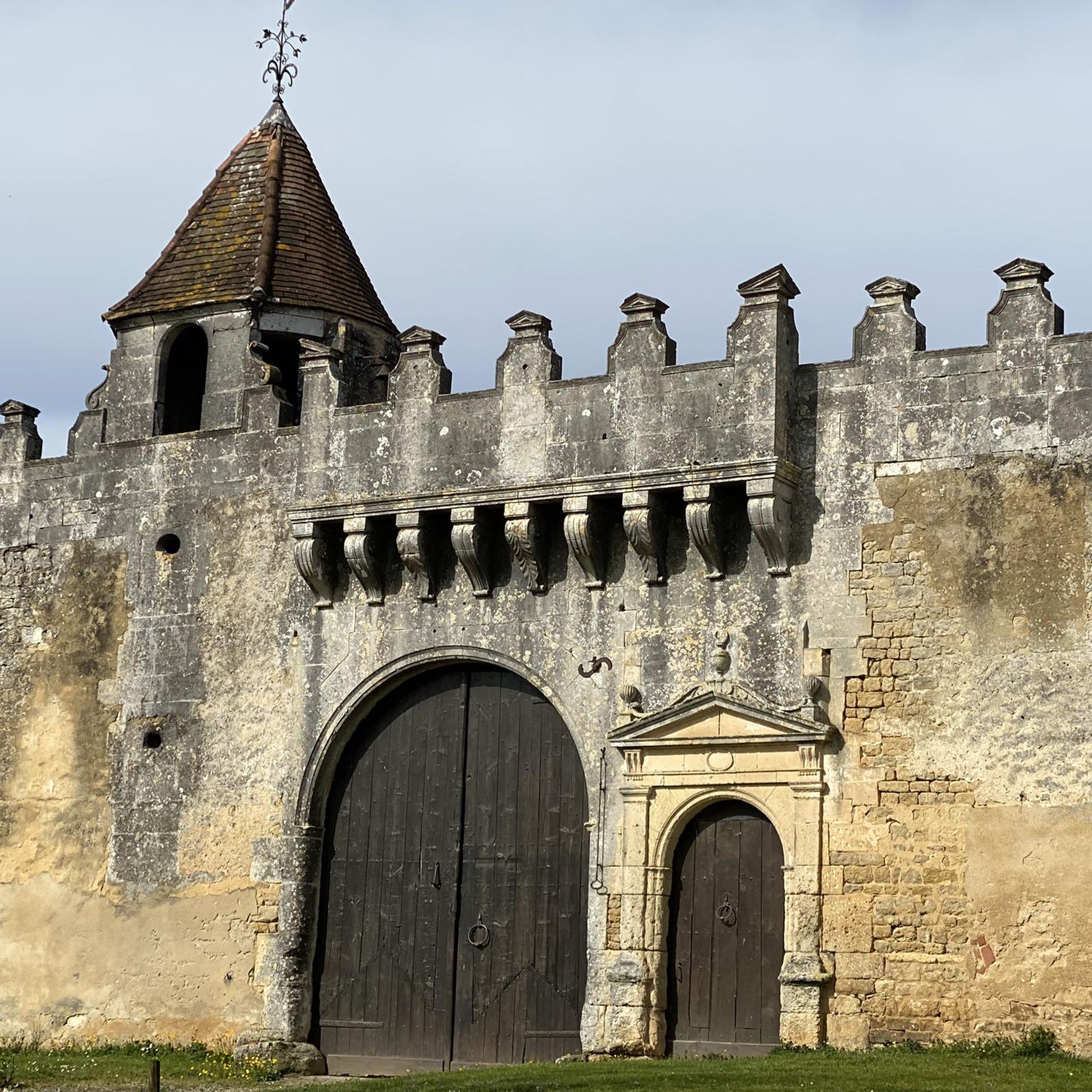
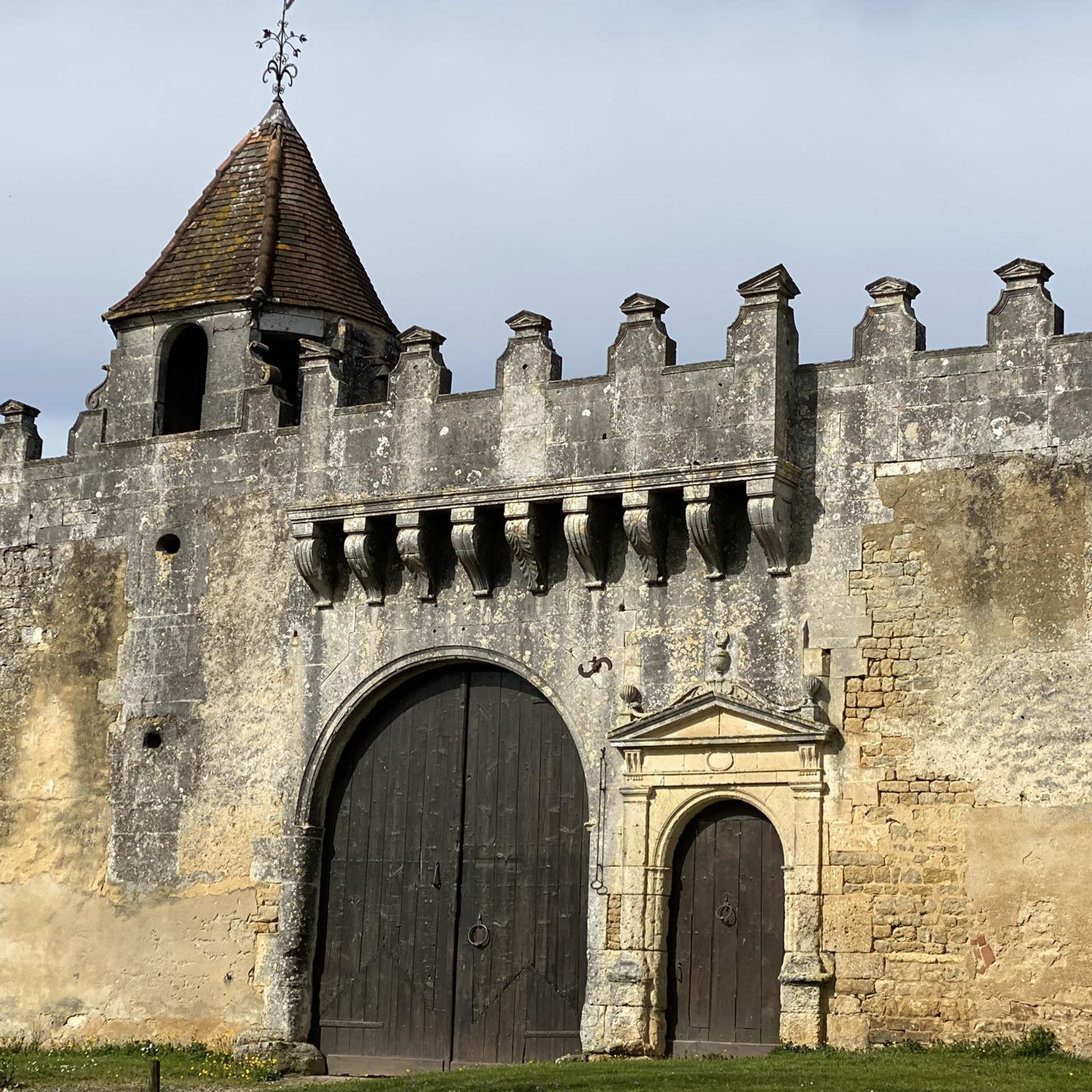
Chesnel Castle, which has the appearance of a fortified castle, is intriguing. However, the niches here have a purely decorative function. The architecture of this building, erected in 1610, is therefore rather original. You can visit the castle by making an appointment via this link: https://patrivia.net/visit/chateau-chesnel
0
0

Bourg-Charente castle is a 17th century mansion. Nestled on a rocky promontory, it is located a few kilometers from Cognac. It also houses the remains of a medieval fortress. Acquired in the 20th century, this château houses cellars for producing Grand Marnier. It can be visited from Monday to Friday from 8 a.m. to 5 p.m.
0
0

It is in this castle that the cognac cellars of the Marnier-Lapostolle family are located, used for the production of Grand Marnier cognac.
4
0
Home of the Roffignac family, one of whom offered to be executed in place of Louis XVI, the other traveled to the United States and became mayor of New Orleans.
2
0


In 1655, Pierre Laisné, Sieur du Chardonneaux acquired the land of Gondeville from the heirs of Samuel de Lanauve. He made great efforts to have Gondeville erected into a parish, which led to many disputes with Jean de Culant, lord of Saint-Même who had a pew in the church while the lord of Gondeville did not. had not. The construction of the church in Gondeville is due to his son-in-law, Isaac Laisné de Nanclas, whose name was given to the main street. Isaac Laisné de Nanclas had a brilliant military career; First becoming lieutenant-colonel of the Sainte-Maure regiment, he was appointed, in 1690, brigadier of the king's armies. He distinguished himself in numerous campaigns and died on October 30, 1704, after having obtained the title of lieutenant-general; he was buried in the church of Gondeville. His son, Philippe Laisné de Nanclas, having died childless, left his property to his nephew, Louis Saulnier, de Pierre Levée. The Saulnier family kept Gondeville until the end of the 18th century. At the beginning of the 18th century, Philippe Laisné de Nanclas built the new castle, all the buildings surrounded a long rectangular courtyard. The castle occupies the east side. On the west side, rose a circular leak. The wrought iron entrance gate to the courtyard is surmounted by a wrought iron impost, bearing an escutcheon with the arms of the Saulnier de la Pierre Levée and Laisné de Nanclas families, flanked by two lions and surmounted by a crown. . On the cadastre of 1849, the various buildings are arranged around a large rectangular courtyard, there remains only the house to the east, part of the outbuildings to the north, a well and the gate to the south. It should be noted that the stones which would have been used to build the current castle would come from the first fortified castle which would have been built in the 10th century on an island in the Charente to block the road to the Vikings who went up the Charente. It would have been destroyed during the Hundred Years War, but still existed in the 17th century. The two remaining wings became the town hall in 1947. .
0
0

In 1262, the land of Bourg already belonged to the Ollivier family. In 1363, Sir Ollivier, Baron de Bourg, paid homage to the Prince of Wales, the remarriage of Eleanor of Aquitaine having made the castle of Bourg-Charente an English possession. It then passed to the Bragier, Gouffier, Pons de Pons families, to the Count of Miossens (lord of Pons and governor of Guyenne). The current castle was built by Pons de Pons, to replace the fortified castle destroyed by Marshal de Sancerre while trying to take it back from the English. A Le Camus de Neville was the last lord. In 1921, it was bought by the Marnier-Lapostolle family to set up its cognac cellars there, necessary for the production of Grand Marnier. Since 2012, there are also stills used for the distillation of bitter oranges used in the recipe for Grand Marnier liqueurs.
1
0
Construction of the second half of the 19th century, the castle of Gademoulin stands proudly in the town of Gensac-la-Pallue. Neo-Gothic in style, it takes place on the remains of an old medieval castle destroyed in the 16th century during the protests against the salt tax. Sold as national property under the French Revolution, it now houses a luxury accommodation space.
0
0
Frequently Asked Questions
What historical significance do the castles around Saint-Brice hold?
The castles in the Saint-Brice area offer a rich glimpse into history, with some dating back to medieval times. For instance, the current Saint-Brice Castle, built in the 16th century, replaced an older medieval structure and was the site of a notable meeting between Catherine de Medici and the future King Henri IV in 1586. Gademoulin Castle in Gensac-la-Pallue also stands on the remains of an old medieval castle destroyed in the 16th century.
Are there any castles with unique architectural styles in the region?
Yes, the region showcases diverse architectural styles. Saint-Brice Castle exhibits a transitional style blending Renaissance and classical architecture, featuring pepperbox turrets and adorned windows. Gademoulin Castle in Gensac-la-Pallue is a notable example of neo-Gothic architecture from the 19th century.
Can I visit the Château de Saint-Brice?
The Château de Saint-Brice is private property and generally not open for public visits. However, it is visible from the exterior and can be admired from the Charente river by boat. It occasionally opens its doors to the public during the European Heritage Days.
Which castles are associated with the Cognac industry?
Several castles in the area have ties to the Cognac industry. Saint-Brice Castle has been owned by the Hennessy Cognac family since 1906. Additionally, Bourg-Charente Castle houses the cognac cellars of the Marnier-Lapostolle family, used for the production of Grand Marnier.
Are there family-friendly castles to visit near Saint-Brice?
Yes, Bourg-Charente Castle and Château de Chesnel are categorized as family-friendly. While specific activities may vary, these sites often provide an engaging historical experience for all ages.
What kind of outdoor activities can I do near these castles?
The area around Saint-Brice offers various outdoor activities. You can explore road cycling routes, such as the 'Saint-Brice Castle – Bourg-Charente Castle loop from Saint-Brice' (Road Cycling Routes around Saint-Brice). For mountain biking, consider routes like the 'Saint-Brice Castle – Bourg-Charente Castle loop from Cognac' (MTB Trails around Saint-Brice). Gravel biking options are also available, including the 'Saint-Brice Castle – The Jarnac Quays loop from Cognac' (Gravel biking around Saint-Brice).
What is special about the gardens and park of Saint-Brice Castle?
The Château de Saint-Brice features a park designed by landscaper Edouard André in the 19th century. This park descends towards the Charente river and includes a boxwood labyrinth, a pond lined with sculpted animals, and notable terraced gardens. The facades and roofs, along with certain structured parts of the park, are protected as a historical monument.
Are there any castles with connections to famous historical figures?
Yes, Saint-Brice Castle is historically significant as the location where Catherine de Medici met the future King Henri IV in 1586. Additionally, Château de Chesnel was home to the Roffignac family, one member of whom offered to be executed in place of Louis XVI, and another became mayor of New Orleans.
What is the best time of year to visit the castles around Saint-Brice?
The Charente region generally enjoys pleasant weather, making spring and autumn ideal for visiting the castles and exploring the surrounding landscape. These seasons offer comfortable temperatures for outdoor activities and viewing the castle exteriors and gardens.
Can I visit the interior of any of these castles?
While many castles in the region are private, some offer limited access. For example, Bourg-Charente Castle, which houses cognac cellars, can be visited from Monday to Friday. Château de Chesnel can be visited by making an appointment via their provided link.
What unique features does Château de Gondeville offer?
The Château de Gondeville has a rich history, with its current structure built in the early 18th century by Philippe Laisné de Nanclas. It's notable for its wrought iron entrance gate bearing the arms of the Saulnier de la Pierre Levée and Laisné de Nanclas families. Historically, stones from an older fortified castle, possibly from the 10th century, are believed to have been used in its construction.
Most popular routes around Saint-Brice
Most popular attractions around Saint-Brice

Get inspired with the komoot mobile app


Explore more
Looking for the best castles somewhere else? Discover other guides around Saint-Brice:
