Top 7 Caves around Batalha
Best caves around Batalha are primarily found within the nearby Serra de Aire e Candeeiros Natural Park, offering diverse subterranean experiences. This region is characterized by its limestone geology, which has led to the formation of numerous caves and karstic features. These natural formations provide insights into the area's geological history and offer varied exploration opportunities. The landscape around Batalha combines historical significance with natural wonders.
Best caves around Batalha
- The most popular caves is Buraco Roto Cave-Necropolis, a…
Last updated: July 5, 2026
Buraco Roto Cave-Necropolis
Highlight • Cave
Translated by Google •
Tip by

Pia da Ovelha Cave
Highlight • Cave
Translated by Google •
Tip by

Sign up now to discover places like this
Get recommendations on the best single tracks, peaks, & plenty of other exciting outdoor places.
Sign up for free
Cova da Velha
Highlight • Cave
Translated by Google •
Tip by
Grutas de Mira de Aire
Highlight • Cave
The first gallery of this system of caves was discovered by locals in 1947. Of …
Tip by

Moeda Caves
Highlight • Cave
Translated by Google •
Tip by

Sign up for free to discover even more caves around Batalha.
Sign up for free
Already have an account?
Start today with a free account
Your next adventure awaits.
Login or Signup

Tips from the Community

Although the tour is quite short, it thrilled us. On warm days (it was 32 degrees for us) the tour was sweaty. Currently, the authorities have closed the path, a short section of 15 meters has slipped. However, the spot can be easily and safely bypassed.
1
0

Beyond the natural structure of the cave, you can also visit the Scientific-Environmental Interpretation Centre (CICA gm). Here, visitors can discover how a cave is formed and how it interacts with local biodiversity, understand the importance of limestone in our region and how it influences people's way of life. You can also admire a magnificent and unique exhibition of minerals and fossils from Portugal and many other countries. In our shop you will find a huge variety of minerals and fossils from various countries.
0
0

The Fórnea stream originates here, in the Cova da Velha cave, where a natural spring flows almost all year round. However, due to the limestone soil, the water easily infiltrates, traveling through underground galleries instead of flowing freely on the surface. As a result, the stunning Fórnea waterfall only reveals its full grandeur after days of heavy rain.
2
1
The Sheep's Sink is an imposing natural cavity, named after the sink carved under a stalactite that, in the rainy months, pours out abundant water. In the past, this natural refuge served as a drinking trough for cattle.
1
1
The Buraco Roto is a necropolis of singular beauty, hidden in a lush forest of oak, laurel and cork oak trees. In the rainy months, it becomes a natural spectacle, spilling large quantities of water and forming an impressive waterfall.
4
0

While this was my second visit, I've enjoyed it as much as the first one! The first gallery of this system of caves was discovered by locals in 1947. Of course people were curious and had to investigate further. What is known today is that the cave reaches 11 Kilometers in length which makes it the biggest and most important in Portugal. The formation of the cave goes back 150 million years to the middle Jurassic age when dinosaurs inhabited this region. They found traces of species who inhabited these caves, some of it on display. A part of the cave-system was opened to the public in 1974 with many improvements in safety for the visitors in later years. At one point colored lights found their way in with some spectacular and dramatic effects. My photos inside the cave are in the wrong order, not sure how to interchange them or what I've done wrong when uploading, sorry!
1
0

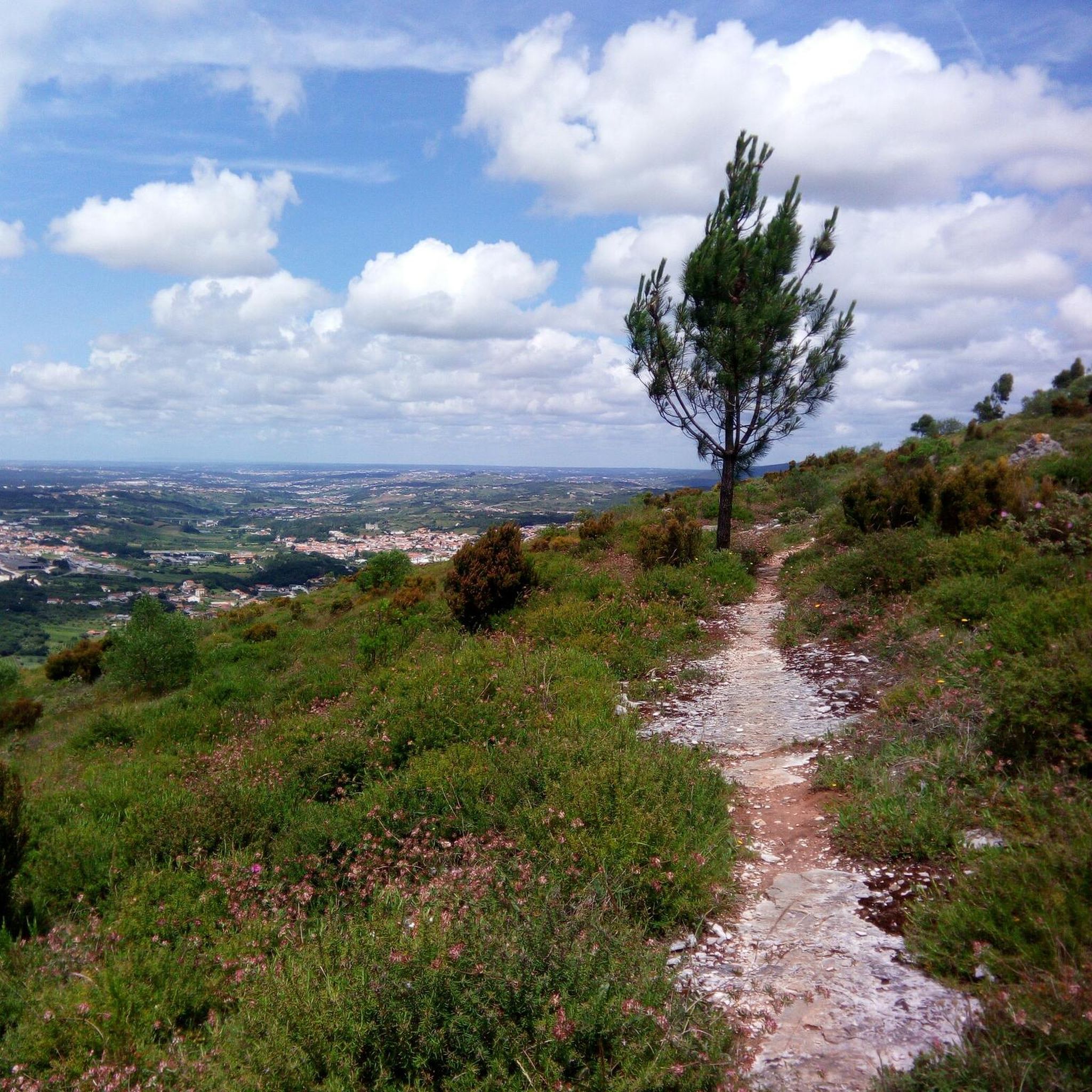
Pia da Ovelha, point of interest inserted in the PR2 BTL trail
2
0
Frequently Asked Questions
What unique geological formations can I expect to see in the caves near Batalha?
The caves around Batalha, particularly within the Serra de Aire e Candeeiros Natural Park, are renowned for their stunning calcareous formations. You can marvel at diverse stalactites, stalagmites, columns, and underground lakes. For example, Moeda Caves feature named chambers like "Lake of Happiness" and "Nativity Scene Room," while Grutas de Mira de Aire boast unique shapes such as the "Jellyfish" and the "Martian." Grutas dos Alvados are known for their harmonious corridor format and high "algares" (sinkholes).
Are there any historical or cultural sites associated with the caves in the Batalha region?
Yes, the region offers caves with historical significance. The Buraco Roto Cave-Necropolis is a notable historical site and natural monument, hidden within a lush forest. It serves as a necropolis of singular beauty. Additionally, the Pia da Ovelha Cave, an imposing natural cavity, historically served as a drinking trough for cattle and features an altar.
Which caves near Batalha are suitable for families with children?
The Grutas de Mira de Aire are considered family-friendly, offering a well-paced and informative guided tour through magnificent formations. The Moeda Caves also provide an engaging experience with an Environmental Interpretation Centre on-site, which helps visitors understand the region's geology and biodiversity, making it educational for all ages.
What is the best time of year to visit the caves around Batalha?
Caves generally maintain a constant temperature year-round, making them a good destination regardless of the season. For instance, Moeda Caves maintain a constant 18°C. However, visiting during the rainy months can offer additional natural spectacles, such as the Fórnea waterfall near Cova da Velha, which only reveals its full grandeur after heavy rain, or the Buraco Roto Cave-Necropolis, which spills large quantities of water forming an impressive waterfall in the rainy season.
How challenging is it to explore the caves near Batalha?
The challenge level varies by cave. Some, like Pia da Ovelha Cave and Buraco Roto Cave-Necropolis, are categorized as challenging natural cavities. Others, such as the Grutas de Mira de Aire, involve descending more than 600 steps but are well-maintained for public access. The Moeda Caves offer a 350-meter route that is generally accessible.
What makes the Grutas de Mira de Aire a significant attraction?
The Grutas de Mira de Aire are considered the largest accessible cave system in Portugal and one of its "7 Natural Wonders." They offer an extraordinary experience due to their sheer size, diverse formations, underground river, and lake. The dramatic lighting and sound shows enhance the natural beauty, making it an unforgettable visit.
What is special about the Grutas da Moeda?
The Moeda Caves offer a captivating journey into the Earth's depths, showcasing breathtaking geological formations and underground rivers. The dramatic lighting enhances the natural beauty of the stalactites and stalagmites. An Environmental Interpretation Centre on-site provides insights into the region's geology, Jurassic fossils, and minerals, enriching the visitor experience.
What are the Grutas dos Alvados known for?
The Grutas dos Alvados are notable for their natural and harmonious presentation, featuring a corridor format and unusually high "algares" (sinkholes). They are considered among the most characteristic caves in the Iberian Peninsula due to their unique geological features and harmonious appearance, with discreet lighting enhancing the natural colors and transparencies of the calcareous formations.
What can I expect at Grutas de Santo António?
Grutas de Santo António offer a magical and authentic experience with impressive and well-preserved formations. Many experts consider them to have some of the most extraordinary rock formations. A major highlight is the monumental room, approximately 4000m² and 45 meters high, with walkways providing different perspectives of its countless limestone formations. You might even spot bats in the "Room of the Bats."
What outdoor activities or trails are available near the caves?
The region around Batalha and its caves offers various outdoor activities. You can find numerous trails for gravel biking, running, and mountain biking. For instance, there are gravel biking routes like the Porto de Mós Castle loop, running trails such as the São Mamede loop, and MTB trails including the Javali Singletrack near Pia da Ovelha Cave.
Are there parking facilities at the caves around Batalha?
Most major cave attractions, such as Grutas de Mira de Aire and Moeda Caves, are equipped with dedicated parking facilities for visitors. It is advisable to check the specific cave's website for detailed information on parking availability and any associated fees before your visit.
Are there any accessible caves for visitors with mobility challenges?
While many caves involve steps or uneven terrain, some may offer more accessible sections or facilities. For specific accessibility information, it is recommended to contact the individual cave attractions directly. For example, the Moeda Caves have an Environmental Interpretation Centre on-site which is generally accessible.
What should I wear when visiting the caves near Batalha?
Caves maintain a cool and constant temperature, typically around 18°C, regardless of the outside weather. It is advisable to wear comfortable walking shoes with good grip, as surfaces can be damp or uneven. Bringing a light jacket or sweater is also recommended to stay comfortable during your exploration.
Are there places to eat or stay near the caves around Batalha?
Yes, the caves are generally located near towns or villages that offer amenities. For example, Grutas da Moeda are just 2 km from Fátima, and Grutas de Mira de Aire are in the village of Mira de Aire, both of which have restaurants and accommodation options. The Serra de Aire e Candeeiros Natural Park area, where many caves are located, also has various local eateries and guesthouses.
Is public transport available to reach the caves near Batalha?
Public transport options to the caves can vary. Grutas da Moeda are located near Fátima, a well-connected town. For Grutas de Mira de Aire, located in the village of Mira de Aire, local bus services might be available, but often with limited schedules. It is best to check local transport schedules or consider a car rental for more flexibility when visiting multiple cave sites in the region. You can find more information on specific caves like Grutas da Moeda at visitfatima.pt and Grutas de Mira de Aire at visitportugal.com.
Most popular attractions around Batalha

Get inspired with the komoot mobile app


Explore more
Extend your search for the best caves by checking out these guides of the top ones around Batalha:
