The best road cycling routes in Great Bear Wilderness
4.5
(2)
138
riders
6
rides
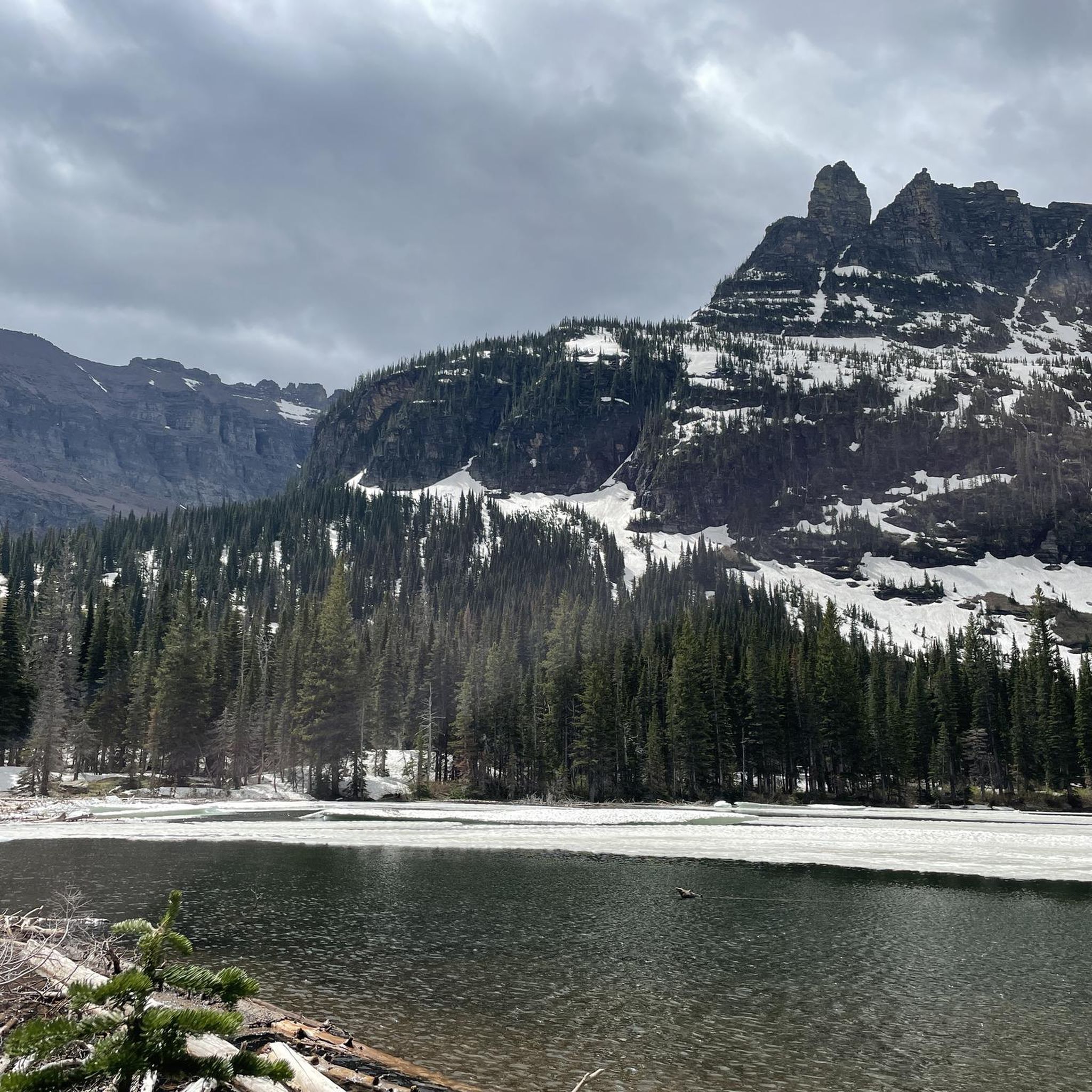
Road cycling in Great Bear Wilderness primarily utilizes routes in adjacent areas like Glacier National Park, as the wilderness itself features rugged, remote terrain with extensive unpaved trails. The broader region is characterized by dramatic mountain ranges, dense forests, and the Middle Fork Flathead River. Elevations range significantly, with many areas offering challenging climbs and descents on paved surfaces outside the wilderness boundaries. The landscape transitions from forested river bottoms to high mountain passes, providing varied road cycling experiences.
Best…
Last updated: October 14, 2026
14
riders
162km
09:24
2,670m
2,670m
Hard road ride. Very good fitness required. Mostly well-paved surfaces and easy to ride.
4.5
(2)
91
riders
104km
05:47
1,440m
1,440m
Hard road ride. Very good fitness required. Mostly well-paved surfaces and easy to ride.

16
riders
47.4km
02:40
480m
480m
Moderate road ride. Good fitness required. Mostly well-paved surfaces and easy to ride.
7
riders
25.9km
01:26
310m
310m
Moderate road ride. Good fitness required. Mostly well-paved surfaces and easy to ride.
8
riders
11.1km
00:32
40m
40m
Easy road ride. Great for any fitness level. Mostly well-paved surfaces and easy to ride.
Our route recommendations are based on thousands of hikes, rides, and runs completed by other people on komoot.
Start today with a free account
Your next adventure awaits.
Popular around Great Bear Wilderness

Tips from the Community

Very beautiful views
4
0

At about 2100 m you have a wonderful view of both sides of the pass. It is often still snow-covered and you feel like you are in a ski lodge
2
0

This area is really so incredibly beautiful.
3
0

Just what the name suggests; moose love this sort of terrain, as they're built to navigate it. If you look on the opposite side of the road you'll catch a glimpse of the far prettier McDonald Creek.
0
0

Red Rocks Point is a scenic pullout along Going-to-the-Sun Road, just west of McDonald Creek’s tumbling cascades. It’s an easy place to miss—but worth a pause. Park (or dismount your bike) and follow the short path down to broad, rust-colored rocks that give the spot its name. From here, you’ll get a striking view of the creek as it rushes through carved channels, especially vibrant in early summer. It’s a peaceful spot for a quick rest or a picnic, with the layered peaks of Glacier National Park rising in the distance and the sound of water all around.
0
0
Reaching the summit of Logan Pass by bike is a true high point—literally and figuratively—of any ride in Glacier National Park. At 6,646 feet, the pass straddles the Continental Divide and offers sweeping views of alpine meadows, rugged peaks, and likely some mountain goats. The visitor center at the top has restrooms, water, interpretive displays, and rangers on hand to answer questions. It’s also a jumping-off point for iconic hikes like the Hidden Lake Overlook and Highline Trail.
0
0
Frequently Asked Questions
Can I road cycle directly within the Great Bear Wilderness?
The Great Bear Wilderness is primarily a rugged, remote area with extensive unpaved trails designed for hiking and horseback riding. Traditional road cycling on paved surfaces is generally not feasible within the wilderness boundaries itself. Road cycling opportunities are found in adjacent areas, particularly in Glacier National Park.
Where can I find road cycling routes near the Great Bear Wilderness?
Excellent road cycling routes are available in areas bordering the Great Bear Wilderness, most notably in Glacier National Park. This includes iconic paved routes like the Going-to-the-Sun Road, as well as the Apgar Bike Trail and Fish Creek Bike Path. Other options in the broader Flathead area include the Rails to Trails path and Star Meadows Road.
Are there any easy road cycling routes suitable for beginners or families?
Yes, for an easier and family-friendly option, consider the Apgar Visitor Center – McDonald Creek loop from Apgar Campground. This 7.1-mile (11.4 km) route is mostly flat and takes you through pleasant forested areas, ideal for a relaxed ride.
What are some challenging road cycling routes for advanced riders?
Advanced riders seeking a challenge can tackle the iconic Going-to-the-Sun Road, a difficult 100.4-mile (161.5 km) route with significant elevation gain through mountainous terrain. Another demanding option is the Upper McDonald Creek Overlook – Logan Pass loop from Coram, which covers 77.6 miles (124.9 km) and also features substantial climbs.
When is the best time of year for road biking in this region?
The best time for road cycling near the Great Bear Wilderness, especially on routes like Going-to-the-Sun Road, is typically from late spring through early fall (May to October). Portions of Going-to-the-Sun Road are often open for biking before vehicle traffic in the spring, offering a unique experience. Always check road conditions and closures, especially for higher elevation routes, as snow can persist late into the season.
Are there any loop road cycling routes available?
Yes, several loop options exist. The Apgar Bike Trail – Moose Country Pond loop from West Glacier is a moderate 28.6-mile (46.1 km) loop offering a mix of forest scenery and views near the Flathead River. For a shorter, easier loop, consider the Apgar Visitor Center – McDonald Creek loop from Apgar Campground.
What kind of scenery can I expect on road cycling routes near the Great Bear Wilderness?
Road cycling routes in the vicinity offer diverse and dramatic scenery. You can expect to ride through dense forests, along river valleys like the Middle Fork Flathead River, and experience significant mountain passes with sweeping views. The landscape transitions from forested river bottoms to high alpine areas, providing varied and picturesque backdrops for your ride.
What do other road cyclists say about the routes in this area?
The road cycling routes in the broader Great Bear Wilderness region are highly regarded by the komoot community, with an average score of 4.75 stars from over 3 reviews. Cyclists often praise the stunning mountain views, the challenge of the climbs, and the opportunity to experience the natural beauty of the area.
Are there any specific regulations or permits needed for road cycling?
While general road cycling on public roads typically doesn't require permits, specific areas like Glacier National Park may have regulations, especially concerning bicycle access on certain roads or during specific times of the year (e.g., early season access on Going-to-the-Sun Road). It's always advisable to check the official Glacier National Park website for current bicycling regulations and advisories: nps.gov/glac/planyourvisit/bicycling.htm.
Where can I find parking for road cycling routes in the area?
Parking is generally available at visitor centers and designated trailheads within Glacier National Park, which hosts many of the popular road cycling routes. For example, parking is typically found near the Apgar Visitor Center or West Glacier, serving as convenient starting points for routes like the Apgar Bike Trail or loops originating from Apgar Campground.
Are there any long-distance road cycling routes available?
Yes, for long-distance road cycling, the Going-to-the-Sun Road is a significant option, stretching over 100 miles (161.5 km) and offering an epic journey through mountainous terrain. Another substantial route is the Upper McDonald Creek Overlook – Logan Pass loop from Coram, which covers nearly 78 miles (124.9 km).
What wildlife might I encounter while road cycling near the Great Bear Wilderness?
The region is rich in wildlife. While road cycling on paved routes, you might spot deer, elk, and various bird species. The broader wilderness area is home to grizzly bears, black bears, mountain goats, bighorn sheep, and even wolves, though encounters are less common on main cycling routes. Always be aware of your surroundings and follow wildlife safety guidelines.

Get inspired with the komoot mobile app


Explore more
Browse the best Road cycling routes in other regions.
