The best cycling routes in Charles H. Bronson State Forest
5.0
(1)
40
riders
5
rides
Touring cycling in Charles H. Bronson State Forest offers an extensive network of unpaved roads and multi-use trails across over 11,000 acres. The terrain features minimal elevation changes, making it accessible for various cycling experiences. This area is characterized by diverse ecosystems, including hydric hammocks, floodplain swamps, and pine flatwoods, with the St. Johns River forming a prominent natural boundary. Cyclists can explore scenic creeks and historical remnants, providing a glimpse into "Old Florida."
Best touring cycling routes in Charles…
Last updated: July 12, 2026
5.0
(1)
1
riders
6.77km
00:38
10m
10m
Easy bike ride. Great for any fitness level. Mostly paved surfaces. Suitable for all skill levels.
3
riders
4.09km
00:23
10m
10m
Easy bike ride. Great for any fitness level. Mostly paved surfaces. Suitable for all skill levels.

Sign up for free
28
riders
16.6km
01:32
30m
30m
Easy bike ride. Great for any fitness level. Mostly paved surfaces. Suitable for all skill levels.
8
riders
40.5km
02:16
50m
50m
Moderate bike ride. Good fitness required. Mostly paved surfaces. Suitable for all skill levels.
90.7km
05:35
130m
130m
This difficult 56.3-mile touring cycling route combines the paved Little Econ Greenway with primitive forest roads to Joshua Creek Camp.
Our route recommendations are based on thousands of hikes, rides, and runs completed by other people on komoot.
Start today with a free account
Your next adventure awaits.
Login or Signup
Popular around Charles H. Bronson State Forest

Tips from the Community

Easy-to-walk path on sandy forest paths. The river has a magical atmosphere and you feel a little adventure
1
0

Nestled in Arcadia, FL, Joshua Creek Campground offers a hidden gem for nature lovers. With serene kayaking, fossil hunting in shallow waters, and tranquil fishing, it's a picturesque escape into the heart of agro-tourism paradise. You will have to dismount your bike as you enter this area.
0
0
This park is beyond amazing. You can do anything you want, like walking, riding bikes, rollerblading, fishing, playing basket ball, or cooking. The paved 7.4-mile Little Econ Greenway Trail and the Little Econ River run through Jay Blanchard Park.
0
0
The trail offers riverside recreation, picnicking, wildlife watching, and canoe trails. It also features a canal system that you can paddle along. Whether on land or water, you can watch for wildlife, including osprey, red-shouldered hawks, turtles, and alligators. In addition, the butterfly garden along the trail is a delight. The Little Econ Greenway trail is just one section of the Orlando area's many fine trails.
1
0

For a fun and varied adventure in Orlando, try the Little Econ Greenway. This 7.5-mile trail lets you enjoy nature and recreation along the Little Econlockhatchee River. You can hike, bike, skate, fish, or even canoe on this trail, which has a canal system that connects to the river. You’ll also see plenty of wildlife, such as osprey, turtles, and alligators, as well as a butterfly garden. The trail has several access points and parking areas, including Jay Blanchard Park, Econ Soccer Complex, and Arcadia Acres. The trail is part of a larger network that will eventually link to other trails in the Orlando area.
1
0

Cross the beautiful Econlockhatchee River over this rustic wooden bridge. It connects the Flagler Trail with the long-distance Florida Trail.
3
0
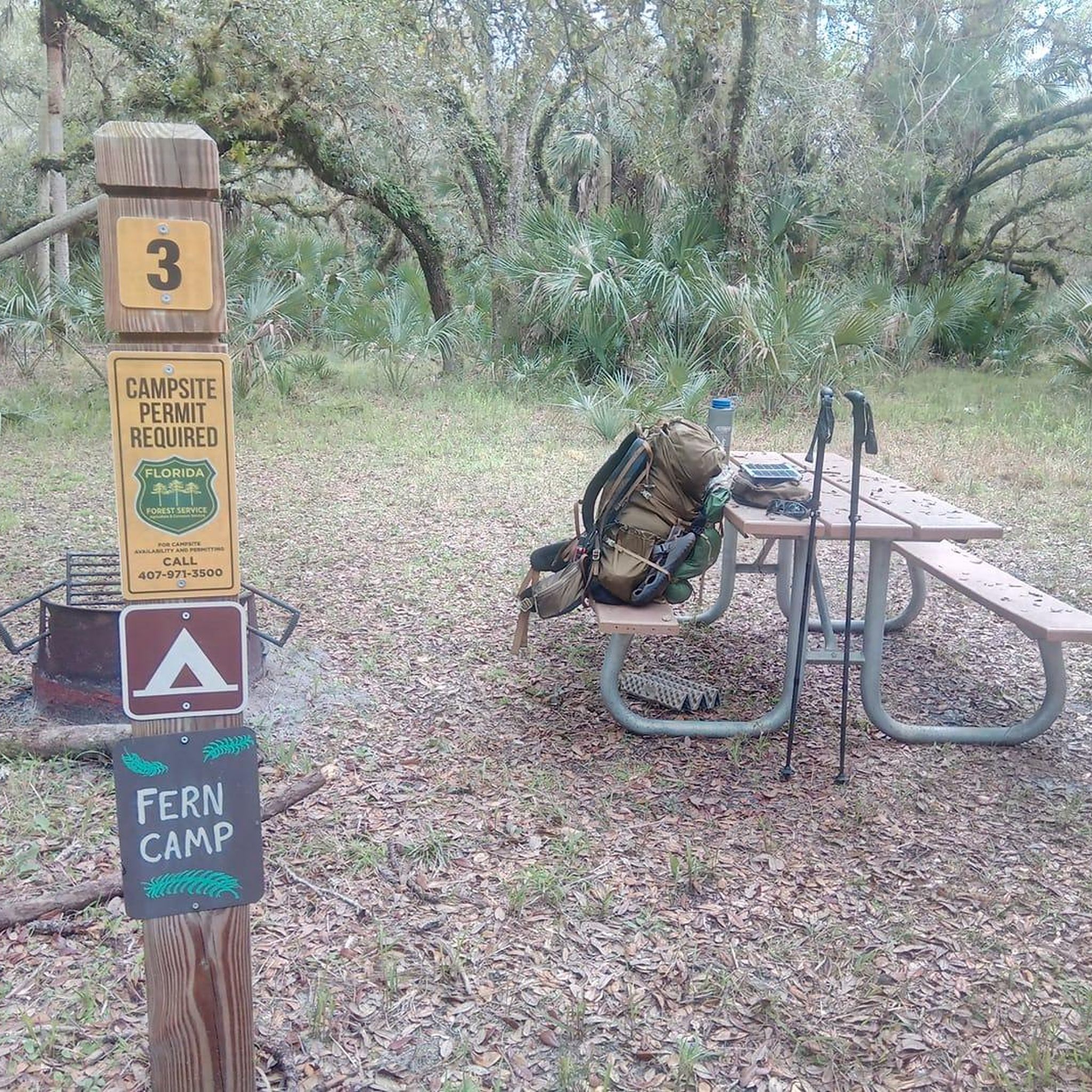
The camp is located in a small clearing in an oak hammock. You will find a picnic table and a fire ring. There is no potable water, but you can get water from Joshua Creek that is 0.1 miles south. Please not that overnight camping is allowed by obtaining a State Forest Use Permit available at the Little Big Econ State Forest office. To get a State Forest Use Permit, call the forest at (407) 971-3500 or email Joy.Schlusemeyer@FDACS.gov
6
1
Frequently Asked Questions
What is the typical difficulty level for touring cycling routes in Charles H. Bronson State Forest?
The touring cycling routes in Charles H. Bronson State Forest are generally considered easy to moderate. The terrain features minimal elevation changes, making it accessible for a wide range of cyclists. Most routes, such as the Orlando Wetlands Park loop from Orlando Wetlands Park and the Lake Crescent loop from Geneva, are rated easy, while longer options like the Tala Apopka loop from Orlando - Chuluota Lot offer a moderate challenge.
How long are the touring cycling routes in the forest?
The routes vary in length, catering to different preferences. You can find shorter rides, like the Orlando Wetlands Park loop from Orlando Wetlands Park at 4.0 miles (6.5 km), which takes about 35 minutes. For a longer excursion, the Tala Apopka loop from Orlando - Chuluota Lot covers 25.2 miles (40.6 km) and typically takes around 2 hours 16 minutes.
What natural features and wildlife can I expect to see while cycling?
Charles H. Bronson State Forest is rich in natural beauty and wildlife. Cyclists can enjoy diverse ecosystems including hydric hammocks, floodplain swamps, pine flatwoods, and cypress swamps. The St. Johns River forms a prominent boundary, and several scenic creeks like Turkey Creek and Christmas Creek wind through the forest. Keep an eye out for abundant wildlife such as deer, turkeys, gopher tortoises, fox squirrels, and various bird species including bald eagles, wood storks, and sandhill cranes.
Are there any historical landmarks or points of interest along the cycling routes?
Yes, the forest offers glimpses into "Old Florida" with its rich history of ranching and turpentine production. While cycling, you might encounter unique historical remnants such as old cattle feeders and functional windmills dating back to the early 1900s, providing a fascinating historical context to your ride.
Are there any circular touring cycling routes available?
Yes, many of the touring cycling routes in Charles H. Bronson State Forest are designed as loops, offering convenient starting and ending points. Examples include the Orlando Wetlands Park loop from Orlando Wetlands Park, the Lake Searcy loop from Lake Searcy, and the Lake Crescent loop from Geneva.
Is Charles H. Bronson State Forest suitable for family cycling trips?
Yes, the forest is well-suited for family cycling. The extensive network of unpaved roads and multi-use trails, combined with minimal elevation changes, makes for an accessible and enjoyable experience for various skill levels. Many routes are rated easy, such as the Bike loop from Little Big Econ State Forest, which is 2.5 miles (4.1 km) long, perfect for families with younger riders.
What is the best time of year to go touring cycling in Charles H. Bronson State Forest?
The best time to visit for touring cycling is typically during the cooler, drier months, from late fall through early spring (roughly November to April). During these periods, temperatures are more comfortable, and the trails are less likely to be wet or flooded, which can occur during the rainy season. Always check local weather conditions before your ride.
What should I bring for a touring cycling trip in Charles H. Bronson State Forest?
Given the unpaved nature of many roads and the potential for wet conditions, it's advisable to bring a touring or gravel bike with appropriate tires. Essential gear includes plenty of water, snacks, sun protection (hat, sunscreen), insect repellent, a basic repair kit, and a fully charged phone. Due to the diverse habitats, be prepared for varying trail surfaces.
Are dogs allowed on the cycling trails in Charles H. Bronson State Forest?
Generally, dogs are permitted in Charles H. Bronson State Forest, but they must be kept on a leash at all times. It's always a good idea to check the most current regulations on the official Florida Forest Service website or at the park entrance, as rules can sometimes change or vary for specific areas within the forest.
Where can I park when visiting Charles H. Bronson State Forest for cycling?
Parking is available at various access points to the forest. For example, the Orlando Wetlands Park loop from Orlando Wetlands Park starts directly from Orlando Wetlands Park, which has designated parking. Similarly, the Tala Apopka loop from Orlando - Chuluota Lot indicates a specific lot for parking. Always look for official parking areas at trailheads or designated access points.
What do other touring cyclists enjoy most about Charles H. Bronson State Forest?
The area is highly rated by the komoot community, with an average score of 5.0 stars. Reviewers often praise the extensive network of unpaved roads and multi-use trails, the diverse natural landscapes, and the peaceful, immersive experience of cycling through "Old Florida." The opportunity to spot abundant wildlife and explore historical remnants also adds to the appeal.
Are there any cafes or places to eat near Charles H. Bronson State Forest?
Charles H. Bronson State Forest is primarily a natural area, so amenities like cafes are not typically found directly within the forest. However, you can find dining options in nearby towns such as Christmas, Chuluota, or Geneva, which are a short drive from the forest access points. It's recommended to bring your own snacks and drinks for your ride.
Most popular routes in Charles H. Bronson State Forest

Get inspired with the komoot mobile app


Explore more
Browse the best Cycling routes in other regions.
