Top 11 Natural Monuments around Bishop Thornton
Best natural monuments around Bishop Thornton are found within a landscape characterized by diverse natural features, including unique rock formations, expansive moorlands, and tranquil reservoirs. This area, situated in North Yorkshire, offers a variety of natural sites shaped by geological processes and historical land use. Visitors can explore protected countryside and areas with significant ecological interest. The region provides opportunities to observe natural beauty and geological marvels.
Best natural monuments around Bishop Thornton
- The most popular natural monuments is Brimham…
Last updated: July 10, 2026
Brimham Rocks
Highlight • Natural Monument
Tip by

Wishing Stone (Brimham Rocks)
Highlight • Natural
Tip by

Sign up now to discover places like this
Get recommendations on the best single tracks, peaks, & plenty of other exciting outdoor places.
Sign up for free
Studley Royal Water Garden
Highlight • Monument
Translated by Google •
Tip by

Old Spring Wood
Highlight • Historical Site
Tip by

High Wood and Horse Wood, Nidderdale
Highlight • Forest
Tip by

Sign up for free to discover even more natural monuments around Bishop Thornton.
Sign up for free
Already have an account?
Start today with a free account
Your next adventure awaits.
Login or Signup

Tips from the Community

Wow, what a place! Fountains Abbey and Studley Royal Gardens completely blew me away. The abbey ruins are absolutely stunning – huge, dramatic, and full of atmosphere. You can just wander around and lose yourself in the history. The water gardens are gorgeous too –beautifully designed lakes, with statues, little follies, and surprise viewpoints. Catching a glimpse of the abbey from across the water is like something out of a painting. We also spotted deer in the park which was a bit of a treat! Loads of walking routes to choose from, so you can do a quick wander or spend the whole day exploring. There’s also two good on-site cafes, one at the visitor centre, and one lakeside venue. There are also plenty of picnic spots if you bring your own. The whole place is spotless and really well looked after. This was one of the best days out I’ve had in ages – peaceful, scenic, and full of history. It is also a World Heritage Site to boot, so you are in for a treat!
0
0

wonderful trek around the stones but watch out can be very busy
0
0

A television series (in German) that I wholeheartedly recommend introduces culture-loving viewers to remarkable testimonies to human creativity from many countries around the world. What they all have in common is that they have been granted "World Heritage" status by UNESCO. * "A park, gnarled trees, twisted by the wind as if by a giant's hand. Herds of fallow deer and roe deer graze in the tall grass. In the valley, nature is reflected in an artificial lake: the visitor stands in Lord Aislabie's "Watergarden." Small Greek temples and Gothic turrets are also reflected in the water, for in the 18th century it was fashionable to decorate the parks of noble country estates with Greek temples and Gothic turrets – real ruins were highly prized. And the lord owned a truly magnificent ruin in his park. Walking along well-kept park paths by the stream that flows through the artificial lakes, one's gaze falls on "Fountains Abbey," or what remains of what was once the largest English Cistercian monastery in Yorkshire, an impressive ruin." reads the media library's website. The corresponding film contribution (in German) can be found under the following link =>> https://www.ardmediathek.de/video/schaetze-der-welt/der-park-v-studley-und-die-ruinen-von-fountains-abbey-gb-folge-197/swr/Y3JpZDovL3N3ci5kZS83MDM1MzE0
0
0

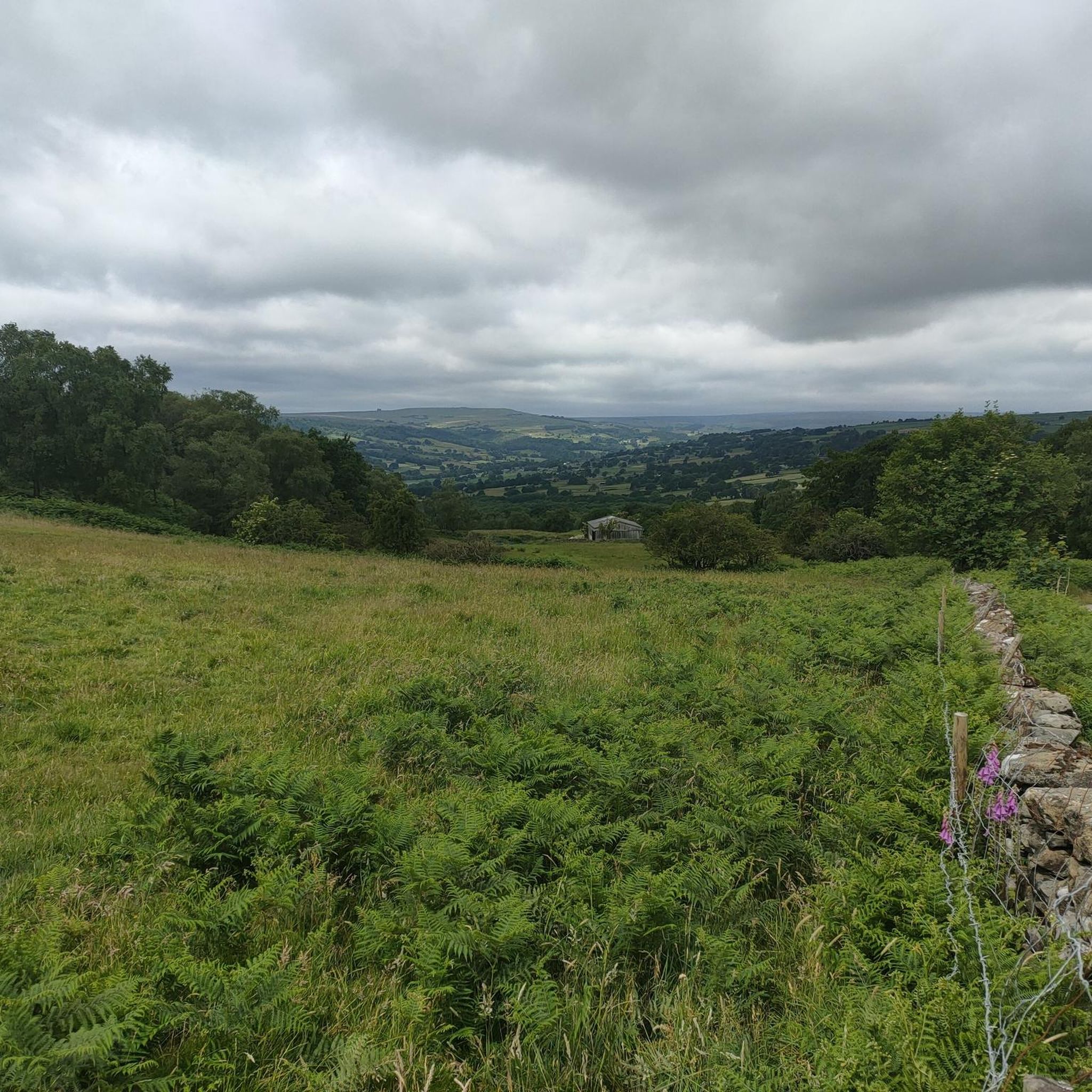
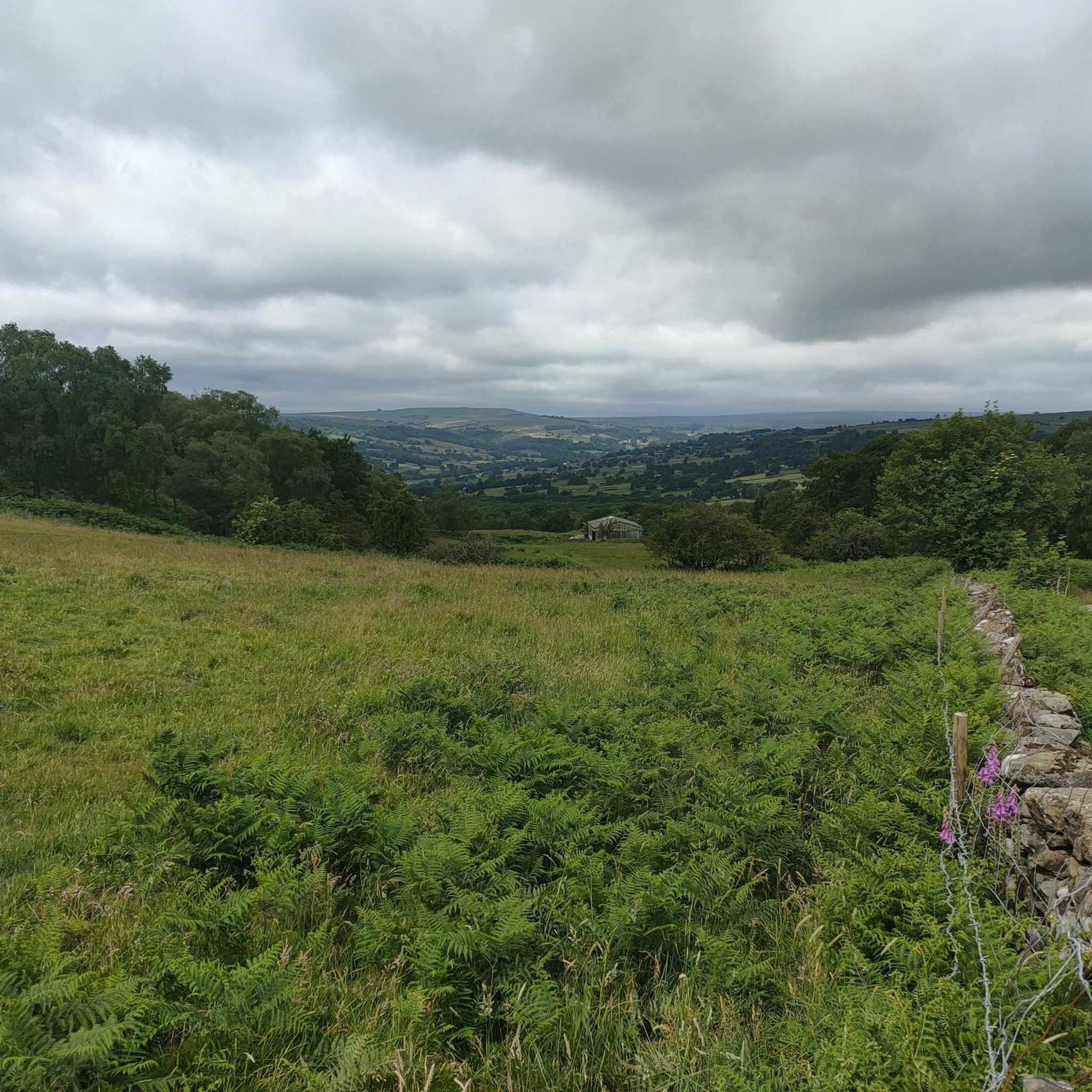
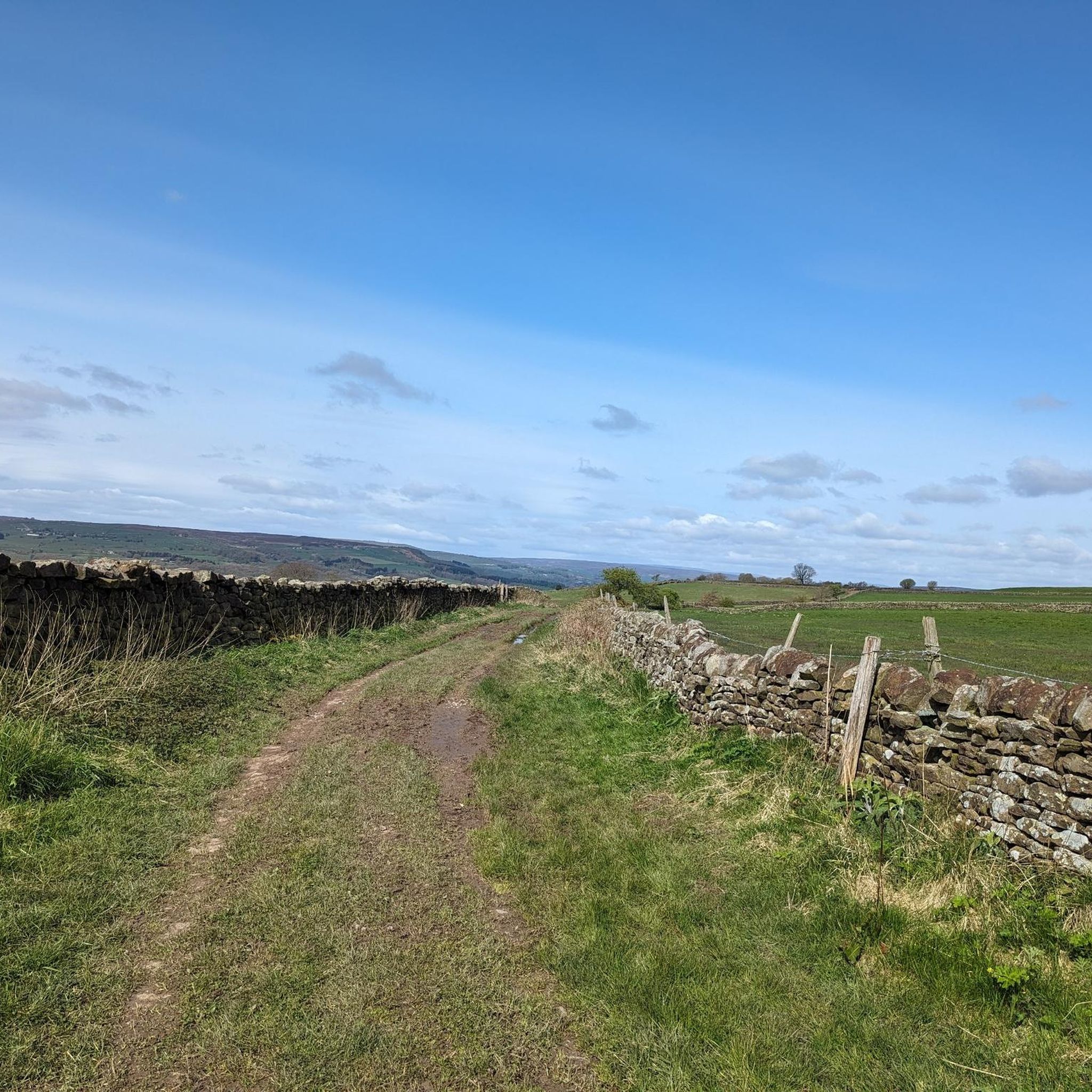
If you are looking for the main Brimham Rocks site then that is 500m north. This bridleway runs through High Wood and Horse Wood to Smelthouses.
1
0
If you can stomach getting up very early for hikes and runs, then you will have the place to yourself. Absolutely stunning at around 6-7am in the early morning May sunshine.
1
0
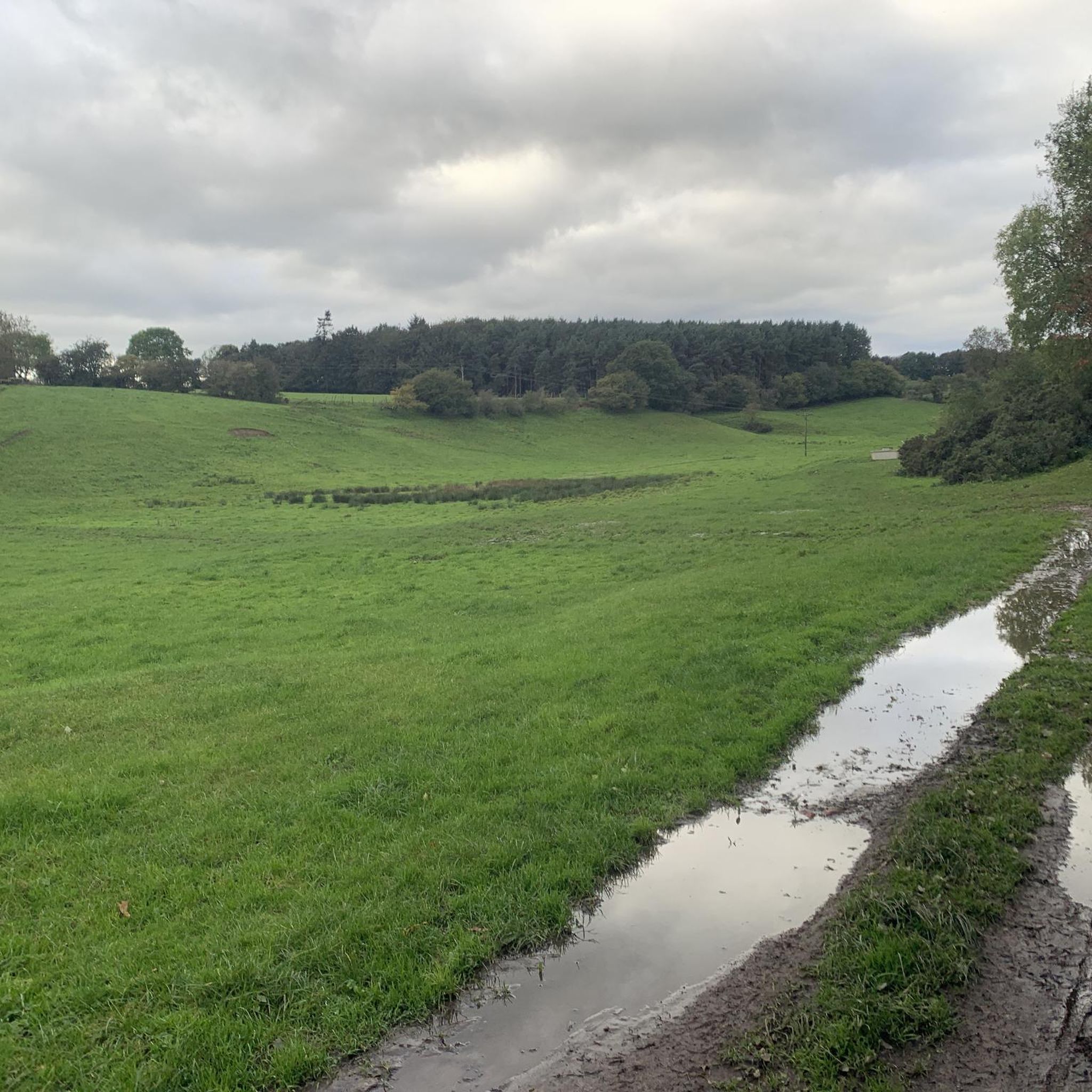
Old Spring Wood boasts a variety of plants, including ancient woodland species, numerous springs, and is located on a large slope with terraces formed by magnesian limestone. Very peaceful spot off the beaten track and away from the hustle and bustle of Brimham Rocks.
1
0

Wishing Stone, which is located near the precariously balanced ‘Idol’. The Wishing Stone is a tall rock, at the base of which there is an opening around a short stone pillar with a hole through it. The old guide book notes that people placed the middle finger of their right hand into the small hole, and then made a wish. Another reference mentions placing the right arm around the pillar itself, in order to bring luck. The Wishing Stone name may have been given to this rock feature by the tour guides, or it may have been another part of the areas older folklore. In either case it shows that the belief in wishing stones existed hereabouts, and was familiar to visitors. Wishing Stones in other parts of Britain often required some action or ritual to be performed before making the wish, such as walking around the rock 3 times. There may have been something similar at the Brimham Wishing Stone, perhaps involving crawling through a gap in the rock below the wishing pillar.
0
0

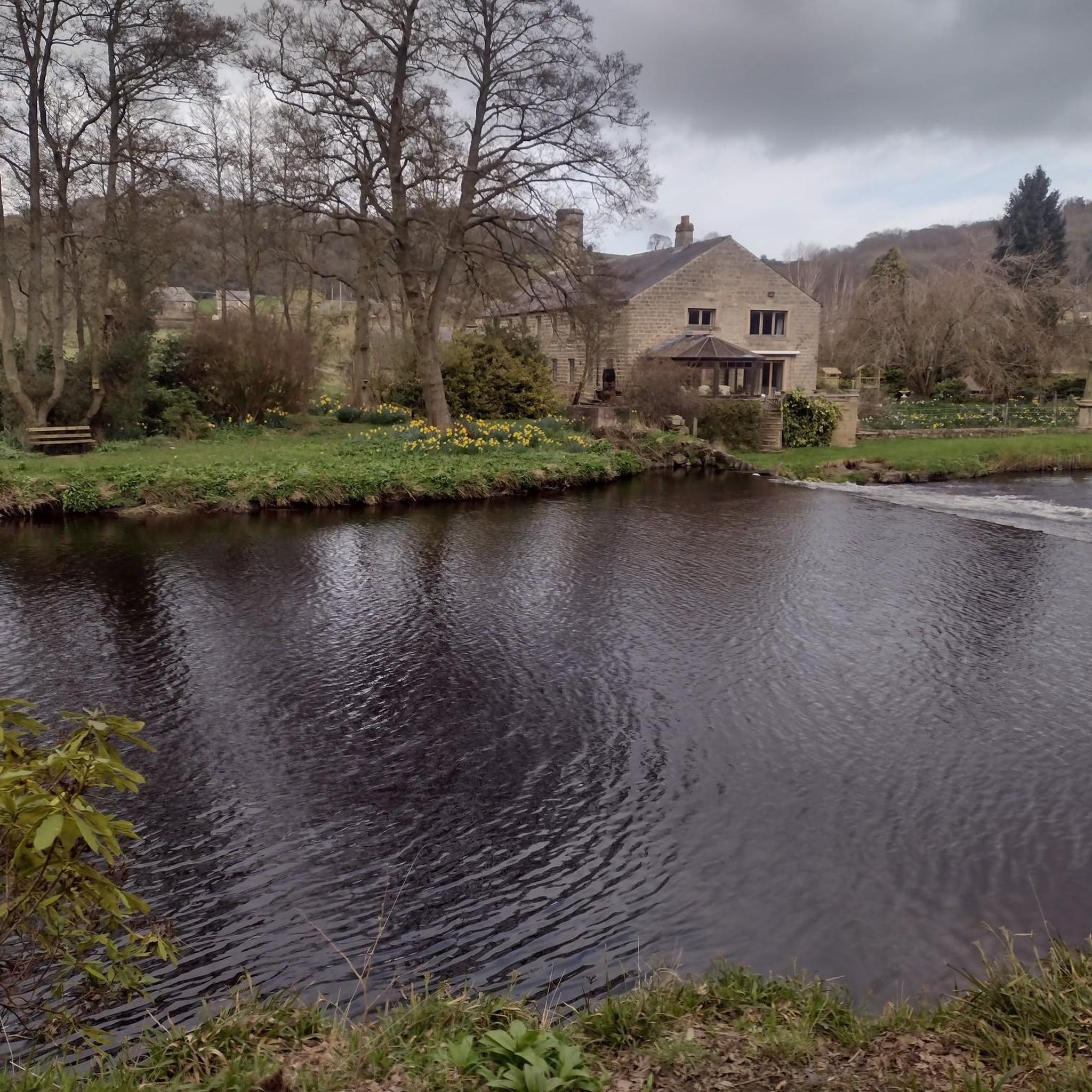
Studley Royal Park 800 acres, including an 18th Century landscaped garden, the ruins of Fountains Abbey, Fountains Hall Jacobean mansion and St Mary’s Church
1
0
Frequently Asked Questions
What are the most popular natural monuments around Bishop Thornton?
The most popular natural monument is Brimham Rocks, known for its striking rock formations shaped by millions of years of erosion. Visitors also highly appreciate the Lake at Studley Royal Water Garden, a tranquil spot within a UNESCO World Heritage Site, and Old Spring Wood, a historical woodland with ancient species and numerous springs.
Are there family-friendly natural monuments in the Bishop Thornton area?
Yes, several natural monuments are great for families. Brimham Rocks offers a natural playground with unique rock formations that children often enjoy exploring. The Lake at Studley Royal Water Garden, part of a UNESCO World Heritage Site, provides scenic walks and open spaces suitable for all ages. Additionally, Fewston Reservoir has well-maintained paths through woodlands, ideal for family strolls.
What kind of unique natural features can I expect to see?
The region is rich in diverse natural features. You can explore the bizarre and unique gritstone rock formations at Brimham Rocks, which have been sculpted by millions of years of erosion. The wider Nidderdale National Landscape features tranquil reservoirs like Fewston and Leighton, open heather moorlands, and rolling pastures. Eavestone Lake offers serene landscapes with surrounding woodlands and gritstone outcrops.
What outdoor activities can I do near these natural monuments?
The area around Bishop Thornton offers a variety of outdoor activities. For hiking, you can explore trails like the Brimham Rocks Boundary Walk or the Brimham Rocks and Nidderdale Way Circular. Find more hiking routes in the Hiking around Bishop Thornton guide. Cyclists can enjoy routes such as the Hollybank Lane loop or the Brimham Rocks – Warsill Road loop; details are available in the Cycling around Bishop Thornton guide. Mountain biking enthusiasts have options like the Brimham Rocks Loop, detailed in the MTB Trails around Bishop Thornton guide.
Are there any historical natural sites in the area?
Yes, Old Spring Wood is a historical site dating back to prehistoric times, with ancient woodland species and stone remains. The Studley Royal Deer Park, part of the Studley Royal Park including the Ruins of Fountains Abbey World Heritage Site, is an 18th-century landscaped area with ancient tree avenues, combining natural beauty with historical significance.
What is the best time of year to visit the natural monuments around Bishop Thornton?
The natural monuments around Bishop Thornton can be enjoyed year-round, but each season offers a different experience. Spring brings new growth and wildflowers, while summer provides longer daylight hours for exploration. Autumn showcases vibrant foliage, especially in woodlands like Old Spring Wood. Winter can offer stark, beautiful landscapes, particularly at Brimham Rocks, though some paths might be slippery. Always check local weather conditions before your visit.
Are there any accessible natural monuments for visitors with mobility needs?
Brimham Rocks offers accessible trails for visitors with mobility needs, allowing many to experience its unique geological formations. Fewston Reservoir also provides well-maintained paths suitable for a gentle stroll, and Glasshouses Dam has relatively flat paths, some of which are wheelchair accessible, offering pleasant riverside views.
Can I find dark sky viewing opportunities near Bishop Thornton?
Yes, the Nidderdale National Landscape, which encompasses many of the natural sites around Bishop Thornton, is known for some of the darkest night skies in England. Fewston Reservoir is one of the official dark sky discovery sites in Nidderdale, offering excellent opportunities for stargazing.
Are there opportunities for birdwatching or wildlife observation?
Absolutely. Leighton Reservoir is a popular destination for birdwatchers, being home to various waterfowl. Glasshouses Dam creates a tranquil habitat for wildlife, including birds and otters. Eavestone Lake also offers a chance to observe diverse wildlife in its serene surroundings. Studley Royal Deer Park is home to over 300 red, sika, and fallow deer, providing excellent wildlife viewing opportunities.
What is the Nidderdale National Landscape and how does it relate to these natural monuments?
The Nidderdale National Landscape (formerly an Area of Outstanding Natural Beauty) is a protected countryside encompassing 600 square kilometers. It features diverse landscapes including tranquil reservoirs, open heather moorlands, and traditional villages. Many of the natural monuments, such as Brimham Rocks, Fewston Reservoir, and Leighton Reservoir, are located within this vast area, benefiting from its protection and contributing to its rich natural beauty and ecological interest.
Are there any hidden natural gems worth exploring off the beaten path?
While Brimham Rocks is well-known, Old Spring Wood is considered a peaceful spot off the beaten track, showcasing diverse plant life and geological features. Eavestone Lake is also described as a serene natural escape and a hidden gem for peaceful walks and wildlife observation.
Most popular routes around Bishop Thornton
Most popular attractions around Bishop Thornton

Get inspired with the komoot mobile app


Explore more
Extend your search for the best caves by checking out these guides of the top ones around Bishop Thornton:
