The best cycling routes in Saint Johns National Wildlife Refuge
5.0
(2)
8
riders
5
rides
Touring cycling routes in Saint Johns National Wildlife Refuge primarily feature flat, accessible terrain within various conservation areas and state parks. The region is defined by its diverse ecosystems, offering opportunities to cycle through natural environments and along riverine paths. Many routes are paved multiuse trails, providing smooth surfaces suitable for touring cyclists. This area emphasizes non-motorized access, making it conducive for exploring its natural beauty on two wheels.
Best touring cycling routes in Saint Johns National Wildlife Refuge
- The…
Last updated: May 8, 2026
4.32km
00:20
10m
10m
Easy bike ride. Great for any fitness level. Mostly paved surfaces. Suitable for all skill levels.
5.0
(1)
3
riders
5.63km
00:20
0m
0m
Easy bike ride. Great for any fitness level. Mostly paved surfaces. Suitable for all skill levels.

Sign up for free
2
riders
5.84km
00:31
10m
10m
Easy bike ride. Great for any fitness level. Mostly paved surfaces. Suitable for all skill levels.
2
riders
6.47km
00:36
10m
10m
Easy bike ride. Great for any fitness level. Mostly paved surfaces. Suitable for all skill levels.
5.0
(1)
1
riders
6.77km
00:38
10m
10m
Easy bike ride. Great for any fitness level. Mostly paved surfaces. Suitable for all skill levels.
Our route recommendations are based on thousands of hikes, rides, and runs completed by other people on komoot.
Start today with a free account
Your next adventure awaits.
Login or Signup
Popular around Saint Johns National Wildlife Refuge

Tips from the Community

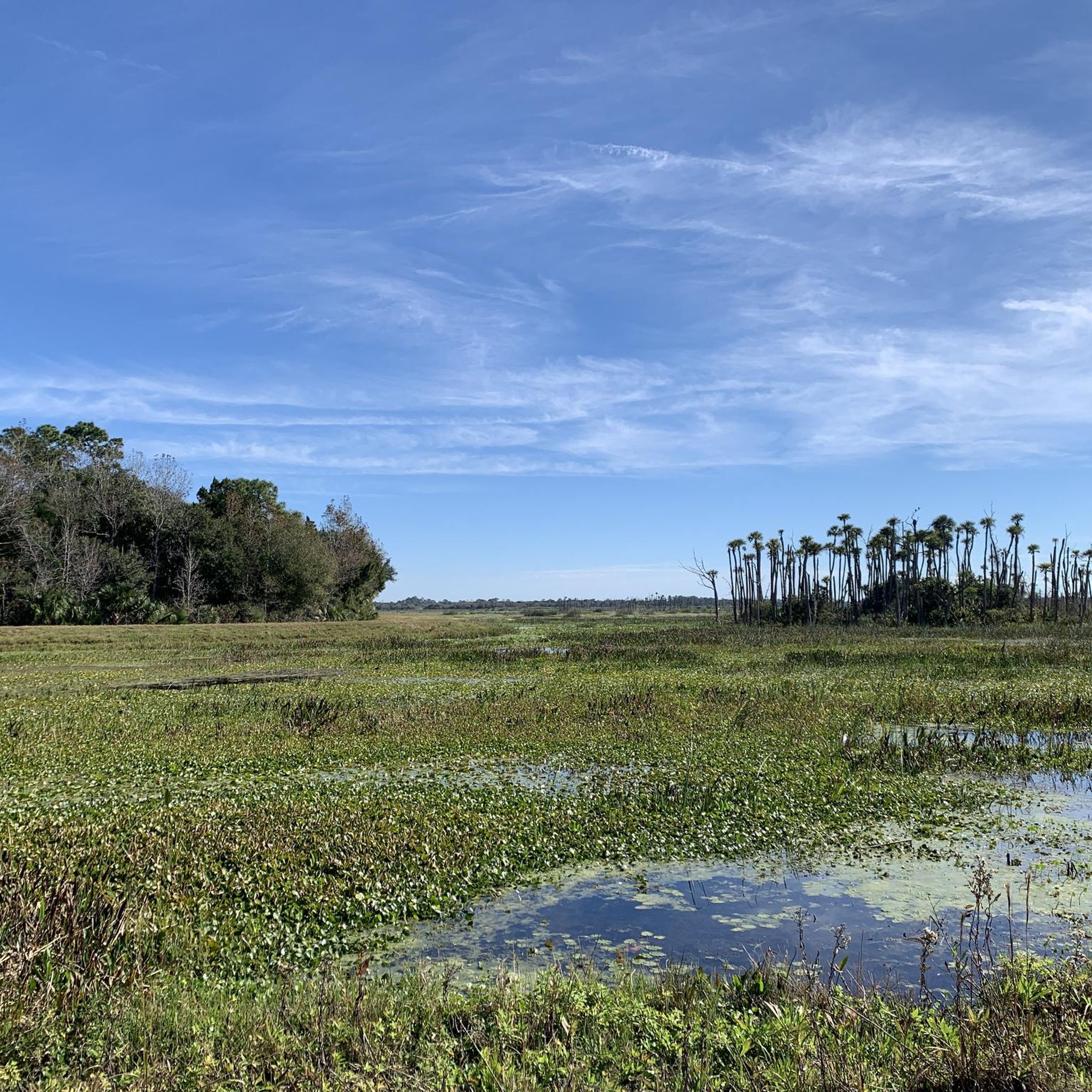
The park was created in the 1980s as part of a water treatment project in which wastewater from private households is treated and released into the wetlands. The wetlands remove excess nutrients and minerals. The released water takes approximately 40 days to percolate through the area before flowing into the St. Johns River.
2
0

The trail goes through Wuesthoff Park and then into a wooded area, offering a pleasant escape into nature. What's cool about this trail is that even though it's in a city, it has some gentle hills, which is a bit unusual for Florida and offers a nice little workout. You can expect to see local plants like sand pines and oaks, and sometimes even gopher tortoises.
0
0
A 25-acre park with a nice nature trail that's open from 7 AM until dark. The nature trail, about half a mile long, winds through different types of Florida woodland. You'll go through wetlands, a shady hardwood hammock, and an upland pine forest.
0
0

The Chain of Lakes observation tower is on the east side of the park and gives those who climb it a great view of not only Chain of Lakes Park but also of the Indian River to the west.
0
0
Chain of Lakes Park is a stone's throw from Eastern Florida State College and the Indian River. This 92.14-acre regional park features wetlands, lakes, and 3 miles of paved walking trails with bridges. Amenities include an observation tower, pavilions, playgrounds, and a fishing dock on a freshwater lake. The park also offers 8 soccer fields, 7 lighted softball fields, 2 multi-use fields, restrooms, parking, and concession facilities.
0
0

Orlando Wetlands Park is the result of a wastewater treatment project. The 1,650-acre property is home to miles of trails and dirt roads that are great for hiking and running. The trails pass through the forest, wetland, swamp, and meadow habitats that are home to countless species of plants and birds.
0
0
Frequently Asked Questions
What is the general difficulty level of touring cycling routes in the Saint Johns River region?
The touring cycling routes in the Saint Johns River region are primarily easy, featuring flat, accessible terrain. All five routes listed in this guide are suitable for beginners and those seeking a relaxed cycling experience.
Are there family-friendly touring cycling routes available?
Yes, the region is well-suited for family cycling. The routes are generally flat and easy, making them ideal for all ages. For example, the Titusville Multi-Use Trail is a straightforward path perfect for a quick family ride.
Can I find circular touring cycling routes in the Saint Johns River region?
Many of the touring cycling routes in the area are circular, offering convenient loops for exploration. The Chain of Lakes Park loop is a great example, leading through parkland and often completed in about 31 minutes.
What kind of landscapes and natural features can I expect to see while cycling?
The region offers diverse ecosystems, from riverine paths to conservation areas. You can expect to cycle through varied plant communities and observe abundant wildlife. The St. Johns River watershed is rich in biodiversity, providing scenic views of water bodies and natural habitats.
Are there opportunities for wildlife spotting along the touring routes?
Absolutely. The St. Johns River region is known for its diverse wildlife. Cyclists often encounter various bird species, fish, and other animals. Areas like the St. Johns River Water Management District lands prioritize wildlife viewing, offering a chance to see local fauna in their natural environment.
What are some notable historical or cultural points of interest accessible by bike?
While the immediate routes in this guide focus on natural areas, the broader St. Johns River-to-Sea Loop and routes around St. Augustine offer opportunities to combine natural beauty with rich history. You can pass through historic districts and past iconic landmarks such as the Bridge of Lions.
Are there any longer-distance touring cycling options in the area?
For those seeking longer rides, the broader St. Johns River-to-Sea Loop is a premier destination, offering a 260-mile paved multiuse trail that connects various communities and natural areas. While the routes in this guide are shorter, they can be combined or used as starting points for exploring longer segments of the loop.
What is the best time of year to go touring cycling in the Saint Johns River region?
Florida's mild winters make it an excellent destination for cycling during the cooler months, typically from late fall through early spring. This avoids the hotter, more humid summer months and reduces the chance of encountering afternoon thunderstorms.
What do other touring cyclists enjoy most about cycling in the Saint Johns River region?
The area is highly rated by the komoot community, with an average score of 5.0 stars. Reviewers often praise the easy, accessible terrain, the diverse natural environments, and the peaceful experience of cycling through conservation areas. Routes like the Bike loop from Practice Green are appreciated for their minimal elevation gain and relaxed atmosphere.
Are there specific routes that offer a good overview of the region's natural beauty?
Many routes provide a good sense of the region's natural beauty. The Orlando Wetlands Park loop from Orlando Wetlands Park is an excellent choice, offering a ride through parkland that showcases the diverse ecosystems and water features characteristic of the area.
What kind of surfaces can I expect on the touring cycling routes?
Most touring cycling routes in the Saint Johns River region feature paved multiuse trails, providing smooth surfaces suitable for touring cyclists. Some conservation areas managed by the St. Johns River Water Management District may offer more rugged, minimally developed trails with natural, uneven surfaces, but the routes highlighted here are predominantly paved.
Is parking available at the trailheads?
While specific parking details vary by trailhead, many popular cycling areas and parks in the St. Johns River region, such as those hosting routes like the Lake Searcy loop from Lake Searcy, typically offer designated parking facilities for visitors. It's advisable to check local park information for precise parking locations.
Most popular routes in Saint Johns National Wildlife Refuge

Get inspired with the komoot mobile app


Explore more
Browse the best Cycling routes in other regions.
