Top 20 Caves in Sweden
Caves in Sweden offer a diverse range of subterranean experiences, from extensive natural systems to historical mines and unique geological formations. The country's landscape features numerous grottoes and rock shelters, many with historical significance. These sites provide opportunities to explore geological wonders and learn about past human activities. Visitors can find both well-known and hidden caves across various regions.
Best caves in Sweden
- The most popular caves is Tilas Stoll Mine Tunnel, a historical site that is a 26-meter-long mining tunnel. Excavation began in 1767, and it is named after mining captain Daniel Tilas.
- Another must-see spot is Trollberget rock formations, a natural monument featuring huge rocks and many small caves and columns. Visitors can find a covered rest area with barbecue facilities nearby.
- Visitors also love Silver Cave (Silvergrottan), a cave with historical significance. Traces of Stone Age and Bronze Age inhabitants have been found here, and it was historically used by fishermen and smugglers.
- Sweden is known for natural cave systems, historical mines, and unique rock grottoes. These sites offer a variety of experiences, from guided explorations to self-guided visits.
- The caves in Sweden are appreciated by the komoot community, with 235 upvotes and 178 photos shared by users.
Last updated: August 29, 2026
Trollberget rock formations
Highlight • Natural Monument
Translated by Google •
Tip by

Tilas Stoll Mine Tunnel
Highlight • Cave
Source:Display board
Translated by Google •
Tip by

Sign up now to discover places like this
Get recommendations on the best single tracks, peaks, & plenty of other exciting outdoor places.
Sign up for free
Silver Cave (Silvergrottan)
Highlight • Cave
kullaleden.se/de/wanderweg/molle-arild
Translated by Google •
Tip by

Lasse-Maja Cave
Highlight • Cave
A really small grotto, so the stories & myths about it are almost more exciting 😉
Translated by Google •
Tip by

Korallgrottan Cave Entrance and Waterfall
Highlight • Cave
Translated by Google •
Tip by
Kullaberg Nature Reserve
Highlight • Natural Monument
Rushing forests, steep cliffs, mysterious rock caves and kilometers of views over the Kattegatt attract thousands of visitors every year to the Kullaberg. The extraordinary nature in the Kullarberg nature reserve invites you to hikes, botanical rambles and ornithological observations, climbing, diving and swimming on the cliffs. Also popular are the guided tours through the caves at the foot of the mountain.
In the Naturum Kullaberg, the on-site visitor center, you can learn interesting facts about the geology, flora and fauna as well as cultural history of the nature reserve. At the top of the Kullaberg is also Kullens Fyr, the brightest lighthouse in Scandinavia. For more than 1000 years, a beacon has been operated here. The current lighthouse was commissioned in 1900 and its light signals can still be seen 50 kilometers away.
A special attraction is Nimis, which is tucked away on the north coast of Kullaberg by artist Lars Vilks. This is a labyrinth of various towers built mainly of driftwood at the foot of the cliff. Nimis can only be reached on foot via a steep path from Heimathof Himmelstorp.
The most famous of the numerous rocky bathing areas at the top of the peninsula is Ransvik. In 1921, the coffee house, still in operation today, was opened there, serving coffee and pastries to the bathers.
guidebook-sweden.com/de/reisefuehrer/reiseziel/kullabergs-naturreservat-naturschutzgebiet-bei-moelle
Translated by Google •
Tip by
Taberg Mine
Highlight • Historical Site
However, you have to book in advance for the tour.
Translated by Google •
Tip by
Linné's Cave
Highlight • Cave
Tip by

Högklint Cliffs
Highlight • Natural Monument
Source: wikipedia
Translated by Google •
Tip by

Old Copper Mines
Highlight • Historical Site
Translated by Google •
Tip by

Sign up for free to discover even more caves in Sweden.
Sign up for free
Already have an account?
Start today with a free account
Your next adventure awaits.
Login or Signup
Popular around Sweden
European Divide Trail — 7,600 km across the continent
Kungsleden – In seven stages from Abisko to Nikkaluokta
Finnskogleden – Hiking the Beautiful and Historic Forest of the Finns
Ultravasan 90 — Sweden's Classic Long-Distance Run
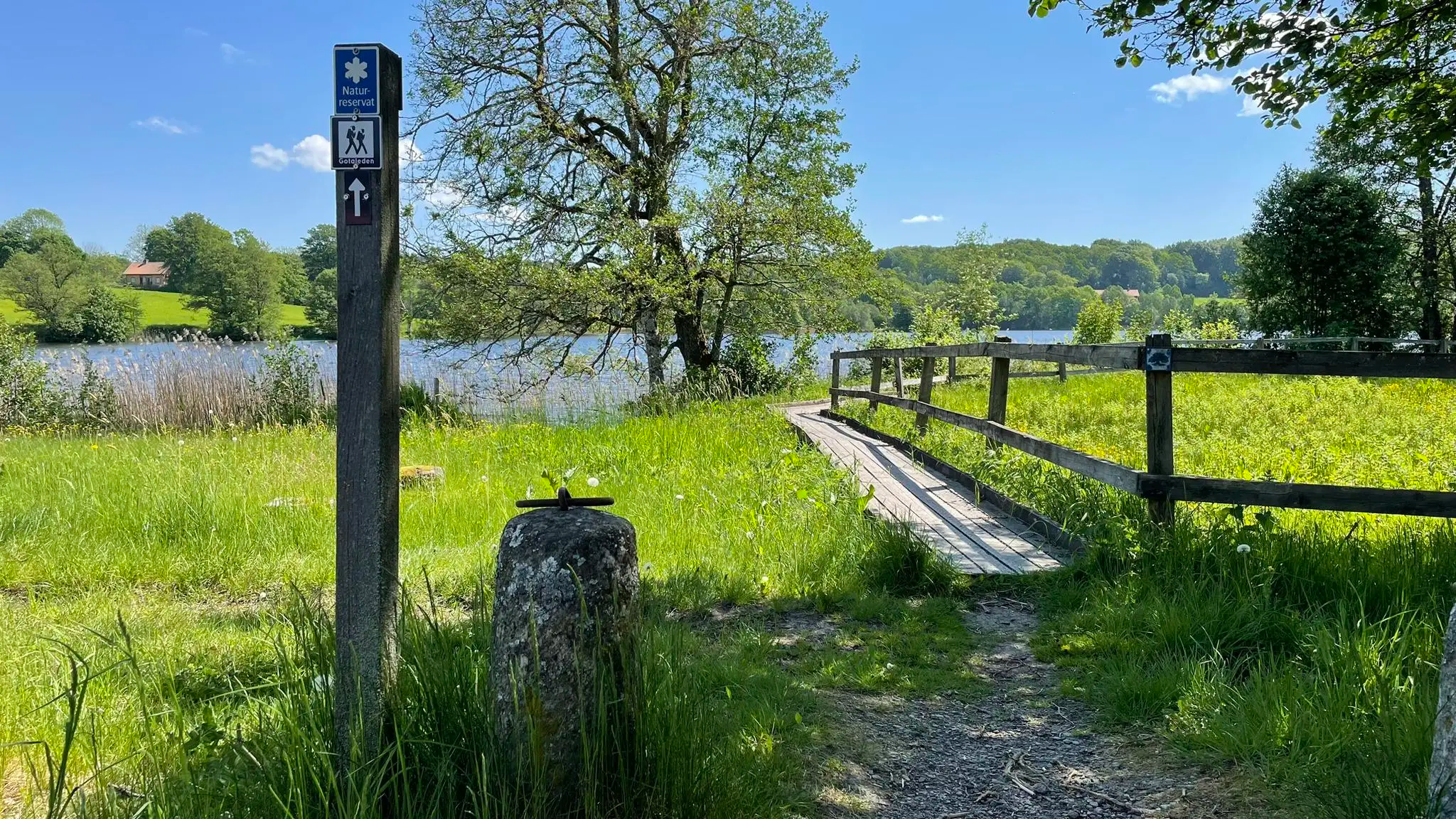
The Gotaleden trail – A great escape through western Sweden
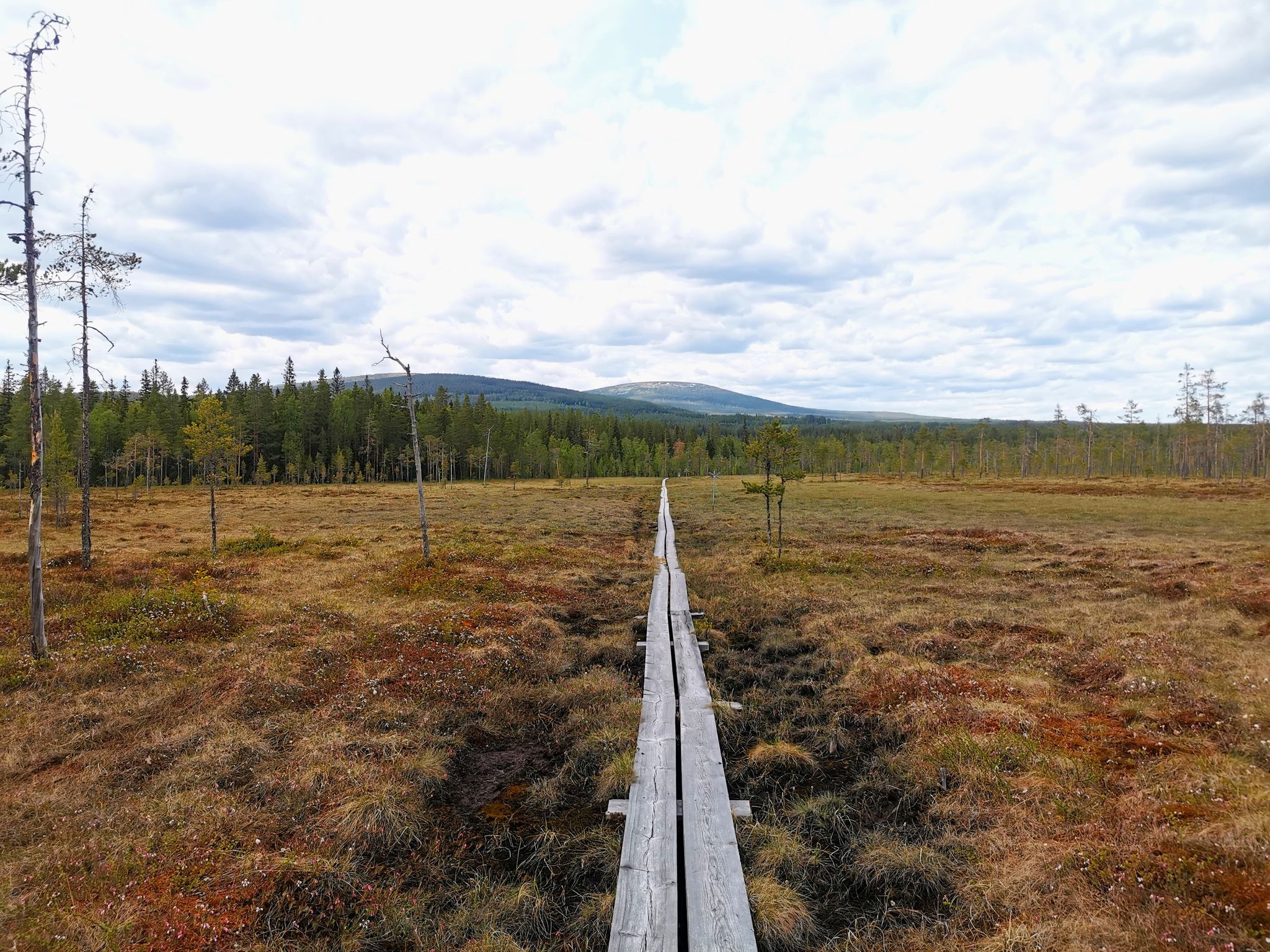
Södra Kungsleden – Hike through the heart of Sweden
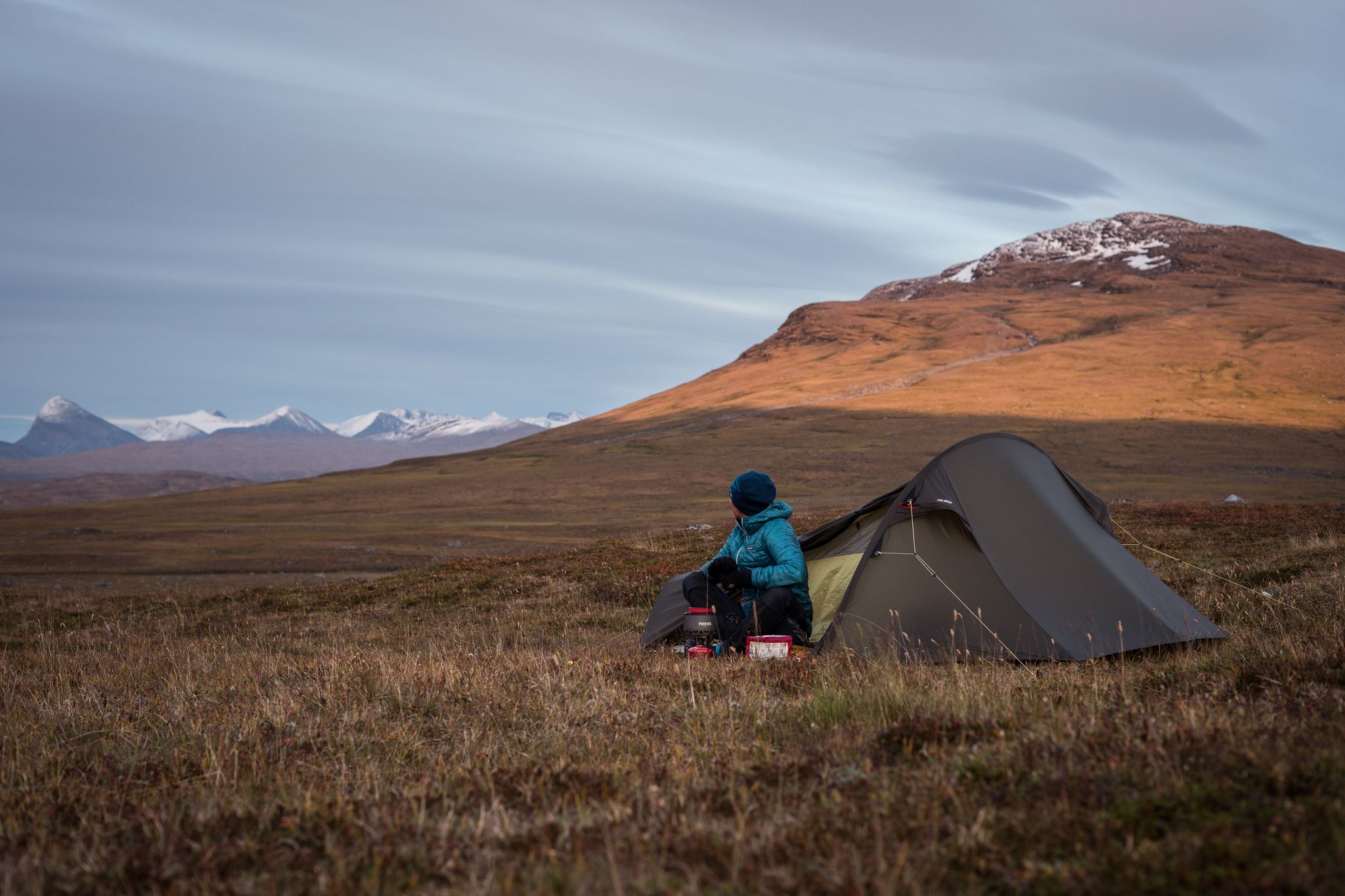
The Nordkalottleden — At the edges of the polar circle
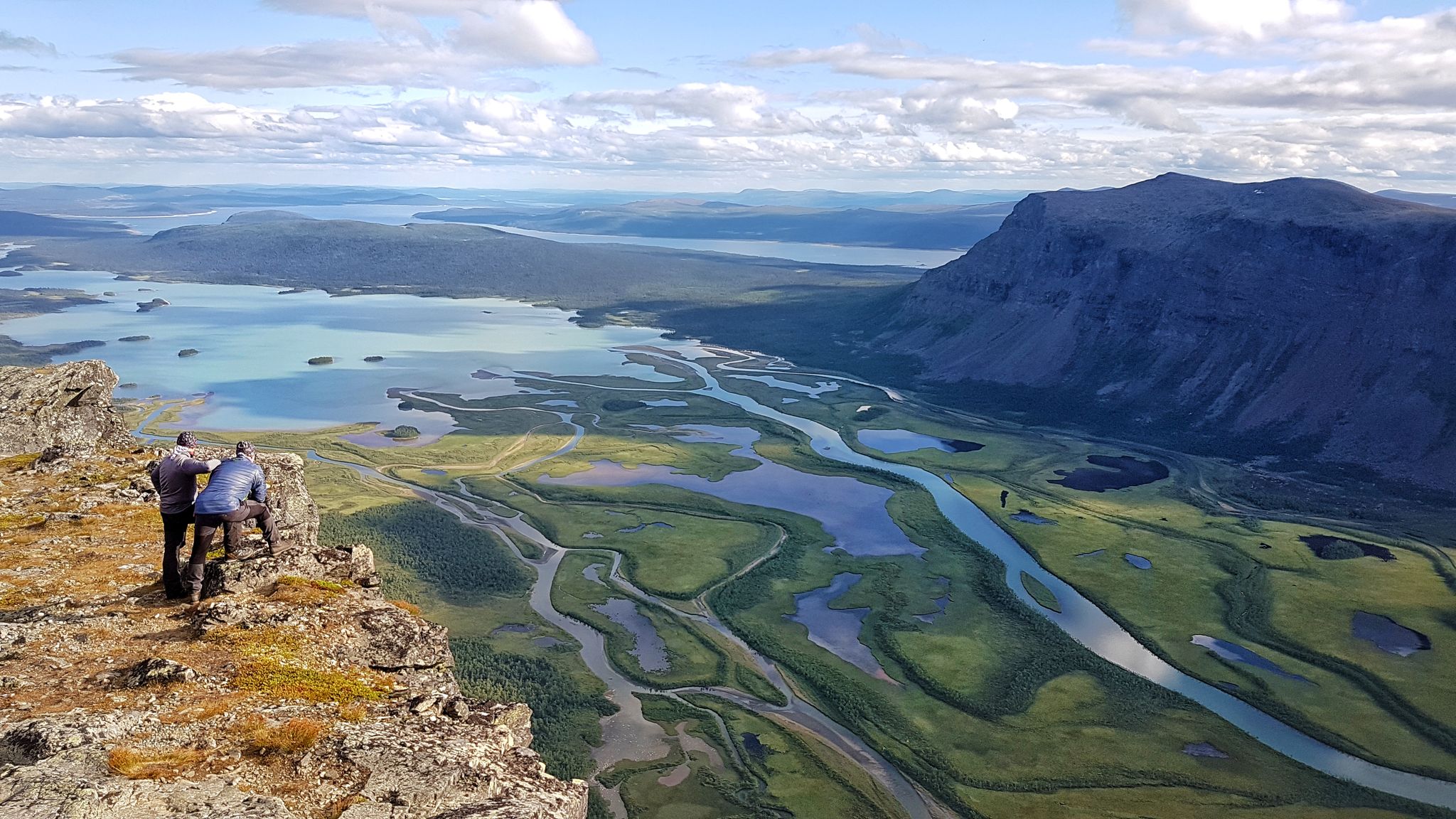
Kungsleden – On the road to the kings of Sweden
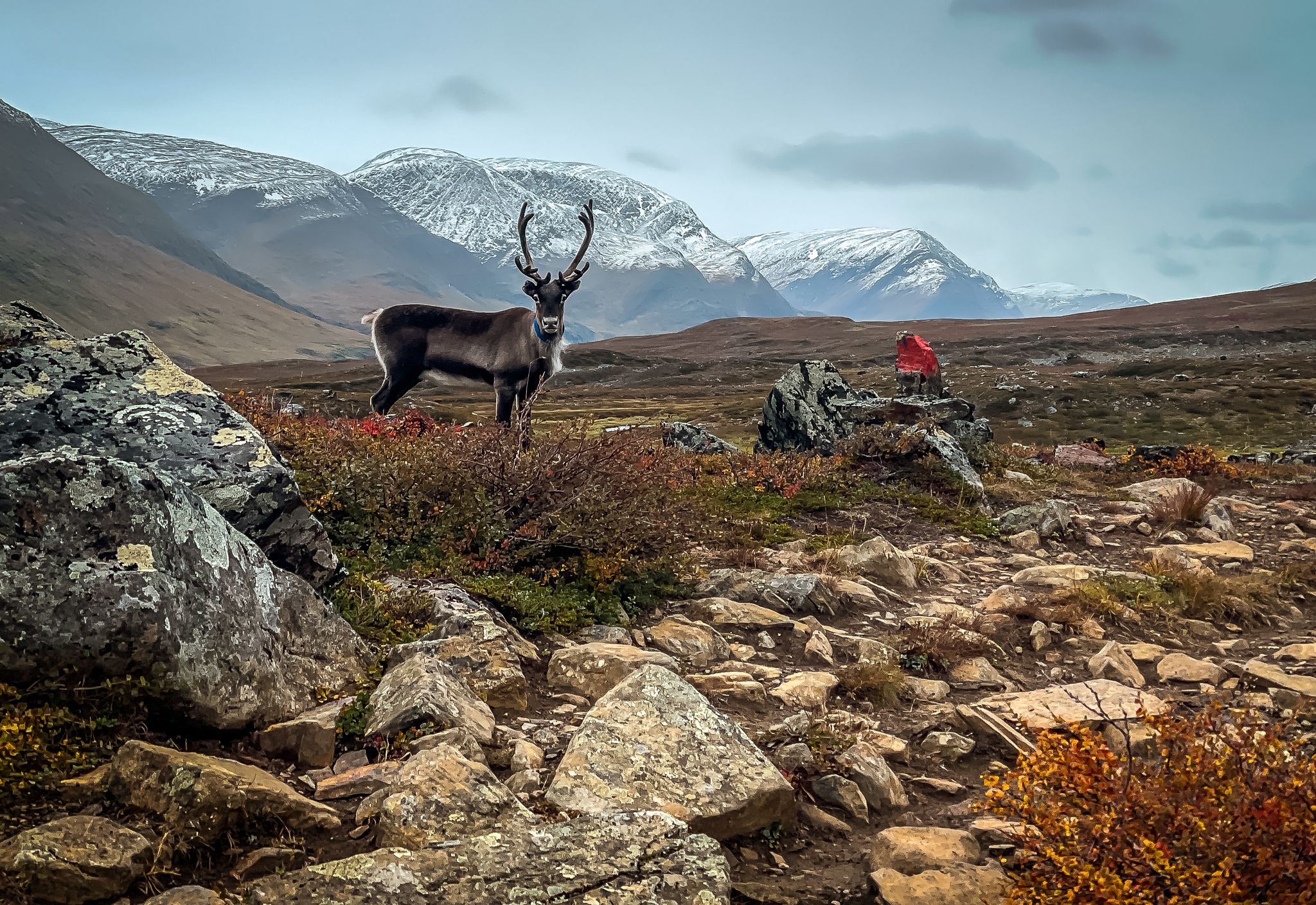
Kungsleden — Trekking in Swedish Lapland
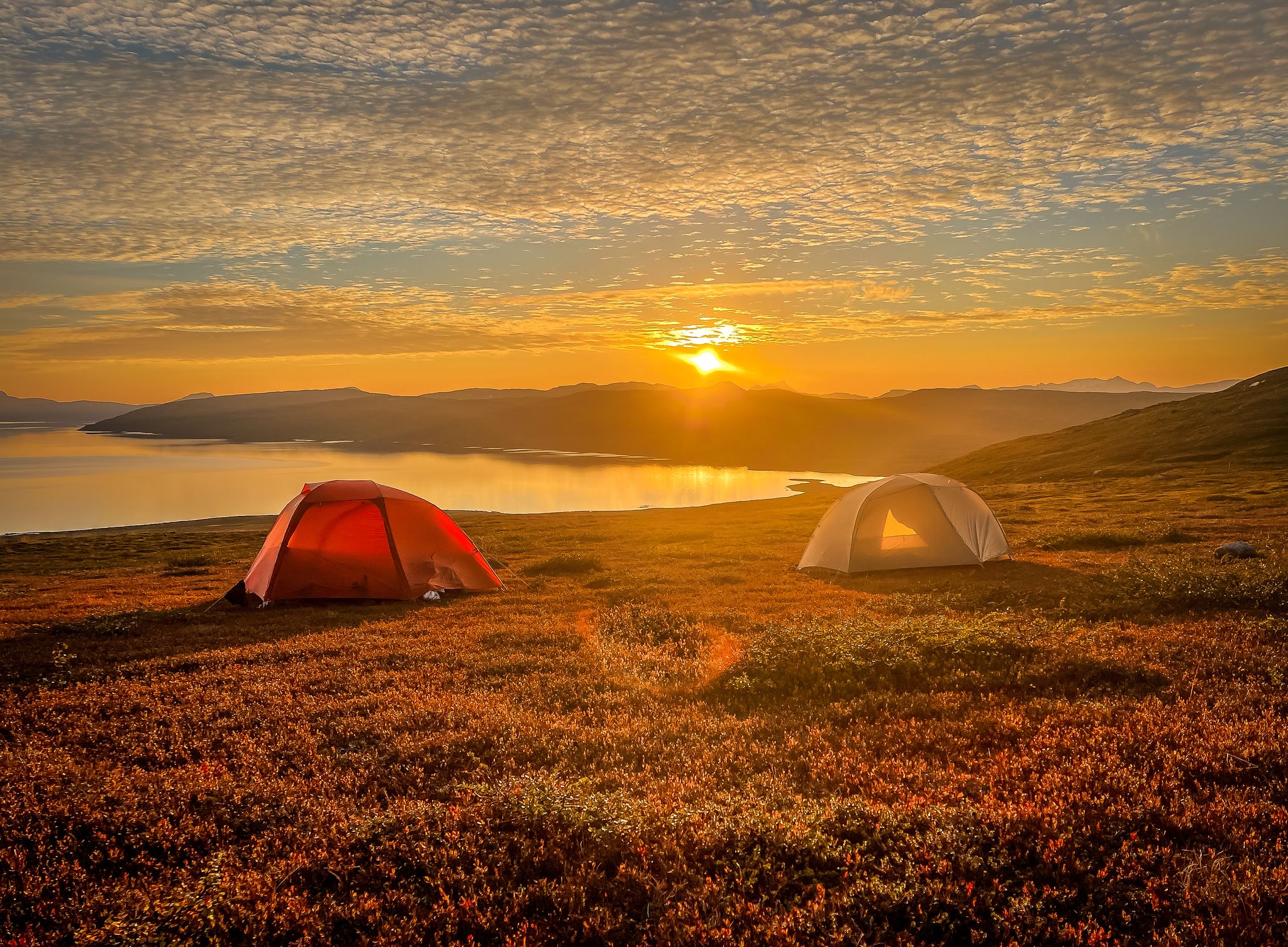
🥾 Padjelantaleden 🇸🇪 — a beginner's hike through Swedish Lapland
Other adventures in Sweden


Tips from the Community

Directly at the large sinkhole with the waterfall, a staircase leads down into the cave. After a few meters, however, standing is no longer possible. From here on, the cave may only be entered with a guide. Tours are currently available on Tuesdays and Saturdays. A phone number is posted on the information board at the parking lot. The price is 1,200 kroner.
11
1

It's worth following the path for 2 kilometers to Storgruvan ("Great Pit"). The Källargruvan copper mine in the Mangen area was in operation from the 16th century until the early 20th century. The ore contained primarily chalcopyrite, from which only a few percent of copper could be extracted. Mining resulted in large waste dumps, and the shafts are now mostly filled with water. Oxidation led to the formation of striking blue-green shimmering minerals such as malachite and azurite in the mines.
0
0

Be careful with the ceiling height. Keep your head down.
1
0

Beautiful walk with starting point along the famous Vildmarksvägen at the Ankarvattnet. You mainly walk on boardwalks until you reach the waterfall. The water disappears into the cave system and here is also the entrance to the famous Koralgrottan. The cave system is almost six kilometers long and also the longest in Sweden. It is NOT allowed to enter the cave without an experienced guide. This is only possible in the summer period. A few minutes further up there is a hut with barbecue facilities where you can perfectly rest.
1
0

At the bottom left of the large information board is a small wooden box. It contains a trilingual flyer about Taberg (Swedish, English, and German), as well as a seasonal program of attractions around Jönköping.
0
0
Frequently Asked Questions
What are some historically significant caves or mines to visit in Sweden?
Sweden offers several sites with rich history. The Tilas Stoll Mine Tunnel is a 26-meter-long historical mining tunnel, excavated starting in 1767. The Silver Cave (Silvergrottan) in Kullaberg has traces of Stone Age and Bronze Age inhabitants and was historically used by fishermen and smugglers. Additionally, the Tuna-Hästberg Adventure Mine is a centuries-old iron mine repurposed for exploration.
Are there any family-friendly caves or rock formations in Sweden?
Yes, several locations are suitable for families. The Trollberget rock formations feature huge rocks and many small caves, with a covered rest area and barbecue facilities nearby. The Taberg Mine is also categorized as family-friendly, offering an accessible historical experience.
What kind of natural features can I expect to see in Swedish caves?
Swedish caves showcase diverse natural formations. Korallgrottan, for example, is known for its ceiling covered with formations resembling corals and features large chambers like the 'Sandbädden' and 'Sandpalatset'. Other caves, like those in Kullaberg, are natural grottoes formed in steep cliffs overlooking the sea. You can also find unique rock grottoes and formations shaped by geological processes.
What is the longest cave in Sweden and how can I visit it?
Korallgrottan (The Coral Cave) is considered the longest cave in Sweden, stretching almost six kilometers. It offers a largely unaltered caving experience. Access is only possible through guided tours during the summer months, which typically include an eight-kilometer hike to and from the cave, making it a full-day adventure. The Korallgrottan Cave Entrance and Waterfall highlight provides more information on tours.
Are there caves in Sweden that require special equipment or guided tours?
Yes, some caves, particularly more extensive systems like Korallgrottan, require guided tours and specialized equipment due to their challenging nature and length. For instance, the Korallgrottan can only be entered with a guide past the initial entrance. Other sites, like the Lasse-Maja Cave, are accessible via a simple wooden ladder but may require a flashlight or headlamp for deeper exploration.
Can I find hiking trails near caves in Sweden?
Many caves in Sweden are situated within natural areas that offer hiking opportunities. For example, the Kullaberg Nature Reserve, home to the Silver Cave (Silvergrottan), features various trails. You can explore a range of hiking options across the country by visiting the Hiking in Sweden guide, which includes routes like 'Around Lake Kävsjön' and 'Trehörningsrundan'.
What other outdoor activities can I do near Swedish caves?
Beyond caving and hiking, Sweden's diverse landscape offers various outdoor activities near cave sites. You can find mountain biking trails, such as those listed in the MTB Trails in Sweden guide, including 'Högbo MTB 10 Trail'. For more challenging adventures, explore mountain hikes like those in the Mountain Hikes in Sweden guide, which features routes like 'Via Ferrata to Skuleberget'.
Are there any caves in Sweden with unique geological features?
Yes, Sweden is home to caves with distinct geological characteristics. Korallgrottan is named for its coral-like formations on the ceiling. The Högklint Cliffs on Gotland, while not a cave itself, features a cave called Rövare Liljas Håla, set within a spectacular limestone cliff rising 46 meters from the sea. The Rådhuset Metro Station in Stockholm, though man-made, is notable for its cave-like aesthetic, carved into natural bedrock with exposed reddish-brown walls.
What is the best time of year to visit caves in Sweden?
The best time to visit caves in Sweden often depends on the specific cave and your preferred activity. Many natural caves, especially those requiring guided tours like Korallgrottan, are typically accessible during the summer months. Some historical mines or more accessible grottoes might be open year-round, but it's always advisable to check specific opening times and conditions, especially during winter when ice and snow can affect access.
Are there any caves in Sweden associated with folklore or legends?
Yes, some Swedish caves are steeped in local folklore. The Snuvestuan (Cottage of the Hulder) is a mythical cave said to be inhabited by a forest enchantress from Scandinavian folklore. The Lasse-Maja Cave is also linked to the legendary Swedish thief Lasse-Maja, adding a layer of historical intrigue to its exploration.
Can I visit caves that are remnants of past mining activities in Sweden?
Absolutely. Sweden has a rich mining history, and several caves are former mines or related structures. The Tilas Stoll Mine Tunnel is a prime example of an old mining tunnel. The Silver Cave (Silvergrottan) in Kullaberg is also a remnant of past mining activity. The Tuna-Hästberg Adventure Mine is another significant site that was once an iron mine.
What should I wear when exploring caves in Sweden?
When exploring caves in Sweden, it's generally advisable to wear sturdy, comfortable shoes with good grip, as surfaces can be uneven and slippery. Layers of clothing are recommended as cave temperatures can be cooler than outside, even in summer. For darker caves, a headlamp or flashlight is essential. For guided tours into more extensive systems, specific safety gear might be provided or required, so always check with the tour operator beforehand.
Most popular routes in Sweden
Most popular attractions in Sweden

Get inspired with the komoot mobile app


Didn’t find what you were looking for?
Discover more caves in Sweden region by region:
Explore more
Extend your search for the best caves by checking out these guides of the top ones in Sweden:
