Top 20 Caves in Poland
Caves in Poland offer diverse geological formations, rich history, and natural landscapes. The country features a variety of underground sites, from limestone karst caves in the Tatras and Sudetes to historical salt mines and sandstone excavations. These natural features are concentrated in regions like the Tatra Mountains, Sudetes, and the Kraków-Częstochowa Jurassic Region. Many caves provide insights into ancient human habitation and unique geological processes.
Best caves in Poland
- The most popular caves is Okiennik Wielki, a natural monument that features a rock with a "window" measuring approximately 7 × 5 meters. Archaeological findings indicate prehistoric human habitation in a natural cave below the window.
- Another must-see spot is Sylwester Shaft (Szyb Sylwester), a historical site. Visitors can explore this adit by boat, observing small stalactites and original parts of the adit carved in dolomite rock.
- Visitors also love St. Kinga's Chapel, Wieliczka Salt Mine, a religious building. This gigantic underground chapel features sculptures, paintings, and works of art carved entirely from salt, making it a UNESCO World Heritage Site.
- Poland is known for limestone karst caves, historical salt mines, and sandstone excavations. These sites offer a variety of underground experiences, from natural formations to man-made historical tunnels.
- The caves in Poland are appreciated by the komoot community, with more than 160 upvotes and 90 photos shared by visitors.
Last updated: October 9, 2026
Okiennik Wielki
Highlight • Natural Monument
According to historians, around the 12th – 13th centuries, at the foot of the rocks, there was a fortified town with a wooden structure; traces of the walls were still visible in the 19th century. The rock with the rock window was a keep, the walls were reinforced with a rampart. The entrance led through a natural chimney in the rock. There is a carved hole in the rock window, which was probably used to fasten the structure made of wooden logs that covers the rock window.
In a natural cave below the window, archaeologists have found flint tools dating back about 60,000 years, i.e. the Middle Palaeolithic. They testify that the cave was then inhabited by prehistoric people. Archaeologists included them in the Mikocko-Prądnik culture.
pl.wikipedia.org/wiki/Okiennik_Wielki
Translated by Google •
Tip by

Mylna Cave
Highlight • Cave
Total length of the aisles is 1600 meters. A marked hiking trail runs through the cave and connects the two entrances to the cave.
The so-called traverse (crossing) is about 300 meters long
and feasible for almost every man with a good light source.
Translated by Google •
Tip by

Sign up now to discover places like this
Get recommendations on the best single tracks, peaks, & plenty of other exciting outdoor places.
Sylwester Shaft (Szyb Sylwester)
Highlight • Historical Site
The tourist route runs between the shafts "Ewa" (adit shaft no. 13 of the Deep Adit "Fryderyk"; depth 20 m) and "Sylwester" (adit shaft no. 17; depth 30 m). During the trip, which takes place by boat, you can observe the small stalactites that are being formed today and the original parts of the adit sidewalk carved in the dolomite rock.
Visiting the facility begins with going down the winding stairs to the underground marina located in the shafts "Ewa" or "Sylwester" (swing movement). Several dozen meters underground, tourists get into a boat and, under the light of lamps, swim a distance of 600 m - until 2018 the longest underground boat flow in Poland. The guide, pushing the boats away from the side walls, tells about the history of mining in Tarnowskie Góry. Due to the variable terrain profile, the adit is situated at a depth of 20–30 m. The width of the adit ranges from 1.2 to 2.5 m, its height is up to 4 m, and the water depth is from 0.7 to 1 m.
pl.wikipedia.org/wiki/Sztolnia_Czarnego_Pstr%C4%85ga
sztolniapstraga.pl
Translated by Google •
Tip by

Ewa Shaft (Szyb Ewa) – Black Trout Adit Entrance
Highlight • Historical Site
The tourist route runs between the shafts "Ewa" (adit shaft no. 13 of the Deep Adit "Fryderyk"; depth 20 m) and "Sylwester" (adit shaft no. 17; depth 30 m). During the trip, which takes place by boat, you can observe the small stalactites that are being formed today and the original parts of the adit sidewalk carved in the dolomite rock.
Visiting the facility begins with going down the winding stairs to the underground marina located in the shafts "Ewa" or "Sylwester" (swing movement). Several dozen meters underground, tourists get into a boat and, under the light of lamps, swim a distance of 600 m - until 2018 the longest underground boat flow in Poland. The guide, pushing the boats away from the side walls, tells about the history of mining in Tarnowskie Góry. Due to the variable terrain profile, the adit is situated at a depth of 20–30 m. The width of the adit ranges from 1.2 to 2.5 m, its height is up to 4 m, and the water depth is from 0.7 to 1 m.
pl.wikipedia.org/wiki/Sztolnia_Czarnego_Pstr%C4%85ga
sztolniapstraga.pl
Translated by Google •
Tip by
Nagórzyce Caves
Highlight • Cave
Translated by Google •
Tip by

St. Kinga's Chapel, Wieliczka Salt Mine
Highlight • Religious Site
The enormous chandelier, the pulpit, the altar, the religious images on the wall, even the floor and the pews—everything is made of salt.
Rightly so, the salt mine has been a UNESCO World Heritage Site since 1978.
A visit is well worth it!
Translated by Google •
Tip by

Queen Louise Adit
Highlight • Historical Site
Underground tourist routes are the greatest treasure of the Adit. It is a real journey through time
and space. Due to the richness and diversity of mining pits, and thus depending on the selected variant, a tourist may:
- meet the inhabitants of the underground, they are said to be quite friendly, but those who do not check by themselves will not find out,
- visit the largest underground park of large-scale mining machines in Europe, they still work and can make a lot of noise!
- go on a journey with the Karlik mining railway,
- traverse a coal seam with a thickness of more than 6 meters,
and also have a unique opportunity to take advantage of a one-of-a-kind attractions - underground rafting, the longest section of the adit in Europe, waiting on the Underground Water Route.
One of the most recognizable buildings in the above-ground part of the complex is the building of the former Łaźnia Lancuszkowa. In the Carnall area there are also other historic buildings of the former Queen Louise mine. From September 2020, one of them has a real gem of technology - an active, historic steam engine from 1915. It is one of the few in the world still operating under steam.
zabytkitechniki.pl/poi/1703/sztolnia-krolowa-luiza-strefa-carnall
sztolnialuiza.pl/index.php/pl
Translated by Google •
Tip by
Piekło Cave
Highlight • Cave
Where does this name come from? Apparently the locals gave it the name "Piekło" because devils were supposed to fly out of its interior. The cave has sculptures of devils made by Krzysztof Jasiński.
Translated by Google •
Tip by

Łokietek Cave
Highlight • Cave
Translated by Google •
Tip by

Toepffer's Grotto
Highlight • Structure
Translated by Google •
Tip by

Sign up for free to discover even more caves in Poland.
Already have an account?
Start today with a free account
Your next adventure awaits.
Popular around Poland
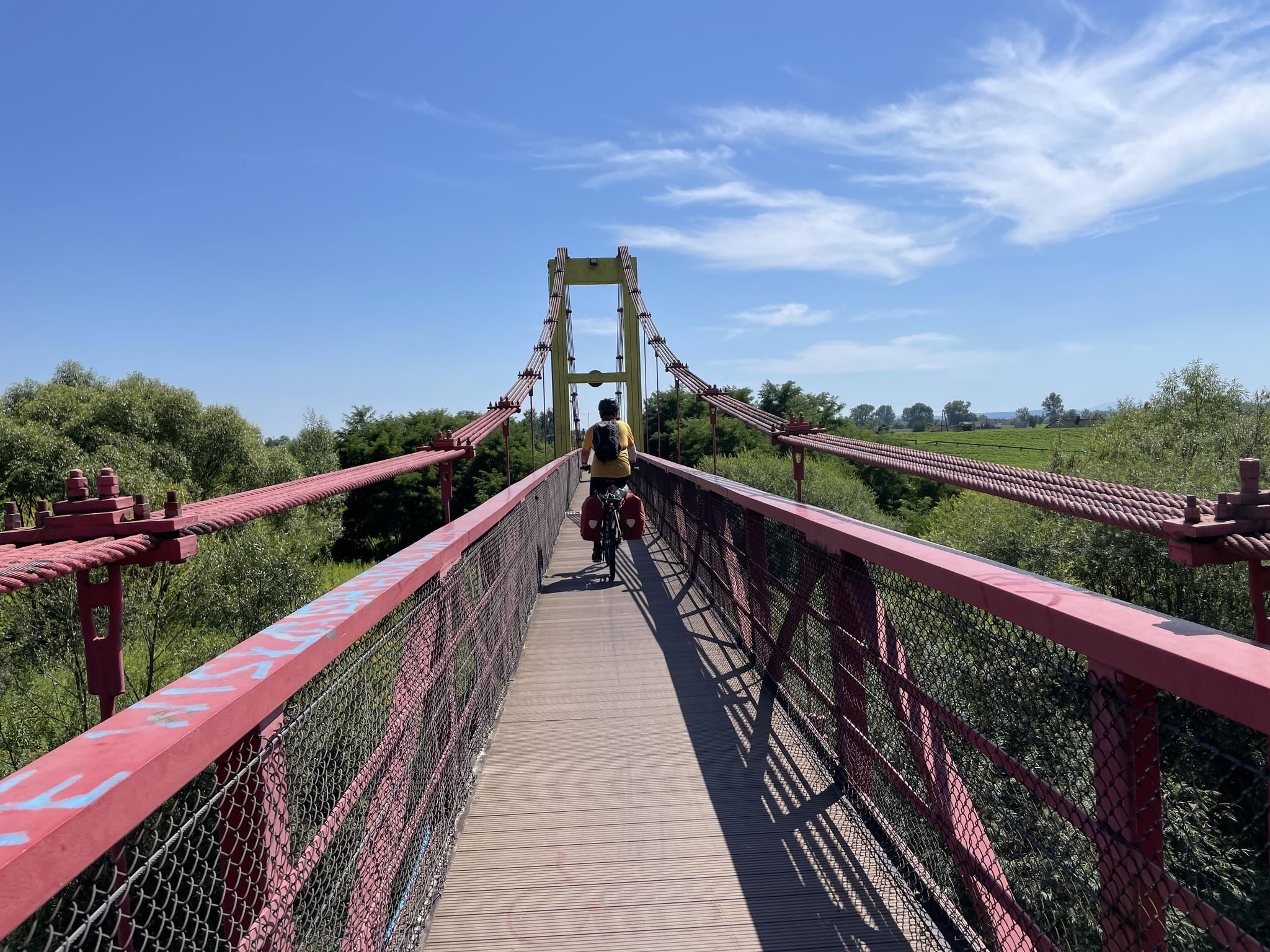
EuroVelo 4 (section in Poland) – Wonderful Vistula river vibes and historic Polish cities
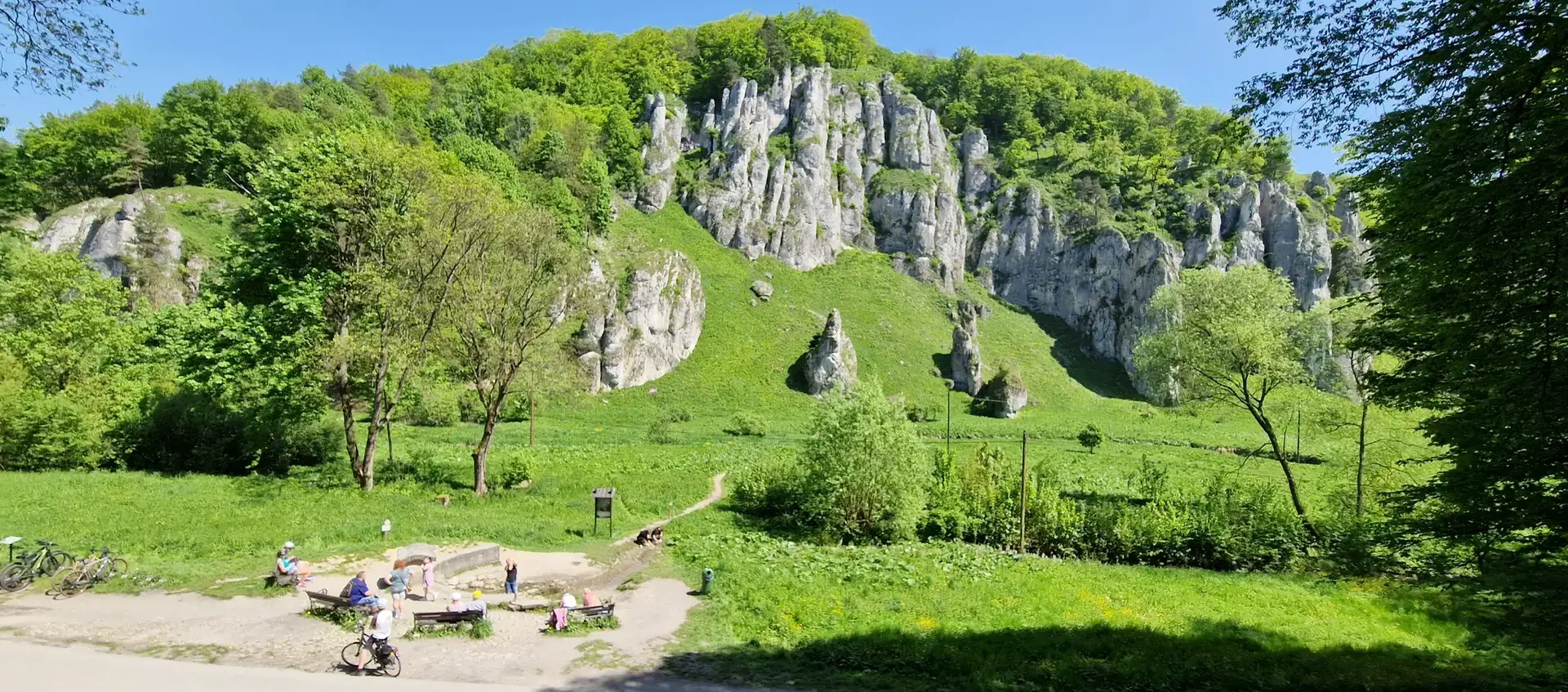
Bike Pilgrimage on the Royal Route – St. James' Way via Regia
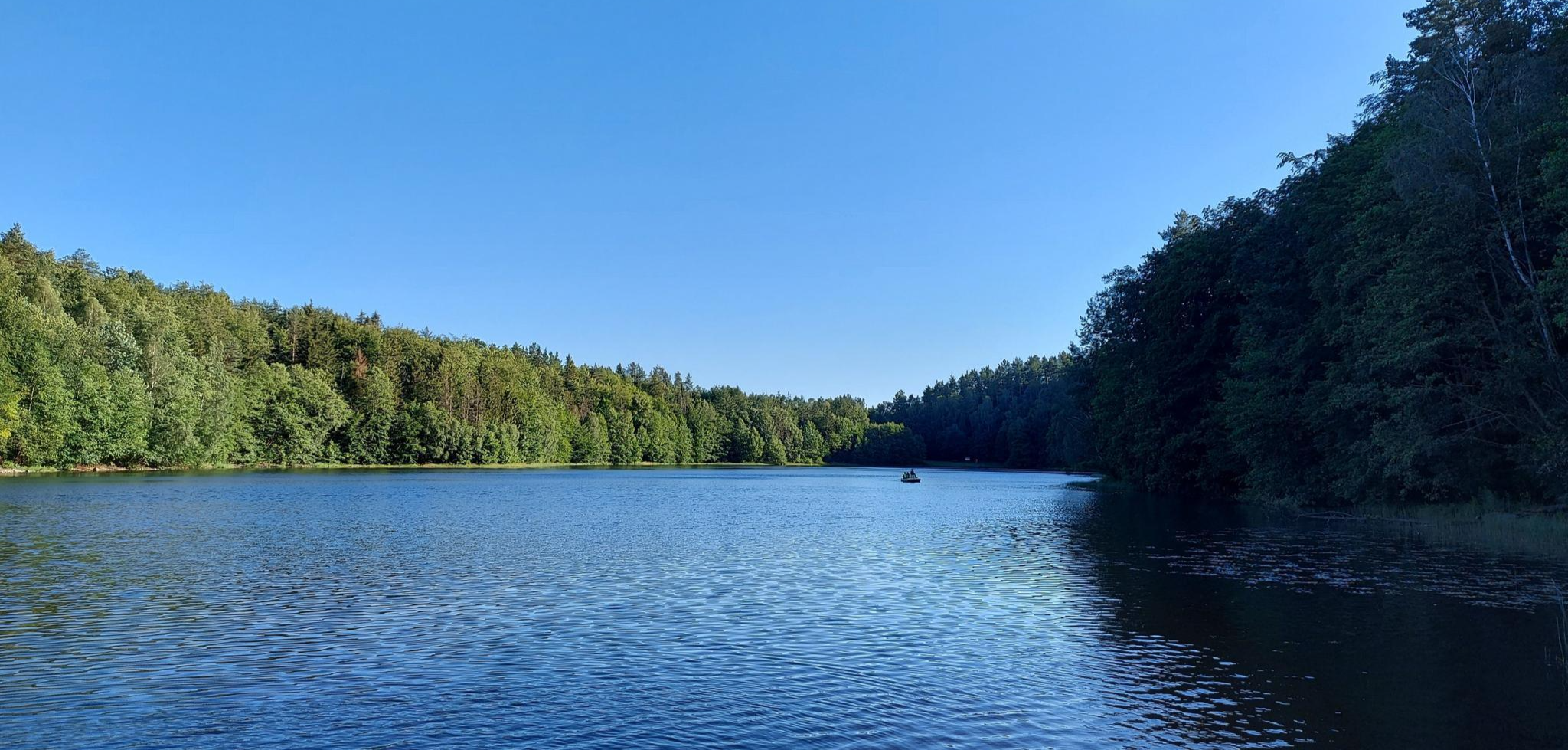
Kashubian Trail - captivating landscapes and beautiful lakes
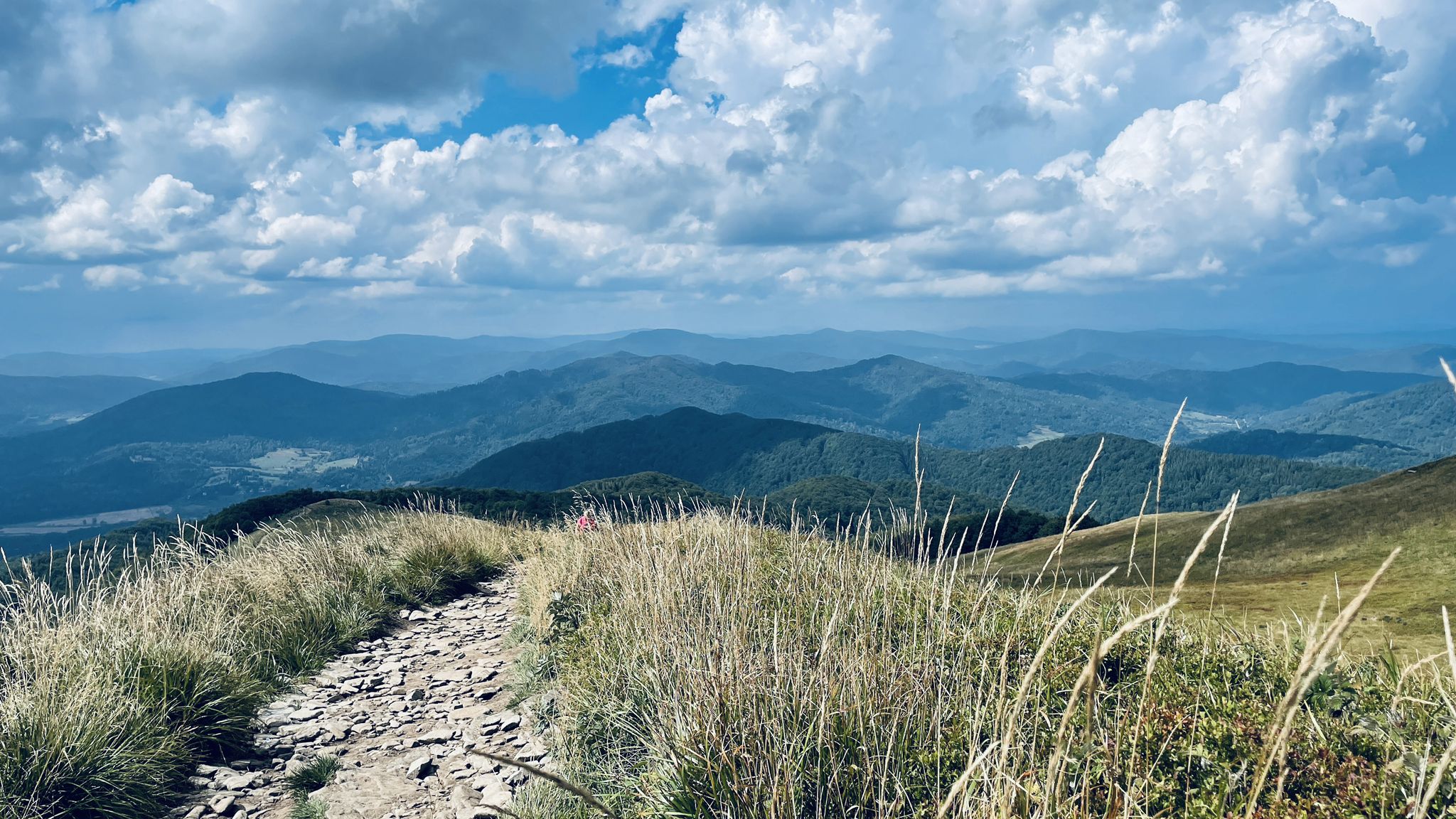
Main Beskids Trail — the longest Polish Mountain Trail

Seaside Trail – the beauty and majesty of the Baltic beaches
The Main Sudeten Route – a great Polish mountain adventure
Trail of the Eagle's Nests — Magnificent Castles of Kazimierz Wielki and beautiful Grottos and Rocks
Warta River Cycle Route – Through the Green Heart of Greater Poland
Vistula Cycle Route – The Queen of Polish Rivers in the Spotlight
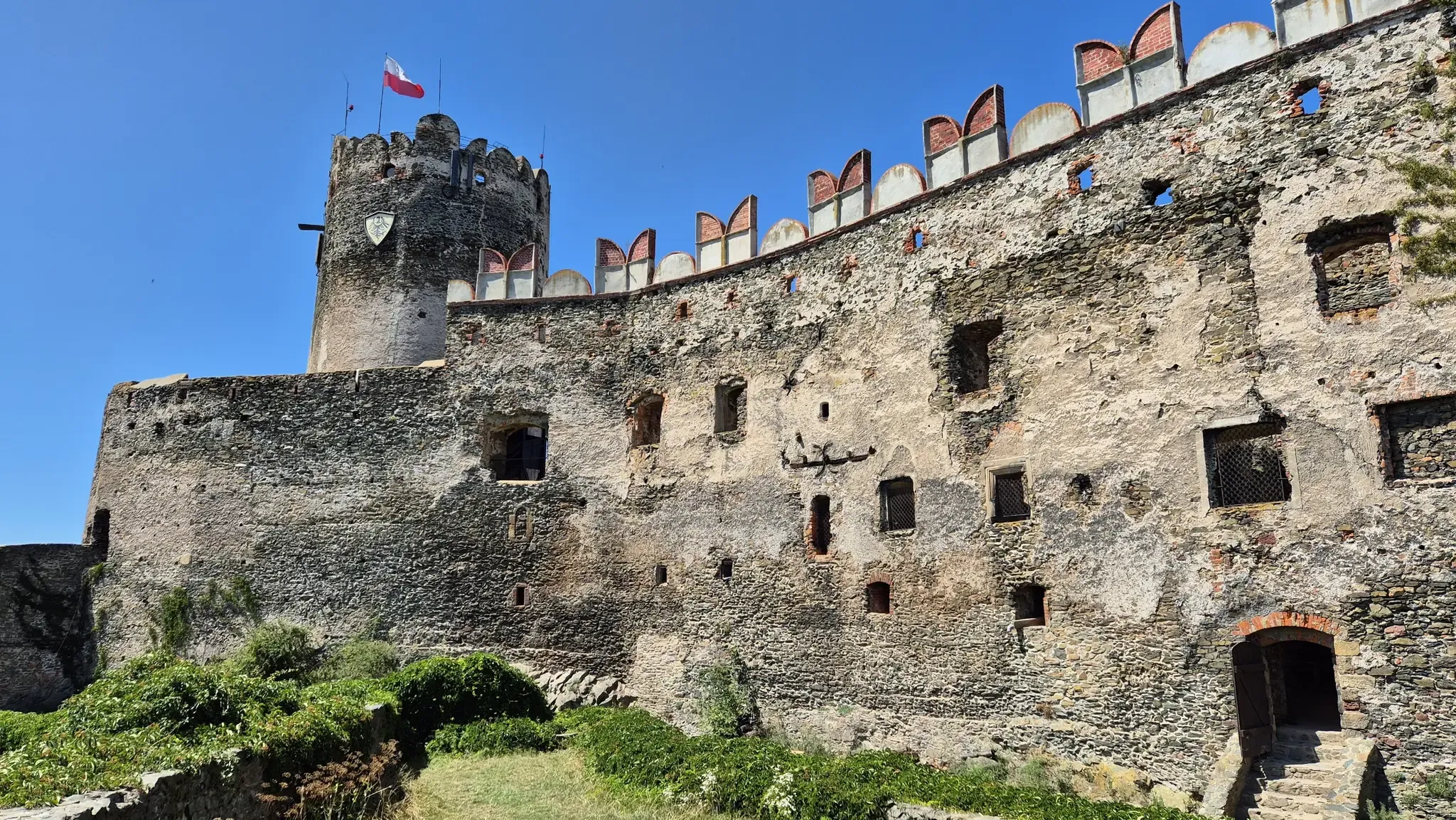
Piast Castles Trail – Great strongholds of Sudety
Other adventures in Poland


Tips from the Community

Very nice cave, though expect some crawling as the ceiling is very very low in some spots
0
0

Groty w Nagórzycach The Nagórzyce Caves (municipality of Tomaszów Mazowiecki) and, on the other side of the Pilica river, the Biała Góra Cave (Smardzewice) are artificial underground excavations, formed in Cretaceous sandstones, where rocks were mined from the mid-19th century, initially probably for construction purposes, and later for the needs of the glass industry. Guaranteed coolness! source Łódź.pl
0
0

I wasn't inside, but from the outside it looks nice.
0
0


It's worth going there, but remember that the Cave itself is unlit, wet in places, and very cramped... and it was used as a location for shots for the new Mr. Kleks.
0
0

This artificial grotto is unique in Poland, as no similar structures are known in Poland or even Europe. It was built in 1888 at the behest of Albert Eduard Toepffer, owner of the nearby chalk mine and Portland cement factory "Stern," and son of the factory's founder, Gustav Adolf Toepffer. Along with the grotto, a reinforced concrete arch was built, situated next to the concrete arch built on this site in 1880. Both arches, standing parallel, formed the foundation for the added pagoda-shaped pavilion. Both arches had the same span and height, but the newer arch, made of a more modern and durable material, had a cross-sectional area approximately ten times smaller. Both structures supported the same weight, thus emphasizing the innovative nature of the new construction method. The pagoda served as an orchestra pit for dances and balls held here. Neither the pagoda nor the younger arch survived to this day – they were dismantled due to poor technical condition at the turn of the 1970s and 1980s. The interior of the cave replicated natural limestone caves, with stalactites, stalagmites, and stalagnates. Inside the cave, there is a staircase that once led to the winter garden located above the cave. Until 2012, the cave housed a restaurant. Today, it houses the Szczecin Adventure Association "Za horyzont," which occasionally opens the cave to visitors.
1
1

An absolutely enchanting chapel made entirely of salt, with replicas of significant events like the Last Supper. Salt is as hard as stone but brittle, making it all the more remarkable that the miners created such works of art.
4
0
A gigantic cave that serves as a chapel... with sculptures, paintings, and works of art carved into the salt. A fantastic experience.
5
0
Frequently Asked Questions
What are some of the most geologically interesting caves to visit in Poland?
Poland offers several caves with remarkable geological features. Okiennik Wielki is a natural monument featuring a unique rock with a large 'window' formation. Jaskinia Raj (Paradise Cave) is renowned for its extraordinarily rich and diverse speleothems, including rare cave pearls. Jaskinia Niedźwiedzia (Bear Cave) in the Sudetes is celebrated for its exceptionally well-preserved and varied flowstone formations, such as majestic stalagmites and calcite curtains.
Which caves in Poland have significant historical or archaeological importance?
Several Polish caves offer a glimpse into history. Okiennik Wielki has archaeological findings indicating prehistoric human habitation. Jaskinia Raj also shows evidence of Neanderthal man inhabiting the cave around 40,000 years ago. Łokietek Cave in Ojców National Park is steeped in legend, as King Władysław Łokietek is said to have hidden there, and it's an important archaeological site. The Nagórzyce Caves are 18th-century excavations from an underground quartz mine.
Are there family-friendly caves to explore in Poland?
Yes, several caves are suitable for families. Nagórzyce Caves and Queen Louise Adit are both categorized as family-friendly. Łokietek Cave, with its historical legends, also offers an engaging experience for families.
What unique experiences can I have in Polish caves, beyond typical walking tours?
For a unique experience, consider the Sylwester Shaft (Szyb Sylwester), where you can explore an adit by boat, observing small stalactites. Jaskinia Niedźwiedzia offers an extreme tour option for those interested in exploring parts beyond the standard tourist route. The St. Kinga's Chapel within the Wieliczka Salt Mine provides a truly unique visit to a gigantic underground chapel carved entirely from salt.
What should I know about visiting Mroźna Cave in the Tatra National Park?
Mroźna Cave, or Frosty Cave, is known for its cool temperatures and 'frost-like' formations. After recent renovations, artificial lighting was removed, so visitors are advised to bring their own flashlights, with headlamps being recommended due to tight passages. A typical tour takes 20-40 minutes through its main corridor.
What outdoor activities can I do near the caves in Poland?
Many caves are situated in regions offering diverse outdoor activities. For instance, near various cave locations, you can find numerous hiking trails, including challenging routes in the Tatra National Park. There are also running trails and mountain hikes available throughout Poland, particularly in the Sudetes and Tatra Mountains where some caves are located.
What is the best time of year to visit caves in Poland?
Many caves, like Smocza Jama and Jaskinia Łokietka, are open seasonally, typically from April to October. While the internal temperature of caves remains relatively constant year-round (e.g., 6-9°C), seasonal closures are common, especially in winter. It's best to check specific cave opening times before planning your visit.
What are the temperature conditions inside Polish caves?
Temperatures inside Polish caves are generally cool and stable. Jaskinia Raj maintains a stable 9°C, while Jaskinia Niedźwiedzia and Mroźna Cave are around 6°C. Smocza Jama has an average temperature of 7-8°C. High humidity is also common in most caves.
Is it true that some caves in Poland are associated with legends?
Yes, several caves are rich in folklore. Łokietek Cave is famous for the legend of King Władysław Łokietek hiding from his enemies, supposedly saved by a spider's web. Smocza Jama (Dragon's Den) in Kraków is deeply tied to the legend of the Wawel Dragon. The Piekło Cave is named 'Hell' because locals believed devils flew out of its interior.
What should I bring when visiting caves like Mroźna Cave?
For caves like Mroźna Cave, where artificial lighting has been removed, it is highly recommended to bring your own flashlight, with a headlamp being ideal due to tight passages. Generally, comfortable walking shoes and layers of clothing are advisable for the cool, damp conditions inside most caves.
Are there any caves in Poland known for unique wildlife?
Jaskinia Niedźwiedzia (Bear Cave) is named for the vast number of Pleistocene animal remains found within, particularly those of the cave bear, along with bones of cave lions, hyenas, and wolves. In Smocza Jama, a rare crustacean, Niphargus tatrensis, can be found within its underground pools.
Where can I find a cave that is a UNESCO World Heritage Site?
The Wieliczka Salt Mine, which includes the magnificent St. Kinga's Chapel carved entirely from salt, has been a UNESCO World Heritage Site since 1978. While not a natural cave, it offers an extraordinary underground experience.
Most popular routes in Poland
Most popular attractions in Poland

Get inspired with the komoot mobile app


Didn’t find what you were looking for?
Discover more caves in Poland region by region:
Explore more
Extend your search for the best caves by checking out these guides of the top ones in Poland:
