Top 5 Caves around Saint-Hubert
Best caves around Saint-Hubert are found in the surrounding Ardennes region, which offers a landscape characterized by geological formations and subterranean river systems. This area serves as a central point for exploring some of Belgium's notable cave networks. The region's limestone geology has facilitated the formation of extensive underground chambers and passages. These natural features provide insights into the geological history of the area.
Best caves around Saint-Hubert
- The most popular caves is Chantoir de Laide Fosse, a cave…
Last updated: June 26, 2026
Lorette-Rochefort Cave
Highlight • Cave
Translated by Google •
Tip by

Tramway of the Caves of Han
Highlight • Structure
Translated by Google •
Tip by

Sign up now to discover places like this
Get recommendations on the best single tracks, peaks, & plenty of other exciting outdoor places.
Sign up for free
Han Caves
Highlight • Cave
Translated by Google •
Tip by

Chantoir de Laide Fosse
Highlight • Cave
Tip by

Grotto of Little Maria
Highlight • Cave
Those who need it can share a moment with her here.
Translated by Google •
Tip by

Start today with a free account
Your next adventure awaits.
Login or Signup
Popular around Saint-Hubert

Hardennes Gravel Tour by Resist & Ride - 700 kilometers of unpaved adventure
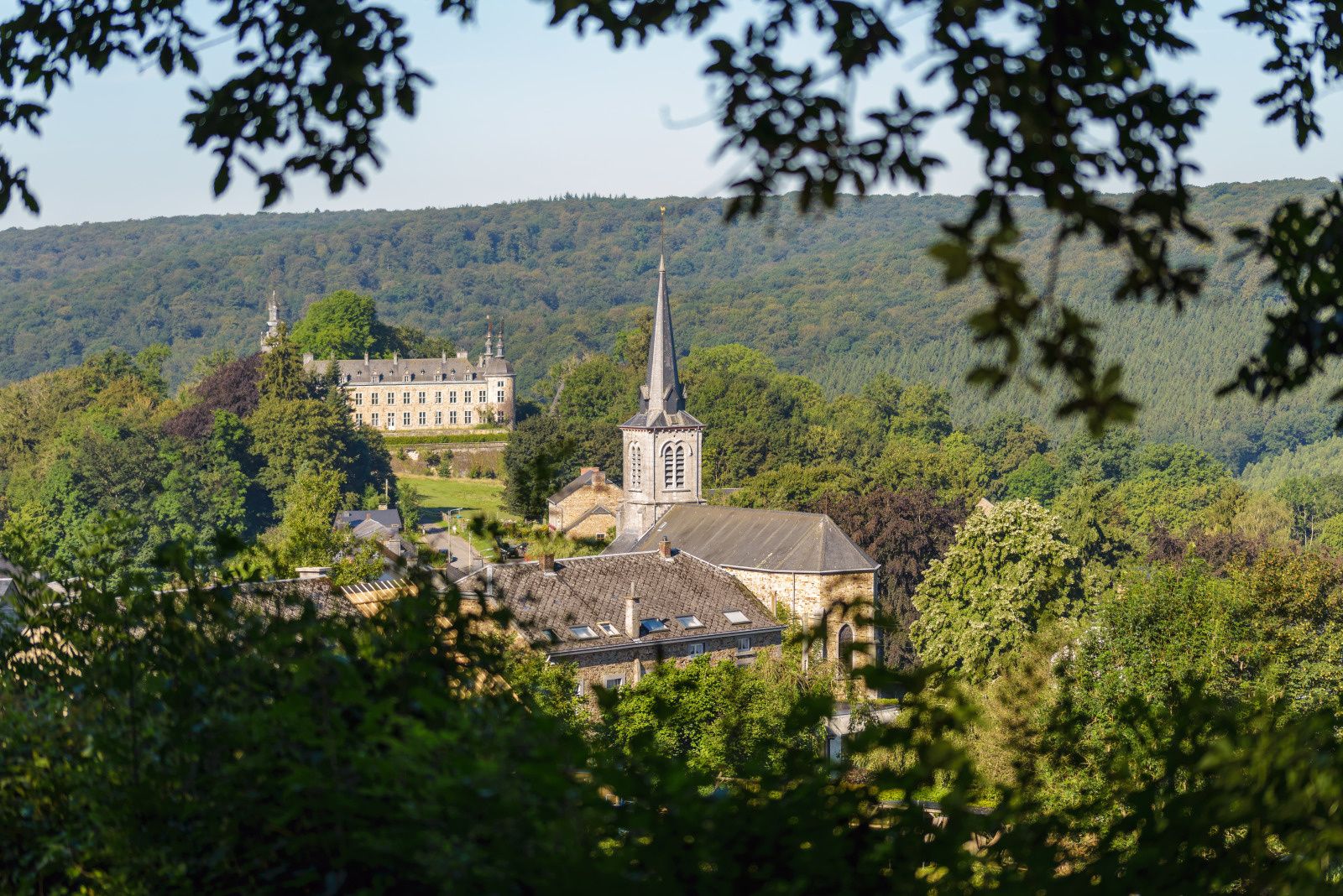
Train & Sac à dos: hiking between stations in southern Belgian forests
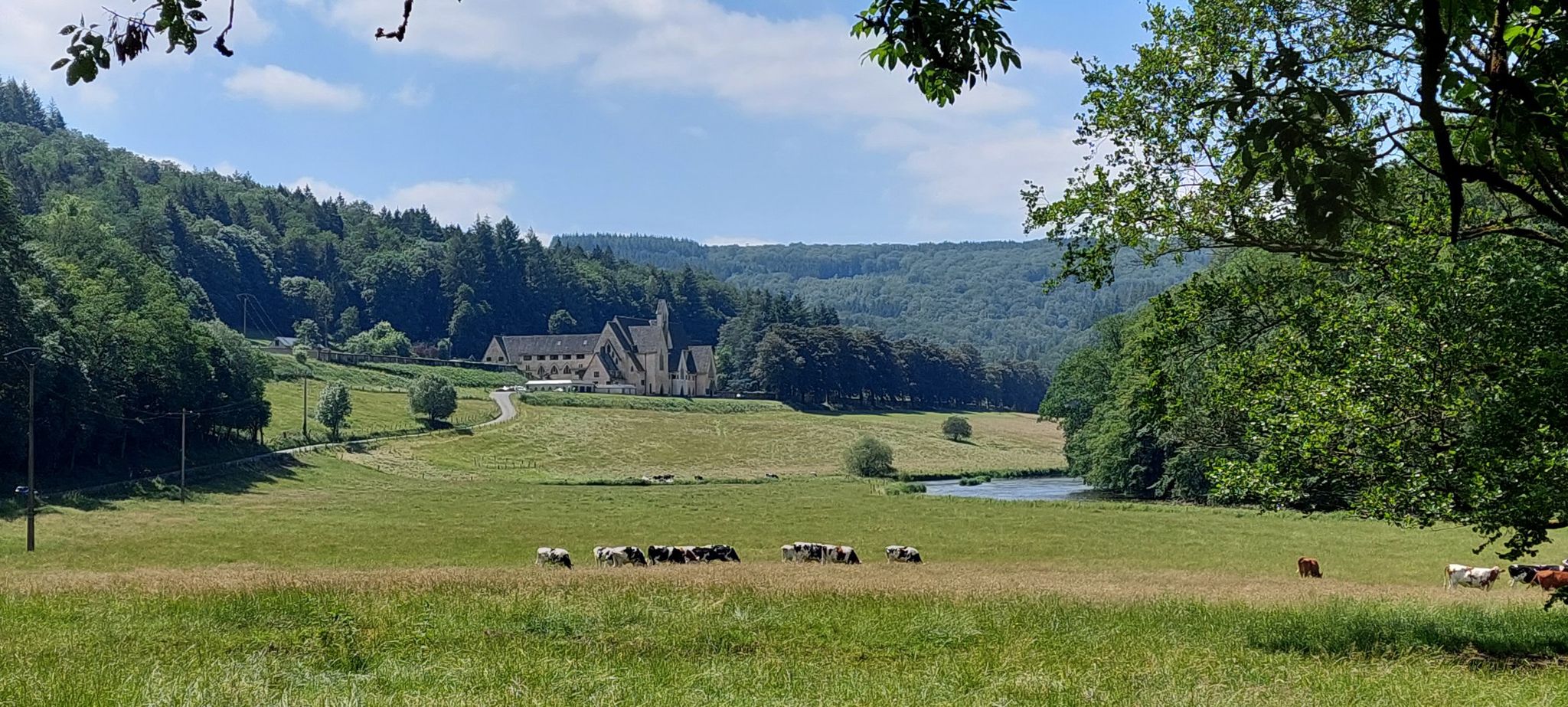
The great crossing of the Belgian Ardennes — La Transardennaise
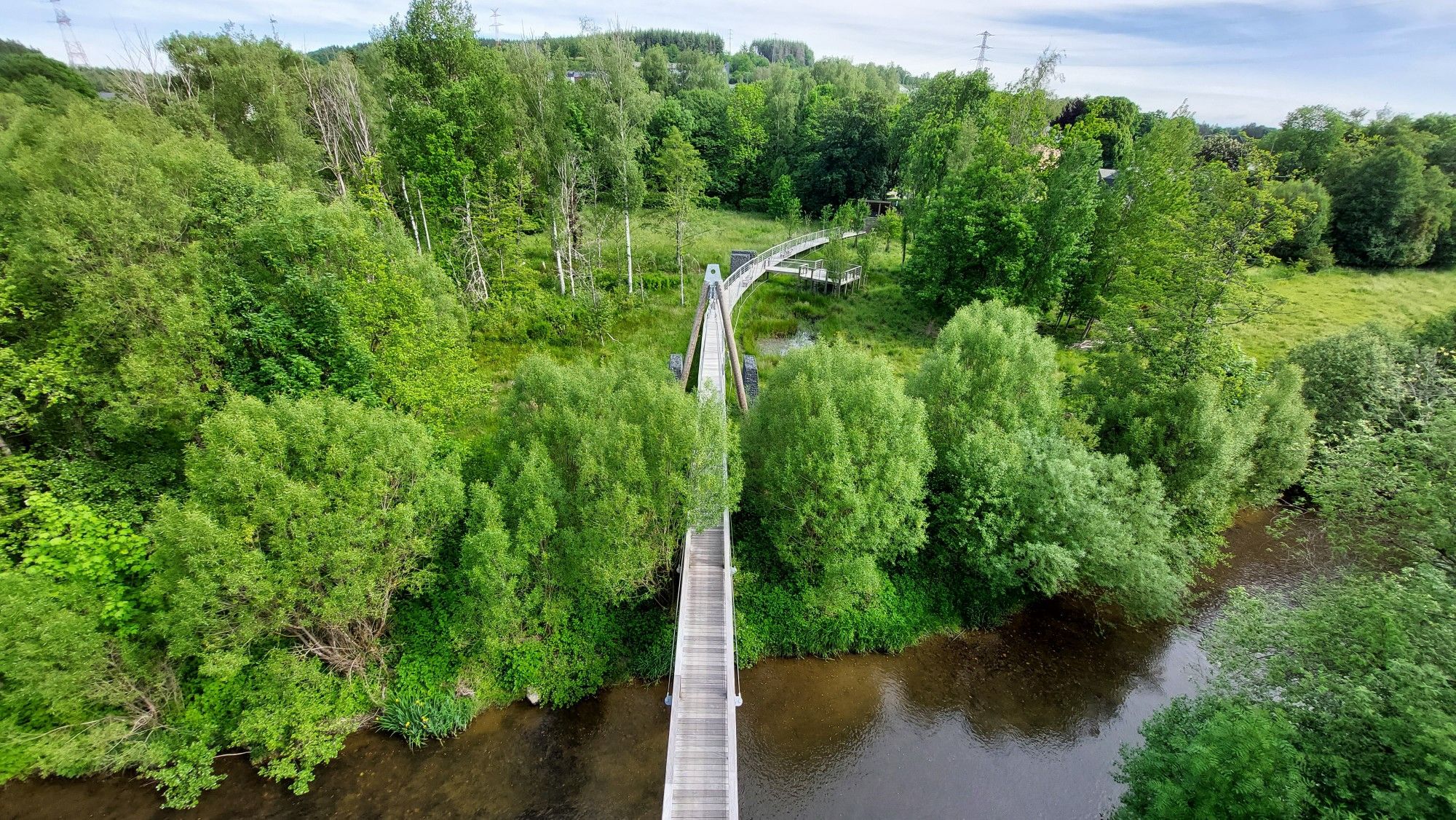
A Tour of Belgian Luxembourg — the greenest province of the kingdom
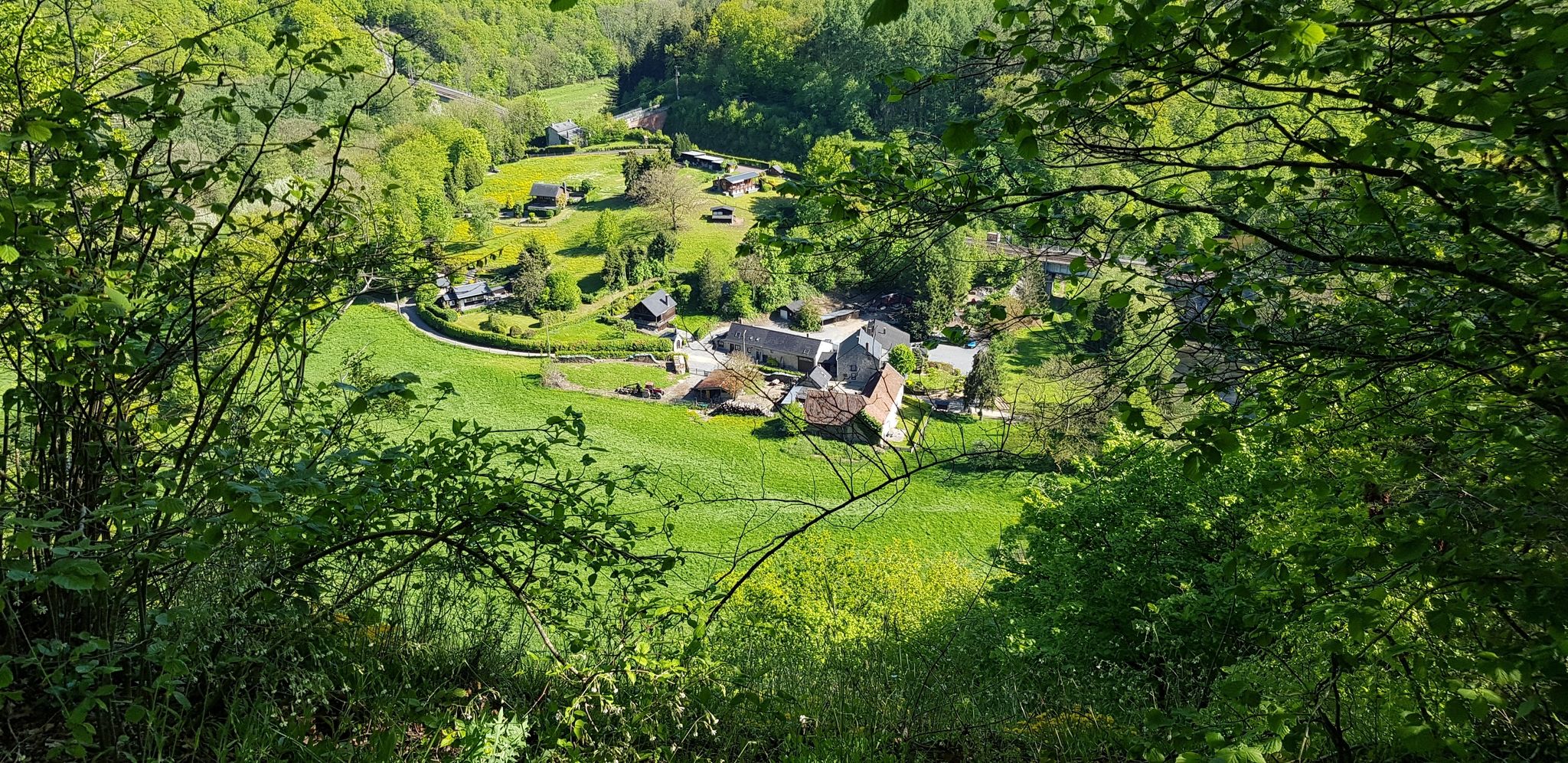
To the abbeys of Belgium — la Cyclotrappiste
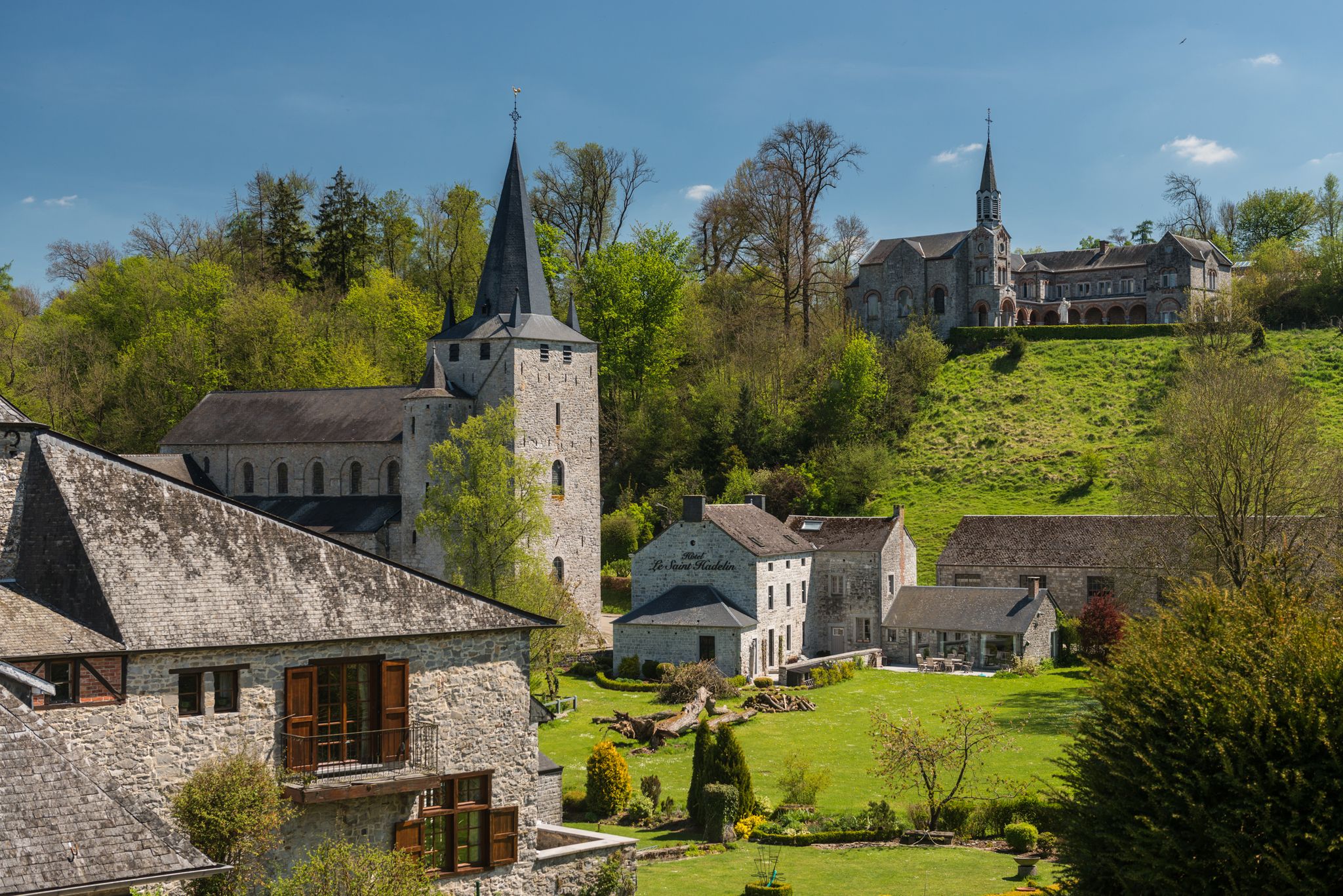
Walks in the Belgian Ardennes — historic walls & magical forests
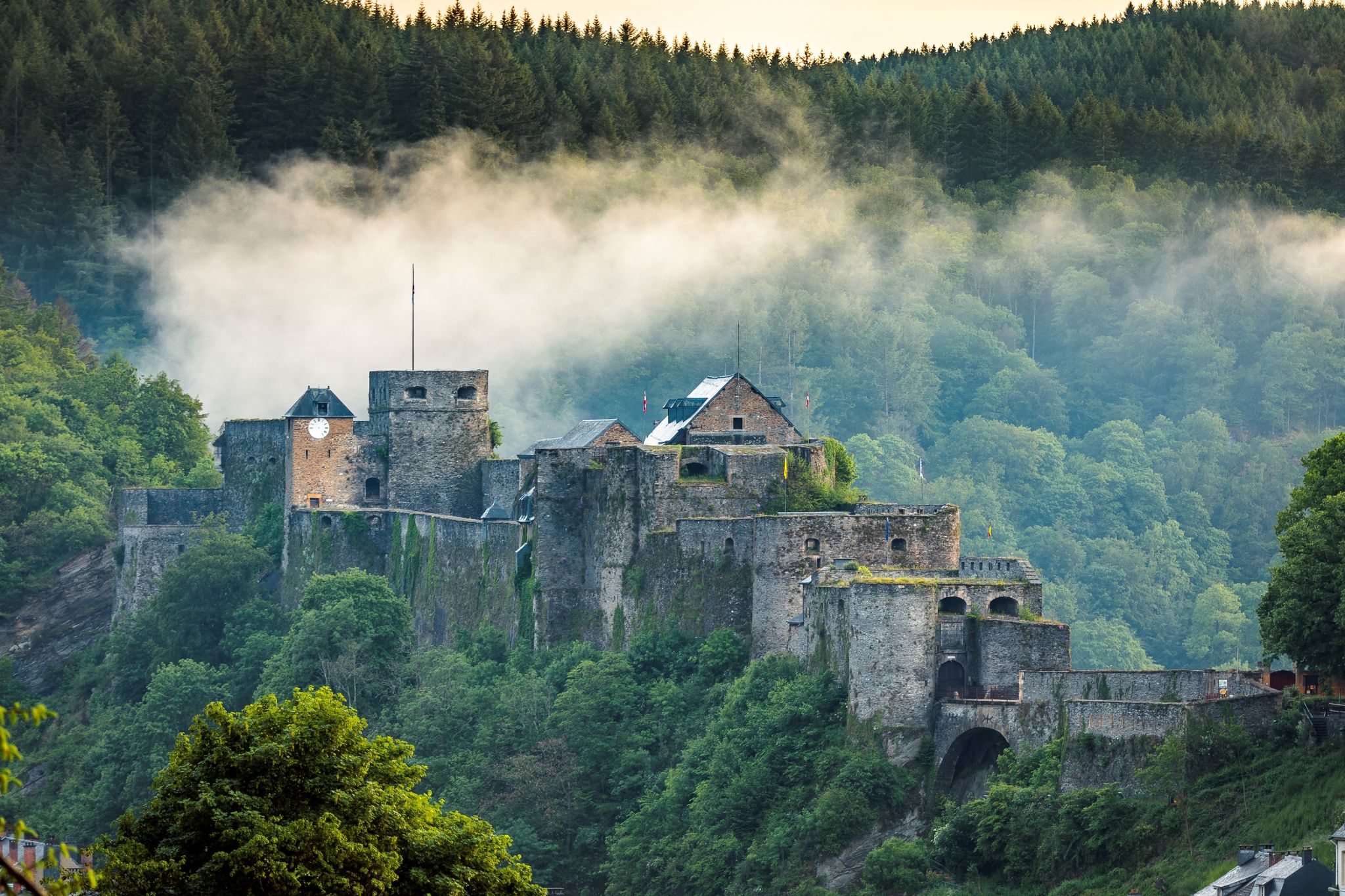
Hiking along majestic castles and nature – Belgian Ardennes

Op twee wielen door Wallonië en de Ardennen – Geschiedenis en natuur
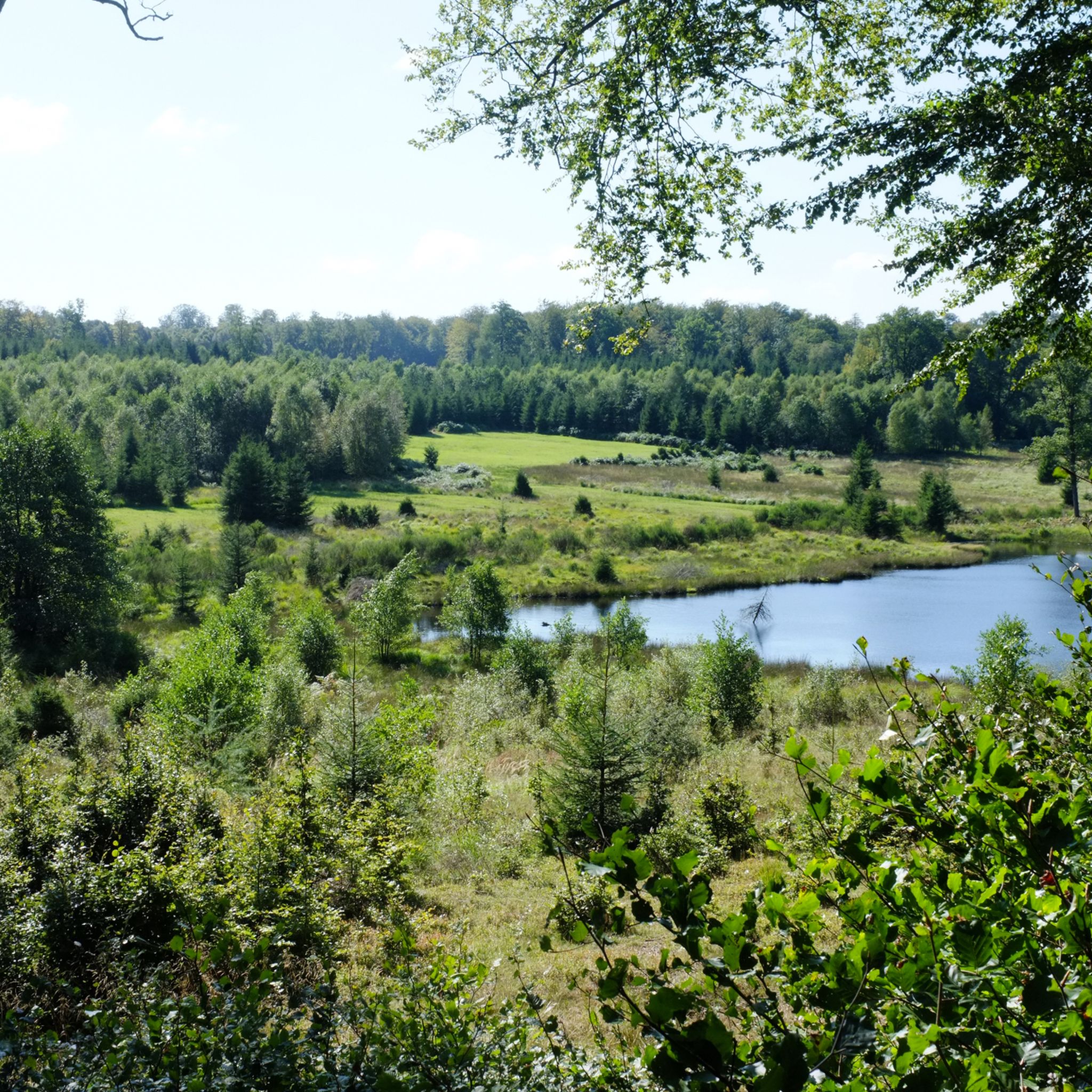
Hiking around Saint-Hubert
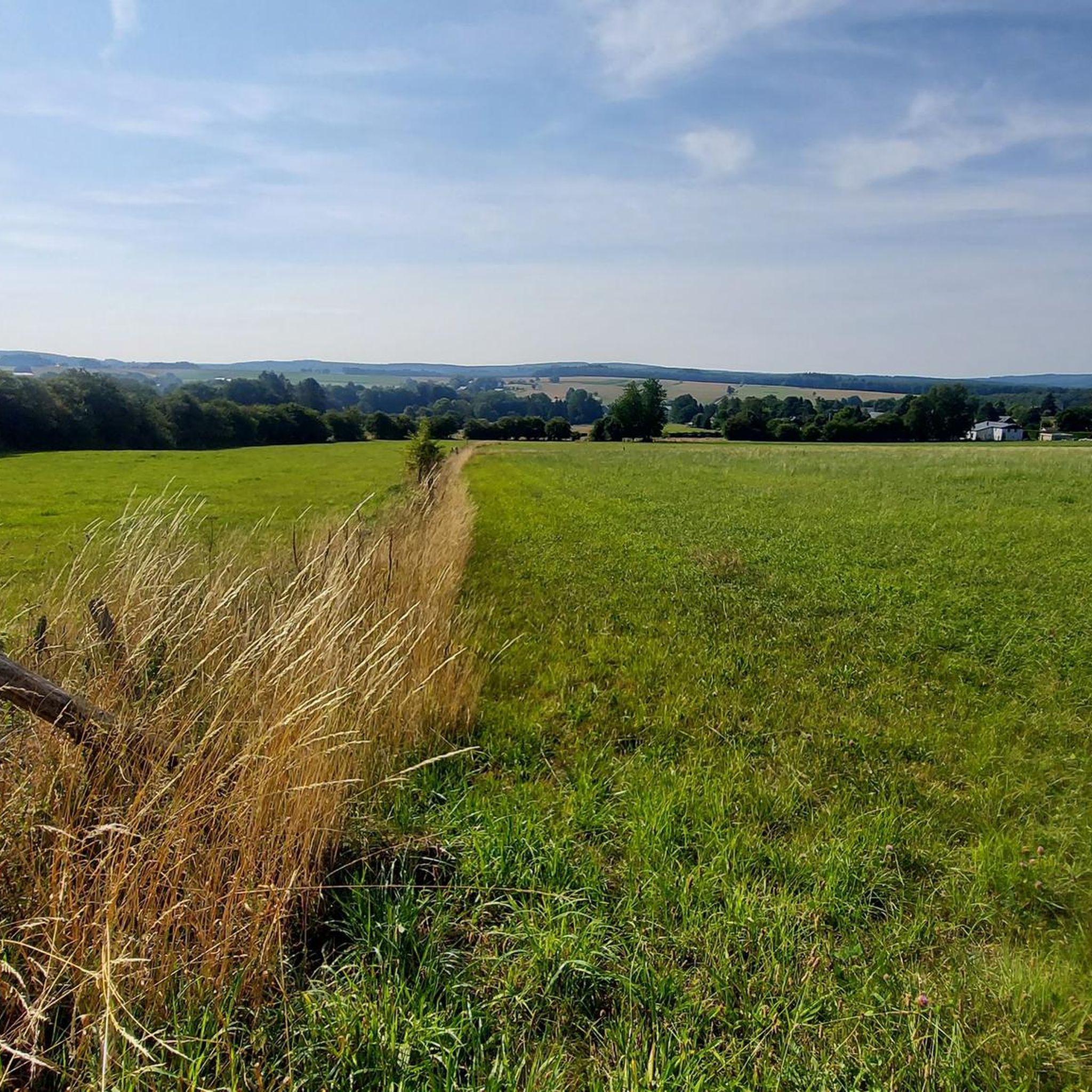
MTB Trails around Saint-Hubert
Other adventures around Saint-Hubert


Tips from the Community

The tram service was discontinued at the beginning of 2026 and therefore unfortunately no longer runs.
1
0

The visitor route in the Han-sur-Lesse caves leads through impressive halls and passageways. Highlights include the Salle du Dôme, a vast domed hall, and the Salle d’Armes, where a light and sound show takes place. Along the way, visitors can admire numerous dripstone formations such as stalactites, stalagmites, and limestone columns. In some places, the underground course of the Lesse River is also directly visible.
1
0
The tramway operates on a one-meter gauge track. Originally, steam locomotives were used, but from around 1934 diesel trams were introduced and are still in use today. The tramway serves tourist purposes and connects the village center of Han-sur-Lesse with the cave entrance, providing visitors with convenient access to the stalactite cave. The route is currently about 3.1 kilometers long.
2
0

There are two ways to exit this gorge. You can, of course, simply walk back the way you came. But with your back to the sinkhole, you can walk out of the gorge on the right. The path is just visible; you'll definitely manage with walking sticks.
11
0
This gorge is a carved valley that is mostly dry. At the end of the gorge you come to a chantoir, a vanishing hole where the water of the stream disappears into a subterranean tunnel system at high water levels. This piece of natural phenomenon is not even mentioned in many (hiking) brochures.
12
0

Very beautiful park with Caves of Ham 🇧🇪
3
0

The Caves of Han owe their shape to the Lesse, the river that flows through them. The water has eroded an extensive cave system from the limestone, making it one of the largest in Europe. The caves have been used since time immemorial: from prehistoric shelter to the tourist attraction they are today.
3
0
Frequently Asked Questions
What are the most popular caves to visit near Saint-Hubert?
The most popular caves in the region include the Han Caves, known for their extensive passages carved by the Lesse River, and the Lorette-Rochefort Cave, an impressive dripstone cave with a 35-meter high Sabbath room. Another unique natural phenomenon is the Chantoir de Laide Fosse, a vanishing hole where a stream disappears underground.
Are there any family-friendly cave experiences around Saint-Hubert?
Yes, the Han Caves are particularly family-friendly. The experience often includes a historic tram ride to the entrance, and the caves themselves offer vast chambers and light shows that captivate visitors of all ages. Adjacent to the caves is the Han Wildlife Park, adding to the family appeal.
What unique geological features can I expect to see in the caves?
The caves in the region showcase diverse geological features. You can see gigantic dripstone formations like stalactites and stalagmites in the Han Caves and Lorette-Rochefort Cave. The Caves of Hotton feature fragile draperies and underground rivers, while the Caves of Remouchamps are famous for their extensive underground boat trip along the Rubicon River, revealing formations carved by water erosion.
What is the best time of year to visit the caves near Saint-Hubert?
Most caves in the region are open year-round, making them a great destination regardless of the season. The internal temperature of caves like Lorette-Rochefort Cave remains cool (between 2 and 13 degrees Celsius), offering a refreshing escape in summer and a warmer alternative to the cold outdoors in winter. Summer often brings special guided tours, such as candlelight experiences at the Han Caves.
Are there any caves with historical significance in the area?
Yes, the Han Caves have been used since ancient times, from prehistoric shelters to their current role as a major tourist attraction. The Caves of Remouchamps, opened to the public in the 19th century, also hold historical interest, with fossils of tiny animals from 350 million years ago observable within.
What kind of wildlife can be found in the caves?
Caves like Lorette-Rochefort Cave provide a habitat for bats, as well as various small insects and spiders. The unique underground ecosystems support species adapted to these dark, damp environments. The Han Caves are also part of a larger domain that includes a wildlife park, allowing visitors to observe animals in a more natural setting above ground.
Are there any caves that offer unique experiences like boat trips or tram rides?
Yes, the Han Caves are renowned for the journey to their entrance via a historic tramway. The Caves of Remouchamps offer Europe's longest underground boat trip, taking visitors along the Rubicon River through vast chambers and narrow corridors.
What should I wear when visiting the caves?
Given the consistent cool temperatures inside the caves (e.g., 2 to 13 degrees Celsius in Lorette-Rochefort Cave), it's advisable to wear warm clothing, even in summer. Comfortable walking shoes with good grip are also recommended, as paths can be damp or uneven.
Are there hiking trails near the caves around Saint-Hubert?
Yes, the region around Saint-Hubert offers numerous hiking opportunities. You can find various trails, including moderate and difficult options, that explore the natural beauty of the Ardennes. For detailed routes and guides, you can explore the Hiking around Saint-Hubert guide.
What other outdoor activities can I do near the caves?
Beyond cave exploration, the Saint-Hubert area is excellent for various outdoor sports. You can find numerous road cycling routes, including challenging climbs and scenic loops, detailed in the Road Cycling Routes around Saint-Hubert guide. Gravel biking is also popular, with routes like those found in the Gravel biking around Saint-Hubert guide.
What makes the Caves of Hotton unique compared to others in the region?
The Caves of Hotton are unique as they are the only caves in Wallonia to be fully classified, recognized for their natural charm. They extend over multiple levels, reaching depths of over sixty meters, and feature intentionally subdued lighting to preserve their natural atmosphere. Visitors can also overlook a 30-meter chasm and explore the surrounding Calestienne garden.
Is there a cave near Saint-Hubert with religious significance?
Yes, the Grotto of Little Maria is a notable site. It features a niche within a large boulder where visitors can find a statue of Mary, offering a moment of reflection or prayer.
Most popular routes around Saint-Hubert
Most popular attractions around Saint-Hubert

Get inspired with the komoot mobile app


Explore more
Extend your search for the best caves by checking out these guides of the top ones around Saint-Hubert:
