The 14 Most Amazing Peaks in the Sangre de Christo Mountains
Best mountain peaks in the Sangre de Cristo Mountains are found in this subrange of the southern Rocky Mountains, stretching approximately 250 miles from south-central Colorado into northern New Mexico. The range is known for its dramatic peaks and significant wilderness areas. It includes numerous peaks over 14,000 feet in Colorado and several over 13,000 feet in New Mexico. These mountains offer diverse mountaineering challenges and scenic hikes.
Best mountain peaks in the Sangre de Christo Mountains
- The most popular mountain peaks is High Dune, a natural monument that is one of the tallest sand dunes in North America. The view from this majestic dune, nestled at the foot of the Sangre de Cristo Mountains, is unique.
- Another must-see spot is Wheeler Peak Summit, a summit and natural monument. At 13,167 feet, it is the highest point in New Mexico, offering views of Taos Ski Resort and surrounding mountains.
- Visitors also love Picacho Peak, a summit very close to the city of Santa Fe. The hike is steep, but the view is rewarding, and it offers a great sunset experience.
- Sangre de Cristo Mountains is known for its challenging fourteeners, thirteeners, and accessible summits. The range offers a variety of mountain peaks to explore, from high-altitude climbs to prominent viewpoints.
- The mountain peaks in the Sangre de Cristo Mountains are appreciated by the komoot community. With 9 upvotes and 25 photos, these peaks offer diverse experiences for outdoor enthusiasts.
Last updated: October 17, 2026
High Dune
Highlight • Natural Monument
Tip by

Wheeler Peak Summit
Highlight • Summit
Tip by

Sign up now to discover places like this
Get recommendations on the best single tracks, peaks, & plenty of other exciting outdoor places.
Picacho Peak
Highlight • Summit
Tip by
Tesuque Peak
Highlight • Summit
Tip by

Humboldt Peak
Highlight • Summit
Tip by

Blanca Peak
Highlight • Summit
Tip by
Kit Carson Mountain
Highlight • Summit
Tip by
Ellingwood Point
Highlight • Summit
Tip by
Santa Fe Baldy
Highlight • Summit
Tip by

Hermit's Peak Trail
Highlight (Segment) • Trail
Tip by

Sign up for free to discover even more peaks in the Sangre de Christo Mountains.
Already have an account?
Start today with a free account
Your next adventure awaits.
Popular around Sangre de Christo Mountains
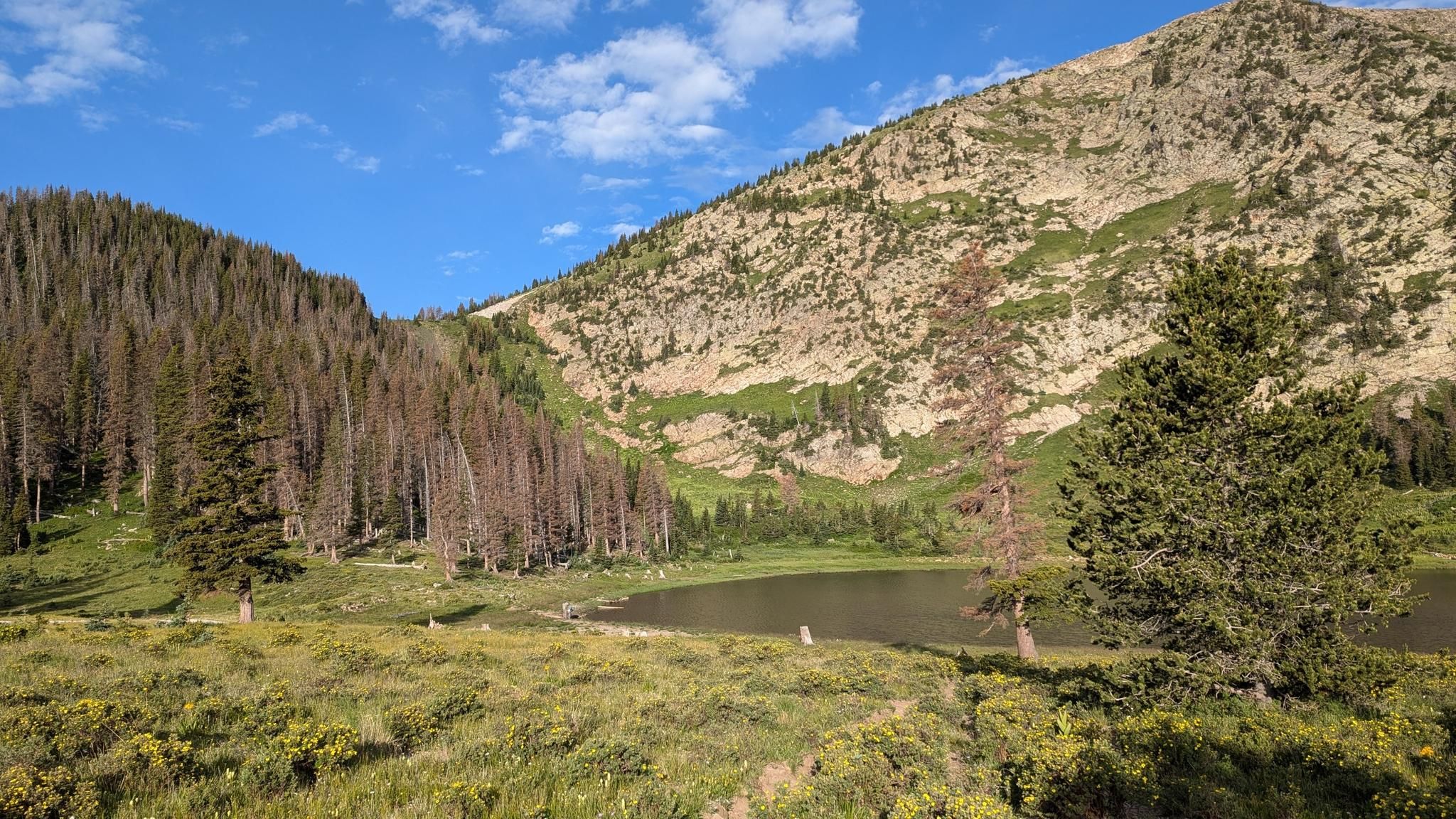
Santa Fe to Taos Thru-Hike — A journey across the Sangre de Cristo Mountains
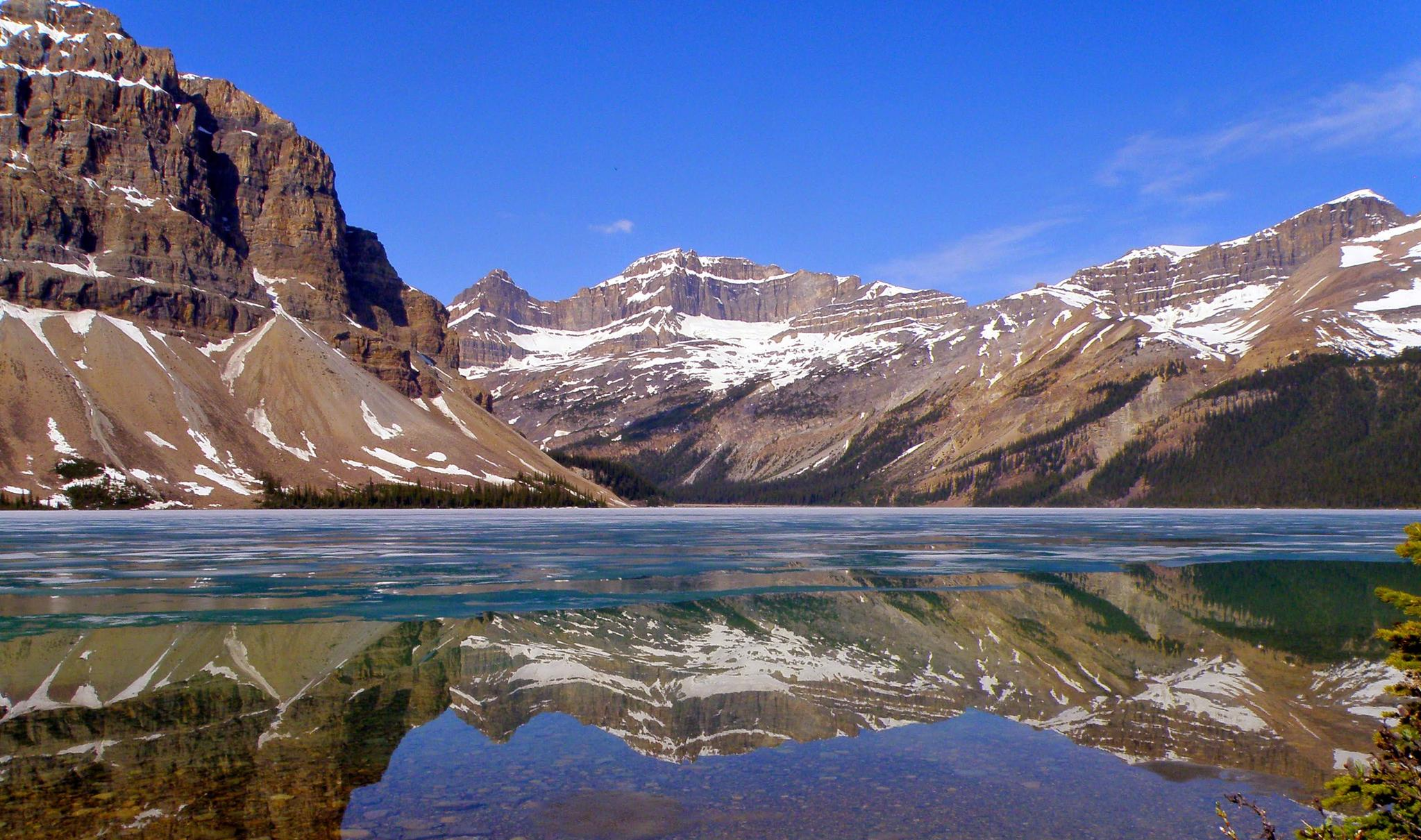
Great Divide Mountain Bike Route — Cycling the spine of a continent
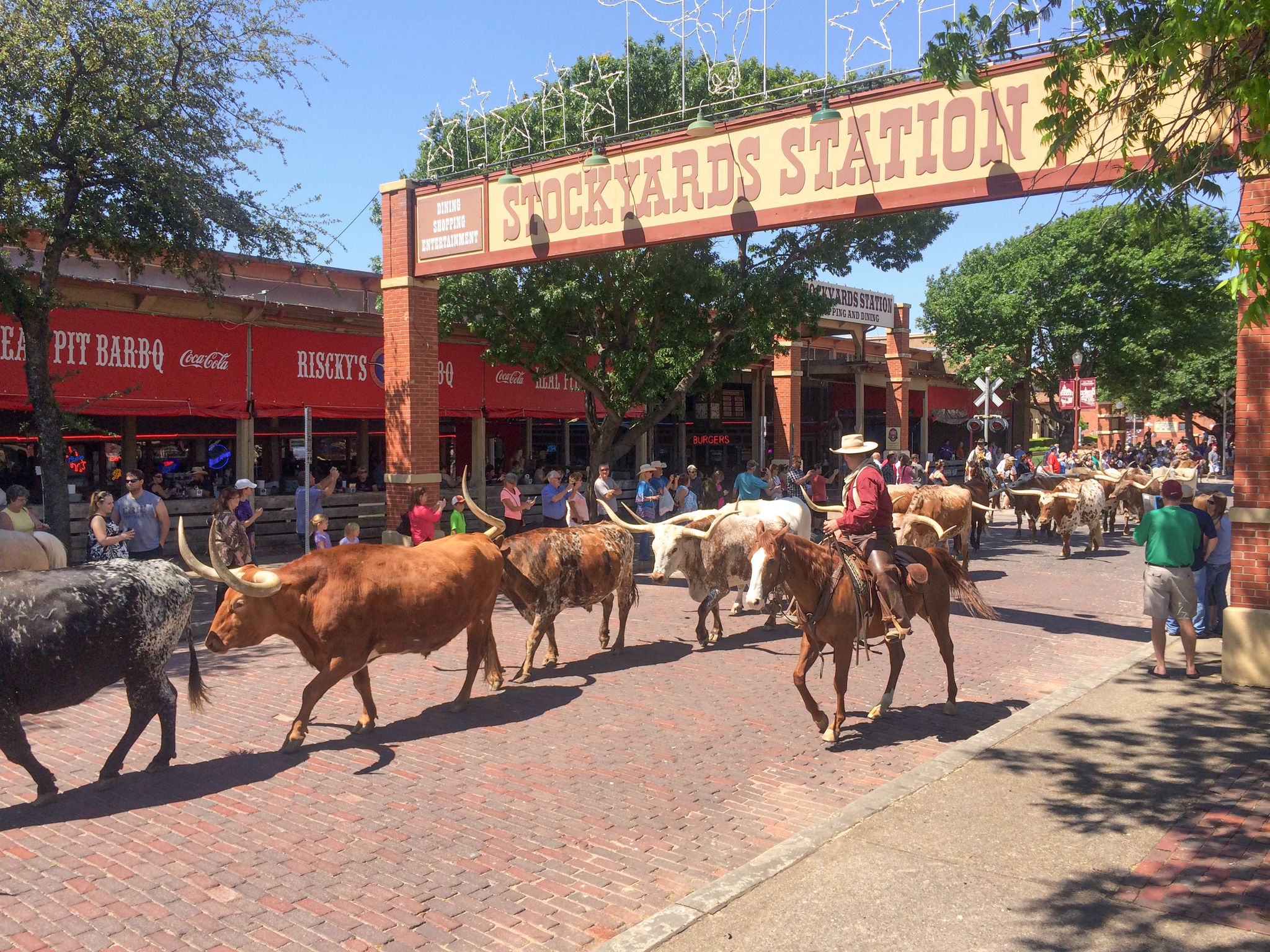
Cowboy country & Route 66 – Wild West meets legend
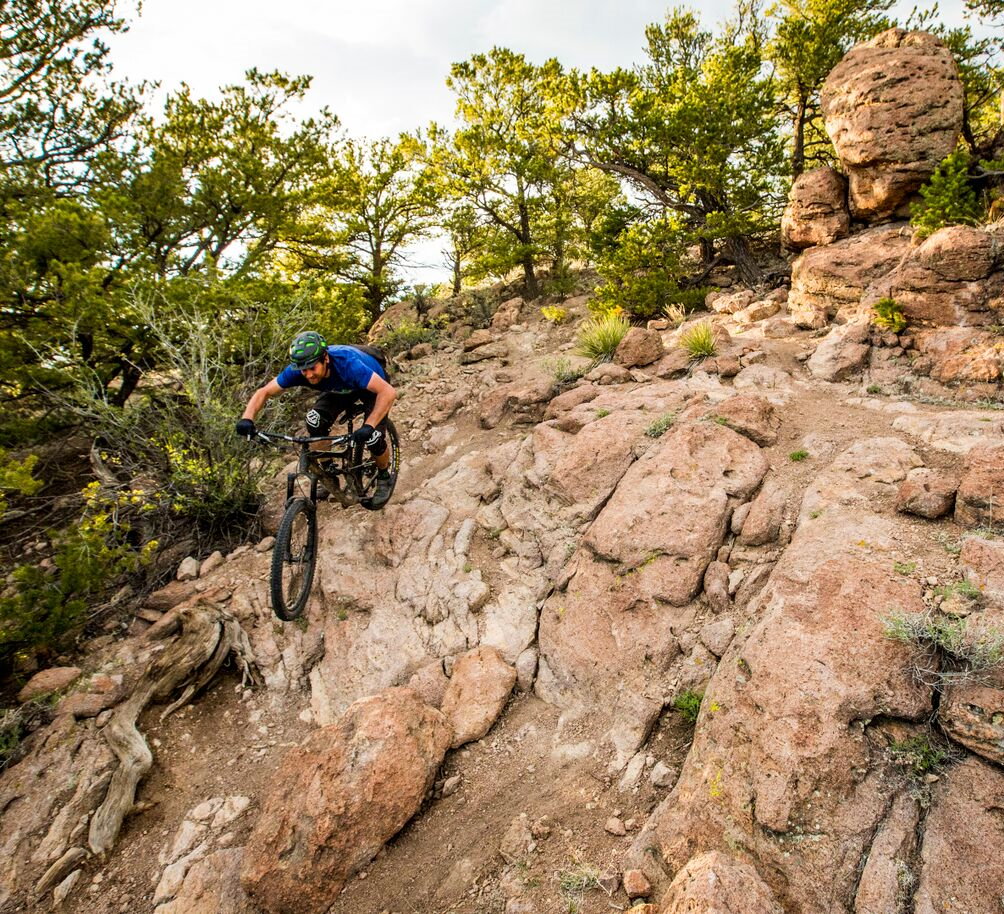
Mountain bike paradise around Salida in Colorado
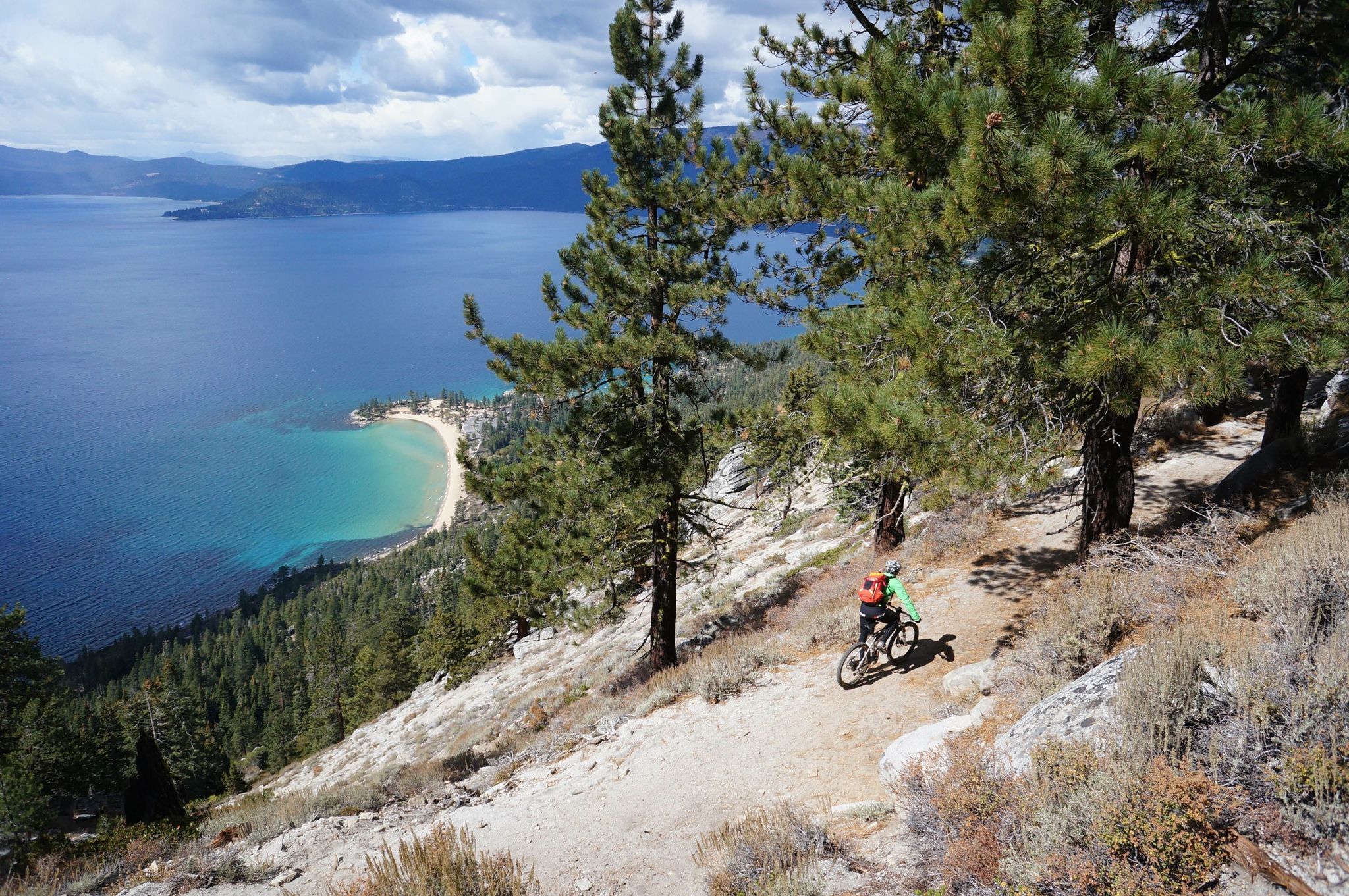
Unforgettable MTB Adventures – IMBA Epic Trails in USA and Canada
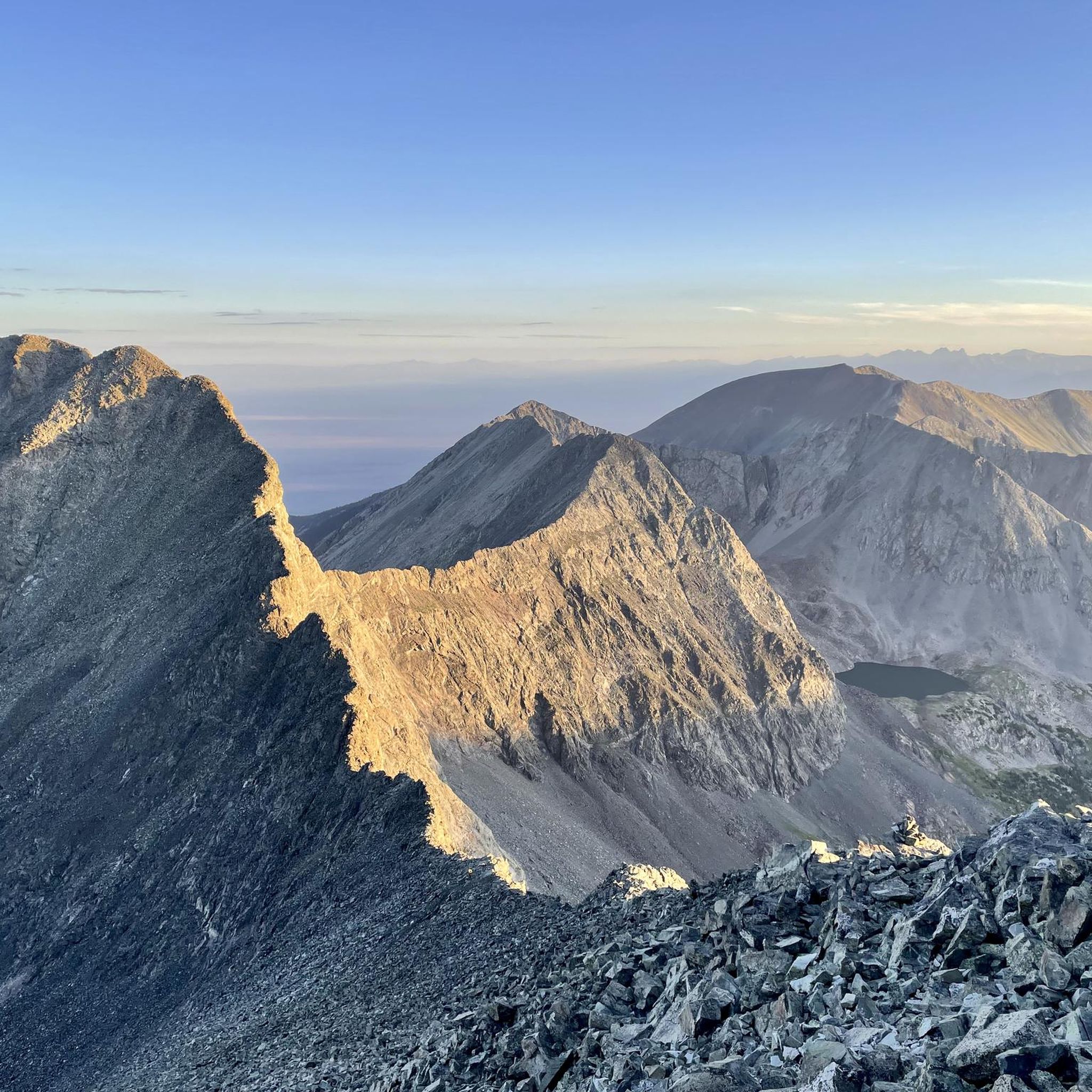
Hiking in the Sangre de Christo Mountains
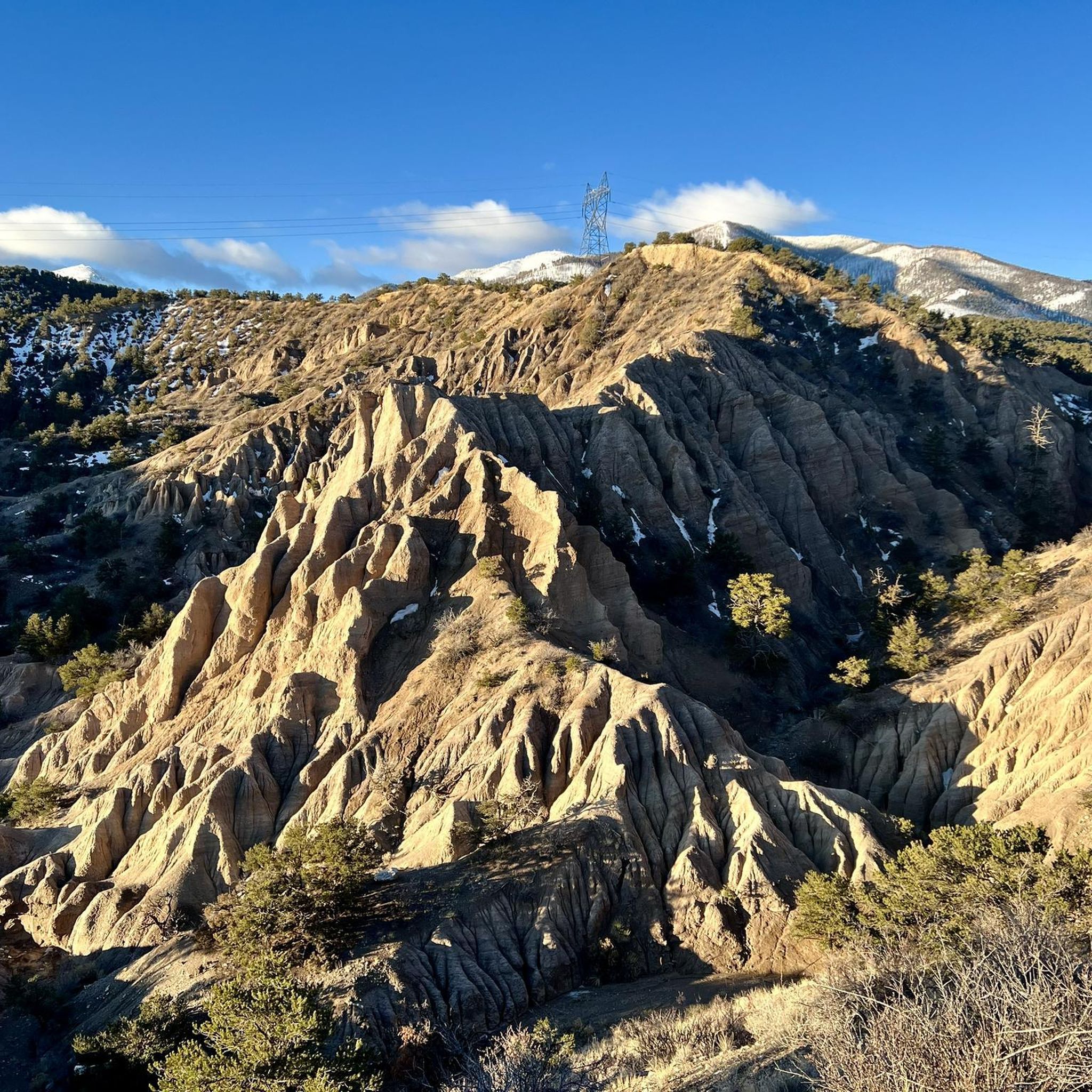
MTB Trails in the Sangre de Christo Mountains
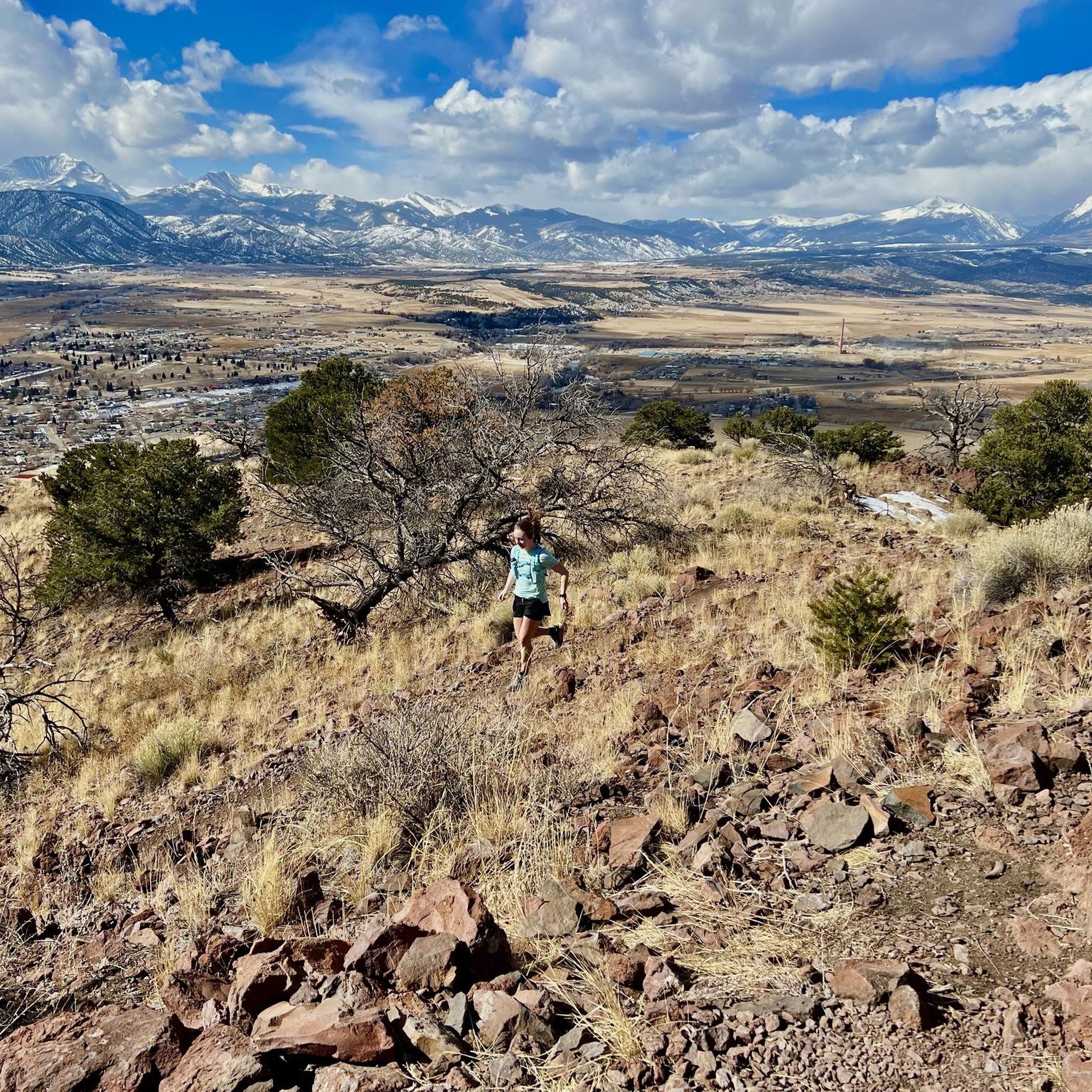
Running Trails in the Sangre de Christo Mountains
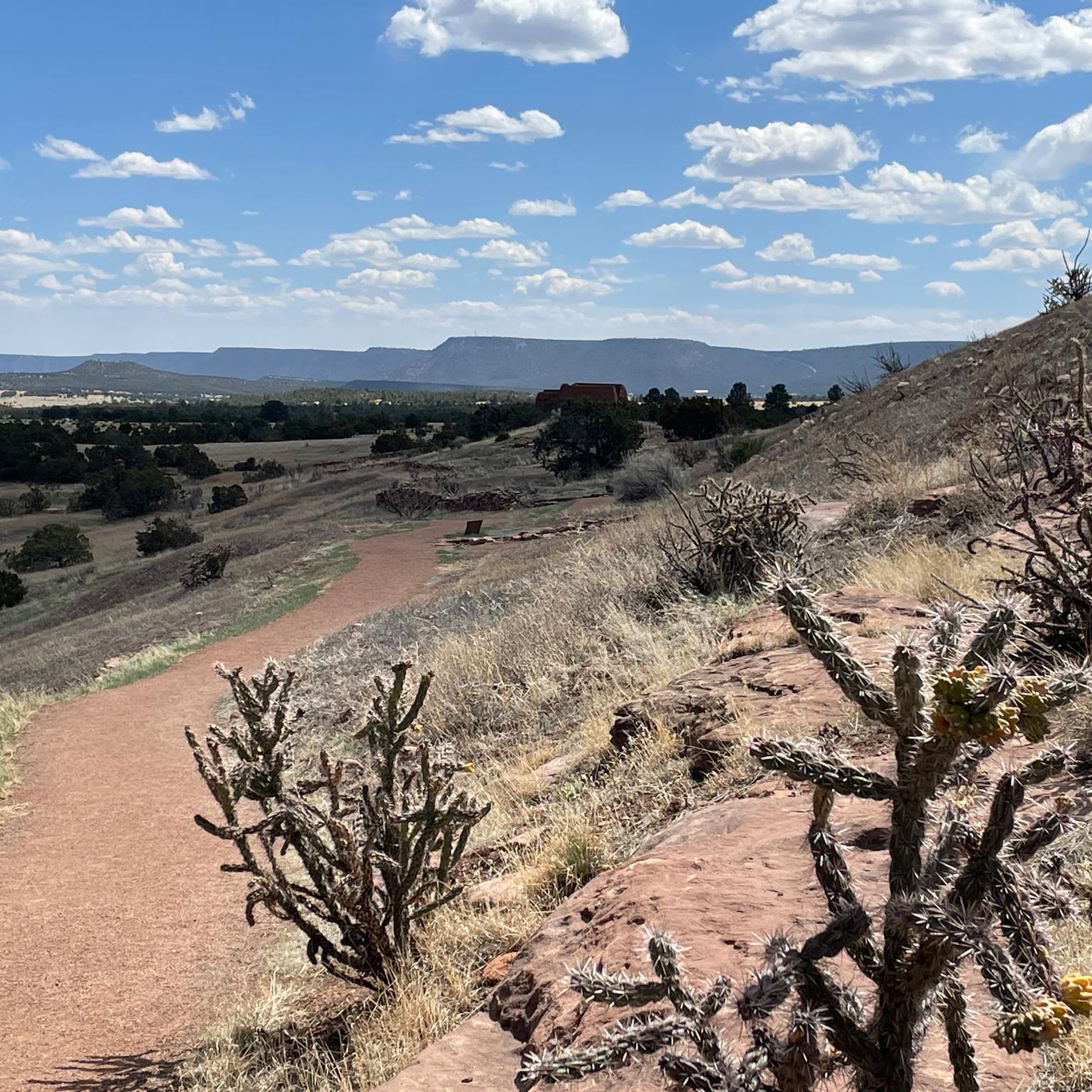
Road Cycling Routes in the Sangre de Christo Mountains
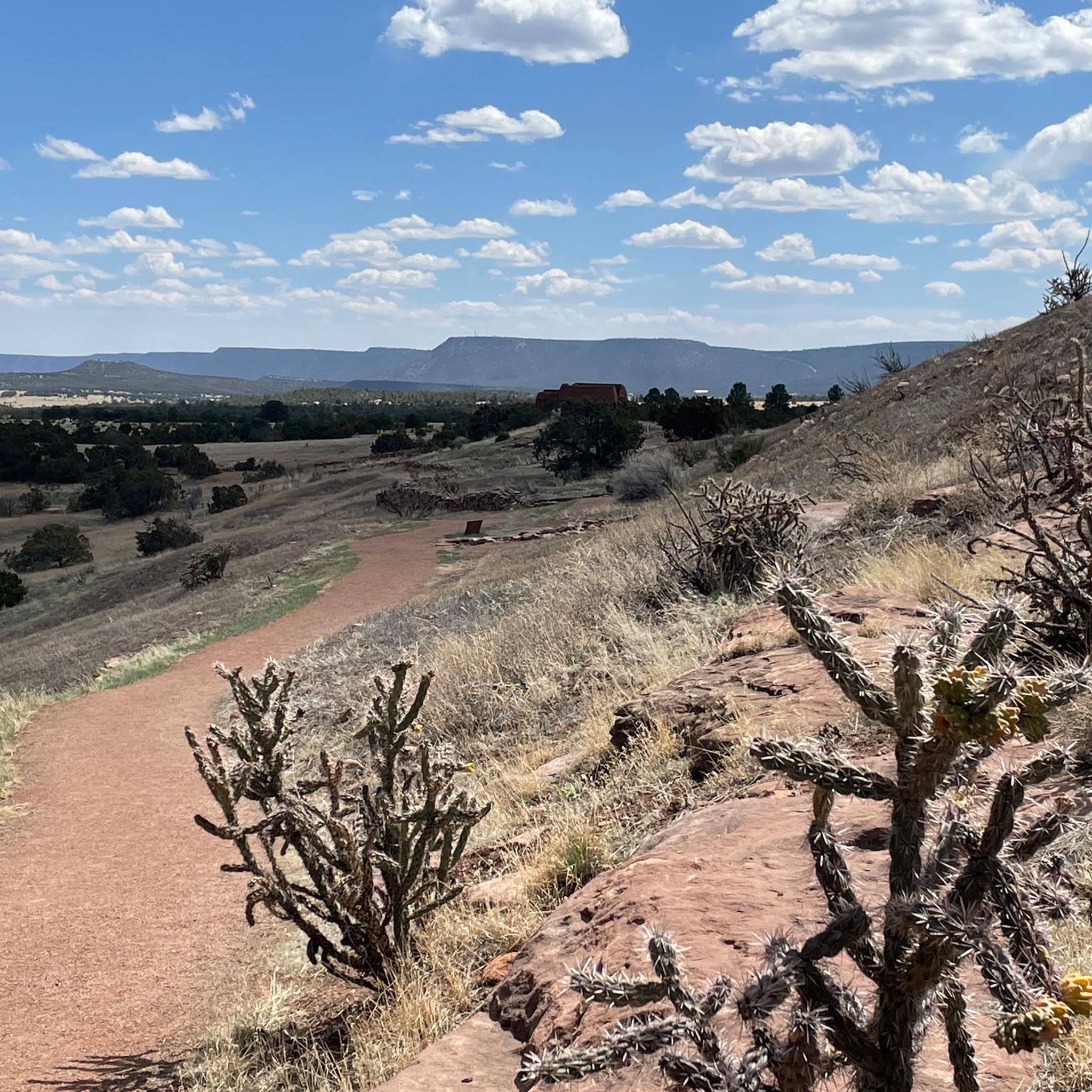
Cycling in the Sangre de Christo Mountains
Other adventures in the Sangre de Christo Mountains


Tips from the Community


At 12,047 feet, Tesuque Peak is one of the tallest mountains in the Sangre de Cristo Range in New Mexico. The peak reaches above treeline, and you get to share the summit with some radio and cell towers.
0
0

The fantastic views from Humboldt Peak (14056 ft) make this run totally worth it. From Humboldt Peak, there's a panoramic view of the North and South Colony Valleys, Crestone Needle, and Obstruction Peak. This summit is not as challenging as the neighbor Crestone Needle.
0
0
At 12,047 feet, Tesuque Peak is one of the tallest mountains in the Sangre de Cristo Range in New Mexico. The peak reaches above treeline, and you get to share the summit with some radio and cell towers.
0
0

With a height of 688 feet (at an elevation of 8,727 feet), High Dune is – along with Star Dune just next to it – one of the tallest sand dunes in North America. There are no trails leading up to the summit, but you can ascent the dune from the Dunes Parking by hiking crosscountry. The view from this majestic dune that is nestled at the foot of the Sangre de Christo Mountains is unique. Bring plenty of water and avoid the heat of the day and stormy weather.
6
0
Kit Carson Mountain is one for those who like 14er adventures, it's challenging but worth it. The trail has climbing parts of class 2 and 3, so an alpine hiking experience is mandatory to attempt reaching this summit. Make sure to pay attention on your way up, and take note of the route from Challenger Point, because you will need to pass through the same way on the way back. The peak has remarkable views of Willow Creek Valley, Challenger Peak, and Crestone Needle.
0
0
The fantastic views from Humboldt Peak (14056 ft) make this hike totally worth it. From Humboldt Peak, there's a panoramic view of the North and South Colony Valleys, Crestone Needle, and Obstruction Peak. This summit is not as challenging as the neighbor Crestone Needle.
0
0
Frequently Asked Questions
What are some of the most challenging mountain peaks in the Sangre de Cristo Mountains?
The Sangre de Cristo Mountains offer several highly challenging peaks, particularly in Colorado. The Crestones, including Crestone Peak, Crestone Needle, Kit Carson Mountain, and Challenger Point, are renowned for some of the most technical climbing in Colorado. Blanca Peak, the highest in the range, also involves a demanding ascent, often combined with its neighbor Ellingwood Point.
Are there any unique or exclusive mountain climbing experiences in the Sangre de Cristo Mountains?
Yes, Culebra Peak (14,047 ft / 4,282 m) in Colorado offers a unique experience as it is the only fourteener in the state located on private land. Access requires a fee and advance reservations, limiting the number of climbers for a more exclusive ascent.
Which peaks offer the best panoramic views in the Sangre de Cristo Mountains?
For breathtaking panoramic views, consider Wheeler Peak Summit in New Mexico, the state's highest point, offering vistas of Taos Ski Resort and surrounding mountains. Humboldt Peak provides fantastic views of the North and South Colony Valleys. Near Santa Fe, Picacho Peak offers rewarding views, especially at sunset, despite its steep hike. Additionally, High Dune, while not a traditional peak, provides a unique perspective of the Sangre de Cristo Mountains from the Great Sand Dunes National Park.
What is the highest mountain peak in New Mexico within the Sangre de Cristo Mountains?
Wheeler Peak Summit, standing at 13,167 feet (4,011 m), is the highest point in New Mexico and a prominent peak in the Sangre de Cristo range. It's a popular destination accessible from the Taos Ski Valley area.
Are there any family-friendly hiking options near the mountain peaks?
While many peaks in the Sangre de Cristo Mountains are challenging, there are easier trails available. For family-friendly options, you can explore routes like the Borrego (150), Windsor (254) and Bear Wallow (182) Trail Loop or the Ancestral Sites Trail. You can find more easy hikes in the region on the Easy hikes in the Sangre de Christo Mountains guide.
What outdoor activities can I do near the Sangre de Cristo mountain peaks?
Beyond peak bagging, the region offers diverse outdoor activities. You can find gravel biking routes like the La Tierra Trails Loop from Santa Fe, or cycling tours such as the Salida and Poncha Springs loop. For more options, check out the Gravel biking in the Sangre de Christo Mountains guide and the Cycling in the Sangre de Christo Mountains guide.
What is the cultural significance of Blanca Peak?
Blanca Peak (14,351 ft / 4,374 m) holds significant cultural importance as one of the four sacred cardinal mountains of the Navajo. It is known as Sisnaajiní, representing the east and the color white, making it a revered landmark in the region.
Are there any prominent peaks near Santa Fe, New Mexico?
Yes, Picacho Peak is a summit very close to the city of Santa Fe, offering accessible hiking with great views. Another prominent summit in the area is Tesuque Peak, one of the tallest mountains in the Sangre de Cristo Range in New Mexico, reaching above the treeline.
What is the best time of year to visit the Sangre de Cristo Mountains for hiking?
The best time to visit the Sangre de Cristo Mountains for hiking is typically during the late spring, summer, and early fall months (June through September). During this period, trails are generally free of snow, and the weather is more stable, offering ideal conditions for exploring the peaks and enjoying the scenic vistas.
Can I bring my dog on trails in the Sangre de Cristo Mountains?
Many trails in the Sangre de Cristo Mountains, particularly within national forests and wilderness areas, are dog-friendly. However, it's crucial to check specific regulations for each trail or area you plan to visit, as leash requirements and restrictions can vary. Always practice Leave No Trace principles and ensure your dog is under control.
What makes the Spanish Peaks distinctive within the Sangre de Cristo Mountains?
The Spanish Peaks, comprising West Spanish Peak (13,626 ft / 4,153 m) and East Spanish Peak (12,860 ft / 3,920 m), are distinctive for their 'postcard-worthy' appearance. They form their own subrange within the Sangres and are a recognizable landmark, often visible from I-25 south of Pueblo, Colorado.
Are there any remote or less accessible peaks for a more challenging wilderness experience?
Truchas Peak (13,102 ft / 3,993 m), also known as South Truchas Peak, in New Mexico offers a more challenging and less accessible experience. Located within the Pecos Wilderness, it is a remote, steep, and craggy group of mountains, ideal for those seeking a true wilderness adventure and backpacking.
Most popular routes in the Sangre de Christo Mountains
Most popular attractions in the Sangre de Christo Mountains

Get inspired with the komoot mobile app


Explore more
See even more amazing summits in the Sangre de Christo Mountains with these guides:
