Top 4 Castles around Greifswald
Best castles around Greifswald are found in the surrounding Vorpommern-Greifswald district, a region known for its historical significance and natural landscapes. While Greifswald itself is characterized by Brick Gothic architecture and ruins like Eldena Abbey, the area offers a glimpse into Pomeranian history through its manor houses and palaces. These sites provide opportunities for exploring historical architecture and enjoying tranquil park settings.
Best castles around Greifswald
- The most popular castles is Wrangelsburg Castle, a castle that is a manor…
Last updated: July 15, 2026
Ludwigsburg Palace (Western Pomerania)
Highlight • Castle
Translated by Google •
Tip by

Wrangelsburg Castle
Highlight • Castle
Translated by Google •
Tip by

Sign up now to discover places like this
Get recommendations on the best single tracks, peaks, & plenty of other exciting outdoor places.
Sign up for free
Griebenow Castle
Highlight • Castle
Translated by Google •
Tip by

Site of Ekberg Castle Fortifications
Highlight • Historical Site
Translated by Google •
Tip by

Behrenhoff Manor Ruins
Highlight • Historical Site
Translated by Google •
Tip by

Start today with a free account
Your next adventure awaits.
Login or Signup
Popular around Greifswald
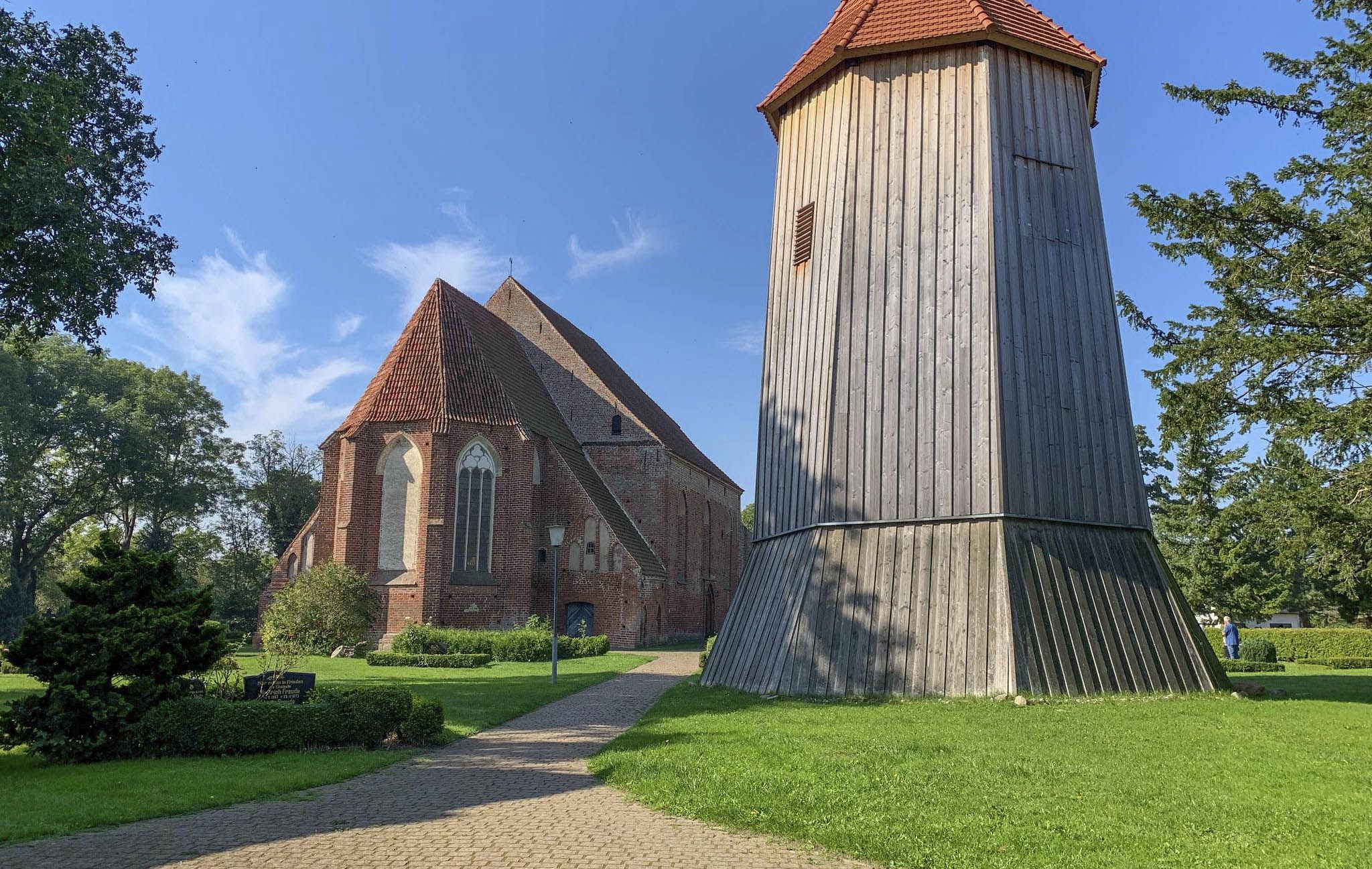
Discover Brick Gothic by bike in Germany's Western Pomerania
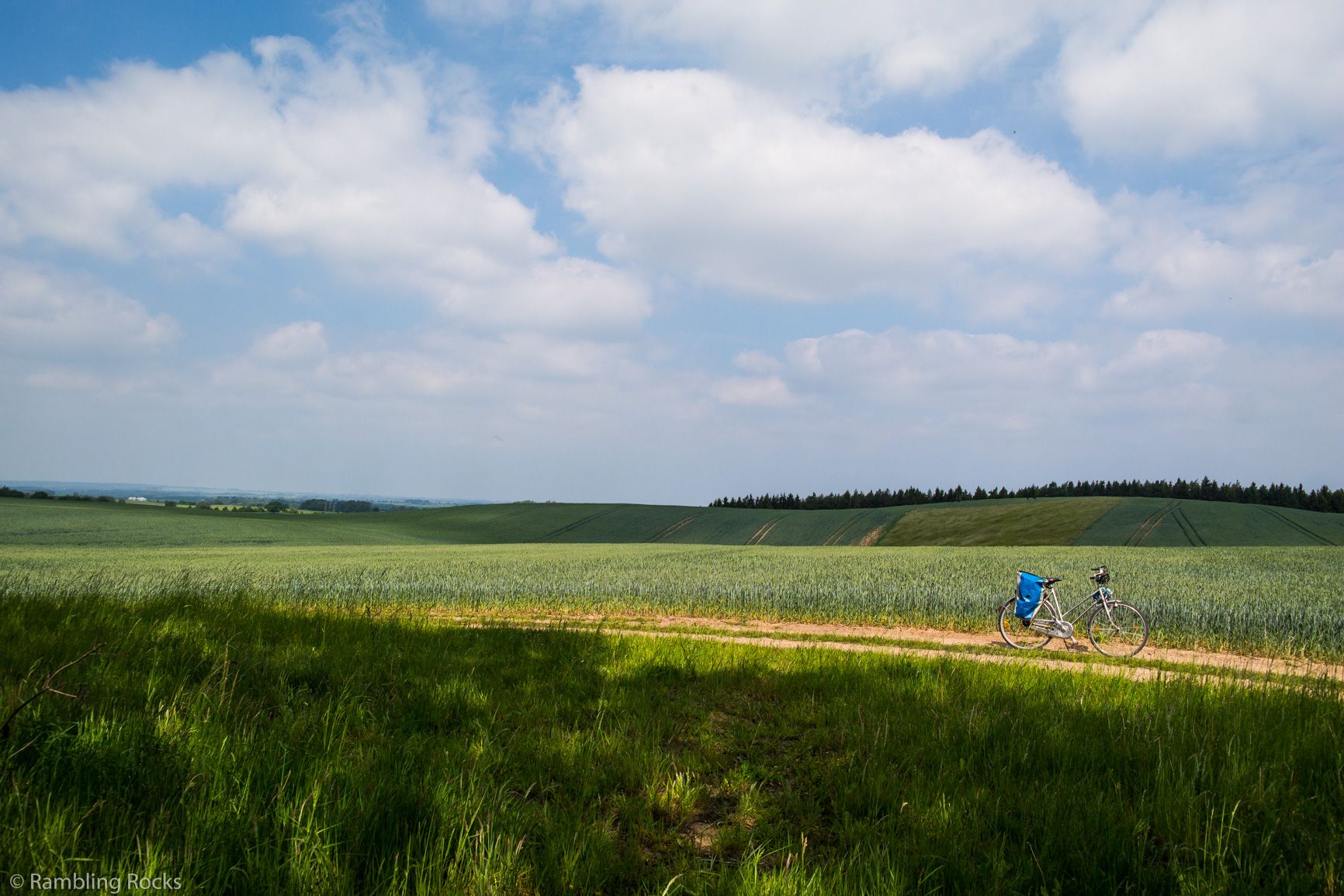
The Hanseatic Way – Cycling across North Germany to Poland, follow the cog!
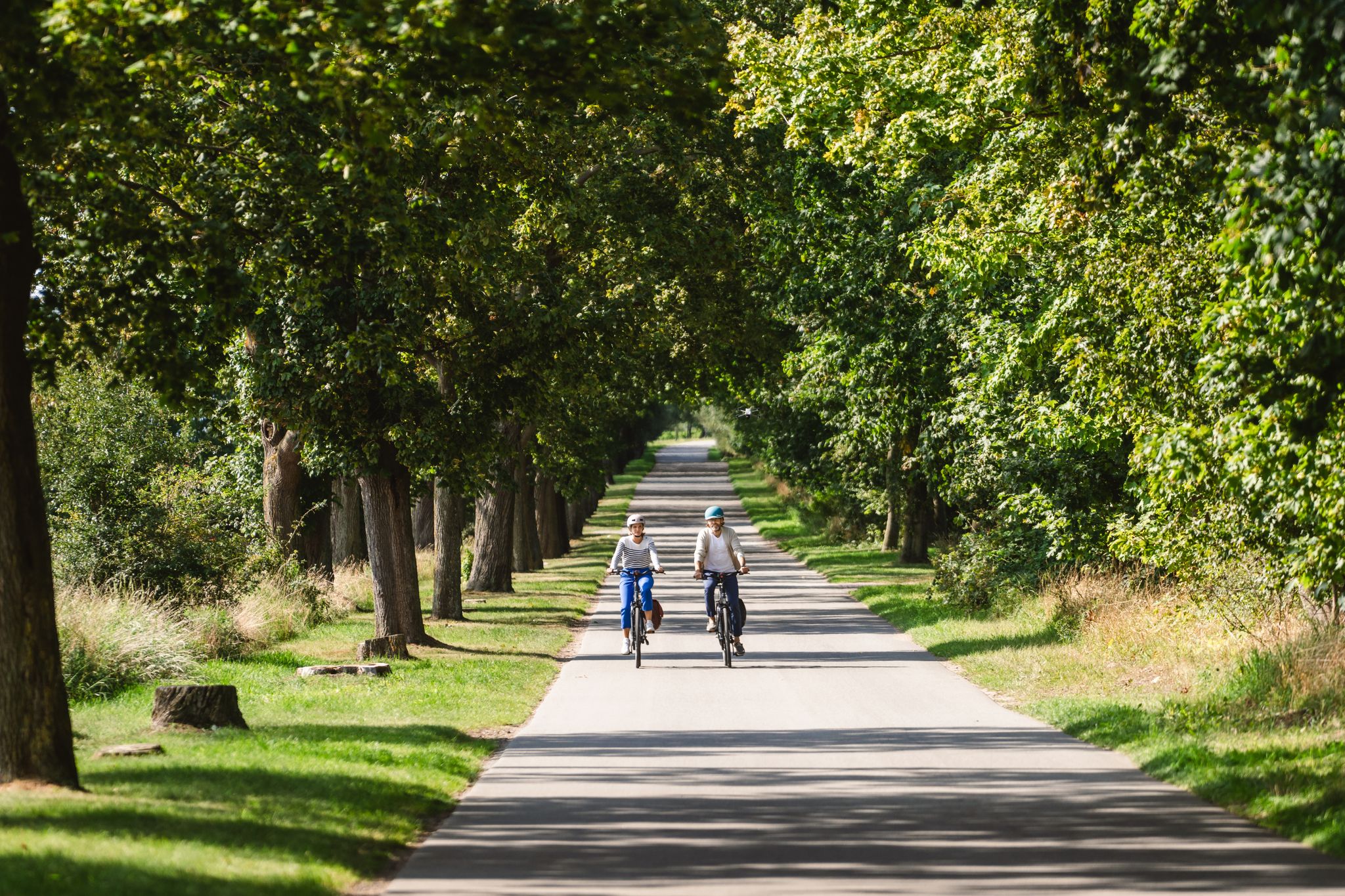
Route of North German Romanticism
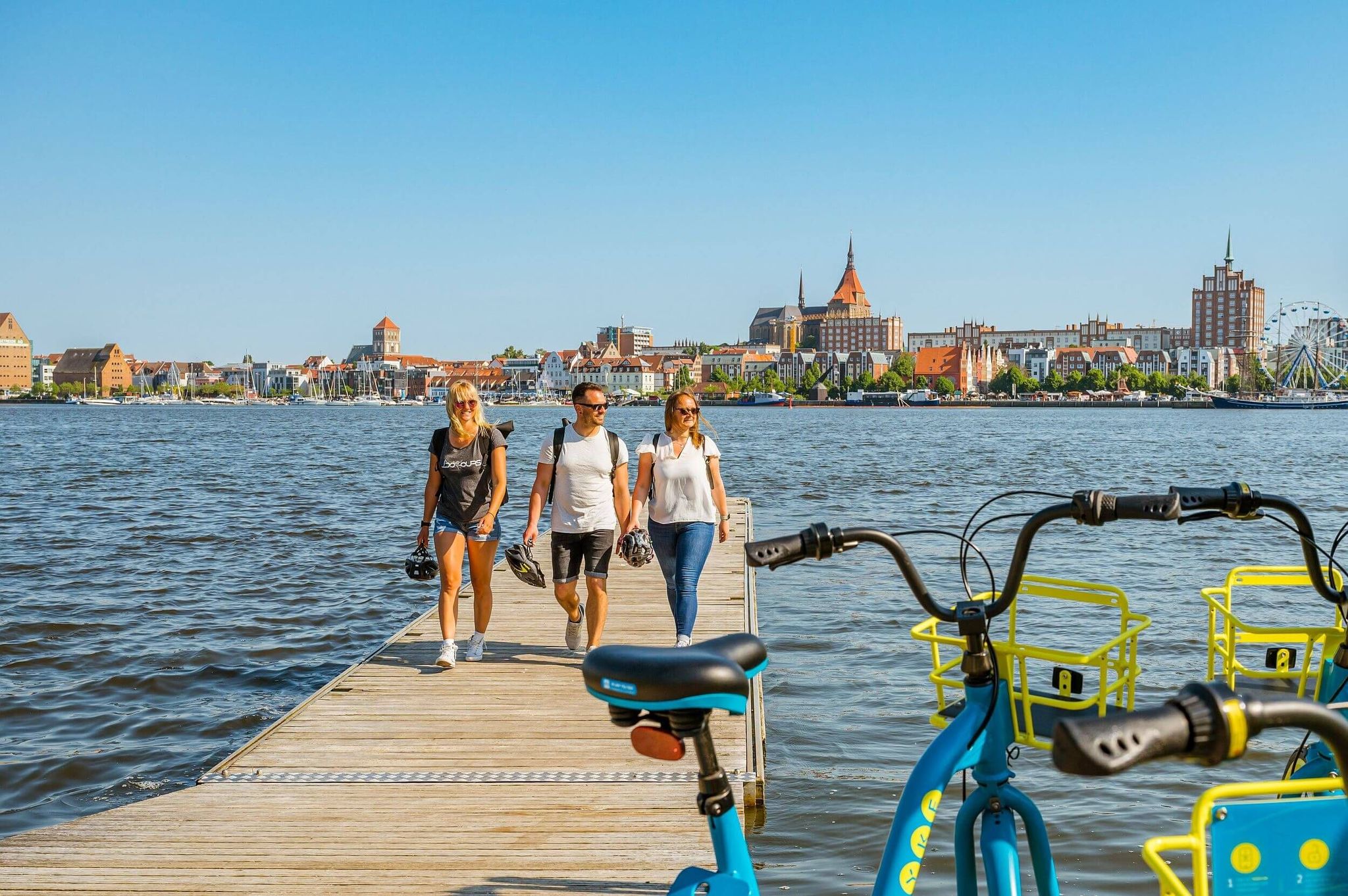
Östlicher Backstein-Rundweg

Ostseeküsten-Radweg: Radeln, wo die Wellen flüstern
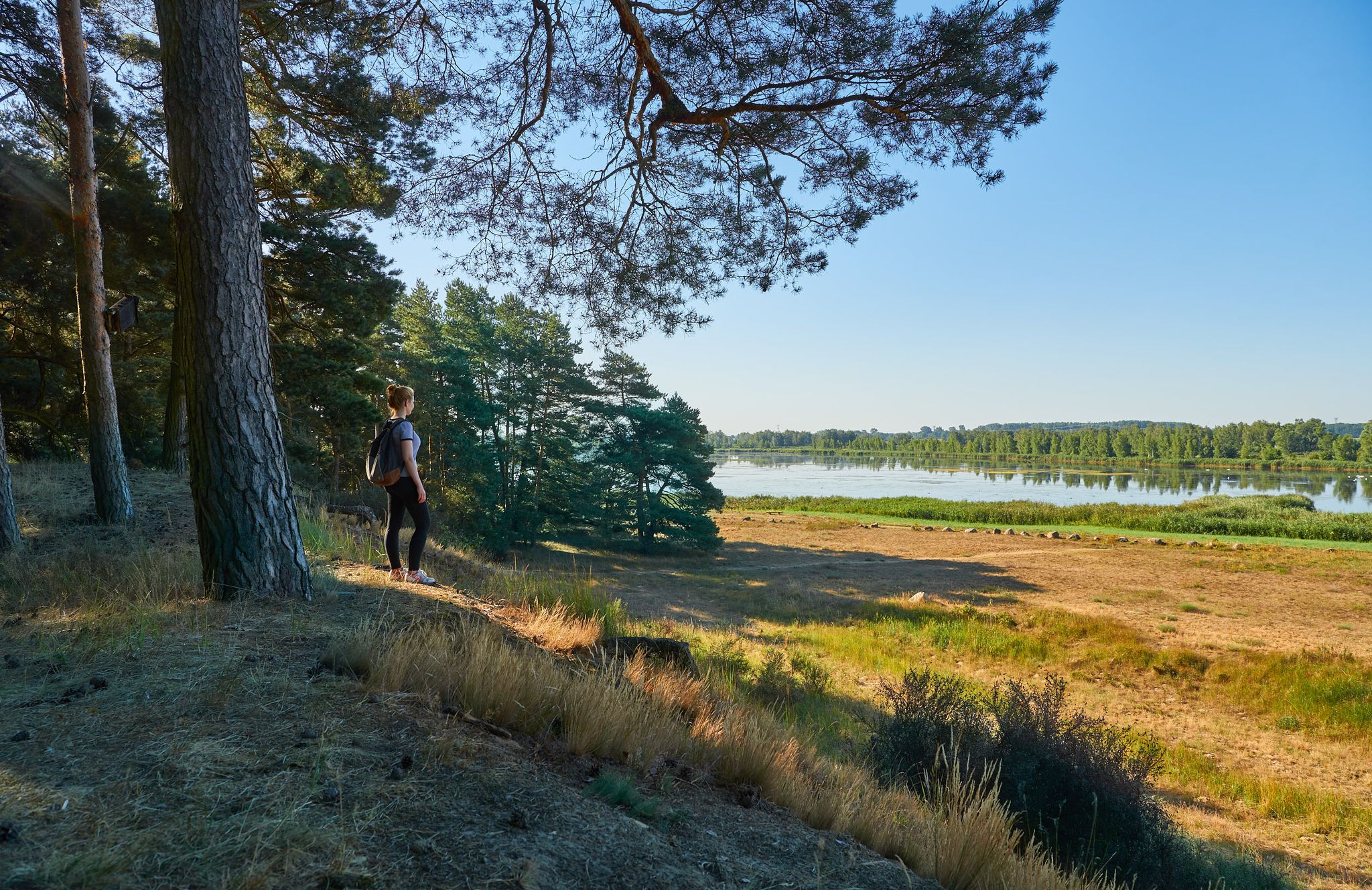
Naturparke, Küsten- & Kulturlandschaft – auf Wandertour in Vorpommern
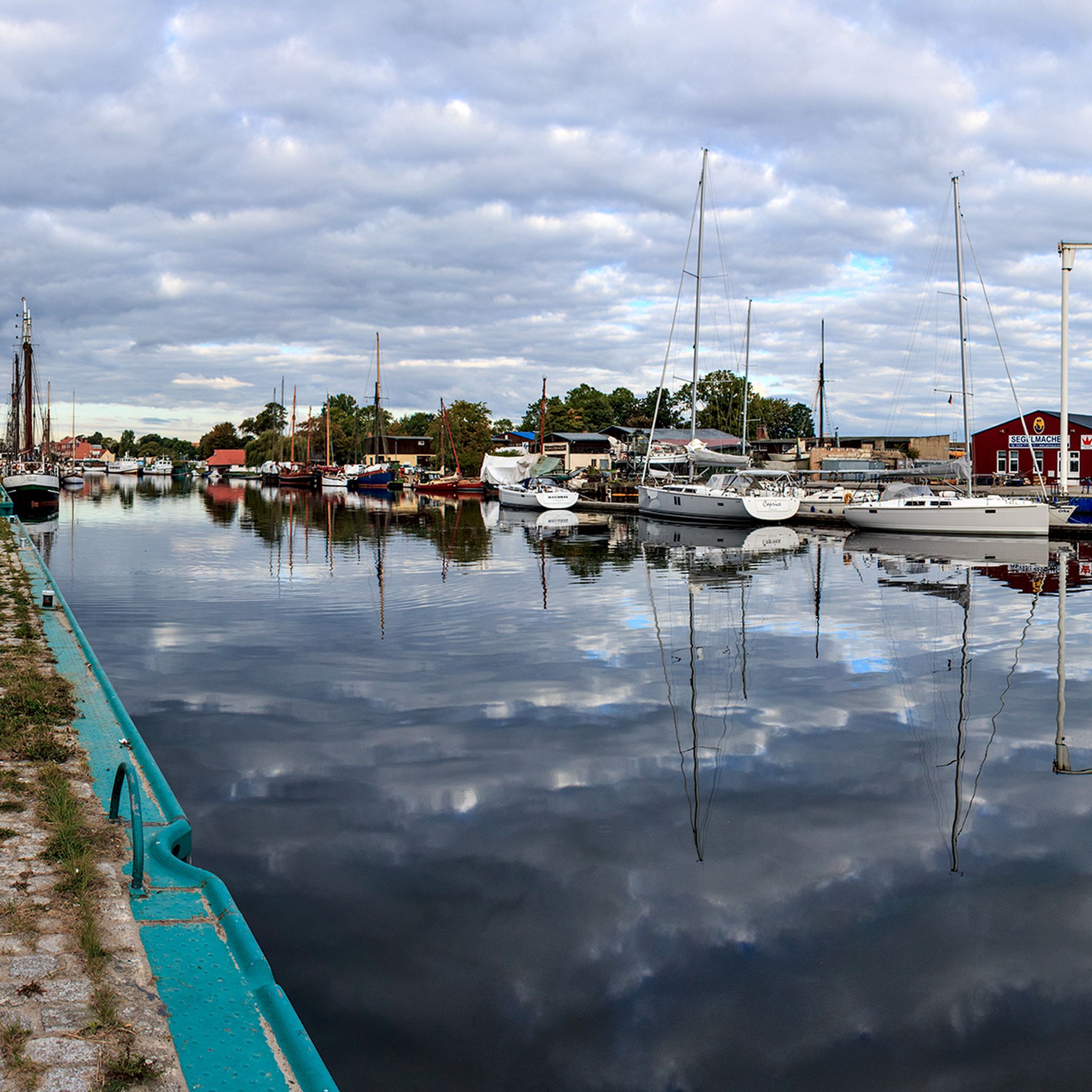
Cycling around Greifswald
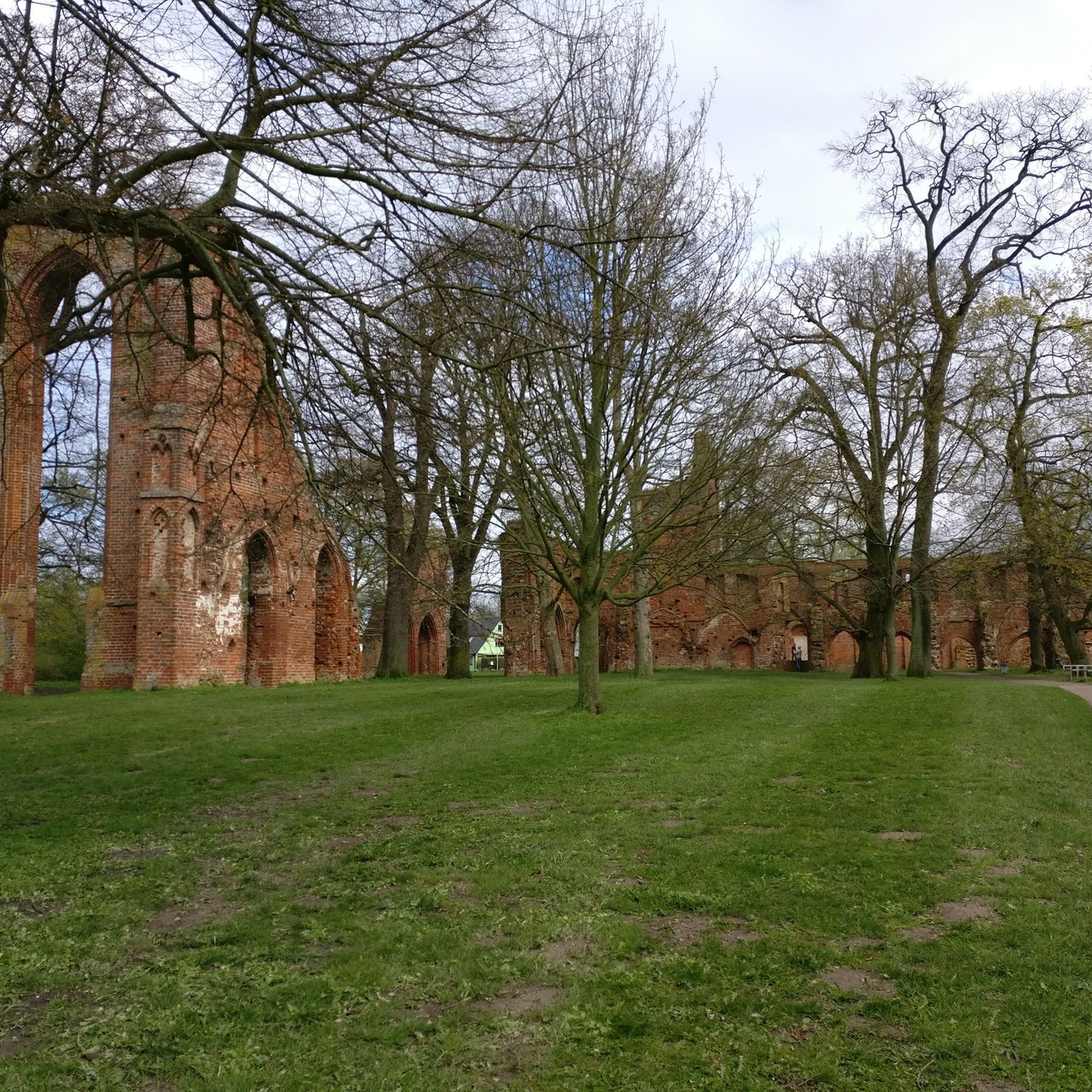
Hiking around Greifswald
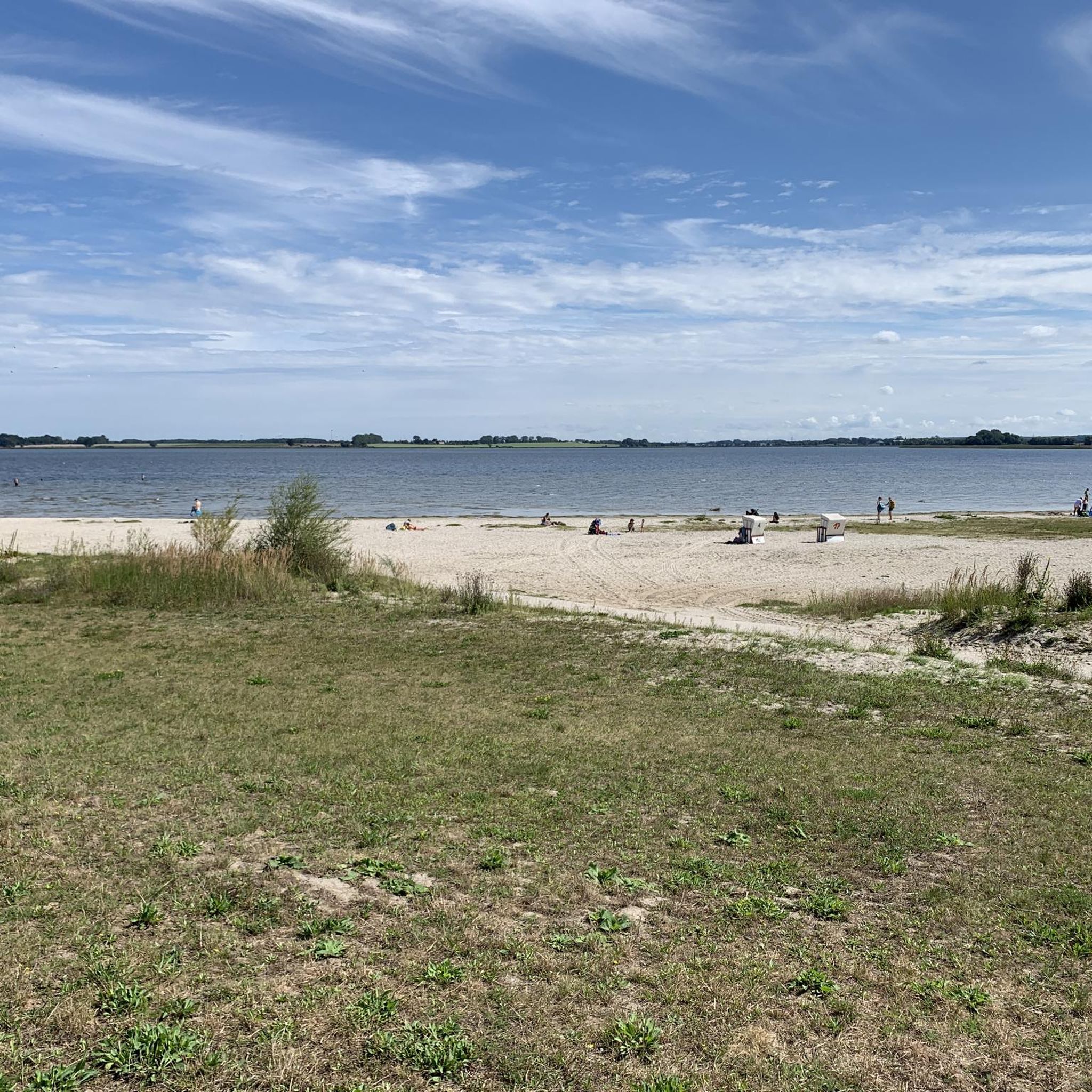
Running Trails around Greifswald
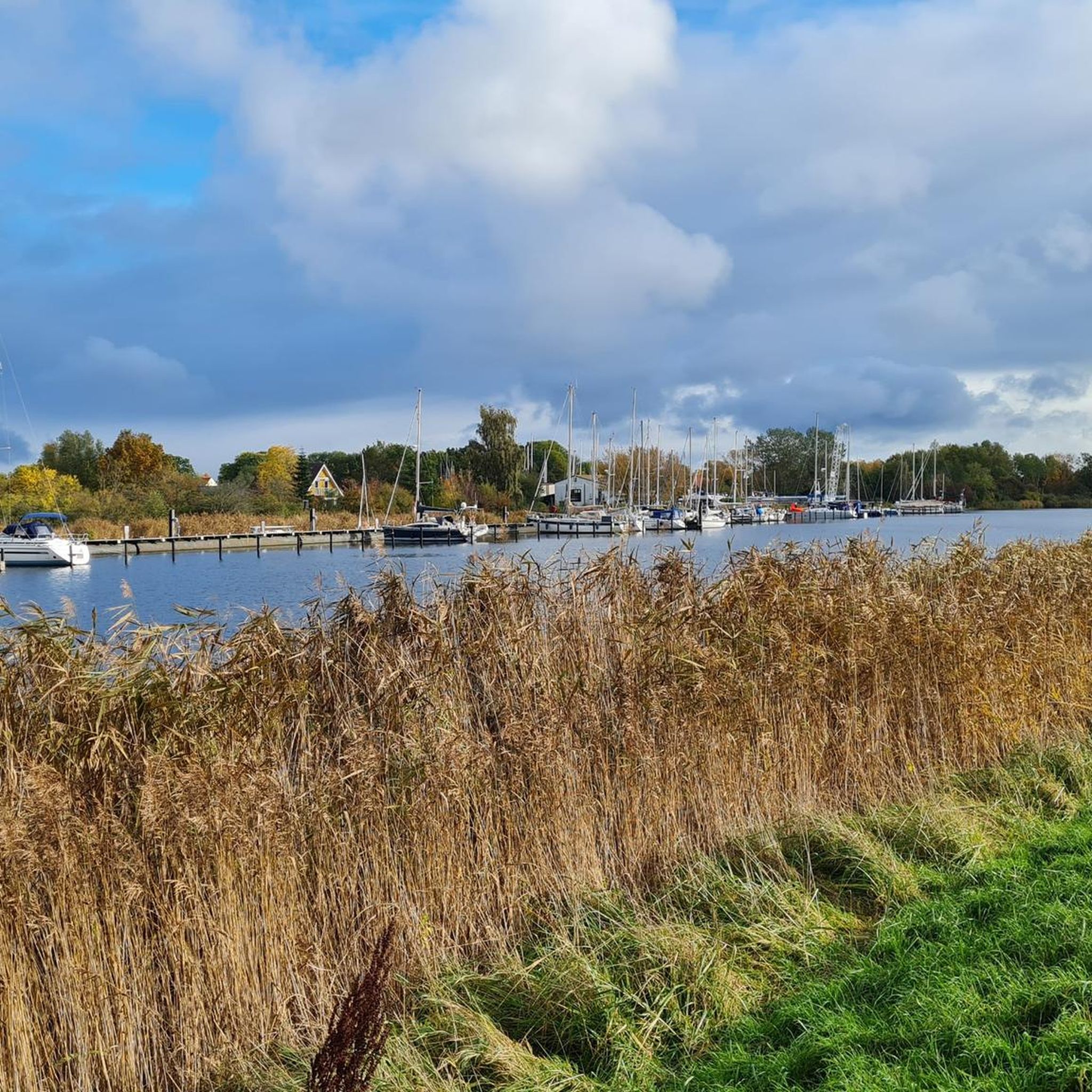
Road Cycling Routes around Greifswald
Other adventures around Greifswald


Tips from the Community

Wrangelsburg Castle is a manor house in Wrangelsburg in the Vorpommern-Greifswald district. It was built in 1880 and has been privately owned since 2017.
0
0

The current castle was built in 1878. The previous building was converted into a baroque castle in 1652 by Carl Gustav Wrangel, the Swedish general governor of Pomerania. In 1945 it was expropriated and occupied by the Soviet military administration. Today it is in private hands.
5
0

In the further course of the 14th century, the people of Greifswald acquired extensive land holdings north of the Ryck from the Gristower lords, who had run into financial difficulties, so that rebuilding the castle was out of the question for the Gristowers. (Source: Wikipedia)
0
0
It was not until 1331 that a contingent of Greifswalders managed to capture the castle and completely destroy it during a renewed feud between the city of Greifswald and Johann von Gristow. However, in the document from 1331 in the Greifswald city archives, a settlement was reached between the parties in court, according to which Greifswald had to pay Johann von Gristow 400 marks as compensation.
0
0
During the First War of the Rügen Succession, the Mecklenburg troops of Prince Henry II, with whom Johann von Gristow had allied himself, undertook a campaign against the city of Greifswald from Grimmen and Ekberg Castle. The Mecklenburgers were defeated at Griebenow. The troops of Greifswald and the cities allied with them and recruited knights then tried twice unsuccessfully to conquer Ekberg Castle.
0
0
In the late Middle Ages, there was a lowland castle on the prominent hill directly next to the Riene river - the Ekberg Fortress, also known as Ekberg Castle or Ekberg Palace. The builders of Ekberg Castle, the Lords of Gristow, descended from Barnuta, the eldest son of the Prince of Rügen, Jaromar I. The exact date of construction, probably in the second half of the 13th century, of the important sovereign fortification at the time, is not known.
0
0

Behrenhoff was called Busdorf until 1804 and had belonged to the von Behr family since the 14th century. On behalf of Carl Felix Georg von Behr, a two-story, late classicist manor house was built in the 1830s to replace the previous baroque manor house. The architect was possibly Friedrich Hitzig. His widow Louise Wilhelmine Gustava von Heyden had a landscape park created in the 1840s based on the plan of Peter Joseph Lenné.[2] Mechthild Countess von Behr, the last noble owner, was granted lifelong usufruct after her husband's death. She was against the National Socialists. Approached by Albrecht Schönherr, from 1936/1937 it offered accommodation on the estate for Confessing Church events. Bible studies and lectures took place during the so-called free periods. In addition to Schönherr, Eberhard Bethge, Günter Jacob, Volkmar Herntrich and Ernst Lohmeyer, among others, gave lectures. It is unclear whether Dietrich Bonhoeffer actually took part in events in Behrenhoff, as stated several times. On May 8, 1945, the mansion burned down. The ruins were later dismantled to produce building materials for new farms. https://de.wikipedia.org/wiki/Landschaftspark_Behrenhoff#Schloss_Behrenhoff
0
0

The castle is private and not accessible, but walking (not cycling) is allowed on the park paths - it's worth it. A very well-kept facility.
0
0
Frequently Asked Questions
What kind of historical sites can I expect to find around Greifswald?
While Greifswald itself is known for its Brick Gothic architecture and significant ruins, the surrounding Vorpommern-Greifswald district features notable manor houses and palaces. These include well-preserved Renaissance and Baroque structures, as well as evocative abbey ruins like Eldena Abbey, offering a rich glimpse into the region's history.
Which castles near Greifswald are known for their beautiful parks and natural settings?
Several sites offer stunning natural surroundings. Wrangelsburg Castle is set within an idyllic English-style park with a castle lake and romantic hiking trails, even featuring the oldest Douglas fir tree in Germany. Griebenow Castle boasts an extensive 14-hectare park with ponds and mature trees, including an 18th-century chestnut avenue. Ludwigsburg Palace also features a magnificent castle park.
Are there any family-friendly castles or historical sites to visit near Greifswald?
Yes, several sites are suitable for families. The grounds of Eldena Abbey Ruins are freely accessible and developed into a park, offering space for exploration. Both Wrangelsburg Castle and Griebenow Castle are noted as family-friendly, with their extensive parks providing pleasant environments for walks and outdoor enjoyment.
What is the best time of year to visit the castles and historical sites around Greifswald?
The spring and summer months (April to September) are generally ideal for visiting, as the weather is pleasant for exploring the outdoor parks and ruins. Autumn also offers beautiful scenery with changing foliage. Many sites, like the Eldena Abbey Ruins, are freely accessible year-round, allowing for winter visits if you enjoy a quieter, more atmospheric experience.
Can I find hiking or cycling routes near the castles around Greifswald?
Yes, the region offers various outdoor activities. For instance, Wrangelsburg Castle is surrounded by romantic hiking trails within its English-style park. You can also find numerous running, hiking, and MTB trails throughout the broader Greifswald area, which can be combined with castle visits. Explore options like the easy hikes around Greifswald or MTB trails around Greifswald for routes that might pass by or near these historical sites.
Which historical site near Greifswald is associated with the painter Caspar David Friedrich?
The Eldena Abbey Ruins are famously associated with Caspar David Friedrich, a native of Greifswald. He frequently depicted the ruins in his works, making them a worldwide symbol of Romanticism. The site is also a stop on the Caspar David Friedrich Trail. He also sketched a derelict chapel and castle in Wrangelsburg in 1809.
What is unique about Ludwigsburg Palace?
Ludwigsburg Palace is significant as one of the last existing Renaissance castles of the Pomeranian dukes, largely preserved in its original state since its construction in 1592. It features a fully restored castle chapel from 1708 with the oldest working church clock in Vorpommern, and it was the birthplace of Friedrich August von Klinkowström, a friend of Caspar David Friedrich.
Is there a Baroque palace complex near Greifswald that is well-preserved?
Yes, Griebenow Castle is a fully preserved Baroque palace complex built in 1709. It is considered an architectural masterpiece with high cultural and historical value, especially for its connection to the region's Swedish past. The castle also houses a café and is surrounded by a picturesque park.
Are there any medieval castle ruins to explore near Greifswald?
While not a standing castle, the Site of Ekberg Castle Fortifications offers a glimpse into medieval history. This lowland castle, built in the late 13th century, was an important sovereign fortification involved in regional conflicts and was eventually destroyed in 1331. Though little remains of the original structure, it holds significant historical context for those interested in medieval fortifications.
What kind of amenities can I find at Griebenow Castle?
Griebenow Castle offers a charming ambiance with a café where visitors can enjoy coffee and homemade cake. Its beautiful 14-hectare park with ponds and old trees provides a relaxing setting for exploration. The castle also serves as a cultural center in the region.
What do visitors particularly enjoy about the castles and historical sites around Greifswald?
Visitors appreciate the unique blend of history, art, and natural beauty. The evocative ruins of Eldena Abbey offer a serene atmosphere that inspired Romantic artists. The scenic landscape parks of places like Wrangelsburg Castle and Griebenow Castle are highly valued for tranquil walks and enjoying nature. The well-preserved architecture and historical significance of sites like Ludwigsburg Palace also draw considerable interest.
Most popular routes around Greifswald
Most popular attractions around Greifswald

Get inspired with the komoot mobile app


Explore more
Looking for the best castles somewhere else? Discover other guides around Greifswald:
