Top 8 Castles around gmina gmina gmina Dębno
Castles around gmina gmina gmina Dębno offer insights into the region's rich history and architectural heritage in southern Poland. The area is characterized by its historical significance, with structures reflecting various periods from Gothic to Baroque. These sites provide a glimpse into past fortifications and aristocratic residences. Visitors can explore well-preserved historical complexes and the remnants of former strongholds.
Best castles around gmina gmina gmina Dębno
- The most popular castles is Ruins of Kostrzyn's Old Town and Fortress, a…
Last updated: July 19, 2026
Kostrzyn Fortress
Highlight • Historical Site
Translated by Google •
Tip by

Ruins of Kostrzyn's Old Town and Fortress
Highlight • Historical Site
"Frederick II's father, King Frederick William I, threatened to have both executed because of desertion, and both were sentenced to a court-martial at Schloss …
Translated by Google •
Tip by

Sign up now to discover places like this
Get recommendations on the best single tracks, peaks, & plenty of other exciting outdoor places.
Sign up for free
Bastion Philipp, Küstrin Fortress
Highlight • Historical Site
Translated by Google •
Tip by

Palace and church in Dąbroszyn
Highlight • Historical Site
de.wikipedia.org/wiki/D%C4%85broszyn_(Witnica)
In German, Tamsel is a place not far from Küstrin. It was first mentioned in documents around 1200, making it one of the oldest places in the Neumark region.
Translated by Google •
Tip by

Tamsel Castle
Highlight • Castle
Translated by Google •
Tip by

Sign up for free to discover even more castles around gmina gmina gmina Dębno.
Sign up for free
Already have an account?
Start today with a free account
Your next adventure awaits.
Login or Signup
Tips from the Community

One of the three preserved bastions of the Kostrzyn Fortress and the only one open to the public. Since 2014, the Filip Bastion has housed a permanent museum exhibition. It presents selected aspects of the history of the town and garrison from the fortress' inception to the military struggles that have raged in the surrounding area over the centuries. The battles for the town in February and March 1945, as well as the history of the bastion itself, are presented in detail. The process of gradual expansion and modernization of the fortress is presented concisely and clearly. Considerable attention is paid to the cataclysm of the Seven Years' War and the destruction of the town on the eve of the Battle of Sarbinowo on August 25, 1758. A separate section is also devoted to the history of Kostrzyn Castle, depicted as the ancestral seat of the Hohenzollern family.
1
0

Information boards are also available.
1
0

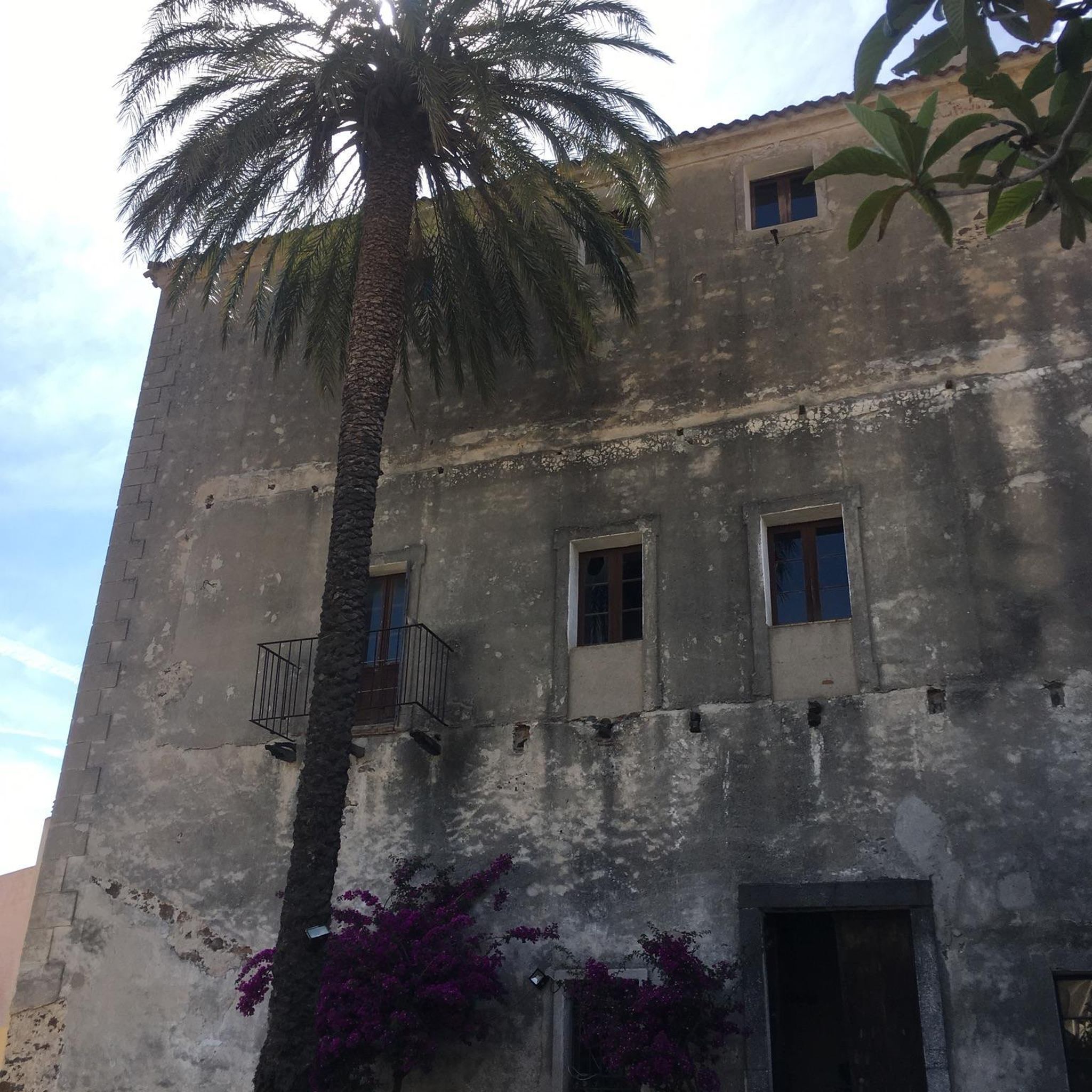
The castle is supposed to look better, at least on the ground floor, than its exterior appearance suggests, but I was denied this insight.
1
0

These cavities in the old ruins are full of mystery.
1
1

The old town of Küstrin is now nothing but forests surrounded by cobblestones and gutters
4
0

It is worth visiting the museum BEFORE visiting the ruins of the old town. Among other things, a film is shown in which historical images have been edited together with a camera movement through the current buildings and parts of the city. This helps you to better understand the heavily overgrown remains of the buildings and the former layout of the city.
2
0

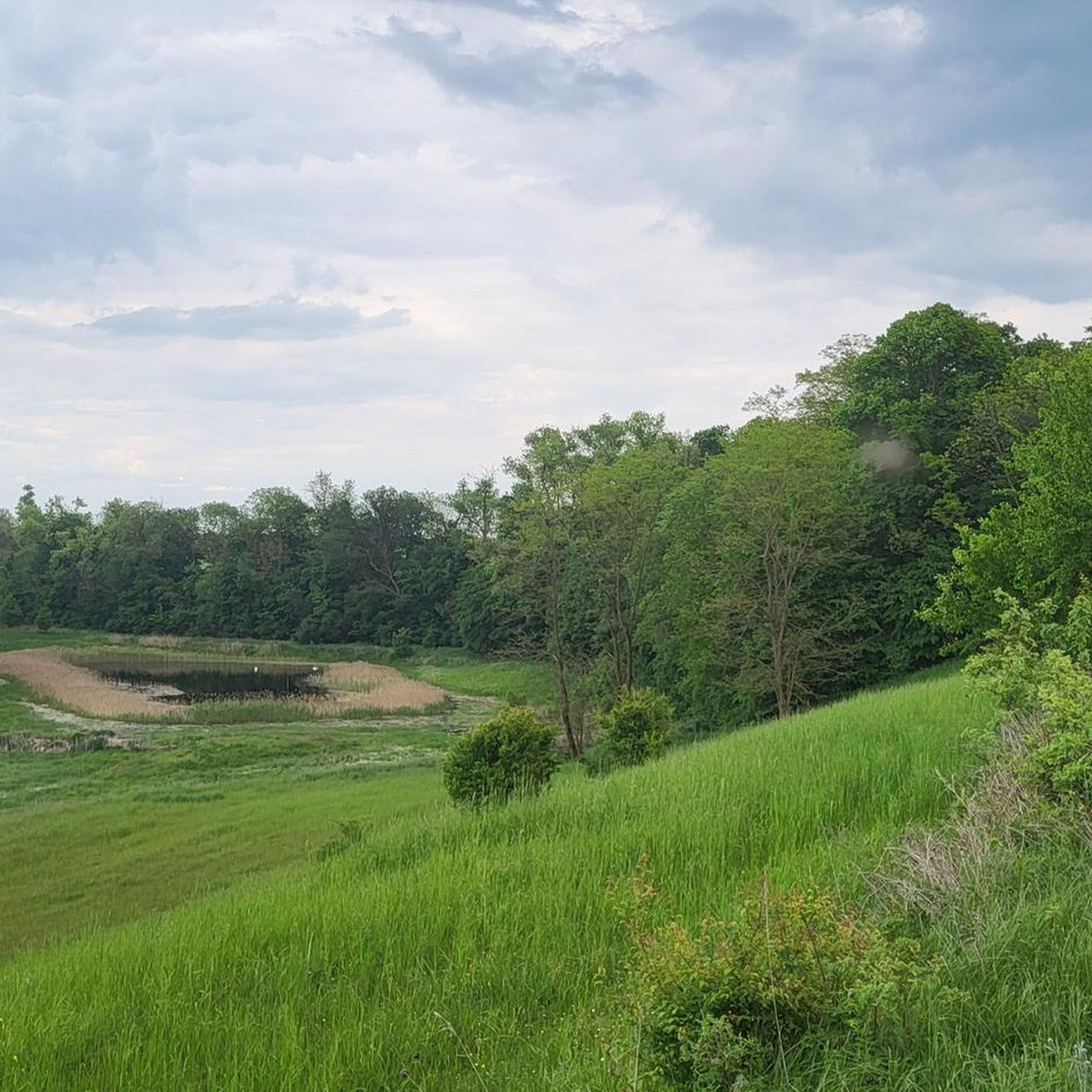
The manor house has seen better days, but the park surrounding it is very beautiful.
3
1

It's a shame, the castle has seen better days. The park is beautiful. More information at: https://de.wikipedia.org/wiki/Schloss_Tamsel?wprov=sfla1
5
2
Frequently Asked Questions
What are the most historically significant castles in the Gmina Dębno region?
The most prominent and historically significant castle in the immediate Gmina Dębno area is Dębno Castle. It is recognized as a late Gothic architectural gem, constructed between 1470 and 1480, with preserved original structure and interior. Other notable historical sites in the broader region include the Ruins of Kostrzyn's Old Town and Fortress, Kostrzyn Fortress, and Sonnenburg Castle Ruins (Słońsk), each offering a glimpse into different historical periods and events.
What architectural styles can be seen in the castles around Gmina Dębno?
Dębno Castle itself showcases a blend of architectural styles, primarily late Gothic, with Renaissance renovations from 1586 and Baroque elements added in the late 18th century. Its irregular quadrilateral plan and adorned walls with stone reliefs are characteristic. Other sites in the region, such as Tamsel Castle, also reflect various historical periods, from its construction around 1686 to later modifications.
Are there any family-friendly castles to visit in the Gmina Dębno area?
Yes, several historical sites in the broader region are considered family-friendly. For instance, Kostrzyn Fortress is categorized as family-friendly, offering restored areas and information boards that provide historical context for all ages. While Dębno Castle itself is a museum, its exhibitions of military items, antique utensils, and the legend of Tarłówna's ghost can also engage families.
What kind of exhibitions or museums are available at these castles?
At Dębno Castle, which has served as a branch of the Tarnów Regional Museum since 1978, you can explore richly furnished rooms including a kitchen, pantry, and chapel. Exhibitions display military items, torture tools, antique kitchen utensils, decorative furniture, tapestries, and paintings. The Kostrzyn Fortress also features information boards that provide historical context about the former city and its destruction.
What outdoor activities can I do near the castles in Gmina Dębno?
The region around Gmina Dębno offers various outdoor activities. You can find numerous hiking trails, including easy and moderate options like the Olszynki nature trail in Warta Mouth National Park. For cyclists, there are road cycling routes, such as the 'Bridge Over the Myśla – Templar Church of Chwarszczany loop'. If you prefer running, explore running trails like the 'Jezioro Lipowo – Plaża miejska loop'.
Is there public transport available to reach Dębno Castle?
While specific public transport routes directly to Dębno Castle are not detailed, the castle's location a few hundred meters south of the European route E40 and only 22km west of Tarnów suggests it is relatively accessible by road. For detailed public transport options, it is advisable to check local bus schedules or regional transport services from nearby towns like Tarnów.
Are there any cultural events or special attractions at Dębno Castle?
Yes, Dębno Castle is known for hosting cultural events. Most notably, it is the venue for the annual Knight's Tournament for the Golden Tarlow Braid, which brings the castle's historical atmosphere to life. The castle's rich history also includes local legends, such as the tragic tale of Tarłówna's ghost, said to appear on moonless nights.
What do visitors enjoy most about the historical sites in this region?
Visitors appreciate the deep historical insights and the well-preserved remnants of past eras. For instance, the Kostrzyn Fortress is valued for its restoration efforts and informative displays that help visitors understand its history. The architectural beauty and museum exhibitions at Dębno Castle are also highly regarded, allowing visitors to step back in time and experience the lives of its former inhabitants.
Can I find viewpoints or natural features near the castles?
While the castles themselves are historical structures, the surrounding region offers natural beauty. For example, the area around Tamsel Castle is noted for its venerable stock of trees from the former castle park. The broader Gmina Dębno region, particularly with its proximity to areas like the Warta Mouth National Park, provides opportunities for enjoying natural landscapes and viewpoints during your visit.
What is the best time of year to visit the castles around Gmina Dębno?
The best time to visit the castles around Gmina Dębno generally aligns with pleasant weather for exploring historical sites and engaging in outdoor activities. Spring and autumn offer mild temperatures, ideal for walking around castle grounds and nearby trails. Summer provides longer daylight hours and opportunities to attend cultural events like the Knight's Tournament at Dębno Castle, though it can be busier.
Are there other historical sites besides castles in the Gmina Dębno region?
Yes, the region is rich in historical sites beyond just castles. For example, the Palace and church in Dąbroszyn (Tamsel) offers another glimpse into the area's past, with its manor house and beautiful park. The Ruins of Kostrzyn's Old Town and Fortress represent a significant historical site that was once a thriving town and fortress.
Is parking available at Dębno Castle?
Information regarding specific parking facilities at Dębno Castle is not explicitly detailed. However, as a museum and a significant tourist attraction, it is reasonable to expect some form of visitor parking nearby. It is recommended to check local signage upon arrival or consult the official website for the most current parking information before your visit.
Most popular routes around gmina gmina gmina Dębno
Most popular attractions around gmina gmina gmina Dębno

Get inspired with the komoot mobile app


Explore more
Looking for the best castles somewhere else? Discover other guides around gmina gmina gmina Dębno:
