Routes

Planner

Features

Updates

App

Login or Signup

Get the App

Login or Signup

Login or Signup

Routes
Places to see
Castles
Poland

Kuyavian-Pomeranian Voivodeship

Routes
Places to see
Castles
Poland

Kuyavian-Pomeranian Voivodeship

Top 20 Castles in Kuyavian-Pomeranian Voivodeship

Castles in Kuyavian-Pomeranian Voivodeship offer a journey into medieval history, with many fortifications built by the Teutonic Knights. This region in Poland features a landscape rich in historical monuments and cultural significance. The castles often served as strategic points, forming a network across the area. These sites provide insight into the architectural styles and historical events that shaped the region.

Best castles in Kuyavian-Pomeranian Voivodeship

  • The most popular castles is Teutonic Castle in Bierzgłowski Castle, a castle built by the Teutonic Order between 1232 and 1270. It is defended by steep slopes and features a courtyard enclosed by a wall with an entrance gate.
  • Another must-see spot is Lubostroń Palace, a classicist chateau built between 1795 and 1800. Visitors can explore the palace set within a large, well-kept garden.
  • Visitors also love Mouse Tower (Mysia Wieża), Kruszwica, a remnant of a castle built by King Casimir the Great around 1350. The tower offers a vantage point over Lake Gopło and the surrounding area.
  • Kuyavian-Pomeranian Voivodeship is known for its Teutonic castles, historical ruins, and classicist palaces. The region offers a variety of castles to see and explore, each with its own historical narrative.
  • The castles in Kuyavian-Pomeranian Voivodeship are appreciated by the komoot community, with more than 160 upvotes and over 110 photos shared.

Last updated: May 19, 2026

Teutonic Castle in Bierzgłowski Castle

Highlight • Castle

The castle was built between 1232 and 1270 (very quickly) by the Teutonic Order of the Hospital of the Blessed Virgin Mary of the German House in Jerusalem. It is defended by steep slopes to the west and south, and by walls and moats to the north and east.
The castle's location allowed for a direct view of the fortress in Toruń, and the castle itself provided an excellent observation point.
On the northwest side stood a building with a basement housing a chapel, refectory, and chapter house, connected to the southwest wing by cloisters.
The courtyard is enclosed by a wall with an entrance gate. The outbuildings included stables, barns, workshops, and a granary. In 1404, the castle housed as many as 189 horses: the knights' war horses, the cadets' horses, draft horses, post horses, mares, and foals. From 1386 to 1415, the castle was the seat of the Biergłowice commanders. During the Thirteen Years' War, in February 1454, the castle was occupied by the Prussian Confederation and became the administrative seat of the Teutonic Order's procurator. From 1474 to 1840, it was owned by the Toruń authorities. After a fire in 1522, the castle fell into ruin. Since 1840, when it passed into private hands, the southwest wing and gate tower were rebuilt. On November 3, 1908, another devastating fire broke out in the rebuilt buildings, destroying the roofing. In 1911, reconstruction was carried out according to a design by Conrad Steinbrecht. The history of the Teutonic Order (Full name: Order of the Hospital of the Blessed Virgin Mary of the German House in Jerusalem), as is almost always the case with "holy" organizations, is a centuries-long history of constant violence. Only the Reformation stopped this mercantile activity. However, it is worth mentioning the efforts to establish a university, a school for girls (very rare at that time) and a set of geometric and theological laws and treatises.

The castle was built in the years 1232-1270 (very quickly) by the Teutonic Order of the Hospital of the Blessed Virgin Mary from the German House in Jerusalem. Steep slopes defend him from the west and south, walls and moat from the north and east.
The location of the castle allowed eye contact with the fortress in Toruń, and the castle itself was an excellent observation point.
From the north-west there was a basement building housing a chapel, refectory, chapter house connected by a cloister with the south-west wing.
The courtyard closes the wall with an entrance gate. In the economic ward there were stables, barns, workshops and a granary. In 1404, there were as many as 189 horses in the castle: war steeds, knights, knechts, draft horses, post horses, mares and foals.
In the years 1386 - 1415 this castle was the seat of the Bierzłów commanders. During the Thirteen Years' War in February 1454, the castle was taken by the army of the Prussian Union and became the administrative seat of the Teutonic prosecutor. In the years 1474-1840 it was owned by the authorities of Toruń. After a fire that took place in 1522, the castle fell into ruins. From 1840, when it passed into private hands, the south-west wing and the gate tower were rebuilt. On November 3, 1908 another severe fire broke out in the rebuilt buildings, which destroyed the roofing. In 1911 a reconstruction was carried out according to the design of Conrad Steinbrecht. The history of the Teutonic Order (Full name: The Order of the Hospital of the Blessed Virgin Mary of the German House in Jerusalem), as it is almost always the case with "holy" organizations, is a centuries-old series of constant violence. Only the Reformation stopped mercantile activity this holiday. However, one should mention the efforts to create a university, a girls' school (very rare at that time) or a collection of geometrical and theological laws and treaties.

Translated by Google •

Tip by

See rides here

Send to Phone

Save

Medieval Town of Toruń

Highlight • Historical Site

The old town of Toruń (German Thorn) was declared a UNESCO World Heritage Site in 1997.
Except for a street from the late 19th century, almost the entire development is medieval. The historical area consists of the old town (city law 1231/1233) and the Neustadt (city law 1246), which developed as a craftsman settlement. Between both lies the castle ruin of the Teutonic Order. (Wikipedia)
A very nice and lively old town. There is a lot to visit, but also nice shops and restaurants.

Translated by Google •

Tip by

Save

Sign up now to discover places like this

Get recommendations on the best single tracks, peaks, & plenty of other exciting outdoor places.

Sign up for free

Ostromecko Palace and Park Complex

Highlight • Historical Site

The team consists of two historic palaces and a large landscape park.

Translated by Google •

Tip by

Save

Lubostroń Palace

Highlight • Castle

There is a hotel on the castle grounds.

Translated by Google •

Tip by

Save

It is worth checking if there is a rowing competition. then a lot is going on under the Tower.

Translated by Google •

Tip by

Save

A four-wing Teutonic commander's castle, erected in 1330 on the shore of the Castle Lake. Built in the well-known four-sided form with a "bergfried" corner tower, which was probably designed by the same architect who had previously built the castle in Gniew. During the Polish-Swedish war in 1628, it was seriously damaged during the siege by the Swedes, and then abandoned. Currently, the castle is in a state of ruin.

Translated by Google •

Tip by

Save

Castle Hill and Klimek Tower

Highlight • Castle

On the highest hill in Grudziądz, in the years 1260-1299, the Teutonic Order erected a fortified castle. Built on a quadrilateral plan with the most important rooms in the southern wing (refectory, chapel) and dormitories (knights' apartments) from the west. In the northern and eastern parts of the castle, utility rooms were built, e.g. kitchen, bakery, brewery and hospital. In the courtyard of the castle, a free-standing defensive tower called Klimek was built, which also served as a prison during peacetime. A 50 m deep well was also dug in the courtyard.

The castle was destroyed many times, mainly during the Swedish wars. From 1781, on the order of the King of Prussia, Frederick II, the castle was dismantled in batches, and the bricks from the demolition were mainly used to build the wall in the Reformati Monastery and fortifications on the citadel.

Only the Klimek tower and the well remained of the castle. Klimek was finally blown up by German troops on March 5, 1945. In 2013-2014, the relics of the Teutonic castle were revitalized. As a result, the walls of the castle and the castle well, currently about 20 meters deep, were exposed. An observation tower was built, modeled on the former Klimek castle tower, whose characteristic decorative elements are strips of glazed dark green brick.

From the twenty-three meter tower you can admire the wonderful panorama of the city and the Vistula valley, and on clear days you can see the buildings of Chełmno, Świecie and Nowy nad Wisłą.

Visiting the facility:
Góra Zamkowa with relics of the Teutonic castle and the Klimek Tower is open daily from:
– from April to September from 9.00 to 20.00
– October, March from 9.00 to 18.00
– from November to February from 9.00 to 16.00
Free admission.

Translated by Google •

Tip by

Save

FORT IV Stanisław Żółkiewski (Graf Ludwig Yorck von Wartenburg). An artillery fort built in the years 1878-1884 of brick, on a pentagonal plan, as the main artillery fort of the Biehlers' type, protected the Toruń Mokre and Toruń Północ railway stations. It could survive a six-month siege. It was intended for a crew of two infantry companies and the service of artillery positions (totalling about 800 people), accommodated in 31 residential rooms. The armament of the facility consisted of 14 medium-caliber guns and, at various times, from 15 to 22 heavy-caliber guns located in two wing batteries together with shelters for their crews. A casemate and 9 infantry shelters have been preserved on the fort's premises. In the 1890s and in the years 1911–1914 it underwent modernization: some windows were bricked up, the rest were equipped with armoured shutters, ammunition elevators were eliminated due to the artillery being moved to coupled batteries, mechanical ventilation was introduced. The whole was surrounded by barbed wire. Part of the barracks and the postern were reinforced, which made the vital parts of the fort resistant to shells from 220 mm cannons.

Translated by Google •

Tip by

Save

FORT IX Bolesław Chrobry (master Heinrich von Plauen). An intermediate artillery fort built in the years 1882-1884 on a pentagonal plan, reduced in size. The fire of its guns reached the town of Stary Toruń. The crew consisted of 1 infantry battalion and the crew of 11 artillery positions with two observation points, located in 23 residential rooms. The fort has two-story gorge barracks, a dry moat with escarpments on both sides and 4 caponiers: two shoulder ones, a gorge and a frontal one. On the lower rampart, onto which the corridors of the upper level opened, there were infantry positions and artillery positions. The storage area and the fortress courtyards were reduced, almost completely built up by ramps leading to the upper rampart. The gun square was similarly reduced, defended by a heavy fortress grid. The interior of the fort was accessed by an iron drawbridge and the main gate. In 1894, the fort was modernized by installing electrical and water installations, the vaults were reinforced with a meter-thick layer of concrete, the earthen fortifications were improved, and the fort slopes were masked with bushes. The whole thing was surrounded by barbed wire.

Translated by Google •

Tip by

Save

One of the oldest buildings in Toruń. Its construction probably began in the 13th century. There is a courtyard, underground, a dansker (toilets for knights in the castle!) and much more.

Translated by Google •

Tip by

Save

Sign up for free to discover even more castles in Kuyavian-Pomeranian Voivodeship.

Sign up for free

Already have an account?

Start today with a free account

Your next adventure awaits.

Login or Signup

Popular around Kuyavian-Pomeranian Voivodeship
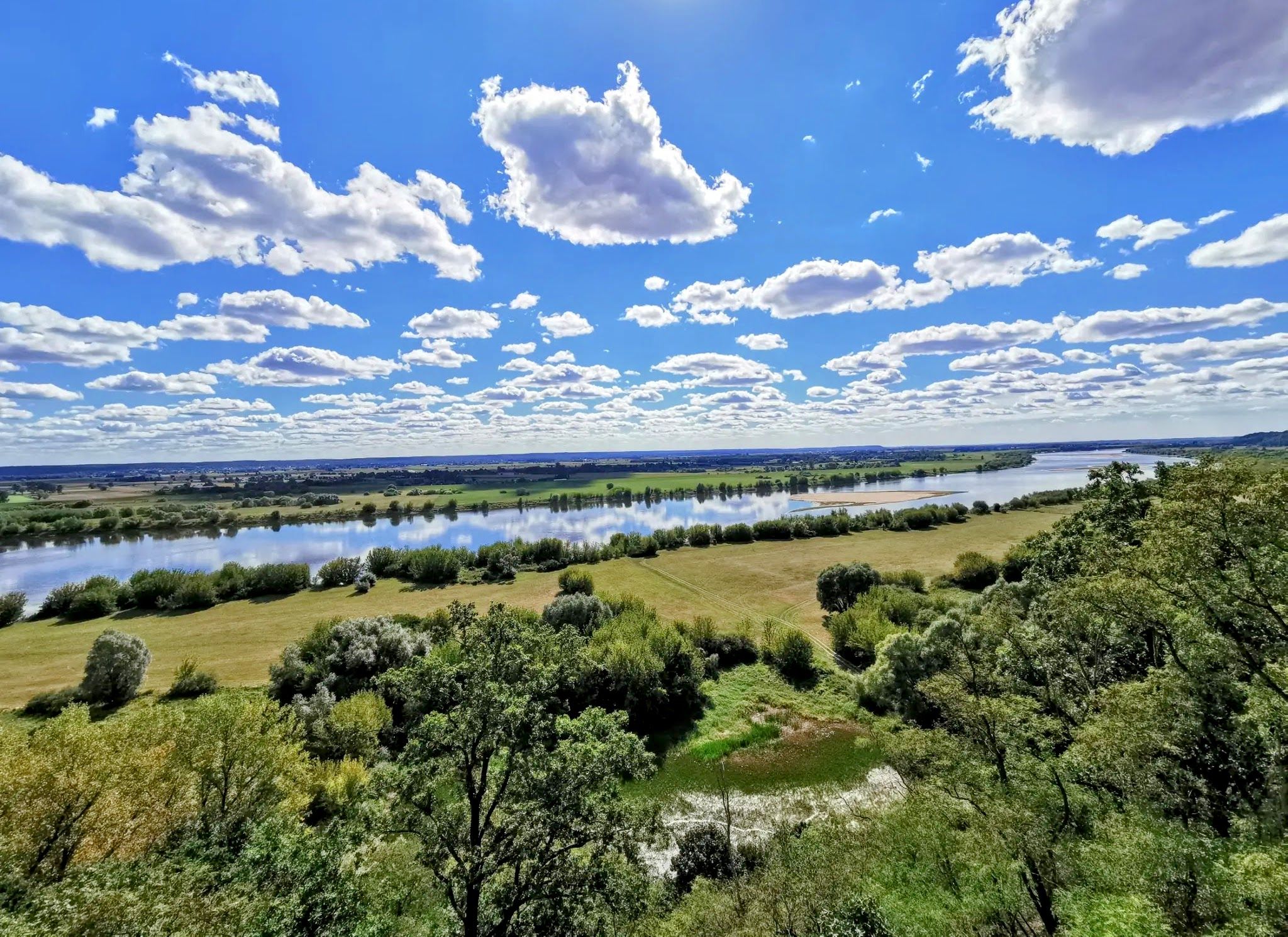
Vistula Cycle Route – The Queen of Polish Rivers in the Spotlight
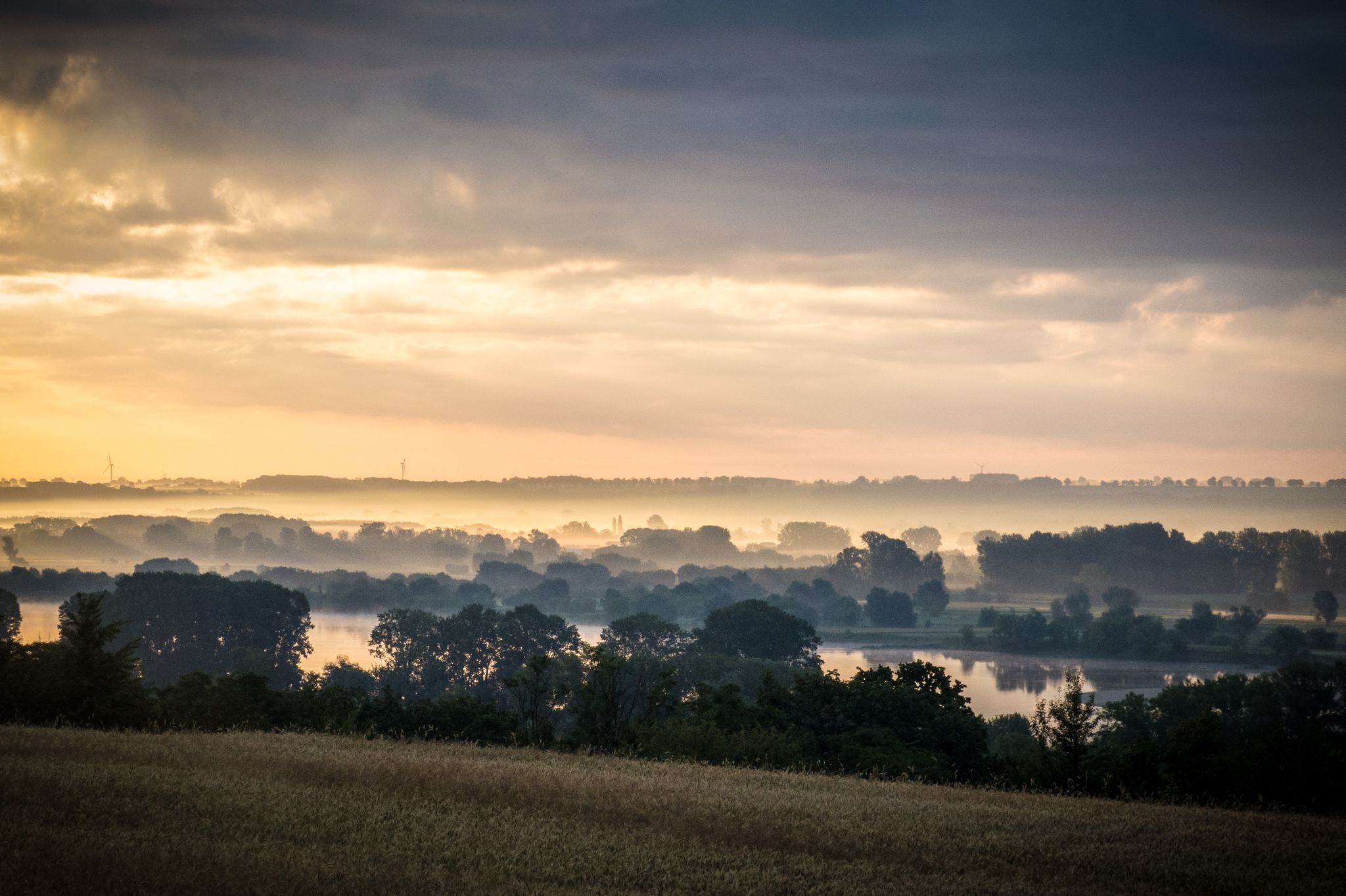
EuroVelo 9 – The Amber Route from the Baltic to Adriatic Sea
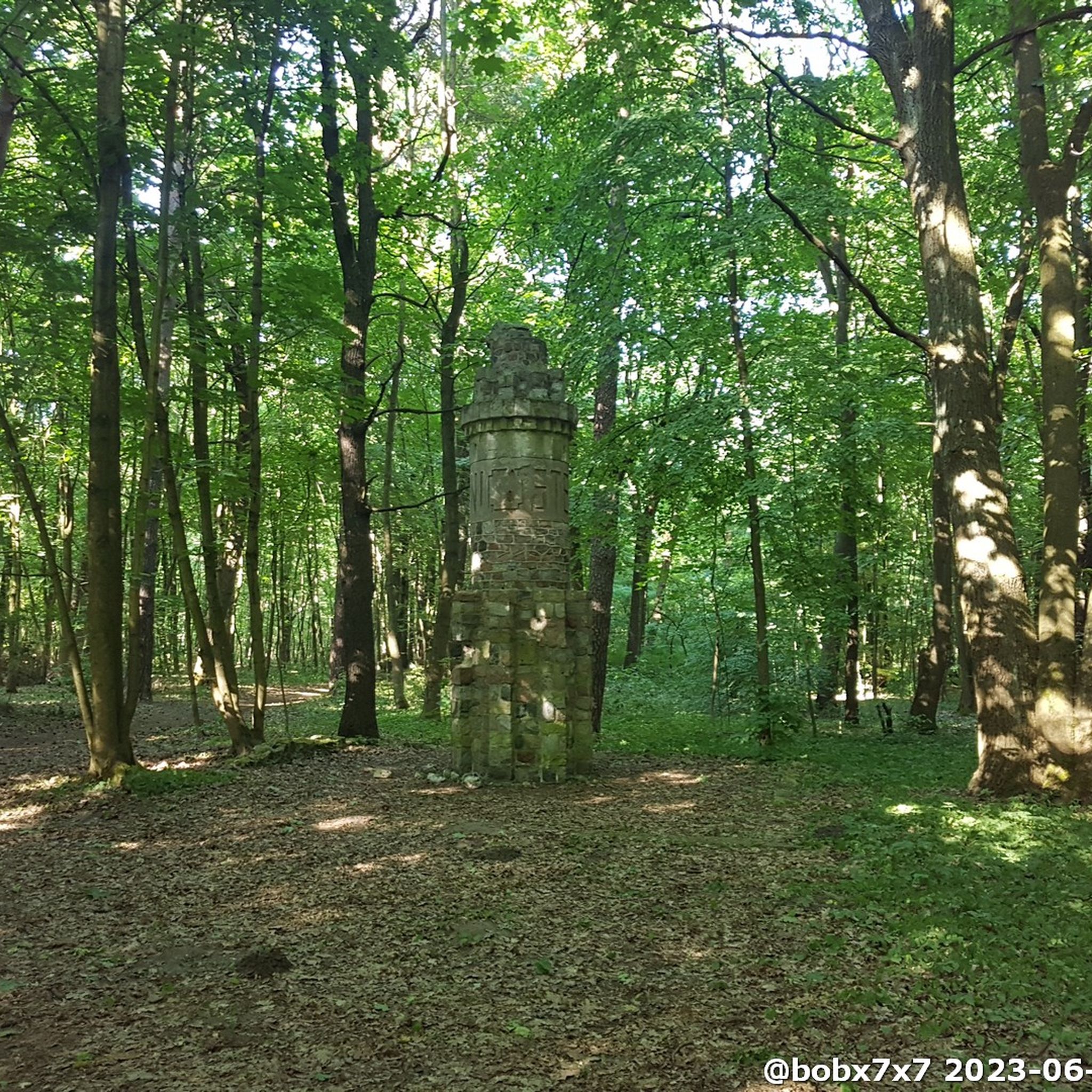
Hiking in Kuyavian-Pomeranian Voivodeship
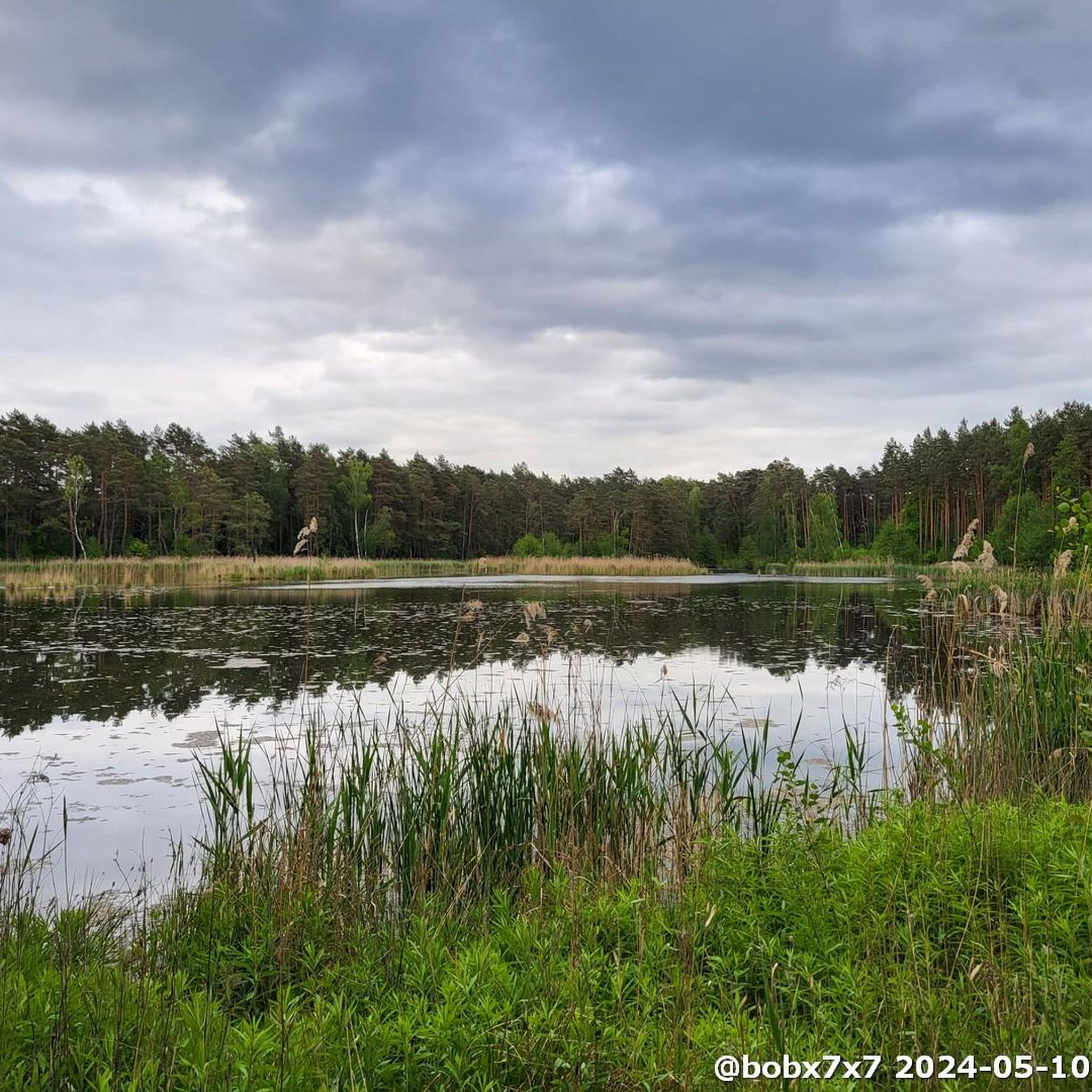
Cycling in Kuyavian-Pomeranian Voivodeship
Road Cycling Routes in Kuyavian-Pomeranian Voivodeship

Running Trails in Kuyavian-Pomeranian Voivodeship
MTB Trails in Kuyavian-Pomeranian Voivodeship

Gravel biking in Kuyavian-Pomeranian Voivodeship

Other adventures in Kuyavian-Pomeranian Voivodeship

Vistula Cycle Route – The Queen of Polish Rivers in the Spotlight

Cycling Collection by

Sylwia

Tips from the Community

Giorgos Kavvas
September 15, 2025, Teutonic Castle Ruins in Radzyń Chełmiński

Nice place for a break with lots of grass around.

0

0

The castle has an open chapel on the first floor.

Translated by Google

0

0

Sylwia
March 28, 2025, Lubostroń Palace

The palace in Lubostroń is a pearl of classicist architecture, surrounded by a vast park. Built at the turn of the 18th and 19th centuries, it delights with its form inspired by the Italian Villa Rotonda. The interior of the palace houses a unique rotunda hall with rich decorations and paintings by famous artists. For road cyclists, the area around Lubostroń offers quiet roads among fields and forests, ideal for a relaxing ride. After visiting the palace, it is worth taking a walk in the park, where you can admire old trees and a picturesque pond.

Translated by Google

0

0

One of the oldest buildings in Toruń. Its construction probably began in the 13th century. There is a courtyard, underground, a dansker (toilets for knights in the castle!) and much more.

Translated by Google

1

0

It is a residential complex consisting of two palaces (the Old Palace and the New Palace) and a beautiful park. It is also a cultural and recreational center. There is even a museum of old, historic pianos!

Translated by Google

0

0

The fort building houses the Social Welfare Home.

Translated by Google

0

0

see TORUŃ FORTRESS    https://www.komoot.com/pl-pl/tour/1947728855

Translated by Google

1

0

see TORUŃ FORTRESS    https://www.komoot.com/pl-pl/tour/1947728855

Translated by Google

0

0

Frequently Asked Questions

Which castles in Kuyavian-Pomeranian Voivodeship are particularly good for history enthusiasts?

The region is rich in historical castles, many built by the Teutonic Knights. For a deep dive into the Teutonic Order's legacy, visit the Teutonic Castle in Bierzgłowski Castle, built between 1232 and 1270. The Ruins of the Teutonic Castle in Toruń offer a tangible connection to the city's medieval past, and the Teutonic Castle Ruins in Radzyń Chełmiński showcase a four-wing commander's castle from 1330. The Mouse Tower (Mysia Wieża), Kruszwica, a remnant of a castle built by King Casimir the Great, also provides a fascinating historical narrative.

Are there family-friendly castles to visit in the Kuyavian-Pomeranian Voivodeship?

Yes, several castles and historical sites in the region are suitable for families. The Ruins of the Teutonic Castle in Toruń and the Teutonic Castle Ruins in Radzyń Chełmiński are noted as family-friendly. The Mouse Tower (Mysia Wieża), Kruszwica, with its vantage point over Lake Gopło and a permanent exhibition, can also be an engaging visit for families. Additionally, the Medieval Town of Toruń itself, with its rich history and architecture, is a great family destination.

What natural features or viewpoints can I expect to see near the castles?

Many castles offer scenic views. The Mouse Tower (Mysia Wieża), Kruszwica provides an excellent vantage point over Lake Gopło and the surrounding area. The Teutonic Castle in Bierzgłowski Castle is defended by steep slopes to the west and south, offering a natural defensive landscape. The Teutonic Castle Ruins in Radzyń Chełmiński are situated on the shore of Castle Lake, adding to the picturesque setting. You can also find viewpoints at Castle Hill and Klimek Tower.

What kind of outdoor activities can I do near the castles in Kuyavian-Pomeranian Voivodeship?

The region offers various outdoor activities. For hiking, you can explore routes like the 'Jelenia Wyspa Nature Trail' or the 'Medieval Town of Toruń Trail'. If you're interested in mountain biking, there are trails such as the 'Narrow-Gauge Railway Bridge – Wilcze Gardło Lake loop'. You can find more details on these and other routes in the Hiking in Kuyavian-Pomeranian Voivodeship and MTB Trails in Kuyavian-Pomeranian Voivodeship guides.

Are there any castles near Toruń worth visiting?

Absolutely. The Ruins of the Teutonic Castle in Toruń are located directly within the historic city, offering a direct connection to its medieval past. The Medieval Town of Toruń itself is a UNESCO World Heritage site, famous for its Gothic architecture and as the birthplace of Nicolaus Copernicus. Just a short distance away, the Teutonic Castle in Bierzgłowski Castle is another significant Teutonic stronghold that was historically in direct view of the Toruń fortress.

What is the best time of year to visit the castles in Kuyavian-Pomeranian Voivodeship?

The castles in Kuyavian-Pomeranian Voivodeship can be visited throughout the year, but the warmer months from spring to early autumn generally offer the most pleasant weather for exploring the outdoor ruins and castle grounds. This period also often coincides with cultural events and tournaments, such as the annual knight and archer tournament at Golubski Castle. Always check specific castle opening hours, as they may vary seasonally.

Can I find accommodation or places to eat near the castles?

Yes, some castles offer on-site amenities. For instance, Lubostroń Palace has a hotel on its grounds and offers a place to eat or drink coffee. The Golubski Castle also provides hotel accommodation for those wishing to extend their historical immersion. In larger towns like Toruń, you'll find a wide range of cafes, restaurants, and accommodation options near the castle ruins and other historical sites.

Are there any castles that host special events or cultural activities?

Yes, Golubski Castle (Golub-Dobrzyń) is known as a lively cultural center. It hosts art exhibitions, educational classes for children and teenagers, musical concerts, and an annual tournament of knights and archers, which is a major draw for visitors. These events offer a dynamic way to experience the region's medieval heritage.

What makes the castles in Kuyavian-Pomeranian Voivodeship unique?

The castles in this region are primarily notable for their strong connection to the Teutonic Knights, showcasing unique Gothic-Renaissance architectural styles. Many were strategically built as part of a larger defensive network, often a day's horse ride apart. They offer a direct glimpse into medieval military architecture and the historical events that shaped Poland, with sites ranging from well-preserved strongholds to atmospheric ruins.

Is there an accessible castle or related site in the region?

While specific accessibility details for all castles vary, the Teutonic Bus Shelter at Bierzgłowski Castle is noted as wheelchair accessible. For detailed information on accessibility for individual castles, it is recommended to check their official websites or contact them directly before your visit.

How long does it typically take to visit a castle in the Kuyavian-Pomeranian Voivodeship?

The duration of a visit can vary greatly depending on the castle and your interest. For ruins like the Ruins of the Teutonic Castle in Toruń or the Teutonic Castle Ruins in Radzyń Chełmiński, an hour or two might suffice for exploration. Larger, more preserved castles like Golubski Castle or palaces with extensive grounds such as Lubostroń Palace could easily take half a day, especially if you include a meal or attend an event.

Most popular routes in Kuyavian-Pomeranian Voivodeship
Family-friendly hikes in Kuyavian-Pomeranian Voivodeship

Most popular attractions in Kuyavian-Pomeranian Voivodeship

Places to see

Store rating

Get inspired with the komoot mobile app

With a free komoot account, you can easily find, customize, and navigate endless outdoor adventures.

or

Join komoot Now

Store rating

Didn’t find what you were looking for?

Explore Kuyavian-Pomeranian Voivodeship’s best castles region by region:

ToruńToruń CityŚwiecie

Other places to explore

Nearby adventure guides

Things to Do around Port Drzewny

background

Get ready to conquer new peaks

Sign up for Free

Explore
RoutesRoute plannerFeaturesHikesMTB TrailsRoad cycling routesBikepackingSitemap
Download the app
Follow Us on Socials

© komoot GmbH

Privacy Policy