The 11 Most Amazing Peaks in the San Jacinto Mountains
Best mountain peaks in the San Jacinto Mountains offer a dramatic landscape in Southern California. This region features several notable peaks, providing diverse experiences for hikers and nature enthusiasts. The area is characterized by significant elevation gains from the desert floor, diverse ecosystems ranging from pine forests to subalpine woodlands, and a network of maintained hiking trails. The San Jacinto Mountains also hold cultural significance as the ancestral homeland of the Cahuilla Indians.
Best mountain peaks in the San Jacinto Mountains
- The most popular mountain peaks is Tahquitz Peak, a summit known for its seasonal fire lookout. This peak offers views to the southeast and the Salton Sea, and is associated with a Native American legend.
- Another must-see spot is San Jacinto Peak, the highest peak in the San Jacinto Mountains at over 10,800 feet. Visitors can expect panoramic views and access via an aerial tramway, significantly reducing the ascent.
- Visitors also love Suicide Rock, a summit offering 360-degree views of the surrounding mountains. This location is also a popular destination for rock climbing.
- San Jacinto Mountains is known for challenging summits, scenic viewpoints, and rock climbing destinations. The region offers a variety of mountain peaks to see and explore, catering to different skill levels and interests.
- The mountain peaks in the San Jacinto Mountains are appreciated by the komoot community, with 14 upvotes and 18 photos shared across the highlights.
Last updated: July 8, 2026
San Jacinto Peak
Highlight • Summit
You can either take a hike from Idyllwild on the west side of the mountain or Palm Springs on the east side. There is also an aerial tramway you can use to get into the San Jacinto Wilderness. If you feel adventurous, you can cross the mountain range using the Pacific Crest Trail.
Tip by

Tahquitz Peak
Highlight • Summit
You need to obtain a free of charge wilderness permit from the Ranger Station in Idyllwild or call (909) 382-2921.
Tip by
Sign up now to discover places like this
Get recommendations on the best single tracks, peaks, & plenty of other exciting outdoor places.
Sign up for free
San Jacinto Wilderness
Highlight • Forest
To camp out, you need a wilderness permit (available at Park Headquarters in Idyllwild and the Valley Ranger Station on the Palm Springs Aerial Tramway side) for the area for 5 Dollars per person. If you have a longdistance permit for hiking the PCT, you do not have to obtain an additional permit. Here is some more information on that: parks.ca.gov/?page_id=636
Tip by
San Jacinto Summit Hut Shelter
Highlight • Mountain Hut
Tip by
Suicide Rock
Highlight • Summit
Tip by

Peak Trail
Highlight • Trail
Tip by
Apache Peak
Highlight • Summit
Tip by
Cahuilla Tewanet Vista Point
Highlight • Viewpoint
Tip by
Murray Hill
Highlight • Summit
Tip by
Simonetta Kennett Vista Point
Highlight • Viewpoint
Tip by

Sign up for free to discover even more peaks in the San Jacinto Mountains.
Sign up for free
Already have an account?
Start today with a free account
Your next adventure awaits.
Login or Signup
Popular around San Jacinto Mountains

Pacific Crest Trail from Mexico to Canada – 4,200 kilometres of wilderness
The tour of your life – music trails on the Pacific coast
Climbing Mount San Jacinto on the Deer Springs Trail
Hiking in the San Jacinto Mountains
Running Trails in the San Jacinto Mountains
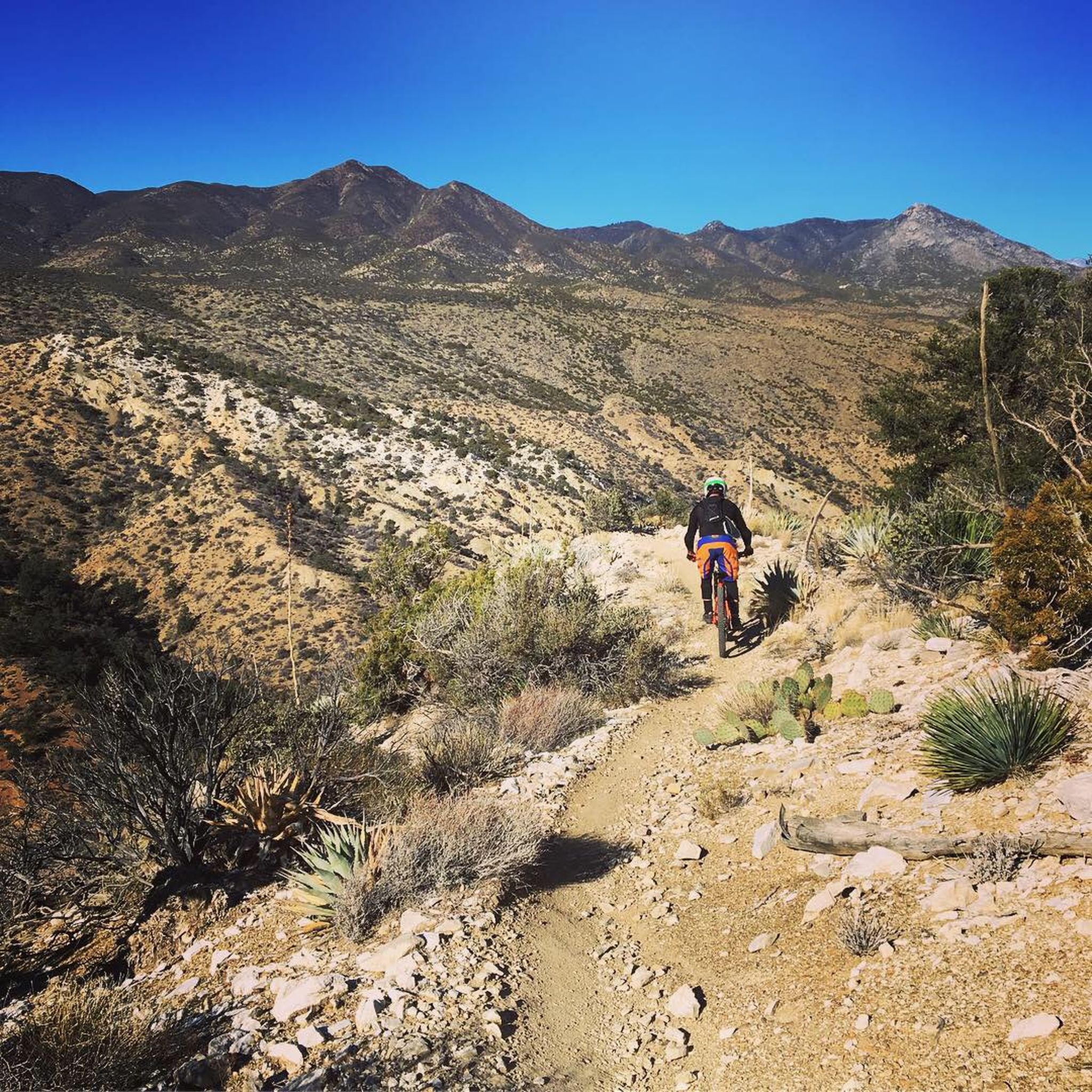
MTB Trails in the San Jacinto Mountains
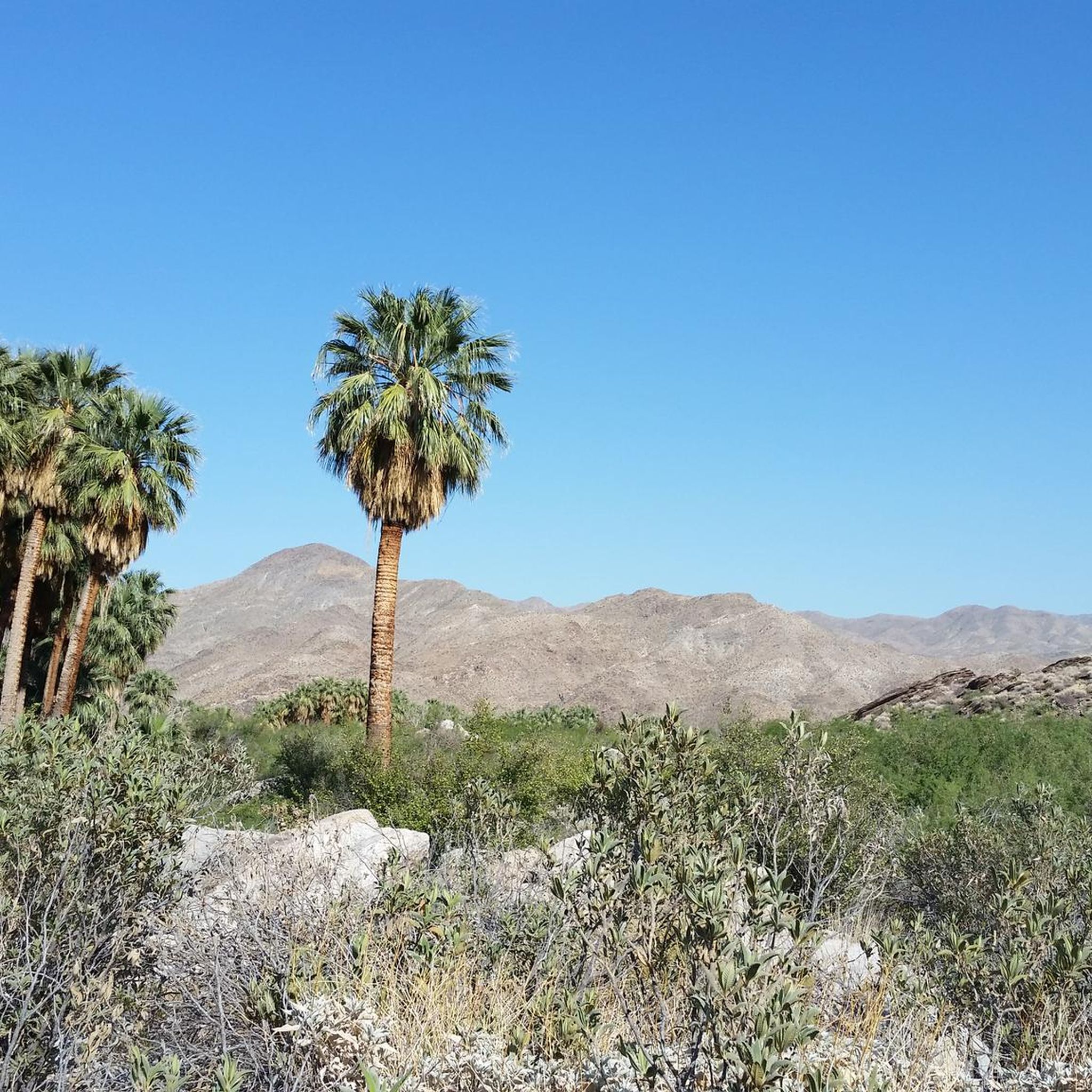
Cycling in the San Jacinto Mountains
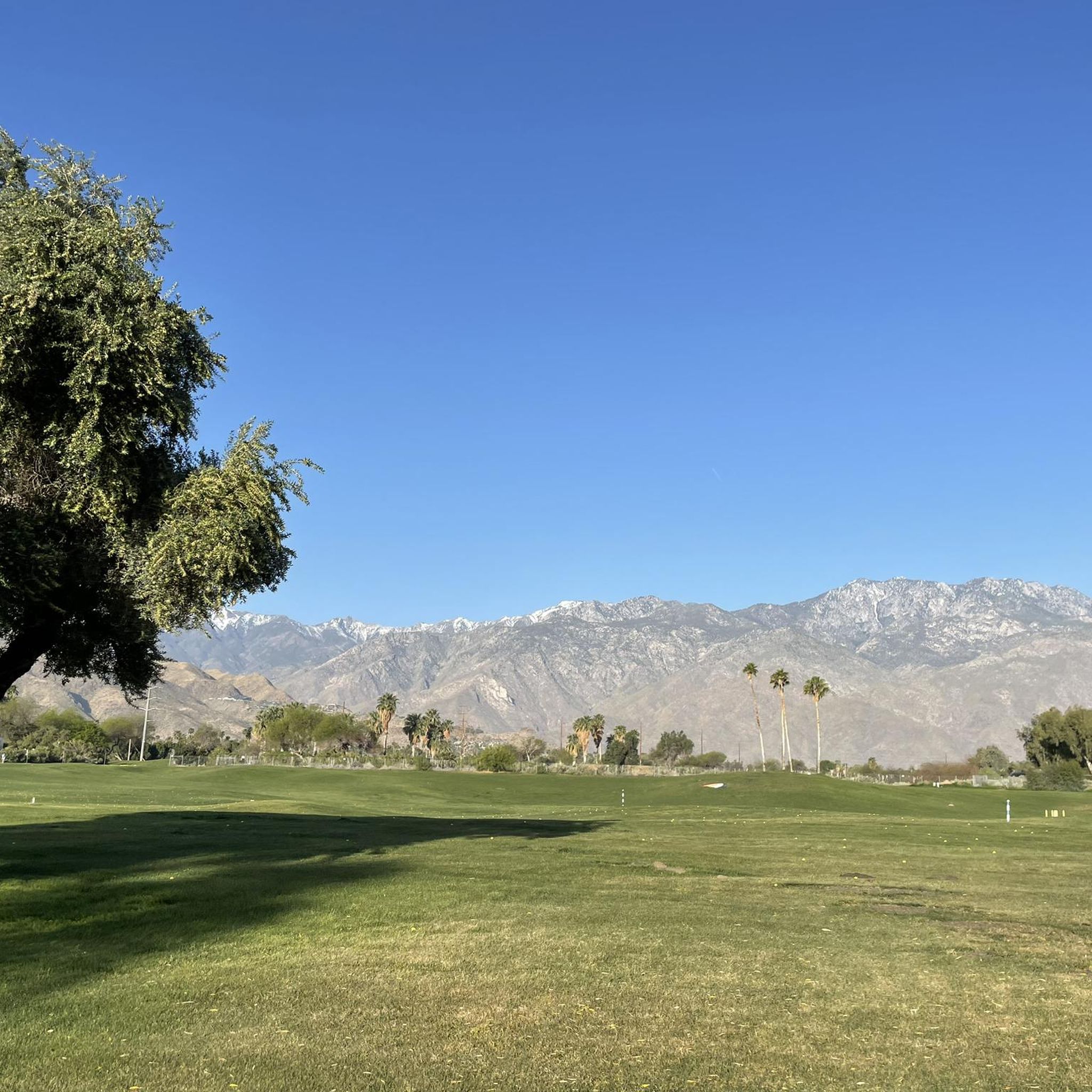
Road Cycling Routes in the San Jacinto Mountains
Other adventures in the San Jacinto Mountains


Tips from the Community


Working your way uphill to this viewpoint is well worth the effort. Once you arrive take a few minutes to let your legs recover while enjoying the view across the valley and surrounding mountains. With a bit of luck you might even see some bighorn sheep along the hillside.
0
0

This viewpoint offers breathtaking views of the Santa Rosa Mountains. The journey is well worth it, as you'll be rewarded with sweeping panoramas of the desert.
0
0


With 10,883 feet, Mount San Jacinto is the highest peak in the San Jacinto Mountains. There is a network of hiking trails around the summit and the San Jacinto State Park itself. If the weather turns for the worst, you can find shelter in a little hut close to the summit. You can either take a hike from Idyllwild on the west side of the mountain or Palm Springs on the east side. There is also an aerial tramway you can use to get into the San Jacinto Wilderness. If you feel adventurous, you can cross the mountain range using the Pacific Crest Trail.
0
0

A pullout on the highway leads those needing to stretch their legs on a short hike to this lookout point with lots of plants along the way.
0
0
As you might expect, the Peak Trail leads you to the summit of Mount San Jacinto and the shelter hut below. There is snow very likely at least until late spring if not into early summer.
5
0
After the climb, hikers are greeted with a large slab of granite with 360 views of the surrounding mountains. Swing by the San Jacinto Ranger Station office to grab a simple permit to hike.
0
0
Frequently Asked Questions
What are some popular mountain peaks to explore in the San Jacinto Mountains?
Beyond the well-known San Jacinto Peak and Tahquitz Peak, visitors also enjoy Suicide Rock, known for its 360-degree views and rock climbing opportunities. Other notable peaks include Apache Peak, which offers gorgeous views from a short side trail off the Pacific Crest Trail, and Black Mountain.
Are there challenging climbs for experienced hikers in the San Jacinto Mountains?
Yes, the San Jacinto Mountains offer several challenging climbs. The ascent to San Jacinto Peak from the desert floor involves a significant elevation gain, making it a strenuous hike. Many trails within the San Jacinto Wilderness are rated as challenging, including sections of the Pacific Crest Trail. Rock climbing is also popular at locations like Suicide Rock and Tahquitz Rock.
What is the best time to hike in the San Jacinto Mountains?
The San Jacinto Mountains offer hiking opportunities year-round, but the best time depends on your desired experience. Spring and fall generally provide pleasant temperatures for hiking. Summer offers a welcome escape from the desert heat, with cooler temperatures at higher elevations. In winter, the peaks can be snow-capped, providing opportunities for snowshoeing and cross-country skiing, though some trails, like those to Tahquitz Peak, can be very dangerous in winter conditions and require proper gear.
Do I need permits for hiking in the San Jacinto Mountains?
Yes, wilderness permits are often required for hiking in certain areas of the San Jacinto Mountains. For example, to camp out in the San Jacinto Wilderness, you need a permit for $5 per person, available at Park Headquarters in Idyllwild or the Valley Ranger Station on the Palm Springs Aerial Tramway side. If you have a long-distance permit for hiking the Pacific Crest Trail, you typically do not need an additional permit. For specific trails like those leading to Tahquitz Peak, free wilderness permits can be obtained from the Ranger Station in Idyllwild.
How can I access San Jacinto Peak?
You can access San Jacinto Peak by hiking from Idyllwild on the west side or Palm Springs on the east side. A popular and less strenuous option is to take the Palm Springs Aerial Tramway, which transports visitors from the desert floor to an elevation of 8,516 feet. This allows hikers to start at a high elevation, significantly reducing the ascent to the peak while still experiencing diverse climate zones.
What unique features does Tahquitz Peak offer?
Tahquitz Peak is known for its seasonal fire lookout, which is primarily staffed by volunteers and is the highest such lookout in the San Bernardino National Forest. Visitors reaching the summit might interact with a volunteer ranger and learn about its history. The peak also holds cultural intrigue, named after a spirit from the Soboba Indian tribe, and is a popular destination for rock climbing, with nearby Tahquitz Rock offering numerous routes.
Are there family-friendly options for enjoying the mountain views?
Yes, there are family-friendly options for enjoying the mountain views. The Palm Springs Aerial Tramway provides an accessible way to reach higher elevations, where you can find easier trails and enjoy panoramic vistas without a strenuous climb. The Cahuilla Tewanet Vista Point is also categorized as family-friendly, offering great views.
What kind of wildlife might I encounter in the San Jacinto Mountains?
The San Jacinto Mountains are home to diverse ecosystems, and within the San Jacinto Wilderness, you might encounter various wildlife. The Santa Rosa and San Jacinto Mountains National Monument, part of the range, protects unique bighorn sheep subspecies. Hikers may also spot deer, various bird species, and smaller mammals. Always observe wildlife from a distance and do not disturb their natural habitat.
What other outdoor activities can I do near the mountain peaks?
Beyond hiking, the San Jacinto Mountains offer a variety of outdoor activities. You can find excellent road cycling routes, such as those detailed in the Road Cycling Routes in the San Jacinto Mountains guide. The region is also popular for running, with numerous trails available, including those highlighted in the Running Trails in the San Jacinto Mountains guide. Rock climbing is a significant draw, especially around Suicide Rock and Tahquitz Rock.
What should I pack for a hike to San Jacinto Peak, especially in winter?
For a hike to San Jacinto Peak, even in warmer months, be prepared for significant temperature drops at higher elevations. Always pack layers, plenty of water, snacks, a map, and a compass or GPS device. In winter, conditions can be severe, with snow and ice. Essential winter gear includes microspikes or snowshoes, trekking poles, warm, waterproof clothing, gloves, a hat, and an ice axe if you plan to tackle steeper, icy sections. Always check weather conditions before heading out.
What is Miller Peak, and is it worth visiting?
Miller Peak, standing at over 10,000 feet, is often considered a side excursion from the main San Jacinto Peak trail. It's frequently visited as a short, approximately five-minute detour, making it an accessible additional summit for those already hiking to San Jacinto. Despite its modest prominence, Miller Peak offers good views, particularly of the Coachella Valley desert cities nearly 10,000 feet below, providing a different perspective of the surrounding landscape. Its rocky summit also offers minor scrambling opportunities.
Where can I find less crowded trails in the San Jacinto Mountains?
While popular peaks like San Jacinto Peak can attract many visitors, especially via the tramway, exploring trails further into the San Jacinto Wilderness or opting for less prominent peaks can lead to a more secluded experience. Trails leading to peaks like Folly Peak, Cornell Peak, or Jean Peak, while challenging, often see fewer hikers. Consulting local ranger stations for current trail conditions and recommendations for quieter routes can also be helpful.
What is the historical significance of the San Jacinto Mountains?
The San Jacinto Mountains hold significant cultural heritage as the ancestral homeland of the Cahuilla Indians. The area's natural features, including peaks like Tahquitz Peak, are intertwined with Native American legends and history. The presence of historic fire lookouts, such as the one on Tahquitz Peak, also adds to the region's historical context, showcasing early efforts in forest preservation and fire detection.
Most popular routes in the San Jacinto Mountains
Most popular attractions in the San Jacinto Mountains

Get inspired with the komoot mobile app


Explore more
See even more amazing summits in the San Jacinto Mountains with these guides:
