Top 20 Natural Monuments around Wageningen
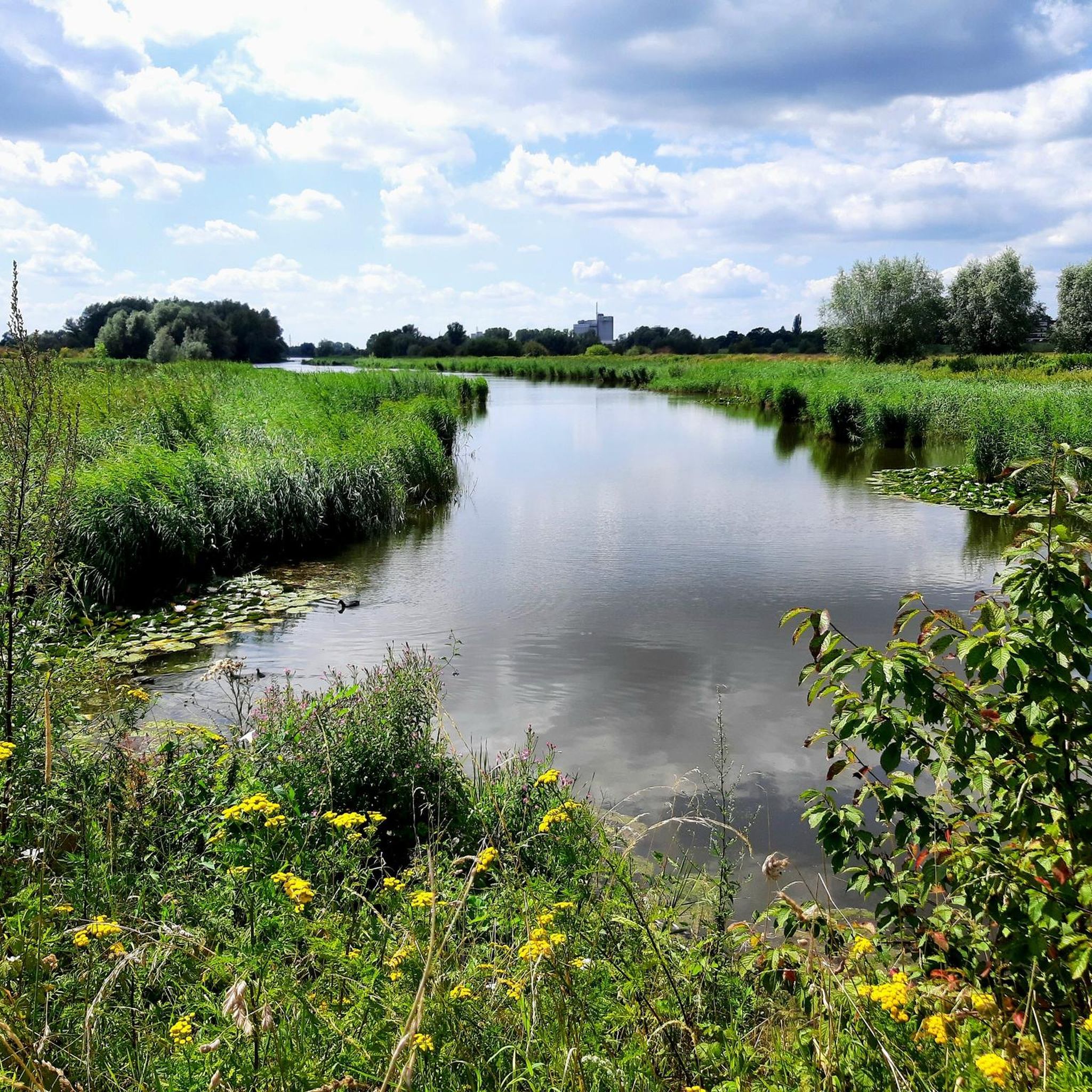
Best natural monuments around Wageningen are characterized by a dynamic natural landscape shaped by the Lower Rhine river and proximity to significant forest and moraine areas. The region offers diverse natural features, including floodplains, arboretums, and unique geological formations. These areas provide opportunities to observe varied flora and fauna. Wageningen's natural surroundings are well-suited for outdoor exploration.
Best natural monuments around Wageningen
- The most popular natural monuments is Lone oak, a natural monument located in the center of a…
Last updated: May 13, 2026
Doorwerth Castle
Highlight • Castle
Translated by Google •
Tip by

Lone oak
Highlight • Natural Monument
Translated by Google •
Tip by

Sign up now to discover places like this
Get recommendations on the best single tracks, peaks, & plenty of other exciting outdoor places.
Sign up for free
Green Box Bed
Highlight • Natural Monument
Translated by Google •
Tip by

Ginkelse Heath
Highlight • Natural
Translated by Google •
Tip by

View of Kwintelooyen
Highlight • Viewpoint
Translated by Google •
Tip by
Sign up for free to discover even more natural monuments around Wageningen.
Sign up for free
Already have an account?
Start today with a free account
Your next adventure awaits.
Login or Signup
Popular around Wageningen
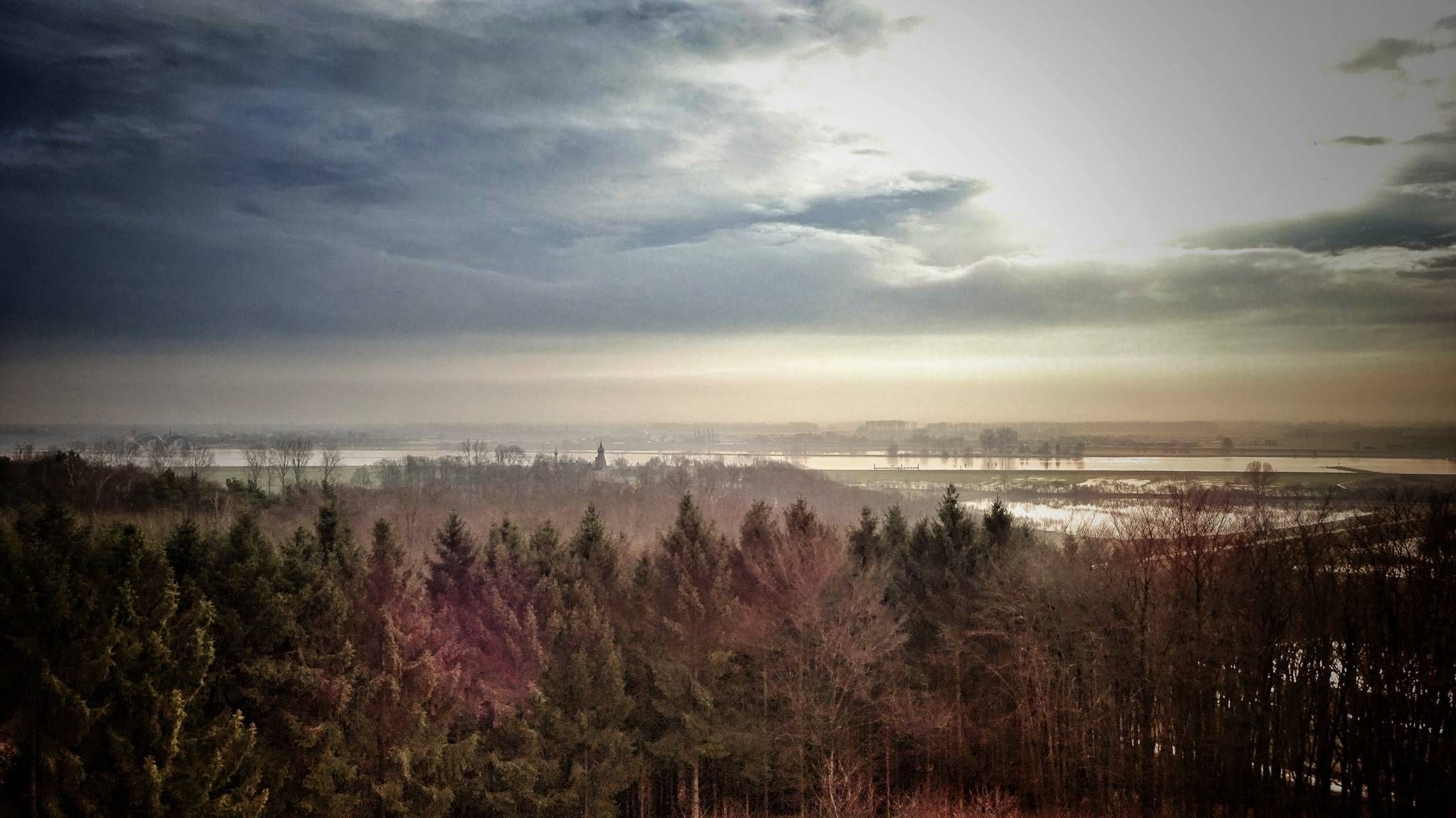
Maarten van Rossumpad – hiking from 's-Hertogenbosch to Steenwijk
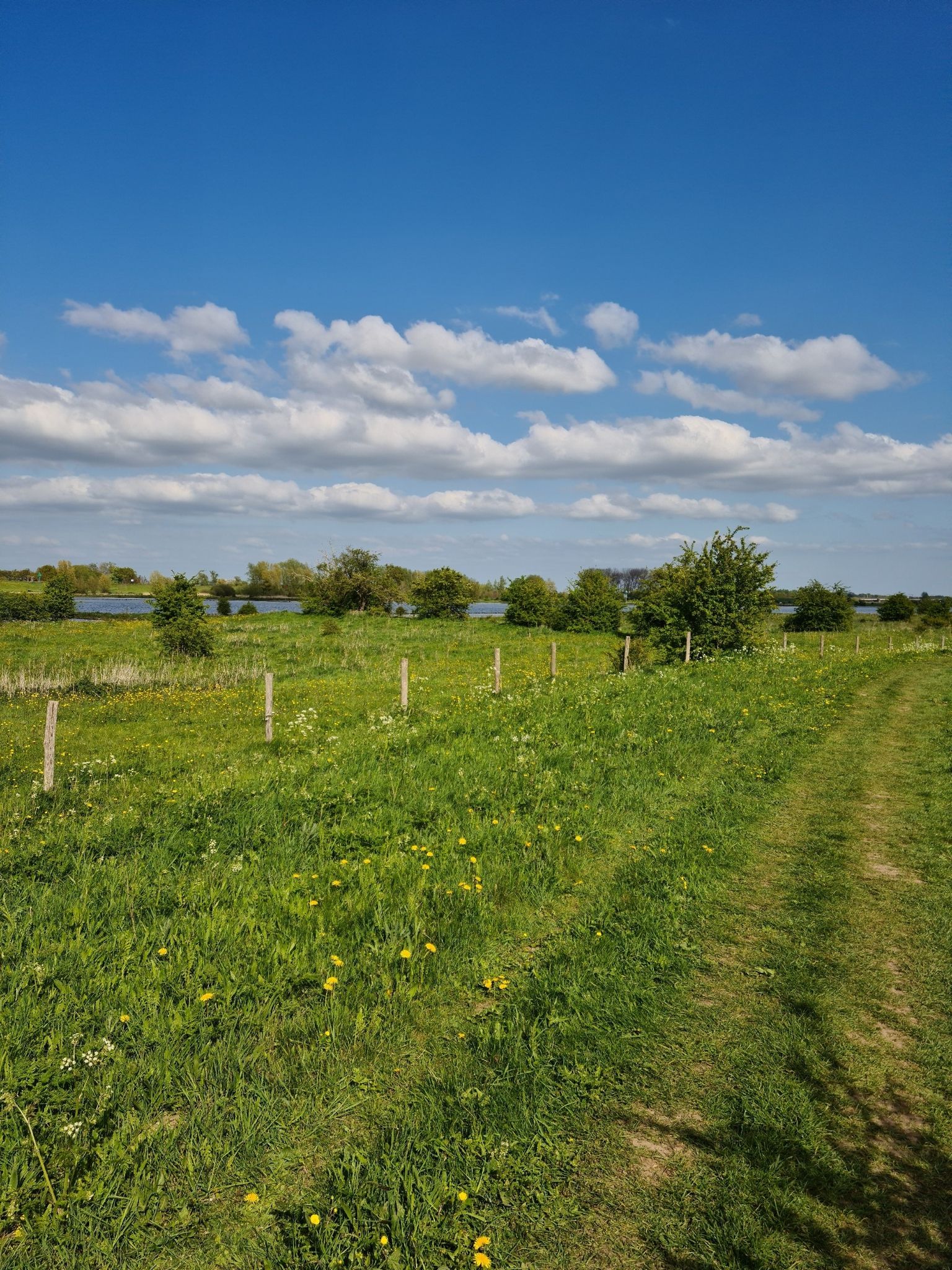
Clog paths for everyone — 10 walks through the farmland
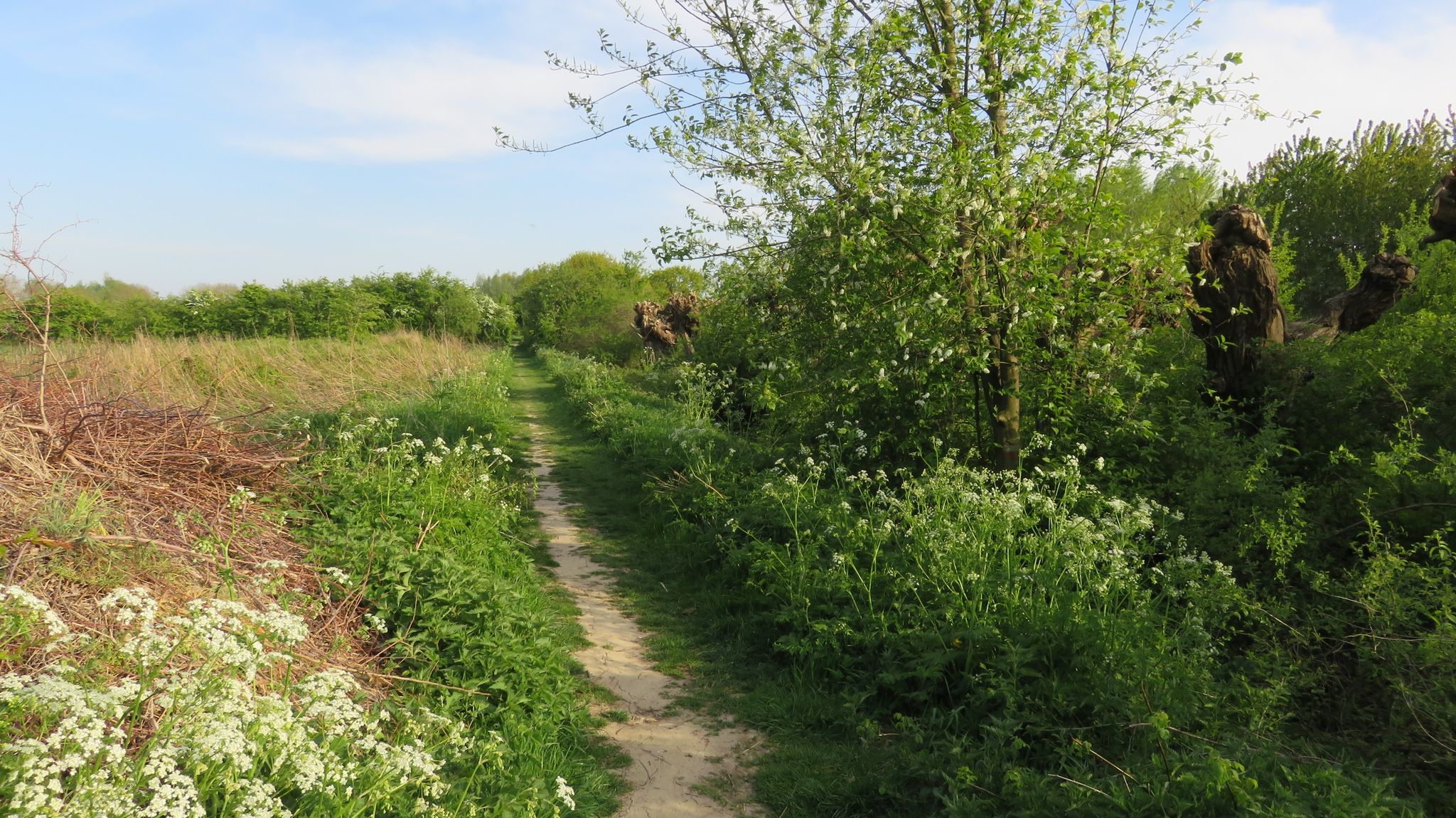
Clogs Trails with Children – 10 hiking adventures in Gelderland and Utrecht
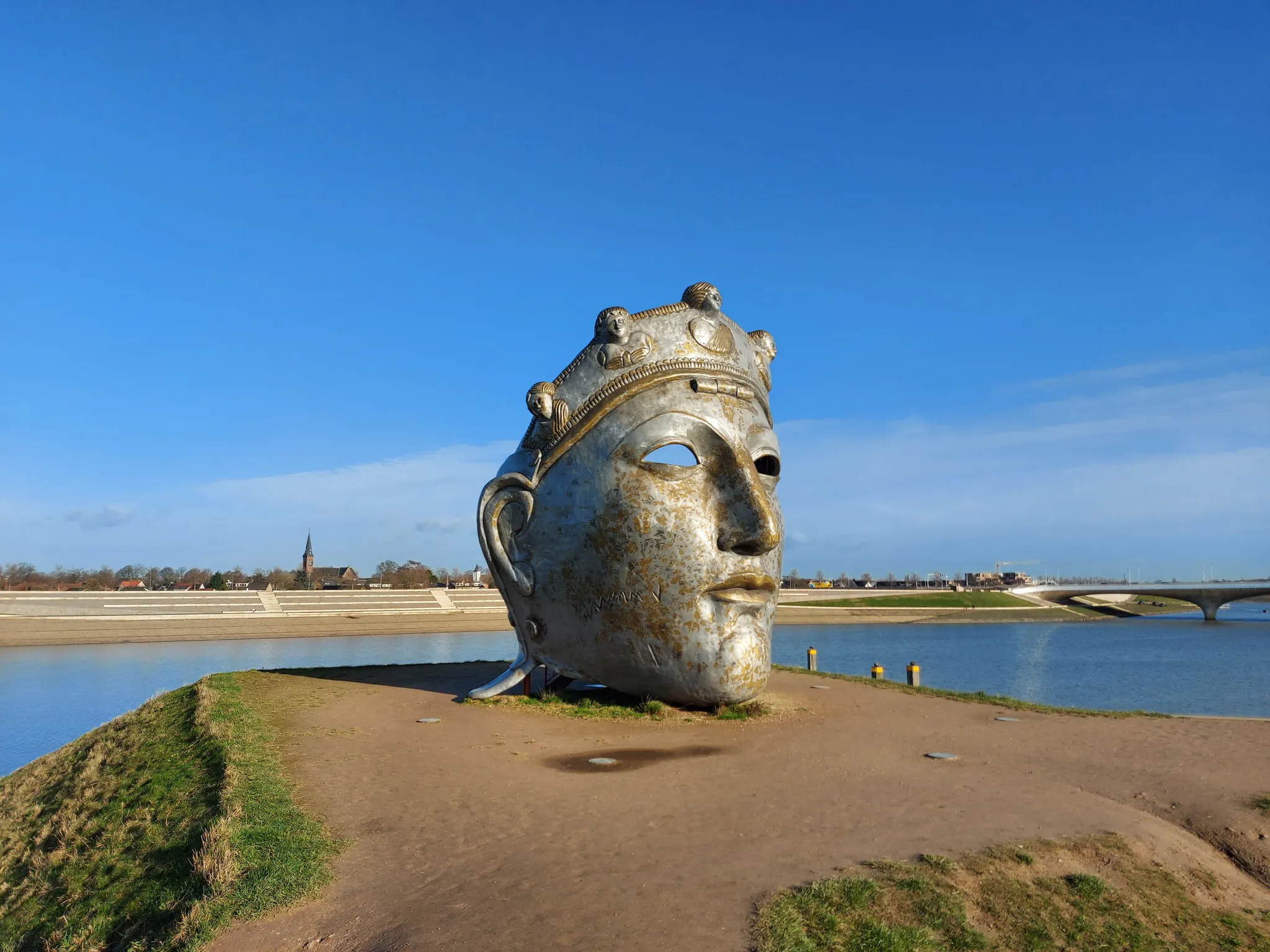
In the footsteps of the Romans on the Roman Limes Trail
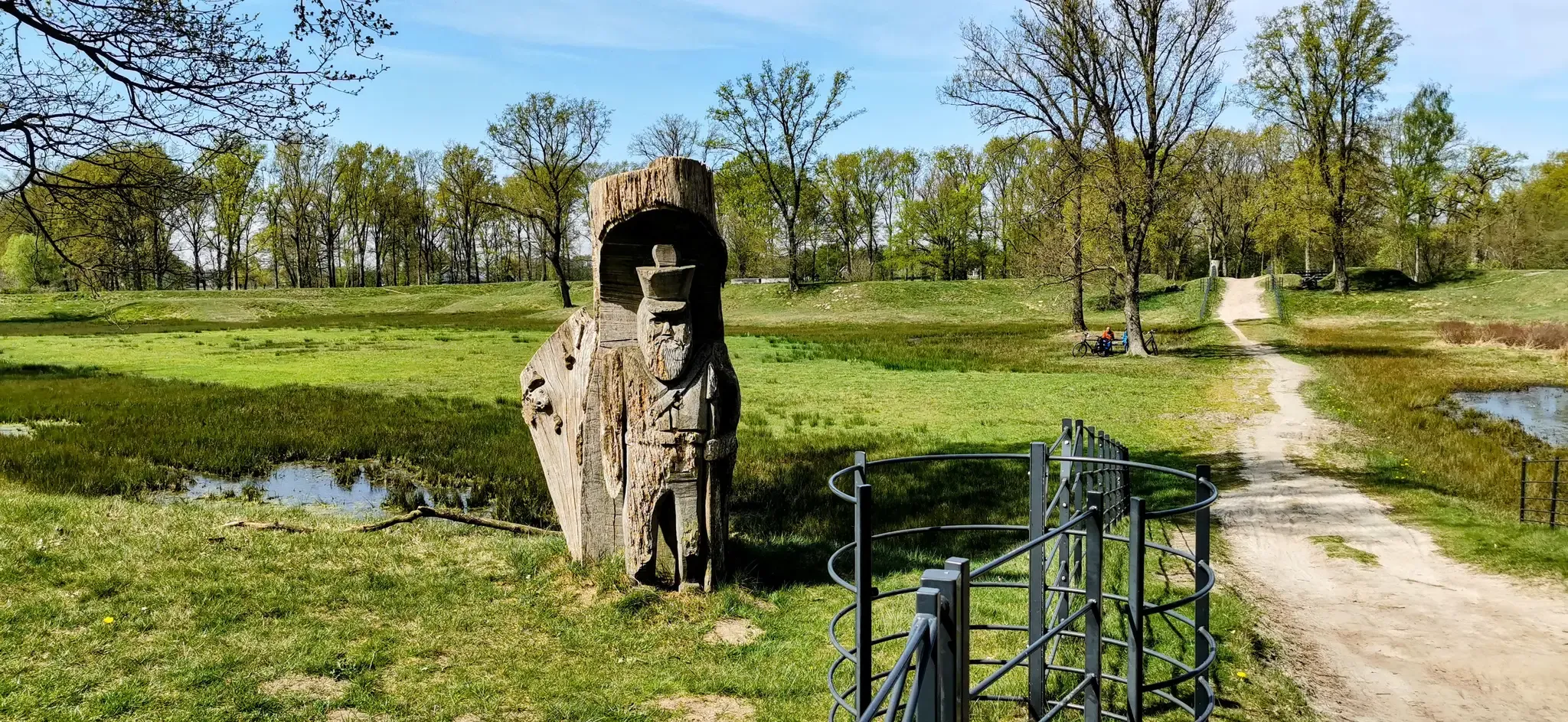
Walk through living history – the Grebbe Line in five days
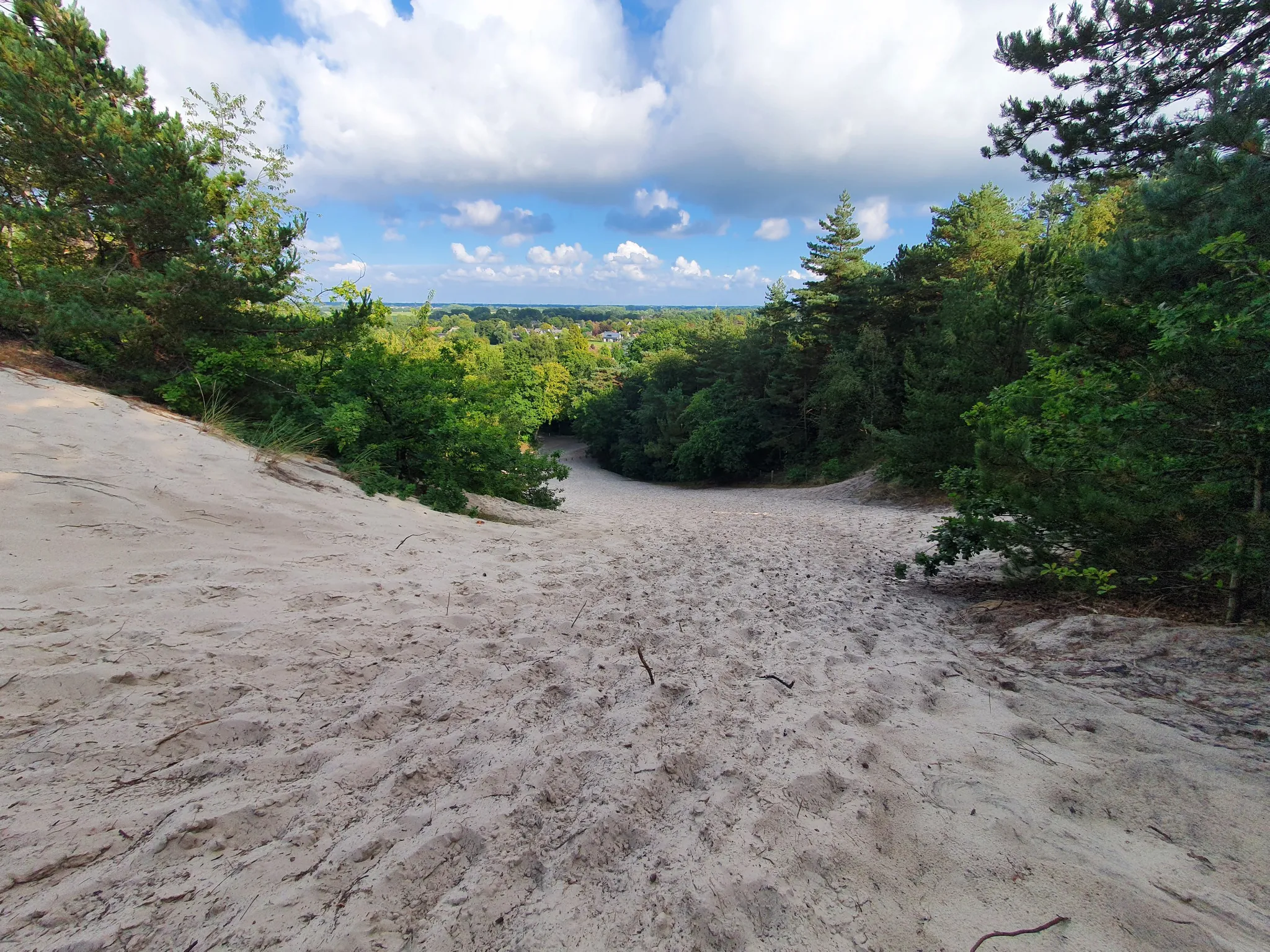
Altitude training for runners – hill runs in the Netherlands
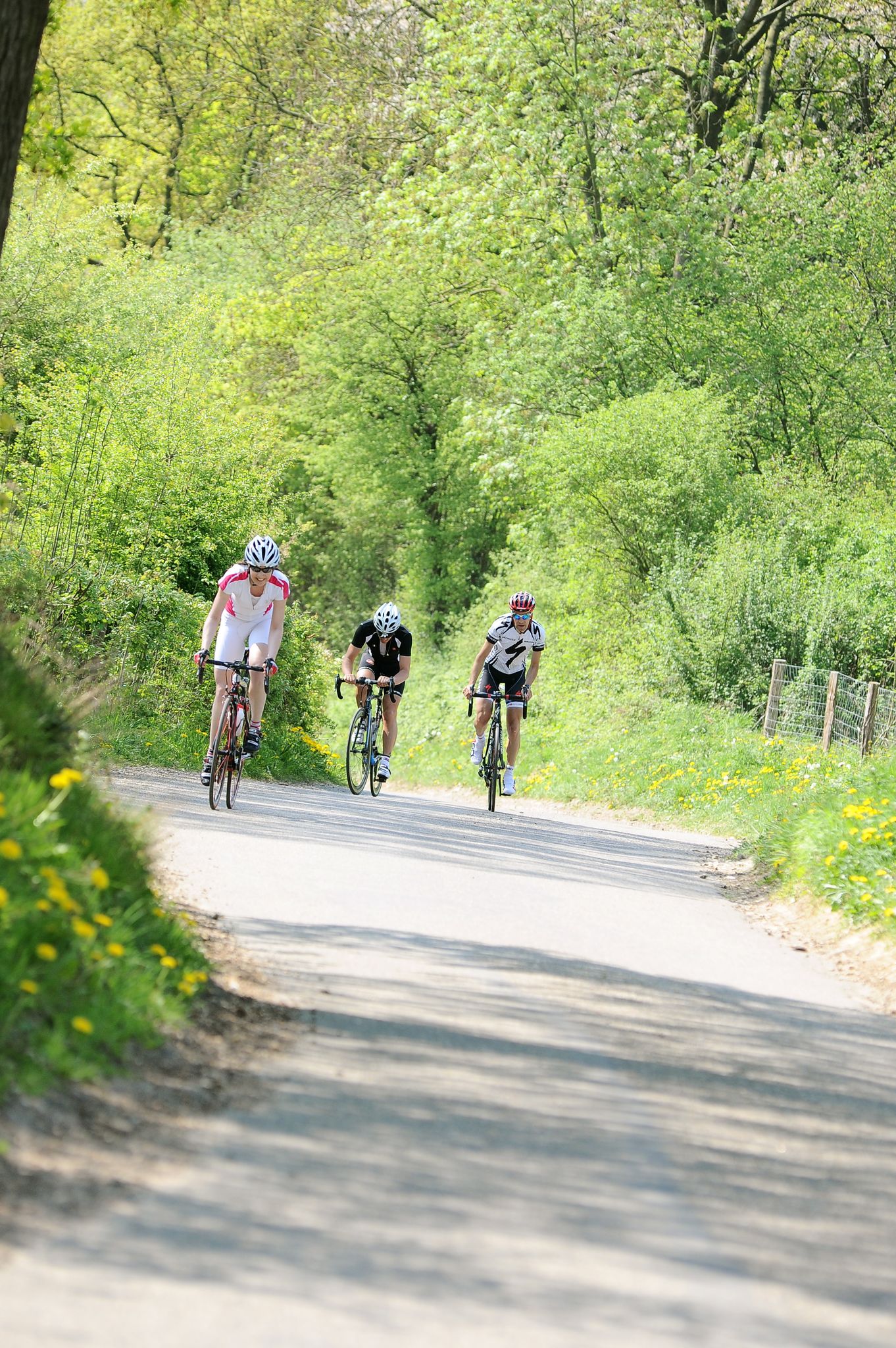
Plan your moment of fame – the Dutch Cycling Classics
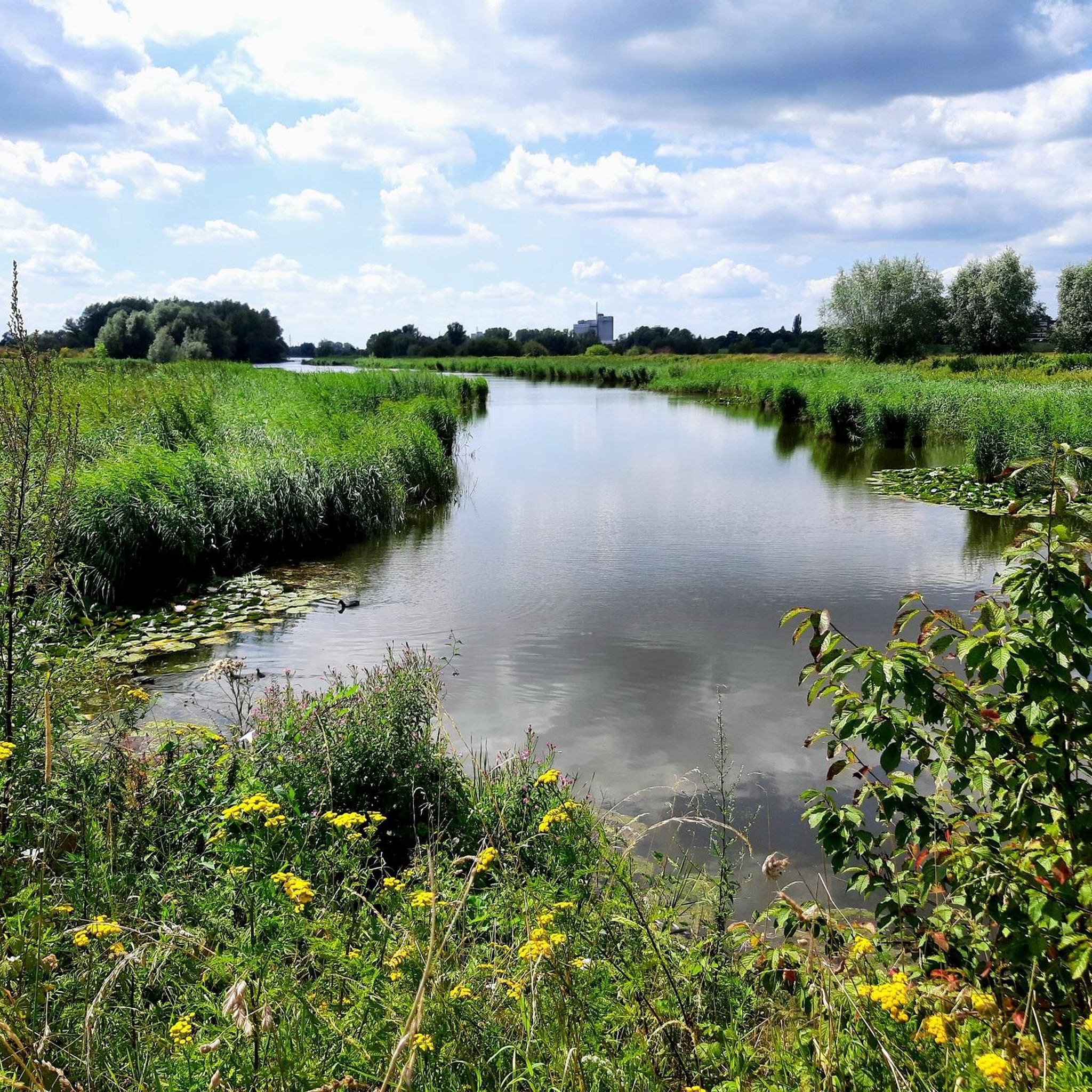
Hiking around Wageningen
Road Cycling Routes around Wageningen
Running Trails around Wageningen
Other adventures around Wageningen


Tips from the Community

Especially in autumn, a view over colored trees
1
0

The green box bed was actually meant for rich women in the past. They could be outside without getting a tan.
7
0

After a nice climb, you have a great view here!
1
0

Nice place to take a walk and then enjoy a drink on the terrace.
1
0

The Ginkelse Heide is a beautiful nature reserve near Ede. Here you can wander all year round over the vast heathland and through the forest. The Ginkelse Heide is also the habitat for many red deer, wild boar, sheep and roe deer. Enjoy the peace and the fantastic beautiful views here!
7
1

Unfortunately, dogs are not welcome in some areas. That's why I had to adjust the row, which fortunately was easy. This happens to me regularly. Actually that should be mentioned. I don't think I'm the only one experiencing this.
7
0

The Ginkelse heide is a beautiful nature reserve located in the Dutch province of Gelderland. With its vast moors, forest areas and sand drifts, it offers a breathtaking landscape for nature lovers. The heath is best known for its rich flora and fauna, including rare plant species and various bird species. Moreover, the Ginkelse heide has a historical significance as a landing zone during the Second World War. Every year, the commemoration of the Battle of Arnhem takes place here, when paratroopers land on the heath.
3
2
Kasteel Doorwerth is a medieval castle located in Doorwerth, the Netherlands. The castle dates back to the 13th century and has a rich history as a fortification, hunting lodge and noble residence. The castle has several historic rooms, a museum, a herb garden and a moat. In addition, there are regular events and exhibitions. The castle is a popular tourist attraction and offers an interesting insight into the history of the area.
3
0
Frequently Asked Questions
What unique natural features can I explore around Wageningen?
The Wageningen region offers diverse natural features. You can experience the dynamic interplay of the Lower Rhine river at the Blauwe Kamer nature reserve, explore the unique flora and fauna of the Wageningse Uiterwaarden floodplains, or visit the varied collection of trees at the Belmonte Arboretum. Further afield, the forests and moraines of the Veluwe and Utrechtse Heuvelrug provide extensive natural landscapes.
Are there any historical natural monuments in the Wageningen area?
Yes, the region features natural monuments with historical significance. The Lone oak, for instance, was likely planted in 1792 as part of a star-shaped forest commissioned by the owners of Amerongen Castle. Additionally, Ginkelse Heath holds historical importance as a landing zone during the Second World War, with annual commemorations of the Battle of Arnhem.
What are some family-friendly natural monuments to visit near Wageningen?
Several natural monuments around Wageningen are suitable for families. The Lone oak is located in a star forest with benches for relaxation. The Green Box Bed offers a unique shaded walk under beeches. Ginkelse Heath provides vast open spaces for exploration, and Heidebloem Pond offers a peaceful spot with wooden walkways and plenty of wildlife to observe.
Where can I find scenic viewpoints among the natural monuments?
For panoramic views, visit View of Kwintelooyen, which offers vistas over the landscape and benches for resting. The Lone oak also provides a nice view from its location on the Amerongse Berg. The Belmonte Arboretum, overlooking the floodplains, offers breathtaking views in every season.
What kind of wildlife can I expect to see at these natural monuments?
The natural monuments around Wageningen are rich in wildlife. The Blauwe Kamer nature reserve is a paradise for birdwatchers due to the dynamic river environment. In the Wageningse Uiterwaarden floodplains, you might encounter grazing animals like cows and horses. Ginkelse Heath is known for its diverse flora and fauna, including various bird species. The Heidebloem Pond also offers opportunities to observe various walking, flying, and crawling creatures.
Are there hiking trails near the natural monuments around Wageningen?
Yes, the area offers numerous hiking opportunities. You can find routes that take you through the forests and moraines of the Veluwe and Utrechtse Heuvelrug. For specific trails, explore the Hiking around Wageningen guide, which includes routes like the 'Surprising hiking around Wageningen' and 'Belmonte Arboretum – Along the Nederrijn loop from Wageningen'.
Can I go cycling near these natural monuments?
Cycling is a popular activity in the Wageningen area, especially along the banks of the Rhine river. You can find various cycling routes that pass by or through natural monuments. Check out the Cycling around Wageningen guide for options such as the 'Ginkelse Heath – View of Renkum's Beekdal loop from Wageningen' or the 'Forest Path in Veluwe – Kreelseweg Heathland (Veluwe) loop from Wageningen'.
What is the best time of year to visit the natural monuments in Wageningen?
The natural monuments around Wageningen offer beauty in every season. The Belmonte Arboretum, for example, provides stunning views year-round. Autumn is particularly popular for walks through the forests and heaths, while spring brings blooming flora. Birdwatching is excellent throughout the year, especially in areas like Blauwe Kamer.
Are there easy walking paths suitable for all abilities?
Many natural areas around Wageningen offer accessible paths. The Wageningse Uiterwaarden floodplains are excellent for walking, and the Green Box Bed provides a relatively flat, shaded walk. For specific easy routes, refer to the Hiking around Wageningen guide, which lists routes like 'Discover the Wageningen Engpad – Clogs Trails with children' with an easy difficulty grade.
What do visitors enjoy most about the natural monuments around Wageningen?
Visitors frequently appreciate the serene natural landscapes, the opportunities for birdwatching, and the diverse flora and fauna. The historical context of sites like the Lone oak and Ginkelse Heath also adds to the experience. Many enjoy the well-developed cycle paths and the peaceful spots with benches to relax and take in the views, such as at View of Kwintelooyen.
Are there specific geological features to observe?
The region is characterized by its proximity to the Lower Rhine river, which dynamically shapes environments like the Blauwe Kamer. You can also observe the moraines of the Veluwe and Utrechtse Heuvelrug, which are geological formations left by glaciers. The fens, such as Heidebloem Pond, are small, shallow lakes found on Pleistocene sandy soils, representing unique hydrological features.
Are the natural monuments around Wageningen dog-friendly?
Many natural areas in the Netherlands are dog-friendly, often requiring dogs to be on a leash to protect wildlife. Specific rules can vary by location, especially in nature reserves. It's advisable to check local signage or park websites for the most current regulations regarding dogs in areas like the Wageningse Uiterwaarden or the Veluwe.
Most popular routes around Wageningen
Most popular attractions around Wageningen

Get inspired with the komoot mobile app


Explore more
Extend your search for the best caves by checking out these guides of the top ones around Wageningen:
