The 8 Most Amazing Peaks around Kraków
Best mountain peaks around Kraków offers a diverse range of elevated points, from historical mounds within the city to significant mountain ranges nearby. Kraków is situated approximately 100 km north of the Tatra Mountains and within 60-150 km of the Beskidy Mountains, providing access to true mountain experiences. The region features both man-made mounds offering panoramic city views and natural summits with expansive vistas. These locations provide varied opportunities for exploration and outdoor activity.
Best mountain peaks around Kraków
- The most popular mountain peaks is Piłsudski Mound, a man-made monument that is the highest point in Kraków at 383 meters above sea level. It offers panoramic views of the city and, on clear days, the distant Tatra Mountains.
- Another must-see spot is Łysa Góra Viewpoint, a viewpoint and summit. The ascent is described as tiring, but the views from the top are notable.
- Visitors also love Wielkanoc Hill (260 m), a summit with a green-marked hiking trail. The short ascent is considered worthwhile for its views.
- Kraków is known for man-made mounds, natural summits, and viewpoints. These include elevated points within the city and peaks in the nearby Tatra and Beskidy Mountains, offering a variety of terrain elevation difficulty levels mountains near Kraków.
- The mountain peaks around Kraków are appreciated by the komoot community, with 153 upvotes and 130 photos shared across the highlights.
Last updated: October 7, 2026
Piłsudski Mound
Highlight • Monument
Translated by Google •
Tip by

Wielkanoc Hill (260 m)
Highlight • Summit
Translated by Google •
Tip by
Sign up now to discover places like this
Get recommendations on the best single tracks, peaks, & plenty of other exciting outdoor places.
Climb to Kościuszko Mound in Krakow
Highlight (Segment) • Climb
The average gradient is 6.3%. Unfortunately, the surface is not in the best condition, and on weekends there can be a lot of traffic.
Translated by Google •
Tip by

Łysa Góra Viewpoint
Highlight • Viewpoint
Translated by Google •
Tip by

Kajasówka Peak
Highlight • Summit
Translated by Google •
Tip by

Sign up for free to discover even more peaks around Kraków.
Already have an account?
Start today with a free account
Your next adventure awaits.
Popular around Kraków
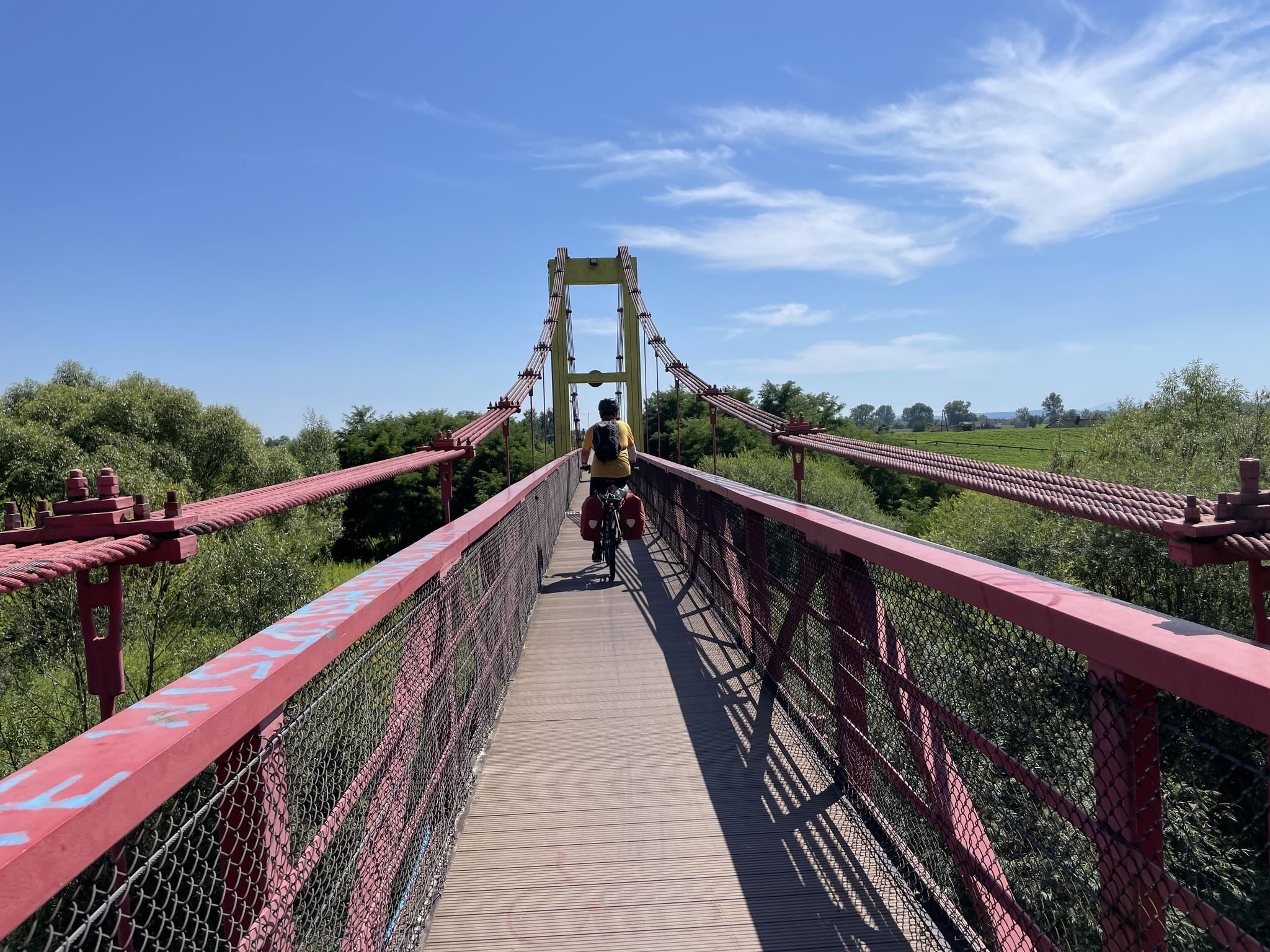
EuroVelo 4 (section in Poland) – Wonderful Vistula river vibes and historic Polish cities
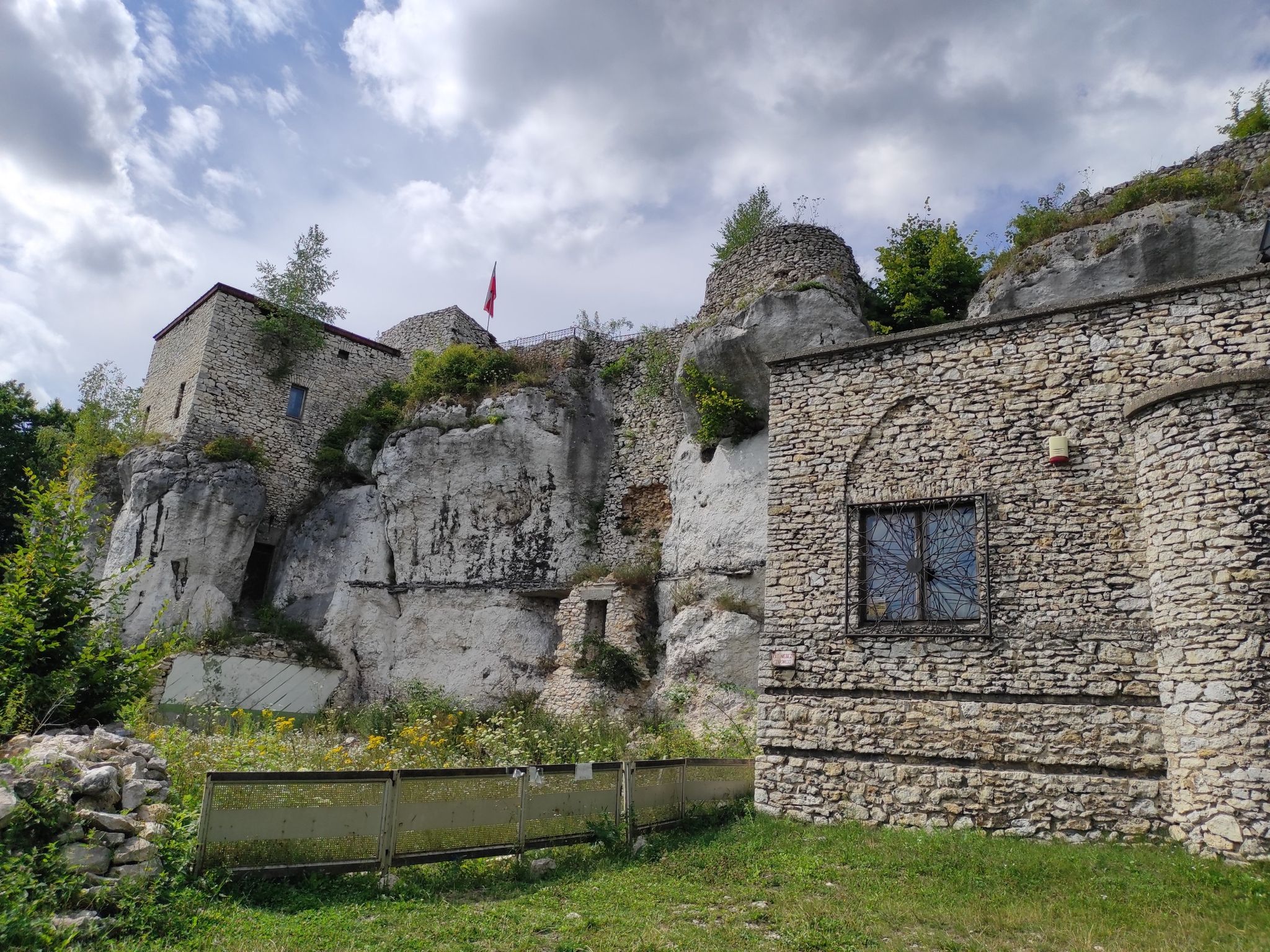
Trail of the Eagle's Nests — Magnificent Castles of Kazimierz Wielki and beautiful Grottos and Rocks
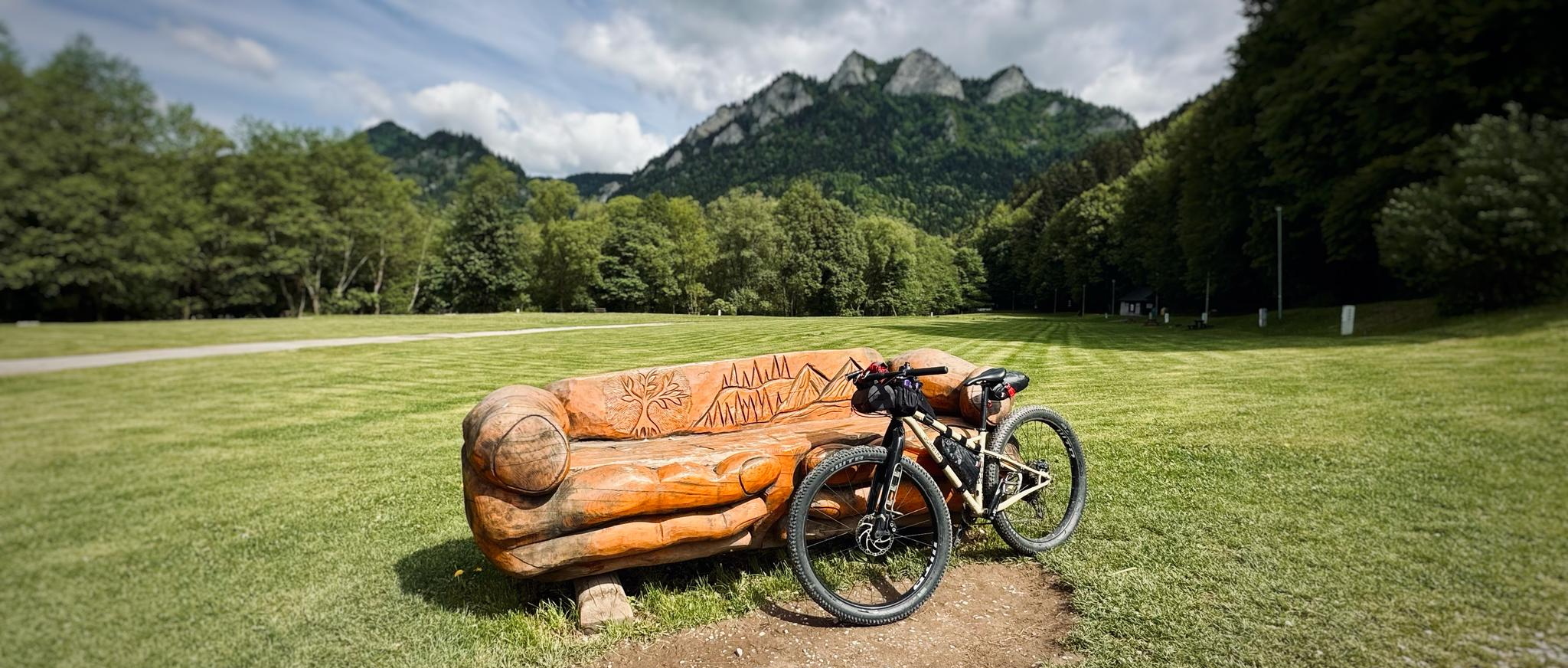
Between the Vistula & the High Tatras – bikepacking through Małopolska
Running Trails around Kraków
Cycling around Kraków
Hiking around Kraków
Road Cycling Routes around Kraków
MTB Trails around Kraków

Gravel biking around Kraków
Other adventures around Kraków


Tips from the Community

Unfortunately, but on the mound itself, there is an absolute ban on cycling, the paths leading to the summit have a smaller slope than the access roads to this place.
0
0

Calmly, even on hot days, many trails in the forest are in the shade.
0
0

You can also start from Wawel or Salwator.
0
0
Historic Mounds. Kościuszko Mound is right next to the route. Piłsudski Mound, which is accessible only by bike. Along the way, there's the Zoo and Sikornik Mountain with a beautiful view. You can also start from Wawel Castle or Salwator.
0
0

A short climb of just 1.5 km will take us to Krakow's Kościuszko Mound - a great viewpoint. The average gradient is 6.3%. Unfortunately, the surface is not in the best condition, and on weekends there can be a lot of traffic.
1
0

Although Butryk is undoubtedly the biggest attraction of the Kajasówka Reserve, the Kajasówka peak itself is also interesting. Its ridge is a characteristic wedge, and the views of the surrounding area are beautiful (if you stick out a bit through the trees at the top).
0
0
The Piłsudski Mound in Krakow is the largest of the Krakow mounds, located on Sowiniec Hill in the Wolski Forest. From its peak there is a wide panorama of the city and the surrounding mountain ranges, making it a great place for a walk and outdoor relaxation. Forest paths lead to the mound, which are suitable for both hiking and cycling. The ascent to the mound is gentle, but due to the length of the route from the parking lot, it is worth taking comfortable shoes. It is good to have water with you, because there is no shop or catering on site.
1
0
Frequently Asked Questions
What are the most popular mountain peaks and elevated spots to visit near Kraków?
Kraków offers a mix of historical mounds within the city and natural mountain ranges nearby. Within the city, the Piłsudski Mound is the highest point, offering panoramic views. The Kościuszko Mound provides excellent city panoramas and historical context. For more traditional mountain experiences, the Tatra Mountains and Beskidy Mountains are accessible for day trips, featuring peaks like Rysy and Mogielica Mountain.
Are there family-friendly mountain peaks or elevated spots around Kraków?
Yes, several spots are suitable for families. The Piłsudski Mound is considered family-friendly, with a well-maintained park and playground surrounding it, and an easy 15-minute walk from the zoo. Its gentle ascent and panoramic views make it a great option for all ages.
What kind of views can I expect from the elevated points in and around Kraków?
From the city's mounds, you can expect extensive panoramic views of Kraków itself. On clear days, both the Piłsudski Mound and Kościuszko Mound offer glimpses of the distant Tatra Mountains. From natural peaks in the Beskidy Mountains, such as Mogielica, you'll find fantastic mountain landscapes, with the Tatra Mountains also visible on clear days.
What historical significance do some of Kraków's elevated points hold?
The Kościuszko Mound is a significant historical site. Built between 1820-1823, it honors Polish national hero Tadeusz Kościuszko and was later converted into a 19th-century fort by the Austrians. Visiting it combines scenic beauty with cultural importance, and a ticket allows access to exhibitions within the fort.
What are the best options for easy mountain hikes near Kraków?
For an easy ascent with rewarding views, consider Wielkanoc Hill (260 m), which features a green-marked hiking trail. The short climb is appreciated by locals for its scenic payoff. Additionally, you can find more easy hiking options in the Easy hikes around Kraków guide.
Are there challenging hiking trails or climbs available near Kraków?
Yes, for more challenging experiences, the Tatra Mountains offer diverse trails, from moderate to demanding climbs, particularly for peaks like Rysy. Within the city's vicinity, the ascent to Łysa Góra Viewpoint is noted as tiring but offers fantastic views. The Climb to Kościuszko Mound in Krakow also presents an intermediate challenge with an average gradient of 6.3%.
What outdoor activities can I do near these mountain peaks besides hiking?
Beyond hiking, the region around Kraków offers various outdoor activities. You can explore Road Cycling Routes around Kraków or tackle MTB Trails around Kraków. The Tatra Mountains are also a popular destination for skiing from December to March.
What is the best time of year to hike in the mountains near Kraków?
The best time for hiking in the Tatra Mountains and other natural ranges near Kraków is generally between May and October. This period offers favorable weather conditions for exploring the trails. For winter sports enthusiasts, the Tatra Mountains provide excellent skiing conditions from December to March.
How accessible are the mountain ranges like the Tatras and Beskidy from Kraków?
The Tatra Mountains are approximately 100 km south of Kraków, making them accessible for day trips or longer stays. The Beskidy Mountains, particularly Beskid Wyspowy, are even closer, located just 60-150 km from Kraków, offering a convenient option for day trips or multi-day hiking adventures.
What do visitors enjoy most about the mountain peaks around Kraków?
Visitors frequently praise the breathtaking panoramic views, especially from the city's mounds where you can see Kraków and, on clear days, the distant Tatra Mountains. The combination of easy accessibility to nature, historical significance, and diverse outdoor activities, from gentle walks to challenging climbs, is highly valued by the komoot community.
Most popular routes around Kraków
Most popular attractions around Kraków

Get inspired with the komoot mobile app


