Attractions and Places To See around gmina Kobyla Góra - Top 15
Best attractions and places to see around gmina Kobyla Góra. This region, situated in the southern part of Greater Poland Voivodeship, features the Ostrzeszów Hills, forests, and small lakes. It is home to Kobyla Góra Peak, the highest point in Greater Poland at 284 meters above sea level, offering views of the surrounding landscape. The area combines natural features with historical and cultural sites, including several notable churches.
Best attractions and places to see around gmina Kobyla Góra
- The most…
Last updated: July 15, 2026
Stradomia Reservoir Beach
Highlight • Beach
Translated by Google •
Tip by

Church of the Nativity of the Blessed Virgin Mary in Myślniew
Highlight • Religious Site
Translated by Google •
Tip by

Sign up now to discover places like this
Get recommendations on the best single tracks, peaks, & plenty of other exciting outdoor places.
Sign up for free
Church of the Immaculate Conception of the Blessed Virgin Mary, Czarnylas
Highlight • Religious Site
Translated by Google •
Tip by
Krzyż Wielkopolski on Kobyla Góra
Highlight • Monument
Translated by Google •
Tip by

Holy Trinity Wooden Church in Marcinki
Highlight • Religious Site
Translated by Google •
Tip by
Sign up for free to discover even more attractions around gmina Kobyla Góra.
Sign up for free
Already have an account?
Start today with a free account
Your next adventure awaits.
Login or Signup

Tips from the Community


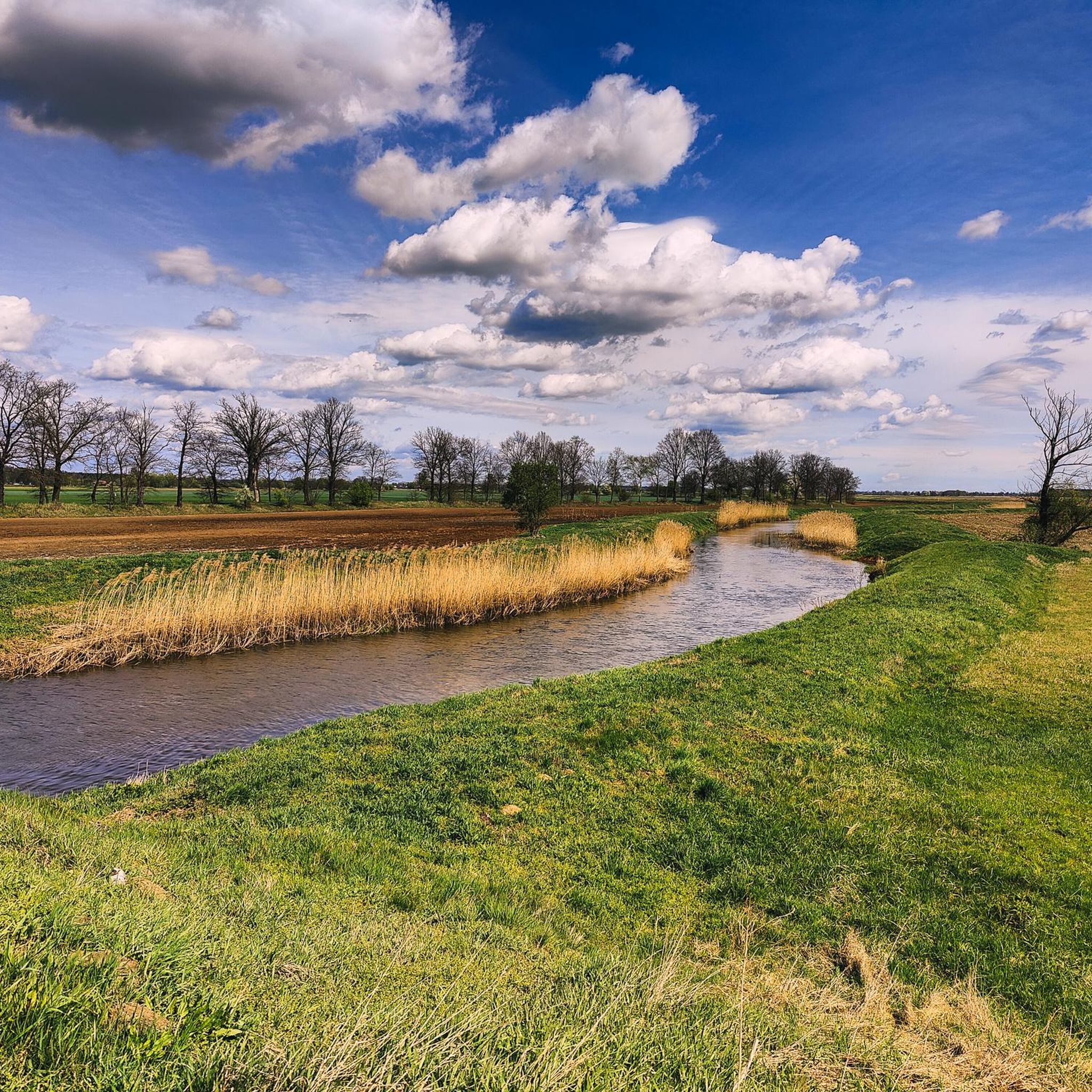
And again a beautiful church
0
0

Kobyla Góra is the highest elevation in Wielkopolska (284 m above sea level), located in the Ostrzeszów Hills range. At its peak there is the Greater Poland Jubilee Cross, commemorative stones and the John Paul II Bell, which tolls daily at 3:00 p.m. This place serves an important pilgrimage and sightseeing function, offering distant views, including the Eastern Sudetes and the Opole Power Plant. Several hiking and cycling trails lead to the peak, including the Trans-Greater Poland Cycling Route.
3
0

The Church of the Immaculate Conception of the Blessed Virgin Mary for the Evangelical community was built in the second half of the 19th century with funds provided by the Foundation of Princess Ludwika Radziwiłł of Hohenzollern, which is why the coat of arms of the Hohenzollern dynasty is visible in the stained glass window above the main altar. It is a monumental building in the eclectic style (fashionable in the Romanticism era), with an interior in the Neo-Romanesque style. The church tower is built on a square plan. The original color of the walls in red-brown tones is the result of the building material used - bricks from bog iron ore.
0
0
Church of the Nativity of the Blessed Virgin Mary from 1746. Renovated in 1974-75. In 2018, the roofs were covered with shingles. The temples were placed above a spring, which causes dampness of the floor. Wooden church, single-nave, log construction. Oriented. Smaller chancel from the nave, closed on three sides with a side sacristy. Porch on the side of the nave. Tower at the front, post-and-beam construction with walls sloping upwards and a porch in the ground floor. Topped with a Baroque, sheet metal dome with a double octagonal lantern and a cross. Double-ridge roof, covered with larch shingles with a wide eaves with a hexagonal turret for a bell tower. Topped with a pyramidal sheet metal dome with a lantern and a cross. Inside, apparent barrel vaults, slightly flattened in the chancel. On the wall, the Crucifixion Group with the date of construction of the church "1746". The choir is supported by two wooden pillars with a balustrade of a straight line, decorated with three figures on consoles. Pipe organs liquidated in 2009. The main altar and two late Baroque side altars from around the mid-18th century. Baroque pulpit with a canopy and baptismal font from the mid-18th century. Gothic figure of the Madonna and Child from the end of the 14th century. Baroque-folk processional crucifixes.
0
0
Holy Trinity Church from 1801-03. Polychrome from 1830, renovated in 1897 and 1972 - Teodor Szukała. Renovated in 1930 and 1975. Wooden church, single-nave, log construction. Oriented, built on a stone and brick foundation. Smaller presbytery from the nave, rectangularly closed with a side sacristy. Porch on the side of the nave. Low tower at the front, post-and-beam construction with porch in the ground floor. Walls slightly inclined upwards, topped with a tented roof covered with sheet metal. Double-ridge roof, covered with shingles. In the central part, a wooden, round turret with a bell tower with a sheet metal, onion-shaped dome and lantern. Flat ceiling inside. Choir supported on pillars and connected to a suspended side gallery. 8-voice organ from the late 19th century. Rainbow beam with woodcarving decoration and the Crucifixion Group from the 2nd half of the 18th century. Board floors. Partially preserved Baroque-folk polychrome from around 1830. Depiction of the Virgin Mary with figures of the Evangelists, the Holy Trinity and symbols: the Eye of Providence, the Chalice with the Host, the Cross with an Anchor. Polish Saints, bouquets of flowers and fruit in medallions. Late Renaissance main altar from the 1st half of the 17th century with a late Gothic sculpture of the Virgin Mary from the late 16th century.
0
0

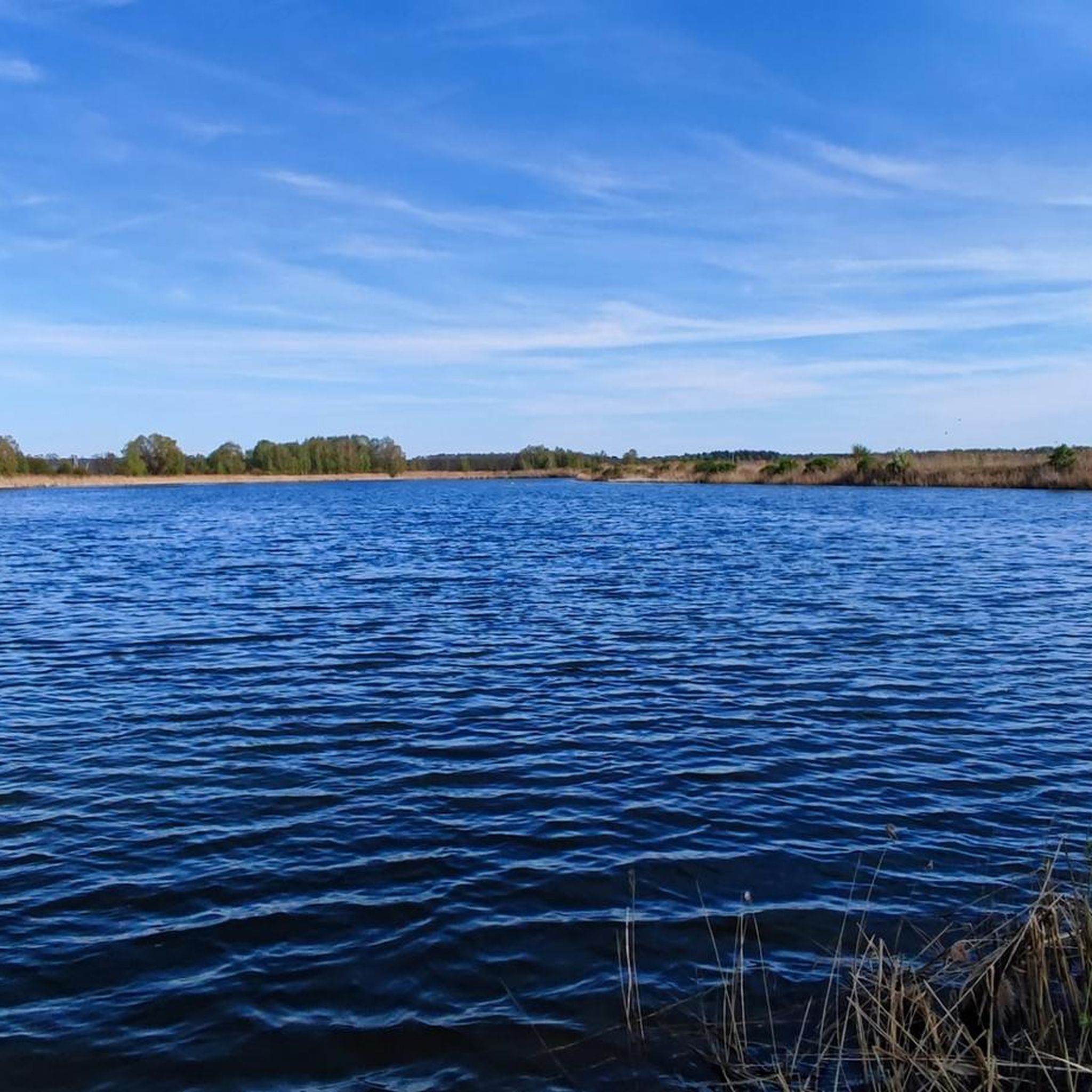
A great tourist and recreational showcase of the region and an attractive place for lovers of outdoor recreation. A sandy, 300-meter beach allows for pleasant sunbathing. From the separate guarded bathing area there is a gentle descent to the water and children can safely splash around under the watchful eye of parents and lifeguards. During the holiday season, catering points and a water equipment rental (kayaks, water bikes) are open. For those who like to relax close to nature, staying overnight at a campsite - right by the beach - can be a great pleasure. Do you need activity? On the reservoir there are beach volleyball courts, football and basketball courts, two boules tracks, a rope playground for children with a sandbox and plenty of space for other beach games. There are also great conditions for sailing, windsurfing and fishing.
1
0
Frequently Asked Questions
What natural attractions can I explore in Gmina Kobyla Góra?
Gmina Kobyla Góra is rich in natural beauty, situated within the picturesque Ostrzeszów Hills. You can visit Kobyla Góra Peak, the highest point in Greater Poland, offering panoramic views. Another major natural draw is Zalew Blewązka, an artificial reservoir popular for swimming, kayaking, and relaxation, with surrounding forests perfect for walking and cycling. The entire area is part of the Ostrzeszów Hills and Odolanów Basin Protected Landscape Area, known for its extensive forests and clean air.
Are there any significant historical or cultural sites to visit?
Yes, Gmina Kobyla Góra has several notable historical and cultural sites. At the summit of Kobyla Góra, you'll find the impressive Jubilee Cross (Krzyż Wielkopolski) and the John Paul II Bell. The region is also home to several historic churches, such as the classicist Catholic Church of St. Jadwiga Śląska in Kobyla Góra, the Neo-Gothic Evangelical Church in Kobyla Góra, and the beautiful wooden Church of the Nativity of the Blessed Virgin Mary in Myślniew, dating back to 1746. You can also visit the Neo-Romanesque Church of the Immaculate Conception of the Blessed Virgin Mary in Czarnylas.
What kind of outdoor activities are available in the region?
The region offers a variety of outdoor activities, especially hiking and cycling. Kobyla Góra Peak is accessible via several hiking and cycling trails, including sections of the Transwielkopolska Cycling Route. The forests around Zalew Blewązka also provide clear paths for walking and cycling. For more structured routes, you can explore easy hikes, gravel biking, and MTB trails around Gmina Kobyla Góra.
Is Gmina Kobyla Góra suitable for families with children?
Yes, Gmina Kobyla Góra offers family-friendly options. Stradomia Reservoir Beach (part of Zalew Blewązka) is a great spot for families, featuring a sandy beach, a guarded bathing area with a gentle descent into the water, water equipment rentals, beach volleyball courts, football and basketball courts, and a rope playground for children. The surrounding forests also provide safe and pleasant areas for family walks and bike rides.
Where can I find a good spot for swimming or water activities?
The primary location for swimming and water activities is Stradomia Reservoir Beach, located at Zalew Blewązka. It offers a sandy beach, piers, and water equipment rentals for activities like kayaking and water biking. During the holiday season, there's a guarded bathing area, making it a safe and popular choice for water recreation.
What is the highest point in Gmina Kobyla Góra and what does it offer?
The highest point in Gmina Kobyla Góra, and indeed in all of Greater Poland, is Kobyla Góra Peak, standing at 284 meters above sea level. From its summit, you can enjoy extensive panoramic views of the surrounding villages, forests, and fields, and on clear days, even catch a glimpse of the Eastern Sudetes and the Opole Power Plant. The peak is also home to the Jubilee Cross and the John Paul II Bell, making it a significant pilgrimage and sightseeing destination.
Are there any unique religious buildings worth seeing?
Absolutely. Beyond the well-known churches, the region boasts several unique religious buildings. The Church of the Nativity of the Blessed Virgin Mary in Myślniew is a beautiful wooden church from 1746, featuring a late-Baroque main altar and a Gothic figure of the Madonna with Child from the late 14th century. Another example of rural wooden sacred architecture is the Holy Trinity Wooden Church in Marcinki, dating from 1801-03, known for its preserved Baroque-folk polychrome. The Evangelical Church in Pisarzowice, a Neo-Romanesque structure built from field stone and red sandstone, also stands out for its architecture.
Can I find easy walking or hiking trails in Gmina Kobyla Góra?
Yes, Gmina Kobyla Góra offers several easy walking and hiking opportunities. The forests surrounding Zalew Blewązka have clear paths suitable for leisurely strolls. You can also find specific easy routes, such as the 'Jewish Cemetery in Kobyla Góra – Zalew Blewązka loop' or the 'Zalew Blewązka – Jewish Cemetery in Kobyla Góra loop'. For more options, explore the easy hikes guide for the area.
What is the best time of year to visit Gmina Kobyla Góra?
Gmina Kobyla Góra is enjoyable throughout the year, but the best time largely depends on your preferred activities. Summer (June to August) is ideal for water activities at Zalew Blewązka and enjoying the sandy beach. Spring (April to May) and autumn (September to October) offer pleasant temperatures for hiking and cycling, with beautiful natural scenery as the foliage changes. The area's abundant forests and clean air make it a refreshing escape in any season.
Are there any memorial sites or unique sculptures in the area?
Yes, Gmina Kobyla Góra has several memorial sites. Between Zalew Blewązka and the road from Kobyla Góra to Myślniew, you can find commemorative plaques honoring participants of the Spring of Nations peasant revolt in 1848, the builders of the reservoir, and the Greater Poland Uprising of 1919. Additionally, there's a sculpture by Mr. Grzegorz Jerzyk in Zmyślona Parzynowska, adding a touch of local art to the landscape.
What kind of cycling routes are available in Gmina Kobyla Góra?
Gmina Kobyla Góra offers diverse cycling routes suitable for various skill levels. The Transwielkopolska Cycling Route passes through the area, leading to Kobyla Góra Peak. You can find options for gravel biking, with routes like 'Beautiful views – Pond loop' from Mąkoszyce, and MTB trails, including an 'Ostrzeszów - Castle loop' from Potaśnia. The surrounding forests and quiet roads provide excellent conditions for exploring on two wheels.
Are there any viewpoints other than Kobyla Góra Peak?
While Kobyla Góra Peak is the most prominent viewpoint, offering extensive panoramic vistas, the general area within the Ostrzeszów Hills provides numerous scenic spots. The elevated terrain and extensive forests mean that many trails and roads will offer picturesque views of the rolling landscape, fields, and small lakes, especially during clear weather.
Most popular routes around gmina Kobyla Góra

Get inspired with the komoot mobile app


Explore more
Still not found the Highlight you’re looking for? See guides of the top attractions in other regions:
