Top 20 Natural Monuments in Poland
Best natural monuments in Poland encompass a diverse range of landscapes, from ancient forests and majestic mountains to unique geological formations. The country features significant natural heritage, including alpine environments, glacial lakes, and dynamic coastal dunes. These sites offer insights into Poland's ecological history and provide varied outdoor experiences.
Best natural monuments in Poland
- The most popular natural monuments is Mały Staw (Little Pond) and Samotnia Mountain Hut, a lake that is home to fish and features a mountain hut. This location is considered one of the most beautiful buildings in the Giant Mountains.
- Another must-see spot is Lake Czorsztyn, a lake with a well-developed and scenic location. Visitors can find a bicycle route, Velo Czorsztyn, and nearby castles in Czorsztyn and Niedzica.
- Visitors also love Morskie Oko (Sea Eye), a picturesque glacial lake. It is a popular destination for hikers, with a recommended circular trail around the lake.
- Poland is known for its mountains, lakes, and waterfalls. The country offers a variety of natural monuments to see and explore, from high summits to deep gorges and ancient forests.
- The natural monuments in Poland are appreciated by the komoot community, with more than 2100 upvotes and over 1900 photos shared by visitors.
Last updated: September 29, 2026
Śnieżka (Schneekoppe) Summit
Highlight • Summit
Unfortunately, only the kiosk on the Czech side is still open.
The Sächsische Zeitung reported on December 28, 2021 that the restaurant on the Polish side should reopen in 2025.
Translated by Google •
Tip by

View of Śnieżka
Highlight • Viewpoint
Translated by Google •
Tip by

Sign up now to discover places like this
Get recommendations on the best single tracks, peaks, & plenty of other exciting outdoor places.
Kamieńczyk Waterfall
Highlight • Waterfall
Translated by Google •
Tip by

Mały Staw (Little Pond) and Samotnia Mountain Hut
Highlight • Lake
A nice photo motif.
Translated by Google •
Tip by
Lake Czorsztyn
Highlight • Lake
Translated by Google •
Tip by

Morskie Oko (Sea Eye)
Highlight • Lake
Until here, sneakers are sufficient but if you want to be around the lake, it should be good hiking boots.
Translated by Google •
Tip by

Large snow pit
Highlight • Gorge
Translated by Google •
Tip by
Great Giewont
Highlight • Summit
Translated by Google •
Tip by

Mickiewicz Waterfalls
Highlight • Waterfall
Translated by Google •
Tip by
Sněžka Meteorological Observatory
Highlight • Monument
Translated by Google •
Tip by
Sign up for free to discover even more natural monuments in Poland.
Already have an account?
Start today with a free account
Your next adventure awaits.
Popular around Poland
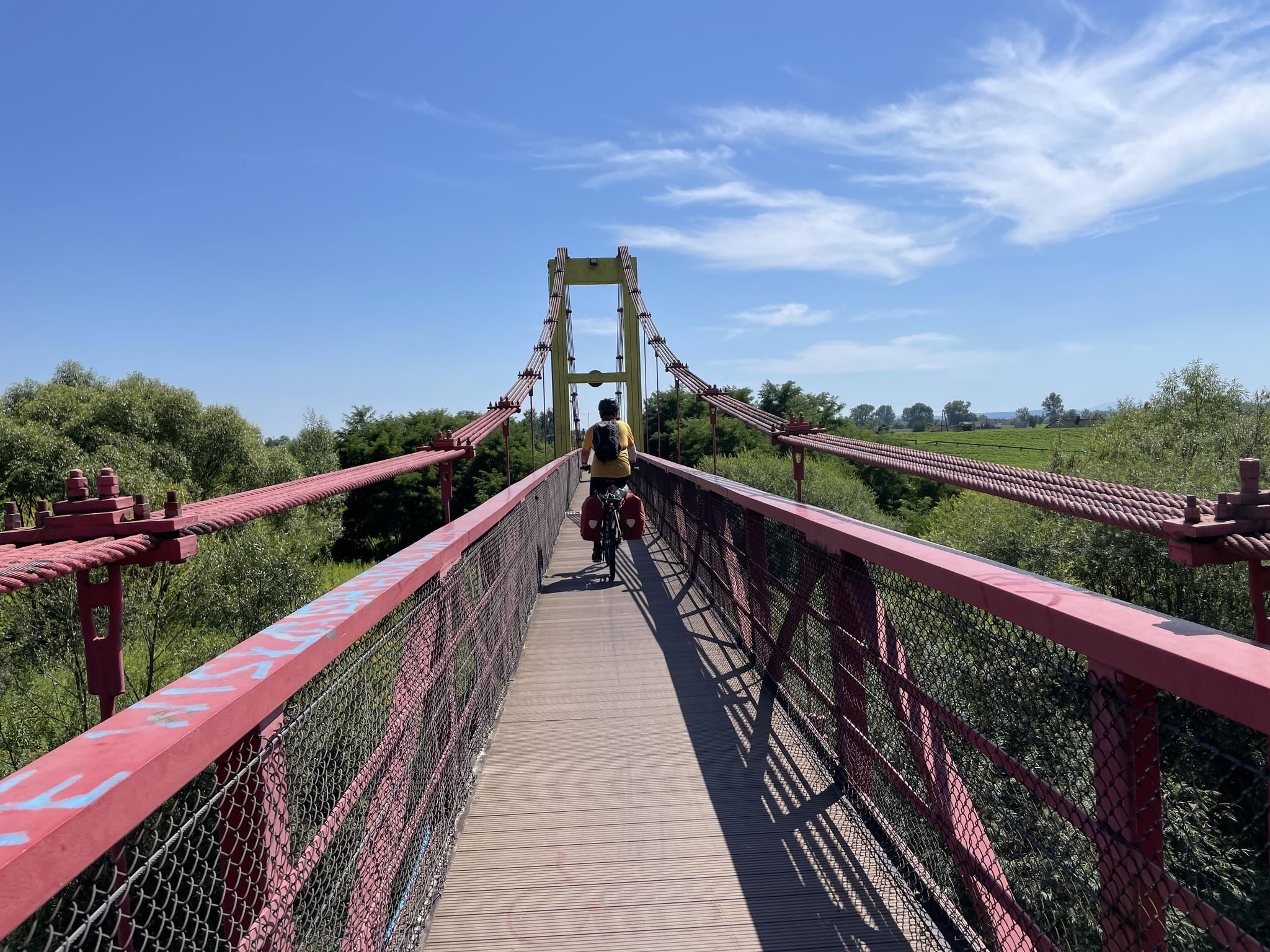
EuroVelo 4 (section in Poland) – Wonderful Vistula river vibes and historic Polish cities
Bike Pilgrimage on the Royal Route – St. James' Way via Regia
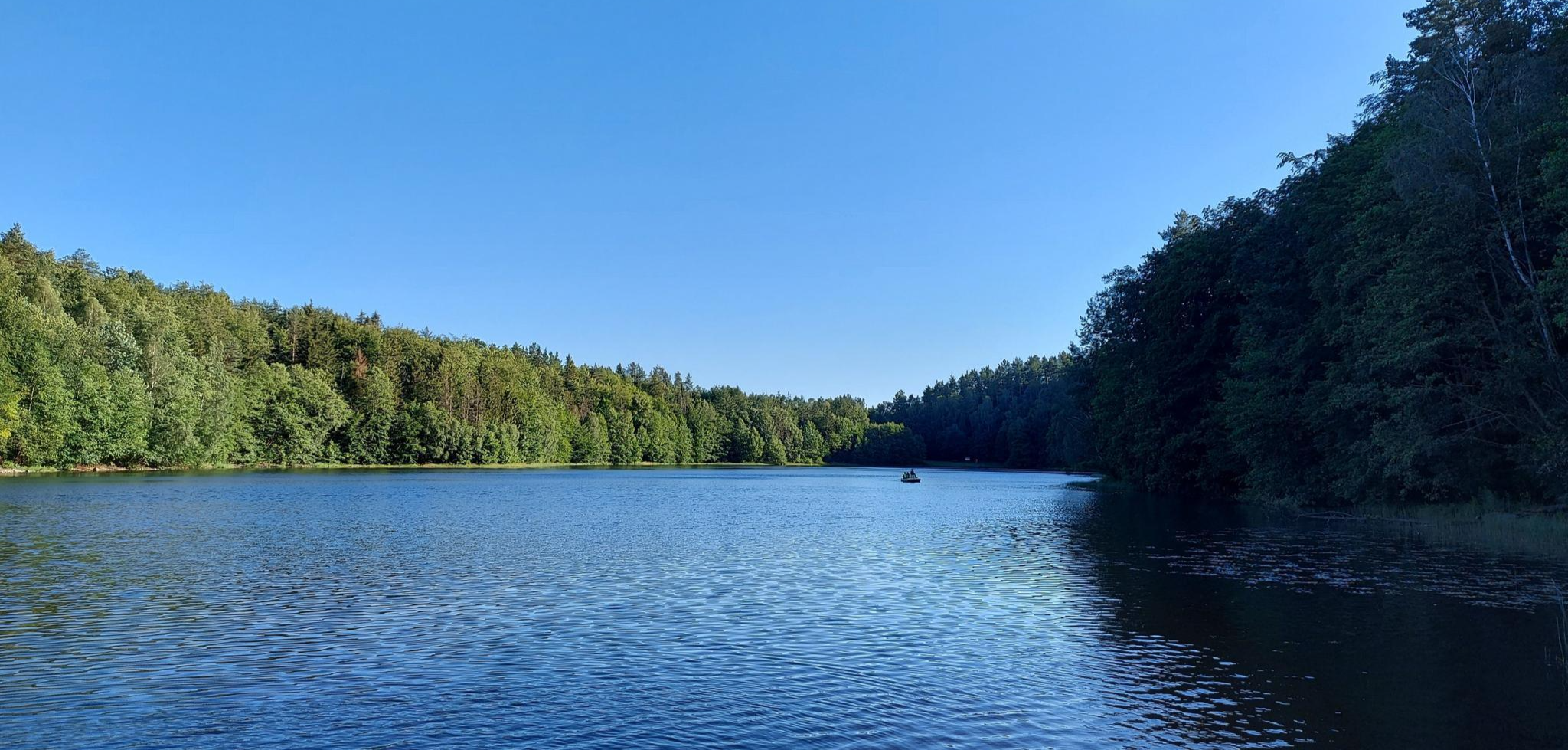
Kashubian Trail - captivating landscapes and beautiful lakes
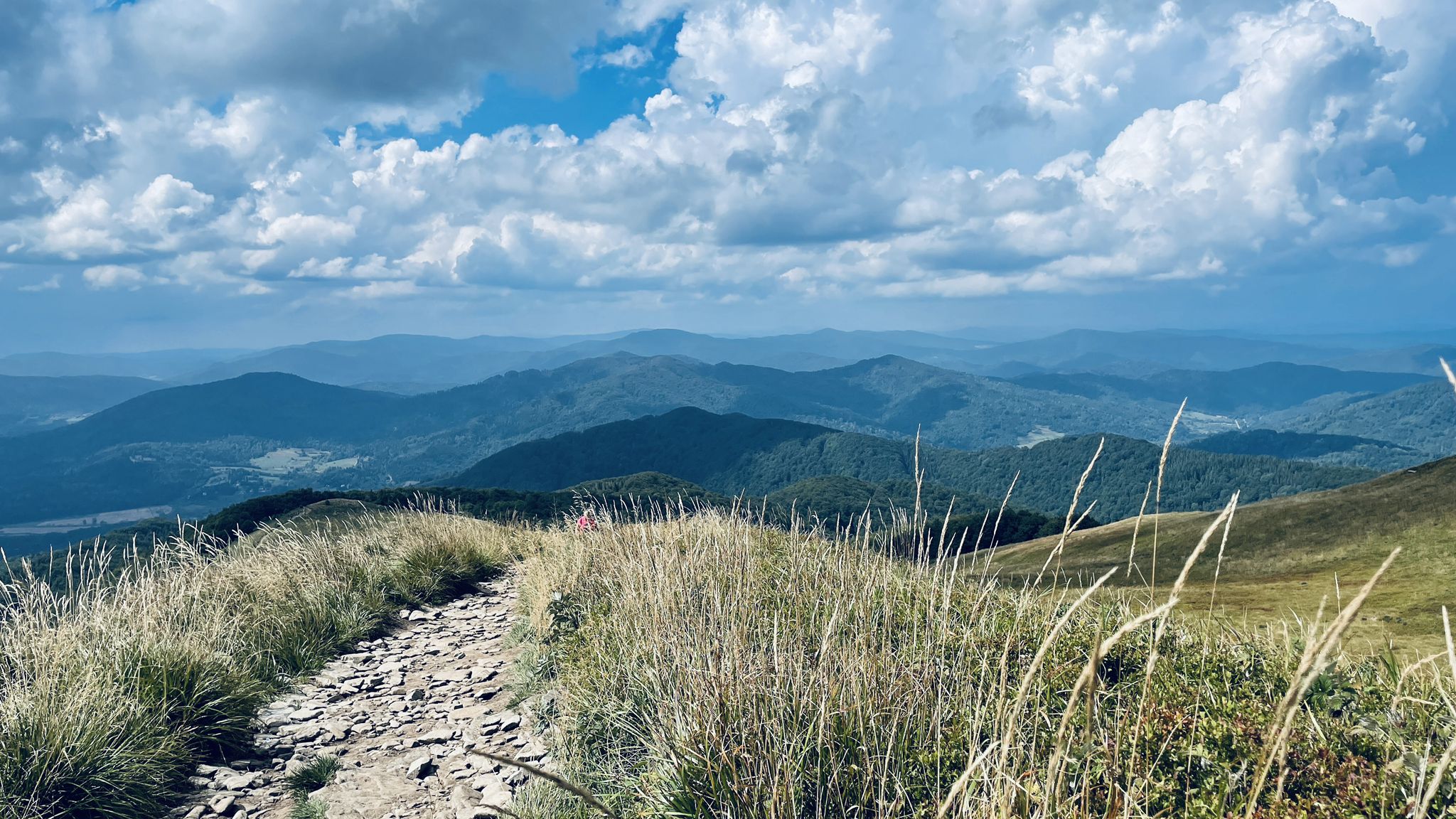
Main Beskids Trail — the longest Polish Mountain Trail
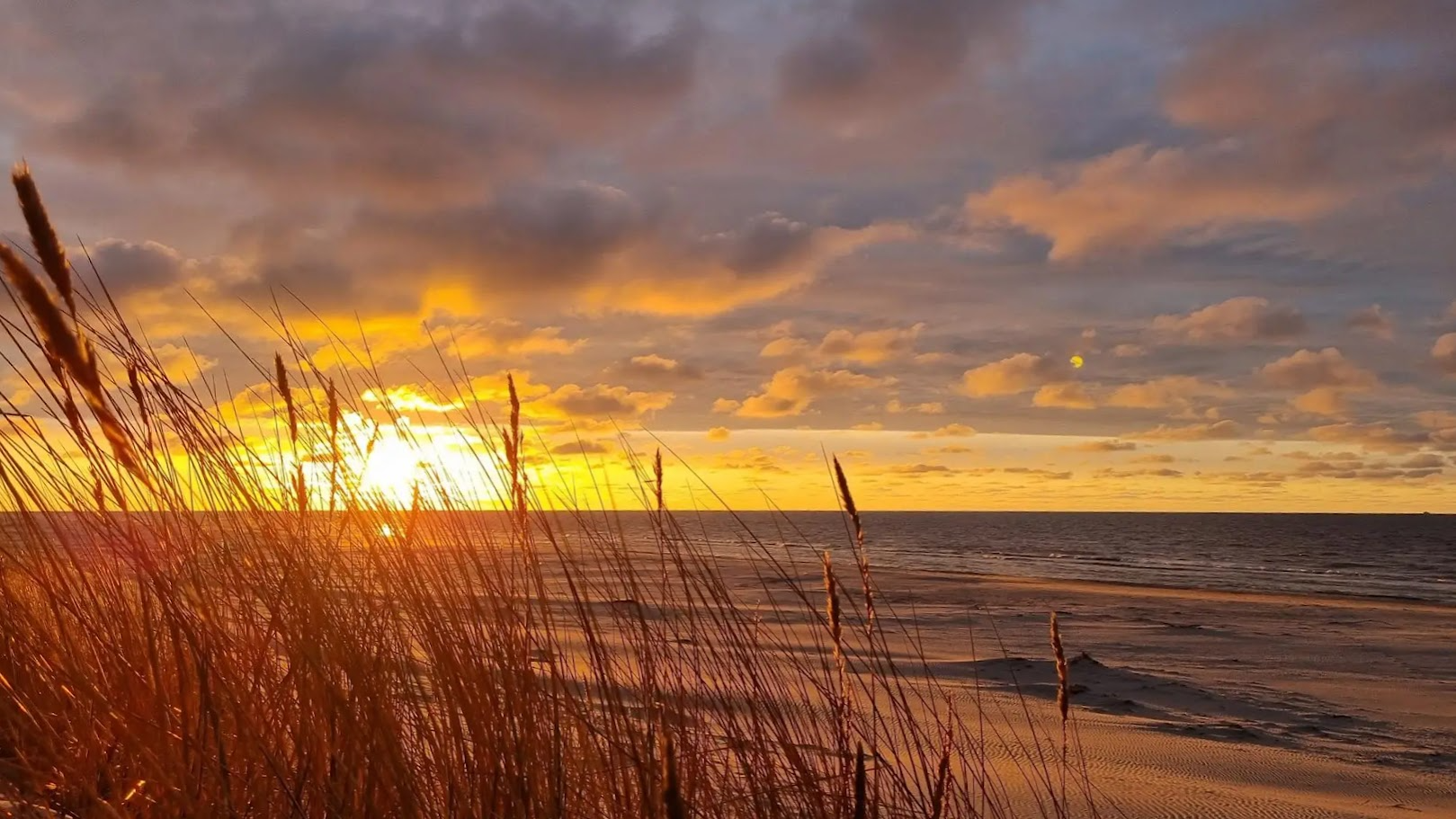
Seaside Trail – the beauty and majesty of the Baltic beaches
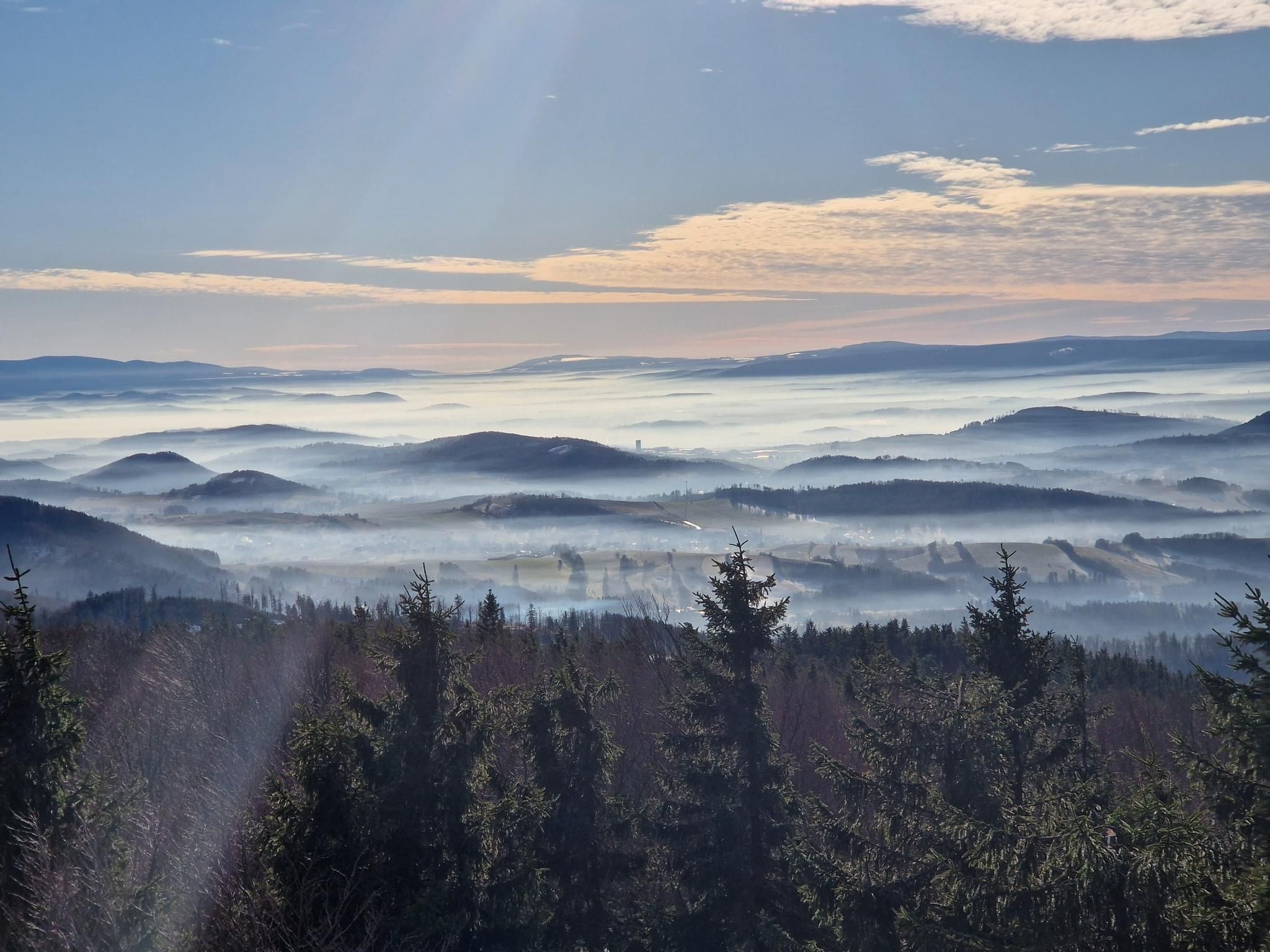
The Main Sudeten Route – a great Polish mountain adventure
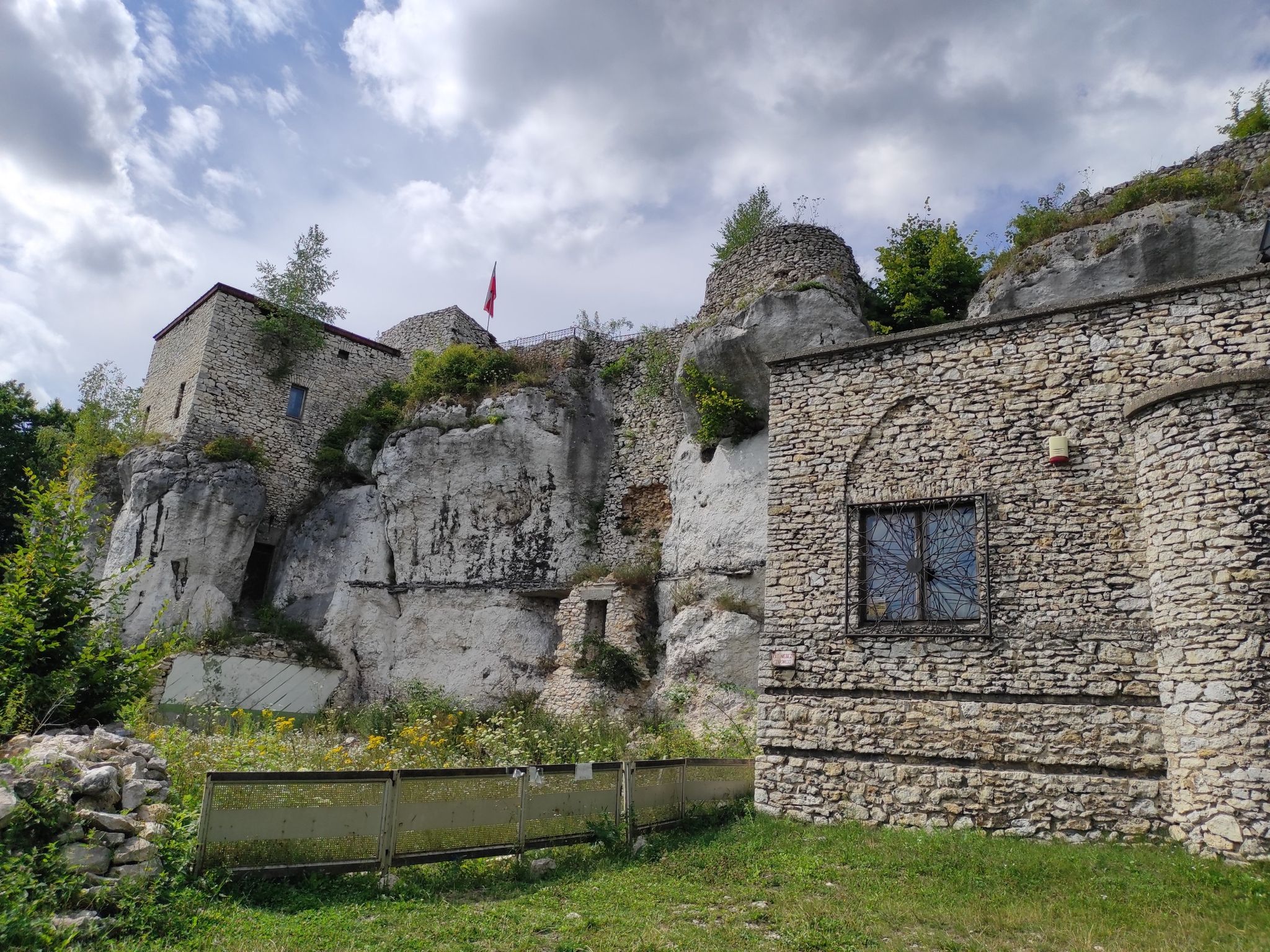
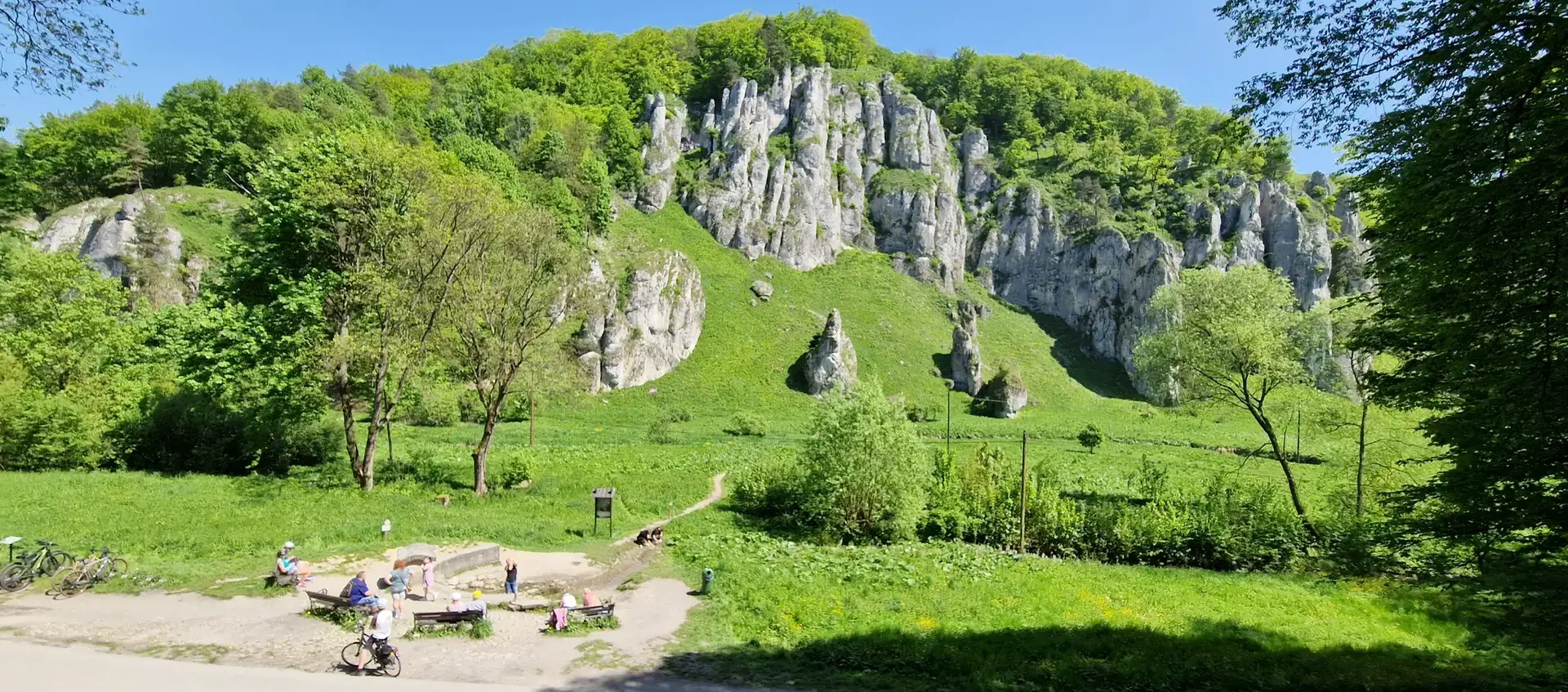
Trail of the Eagle's Nests — Magnificent Castles of Kazimierz Wielki and beautiful Grottos and Rocks
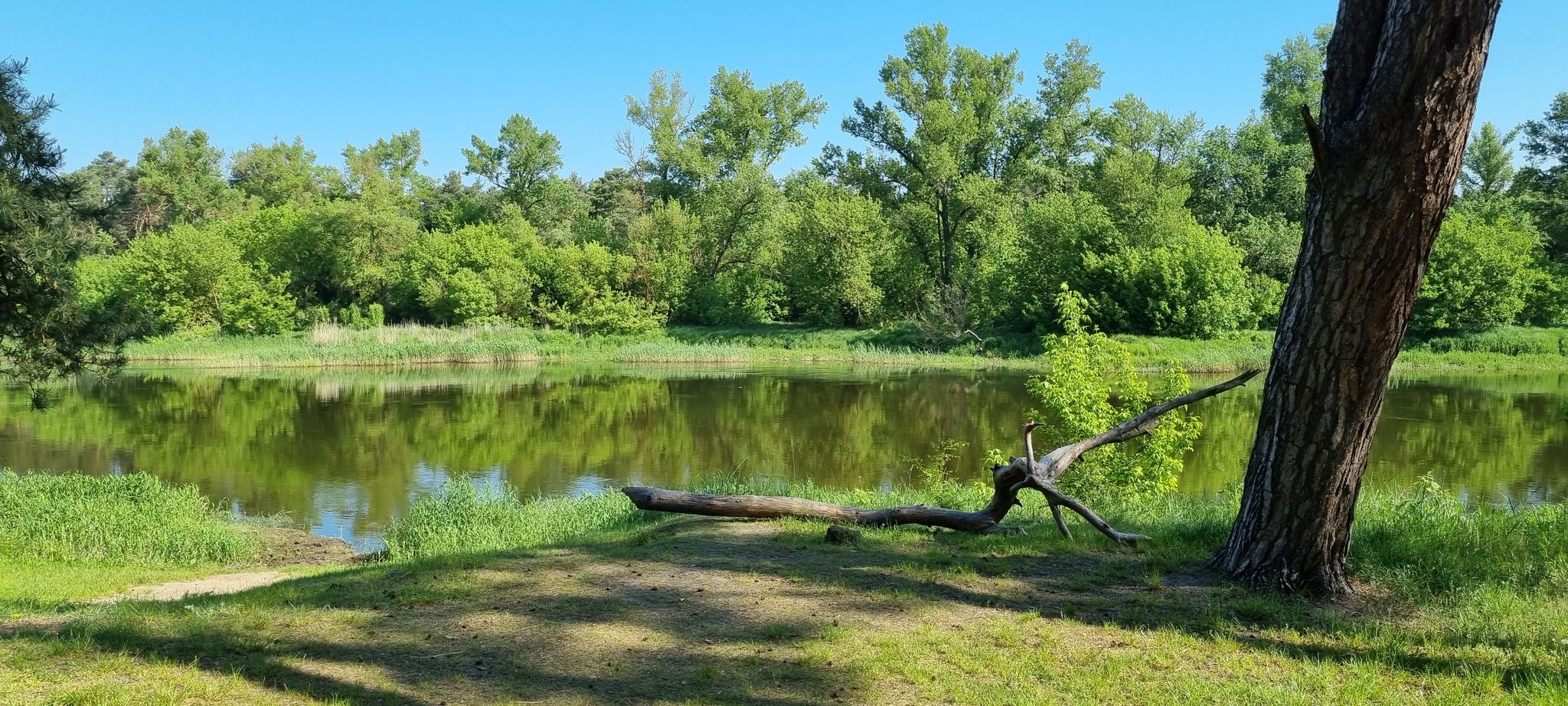
Warta River Cycle Route – Through the Green Heart of Greater Poland
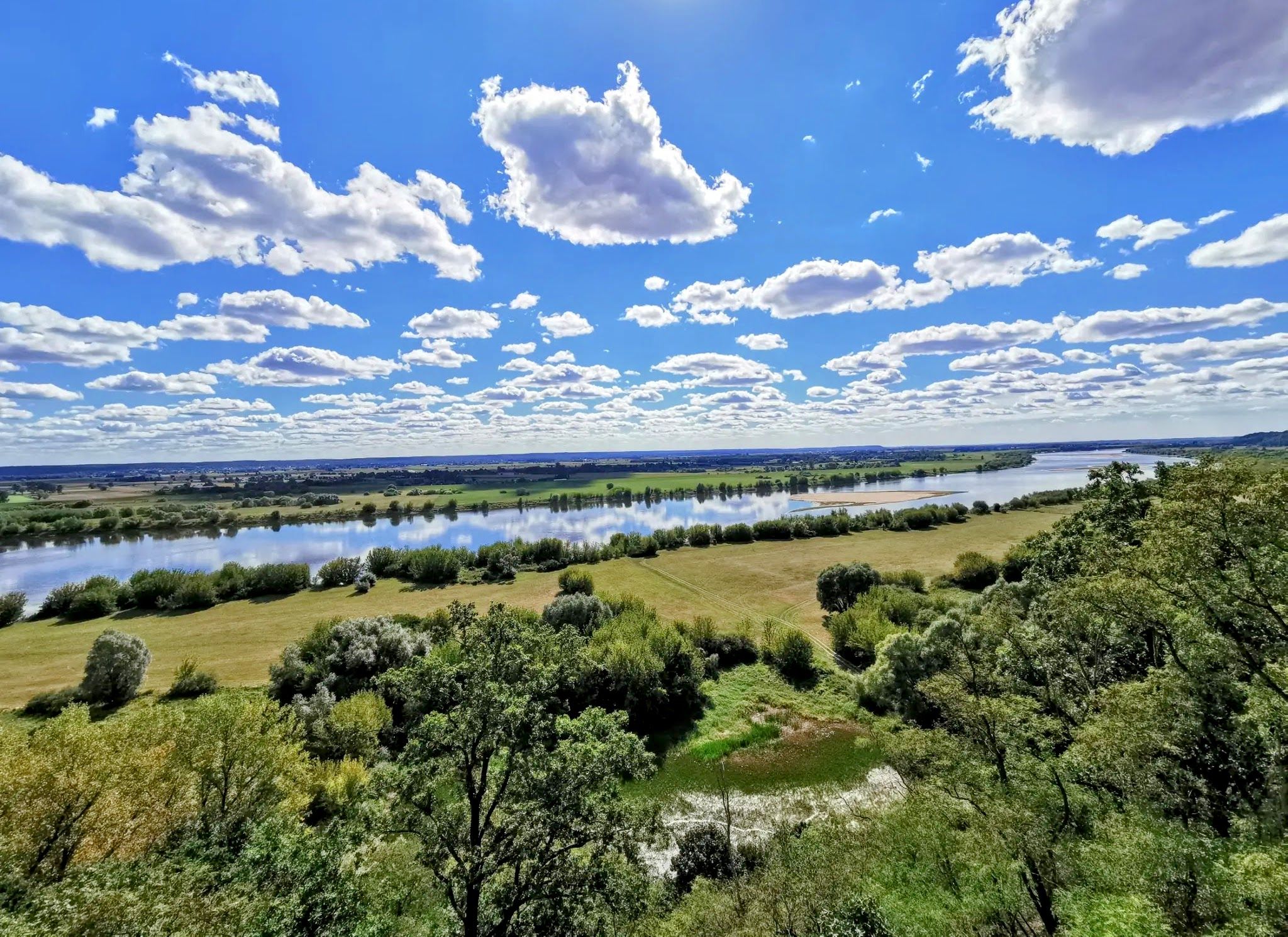
Vistula Cycle Route – The Queen of Polish Rivers in the Spotlight
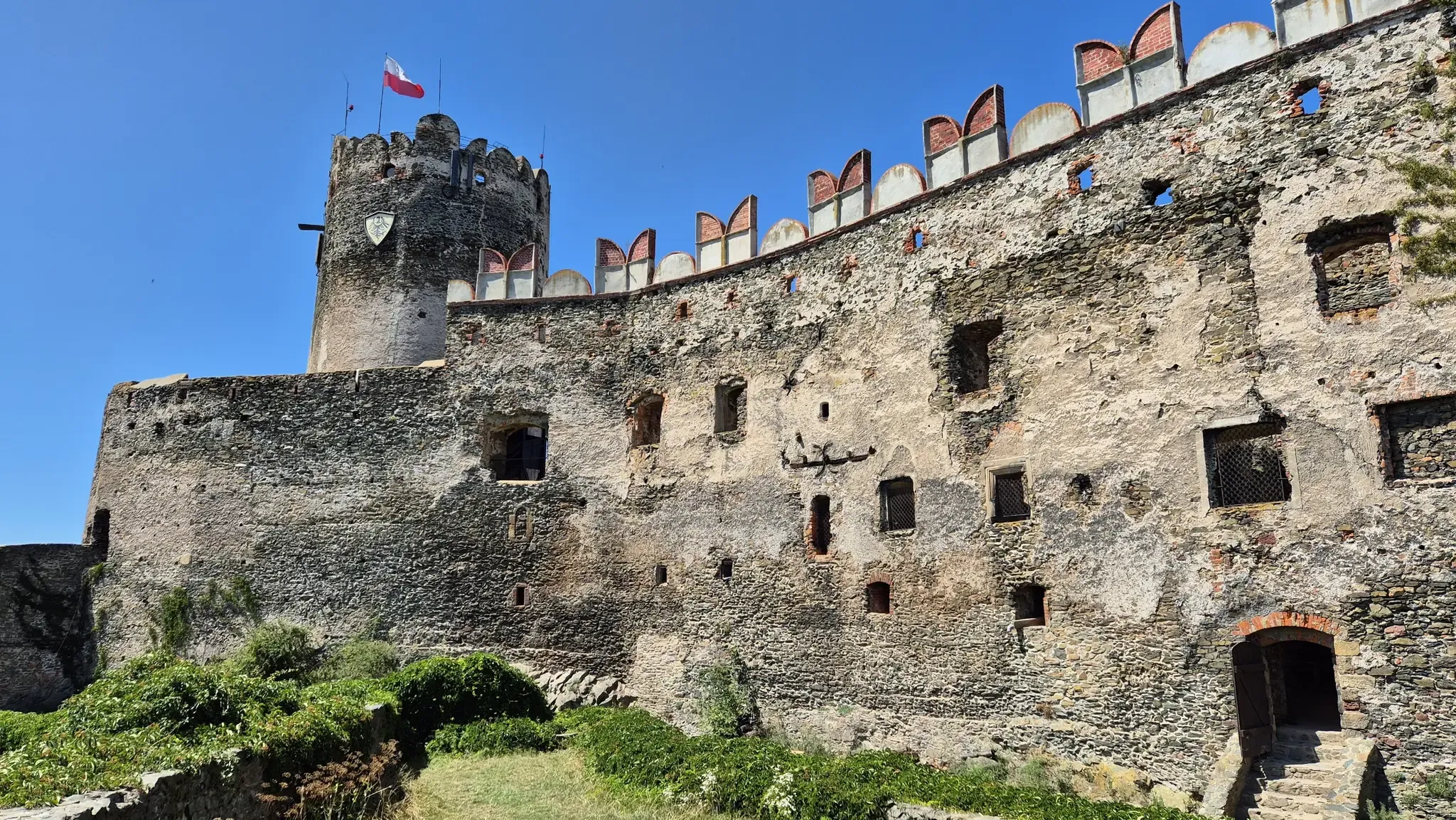
Piast Castles Trail – Great strongholds of Sudety
Other adventures in Poland


Tips from the Community

If you go to Sněžka in the summer, wear autumn clothes. If you go to Sněžka in the autumn, wear winter clothes. If you go to Sněžka in the winter, wear clothes that you would also wear in the Arctic! And if you go to Sněžka in the spring, wear clothes for all four seasons. 🌦️😅
7
0

❄️ A winter walk with magical views! 🌄 Sun over the mountains, fresh frost, glistening snow, and perfect shots at every turn 📸✨ An easy, atmospheric route that gives you the feeling of a true winter fairy tale. Come for beautiful views, inspiration, and fresh mountain air! 🌬️🏔️💙
3
0

A beautiful waterfall with an even more beautiful name :-) a nice stop on the asphalt trail ;-)
0
0


Giewont is really the whole massif. This is its highest peak, Wielki Giewont. Giewont is the symbol of Zakopane, the Polish Tatras and Podhale. Because it is, you can expect crowds here - this peak is extremely popular. Especially at the very top, you have to be careful, because everything can be slippery for hundreds of feet here.
2
0
This waterfall is made up of three other cascades, flowing from the Five Lakes. The name "Wodogrzmoty" (although sometimes these waterfalls are simply called Mickiewicz Waterfalls) comes from the fact that the water makes a terrible roar as it falls (and it's cool).
0
0
The history of meteorological observations here on Śnieżka begins in 1824, but the first observatory was here since 1900. This one is named after Tadeusz Hołdys, who directed it for many years. Beautiful views!
2
1

The Snow Pits (Polish: Śnieżne Kotły) in the Giant Mountains are an impressive natural wonder that delights both hikers and nature lovers. They consist of two glacial cirques, the Great Snow Pit (Wielki Kocioł Śnieżny) and the Small Snow Pit (Mały Kocioł Śnieżny), located at an altitude of approximately 1,200 to 1,300 meters. These steep and deep rock faces were formed by glaciers and provide a breathtaking backdrop. The walls of the Snow Pits drop almost vertically to a height of up to 100 meters, making them one of the most spectacular places in the Giant Mountains. Rare flora and fauna: Due to the special microclimate, plant species normally found only in arctic regions thrive here. On the ridge above the Snow Pits stands the historic Snow Pit Hut (Polish: Schronisko na Śnieżnych Kotłach), a building that formerly served as a meteorological station.
0
0
Frequently Asked Questions
What kind of natural features can I expect to see among Poland's natural monuments?
Poland's natural monuments showcase a diverse range of landscapes. You can explore ancient forests like Mały Staw (Little Pond), majestic mountains such as the Tatras with peaks like Śnieżka Summit and Great Giewont, and unique geological formations. These include dramatic river gorges like the Dunajec, shifting sand dunes at Słowiński National Park, and stunning cave systems such as Raj Cave. You'll also find numerous glacial lakes, powerful waterfalls, and impressive rock formations.
Are there any unique geological formations or rock features to explore?
Yes, Poland offers several remarkable geological formations. The Snowy Cauldrons in the Giant Mountains present dramatic glacial cirques. The Dunajec River Gorge, part of the Pieniny Mountains, features towering limestone cliffs. Raj Cave in the Świętokrzyskie Mountains is renowned for its abundant dripstone formations. Additionally, the Eagles' Nests Landscape Park in the Polish Jurassic Highland is characterized by unique lime inselbergs and karst valleys.
What outdoor activities can I do near Poland's natural monuments?
Many natural monuments offer excellent opportunities for outdoor activities. You can enjoy hiking, cycling, and water sports. For instance, the Tatra Mountains are ideal for hiking, with trails ranging from easy walks around Morskie Oko to challenging climbs up Rysy Summit. The Masurian Lakes District is perfect for sailing, canoeing, and kayaking. The Dunajec River Gorge is famous for traditional rafting trips. For cycling, the Velo Czorsztyn route around Lake Czorsztyn is a popular choice.
Are there good hiking trails around these natural monuments?
Absolutely. Many natural monuments are surrounded by well-maintained hiking trails. For example, the Tatra National Park offers numerous routes, including a recommended circular trail around Morskie Oko. You can find various hiking options, from moderate to difficult, near sites like Kamieńczyk Waterfall and Wodogrzmoty Mickiewicza Waterfalls. For more detailed routes, explore the Hiking in Poland guide.
Can I go cycling near any natural monuments?
Yes, cycling is a fantastic way to experience some of Poland's natural monuments. Lake Czorsztyn features the scenic Velo Czorsztyn bicycle route. The Masurian Lakes District also offers many cycling paths through its picturesque landscapes. You can find more cycling routes in the Cycling in Poland guide.
Are there family-friendly natural monuments in Poland?
Many natural monuments are suitable for families. Morskie Oko, with its relatively easy walk to the lake and circular trail, is a favorite among families. Kamieńczyk Waterfall and Wodogrzmoty Mickiewicza Waterfalls also offer accessible trails. Lake Czorsztyn provides a well-developed area with cycling routes that families can enjoy.
Which natural monuments offer historical or cultural insights?
Some natural monuments blend natural beauty with historical significance. Raj Cave not only features stunning geological formations but also museum exhibitions showcasing prehistoric animal bones and Neanderthal family camps. The Eagles' Nests Landscape Park is dotted with medieval castles, like Ogrodzieniec Castle, perched on limestone hills, offering a dramatic backdrop to the natural scenery. Lake Czorsztyn is notable for its proximity to historic castles in Czorsztyn and Niedzica.
Where can I observe unique wildlife or ancient forests?
For unique wildlife and ancient forests, Białowieża Forest is unparalleled. It is one of Europe's last remaining primeval forests and a UNESCO World Heritage site, home to diverse flora and fauna, including the European bison. The Tatra Mountains also offer opportunities to spot wildlife like brown bears, wolves, and lynxes in their natural habitat.
What is the best time of year to visit Poland's natural monuments?
The best time to visit largely depends on the type of experience you seek. Spring and summer (May to September) are ideal for hiking, cycling, and water sports, with pleasant weather and lush landscapes. Autumn (September to October) offers stunning fall foliage, particularly in forested and mountainous regions. Winter transforms the Tatra Mountains into a popular destination for skiing and snowboarding, though some areas may be less accessible due to snow.
Are there any natural monuments with impressive viewpoints?
Many natural monuments in Poland offer breathtaking viewpoints. The Śnieżka Summit provides panoramic views of the Giant Mountains, with visibility up to 200 km on clear days. The highest dune at Słowiński National Park, Rowokol, offers spectacular sunset views over the Baltic Sea. The Great Giewont is a prominent viewpoint in the Tatras, and the Snowy Cauldrons also feature impressive vistas.
What do visitors enjoy most about Poland's natural monuments?
Visitors frequently praise the stunning natural beauty and the variety of experiences. The serene atmosphere of places like Mały Staw (Little Pond) and the picturesque setting of Morskie Oko are often highlighted. Many appreciate the well-developed infrastructure around sites like Lake Czorsztyn, which combines natural views with recreational opportunities. The chance to explore ancient forests, dramatic mountains, and unique geological formations leaves a lasting impression.
Most popular routes in Poland
Most popular attractions in Poland

Get inspired with the komoot mobile app


Didn’t find what you were looking for?
Find even more amazing natural monuments in Poland by checking out the top Highlights region by region:
Explore more
Extend your search for the best caves by checking out these guides of the top ones in Poland:
